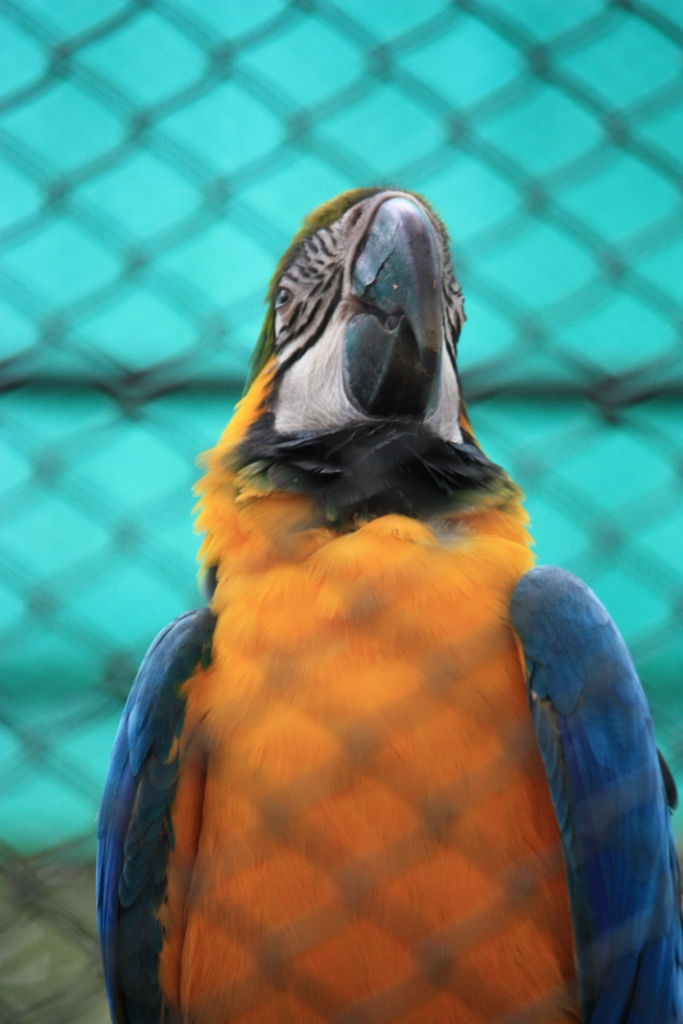
I know what the caged bird feels, alas!
 When the sun is bright on the upland slopes;
 When the wind stirs soft through the springing grass,
 And the river flows like a stream of glass;
 When the first bird sings and the first bud opes,
 And the faint perfume from its chalice steals --
 I know what the caged bird feels!

I know why the caged bird beats his wing
 Till its blood is red on the cruel bars;
 For he must fly back to his perch and cling
 When he fain would be on the bough a-swing;
 And a pain still throbs in the old, old scars
 And they pulse again with a keener sting --
 I know why he beats his wing!

I know why the caged bird sings, ah me,
 When his wing is bruised and his bosom sore, --
 When he beats his bars and he would be free;
 It is not a carol of joy or glee,
 But a prayer that he sends from his heart's deep core,
 But a plea, that upward to Heaven he flings --
 I know why the caged bird sings!
Half a league, half a league,
   Half a league onward,
 All in the valley of Death
   Rode the six hundred.
 "Forward the Light Brigade!
   Charge for the guns!" he said:
 Into the valley of Death
   Rode the six hundred.

"Forward the Light Brigade!"
   Was there a man dismay'd?
 Not tho' the soldier knew
   Some one had blunder'd:
 Their's not to make reply,
   Their's not to reason why,
 Their's but to do and die:
   Into the valley of Death
     Rode the six hundred.

Cannon to right of them,
   Cannon to left of them,
 Cannon in front of them
   Volley'd and thunder'd;
 Storm'd at with shot and shell,
   Boldly they rode and well,
 Into the jaws of Death,
   Into the mouth of Hell,
     Rode the six hundred.

Flash'd all their sabres bare,
   Flash'd as they turn'd in air
 Sabring the gunners there,
   Charging an army, while
 All the world wonder'd:
    Plunged in the battery-smoke
 Right thro' the line they broke;
   Cossack and Russian
 Reel'd from the sabre-stroke
   Shatter'd and sunder'd.
 Then they rode back, but not,
   Not the six hundred.

Cannon to right of them,
   Cannon to left of them,
 Cannon behind them
   Volley'd and thunder'd;
 Storm'd at with shot and shell,
   While horse and hero fell,
 They that had fought so well
    Came thro' the jaws of Death
 Back from the mouth of Hell,
   All that was left of them,
      Left of six hundred.

When can their glory fade?
   O the wild charge they made!
 All the world wonder'd.
   Honour the charge they made!
 Honour the Light Brigade,
   Noble six hundred!
Now winter nights enlarge
 The number of their hours;
 And clouds their storms discharge
 Upon the air towers.
Let now the chimneys blaze
 And cups o'erflow with wine,
 Let well-turned words amaze
 With harmony divine.
Now yellow waxen lights
 Shall wait on honey love
 While youthful revels, masques, and courtly sights
 Sleep's leaden spells remove.

This time doth well dispense
 With lovers' long discourse;
 Much speech hath some defense,
 Though beauty no remorse.
All do not all things well;
 Some measures comely tread,
 Some knotted riddles tell,
 Some poems smoothly read.
The summer hath his joys,
 And winter his delights;
 Though love and all his pleasures are but toys,
 They shorten tedious nights.
There once was a renowned psychoanalyst
 Who found childhood events were always the catalyst.
   A patient who lived happily
   'Til a recent tragedy,
 Learned it all stemmed from thoughts as a neonatalist.
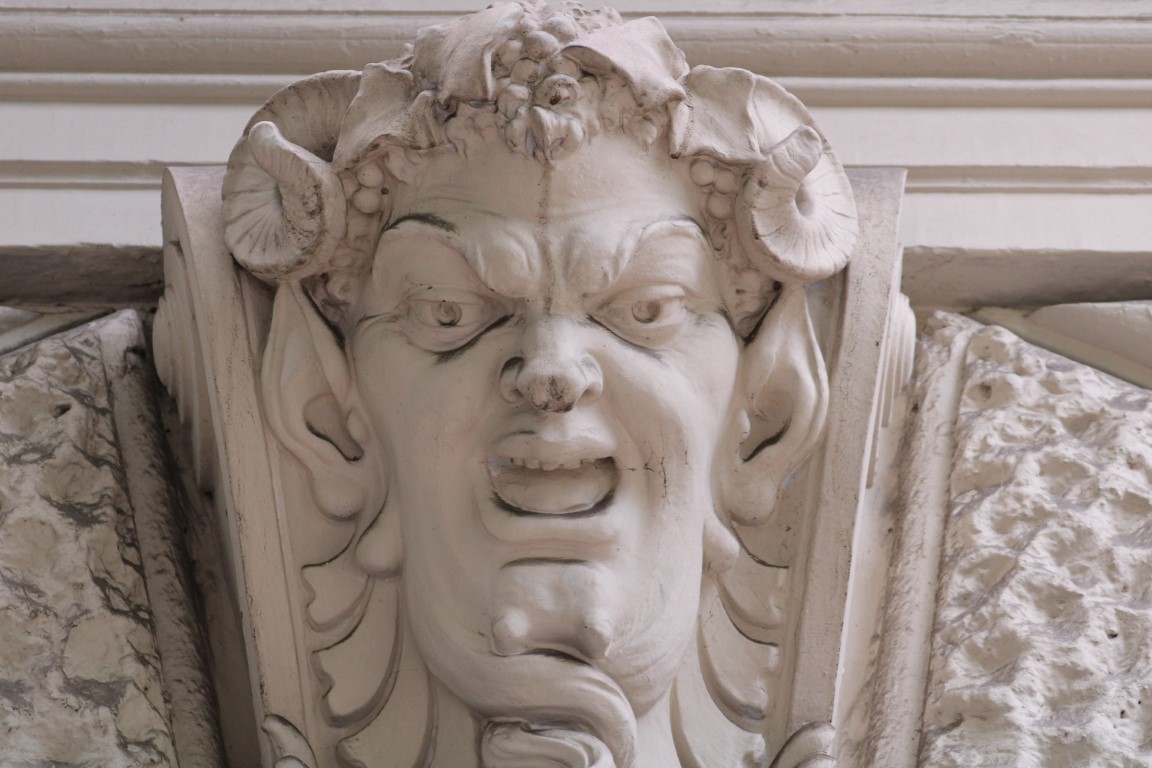
There once was a master of the satiric
 Who was known for being quite satyric.
   What a difference "y" makes:
   Handshakes to heartaches.
 He was cancelled as his words won panegyrics.
Had I the heavens' embroidered cloths,
 Enwrought with the golden and silver light,
 The blue and the dim and the dark cloths
 Of night and light and the half-light,
I would spread the cloths under your feet:
 But I, being poor, have only my dreams;
 I have spread my dreams under your feet;
 Tread softly because you tread on my dreams.
NOTE: This poem is also sometimes entitled, “Aedh Wishes for the Cloths of Heaven.”
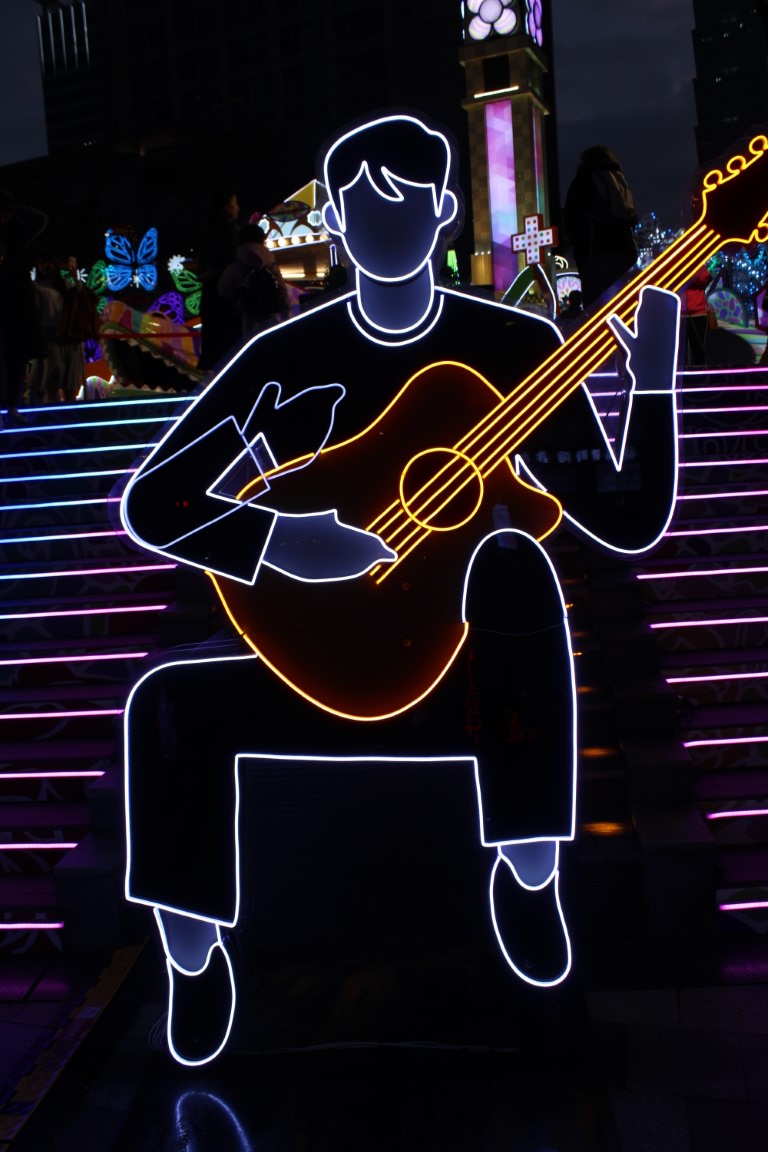
There once was a player of the banjo
 Who took out his act as a roadshow.
   A tour by demand,
   (The demand of his band.)
 Crowds felt the same and suggested he bongo.
There once was a Taoist from Taipei,
 Who knew all one could know of the Way.
   When asked for directions,
   He'd state his objections,
 "The way that can be stated is not The Way."









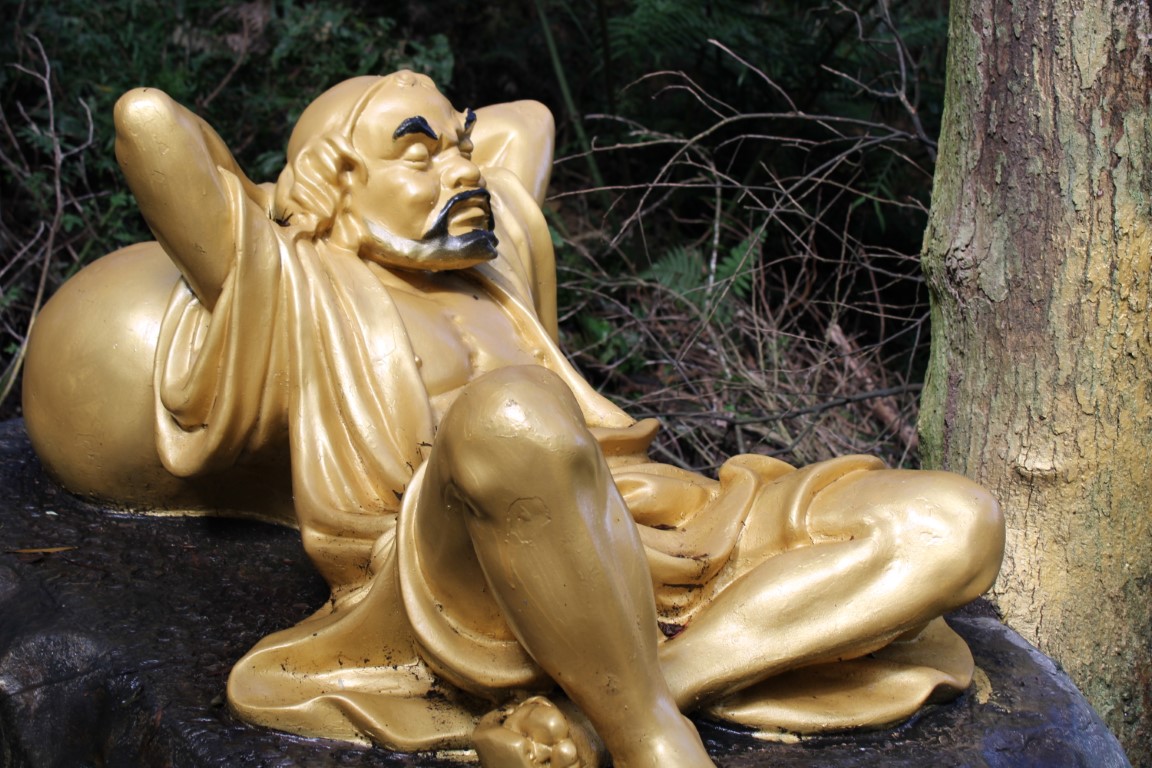

 Tiger Riding for Beginners