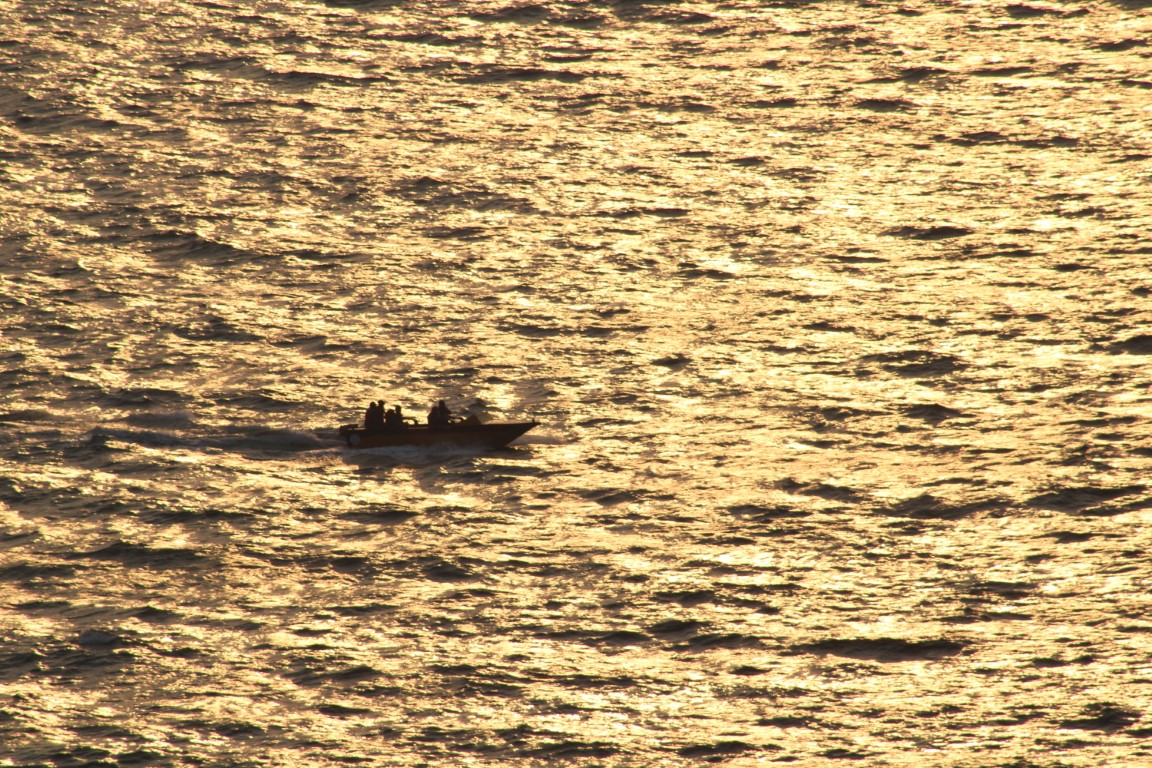
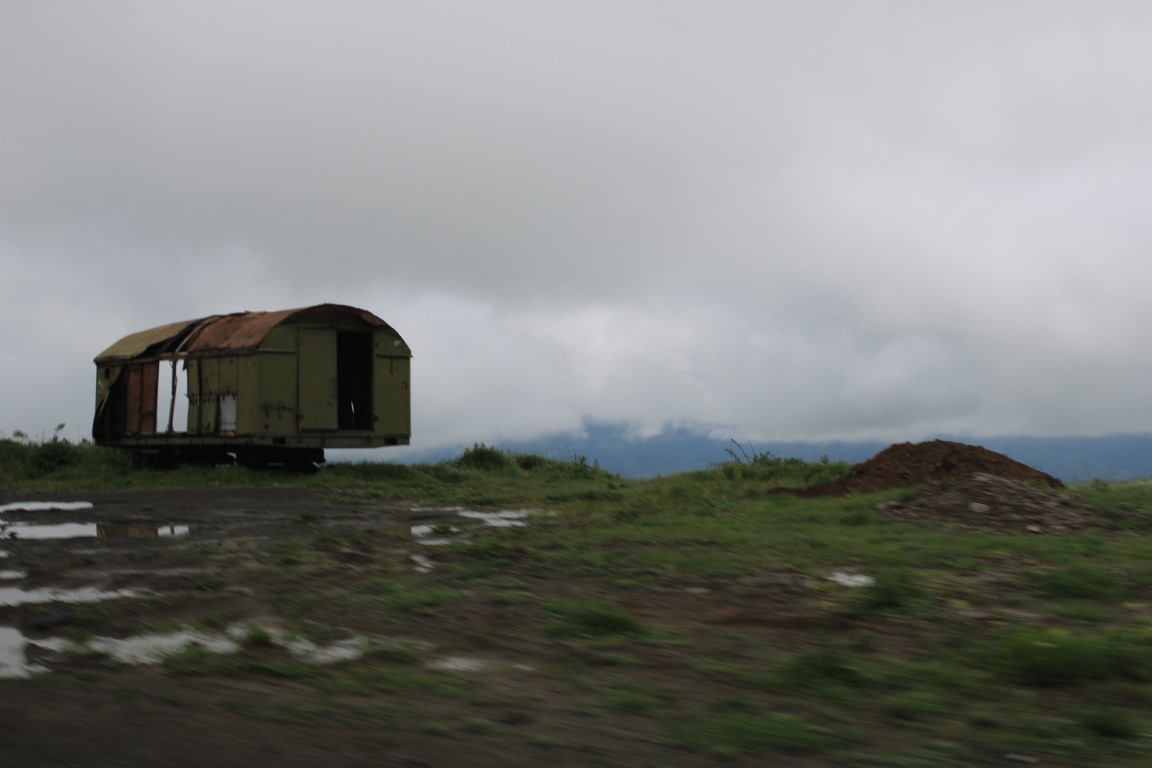
A road lined with burnt out junkers,
   And garbage fires 'round which hunker
 Cold souls sitting in drizzling rain --
   That rain, that rain, their eternal bane.

Blue skies are a distant memory --
   Except for in every reverie
 That denies claustrophobic skies
   The main villain role - e'er reprised.

Where's our long-lost hero, the sun?
   Have stout clouds got him on the run?
 Or maybe our hero 's bleeding out;
    Its feeble showing leaves room for doubt.
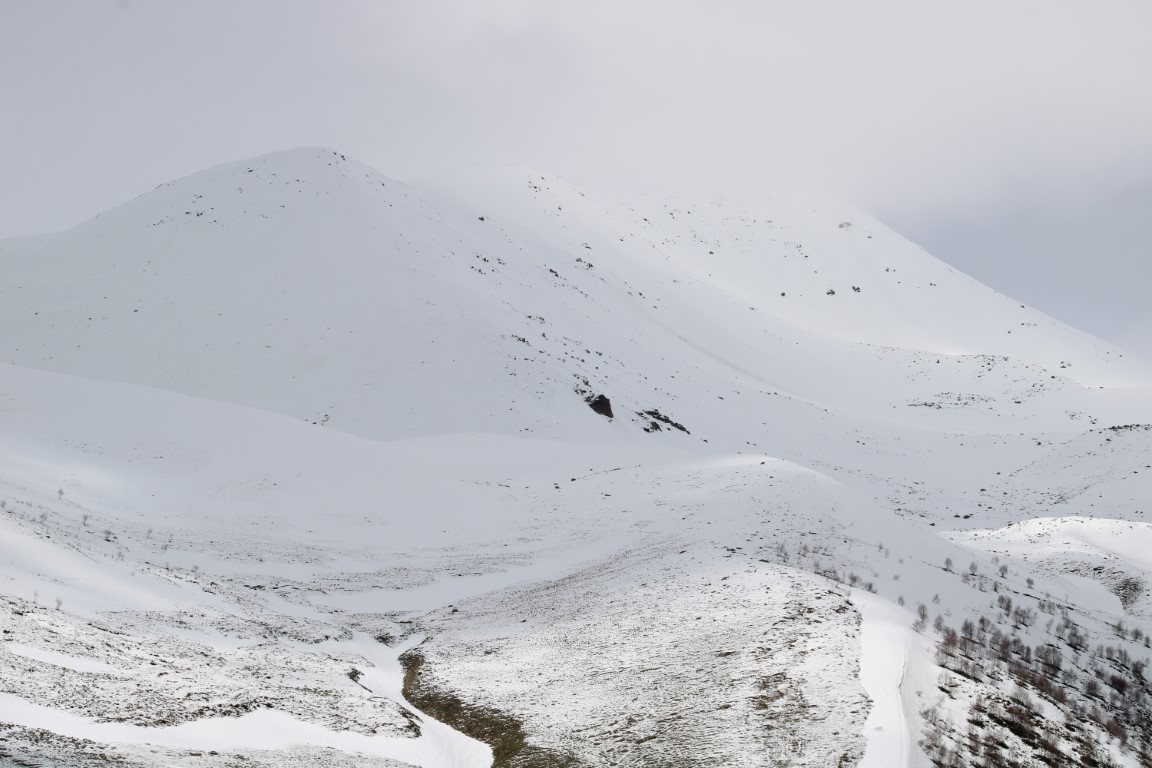
Out of the bosom of the Air,
   Out of the cloud-folds of her garments shaken,
 Over the woodlands brown and bare,
   Over the harvest-fields forsaken,
      Silent, and soft, and slow
      Descends the snow.

Even as our cloudy fancies take
   Suddenly shape in some divine expression,
 Even as the troubled heart doth make
   In the white countenance confession,
      The troubled sky reveals
      The grief it feels.

This is the poem of the air,
   Slowly in silent syllables recorded;
 This is the secret of despair,
   Long in its cloudy bosom hoarded,
      Now whispered and revealed
      To wood and field.
Much Madness is divinest Sense --
   To a discerning Eye --
 Much Sense -- the starkest Madness --
   'Tis the Majority
 In this, as all, prevail --
 Assent -- and you are sane --
 Demur -- you're straightway dangerous --
   And handled with a Chain --
Plain and simple words are chosen,
   Even to express tangled thoughts.
 Then one comes upon a hermit,
   And one glimpses the heart of Dao.
 The clear stream burbles its soft song
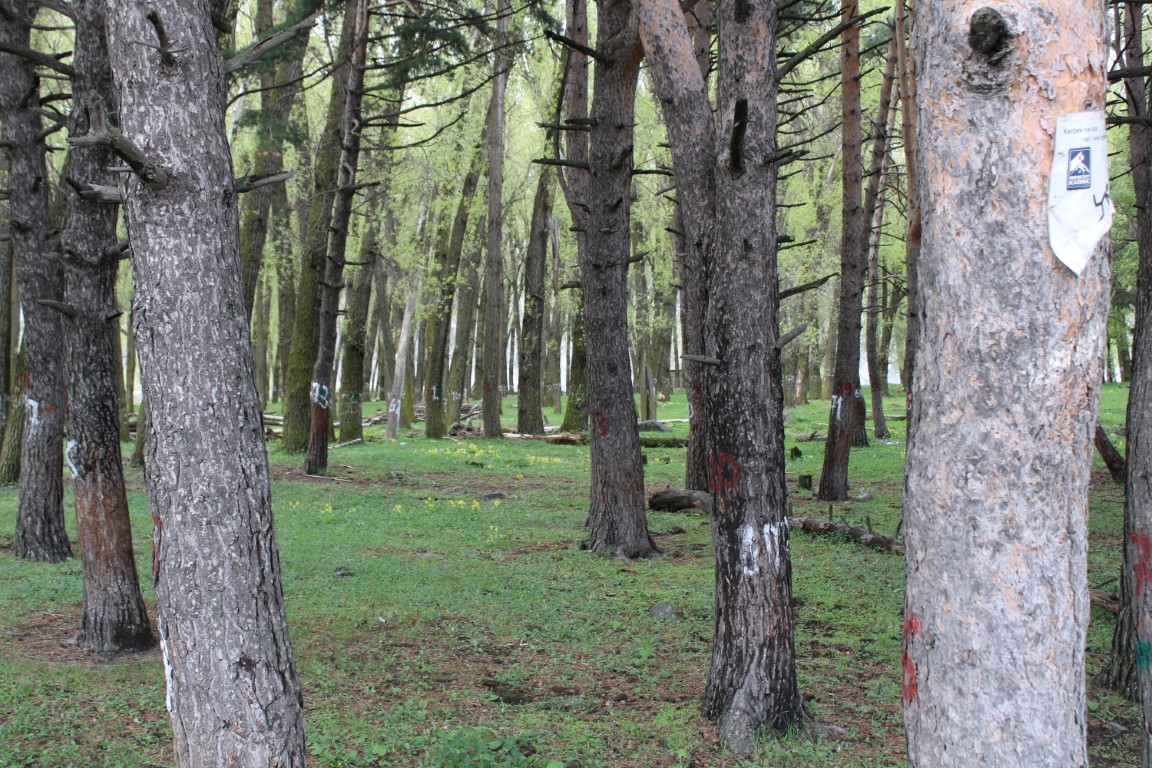
   Amid the shady ancient pine grove.
 A woodsman passes with his cordwood;
 A stranger listens to a lute song.
 A strong feeling takes one over,
    Bringing with it bliss and wonder,
    And one's easy link with heaven
    Is tender as the sound of water.
NOTE: The late Tang Dynasty poet, Sikong Tu (a.k.a. Ssŭ-k‘ung T‘u,) wrote an ars poetica entitled Twenty-Four Styles of Poetry. It presents twenty-four poems that are each in a different tone, reflecting varied concepts from Taoist philosophy and aesthetics. Above is a translation of the eighteenth of the twenty-four poems. Translated titles vary — e.g. Herbert A. Giles titled this translation “Actualities.”
My heart leaps up when I behold
   A rainbow in the sky:
 So was it when my life began;
 So is it now I am a man;
 So be it when I shall grow old,
   Or let me die!
 The Child is father of the Man;
 And I could wish my days to be
 Bound each to each by natural piety.