PROMPT: Good Leader

Bloganuary writing prompt
What makes a good leader?

I don’t think I know, not really. But I don’t feel bad because I don’t think a lot of people who consider themselves experts do either. For example, one of the biggest cons in academia is that professors in business schools often get paid much more than their science and humanities counterparts on the presumption that they would go run businesses if they weren’t paid a higher salary than the others. Most of them would not. The idea that a thorough theoretical knowledge of the world of commerce and the operations of a corporation would translate into all the X-factors needed to head a company (e.g. charisma, risk-acceptance profile, creativity, and an internal emotional landscape that borders on [or is outright] psychopathic) seems laughable. If that’s the way the world worked a quartet of music professors would be outselling the Beatles and the ranks of Olympic gold medalists would be swollen with Kinesiology PhDs.

NOTE: I should explain the “psychopathy” crack. Many of us have quite enough angst from making decisions that seem to have the potential to ruin our own lives. Some can take a little more angst and are ok making decisions that might mess up not only their own lives, but also those of their children. It takes a special kind of reptilian-like nature (beneath the appearance of charm and polished interpersonal skills) to regularly make decisions that can screw up the lives of complete strangers by the hundreds or thousands.

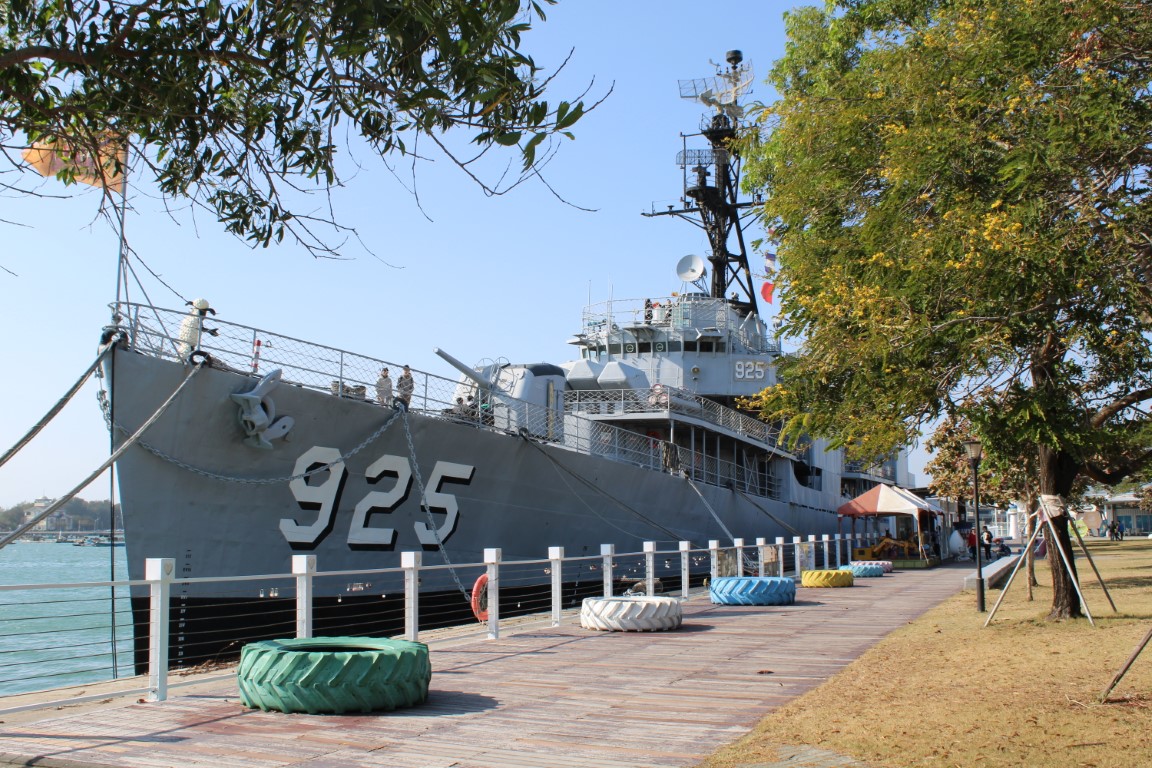
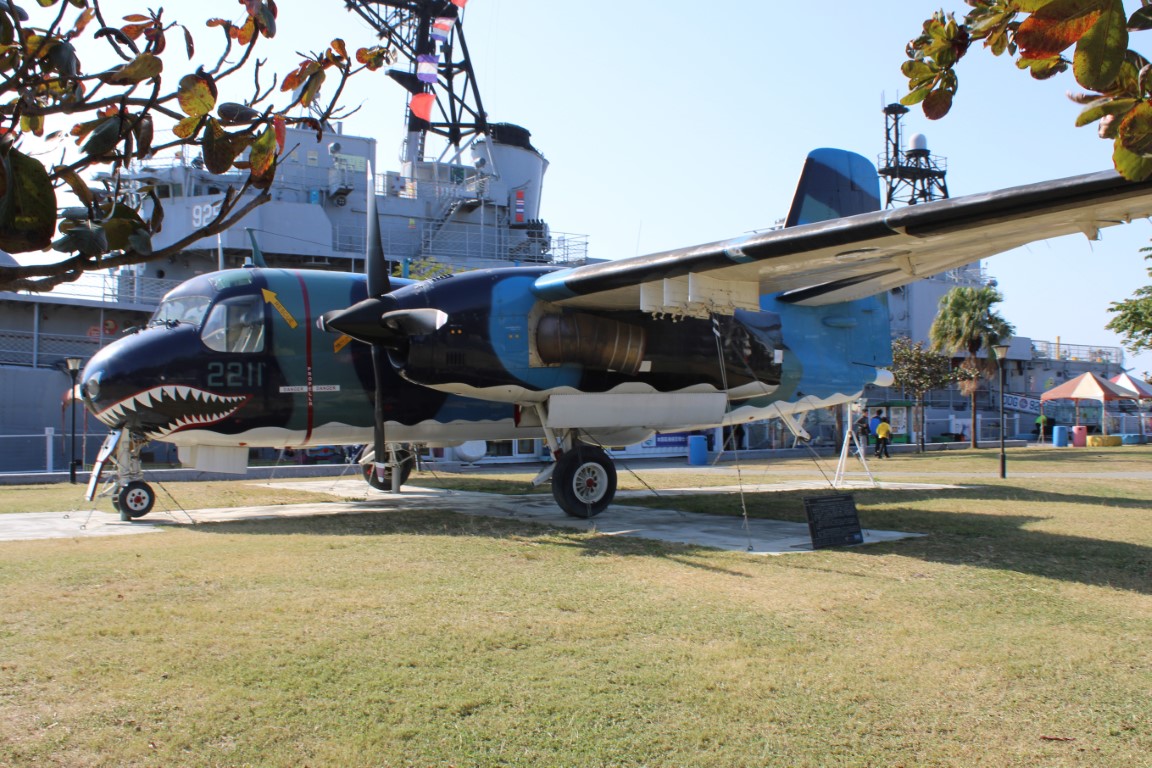
DAILY PHOTO: Navy Destroyer Museum, Tainan

Pillbox Kitsch [Tanka]

what is this place,
 with its defensive bunkers
  on every rise?
 lasting vestiges of war,
  so unlike my childhood home.

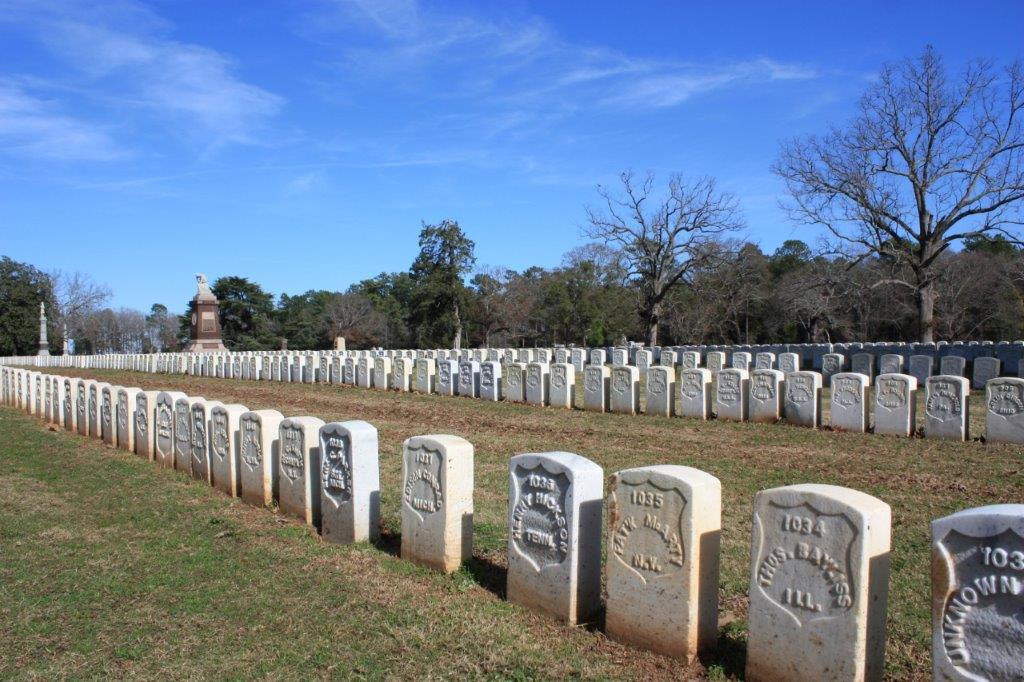
Fields of the Dead [Free Verse]

It's a beautiful day
  in the graveyard.

Blue skies.

Cool, but not cold.
 The ideal temperature
   to be an overdressed military man.

Do ghosts amble among the stones
   on days like these?

I imagine most of these men died
   on quite different kinds of days:

Rainy, cold, muddy days.

Muggy, buggy, malarial days.

The kind of day that just won't end,
   but to fold into a sleepless night.

How many died, 
  not from spall or Minié balls,
    but because they just didn't have the will
      to drag themselves through another day?
        from exhaustion?
        from demoralization?

How many died under beautiful blue skies
   on an idyllic autumn day?

I don't know whether 
  there're good days to die,
    and even less whether 
      there're good days to be dead.

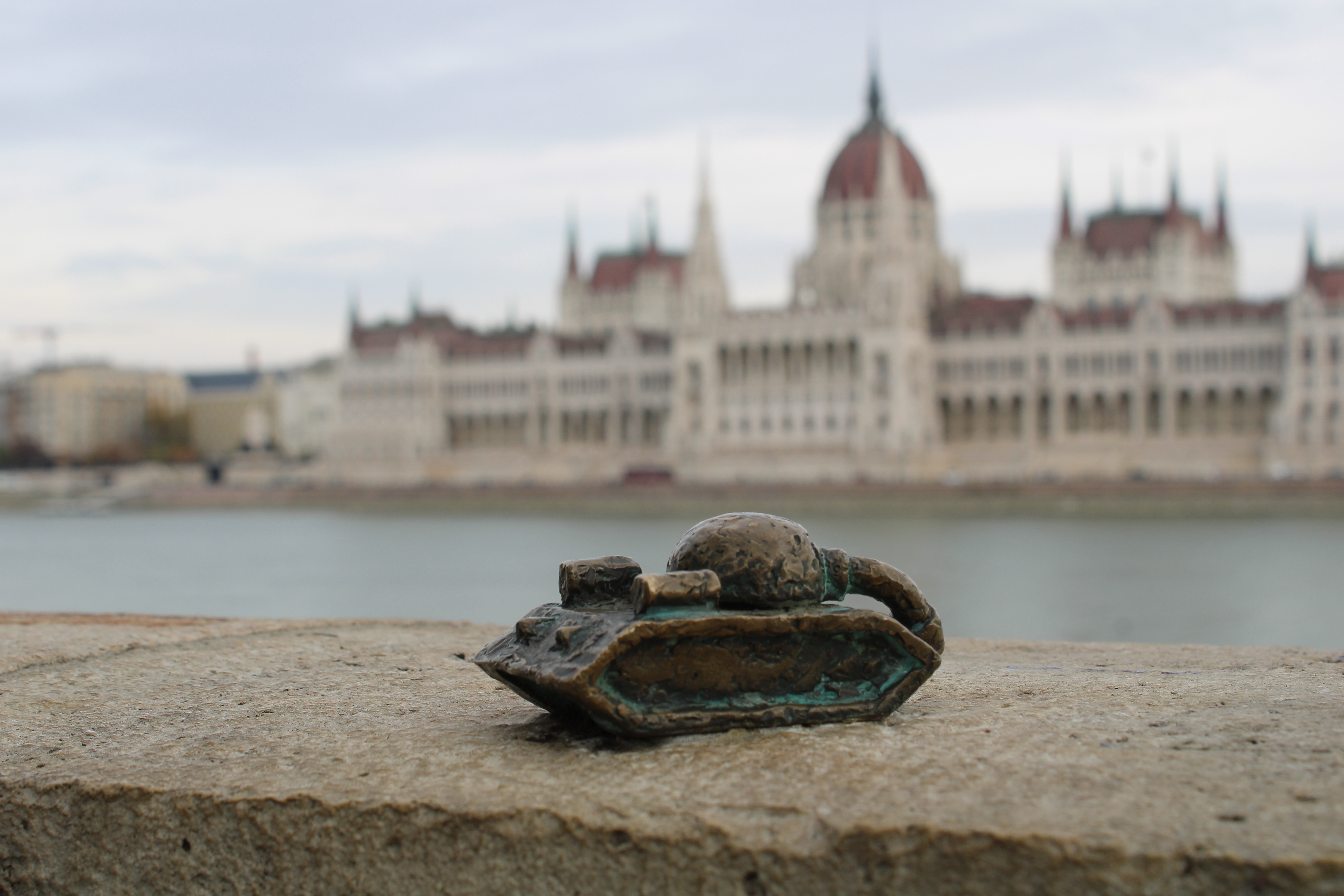
Tiny Tank [Free Verse]

Someone put a tiny, limp-gunned tank 
on Danube west bank --
in Budapest, opposite Parliament.

Unsubtle symbolism, indeed,
but worth noting:

The might of violence
made feeble in the face of democracy,
and all that.

So true,
and yet so few
seem to believe it.

We seem to believe
that matching savagery
is the key to strategy
in opposing the extreme,

but then we've really just made more
extremism, haven't we?

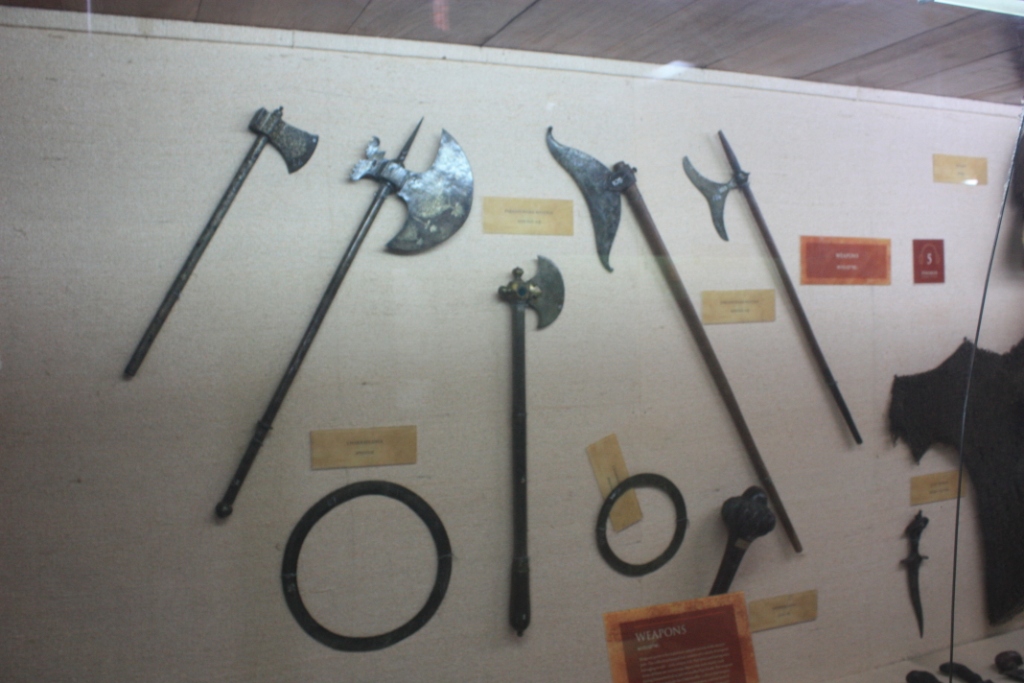
DAILY PHOTO: Indian Weapon Display

Taken in September of 2017 at the Government Museum of Bangalore

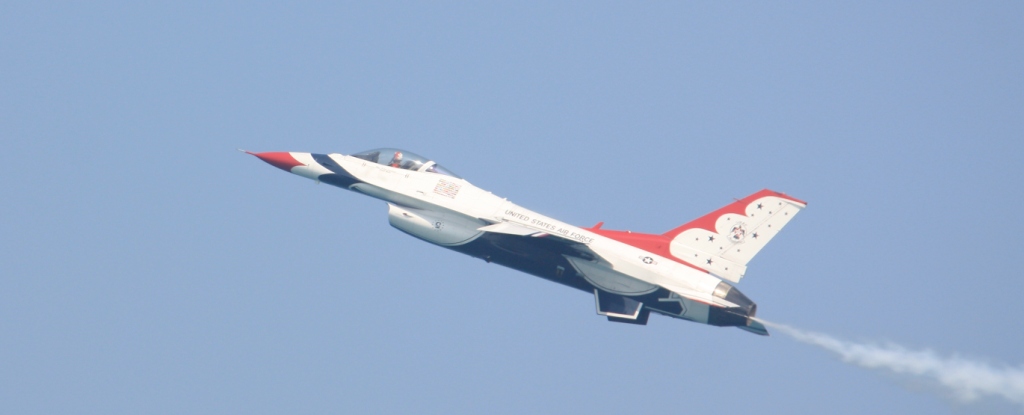
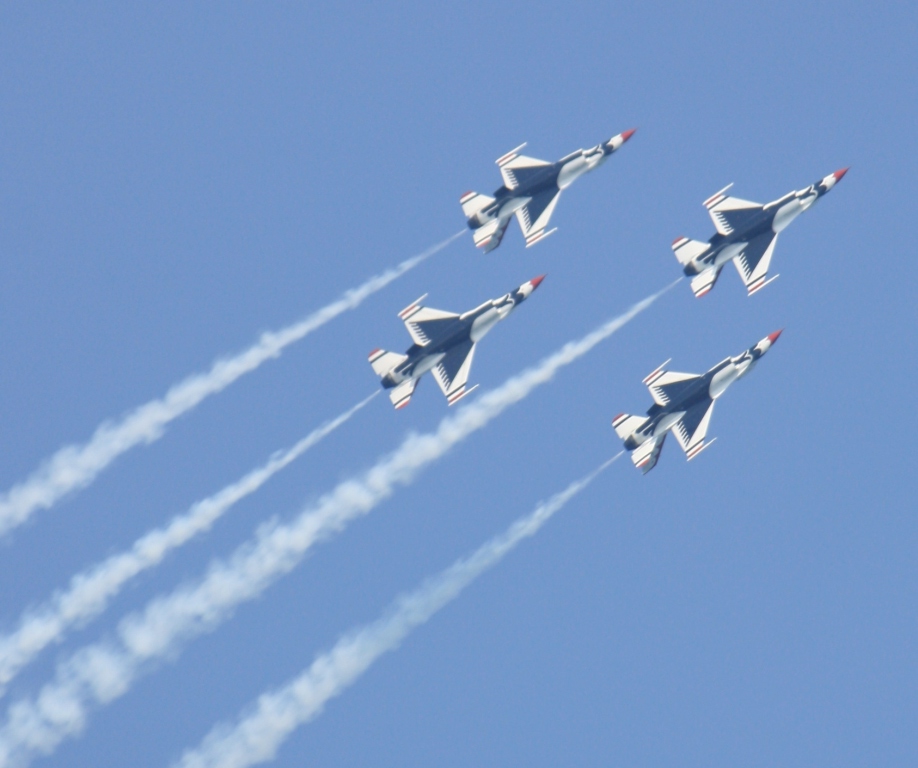
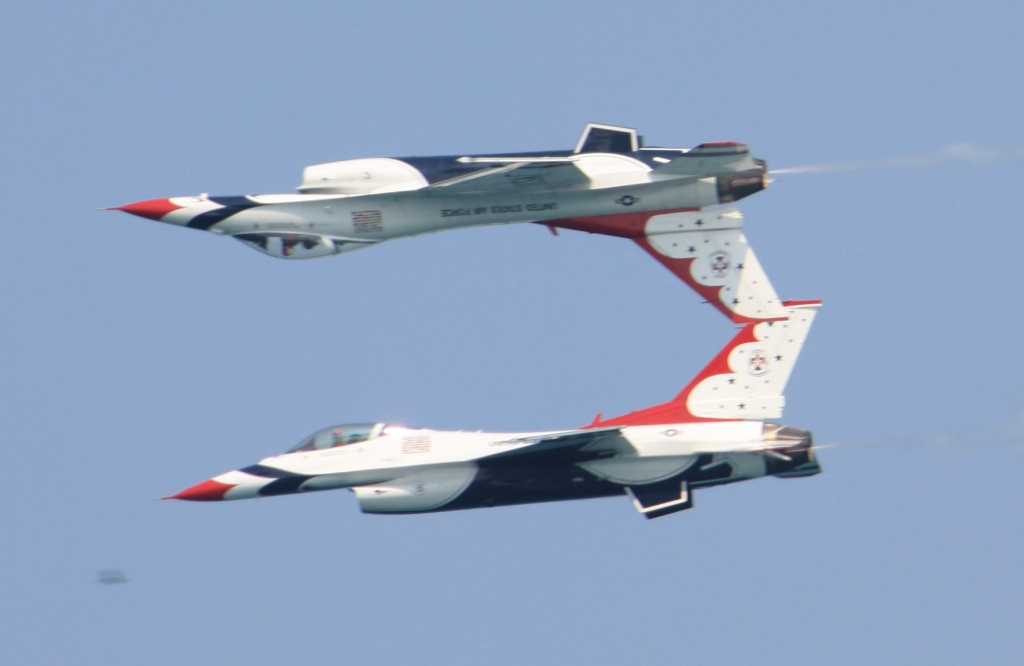
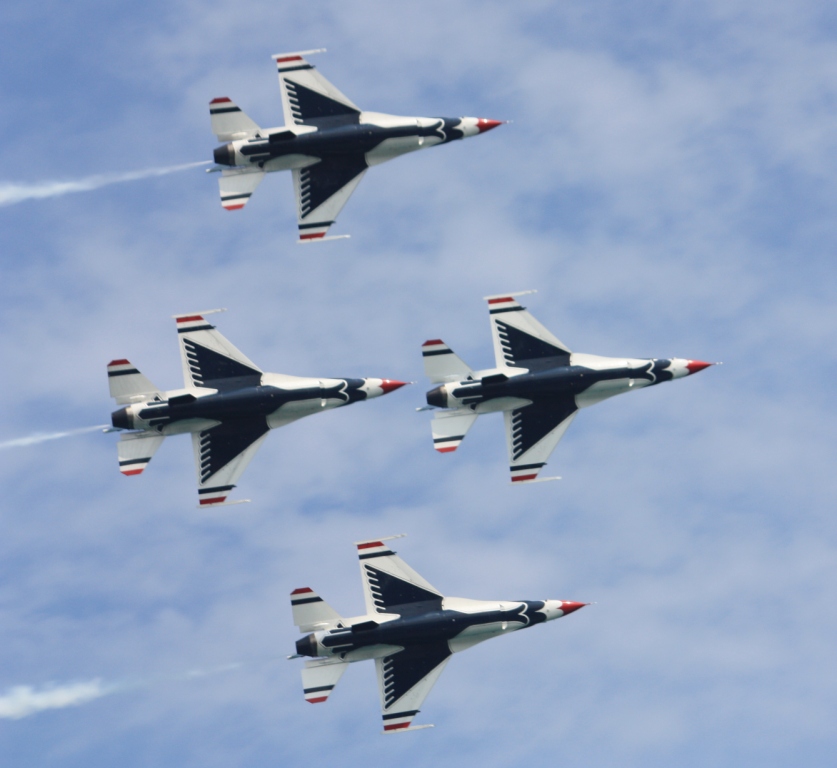
DAILY PHOTO: Thunderbirds

Taken in the summer of 2018 at the Chicago Air & Water Show

BOOK REVIEW: Military Strategy: A Very Short Introduction by Antulio J. Echevarria II

Military Strategy: A Very Short Introduction (Very Short Introductions, #523)Military Strategy: A Very Short Introduction by Antulio J. Echevarria II
My rating: 5 of 5 stars

Amazon.in Page

This concise guide to military strategy is well-organized and can be readily understood by an amateur reader. The book provides an overview of the domain of military strategy by comparing and contrasting related pairs of strategic paradigms.

After an overview chapter (ch. 1) that broadly defines the subject and lays out the organization for the rest of the book, chapter two explores strategies of annihilation and how they are similar to and different from strategies of dislocation. Chapter three investigates attrition and exhaustion, strategies that deal in destroying warfighting resources and will to fight, respectively. Chapter four elucidates how the threat of force can be used to keep the enemy from making a move (deterrence,) or force them to make a desired move (coercion.) Chapter five looks at strategies that rely on instilling fear to change an opponent’s behavior, including aerial bombardment and terrorist tactics. Chapter six considers different approaches to using selective targeting to achieve strategic goals: i.e. decapitation and targeted killing. The penultimate chapter (ch. 7) contrasts the various approaches to cyber warfare with cyber-power, more generally.

The final chapter (ch. 8) briefly examines the determinants of success and failure of military strategy.

The book is straightforward and uses historical cases to provide clear examples of each type of strategy. It doesn’t go much beyond definition and some classic examples, but it is an excellent starting point for organizing one’s thoughts on the topic in preparation to learn more.

If you’re in need of a concise overview of (or refresher on) military strategy, this is a fine guide to consider.


View all my reviews

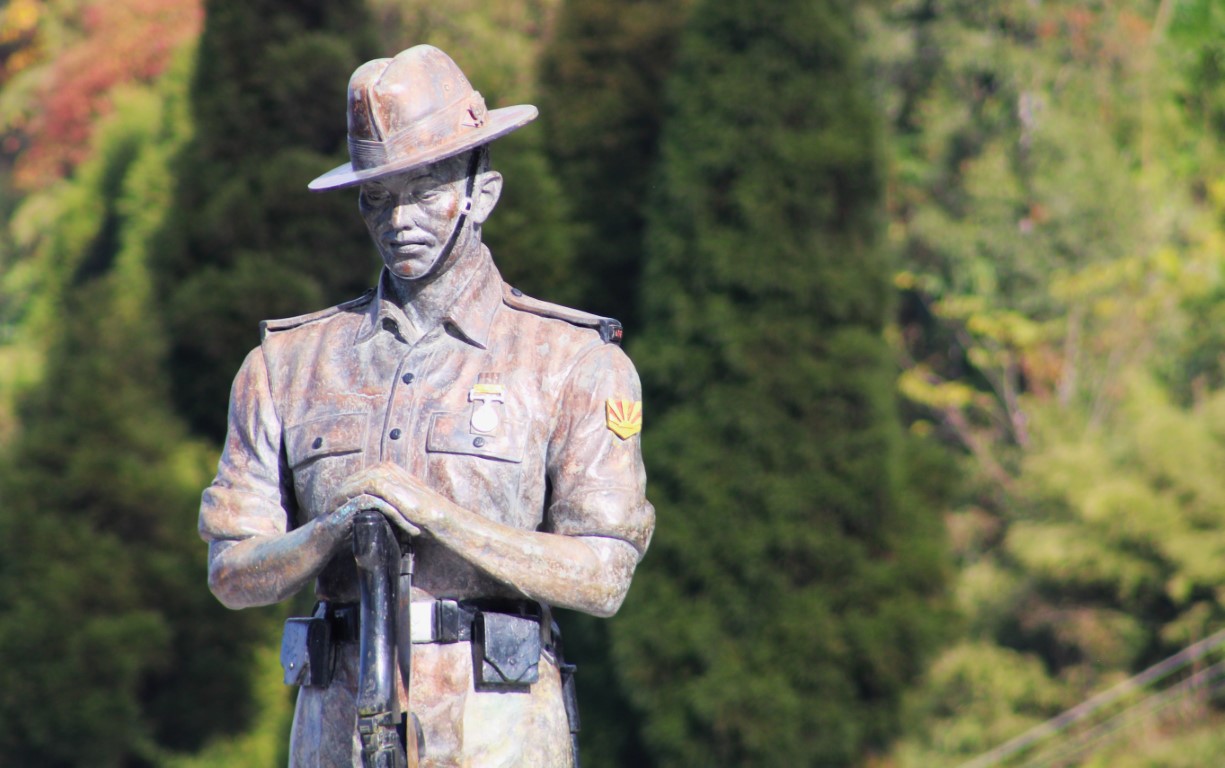
DAILY PHOTO: Gorkha Monuments

Taken in December of 2021 at the Batasia Loop Garden War Memorial
Taken in December of 2021 at the Eagle’s Crag, Kurseong

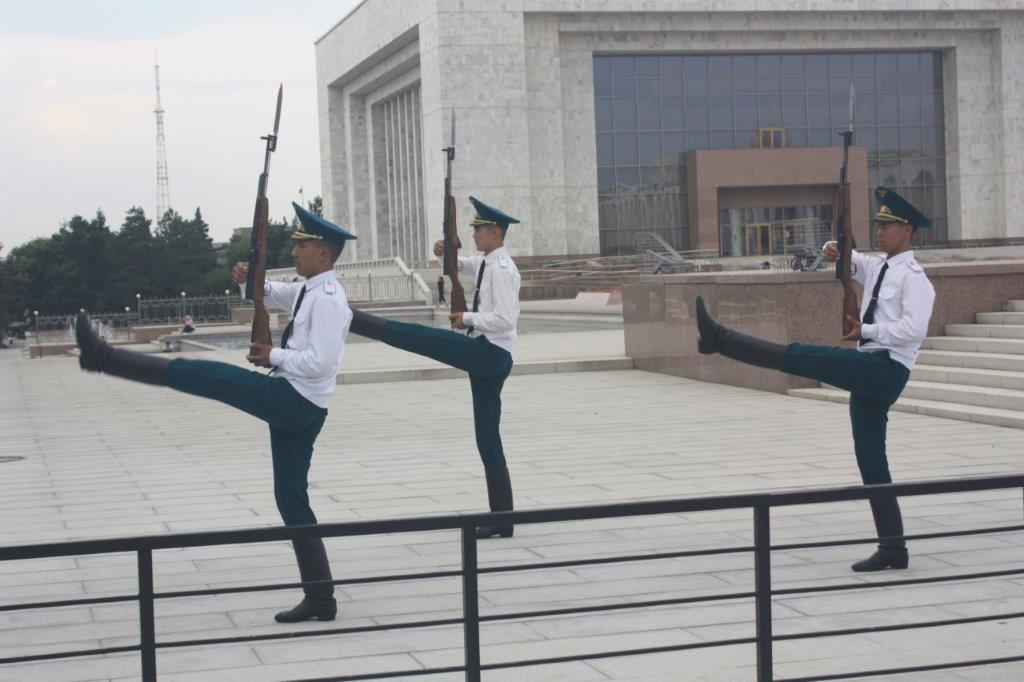
Bishkek Limerick

There was a diligent soldier from Bishkek
whose boots never saw as much as a speck,
but marching to the flagpole
he showed scuffs on the sole,
and the Sergeant said, "Your uniform 's a wreck!"