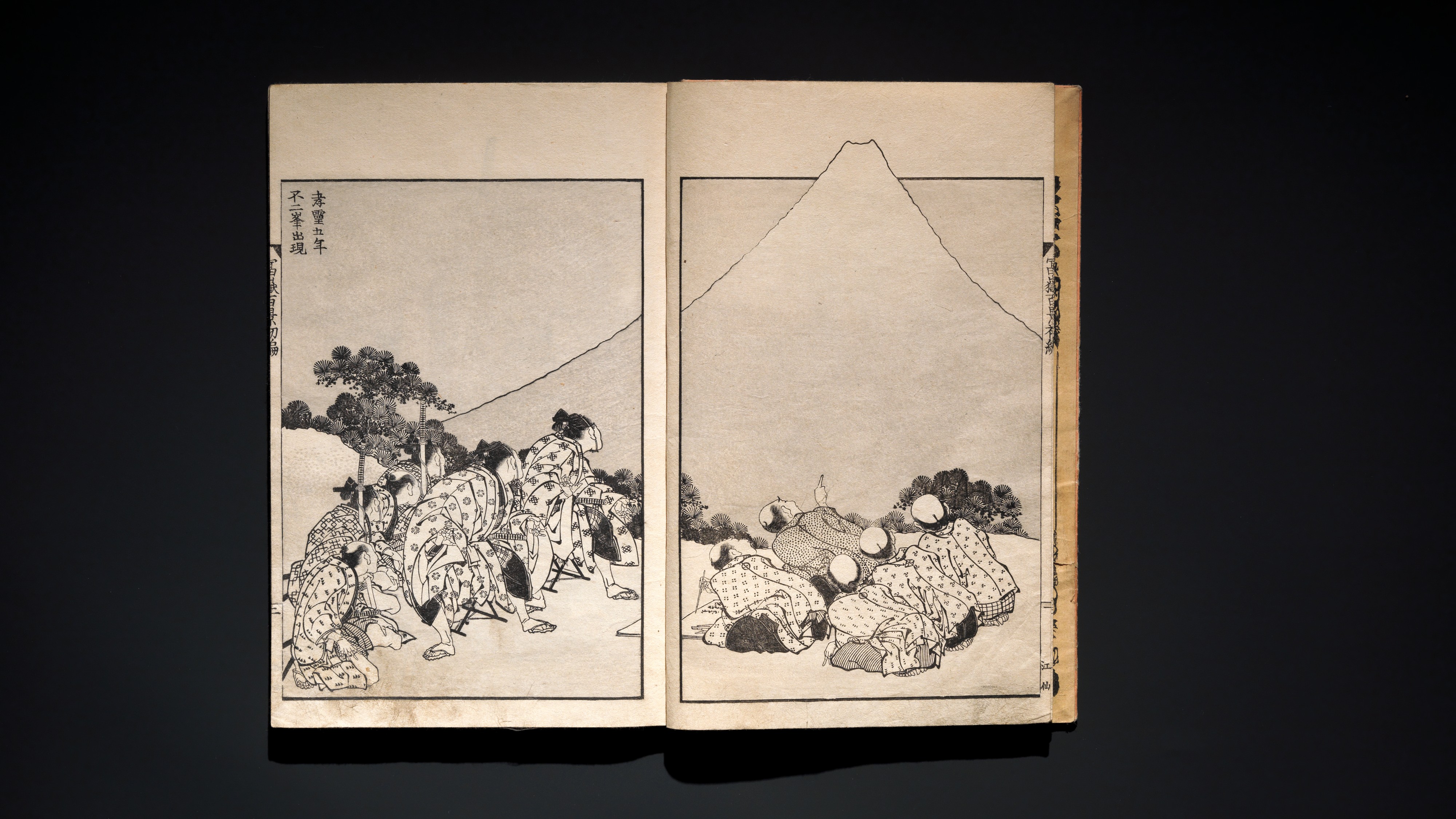
     Being thirsty,
I filled a cup with water,
 And, behold! -- Fuji-yama lay upon the water,
 Like a dropped leaf!

Being thirsty,
I filled a cup with water,
And, behold! -- Fuji-yama lay upon the water,
Like a dropped leaf!

A kind in glass and a cousin, a spectacle and
 nothing strange a single hurt color and an
 arrangement in a system to pointing. All
 this and not ordinary, not unordered in not
 resembling. The difference is spreading.
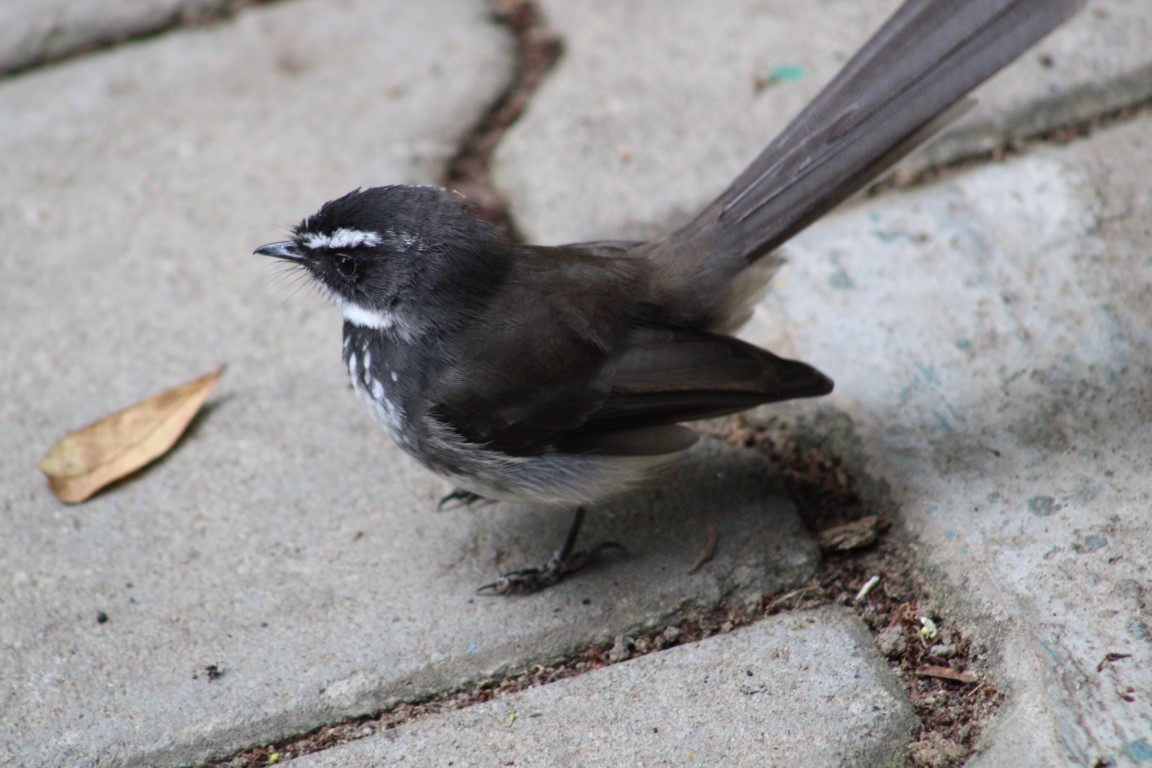
There is a singer everyone has heard,
  Loud, a mid-summer and a mid-wood bird,
  Who makes the solid tree trunks sound again.
 He says that leaves are old and that for flowers
  Mid-summer is to spring as one to ten.
  He says the early petal-fall is past
  When pear and cherry bloom went down
      in showers
  On sunny days a moment overcast;
  And comes that other fall we name the fall.
 He says the highway dust is over all.
 The bird would cease and be as other birds
  But that he knows in singing not to sing.
 The question that he frames in all but words
  Is what to make of a diminished thing.
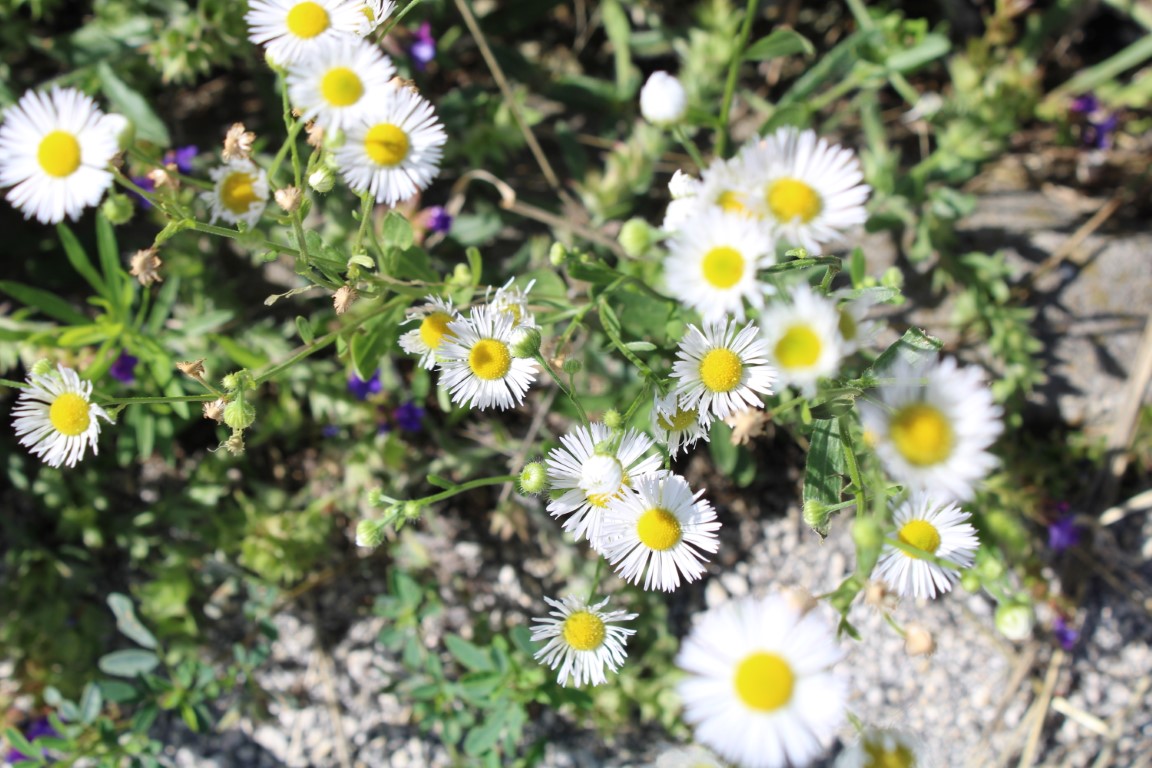
In this short Life that only lasts an hour
   How much - how little - is within our power
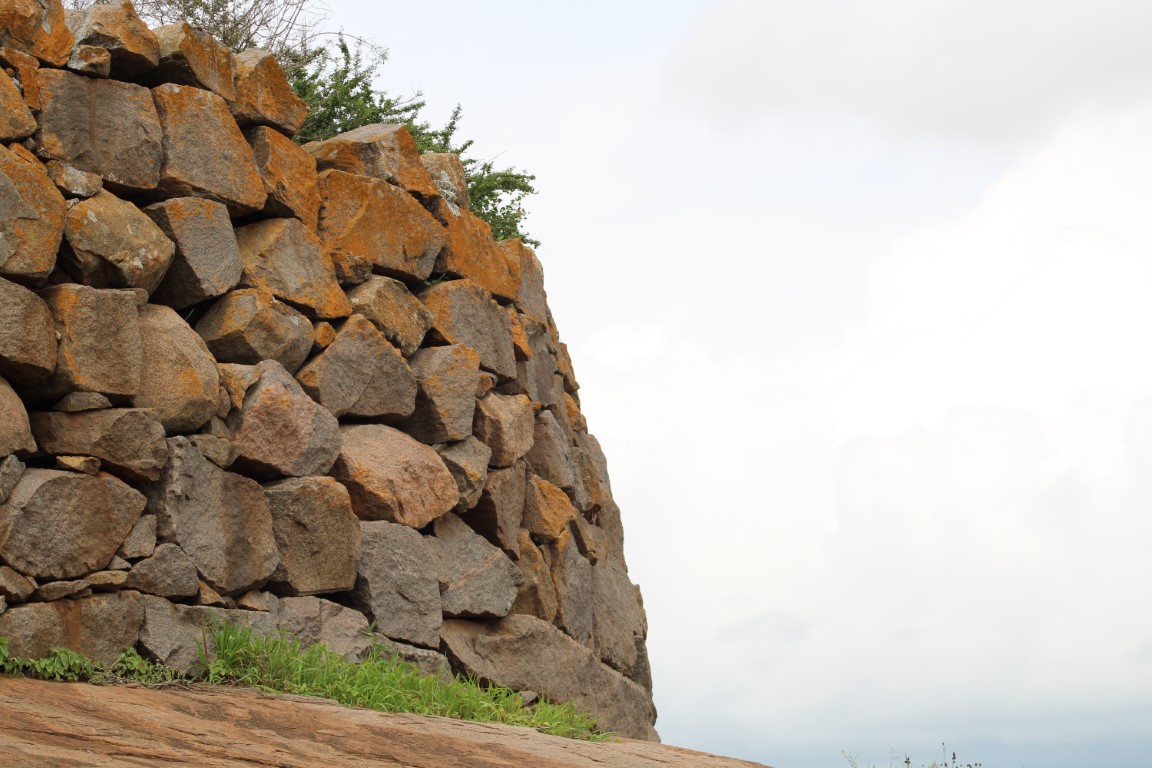
Something there is that doesn't love a wall,
  That sends the frozen-ground-swell under it,
  And spills the upper boulders in the sun;
  And makes gaps even two can pass abreast.
The work of hunters is another thing:
  I have come after them and made repair
  Where they have left not one stone on a stone,
  But they would have the rabbit out of hiding,
  To please the yelping dogs. The gaps I mean,
  No one has seen them made or heard them made,
  But at spring mending-time we find them there.
 I let my neighbor know beyond the hill;
  And on a day we meet to walk the line
  And set the wall between us once again.
 We keep the wall between us as we go.
 To each the boulders that have fallen to each.
 And some are loaves and some so nearly balls
  We have to use a spell to make them balance:
  'Stay where you are until our backs are turned!'
  We wear our fingers rough with handling them.
 Oh, just another kind of out-door game,
  One on a side. It comes to little more:
  There where it is we do not need the wall:
  He is all pine and I am apple orchard.
 My apple trees will never get across
  And eat the cones under his pines, I tell him.
 He only says, 'Good fences make good neighbors.'
 Spring is the mischief in me, and I wonder
  If I could put a notion in his head:
  'Why do they make good neighbors? Isn't it
  Where there are cows? But here there are no cows.
 Before I built a wall I'd ask to know
  What I was walling in or walling out,
  And to whom I was like to give offense.
 Something there is that doesn't love a wall,
  That wants it down.' I could say 'Elves' to him,
  But it's not elves exactly, and I'd rather
  He said it for himself. I see him there
  Bringing a stone grasped firmly by the top
  In each hand, like an old-stone savage armed.
 He moves in darkness as it seems to me,
  Not of woods only and the shade of trees.
 He will not go behind his father's saying,
  And he likes having thought of it so well
  He says again, 'Good fences make good neighbors.'
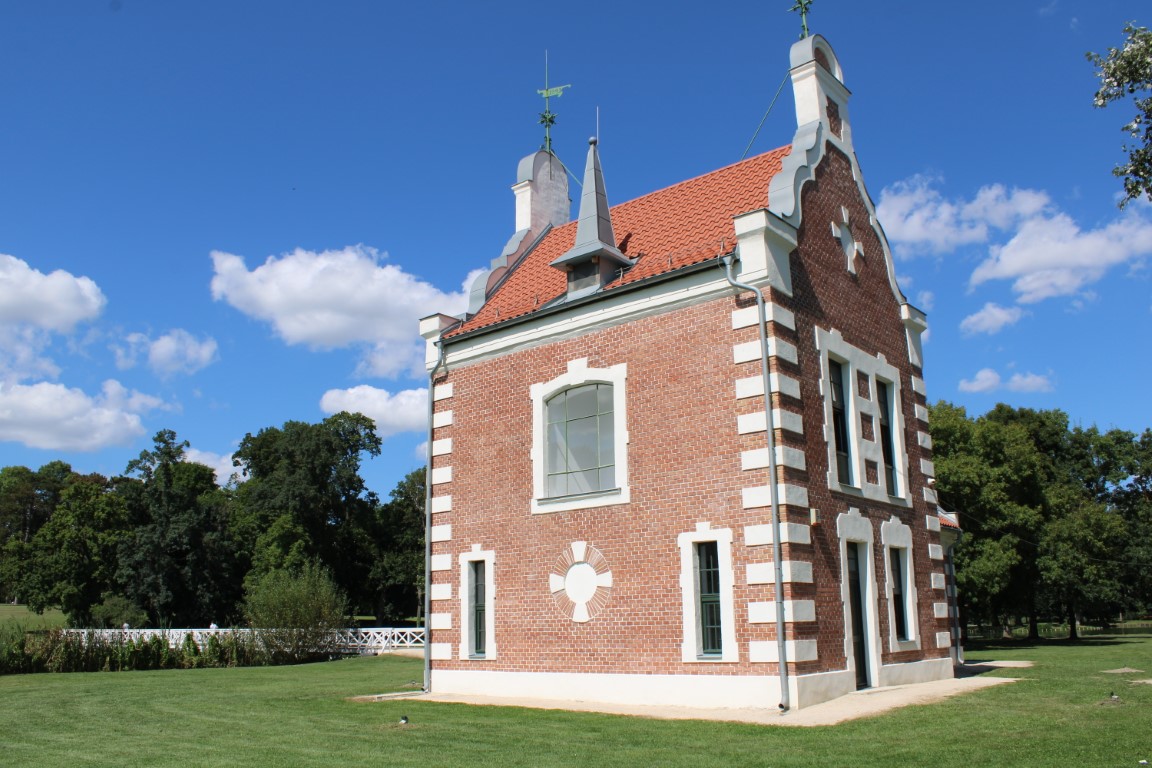
An old man in a lodge within a park;
   The chamber walls depicted all around
   With portraitures of huntsman, hawk,
      and hound,
   And the hurt deer. He listeneth to the
      lark,
 Whose song comes with the sunshine
      through the dark
   Of painted glass in leaden lattice bound;
   He listeneth and he laugheth at the
      sound,
   Then writeth in a book like any clerk.
 He is the poet of the dawn, who wrote
   The Canterbury Tales, and his old age
   Made beautiful with song; and as I read
 I heard the crowing cock, I hear the note
   Of lark and linnet, and from every page
   Rise odors of ploughed field or flowery
       mead.
That's what misery is,
 Nothing to have at heart.
 It is to have or nothing.

It is a thing to have,
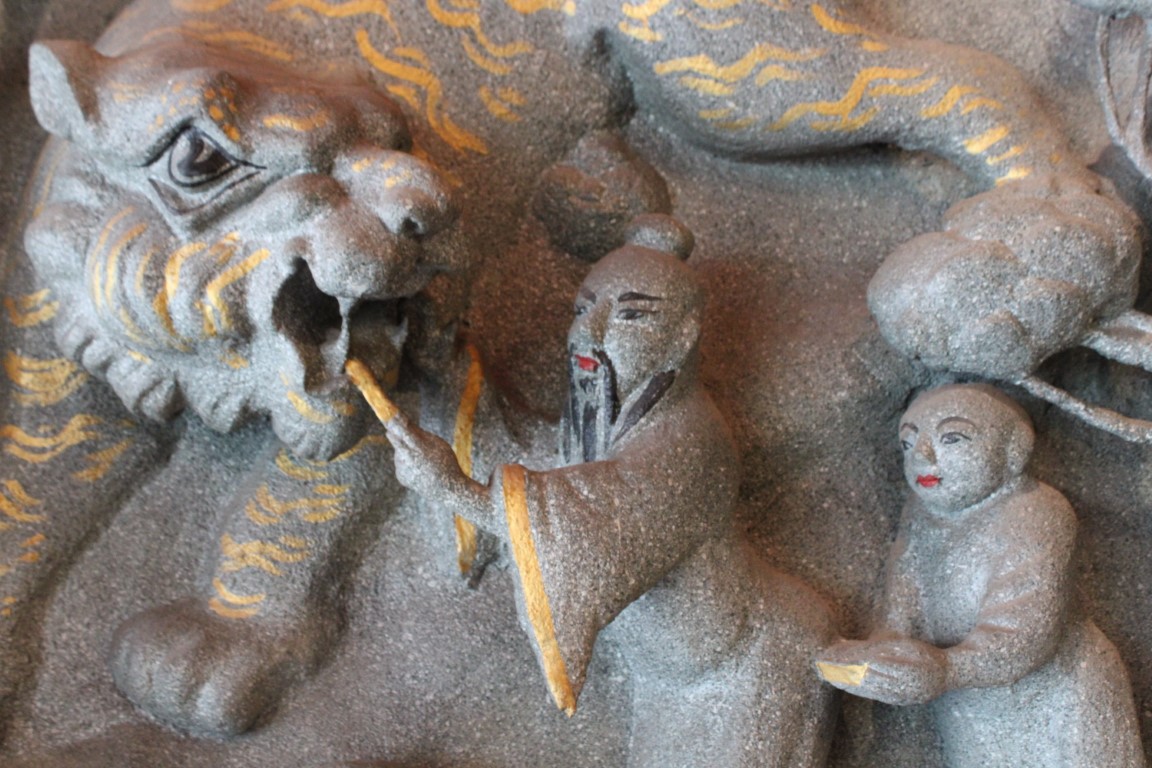
 A lion, an ox in his breast,
 To feel it breathing there.

Corazón, stout dog,
 Young ox, bow-legged bear,
 He tastes its blood, not spit.

He is like a man
 In the body of a violent beast.
 Its muscles are his own. . .

The lion sleeps in the sun.
 Its nose is on its paws.
 It can kill a man.
If plays count as books, then most of Shakespeare’s plays. I’ve already reread a number of them (e.g. Hamlet, Macbeth, Merchant of Venice, and A Midsummer Night’s Dream.)
I’ve read Whitman’s Leaves of Grass, a couple times in full (and segments of it many times over) and expect to get to it again. I’ve read Voltaire’s Candide a couple times.
I could definitely see rereading Journey to the West, Water Margin, and Romance of the Three Kingdoms, but at this point I’m hoping my Mandarin will get good enough to read them in Simplified Chinese.
I’ve read a number of nonfiction texts multiple times — e.g. Sunzi’s Art of War, Miyamoto Musashi’s Book of Five Rings, Laozi’s Dao De Jing, and Emerson’s Selected Essays.
I’m generally not a fan of rereading books because there is so much awesome stuff out there to be read a first time. For all the reading I’ve done, there is still a massive number of classics that I have yet to touch. Usually there has to be a good reason for a reread, e.g. a new translation that promises to be improved / simplified, the book is just so potent as to still have lessons packed in after the first read, it’s a challenging read and the first go leaves a lot on the table, or — like The Little Prince — its enjoyment-to-time investment ratio is high.
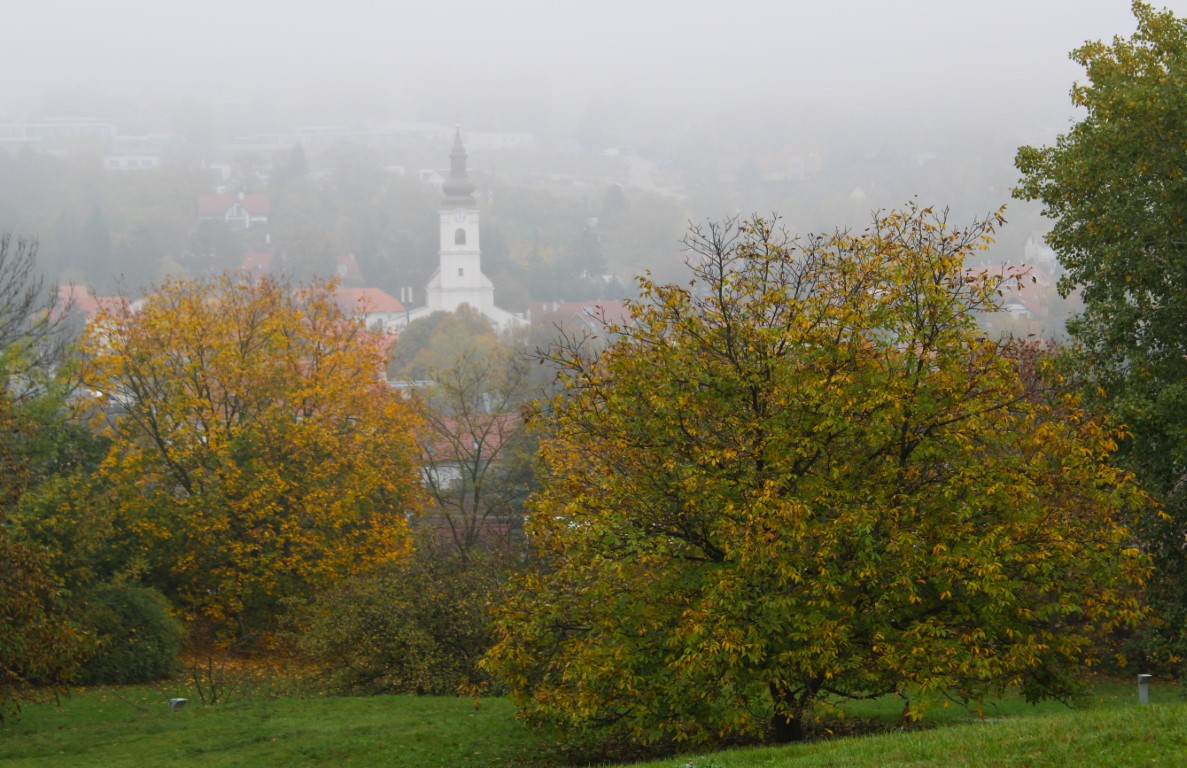
I'll keep a little tavern
   Below the high hill's crest,
 Wherein all grey-eyed people
   May sit them down and rest.

There shall be plates a-plenty,
    And mugs to melt the chill
 Of all the grey-eyed people
    Who happen up the hill.

There sound will sleep the traveller,
    And dream his journey's end,
 But I will rouse at midnight
    The falling fire to tend.

Aye, 'tis a curious fancy --
    But all the good I know
 Was taught me out of two grey eyes
    A long time ago.
I like to see it lap the Miles --
   And lick the Valleys up --
 And stop to feed itself at Tanks --
   And then - prodigious step

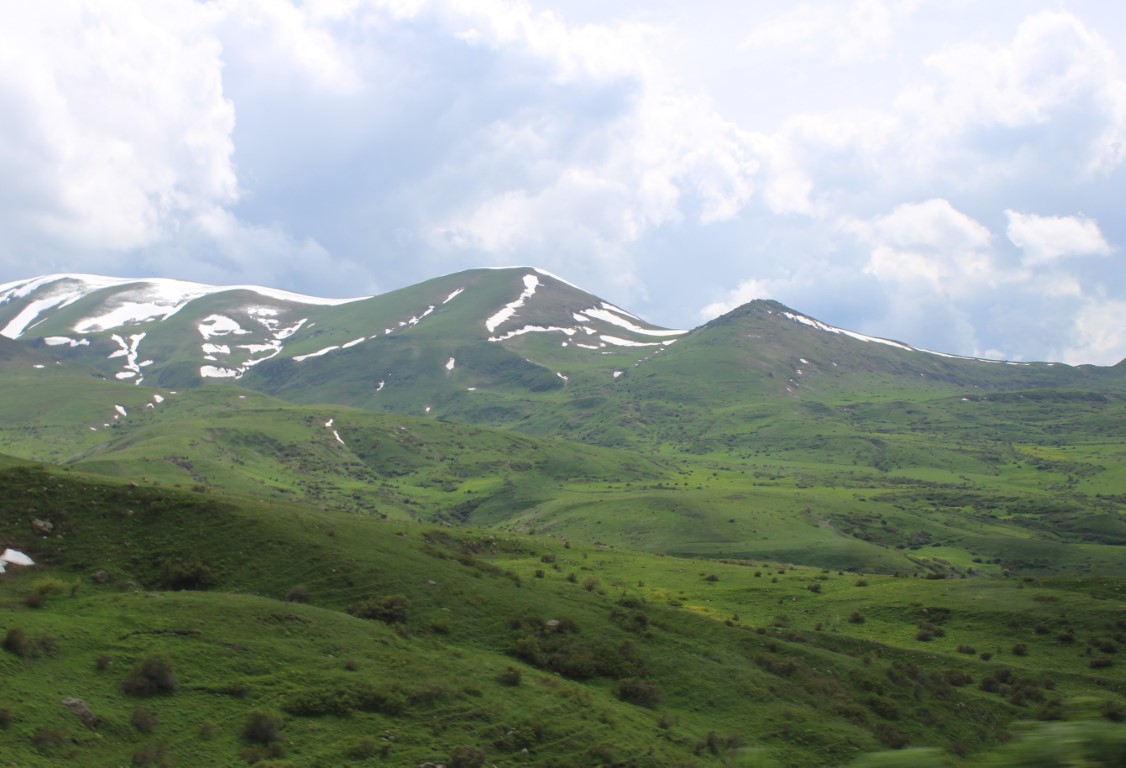
Around a Pile of Mountains --
   And supercilious peer
 In Shanties -- by the sides of Roads --
   And then a Quarry pare

To fit its sides
      And crawl between
   Complaining all the while
 In horrid -- hooting stanza --
   Then chase itself down Hill --

And neigh like Boanerges --
   Then - prompter than a Star
 Stop - docile and omnipotent
   At it's own stable door --


