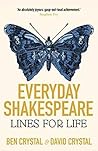
BOOKS: Everyday Shakespeare by Ben & David Crystal

Everyday Shakespeare: Lines for LifeEveryday Shakespeare: Lines for Life by Ben Crystal
My rating: 4 of 5 stars

Amazon.in Page

This is like a word-a-day calendar, but with a quotation from Shakespeare for each day (rather than a vocabulary word.) Also, each quote has accompanying text that explains what the quote is from, what it means, why the language says what it does, and the context in which an individual might use Shakespeare’s words today. [Note: while that last bit (i.e. how to employ the Bard’s words today) is a major theme of the book, I wouldn’t recommend it. It will make one look more like a pretentious nincompoop than like a clever wordsmith.] That said, the book still has great value for anyone interested in Shakespeare’s work, specifically, or the evolution of the English language, more generally. In dealing with many phrases that describe workaday activities that were common then as now, the book builds a niche different from books that deal in the grandiose phraseology of war and aristocratic life.

Many people struggle with Shakespeare, and this book helps make clear why some of the statements that were about mundane matters had the meaning they did. I would put people’s difficulties with Shakespeare into three buckets. First, poetic and non-colloquial language in which the reader knows all the words and their meanings, but the poetic / stylistic language and grammar throws them for a loop. This book shouldn’t really need to deal with this one, but it does a little bit. Second, evolutionary language drift, in this case the reader knows the words but is thrown off because they don’t mean what they once did. The book is quite helpful in clarifying these changes. Third, the revolutionary shifts, these involve words and phrases wholly unfamiliar to the reader because they deal in activities and perspectives not present in our daily lives. The book explains these changes, as well, but there aren’t a great deal of them because the selections are supposed to be applicable today.

The book draws from the entire Shakespeare canon, but more heavily from the plays than from the sonnets or long form poems. (Also, not surprisingly, it draws more heavily from the popular plays — i.e. many of the tragedies and the popular comedies — than it does from the more obscure plays (i.e. most histories and a few of the others.) This only makes sense, and I was happy to see references to sonnets, histories, and other Shakespearean poems at all.

All in all, this is an informative book and is recommended for those who are interested in getting into Shakespeare, or who are intrigued by the ever-shifting landscape of the English language.

View all my reviews

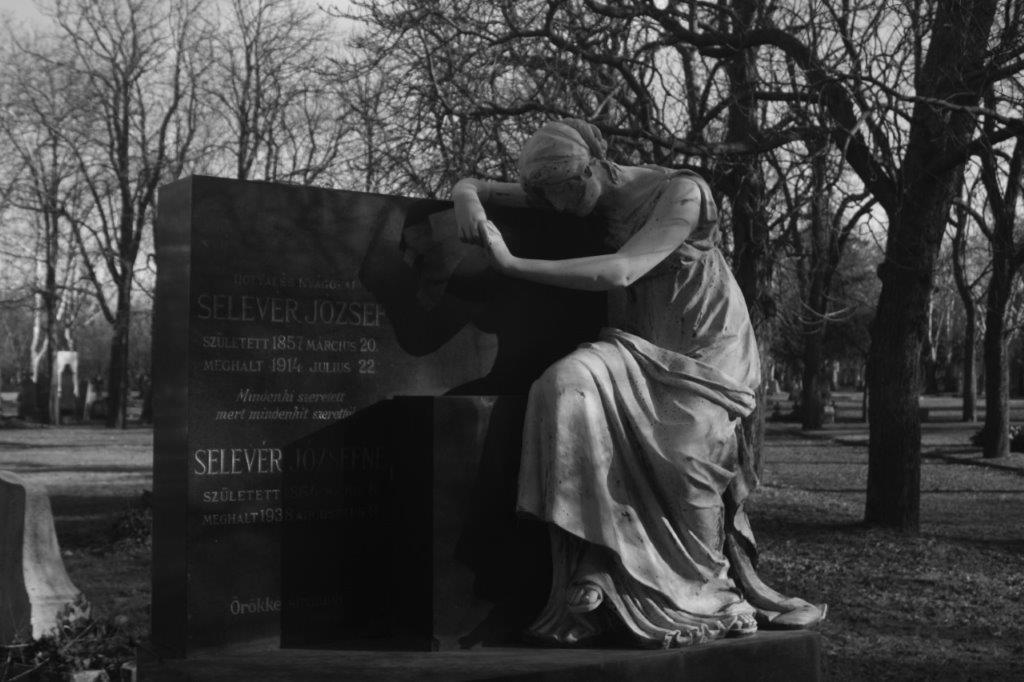
Life by Paul Laurence Dunbar [w/ Audio]

A crust of bread and a corner to sleep in,
A minute to smile and an hour to weep in,
A pint of joy and a peck of trouble,
And never a laugh but the moans come double;
And that is life!

A crust and a corner that love makes precious,
With a smile to warm and the tears to refresh us;
And joy seems sweeter when cares come after,
And a moan is the finest of foils for laughter;
And that is life!

Solitude by Ella Wheeler Wilcox [w/ Audio]

Laugh, and the world laughs with you;
Weep, and you weep alone;
For the sad old earth must borrow its mirth,
But has trouble enough of its own.
Sing, and the hills will answer;
Sigh, it is lost on the air;
The echoes bound to a joyful sound
But shrink from voicing care.

Rejoice, and men will seek you;
Grieve, and they turn and go;
They want full measure of all your pleasure,
But they do not need your woe.
Be glad, and your friends are many;
Be sad, and you lose them all, --
There are none to decline your nectared wine,
But alone you must drink life's gall.

Feast, and your halls are crowded;
Fast, and the world goes by.
Succeed and give, and it helps you live,
But no man can help you die.
There is room in the halls of pleasure
For a large and lordly train,
But one by one we must all file on
Through the narrow aisles of pain.

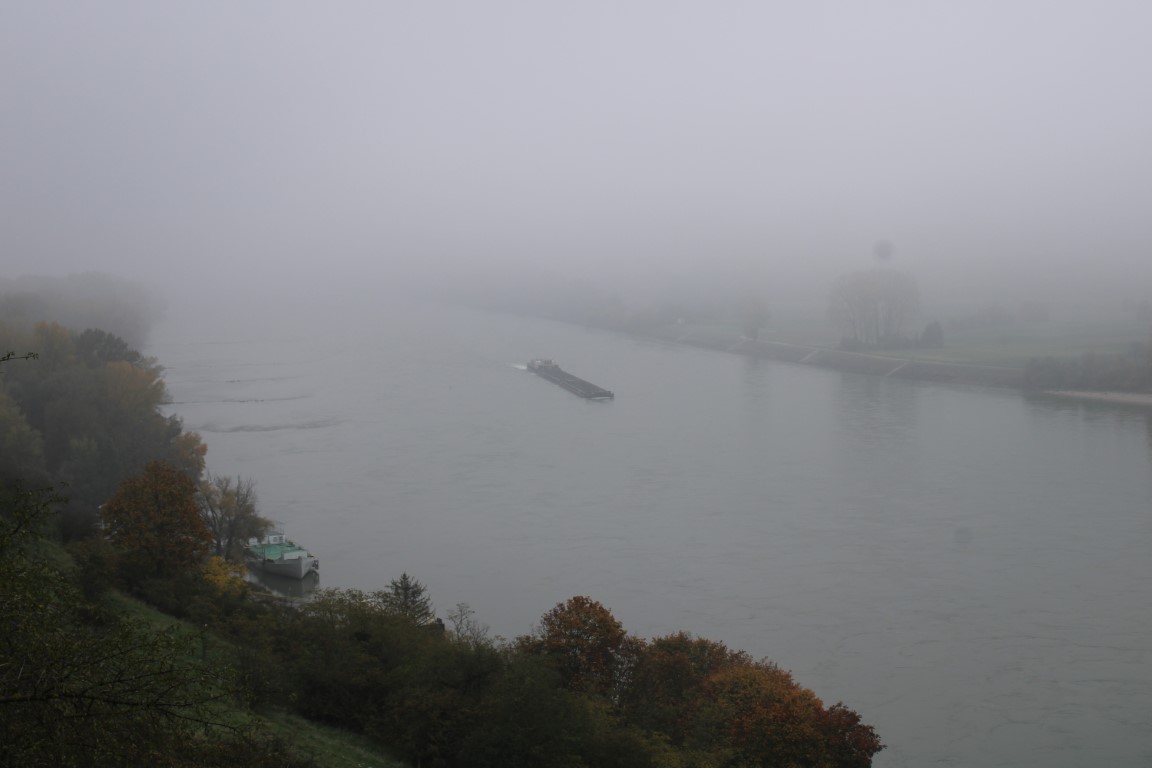
“I was born upon thy bank, river” by Henry David Thoreau [w/ Audio]

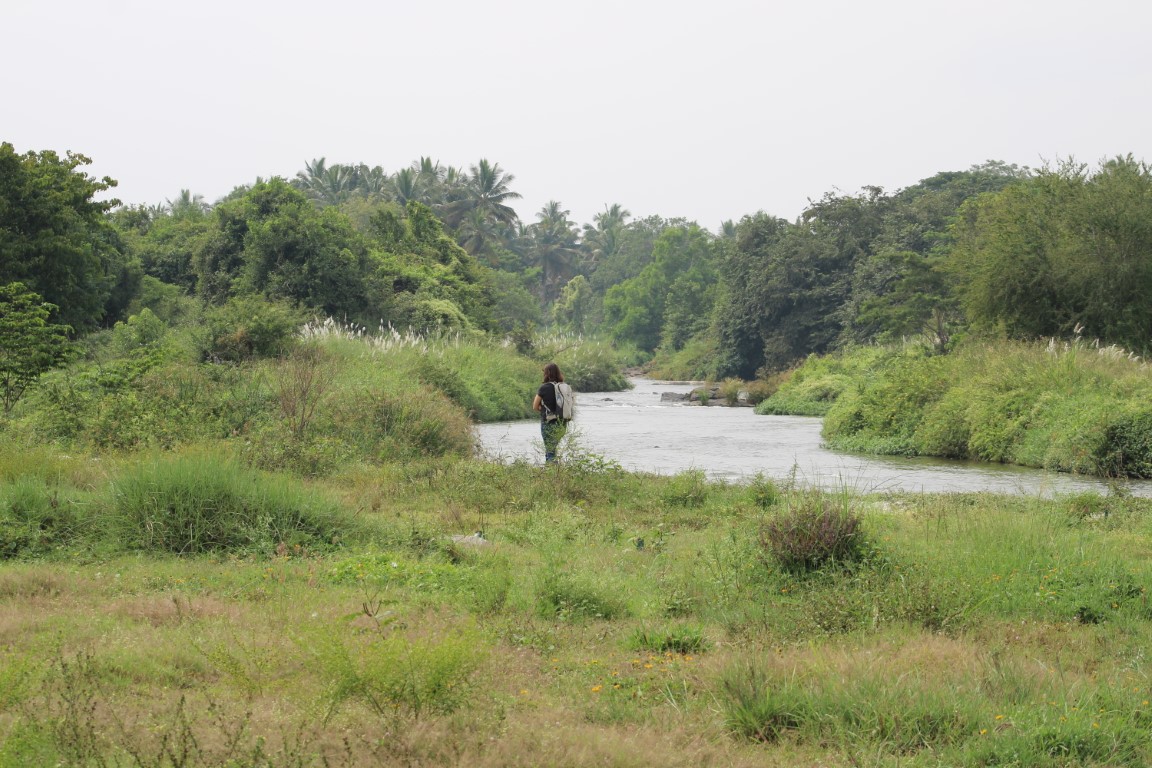
I was born upon thy bank, river,
My blood flows in thy stream,
And thou meanderest forever
At the bottom of my dream.

The Red Wheelbarrow by William Carlos Williams [w/ Audio]

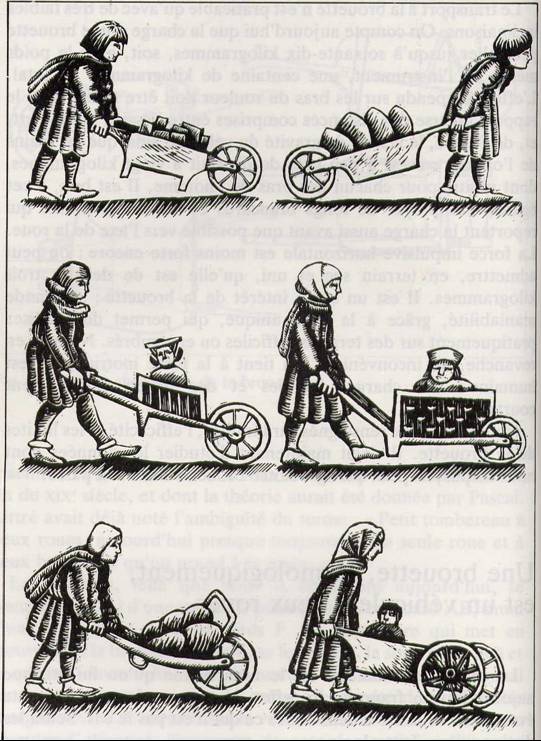
so much depends
upon

a red wheel
barrow

glazed with rain
water

beside the white
chickens

River Snow by Liu Zongyuan [w/ Audio]

From one thousand mountains, birds have vanished.
Over ten-thousand paths, not one footprint.
A lone boat, an old man in coarse cloak and hat:
Just he, fishing in the cold, river snow.

Original Chinese:

千山鳥飛絕
萬徑人蹤滅
孤舟蓑笠翁
獨釣寒江雪

Do Not Go Gentle into That Good Night by Dylan Thomas [w/ Audio]

Do not go gentle into that good night,
Old age should burn and rave at close of day;
Rage, rage against the dying of the light.

Though wise men at their end know dark is right,
Because their words had forked no lightning they
Do not go gentle into that good night.

Good men, the last wave by, crying how bright
Their frail deeds might have danced in a green bay,
Rage, rage against the dying of the light.

Wild men who caught and sang the sun in flight,
And learn, too late, they grieved it on its way,
Do not go gentle into that good night.

Grave men, near death, who see with blinding sight
Blind eyes could blaze like meteors and be gay,
Rage, rage against the dying of the light.

And you, my father, there on the sad height,
Curse, bless, me now with your fierce tears, I pray.
Do not go gentle into that good night.
Rage, rage against the dying of the light.

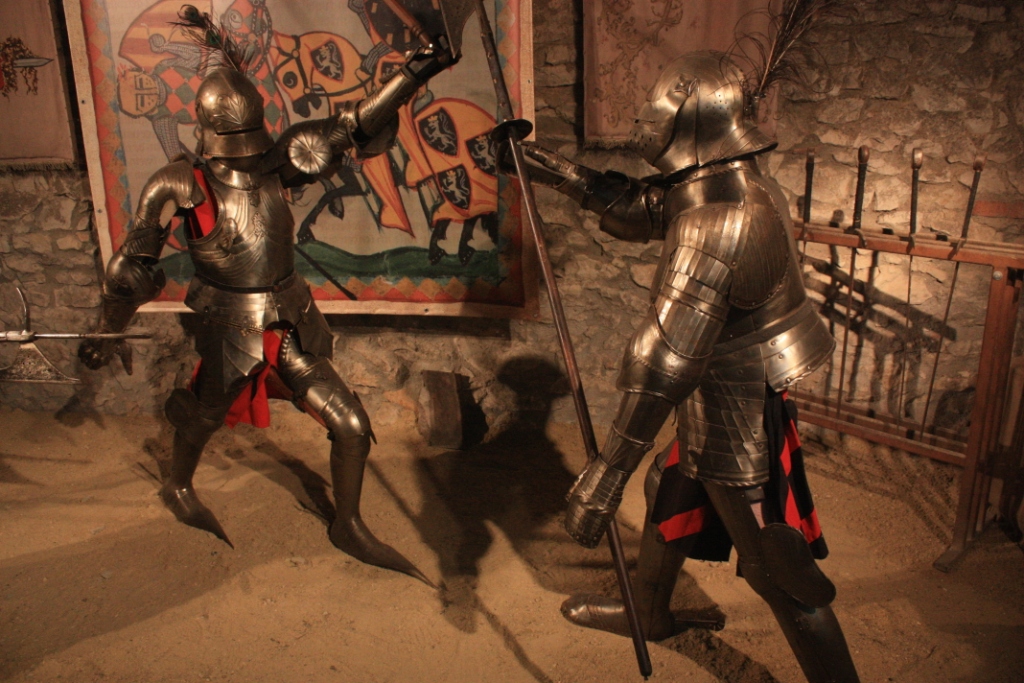
St. Crispin’s Day Speech [from HENRY V] by William Shakespeare [w/ Audio]

This day is call'd the feast of Crispian.
 He that outlives this day, and comes safe home,
 Will stand a-tiptoe when this day is nam'd,
 And rouse him at the name of Crispian.
 He that shall live this day, and see old age,
 Will yearly on the vigil feast his neighbours,
 And say "Tomorrow is Saint Crispian."
 Then will he strip his sleeve and show his scars,
 And say "These wounds I had on Crispian's day."
 Old men forget; yet all shall be forgot,
 But he'll remember, with advantages,
 What feats he did that day. Then shall our names,
 Familiar in his mouth as household words --
 Harry the King, Bedford and Exeter,
 Warwick and Talbot, Salisbury and Gloucester --
 Be in their flowing cups freshly rememb'red.
 This story shall the good man teach his son;
 And Crispin Crispian shall ne'er go by,
 From this day to the ending of the world,
 But we in it shall be remembered --
 We few, we happy few, we band of brothers;
 For he today that sheds his blood with me
 Shall be my brother; be he ne'er so vile,
 This day shall gentle his condition;
 And gentlemen in England now a-bed
 Shall think themselves accursed they were not here,
 And hold their manhoods cheap whiles any speaks
 That fought with us upon Saint Crispin's Day.

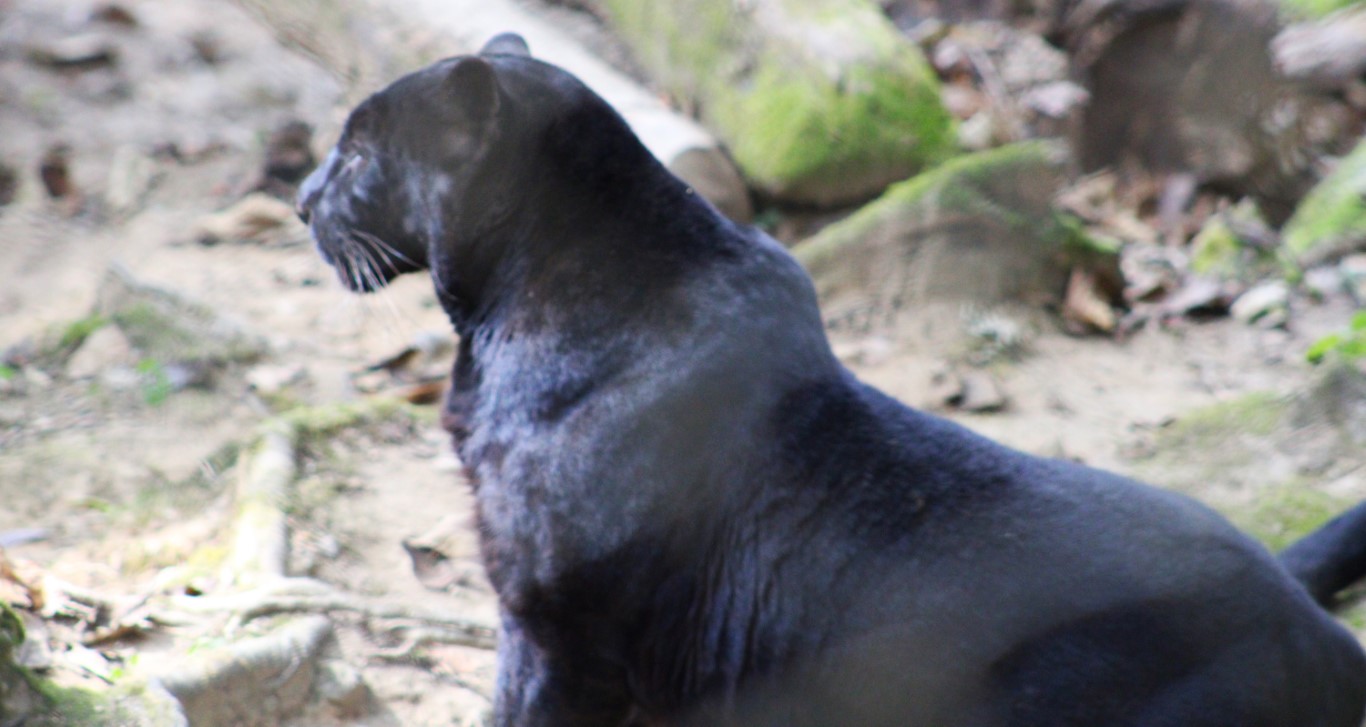
Black Cat by Rainer Maria Rilke [w/ Audio]

A ghost, though invisible, still is like a place
   your sight can knock on, echoing; but here
 within this thick black pelt, your strongest gaze
   will be absorbed and utterly disappear:

just as a raving madman, when nothing else
   can ease him, charges into his dark night
 howling, pounds on the padded wall, and feels
   the rage being taken in and pacified.

She seems to hide all looks that have ever fallen
   into her, so that, like an audience,
she can look them over, menacing and sullen,
   and curl to sleep with them. But all at once

as if awakened, she turns her face to yours;
   and with a shock, you see yourself, tiny,
 inside the golden amber of her eyeballs
   suspended, like a prehistoric fly.

NOTE: This translation by Stephen Mitchell. Originally titled, “Schwarze Katze,” the poem in German is:

Schwarze Katze

Ein Gespenst ist noch wie eine Stelle,
dran dein Blick mit einem Klange stößt;
aber da an diesem schwarzen Felle
wird dein stärkstes Schauen aufgelöst:

wie ein Tobender, wenn er in vollster
Raserei in Schwarze stampft,
jählings am benehmenden Gepolster
einer Zelle aufhört und verdampft.

Alle Blicke, die sie jemals trafen,
scheint sie also an sich zu verhehlen,
um darüber drohend und verdrossen
zuzuschauern und damit zu schlafen.
Doch auf einmal kehrt sie, wie geweckt,
ihr Gesicht und mitten in das deine:
und da triffst du deinen Blick im geelen
Amber ihrer runden Augensteine
unerwartet wieder: eingeschlossen
wie ein ausgestorbenes Insekt.

The Road Not Taken by Robert Frost [w/ Audio]

Two roads diverged in a yellow wood,
  And sorry I could not travel both 
 And be one traveler, long I stood
  And looked down one as far as I could
 To where it bent in the undergrowth;

Then took the other, just as fair,
  And having perhaps the better claim,
 Because it was grassy and wanted wear;
  Though as for that the passing there
 Had worn them really about the same,

And both that morning equally lay
  In leaves no step had trodden black.
 Oh, I kept the first for another day!
  Yet knowing how way leads on to way,
 I doubted if I should ever come back.

I shall be telling this with a sigh
  Somewhere ages and ages hence:
 Two roads diverged in a wood, and I --
  I took the one less traveled by,
 And that has made all the difference.