“A Boat Beneath a Sunny Sky” by Lewis Carroll [w/ Audio]

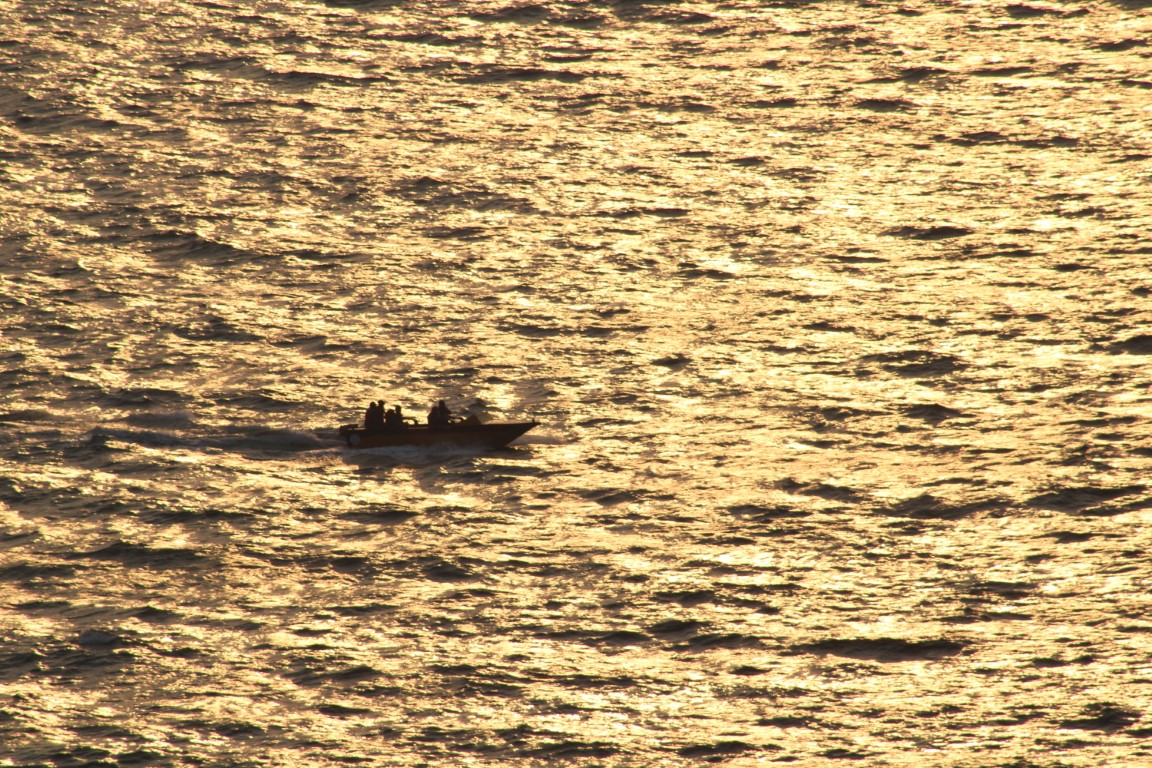
A boat beneath a sunny sky,
Lingering onward dreamily
In an evening of July --

Children three that nestle near,
Eager eye and willing ear,
Pleased a simple tale to hear --

Long has paled that sunny sky:
Echoes fade and memories die:
Autumn frosts have slain July.

Still she haunts me, phantomwise,
Alice moving under skies
Never seen by waking eyes.

Children yet, the tale to hear,
Eager eye and willing ear,
Lovingly shall nestle near.

In a Wonderland they lie,
Dreaming as the days go by,
Dreaming as the summers die:

Ever drifting down the stream --
Lingering in the golden gleam --
Life, what is it but a dream?

“Form” [Poetry Style #20] by Sikong Tu [w/ Audio]

Quit seeking to firm up the soul;
Return to the unadorned truth.
One can seek the shape of water;
One can write of a pleasant spring.
Winds shift the shapes of clouds,
Flowers stand tall, and flowers droop.
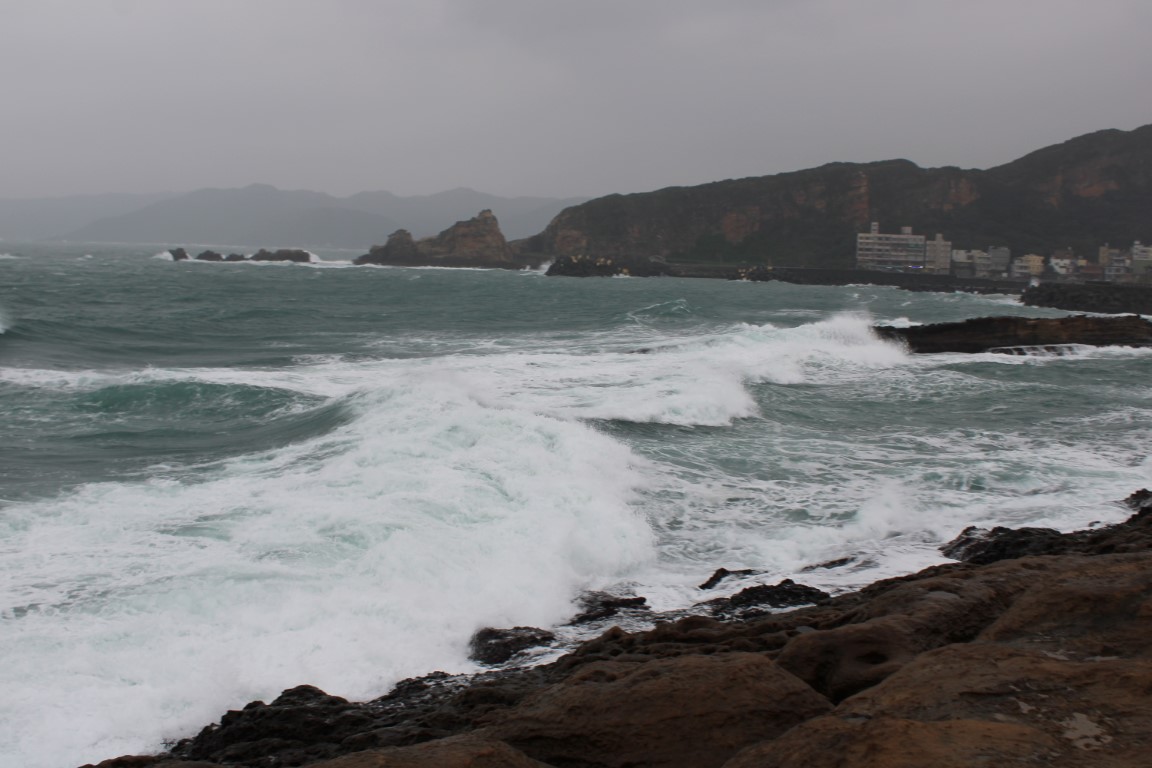
The great waves of a sprawling sea,
The mountain's craggy ruggedness...
They all emulate the Great Way.
Every wonderful thing is dust.
Find semblance beyond shape or form.
In this person, the multitudes.

NOTE: The late Tang Dynasty poet, Sikong Tu (a.k.a. Ssŭ-k‘ung T‘u,) wrote an ars poetica entitled Twenty-Four Styles of Poetry. It presents twenty-four poems that are each in a different tone, reflecting varied concepts from Taoist philosophy and aesthetics. Above is a translation of the twentieth of the twenty-four poems. Translated titles vary. This one has been titled “Descriptive” and “Form and Feature” by varied translators.

Sonnet 138 by William Shakespeare [w/ Audio]

When my love swears that she is made of truth,
I do believe her, though I know she lies,
That she might think me some untutored youth,
Unlearned in the world's false subtleties.
Thus vainly thinking that she thinks me young,
Although she knows my days are past the best,
Simply I credit her false-speaking tongue:
On both sides thus is simple truth suppressed.
But wherefore says she not she is unjust?
And wherefore say not I that I am old?
Oh, love's best habit is in seeming trust,
And age in love loves not to have years told.
Therefore I lie with her and she with me,
And in our faults by lies we flattered be.

“Snow-flakes” by Henry Wadsworth Longfellow [w/ Audio]

Out of the bosom of the Air,
Out of the cloud-folds of her garments shaken,
Over the woodlands brown and bare,
Over the harvest-fields forsaken,
Silent, and soft, and slow
Descends the snow.

Even as our cloudy fancies take
Suddenly shape in some divine expression,
Even as the troubled heart doth make
In the white countenance confession,
The troubled sky reveals
The grief it feels.

This is the poem of the air,
Slowly in silent syllables recorded;
This is the secret of despair,
Long in its cloudy bosom hoarded,
Now whispered and revealed
To wood and field.

“Much Madness is divinest Sense” (620) by Emily Dickinson [w/ Audio]

Much Madness is divinest Sense --
To a discerning Eye --
Much Sense -- the starkest Madness --
'Tis the Majority
In this, as all, prevail --
Assent -- and you are sane --
Demur -- you're straightway dangerous --
And handled with a Chain --

“Gratitude to the Unknown Instructors” by William Butler Yeats [w/ Audio]

What they undertook to do 
They brought to pass;
All things hang like a drop of dew
Upon a blade of grass.

“Love is Not All” (Sonnet XXX) by Edna St. Vincent Millay [w/ Audio]

Love is not all: it is not meat nor drink
Nor slumber nor a roof against the rain;
Nor yet a floating spar to men that sink
And rise and sink and rise and sink again;
Love can not fill the thickened lung with breath,
Nor clean the blood, nor set the fractured bone;
Yet many a man is making friends with death
Even as I speak, for lack of love alone.
It well may be that in a difficult hour,
Pinned down by pain and moaning for release,
Or nagged by want past resolution's power,
I might be driven to sell your love for peace,
Or trade the memory of this night for food.
It well may be. I do not think I would.

“Hand in Hand” by Su Shi [w/ Audio]

Hand in hand.
Plum petals floated to her skirt.
-- Love unbound --
Now, lost souls mill about:
Thier loved ones long unseen.
Old songs are heard once more,
Recalling Tower and Temple.

On ordinary days,
I'd write a thousand lines.
Now, I brush away dust,
And think of us, together.
The moon reflects in the lake.
Willows droop beside water.
A dragon-head cloud drifts on air.

Note: Translated titles vary. e.g. Xu Yuanchong entitles his translation “Song of Incense.”

Sonnet 104 by William Shakespeare [w/ Audio]

To me, fair friend, you never can be old,
For as you were when first your eye I eyed,
Such seems your beauty still. Three winters cold
Have from the forests shook three summer's pride,
Three beauteous springs to yellow autumn turned
In process of the seasons have I seen,
Three April perfumes in three hot Junes burned,
Since first I saw you fresh, which yet are green.
Ah, yet doth beauty, like a dial-hand,
Steal from his figure, and no pace perceived;
So your sweet hue, which methinks still doth stand,
Hath motion, and mine eye may be deceived:
For fear of which, hear this, thou age unbred:
Ere you were born was beauty's summer dead.

“Real” [Poetry Style #18] by Sikong Tu [w/ Audio]

Plain and simple words are chosen,
Even to express tangled thoughts.
Then one comes upon a hermit,
And one glimpses the heart of Dao.
The clear stream burbles its soft song
Amid the shady ancient pine grove.
A woodsman passes with his cordwood;
A stranger listens to a lute song.
A strong feeling takes one over,
Bringing with it bliss and wonder,
And one's easy link with heaven
Is tender as the sound of water.

NOTE: The late Tang Dynasty poet, Sikong Tu (a.k.a. Ssŭ-k‘ung T‘u,) wrote an ars poetica entitled Twenty-Four Styles of Poetry. It presents twenty-four poems that are each in a different tone, reflecting varied concepts from Taoist philosophy and aesthetics. Above is a translation of the eighteenth of the twenty-four poems. Translated titles vary — e.g. Herbert A. Giles titled this translation “Actualities.”