DAILY PHOTO: Mask Garden of Eco Park, Kolkata

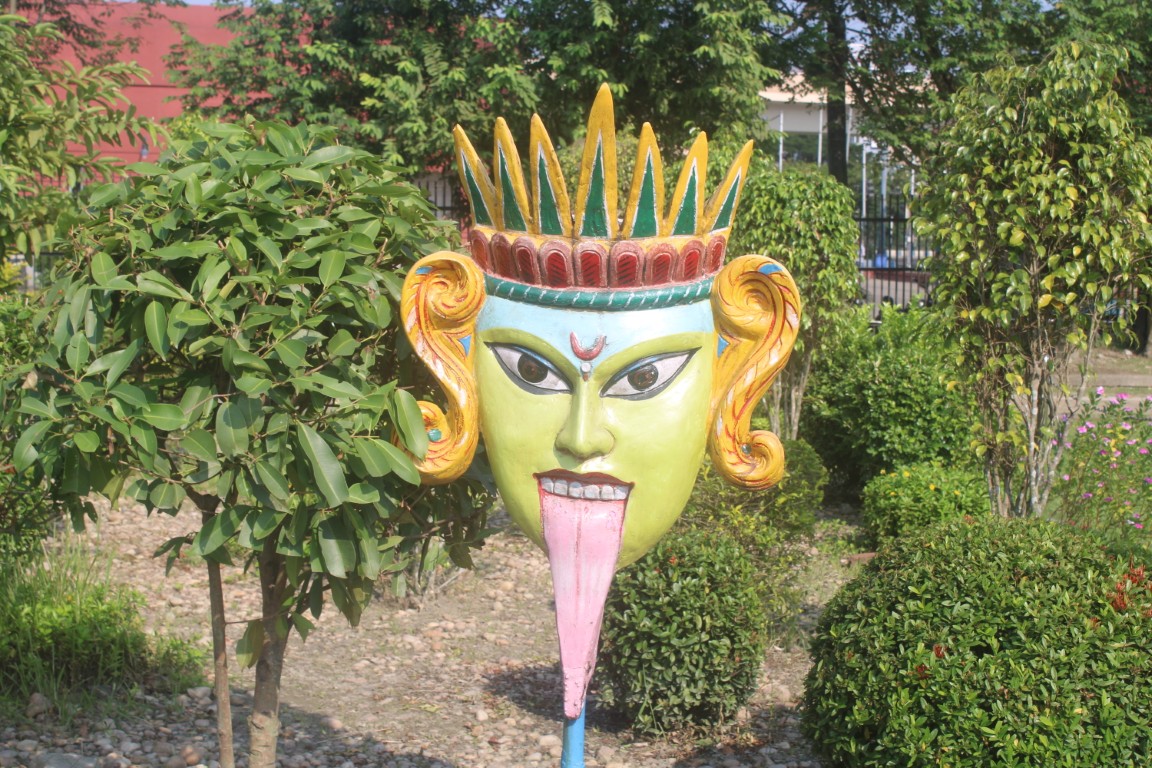
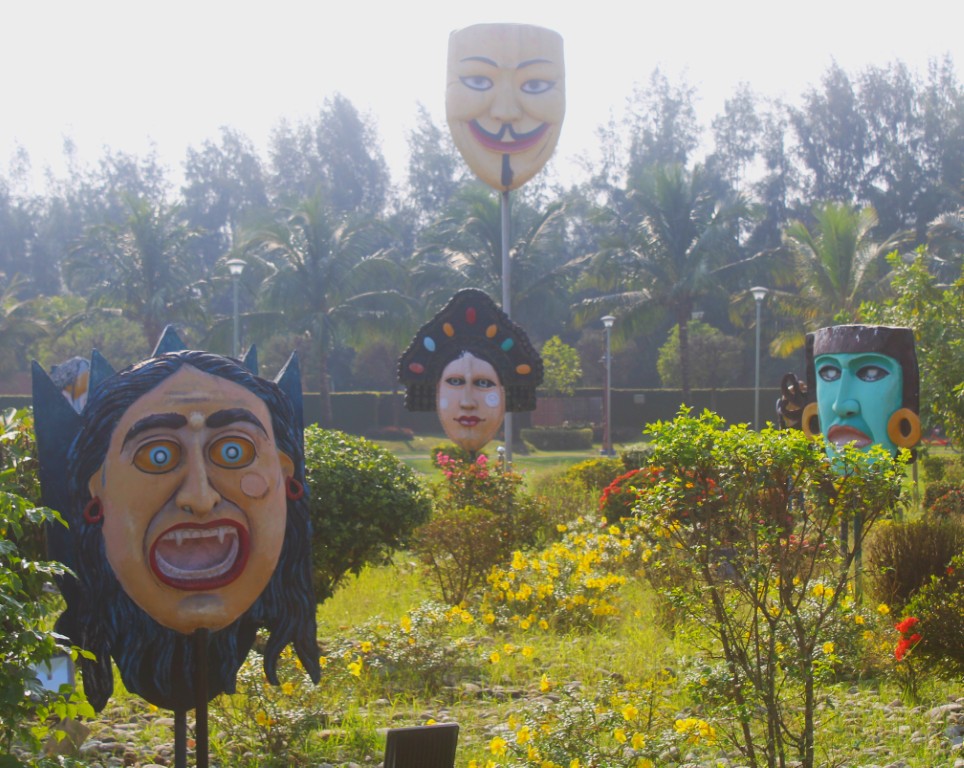
Mask of Kali (or a stylized version thereof) in the Mask Garden of Kolkata's Eco Park.
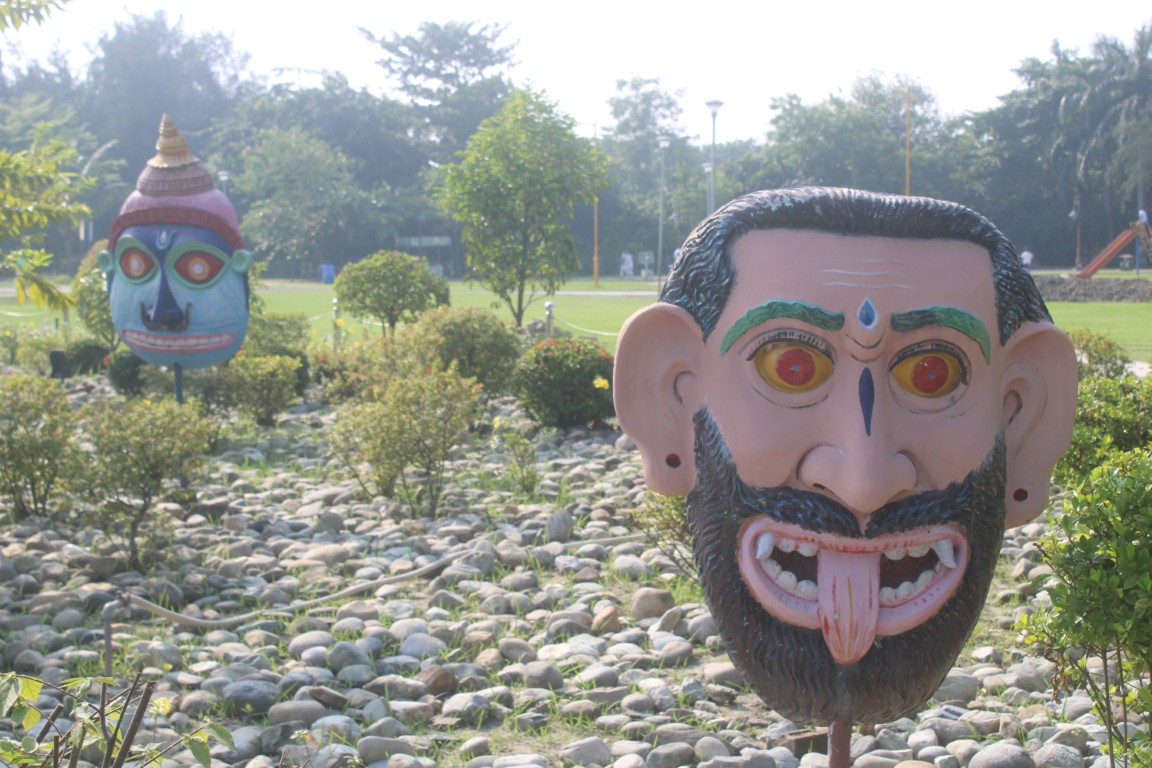
Hanuman Mask in the Mask Garden of Eco Park in Kolkata, India.
An assortment of masks, including Guy Fawkes and Dracula, in the Mask Garden of Kolkata's Eco Park.
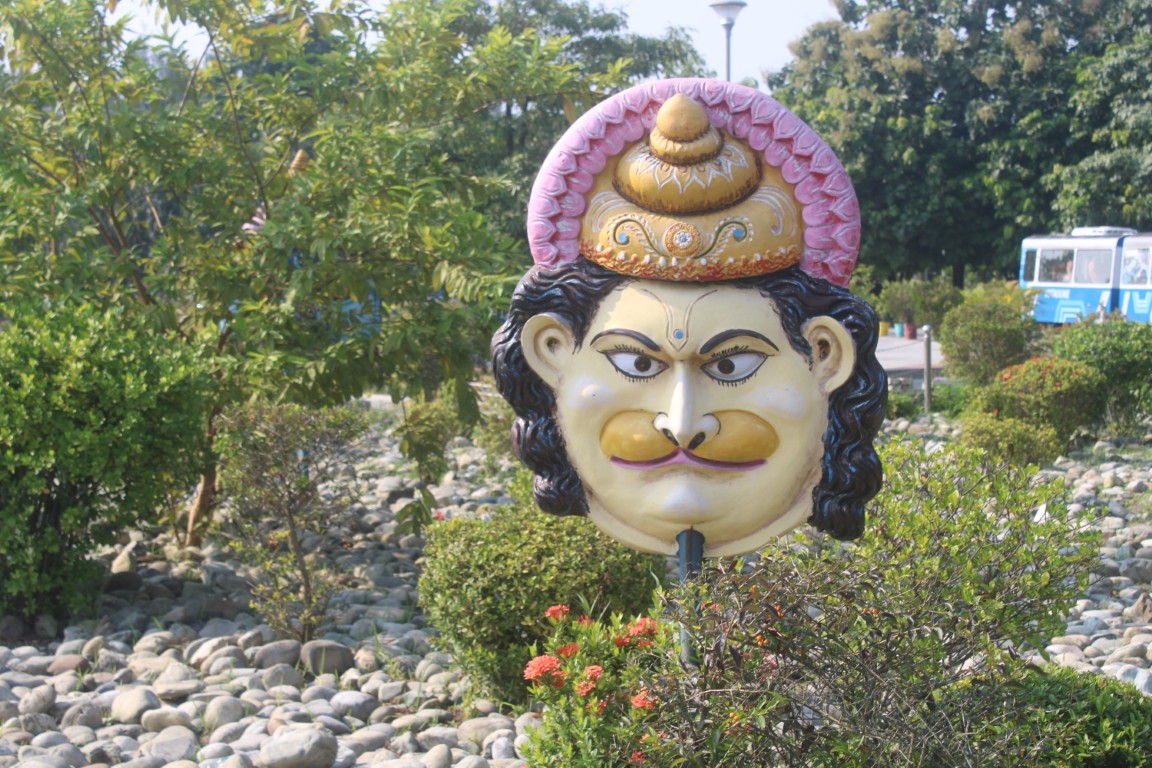
Mahākāla mask in the Mask Garden of the Eco Park in Kolkata.

“King Trisanku” by Henry Wadsworth Longfellow [w/ Audio]

Viswamitra the Magician,
By his spells and incantations,
Up to Indra's realms elysian
Raised Trisanku, king of nations.

Indra and the gods offended
Hurled him downward, and descending
In the air he hung suspended,
With these equal powers contending.

Thus by aspirations lifted,
By misgivings downward driven,
Human hearts are tossed and drifted
Midway between earth and heaven.

BOOKS: “Pawan” by Sorabh Pant

Pawan: The Flying AccountantPawan: The Flying Accountant by Sorabh Pant
My rating: 4 of 5 stars

Amazon.in Page

On one level, the more superficial level, this is a superhero fantasy featuring a Vanara (a supernatural monkey-man creature from Indian mythology,) on another level it’s a political satire that riffs on the geopolitics and the military-industrial complex of India. It’s cleverer as the latter than the former.

The story has some clunkiness, including the occasional hard to follow description and sloppy story elements (e.g. the deus ex machina.) That said, it’s pop genre fiction and with regards sloppy story elements they’re par for the course in superhero fiction. My point being that the fact that it’s amusing and mostly readable means it hits its target, strained credulity and logical inconsistencies aside.

The humor is of the broadest range with occasional laugh-out-loud hilarity, lots of mildly amusing jokes, and a few groan-worthy lines that go down like a lead-balloon. That’s not a terrible ratio for a novel.

If you want to check out a book featuring an Indian mythology-based superhero, and you don’t mind a lot of jokes directed at political and national security apparatus leadership, this book is worth looking into.

View all my reviews

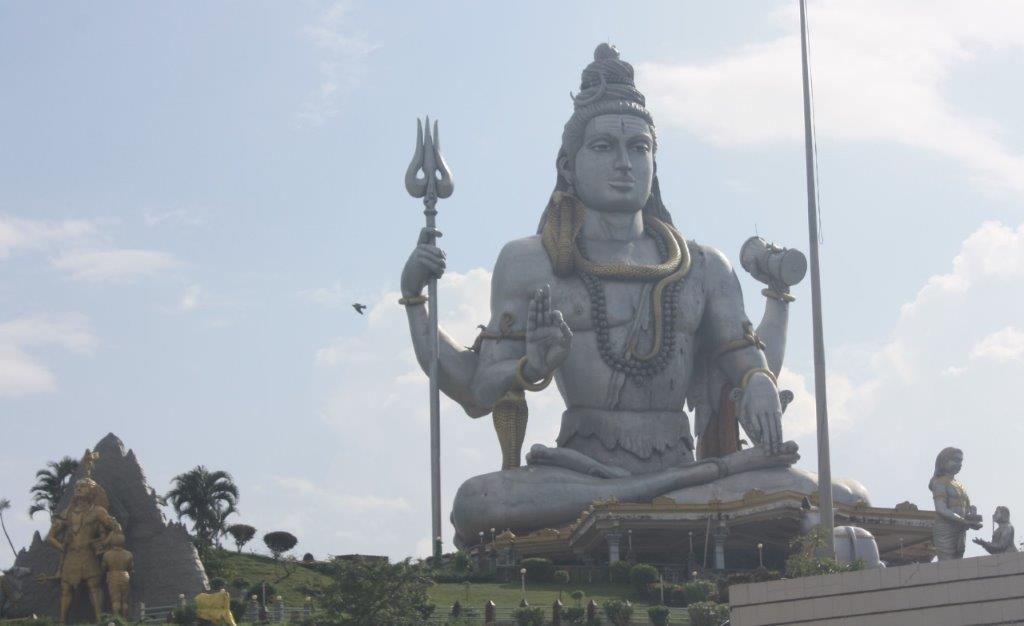
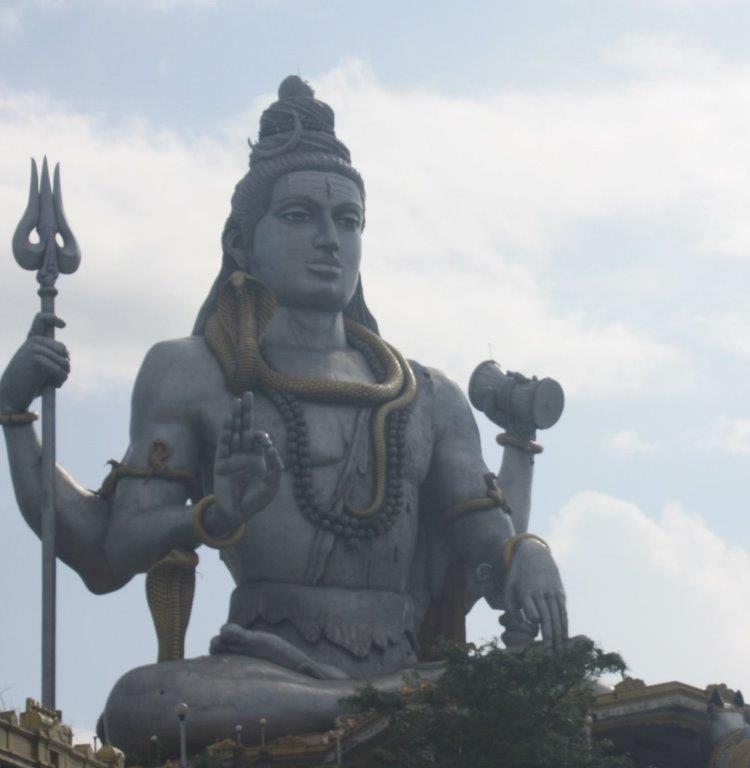
DAILY PHOTO: Murdeshwar Shiva

DAILY PHOTO: Nakhon Nayok Ganesha Park

Taken in the Summer of 2014 at Nakhon Nayok’s Ganesha Park

Ganesha [Free Verse]

Ganesha:
Obstacles removed
&
Good luck brought

All yields to the
elephantine forehead
&
elephantine learning

Seemingly immovable
when seated,
but I've seen you swing;
hoisted by a crane
& 
dangled out over the water

But the pendulum arc was 
short 
&
stiff
&
precarious:
as if it might flip the crane --

every remover of obstacles 
must leave a detritus of
past obstacles in its wake

BOOK REVIEW: The Stories Behind the Poses by Raj Balkaran

The Stories Behind the Poses: The Indian mythology that inspired 50 yoga posturesThe Stories Behind the Poses: The Indian mythology that inspired 50 yoga postures by Raj Balkaran
My rating: 4 of 5 stars

Amazon.in Page

Released: July 26, 2022

Yoga practitioners will be aware that — while some posture names are banal, straightforward descriptions (e.g. Utthita Hasta Padangusthasana, or “standing hand-to-big toe pose –”) many others invoke animals, sages, or deities for historical, mythological, or symbolic reasons. As this book’s title suggests, it presents the mythological backstories for fifty yoga postures. The vast majority of these fifty poses are common ones that will be readily familiar to most Hatha Yoga practitioners, though a few are advanced or obscure and aren’t likely to come up in your run-of-the-mill studio class. (And a couple may be familiar to some individuals by another name.)

The book is cleanly organized with five sections (Shiva poses, Vishnu poses, Devi / goddess poses, God story poses, and sage poses) each containing writeups for ten poses. Each pose is presented via colorful artwork in the Indian style (typically with the deity or sage in question performing the posture.)

I found the entries to be well-written and clear (Hindu Mythology can be extremely complicated and some authors get lost in the weeds by including too much minutiae or unnecessary details, but that wasn’t the case here.) The full-page artistic renderings of the poses are also clear and tidy, such that anyone familiar with the pose should readily recognize it.

The one thing I think could have been done better (though probably not without messing up the aforementioned clean organizational scheme) would be to cut some of the redundancy in the stories. In a few instances, the same story appeared in multiple chapters. To the author’s credit, these weren’t just copy / pasted, they were written uniquely, sometimes with additional information or a different focus. Still, it was a bit distracting to find myself in the middle of the same story and wondering whether I’d zoned out or lost my place. This might have been dealt with by putting multiple poses with one story and not repeating the tale one or more times. For example, the stories about Vasisthasana and Visvametrasana are inherently coupled, and the poses might be as well. (Perhaps even referencing the fact that the story had already been told might have been helpful and less distracting.)

All-in-all, I thought this book did a fine job of presenting the myths and relating them to the postures. I learned a great deal from reading the book and would recommend it for yoga practitioners and those interested in Hindu Mythology.


View all my reviews

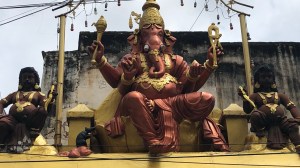
DAILY PHOTO: Ganesha

Taken in Bangalore in 2019

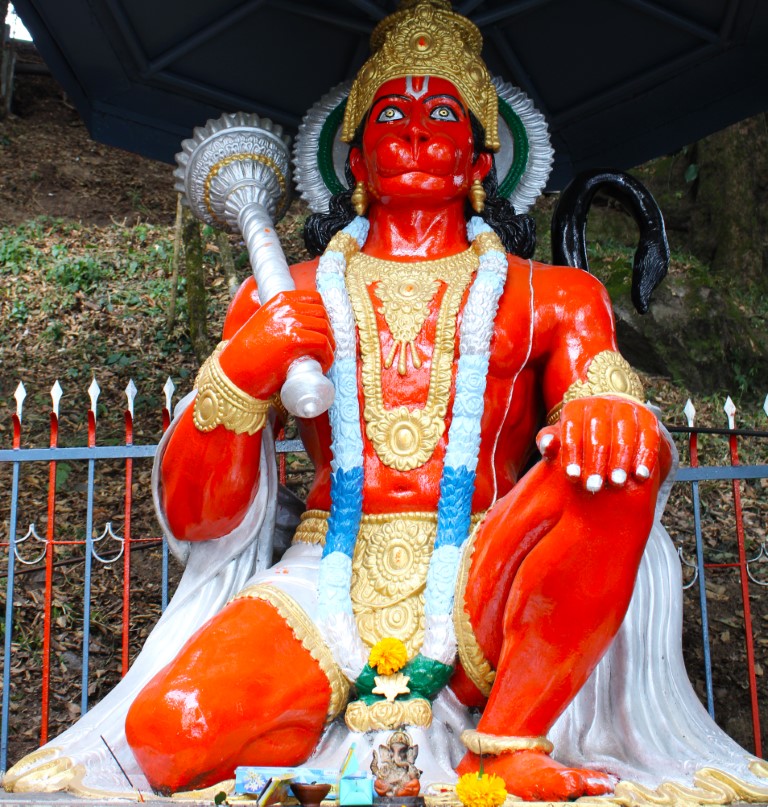
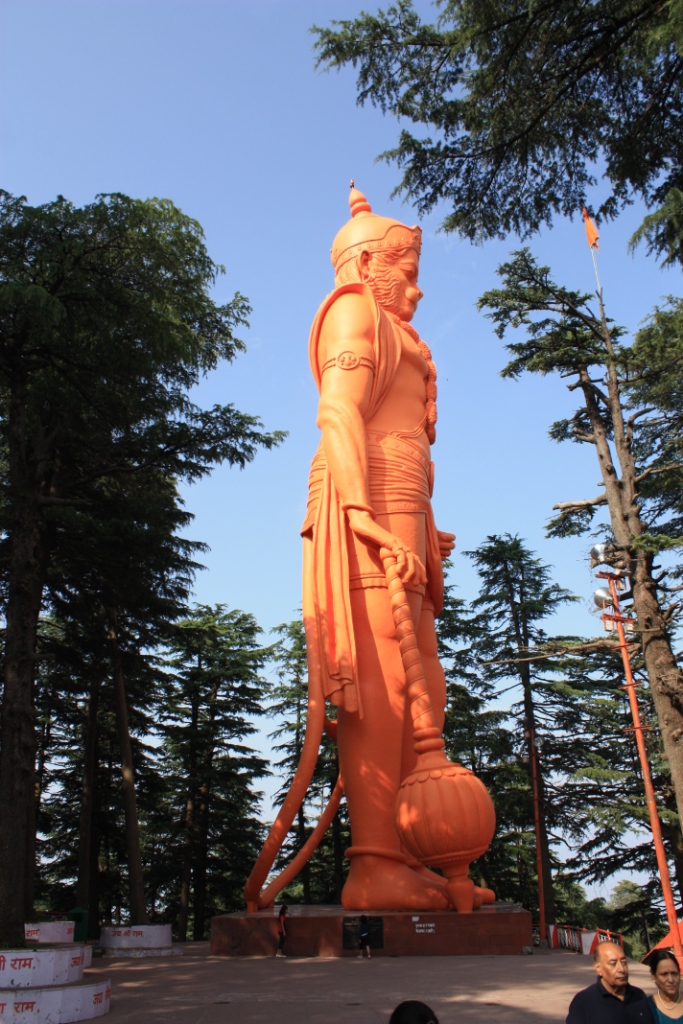
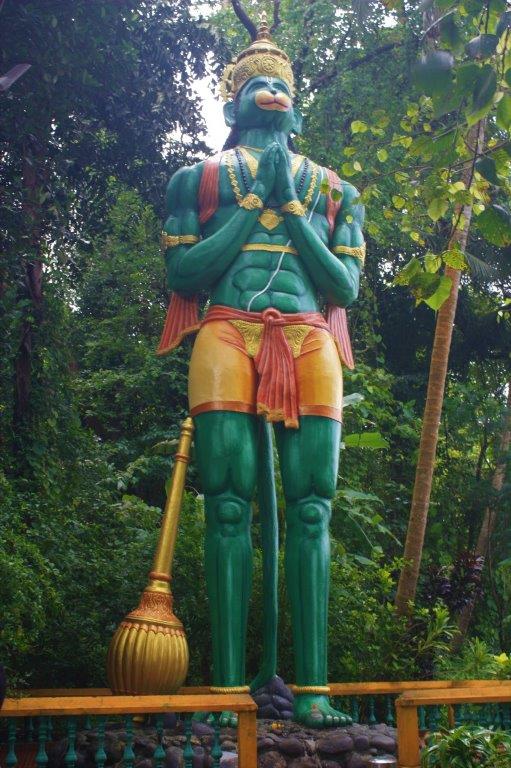
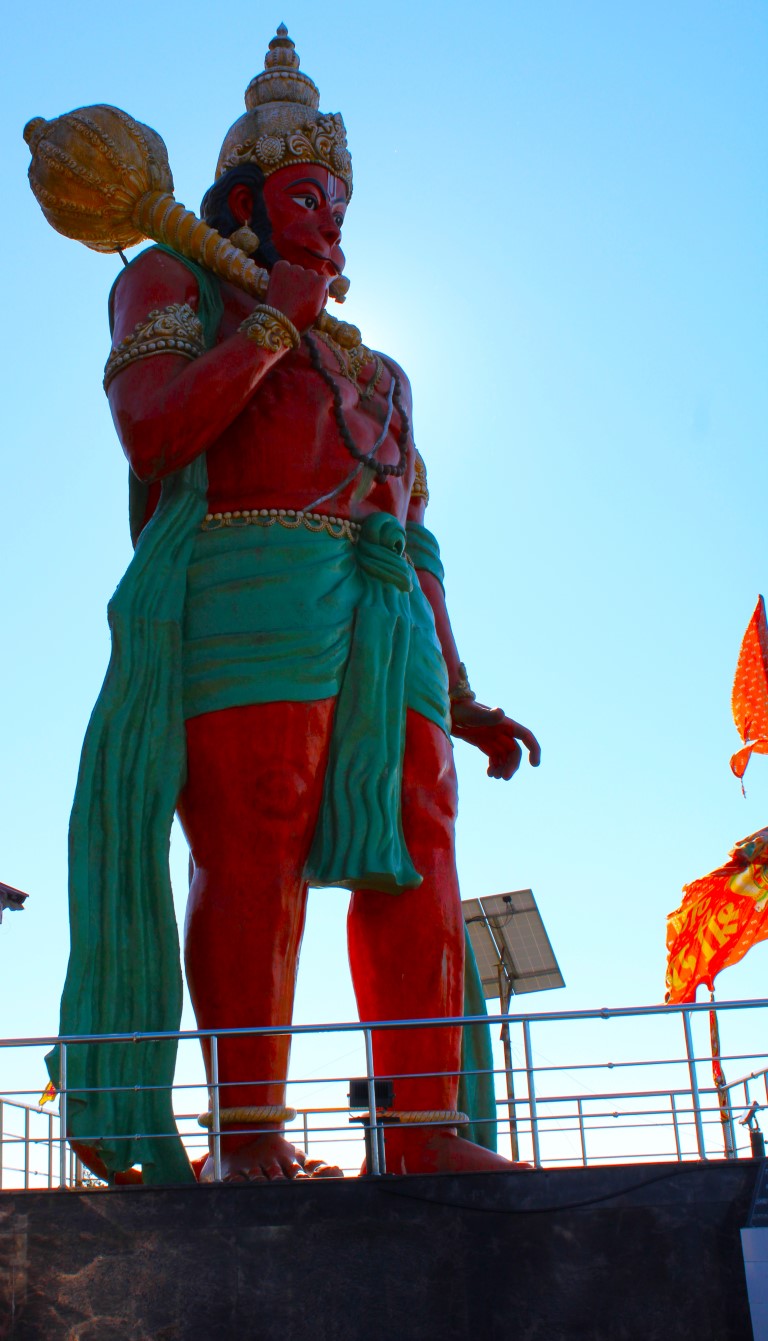
DAILY PHOTO: Hanumans Around India

Darjeeling’s Shrubbery Nightingale Park, December of 2021
Shimla; June 2015
Mangalore; July 2021
Kurseong; December 2021

BOOK REVIEW: Adi Shankara by P. Narasimhayya

Adi ShankaraAdi Shankara by Anant Pai
My rating: 4 of 5 stars

Amazon.in Page

This short, comic book tells stories associated with the Advaita Vedanta sage, Adi Shankara. As it’s a comic book intended for children, it’s more occupied with mythology and magical tales than with describing Shankara’s philosophy or what real world events influenced said philosophy. That said, it’s a quick way to gain some insight into the mythology of Adi Shankara as well as a few sparse biographical details such as the places he traveled and people he met.

At the end, it does have a half-page box of quotes that offers a tiny bit of insight into what Shankara believed and what concepts he emphasized in his teachings.

If one reads it with the expectation that this is a book that is primarily going to offer insight into stories and fantasies bandied about, it’s certainly worth the limited investment of time and effort required to read the book. But it’s kind of boring in the way of Superman-type comic books –i.e. fantasies of a guy who does whatever he can imagine because he’s not bound by the physical laws of the universe. That is, it’s more intended as escape from reality than as education.


View all my reviews