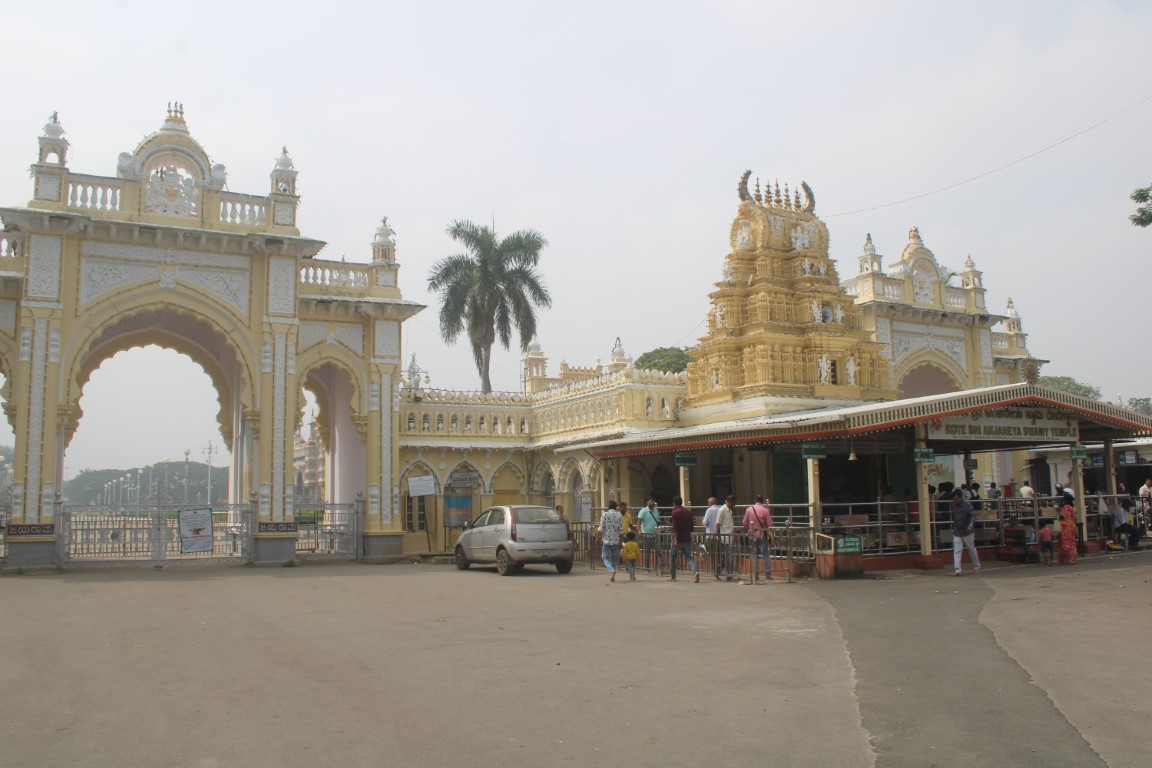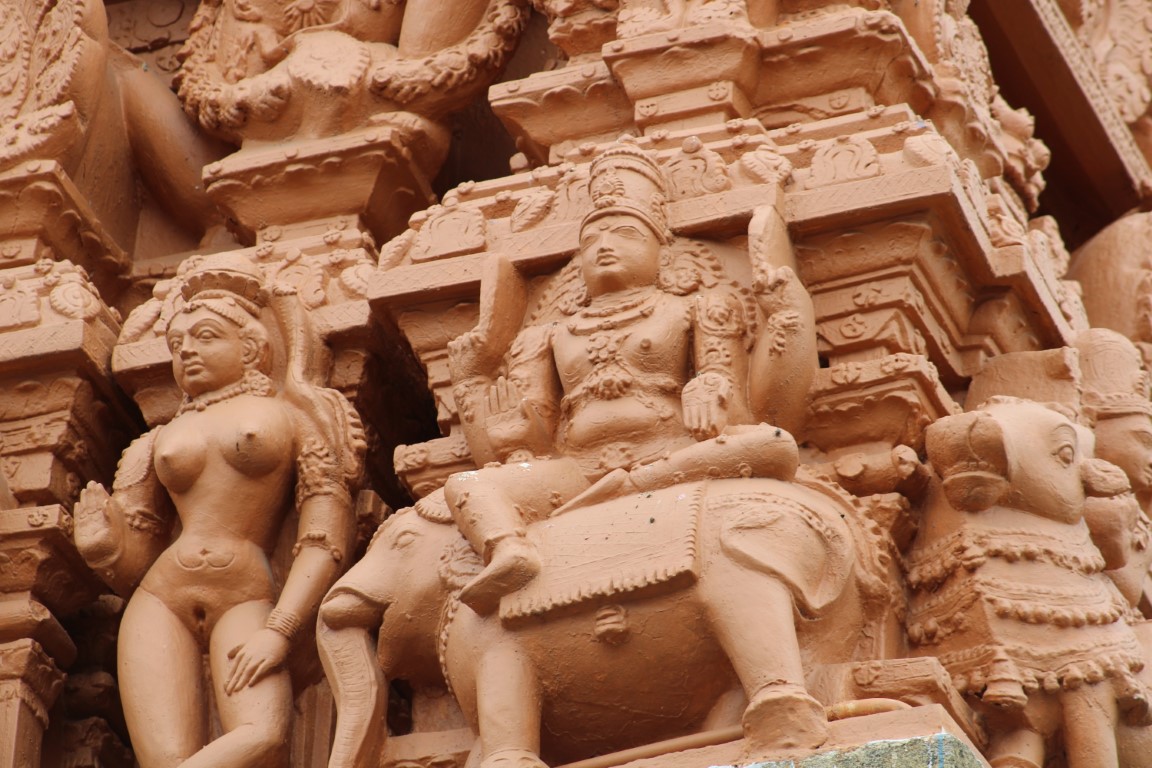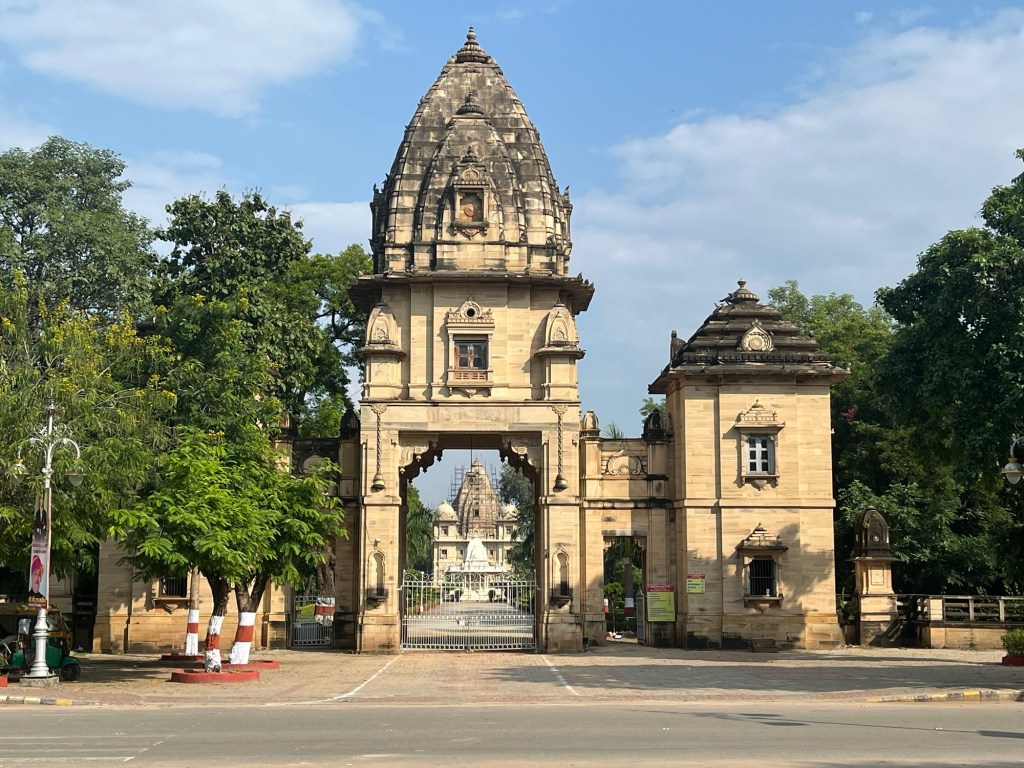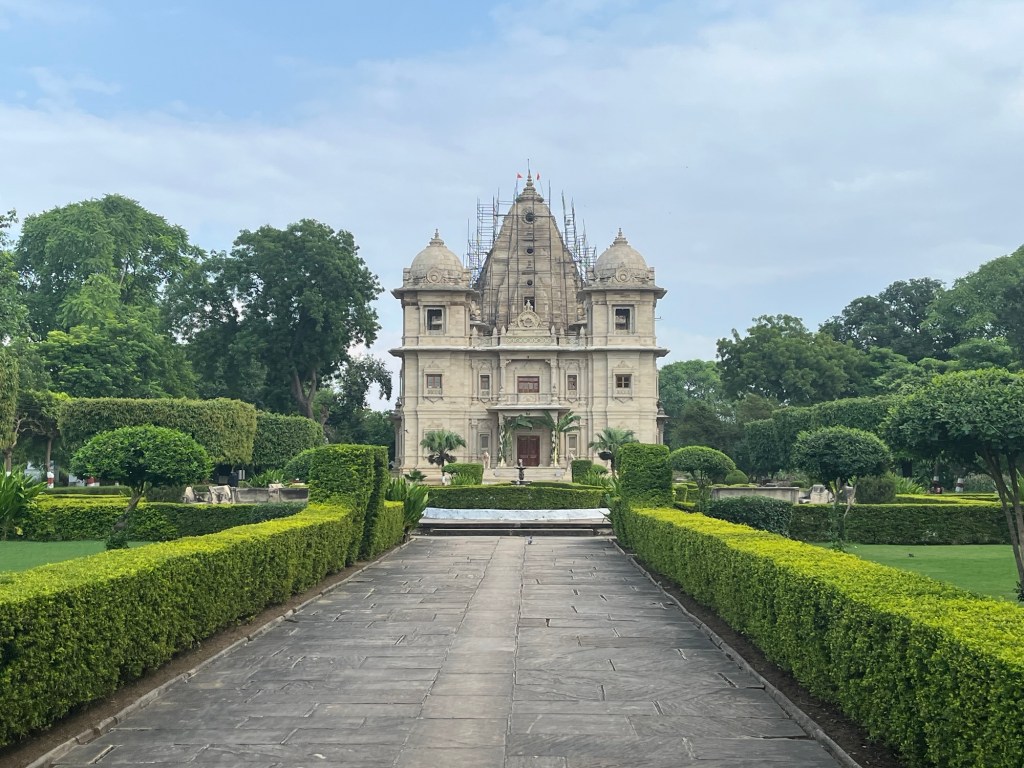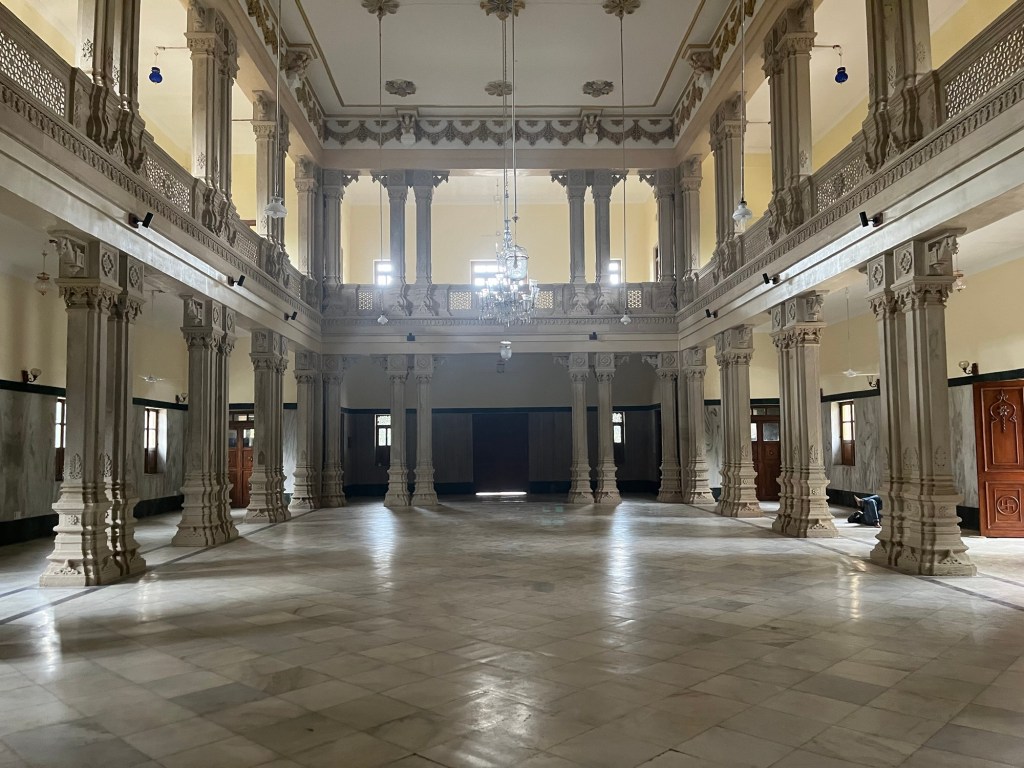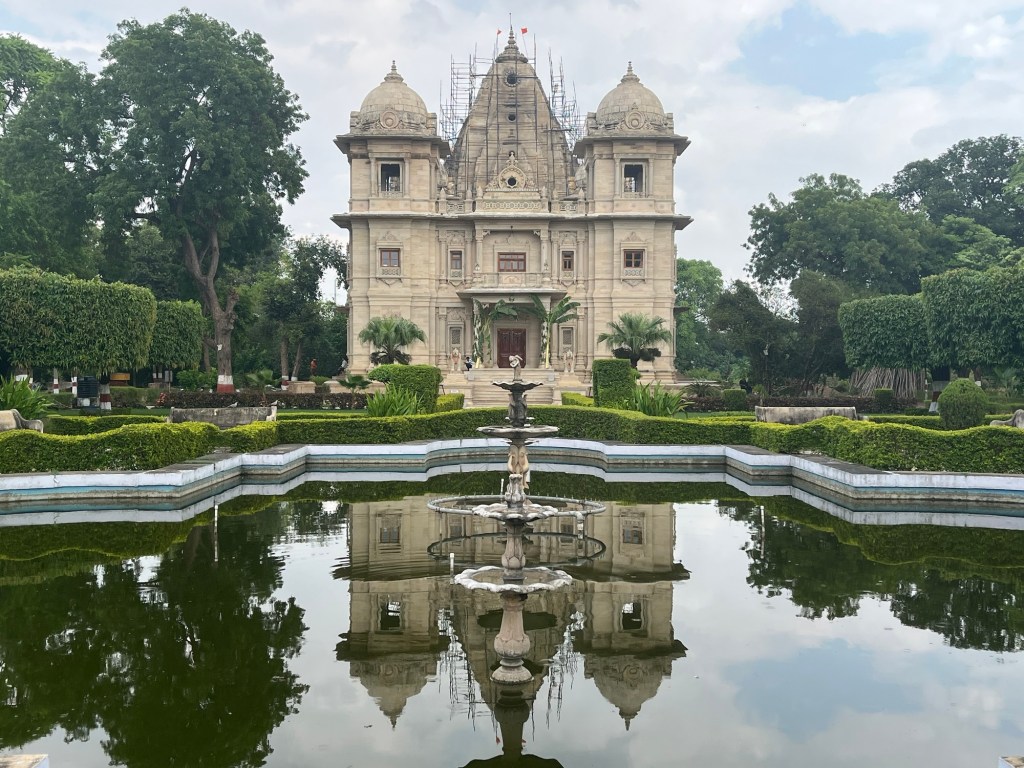
DAILY PHOTO: Kote Sri Anjaneya Swamy Temple, Mysore

Image

Photograph of the Kote Sri Anjaneya Swamy Temple and Palace Gates in Mysore (Mysuru,) Karnataka, India.

BOOK: “Swami Kripalu’s Ladder of Yoga” by Richard Faulds

Swami Kripalu’s Ladder of YogaSwami Kripalu’s Ladder of Yoga by Richard Faulds
My rating: 4 of 5 stars

Publisher Site – Monkfish

Release Date: April 7, 2026

This book discusses the organizational structure of yoga as described by prominent 20th century yoga guru, Swami Kripalu, an approach that draws on (but distinguishes itself from) the 8-limb (Ashtanga) framework outlined by Patanjali in the Yoga Sutras. Swami Kripalu deemphasized yogic ethics (Yama and Niyama,) and put great emphasis on hierarchy among the elements of yoga — i.e. that one must pass through the lessons of some limbs before you can begin to move up to the next. (This idea is certainly taught in Patanjali’s Sutras, but not with the same emphasis — hence Kripalu’s “ladder,” rather than “limbs” — making clear that these are not independent elements but rather are completely dependent.)

The greatest strength of this book is in distinguishing concepts like dhyana (meditation) from samadhi, distinction of which is often given short shrift with simplistic soundbite-like definitions in books on yoga. The book is not the usual yoga text in that it spends a great deal of time discussing the “higher limbs” of yoga (to resort back to Patanjali’s formulation.) Faulds adds benefit by discussing his own subjective experiences, the lack of access to subjective understanding often gives even students actively training with teachers doubts about their experiences.

I should point out that the book does also spend a good deal of page count (perhaps more space than any other subject) on pranayama (breathwork,) both covering it over several chapters in the book’s midsection and then further in a couple appendices that get into the physiology of breathwork.

One nice feature is that almost all of the chapters end with sections entitled “Be a Discerning Student” and “Applying this Chapter in Practice” to help readers with practical insights into what is by and large a philosophical discussion. There are also several appendices (the most useful one to me was a discussion of the shifting understanding of the term “samadhi” over time and across disciplines.)

If you want to explore what the higher limbs are and how they are distinguished, I’d recommend this book. (As I said, it also deals with Pranayama in some detail, but that will likely offer less new insight for students and teachers of yoga who’ve received an education in [and maintain a practice of] yoga.)

View all my reviews

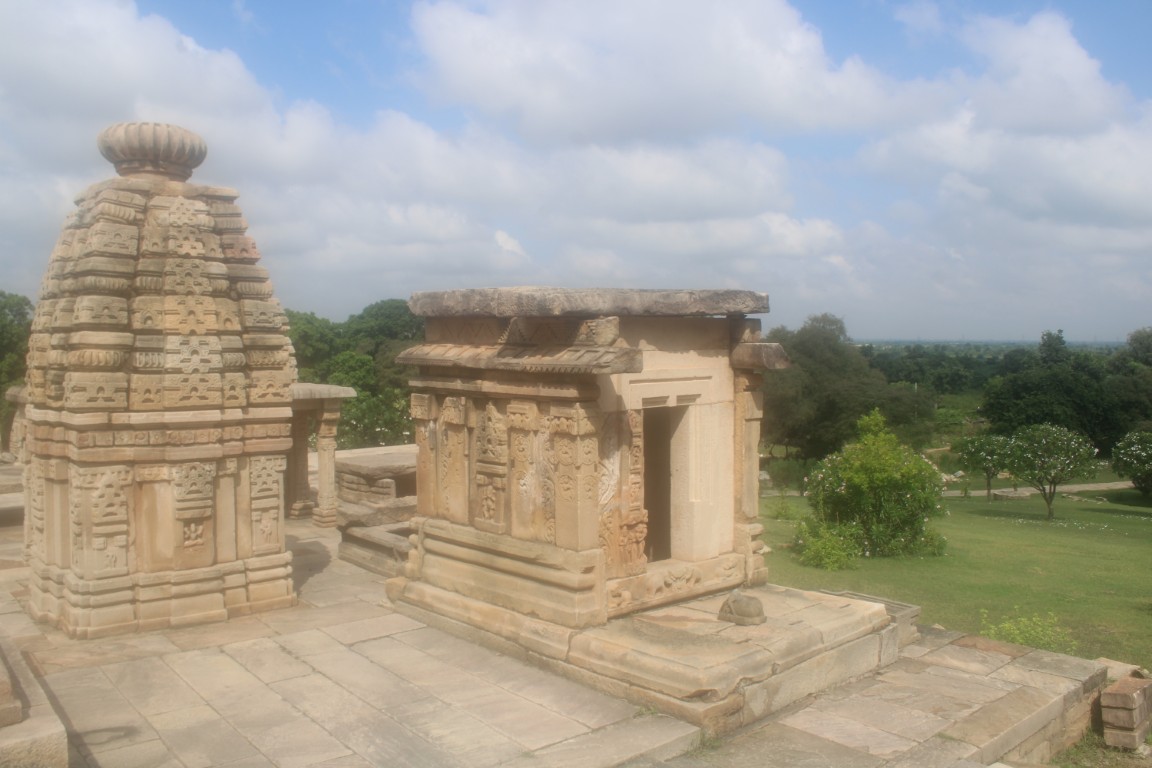
DAILY PHOTO: Scene from Bateshwar Temple Group of Morena

Image

Photograph of a couple of shrines in the Bateshwar Temple Group of Morena, north of Gwalior, India.

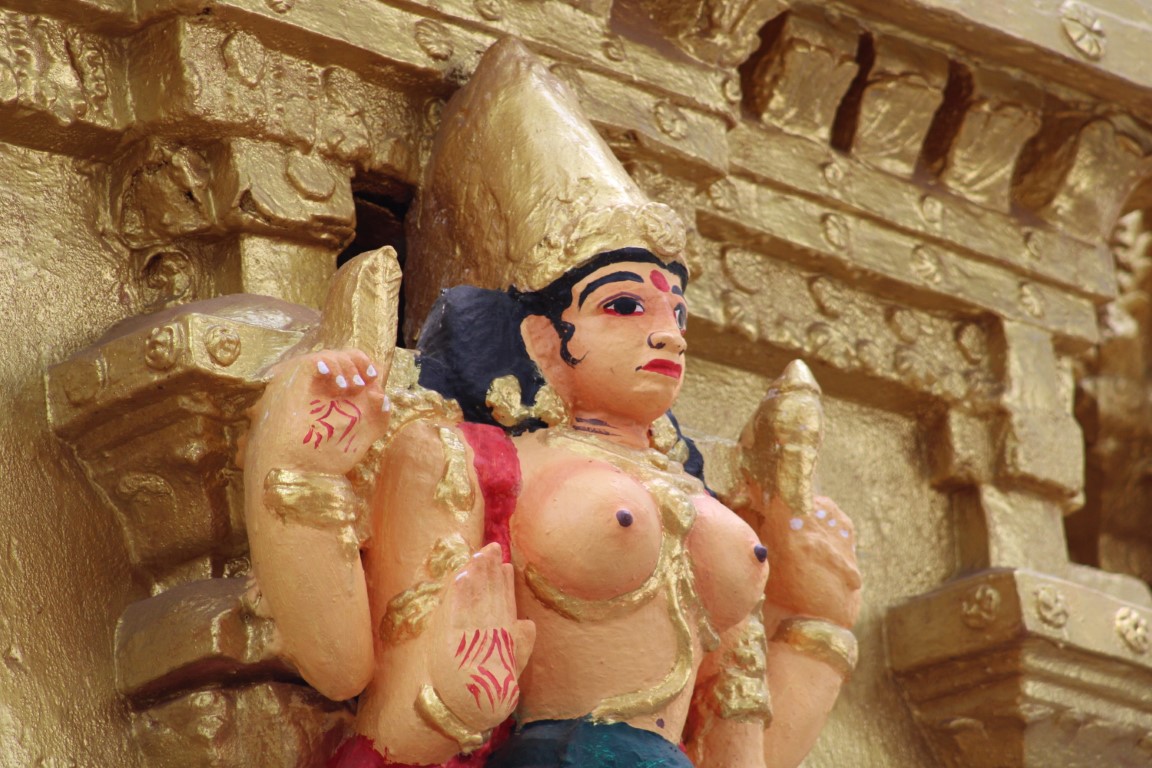
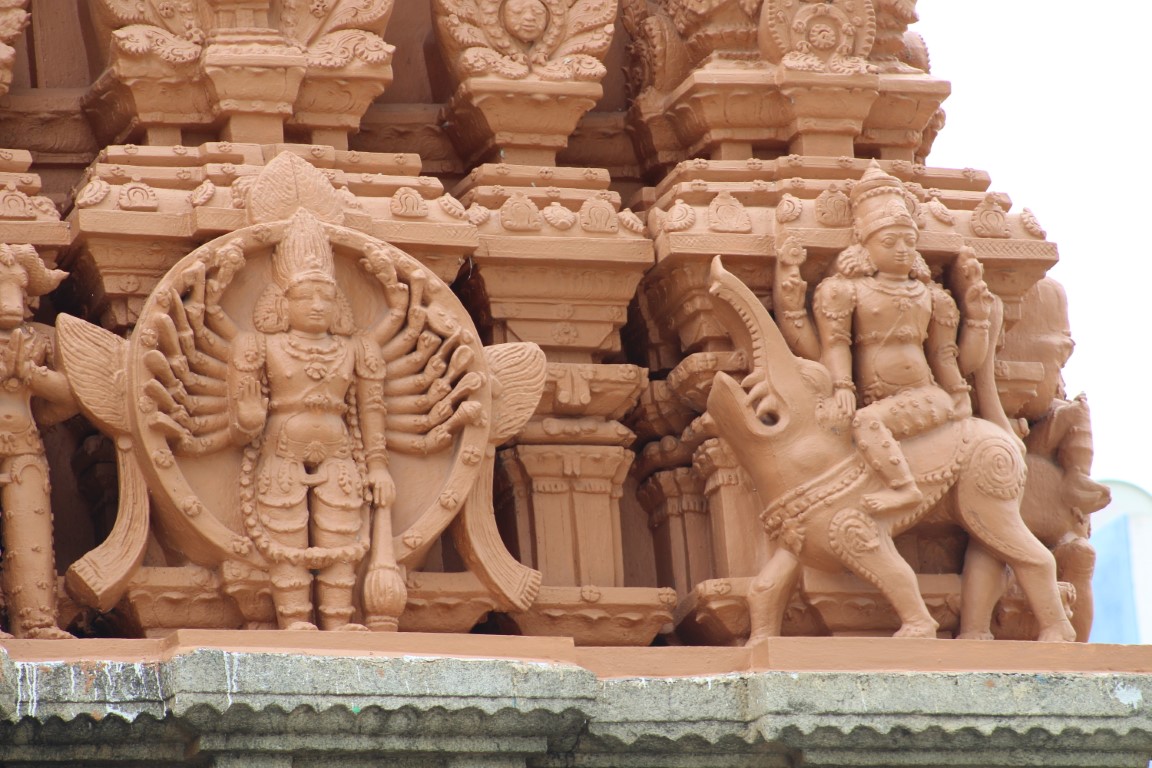
DAILY PHOTO: Temple Art, Sri Someshwara Swamy Temple

Gate carvings, Sri Someshwara Swamy Mandir, Halasuru, Bangalore, Karnataka, India.
Temple figure; Sri Someshwara Mandir,  Halasuru, Bangalore, Karnataka, India.
Gate carvings: SrI Someshwara Swamy Mandir, Halasuru, Karnataka, India.

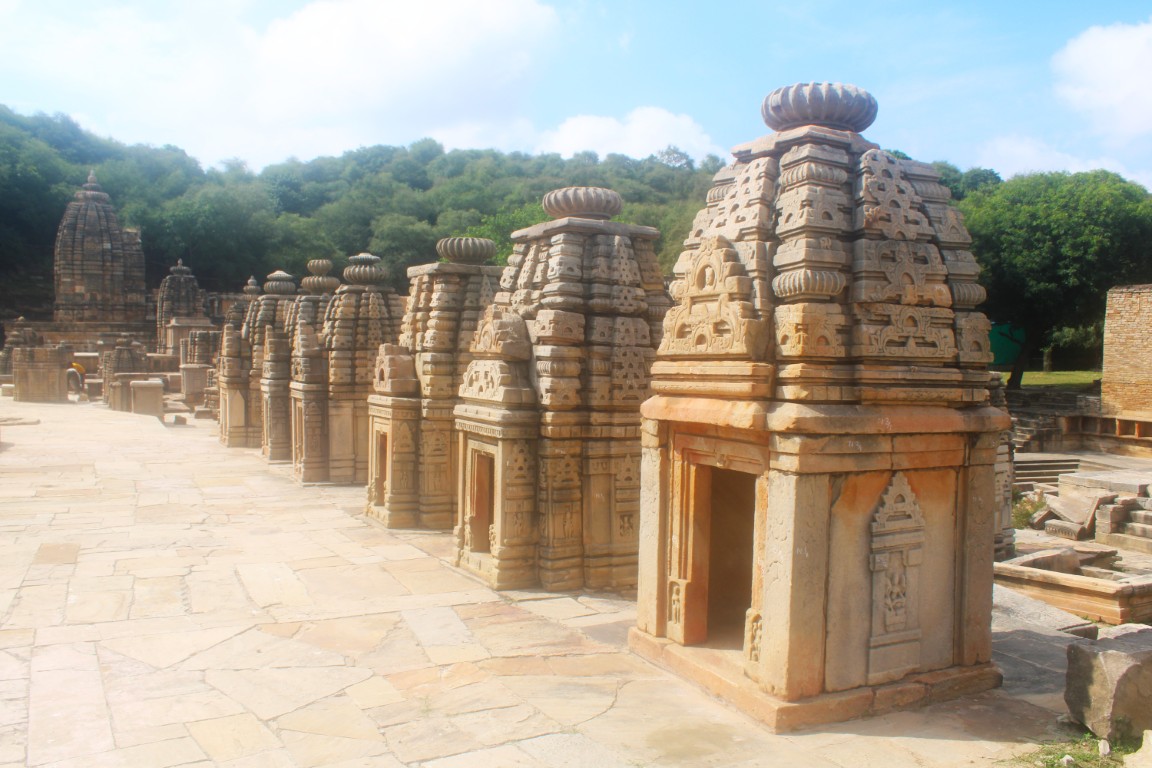
DAILY PHOTO: A Line of Shrines

Image

Photograph taken at the Bateshwar Temple Group in Morena, India (north of Gwalior) in Madhya Pradesh.

BOOK: “Understanding Eastern Philosophy” by Ray Billington

Understanding Eastern PhilosophyUnderstanding Eastern Philosophy by Ray Billington
My rating: 4 of 5 stars

Publisher Site — Taylor & Francis

This book does a solid job for one that bites off so much in a single go. Eastern Philosophy is a large subject, and to try to outline the major premises of its varied systems and also compare them to Western / Abrahamic notions (when Western schools are sometimes no more different from Eastern schools than each side is within,) and to do so in under two-hundred pages is a daunting undertaking.

For the most part, I felt the book did a fine job of meeting its objective. A fair amount of selection and simplification is required. I will say the part describing karmic doctrine didn’t seem consistent with what I was taught and seems more in line with the early Western scholars who started writing about Eastern Philosophy but could not help but couch the subject in a Western / Abrahamic frame because it was what they knew and was invisible to them. I say this as one who is no big fan of Karmic philosophy, though for another reason (one which is also mentioned in this book.) I’ve always been told that the central idea is to do selfless acts in order to escape the karmic cycle. Billington, like others before him, states it as do “good deeds” and then he puts forth the critique that this won’t help because doing good for one’s own benefit is fraught with peril. My understanding from Sanskrit scholars is: first, Hindu philosophers were aware of this paradox from the beginning and that’s why the emphasis has always been on “selfless” acts; second, the Abrahamic bifurcation of all actions into good and evil is not so much a thing in Hindu thinking (most actions are inherently neither.) I should point out that there is a lot of internal conflict within these philosophies (e.g. differences between Buddhist and Hindu thoughts on Karma) and that Billington does elsewhere reflect on the differences between Eastern and Western thinking about good and evil.

The first two-thirds of the book is organized by schools of thought (beginning with the Indian ones and working toward Chinese / East Asian schools) and the last third deals with a series of fundamental philosophical questions.

If you want a quick outline of Eastern philosophical ideas, this book gives a good look at them, particularly if one is interested in a comparison to Western ideas. The book also spends a fair amount of time in discussion of what a religion is and how one differs from a philosophy.

View all my reviews

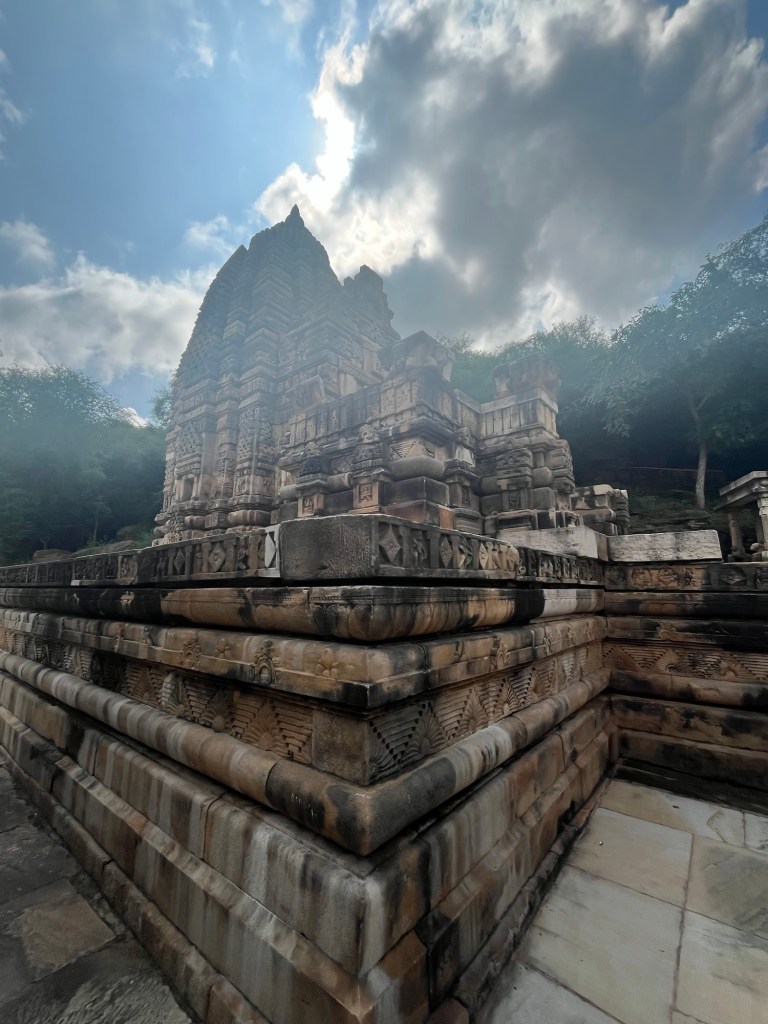
DAILY PHOTO: Bateshwar Temple Under a Cloud

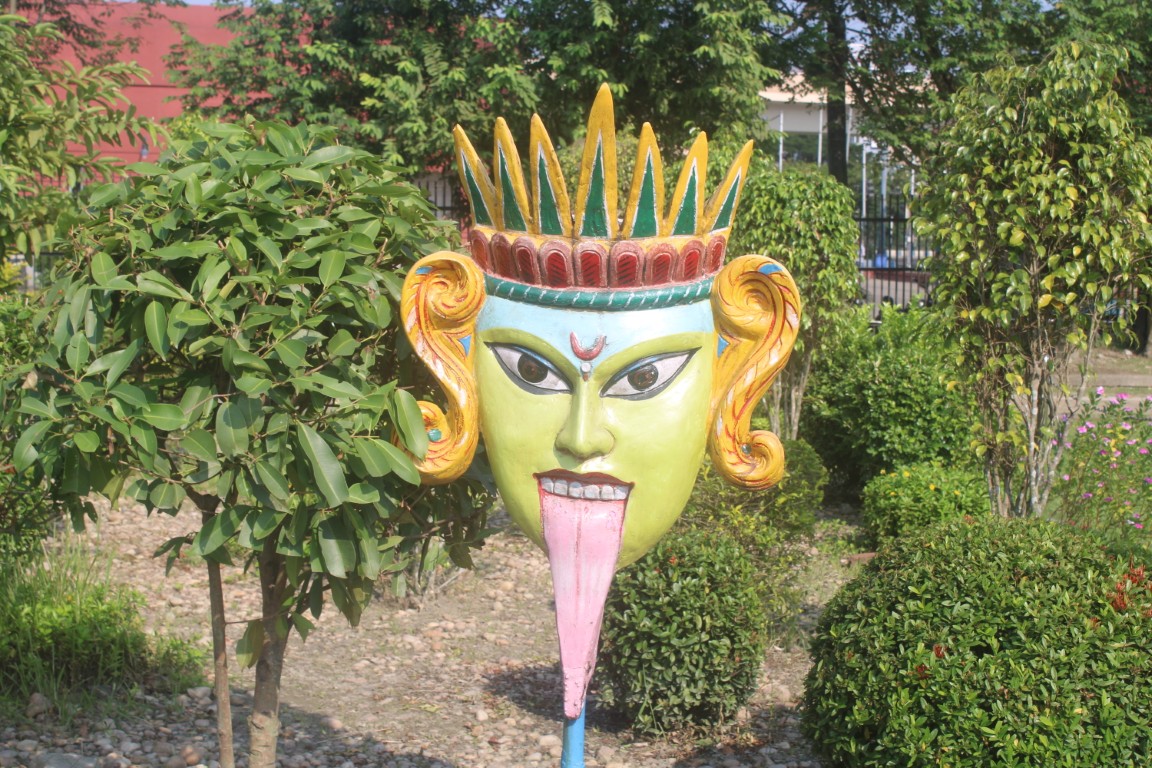
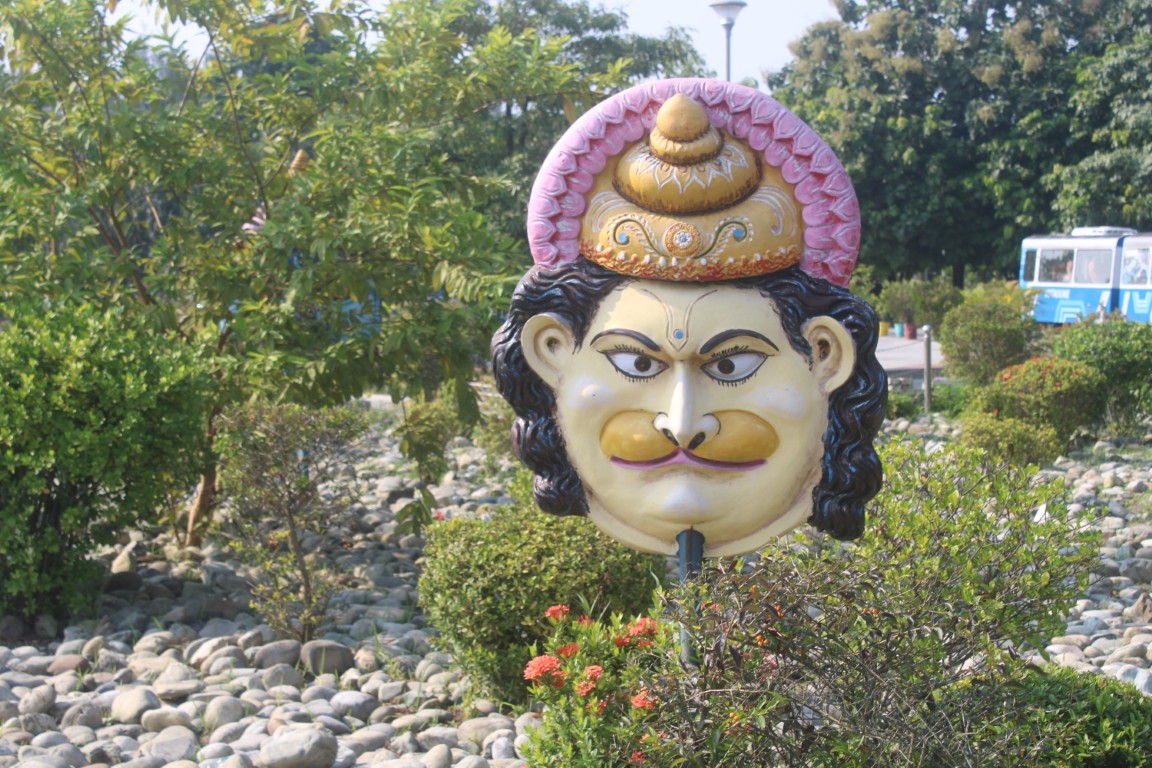
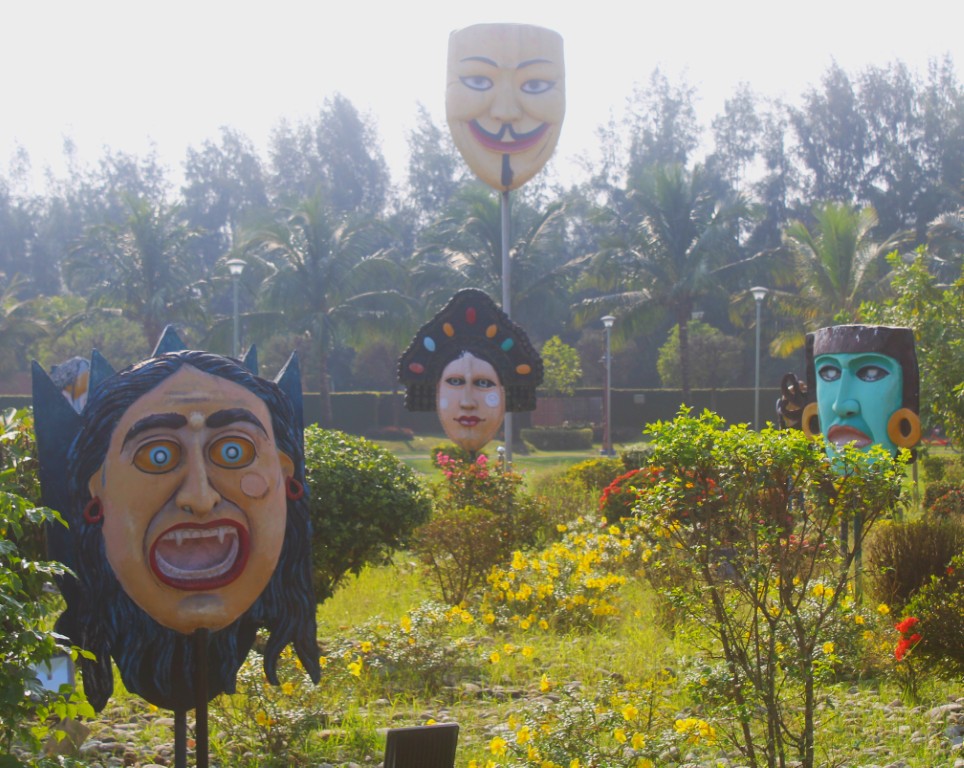
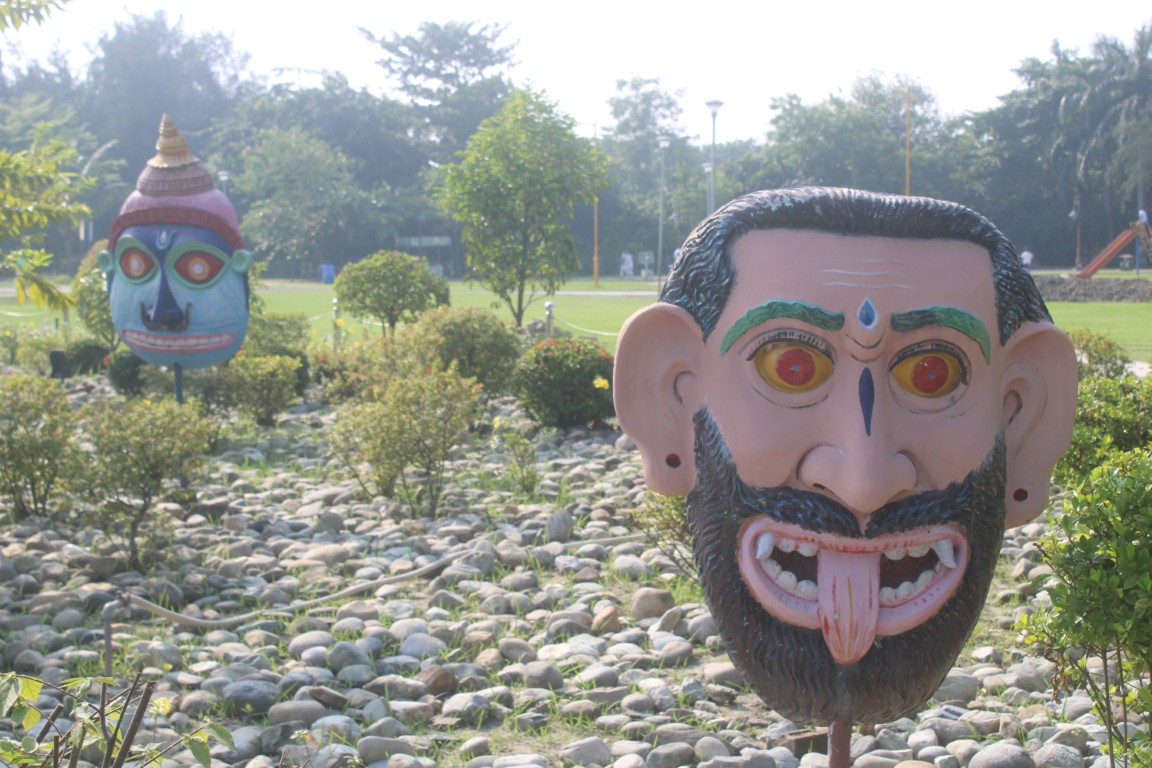
DAILY PHOTO: Mask Garden of Eco Park, Kolkata

Mask of Kali (or a stylized version thereof) in the Mask Garden of Kolkata's Eco Park.
Hanuman Mask in the Mask Garden of Eco Park in Kolkata, India.
An assortment of masks, including Guy Fawkes and Dracula, in the Mask Garden of Kolkata's Eco Park.
Mahākāla mask in the Mask Garden of the Eco Park in Kolkata.

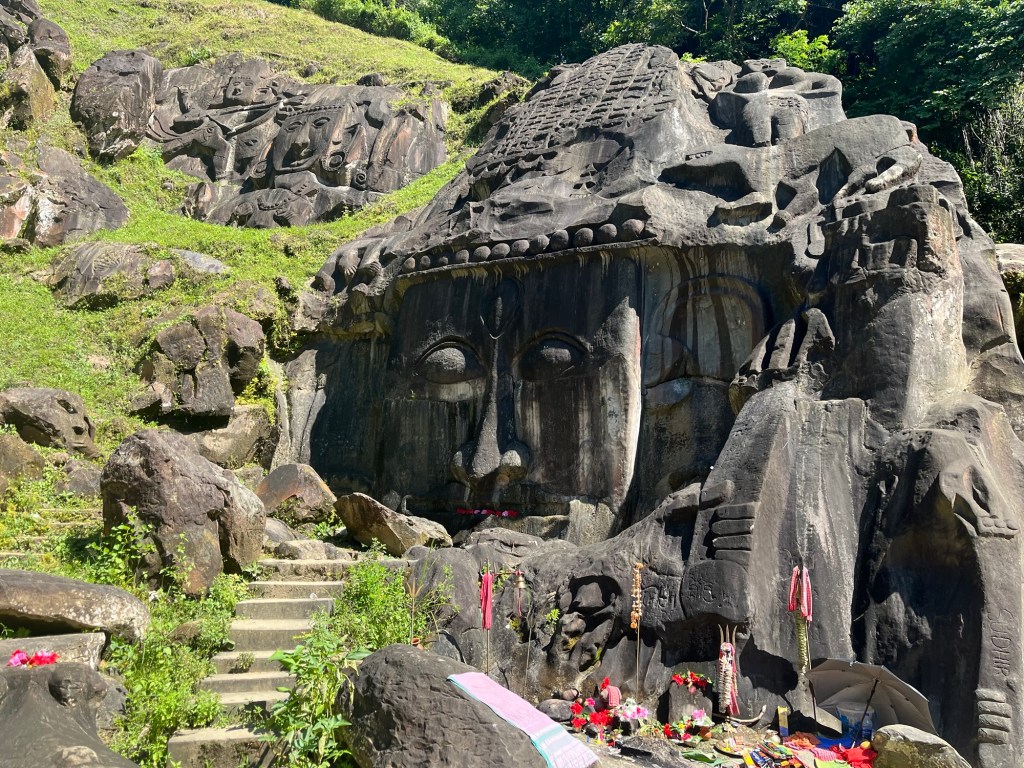
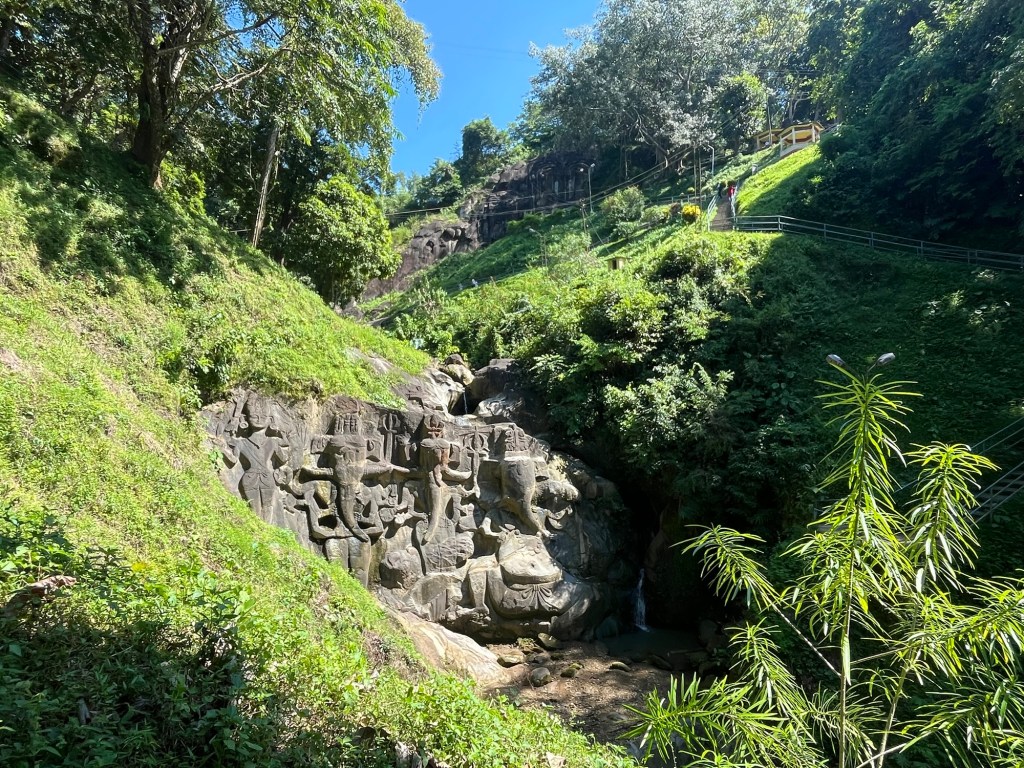
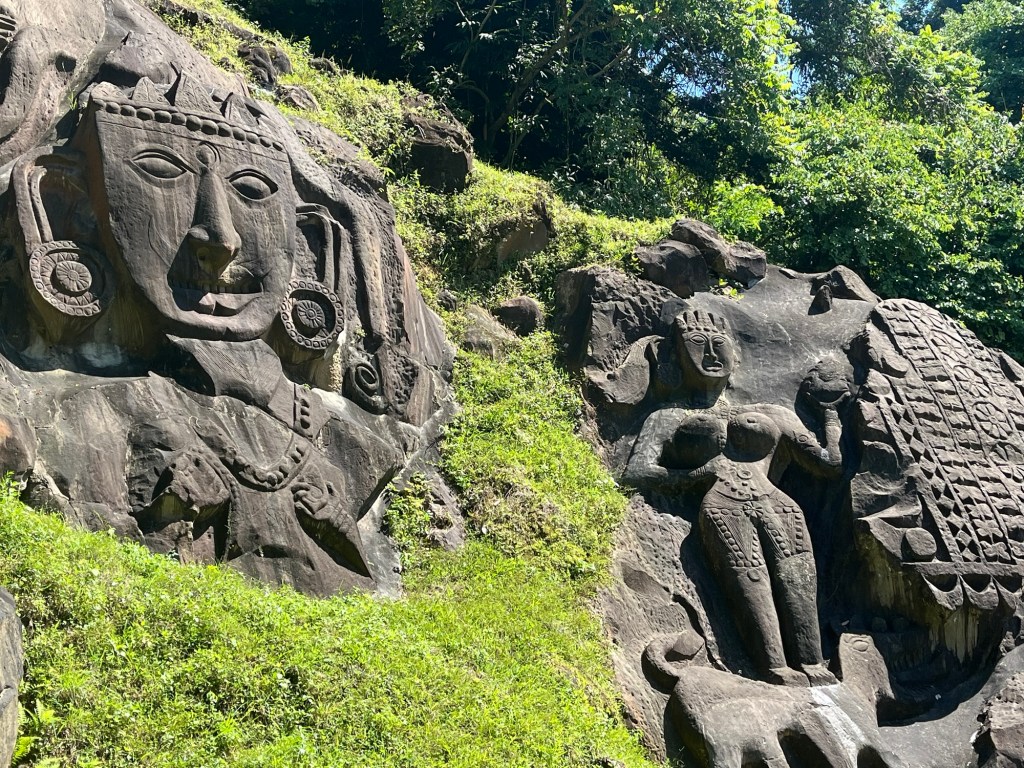
DAILY PHOTO: Unakoti Rock Carvings

DAILY PHOTO: Bharav Baba Ka Mandir, Gwalior