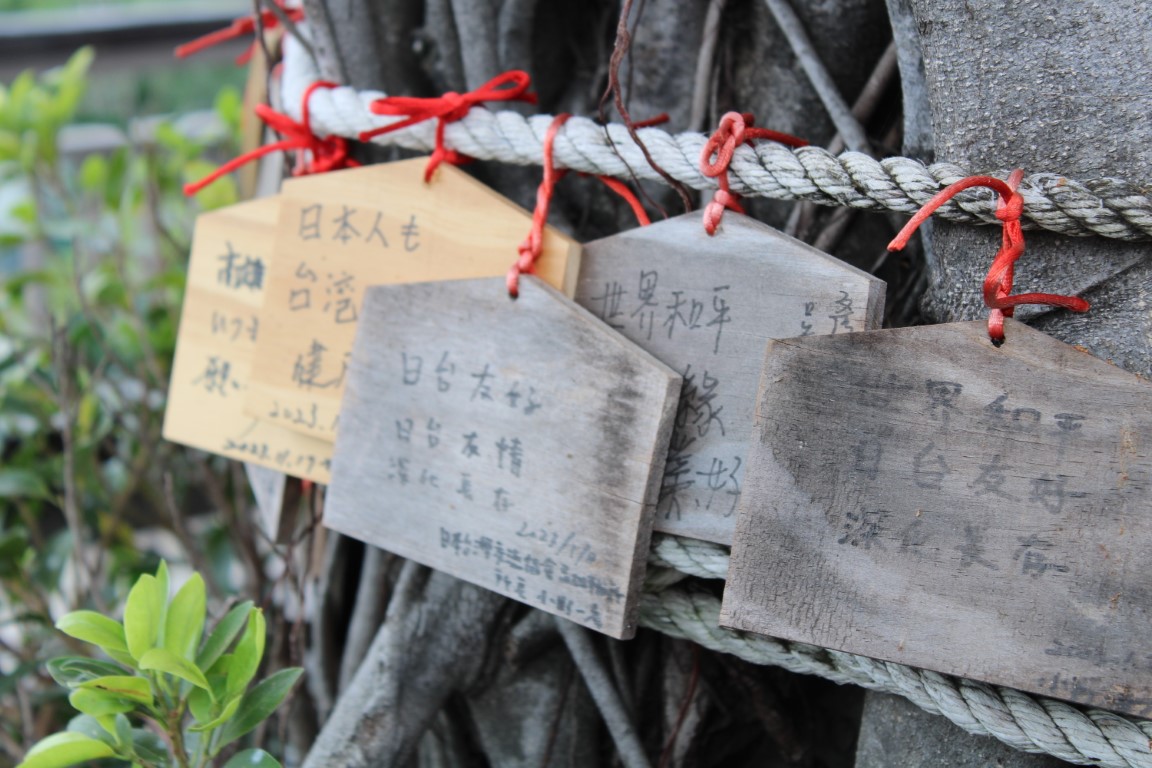

Ema – 絵馬 [Haiku]

a Chinese Banyan,
belted with prayer plaques,
 entreats but sky & soil.
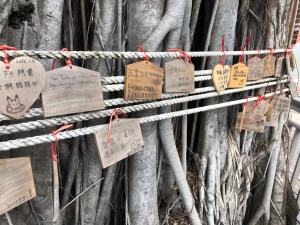
Ema [Haiku]

prayer placards 
ring a Chinese banyan:
weathered wishes hanging.

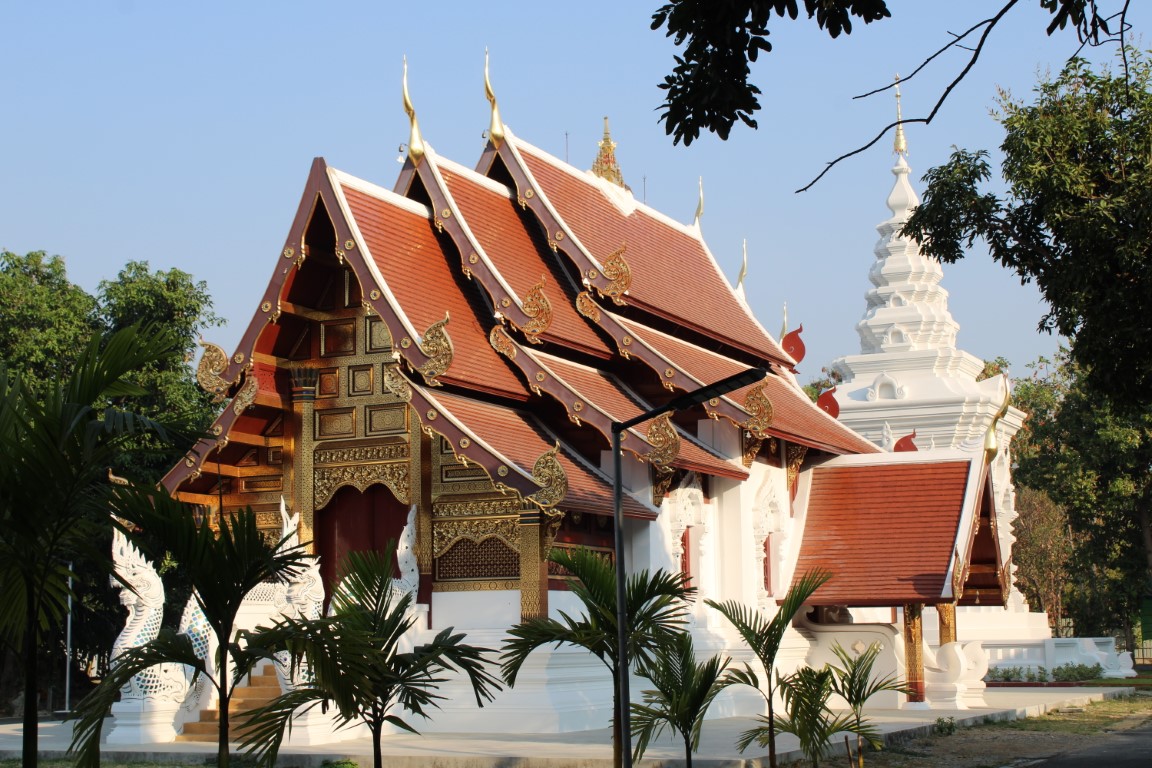
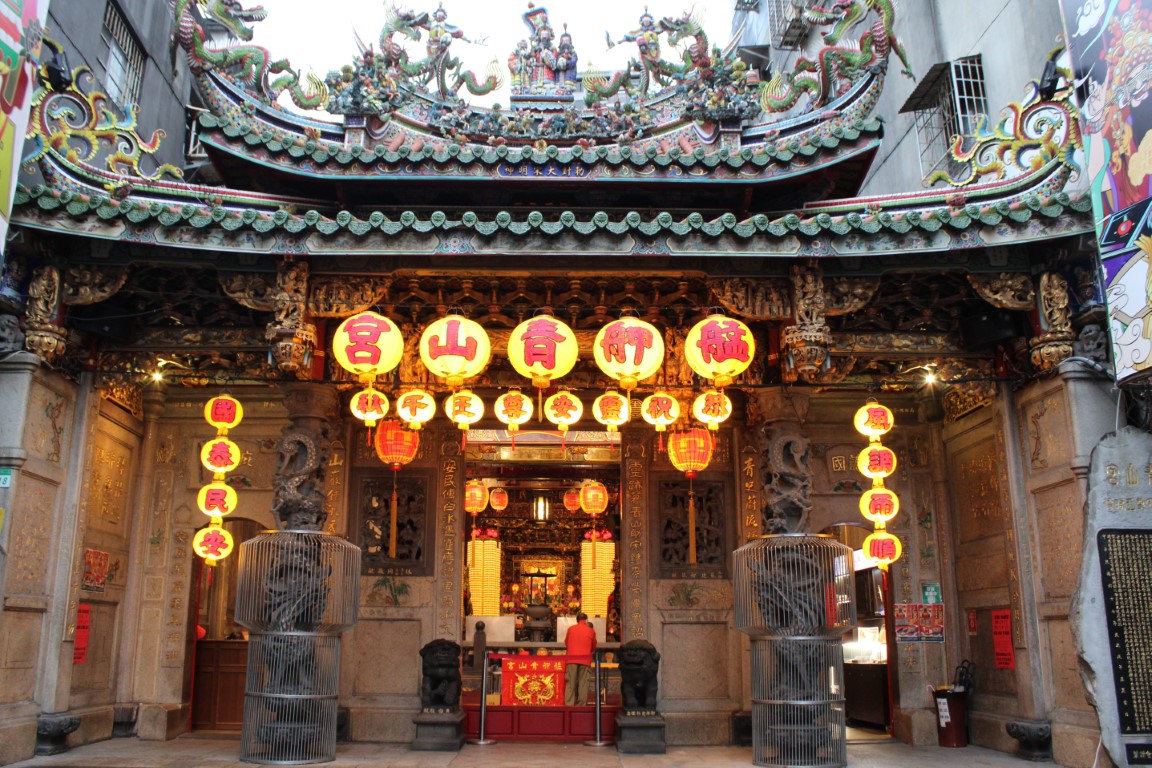
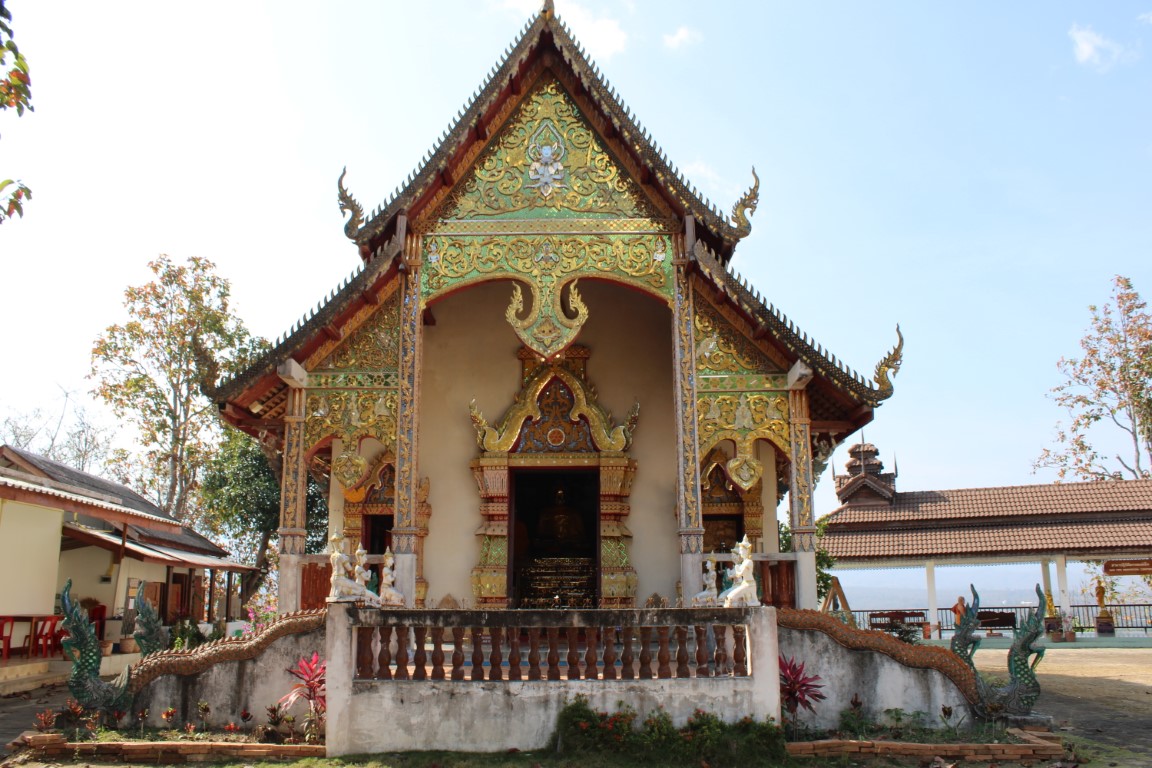
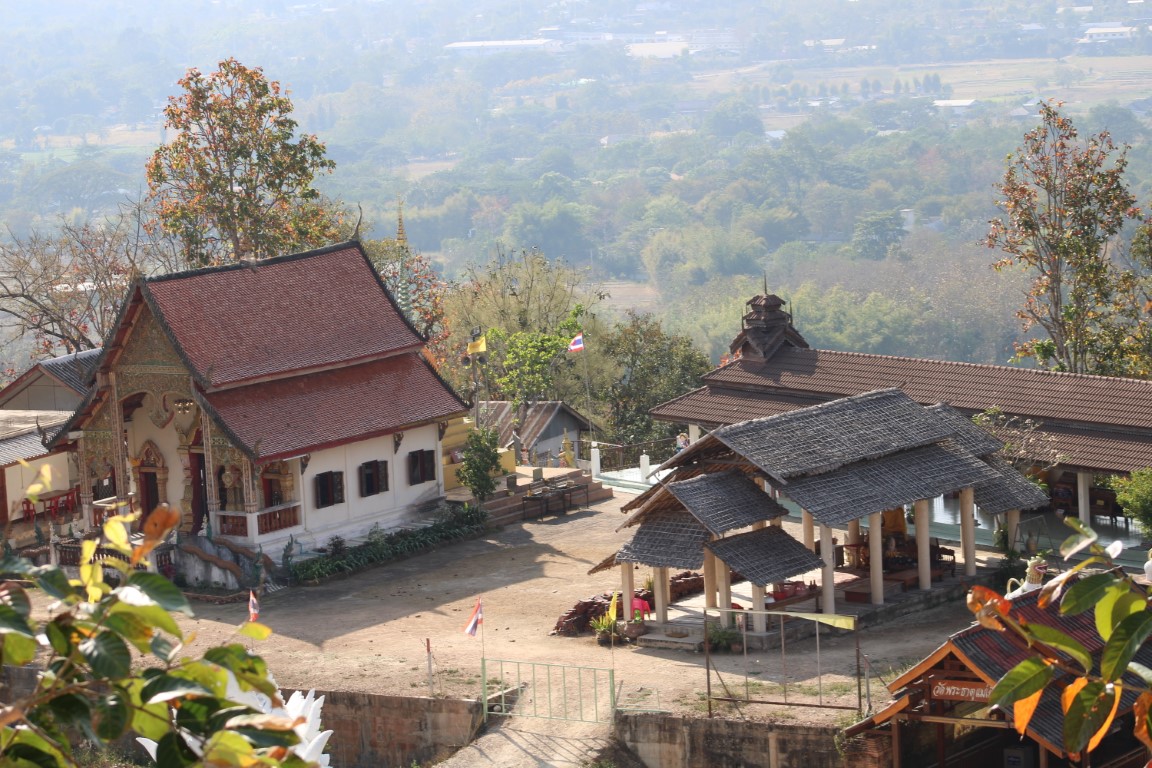
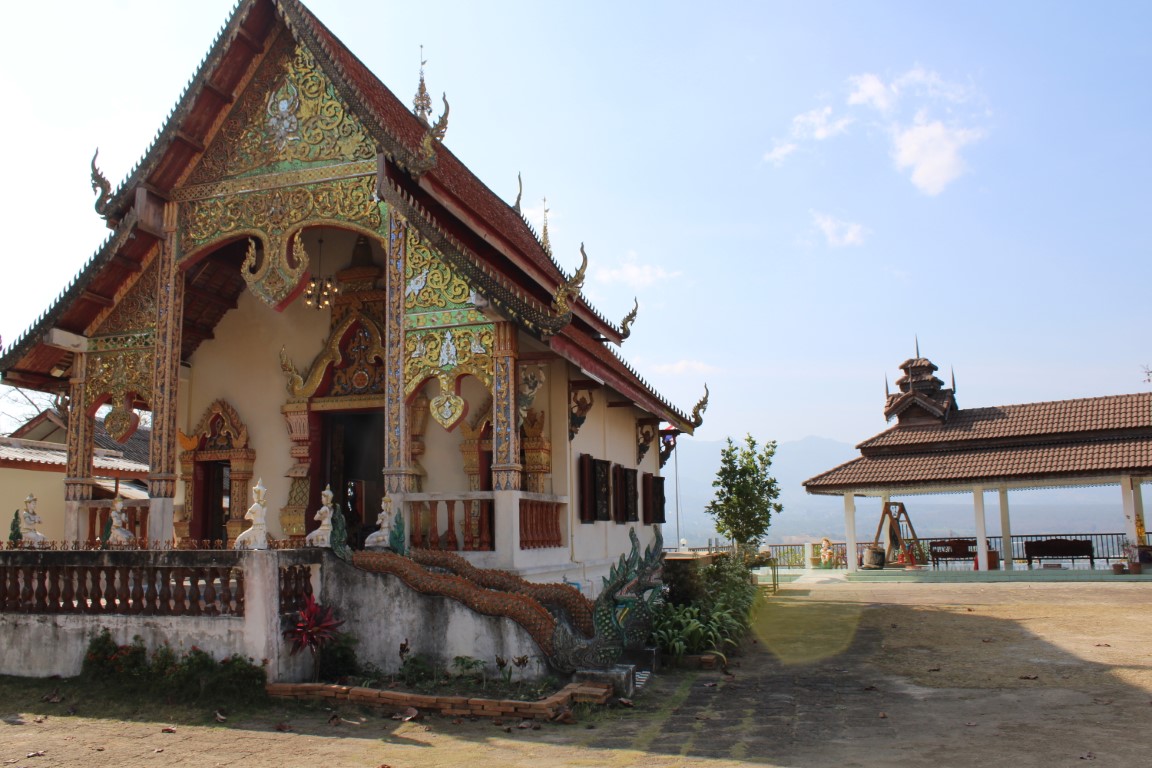
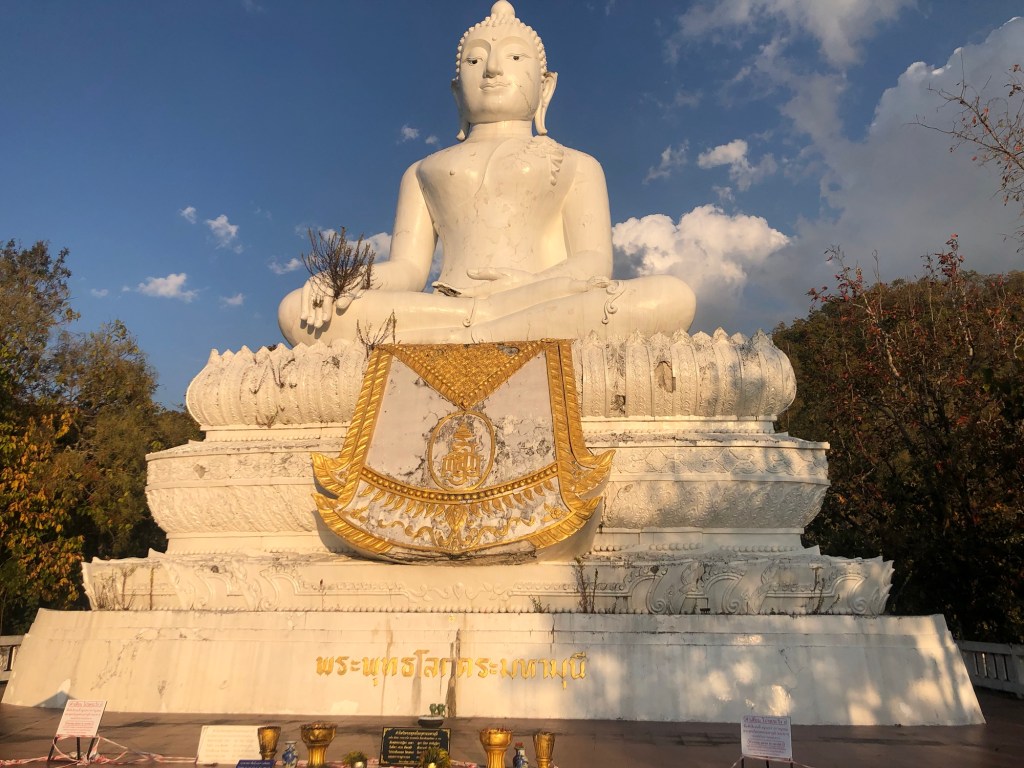
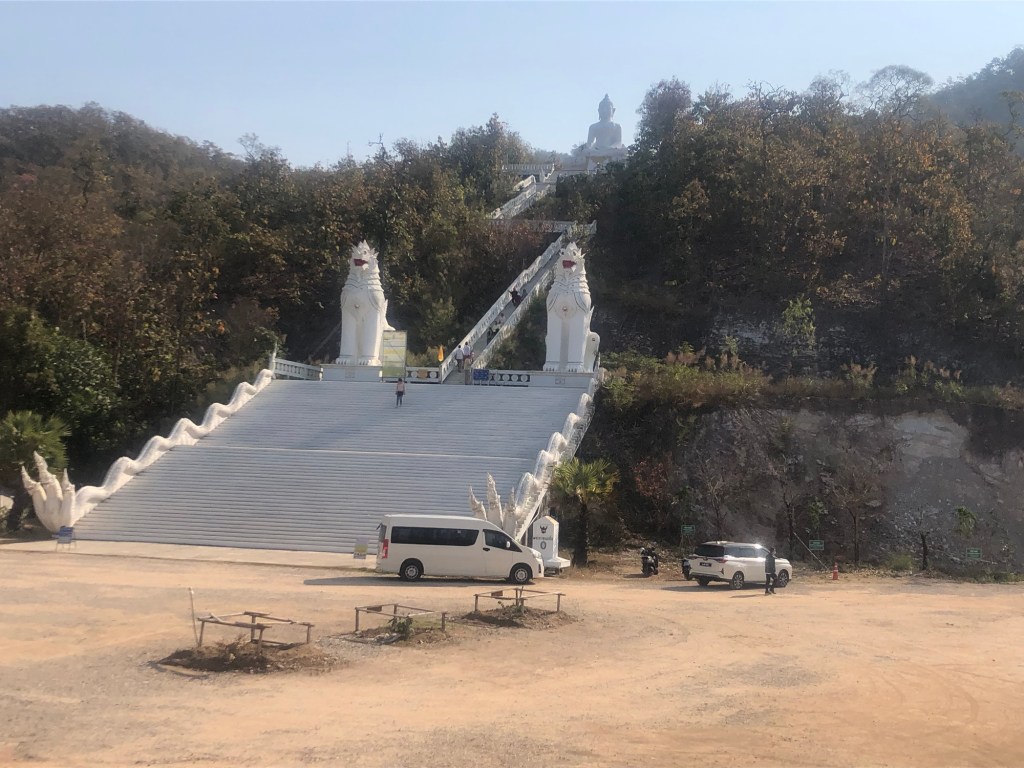
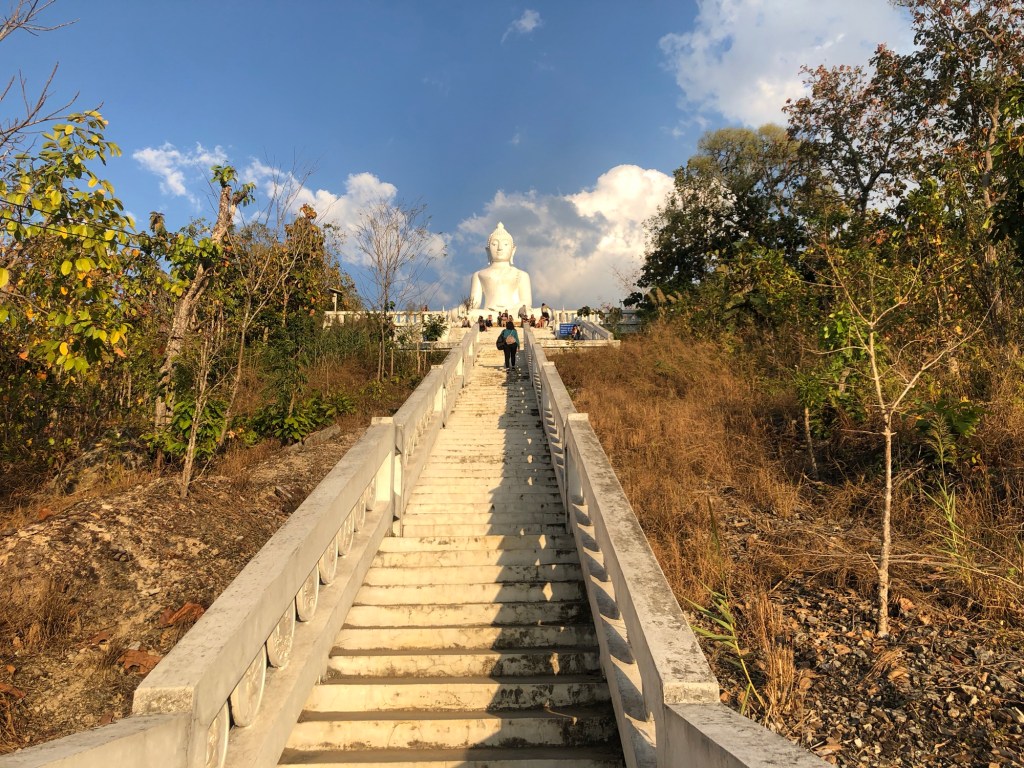
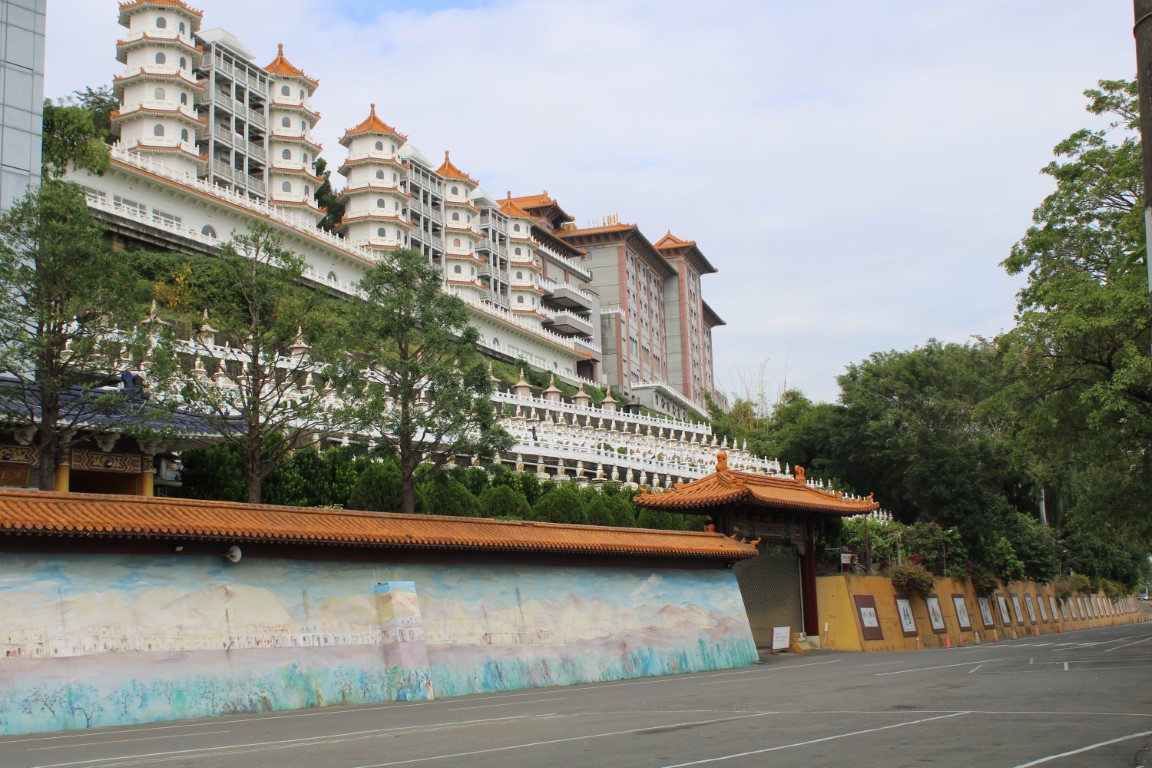
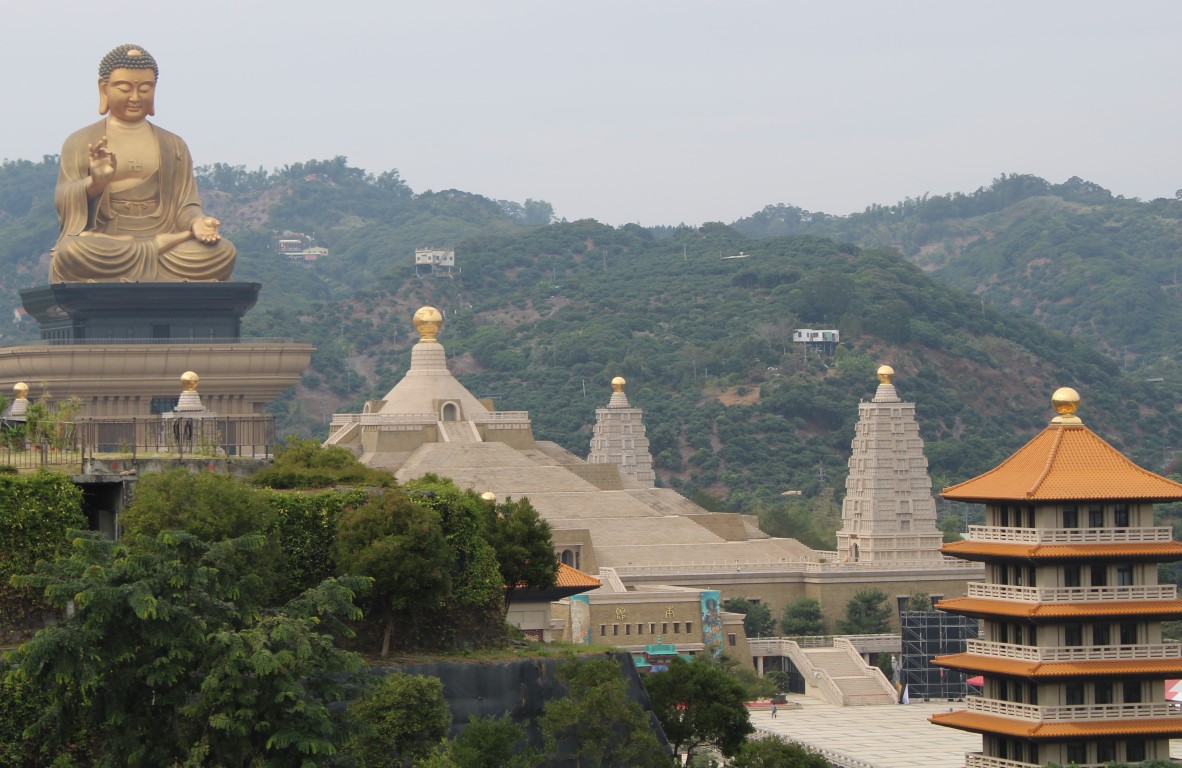
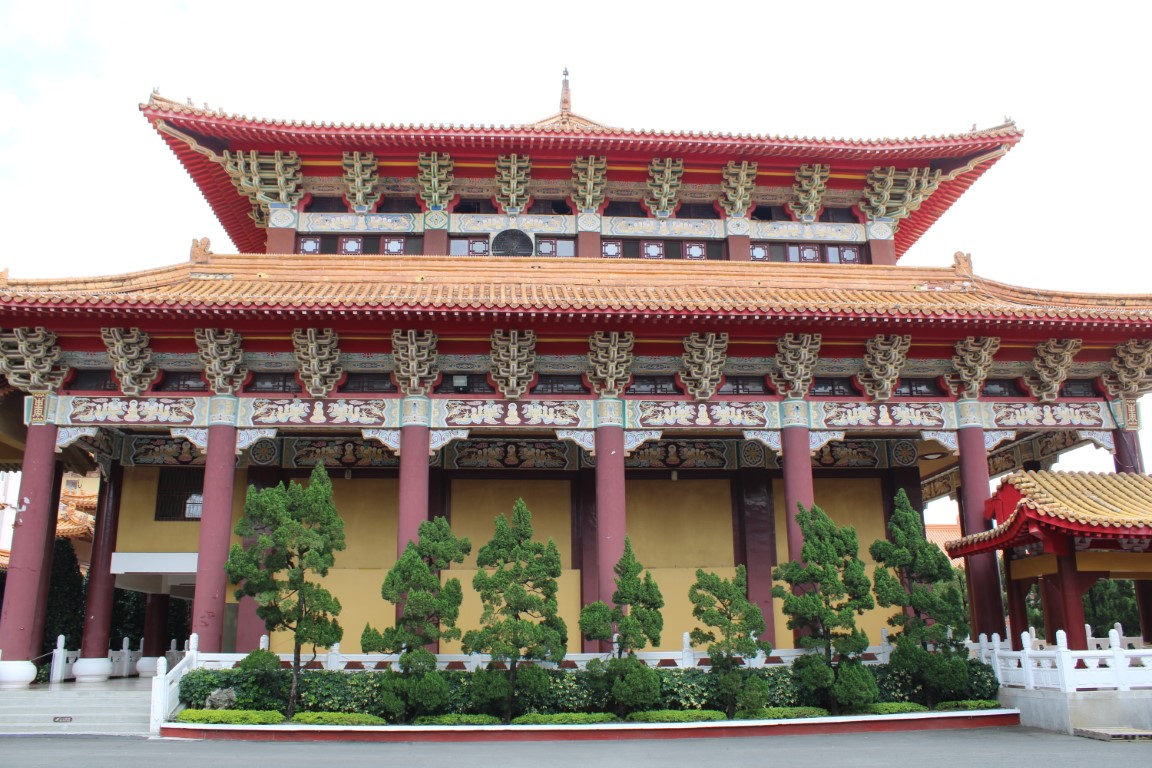
DAILY PHOTO: Scenes from Fo Guang Shan

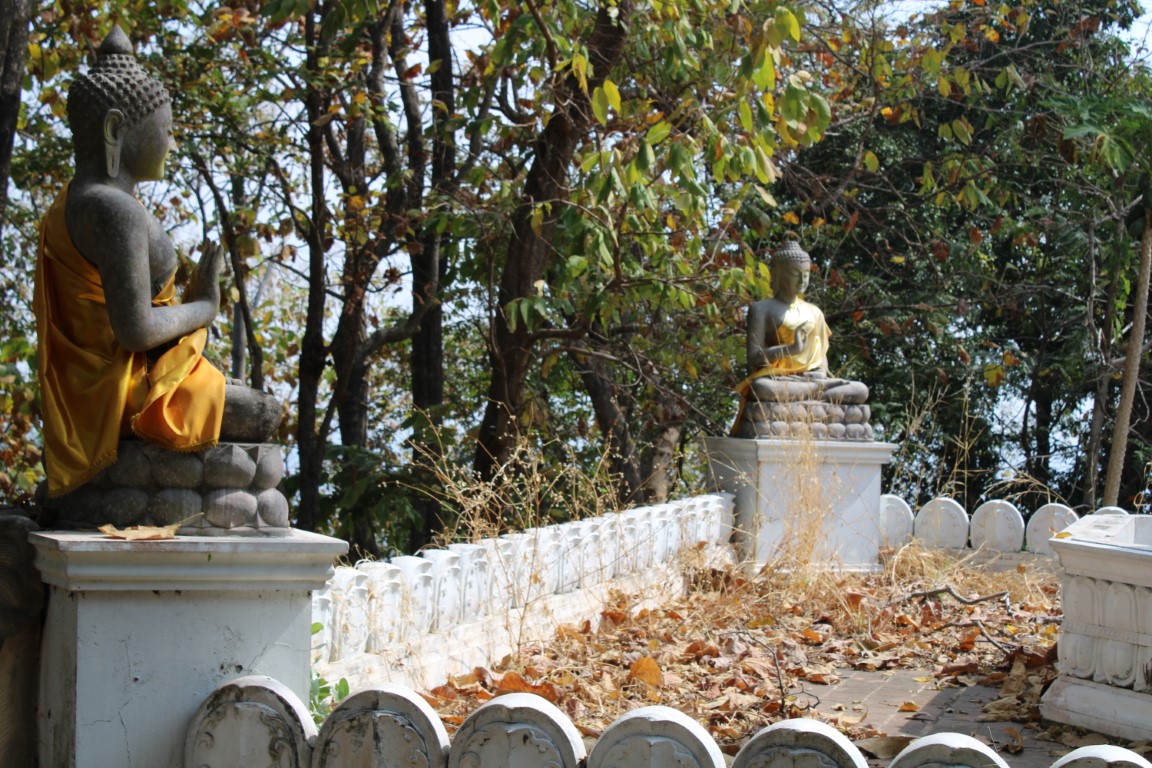
Buddha Echo [Haiku]

silent Buddhas
echo down a line
to the grand stupa.

The Anchor Book of Chinese Poetry ed. Tony Barnstone & Chou Ping

The Anchor Book of Chinese Poetry: From Ancient to Contemporary, The Full 3000-Year TraditionThe Anchor Book of Chinese Poetry: From Ancient to Contemporary, The Full 3000-Year Tradition by Tony Barnstone
My rating: 5 of 5 stars

Amazon.in Page

This poetry translation anthology presents examples from some of the earliest known Chinese poetry to authors who are still alive and composing. It’s arranged by dynastic period (up until the modern era,) and, within dynasties, by poet. Most of the poets merit only a poem or two, but some of the major poets are allotted many pages of poems. Of course, how much poetry per poet is included isn’t just a function of how prolific or popular the poet was, but also how much extant poetry remains — i.e. how much survived. Each dynastic section begins with an overview of the time and poetic trends, and there is bio blurb for each poet.

There is quite a bit of variation in the book beyond that of the changing nature of Chinese poetry. The translations are also by varied translators, including not only the book’s editors but also individuals from the past, such as Arthur Waley. I wouldn’t say there is any bad translation in the book, but some translators capture the feel, e.g. the relative sparseness, of Chinese better, and others show their English poetic educations more obviously.

All in all, I enjoyed this selection of poems immensely, and learned a lot about Chinese history as well as of the country’s changing poetic tradition. I gained new insight to some of my favorites (e.g. Li Bai, Han Shan, etc.) and gained new favorites I’d never heard of before. I’d highly recommend this book for readers of poetry in translation.

View all my reviews

PROMPT: Historical Event

What historical event fascinates you the most?

It varies over time. For a long time, it was the Second World War and the Holocaust. How do you get the rise of Nazis and the horrors that sprang therefrom? Sadly, I think that question has been answered to my — for lack of a better word— satisfaction.

The execution of Socrates has spurred a great deal of thought.

In terms of what is not so much a historical event, but historical processes, I’m intrigued by the life of Buddha.

Then there are a lot of explorer / adventurer travels.

PROMPT: Successful

Daily writing prompt
When you think of the word “successful,” who’s the first person that comes to mind and why?

Diogenes [of Sinope] and – also – Drukpa Kunley. Each of them spoke his mind, lived by his own rules, never wore a mask, and could not be controlled. They were truly free.

Bodhi Tree [Free Verse]

How to pick a tree
 that one can be resigned
  to sit under until
   Enlightenment?

If the choice is hard,
   you are not ready.

If the choice is easy,
   you are not ready.

If there is no choice,
    perhaps, you're ready.

Buddha Light [Free Verse]

Walking the ruins
   of some old Buddhist
   university,

I entered a chamber,
    and found myself
    confronting a Buddha,
    its head obscured by 
    a bolt of sunlight.

I thought it might be like
    one of those Angkor Wat
    crop tops from when Pol Pot
    had the heads chopped off 
    all the Buddhas to make 
    some quick cash.

But the head was intact, 
    just blotted out by blinding light,
    and I blinked my way into sight
    of that serene face.

DAILY PHOTO: Buddhist Ruins of Udayagiri