Second Eyes [Free Verse]

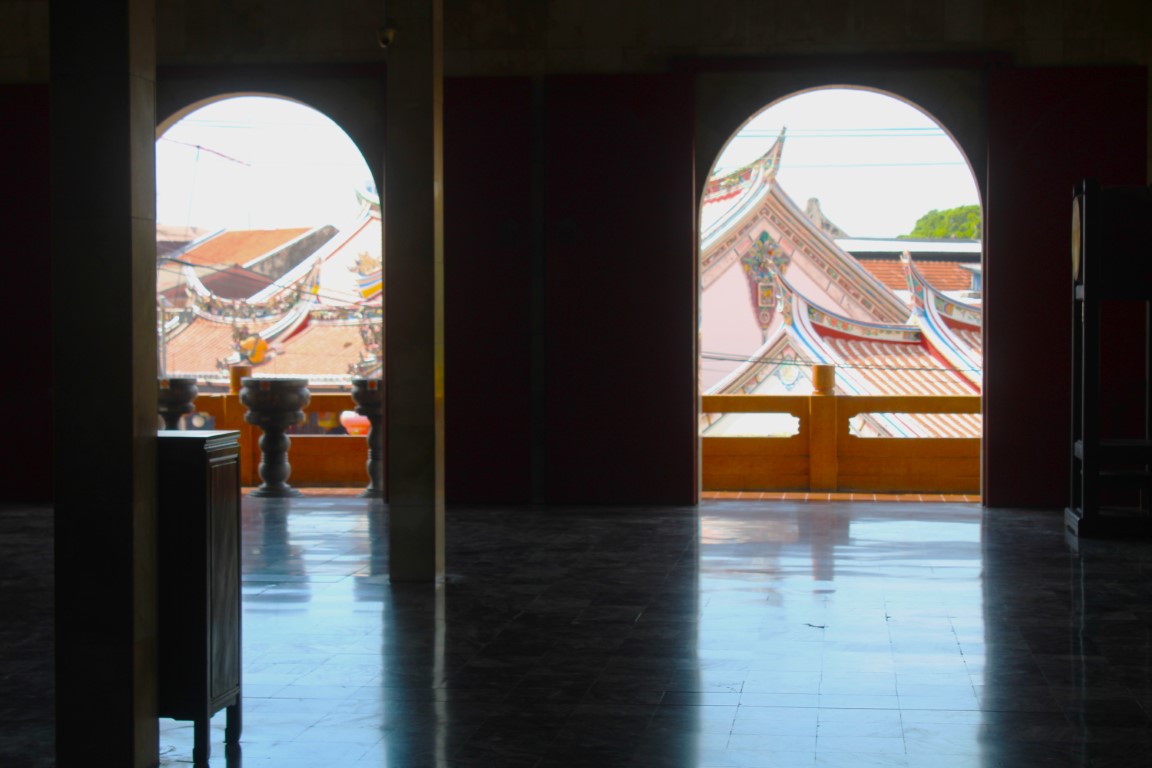
Photograph of the roof of the Cheng Hoon Teng Temple taken from the upper floor of the Xiang Lin Si Temple in the Jonker Walk / Chinatown area of Malacca, Malaysia.
From the dark depths
of a temple,
eyes open & blink
against the sunlight
pouring through
a narrow second set
of eyes.

What shapes form across
the way?

It's the roof of a second --
more ancient -- temple
that stands across
the street.

This monk has opened
eyes on that view a
thousand times before,
and each time has
forgotten the centuries
old neighboring temple
existed.

DAILY PHOTO: Wat Hosantinimit, Vientiane

Image

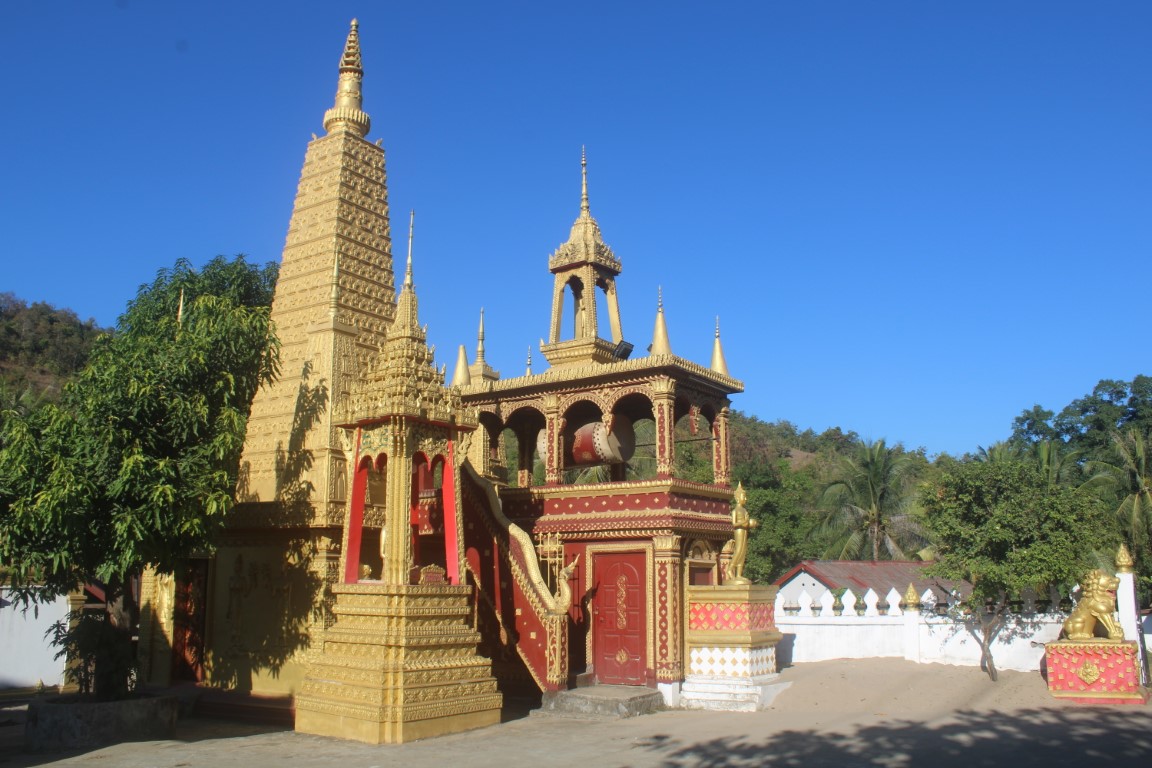
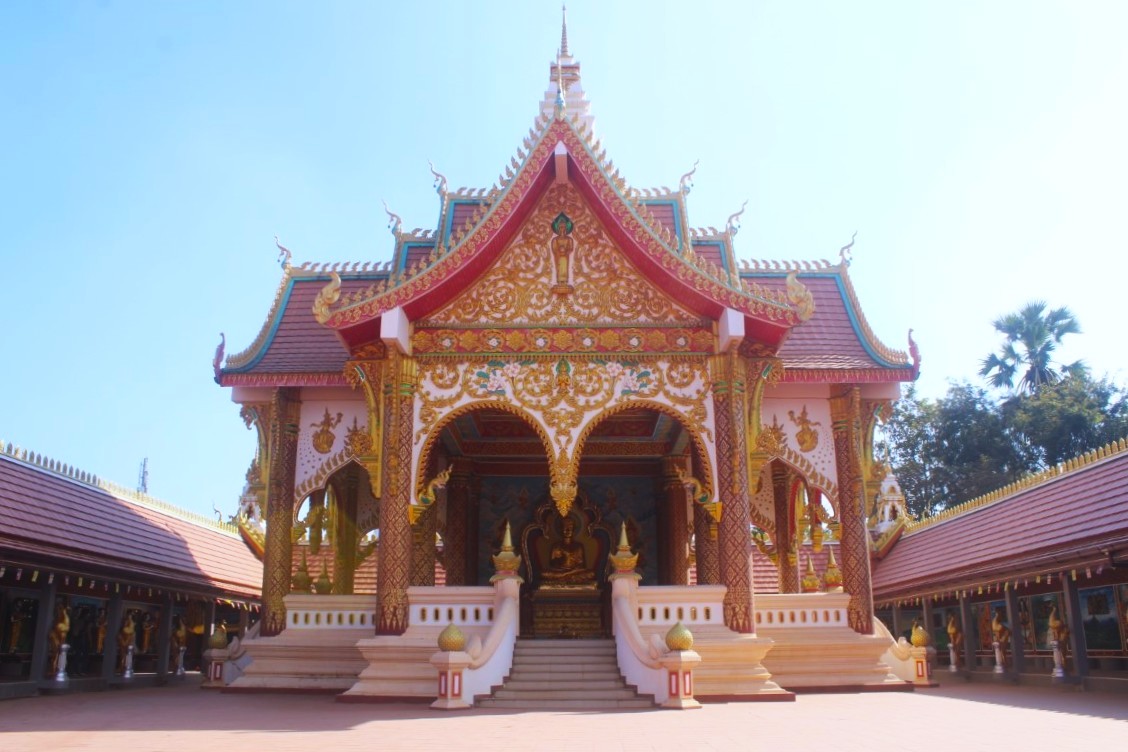
Photograph of Wat Hosantinimit in Vientiane, Laos -- a Buddhist temple located near the Patuxay.

Superabundance of Buddhas [Free Verse]

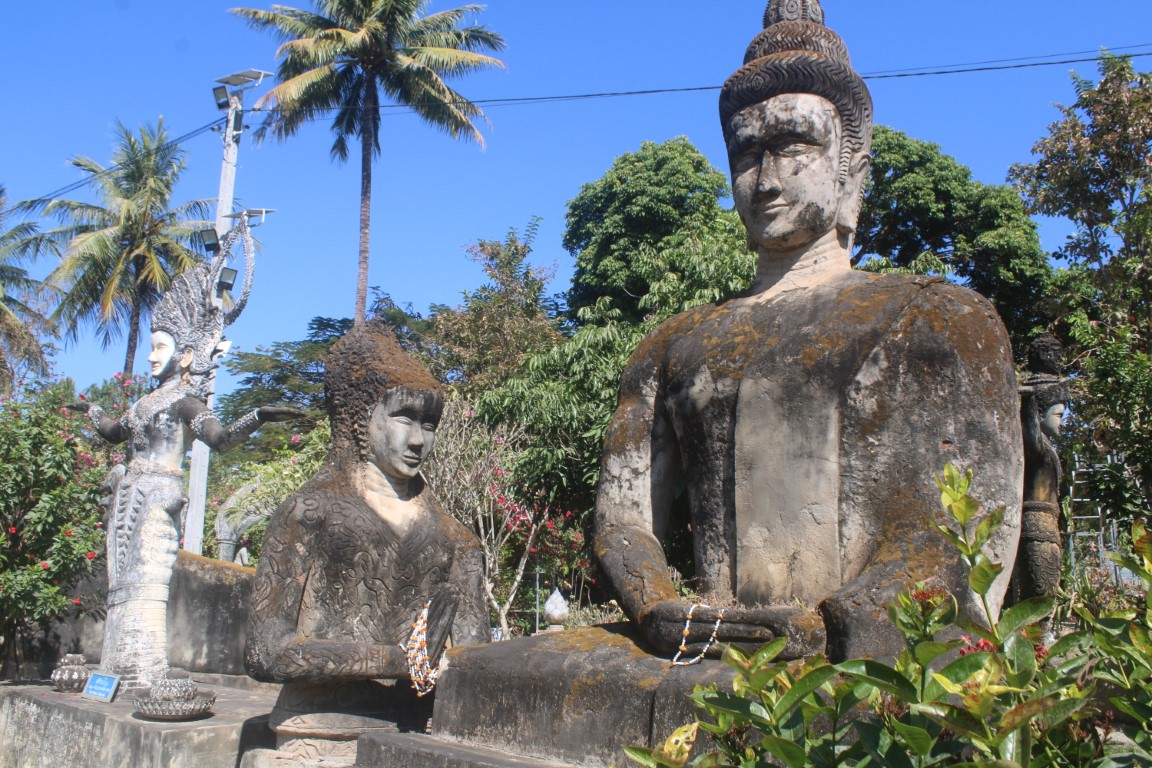
Photograph taken inside a Buddhist Temple in Luang Prabang, Laos.
The reclining Buddha oversees
the diligent seated Buddha.

Is this an analogy of the mind,
or just a monk's proclivity
toward a superabundance
of Buddhas?

PROMPT: Understand One Thing

Daily writing prompt
If you could make your pet understand one thing, what would it be?

How Buddhists reconcile the Doctrine of Anatta (the belief that there is no permanent self) with a belief in reincarnation.

DAILY PHOTO: Pha That Luang, Vientiane

Passing Buddha [Lyric Poem]

The train is speeding down the line.
Gold Buddha glints in the sunshine.
Jarring is the train whistle’s whine,
we plunge into a dark tunnel.

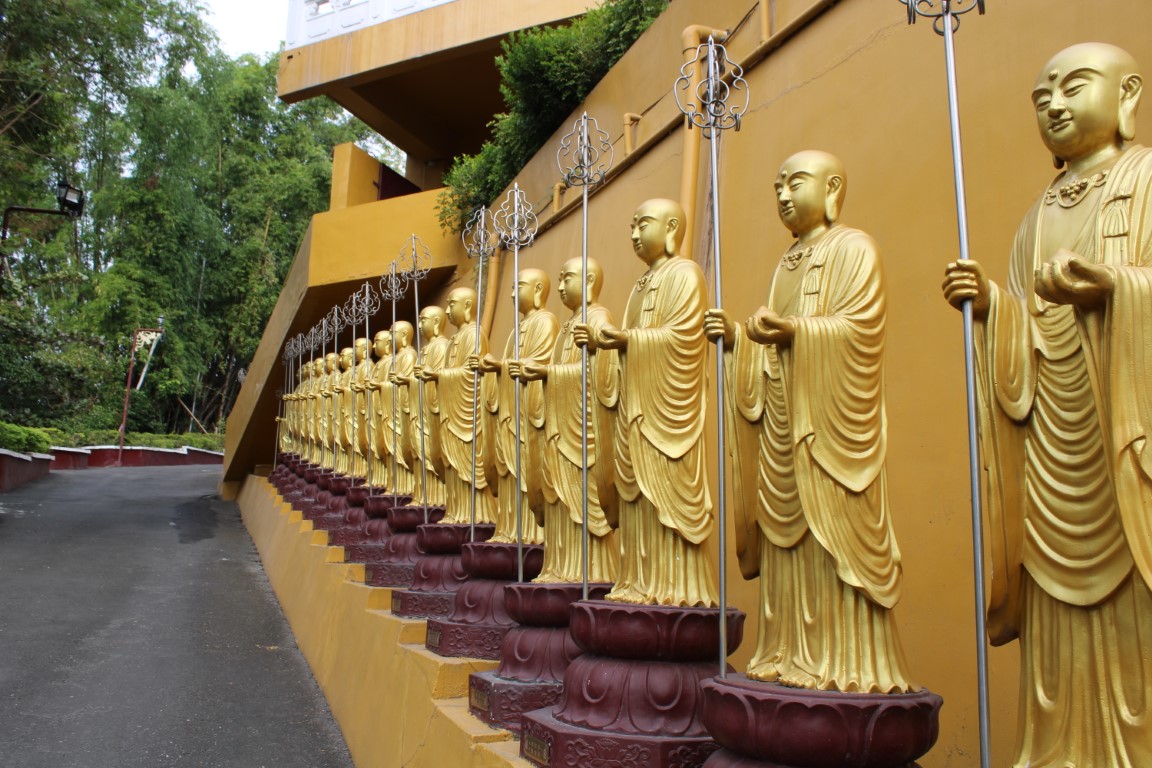
DAILY PHOTO: A View from Fo Guang Shan with Shrubbery

DAILY PHOTO: Chiân-kim Bān-heng Temple, Kaohsiung

Image

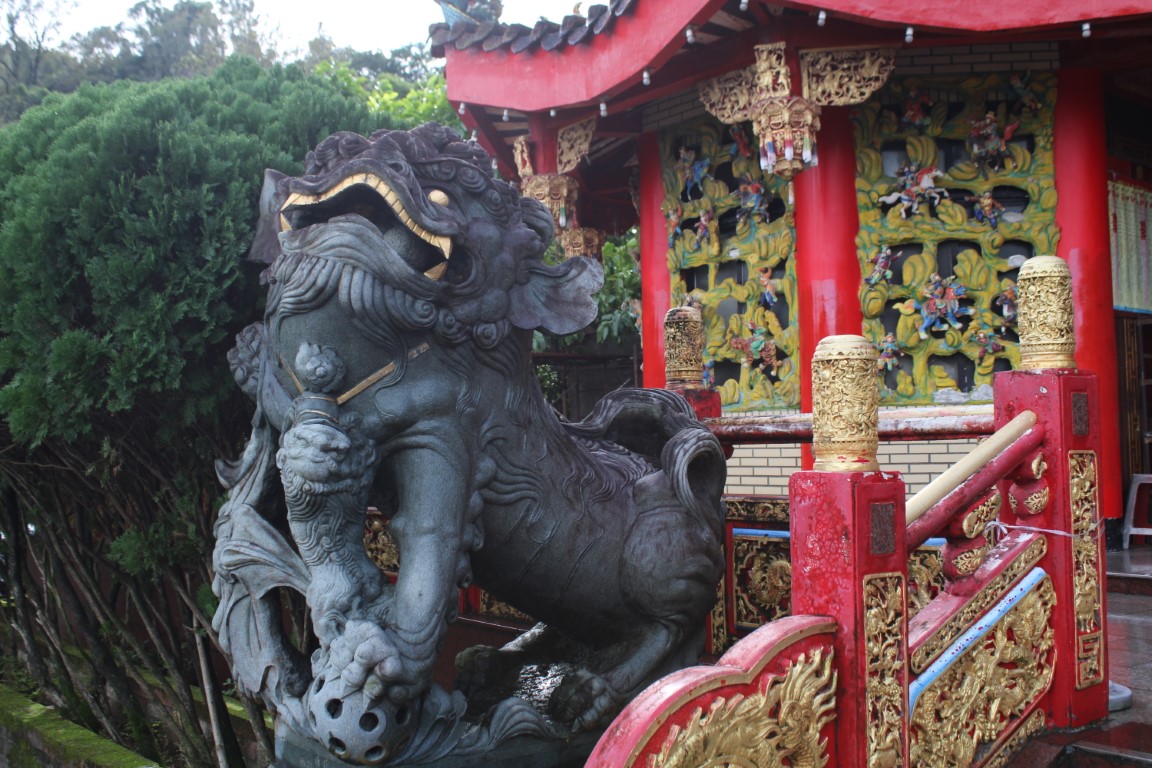
A photo of Chiân-kim Bān-heng, a Traditional Chinese Religion Temple in Kaohsiung, Taiwan.

BOOK: “This and That” by Ryōkan [trans. by Stan Ziobro and John Slater]

This and That: Selected Short Poems of Zen Master RyokanThis and That: Selected Short Poems of Zen Master Ryokan by Ryōkan
My rating: 5 of 5 stars

Publisher Site — Monkfish Books

Release Date: March 24, 2026

This is a new selection of Ryōkan’s short poetry (haiku, tanka, and Chinese-Style poems) as translated by Stan Ziobro and John Slater. Ryōkan was a Buddhist monk who lived across the late 18th / early 19th century. These translations are evocative and present the sometimes whimsical and sometimes haunting work of Ryōkan well. While the forms are just three, i.e. haiku, tanka, and kanshi [Japanese Poetry in the Chinese Style,] the style varies, some being imagist and some being more philosophical. Being a monk, Ryōkan’s work is heavily influenced by a Buddhist worldview, as well as by philosophies that interacted with Buddhism — e.g. Taoism.

While I usually have no basis to judge a translation as translation and am left to reflect on it purely as stand-alone verse, in this case, I have enough experience reading translations of Ryōkan to have a feel for his work. I immediately recognized some of Ryōkan’s more famous poems: e.g. the one’s translated in this book as, “Poems? no way // when you see that my // poems aren’t poems // then we can talk poetry” or “Left behind by thief // bright moon // in my window” Yet, at the same time, I felt the translators left some of their own imprint on the poems, and their influence / voice resonated with me.

The book does have front matter to set the stage for readers, and there is a “Notes” section that includes useful background on the poems. I found this ancillary matter useful, but not excessively verbose or intrusive.

If you enjoy Japanese poetry or Buddhist influenced poetry, I’d highly recommend this selection.

View all my reviews

DAILY PHOTO: Buddhist Centre, Negombo

Image

The Buddhist Centre in Negombo, north of Colombo in Sri Lanka, as seen from across the street.