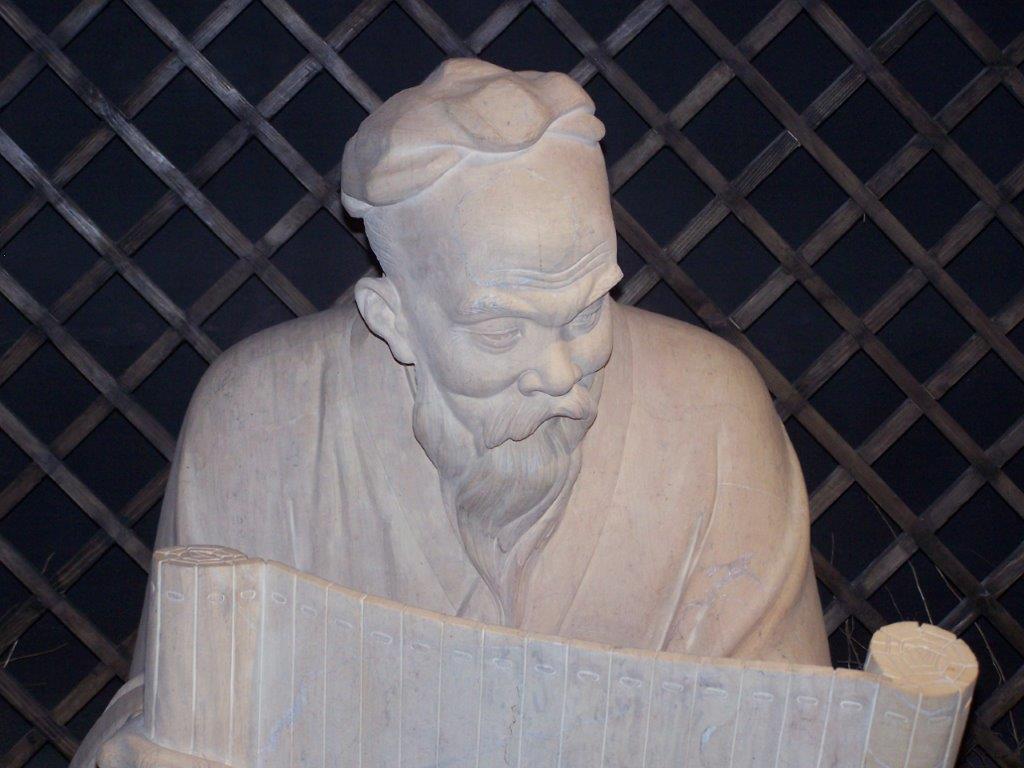
“Lament 2” [感遇二] by Zhang Jiuling [张九龄]

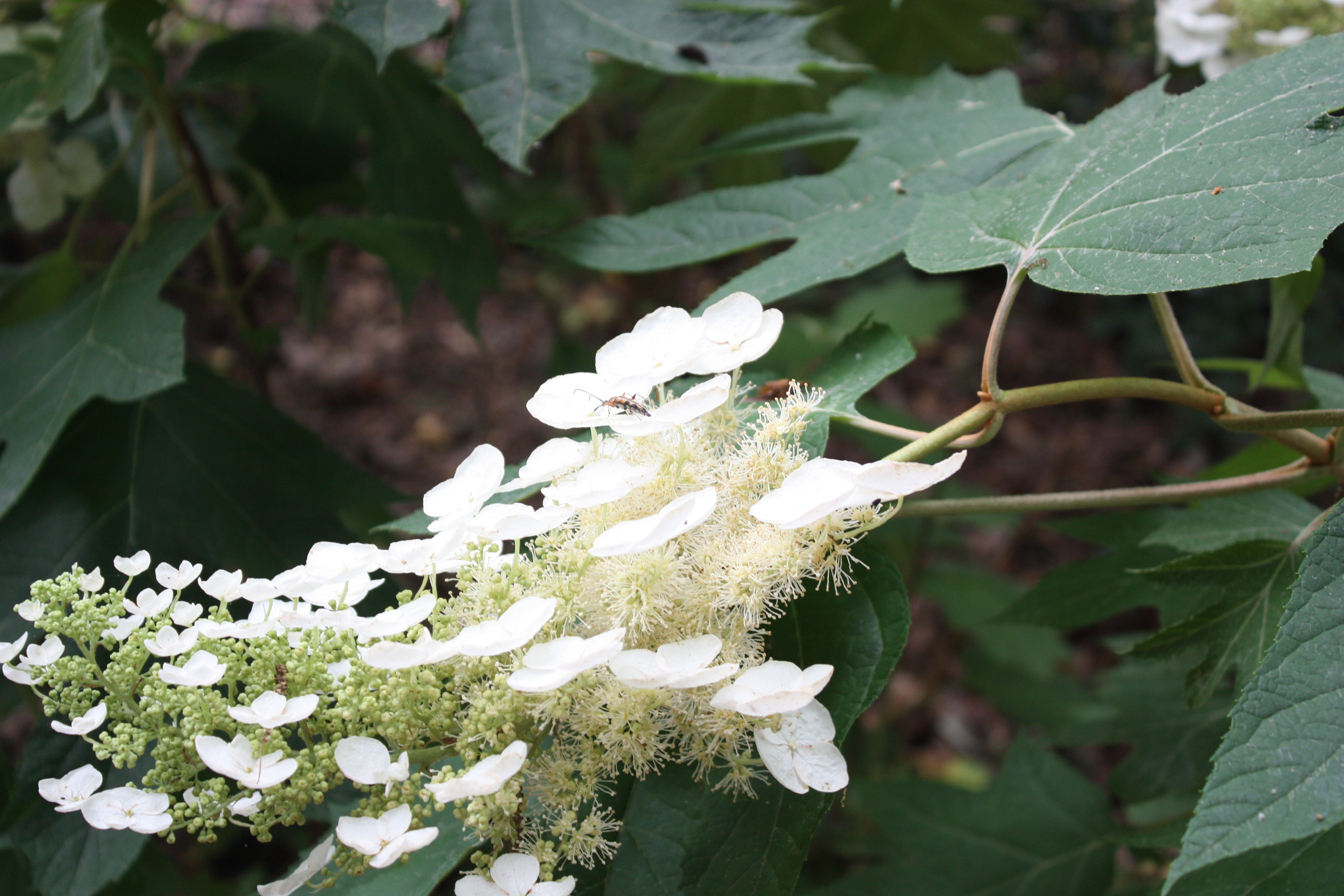
Verdant orchid leaves of Spring;
Cassia blooms bright in Autumn;
Thriving plants, top to bottom.
Festivals planned by their timings.
Who knows the forest recluse --
Pleased with winds and winds with he.
Plants have stems, branches, and roots
Why beg a belle to pluck their fruits.

This is poem #2 of the 300 Tang Poems [唐诗三百首,] and is the second in a quartet of poems called 感遇 [Gan Yu.] The original poem in Simplified Chinese goes:

兰叶春葳蕤, 桂华秋皎洁; 
欣欣此生意, 自尔为佳节。
谁知林栖者, 闻风坐相悦。
草木有本心, 何求美人折?

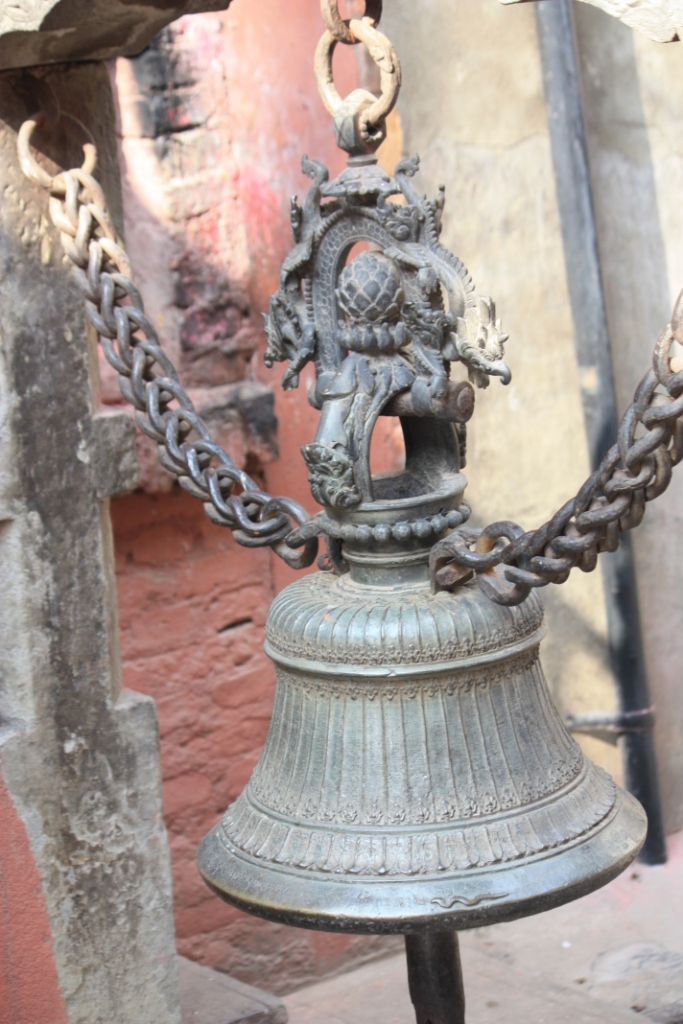
“The Bell” by Ralph Waldo Emerson [w/ Audio]

I love thy music, mellow bell,
I love thine iron chime,
To life or death, to heaven or hell,
Which calls the sons of Time.

Thy voice upon the deep
The home-bound sea-boy hails,
It charms his cares to sleep,
It cheers him as he sails.

To house of God and heavenly joys
Thy summons called our sires,
And good men thought thy sacred voice
Disarmed the thunder's fires.

And soon thy music, sad death-bell,
Shall lift its notes once more,
And mix my requiem with the wind
That sweeps my native shore.

Wen Fu 8 [文赋 八] “Edits” by Lu Ji [陆机] [w/ Audio]

Maybe the first lines constrain the last;
Maybe ends insist on openings;
Maybe some truths escape all words;
Maybe dulcet lines tell no truths.
One may need to keep separated --
Beauty and truth -- to avoid wounds.
Inspect and haggle over each word --
Distinctions maybe finer than a hair;
Weigh each edit upon a scale;
Ensure each cut serves its purpose.

Original poem in Simplified Chinese:

或仰逼于先条,或俯侵于后章。
或辞害而理比,或言顺而义妨。
离之则双美, 合之则两伤。
考殿最于锱铢,定去留于毫芒。
苟铨衡之所裁,固应绳其必当。

“I heard thee laugh” by Stephen Crane [w/ Audio]

I heard thee laugh,
And in this merriment
I defined the measure of my pain;
I knew that I was alone,
Alone with love,
Poor shivering love,
And he, little sprite,
Came to watch with me,
And at midnight
We were like two creatures by a dead camp-fire.

“There is a finished feeling” (856) by Emily Dickinson [w/ Recording]

There is a finished feeling
Experienced at Graves—
A leisure of the Future—
A Wilderness of Size.

By Death’s bold Exhibition
Preciser what we are
And the Eternal function
Enabled to infer.

Quatrain 62 of the Rubaiyat of Rumi [w/ Audio]

If you desire the self, get out of the self.
Leave the shallow stream behind
And flow into the river deep and wide.
Don't be an ox pulling the wheel of the plow,
Turn with the stars that wheel above you.

As translated in: Helminski, Kabir (ed.). 2018. The Pocket Rumi. Boulder, CO: Shambhala South Asia Editions. p. 4; translators: Kabir Helminski, Camille Helminski, and Lida Saedian

“Epigram for Wall Street” by Edgar Allan Poe [w/ Audio]

I'll tell you a plan for gaining wealth,
Better than banking, trade or leases —
Take a bank note and fold it up,
And then you will find your money in creases!
This wonderful plan, without danger or loss,
Keeps your cash in your hands, where nothing can trouble it;
And every time that you fold it across,
'Tis as plain as the light of the day that you double it!

“Have you ever made a just man?” by Stephen Crane [w/ Audio]

"Have you ever made a just man?"
"Oh, I have made three," answered God,
"But two of them are dead,
And the third --
Listen! Listen!
And you will hear the thud of his defeat."

“The earth has many keys” (1775) by Emily Dickinson [w/ Audio]

The earth has many keys,
Where melody is not
Is the unknown peninsula.
Beauty is nature's fact.

But witness for her land,
And witness for her sea,
The cricket is her utmost
Of elegy to me.

“Loss and Gain” by Henry Wadsworth Longfellow [w/ Audio]

    When I compare
What I have lost with what I have gained,
What I have missed with what attained,
Little room do I find for pride.

I am aware
How many days have been idly spent;
How like an arrow the good intent
Has fallen short or been turned aside.

But who shall dare
To measure loss and gain in this wise?
Defeat may be victory in disguise;
The lowest ebb is the turn of the tide.