Andy Warhol Limerick

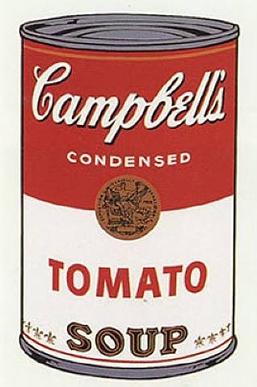
There was an artist named Andy Warhol
whose paintings sure enough weren't for all.
Like a flimflam man
he copied soup cans,
and viewers saw [not Campbell, but] Warhol.
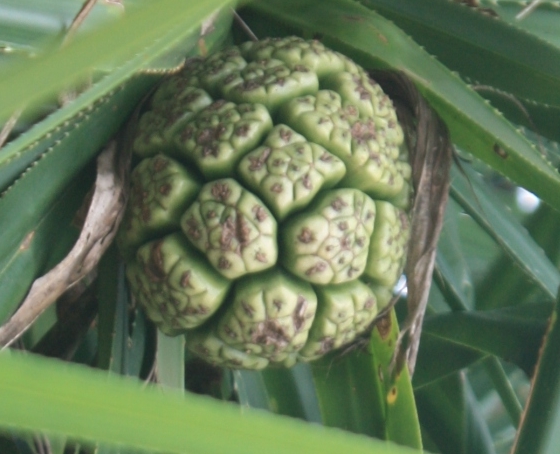
Conflicted Botanist Limerick

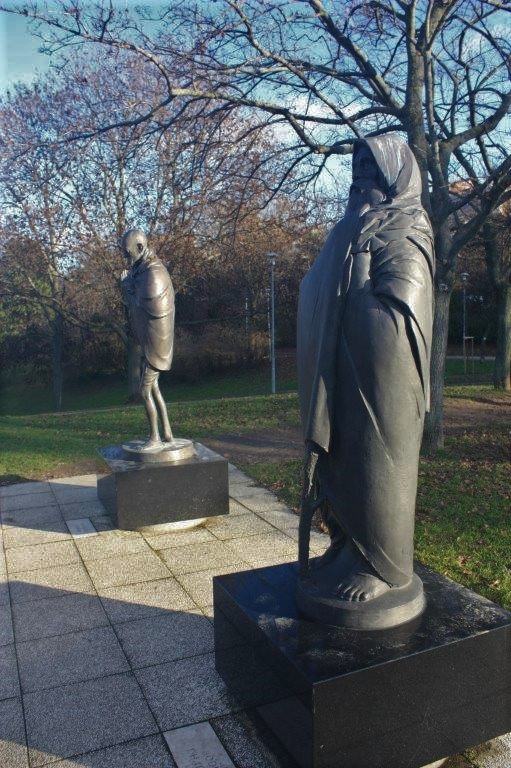
There once was a Philosopher-Botanist
who, on his jobs, had been an optimist.
But he bred seedless fruits,
and came to feel in cahoots
with purpose-denying nihilist dogmatists.

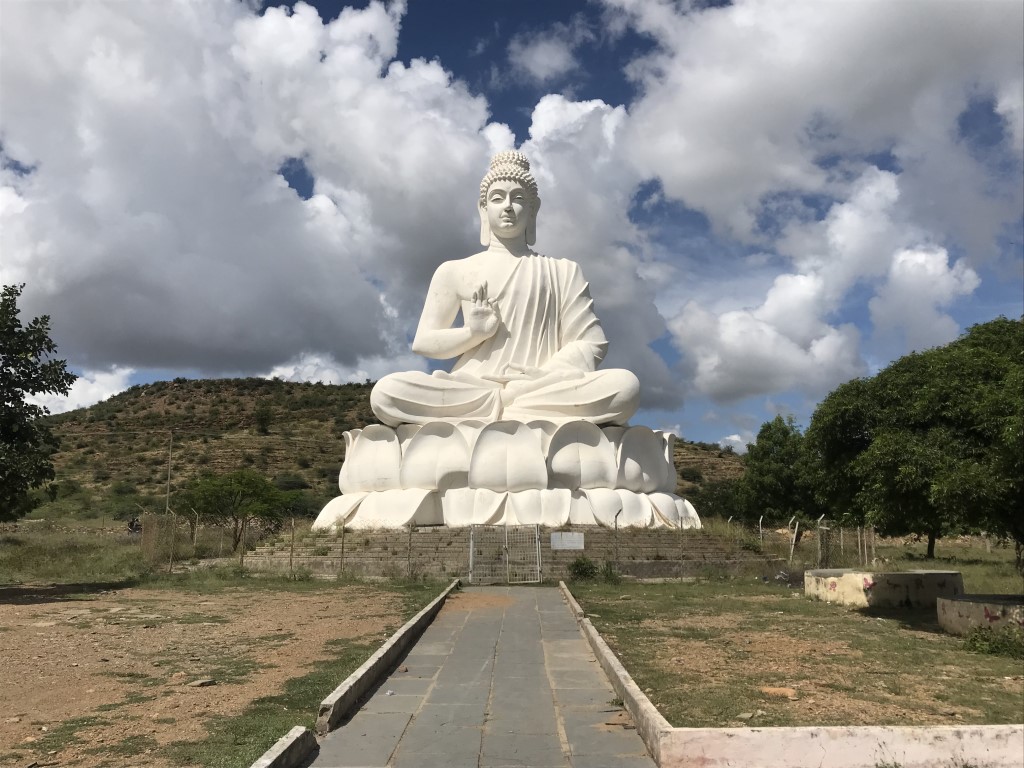
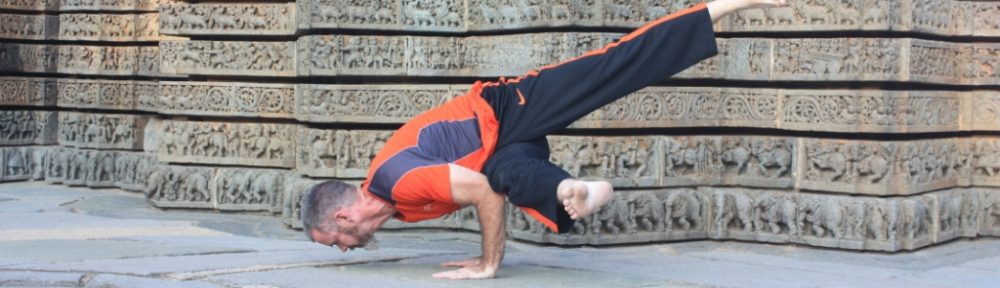
Buddha Still [Haiku]

Buddha is still;
the clouds wander...
one crow caws

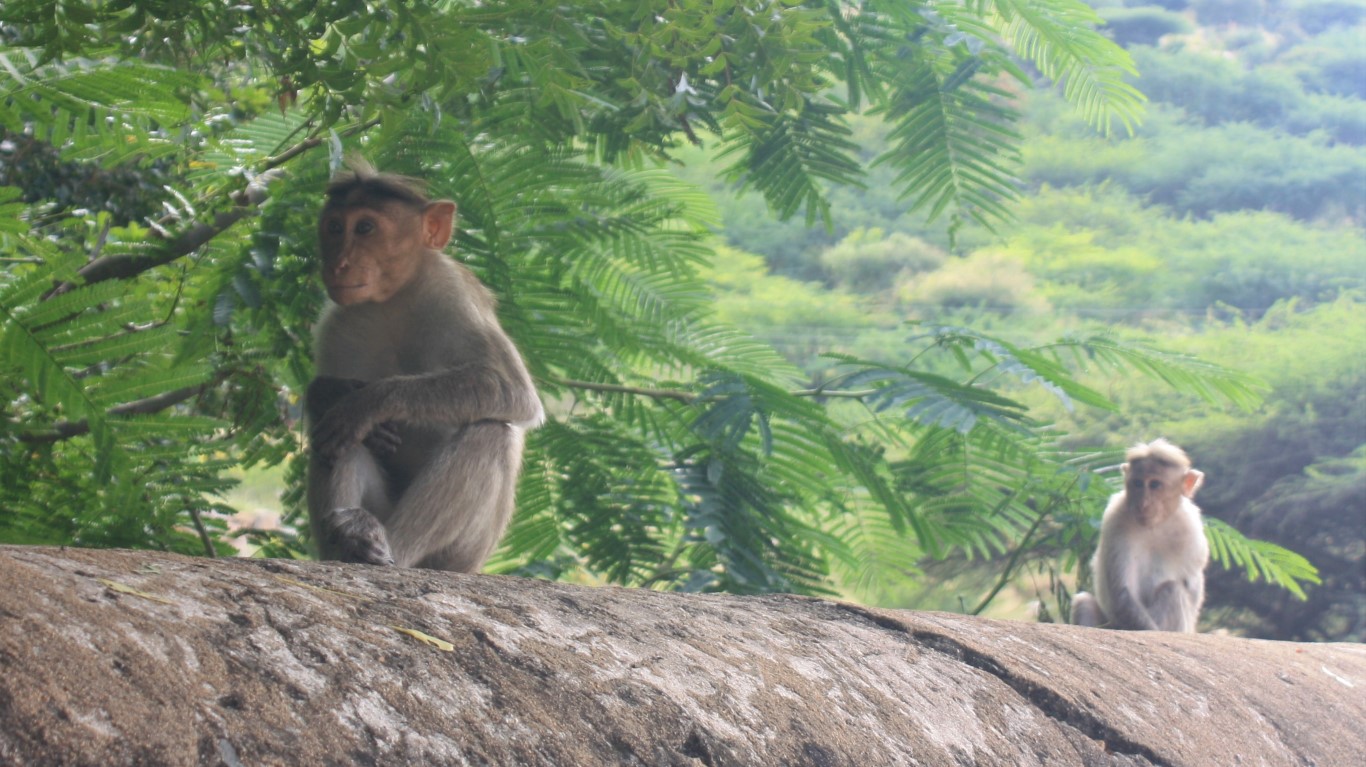
A Moment of Stillness [Haiku]

the moment before
a sneaky monkey
makes mischief

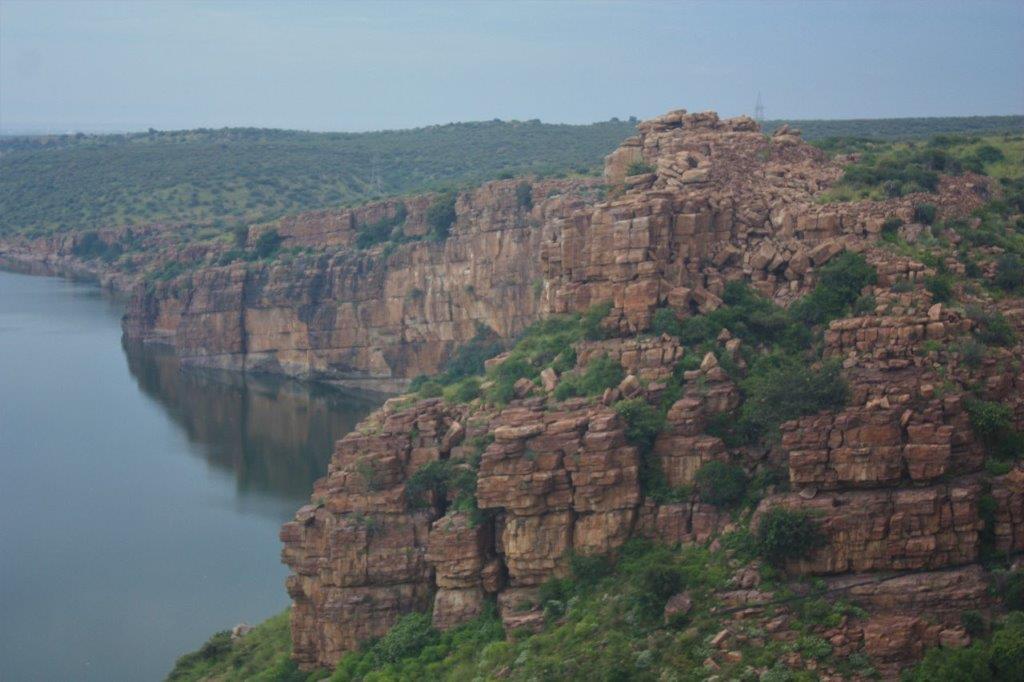
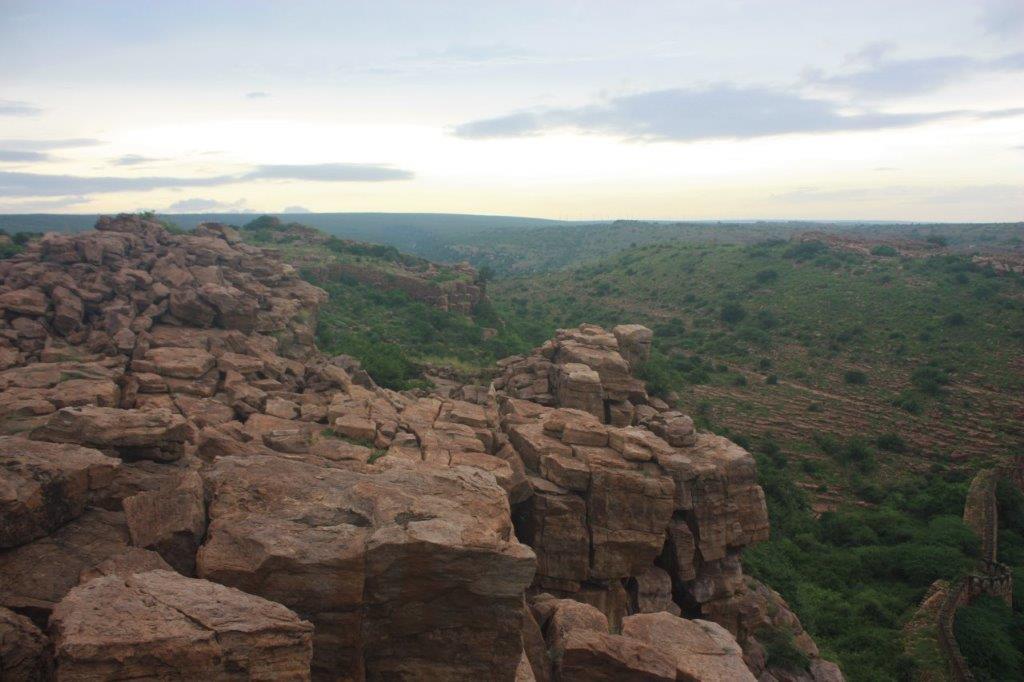
DAILY PHOTO: Rocky Outcrops, Gandikota Canyon

BOOK REVIEW: Goa Travels ed. by Manohar Shetty

Goa Travels: Being the Accounts of Travellers from the 16th to the 21st CenturyGoa Travels: Being the Accounts of Travellers from the 16th to the 21st Century by Manohar Shetty
My rating: 5 of 5 stars

Amazon.in Page

I picked up this book because I’m now planning a trip to Goa — only my second trip to India’s smallest state and my first to the north beach area for which it has become such a popular destination in recent decades. It’s always good to get a literary feel for a place, perhaps receiving some insights one might otherwise miss. In a way, this is the perfect book for that purpose in that it offers outsider views of Goa across time. [In another way, it’s admittedly a skewed view.]

This book gathers written excerpts from travelers to Goa. It’s divided into three parts. The first part mostly covers the sixteenth and seventeenth centuries, back when Goa was a Portuguese colony. This is the largest section and includes twenty-one pieces by priests, sailors, merchants, and adventurers. This section shows a preoccupation with a few features of Goan culture that seized travelers’ attention. One of these was the terrifying practice of sati, in which a widow would throw herself on her deceased husband’s funeral pyre and be burned alive. Another was the obsessively guarded way wives were treated, generally barred from doing anything in public or with those who weren’t blood relatives.

The second section, also the shortest, features one piece on the Goan Inquisition, which was an extension of the Portuguese Inquisition and one of the major examples of horrifying behavior by the Roman Catholic church. While it’s alarming and gruesome to read about, it’s nonetheless fascinating.

The final section is about the modern era, which – for the purposes of this book – runs from about the 1950’s (after India gained independence from Britain, but while Goa was still a Portuguese colony,) through its days on the Hippie Trail, and on to more-or-less the present. I knew about Goa as a hippie hangout during that countercultural revolution, but I was less aware of what went on between Indian independence and Goa’s independence from Portugal. Among the seven pieces in this section, one also gets a feel for the challenges of having an intensely culturally conservative population packed into India’s smallest state with what is probably South Asia’s biggest party destination.

I learned a lot of fascinating facts from reading this book. It may be a bit sensationalist in some places and vaguely racist in others, but it’s not boring.


View all my reviews

5 Thought-Provoking Quotes I’ve Read Recently

Nothing records the effects of a sad life as graphically as the human body.

Naguib mahfouz (in Palace of desire)

Religion is recognized by the common people as true, by the wise as false, and by the rulers as useful.

Lucius annaeus seneca (via edward gibbon)

Comparison is the thief of joy.

theodore roosevelt

I was not; I have been; I am not; I do not mind.

Epicurean Epitaph

My experience is what I agree to attend to. Only those items which I notice shape my mind.

william james
Iced Wings [Haiku]

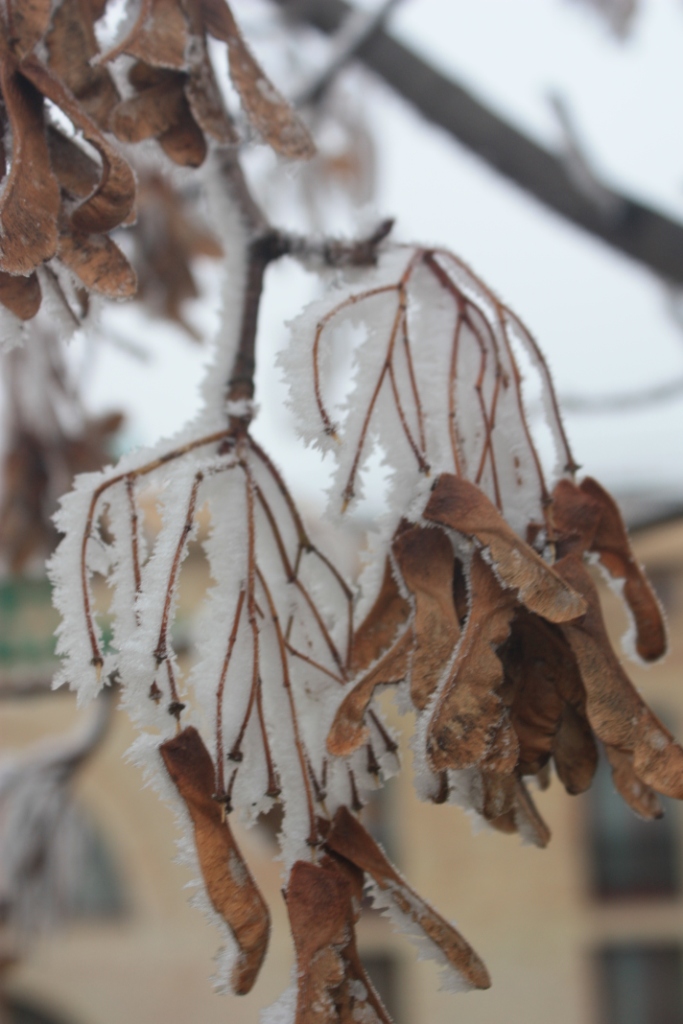
ice crystals form
on helicopter seed pods;
will they fly or crash?
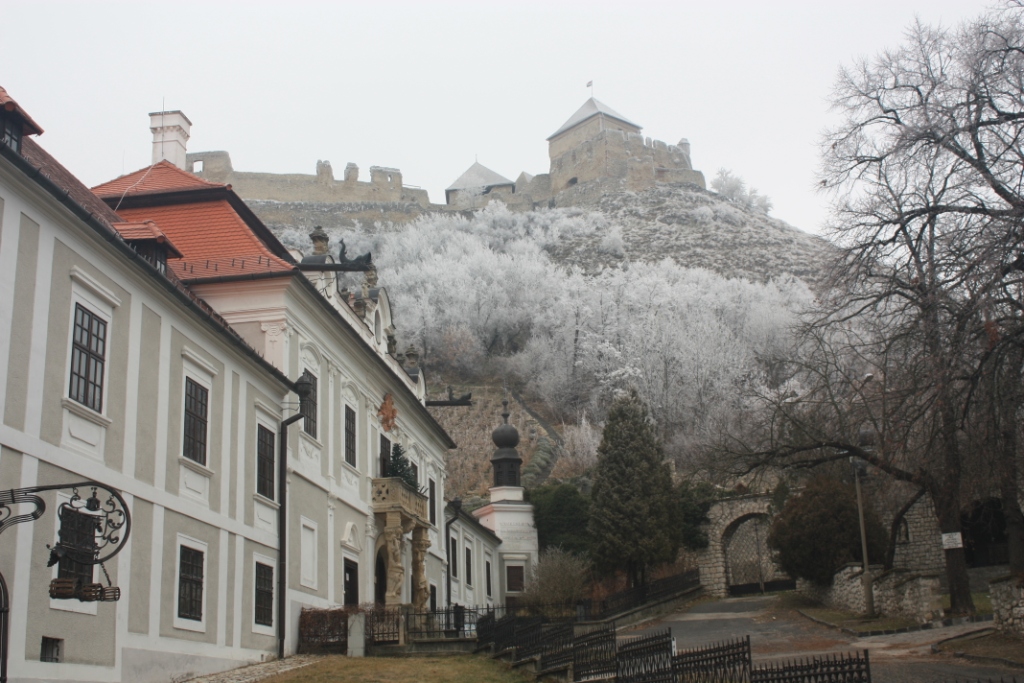
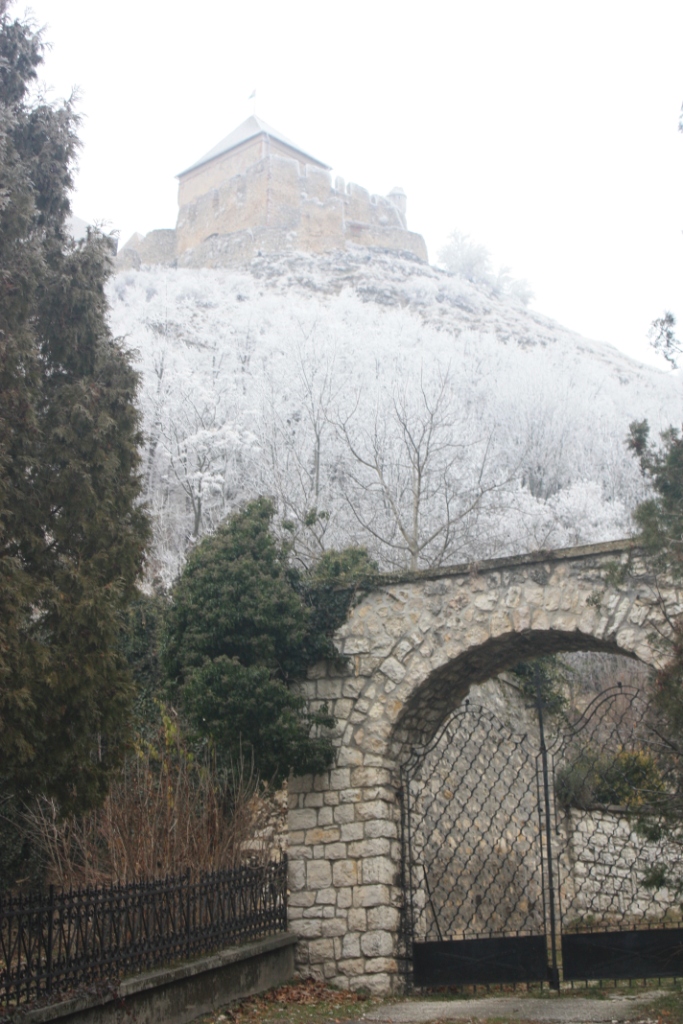
DAILY PHOTO: A Frosty Day in Sümeg

Spanish Inquisition Limerick

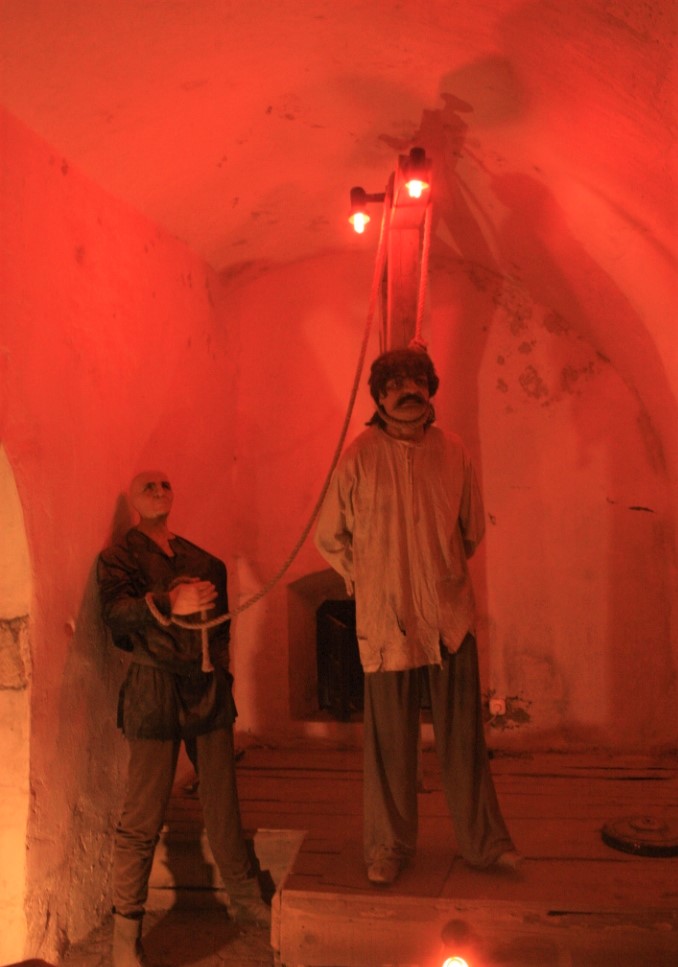
There once was a Grand Inquisitor --
a most unpopular visitor.
His knock at your door
meant you were done for.
He could paint even a saint sinister.