Great Wall [Haiku]

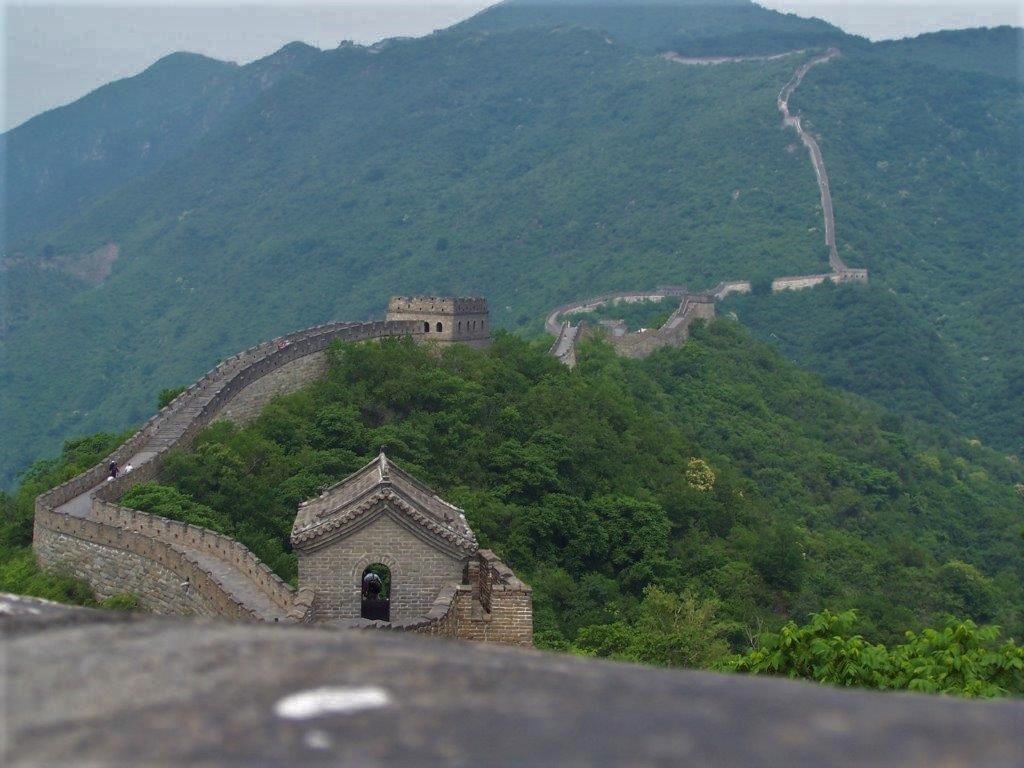
a great wall stands
between a cricket and
the food it seeks

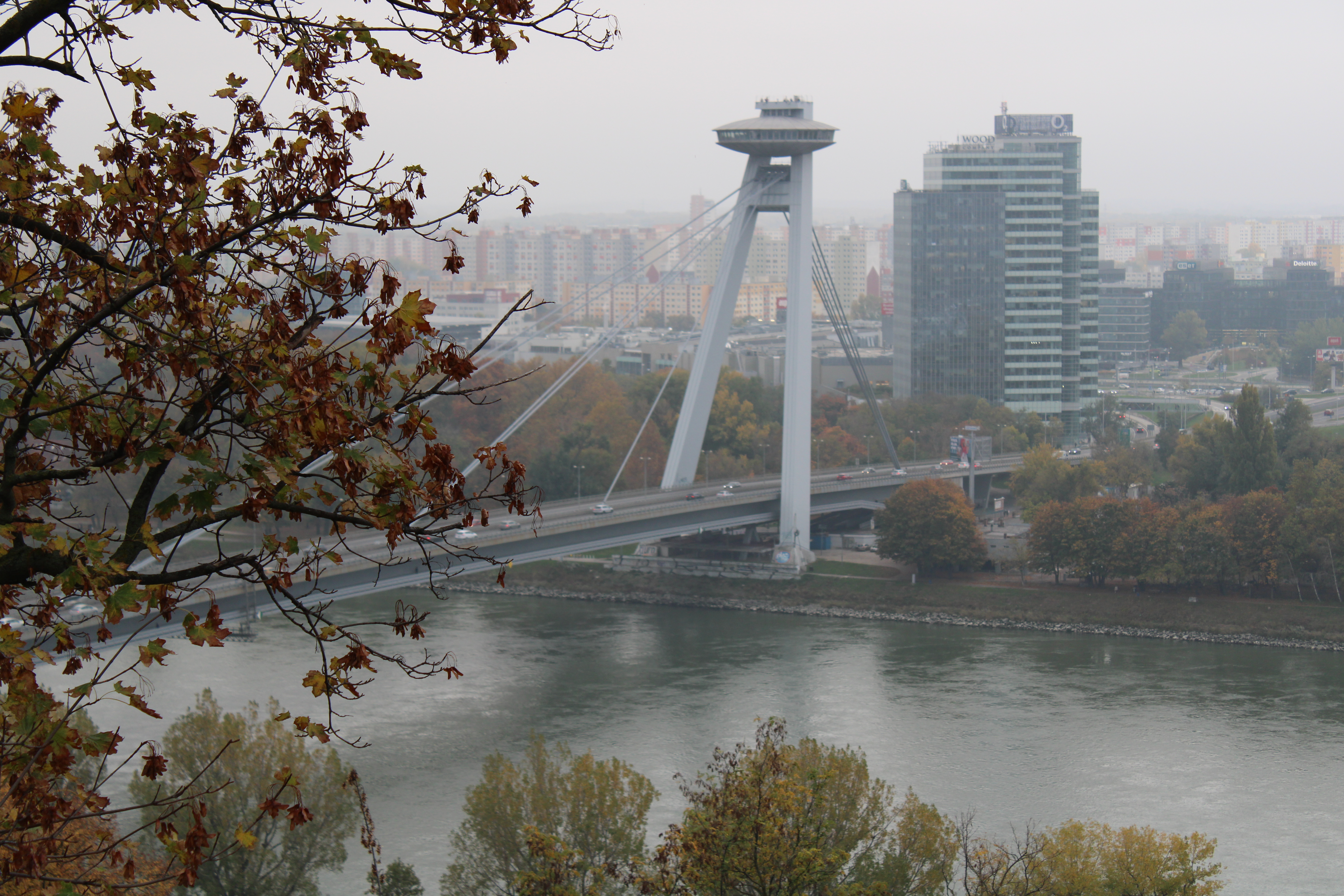
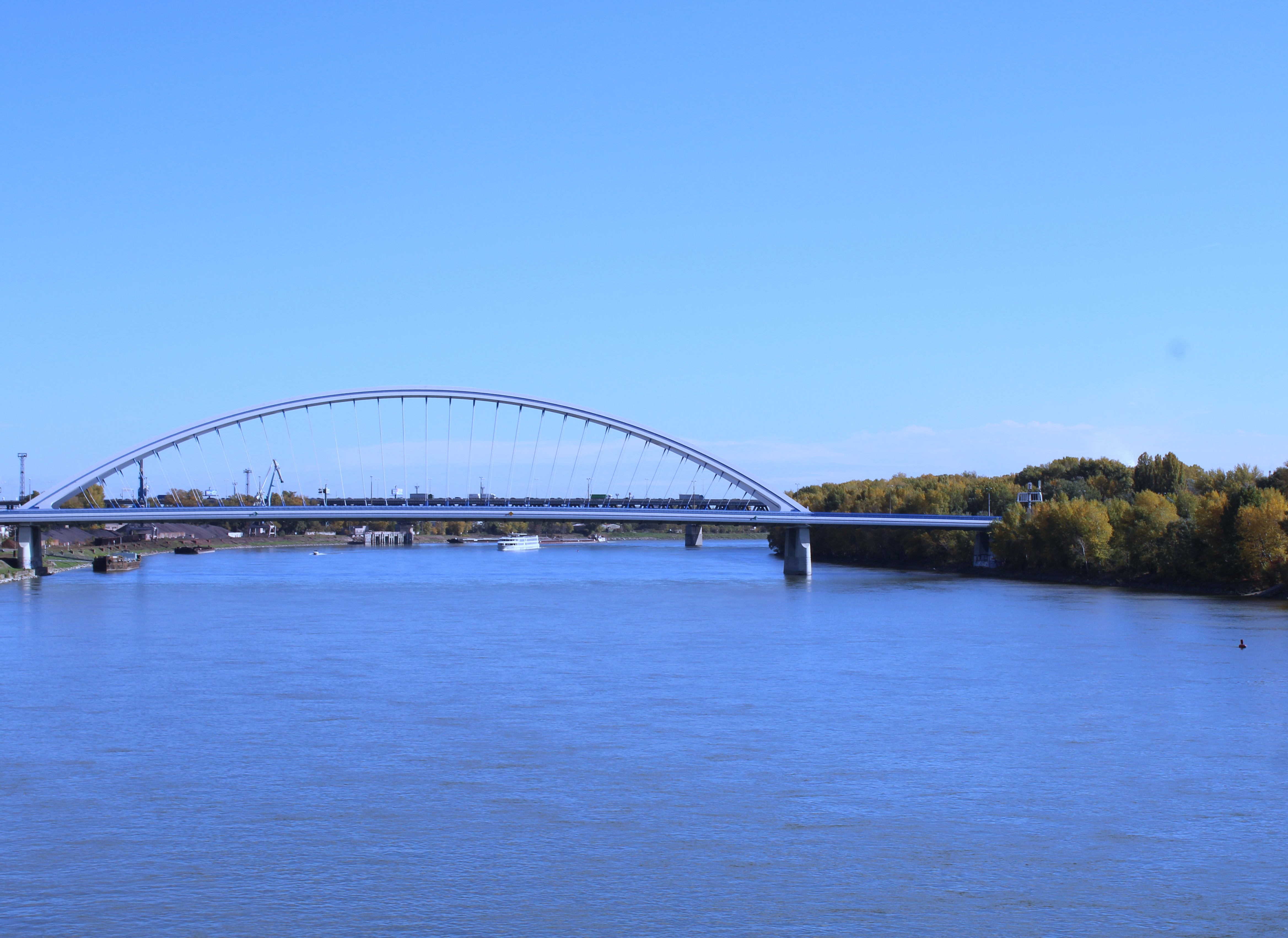
DAILY PHOTO: UFO Bridge, Bratislava

Dragon-slayer or Drunkard? [Common Meter]

I see so many statues of
dragon-slayers mid-kill.
The winged serpents pierced by a lance
conjures up such a thrill.

But there're no dragons, never were.
So, what were they slaying.
Dinos went extinct before our time
is all that I'm saying.

So, were they killing geckos, or
maybe a rock lizard?
Maybe chickens, given the wings?
Struck right through the gizzard!

Could it be St. George liked to drink
or was tripping ergot?
To earn so many statues, he'd
a publicist, I bet.

"The dragons were metaphorical!"
OK, that's really swell,
but shouldn't George's heroism
be figurative as well?

Red & Green [Haiku]

some find Christmas mind
in "It's a Wonderful Life"
i, through holly berries

BOOK REVIEW: The Dreaming, Vol. 1: Pathways & Emanations by Simon Spurrier

Pathways and Emanations (The Dreaming, #1)Pathways and Emanations by Simon Spurrier
My rating: 5 of 5 stars

Amazon.in Page

This title is part of the “Sandman extended universe” that was spurred by the success of Neil Gaiman’s comic about the lord of dream realm –“the Dreaming” being said realm of dreams and nightmares. The Dreaming is usually presided over by Dream of the Endless, one of seven siblings commanding various domains. In this story, Dream is gone, no one knows where. Readers of Sandman will remember that in the original run Dream is kidnapped and imprisoned for 70 years. This isn’t the same disappearance (it’s not even the same “Dream,” but as he’s not a major figure in this book, there’s no need to elaborate.) While this may seem like a rehash, the Sandman story was focused on the character of Dream and mostly took place in our world, occasionally visiting the Dreaming as relevant to Dream’s story. This story is all about what happens within the Dreaming when the master is away, allowing decay, internal treachery, and the potential for invasion.

The story heavily focuses on three characters: Lucien, Mervyn, and Dora. One of the things this story does well is to build a tension between Lucien and Mervyn, a tension that is relatable and contributes substantially to the turmoil within the story. Lucien is ordinarily the librarian, and he’s a scholarly fellow who is an excellent librarian but is in over his head running the Dreaming (especially as he’s trying to keep it a secret that Dream has vanished so as to avoid panic or invite attacks.) Mervyn (Pumpkin-head) is like the head of maintenance, a blue-collar stiff who doesn’t know Dream is gone and thinks Lucien is making a powerplay and has bitten off more than he can chew. Dora is a mysterious rogue of a character who we don’t know much about other than that she’s not from the Dreaming (but lives there with Dream’s permission,) she’s quite powerful, and she does her own thing — which often runs her afoul of the staff of the Dreaming.

I felt this volume offered an entertaining story and resolved it nicely, while setting up for continued chaos in additional volumes. If you enjoyed the Sandman comics, this book is definitely worth a read.


View all my reviews

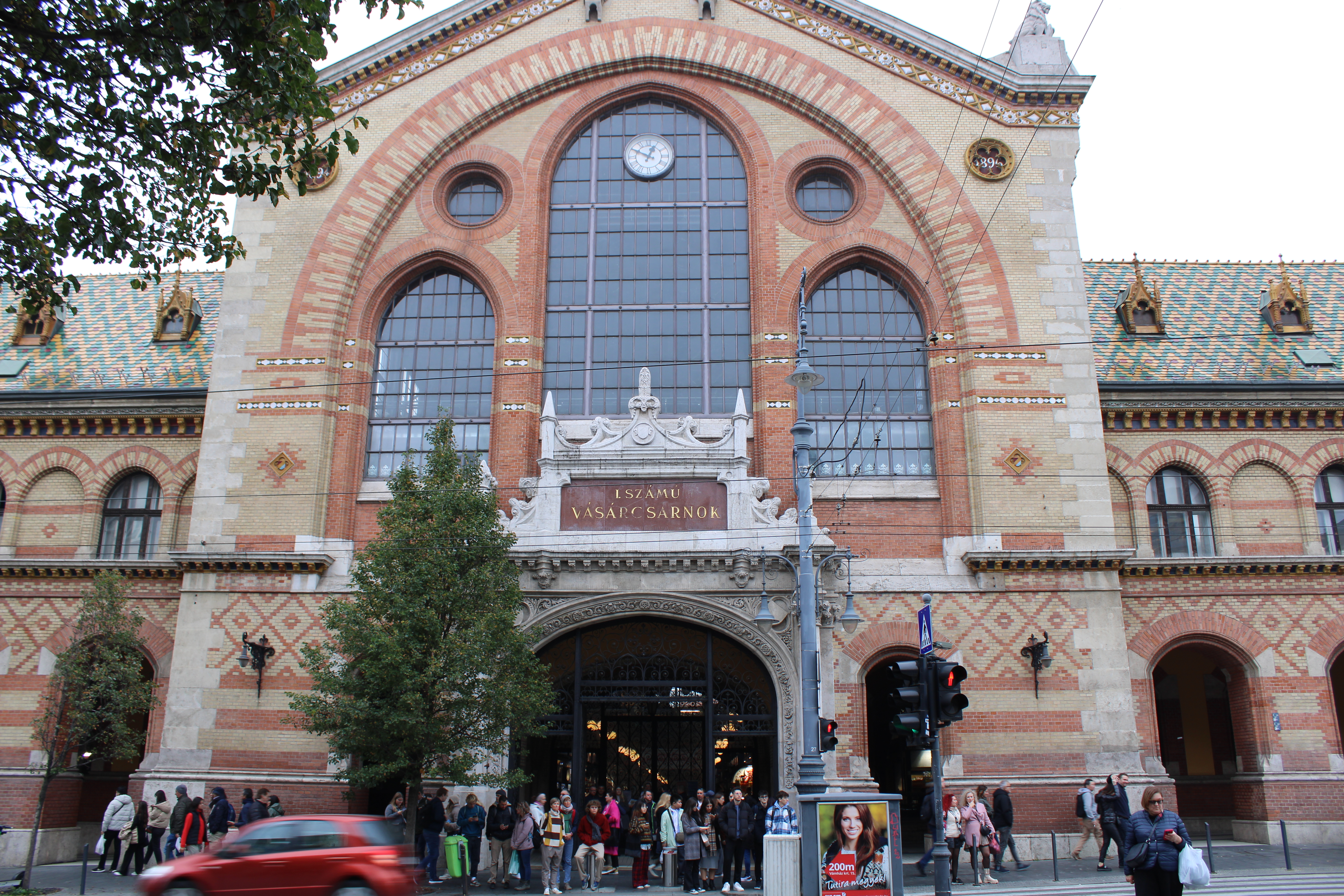
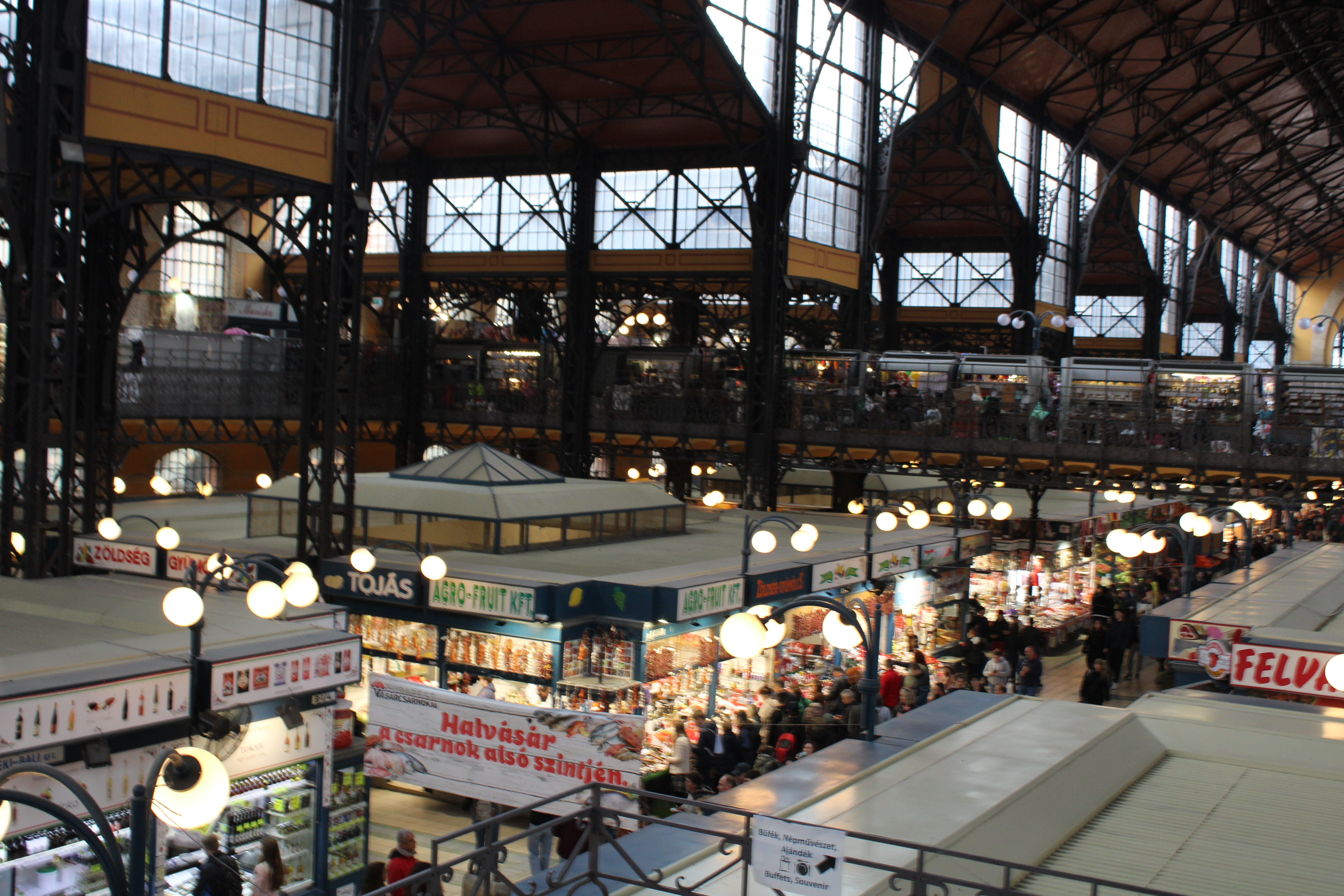
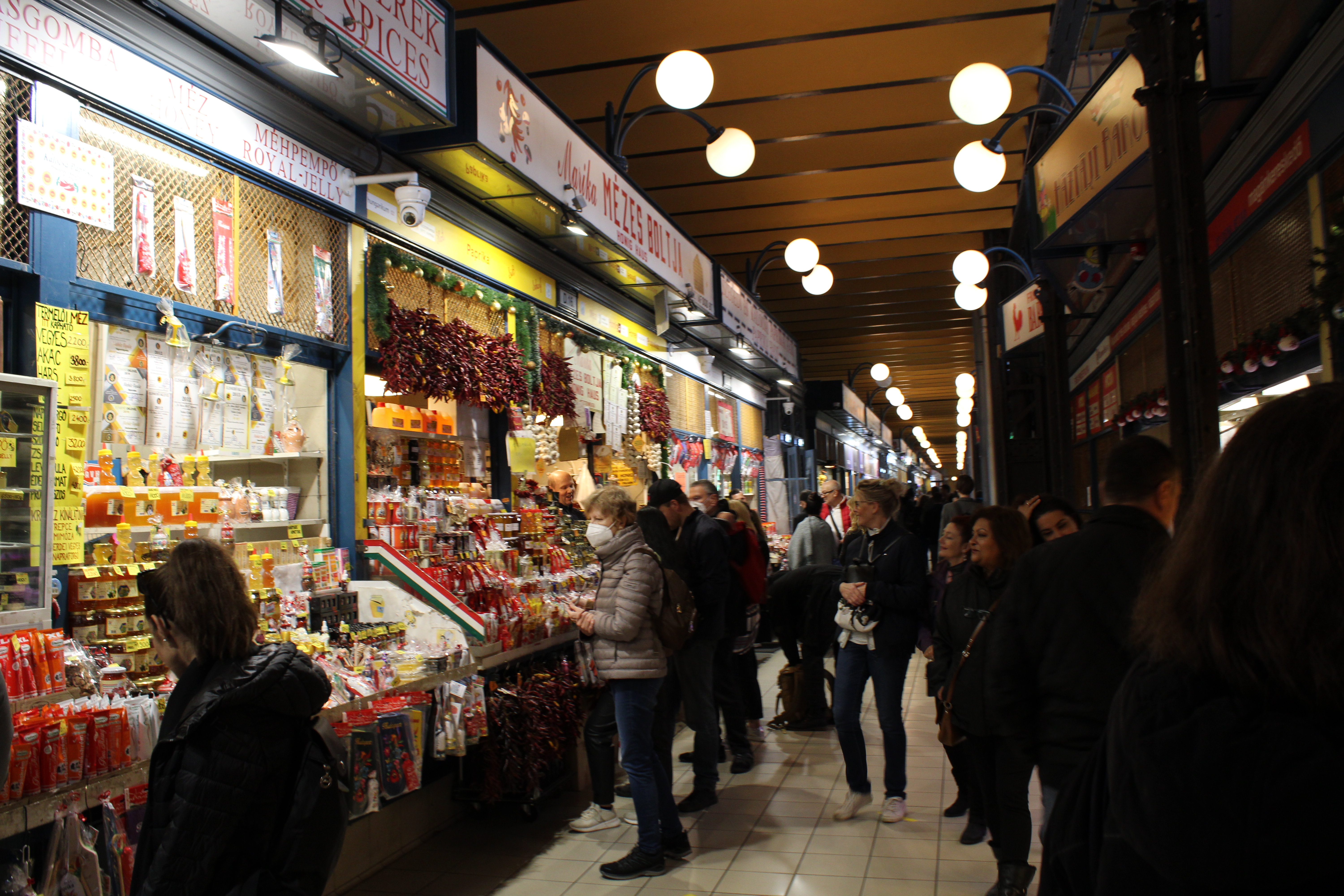
DAILY PHOTO: Great Market Hall [Nagyvásárcsarnok]

BOOK REVIEW: Bruce Lee’s Fighting Method: Advanced Techniques by Bruce Lee & M. Uyehara

Bruce Lee's Fighting Method: Advanced Techniques, Vol. 4Bruce Lee’s Fighting Method: Advanced Techniques, Vol. 4 by Bruce Lee
My rating: 4 of 5 stars

Amazon.in Page

This book presents a collection of Jeet Kune Do [JKD] techniques, JKD being the martial art developed by Bruce Lee to rectify what he believed were fundamental problems in martial arts, such as: elaborate techniques that have little chance of working in actual combative situations and ignorance of large swaths of the combative domain (e.g. grapplers ignoring striking, and strikers ignoring grappling.) Interestingly, Lee has come to be viewed as a herald of the mixed martial arts (MMA) movement. That said, this book exclusively focuses upon a small collection of hand-strikes and kicks.

There are a few principles that recur throughout the book that are key to JKD and are where the value of the book lies. First, there is a focus on feints to trigger a reaction, the technique being applied as the opponent is reacting to a false attack. Second, the avoidance of complex and compound attacks whenever possible in favor of simple and direct tactics (if they will work.) Third, the use of direct, linear movements to stop attacks in progress.

The downside of this book is the author’s penchant for long, over-extended kicks. Lee emphasized the importance of speed, and speed would be essential for many of these techniques to have practical value. The reason one doesn’t see such techniques (as a fighter’s “go-to” tactic) much anymore is that the kicker’s foot has to travel a couple / few meters while the receiver only has to move centimeters to be offline and in position to catch the kick and dump the kicker. Ergo, one tends to only see widespread use of such techniques in Tae Kwon Do, where the rules and culture support huge kicks.

I learned a lot from reading this book, and I particularly value its emphasis on simplicity and avoidance of convoluted methods. That said, I think the reader needs to see the book as representing one stage in an evolution of martial arts.


View all my reviews

Frankfurt Limerick

An exhibitionist girl from Frankfurt
loved dearly to beguile and to flirt.
When she raised her hem,
her teacher said, "Ahem!
that's now more of a belt than a skirt."

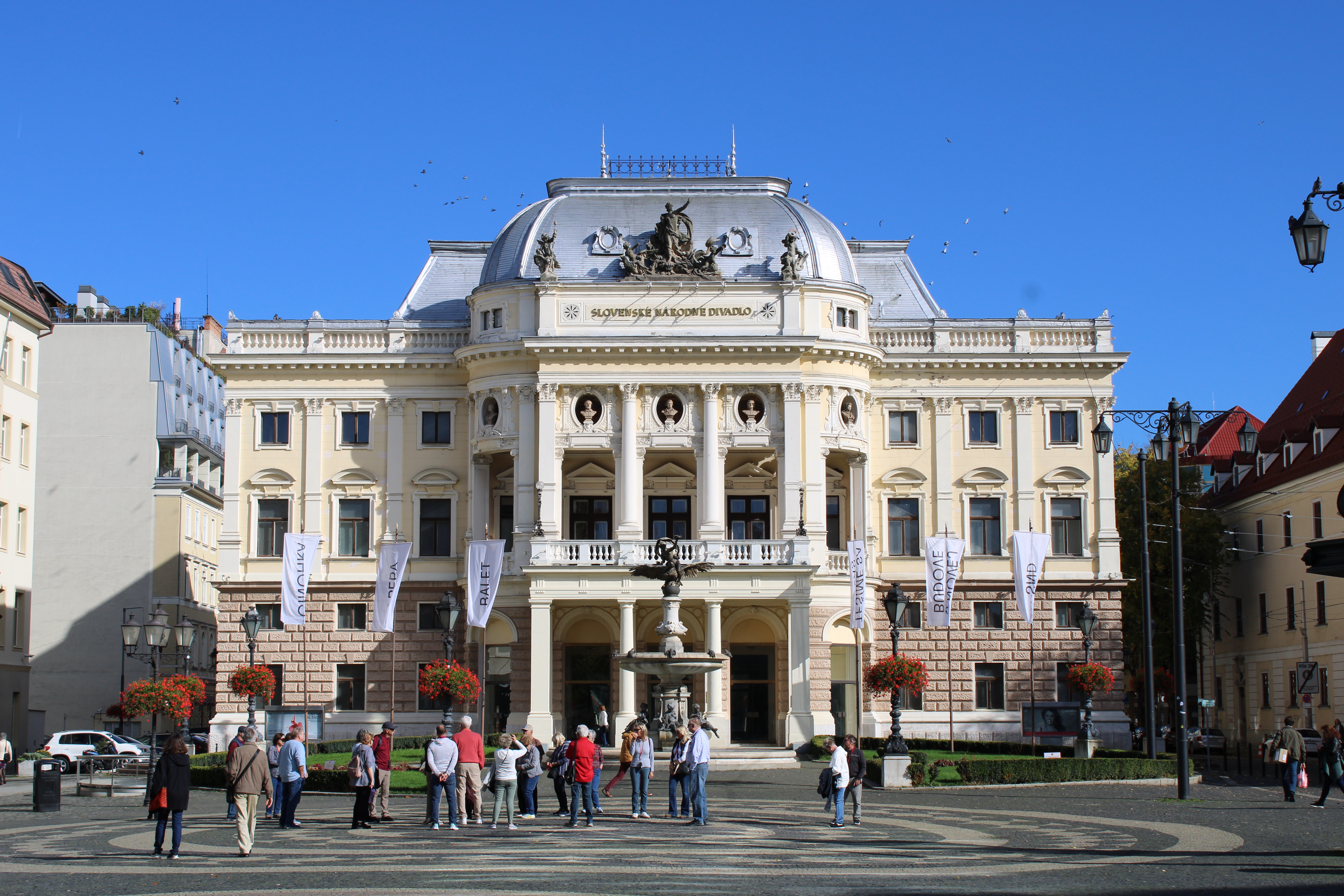
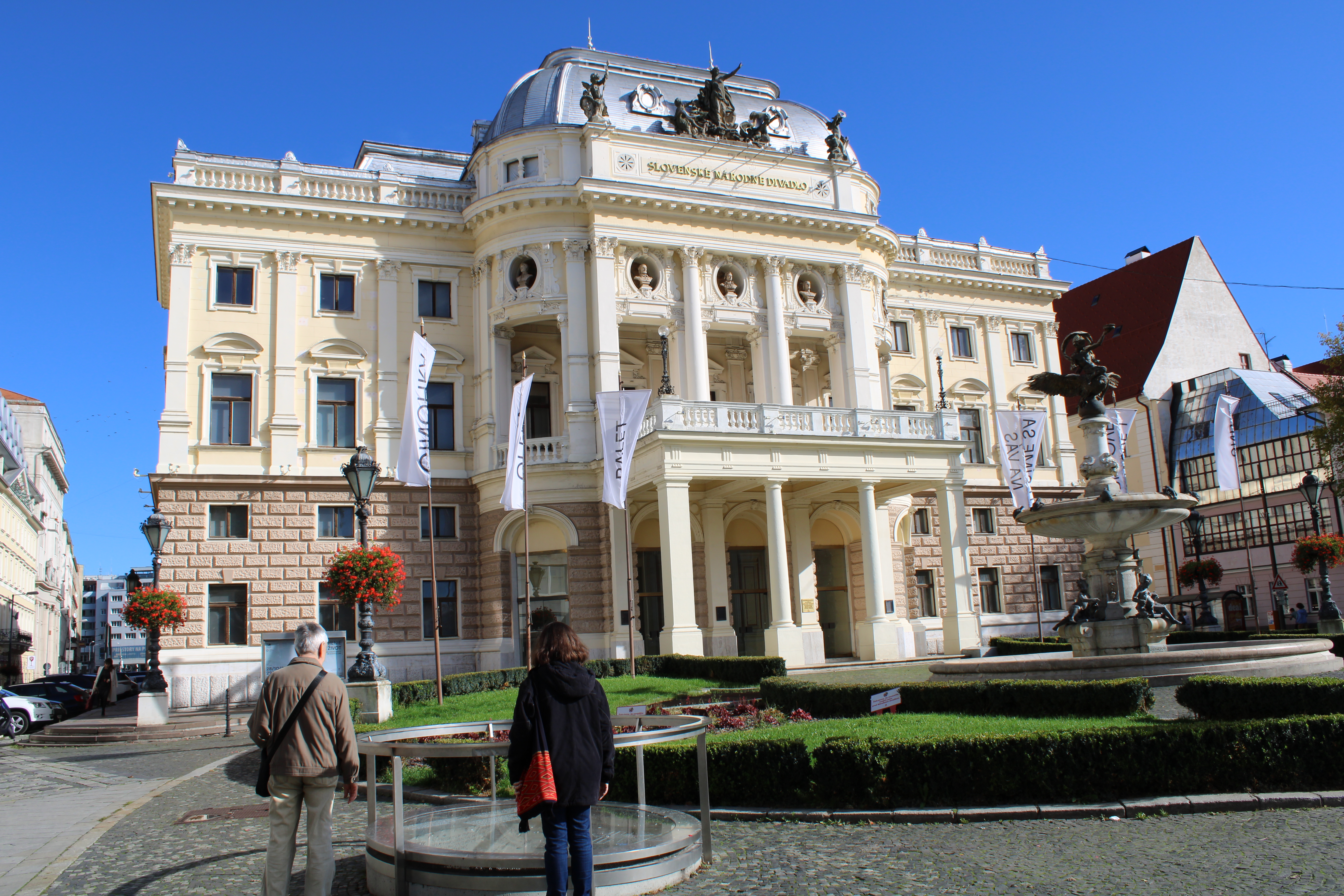
DAILY PHOTO: Slovenské Národné Divadlo [Slovak National Theater]

Taken in Bratislava in October of 2022.

Blue [Haiku]

the river reflects
the sky's blue; yet the river
looks a deeper blue