Silhouette [Haiku]

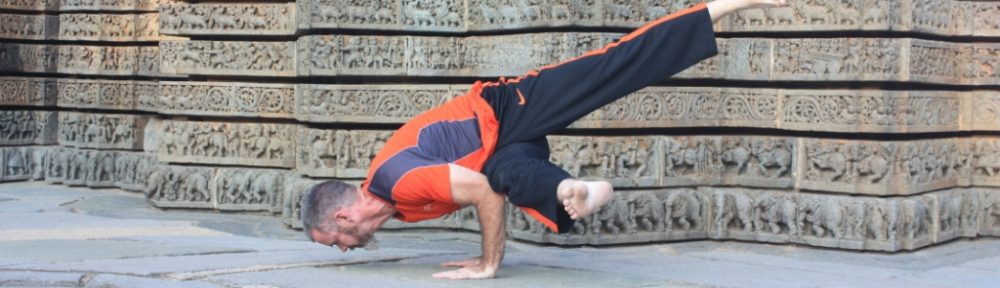
low winter sun
rounds the golden temple,
only shape remains

DAILY PHOTO: Palm Tree & Beach

Taken in Phuket in January of 2014

BOOK REVIEW: Nights of Plague by Orhan Pamuk

Nights of PlagueNights of Plague by Orhan Pamuk
My rating: 5 of 5 stars

Amazon.in Page

Too soon? I’m interested to see how this brilliant novel does, not because anyone will question that it’s a well-crafted story but because it’s definitely less escapist in the wake of the COVID pandemic. Ordinarily, it would have all the emotional distance of historical fiction. However, here we have a novel set around the turn of the twentieth century, and it features the conspiracy theorists, the science deniers, the pandemic opportunists, and those prone to whistle through the graveyard as a disease eats their community alive – i.e. characters with whom we are now all too familiar.

The novel takes place on the fictional island of Mingheria in the Aegean (Mediterranean) Sea between Turkey and Greece during the waning years of the Ottoman Empire. Given its geography, Mingheria is a potential powder keg under the best of circumstances, being about half Greek Christian and half Turkish Muslim, both of whom overwhelm a group who identify primarily as Mingherian and who want to establish their own state, reflecting a primacy of Mingherian identity. (Not unlike those Kashmiris who want an independent Kashmir because they see their problem not as being a Muslim – Hindu one, but rather an India – Pakistan one.) While the story is full of both Mingherian domestic and international politics, it’s the plague that drives everything, or – more accurately – fearful (and often ill-advised) responses to the plague.

At the heart of the story are Princess Pakize and her husband, Doctor Nuri. The couple is diverted to Mingheria while sailing to China. The reason the Sultan changes their itinerary is two-fold: first, to fight a worsening outbreak of bubonic plague, and, second, to learn who killed the last doctor sent to lead the quarantine response, Dr. Bonkowski. (Bonkowski was a well-regarded medical expert who is killed by unknown perpetrators in the early chapters of the book.) As Nuri is engaged in public health matters and the Princess is occupied by writing letters to her sister and contemplating Bonkowski’s demise, they are swept up in events that will ultimately lead to a revolution and coup d’état. When those who oppose the public health measures (e.g. prohibition of Muslim funerary bath rituals) gain control, the epidemic swells to horrific proportions. As in Pamuk’s excellent novel, Snow, the tension between modern / progressive forces and religious traditionalists is ever present (not unexpected given Turkey’s long history of conflict between reformers and fundamentalists.)

This book is compelling and, in the wake of the COVID pandemic, makes a profound commentary on how far we haven’t come.


View all my reviews

BOOK REVIEW: Killadelphia Deluxe Edition, Book One by Rodney Barnes
Killadelphia Deluxe Edition, Book One (Killadelphia, 1)Killadelphia Deluxe Edition, Book One by Rodney Barnes
My rating: 5 of 5 stars

Amazon.in Page

Release Date: November 22, 2022

Just when you think the vampire subgenre has been done to death, a graphic novel comes along that grabs one’s attention and reignites one’s affinity for the trope. As the title suggests, one of the ways that this book establishes itself as something different is to lean into setting, a setting with a unique heritage but no particular connection to vampires, in this case Philadelphia. The book takes cross-genre to the extremes, involving not only speculative fiction / horror but, also, historical fiction and detective fiction.

Killadelphia doesn’t do anything groundbreaking, but it does an exemplary job with an assortment of common tropes and plot devices. Like Seth Grahame-Smith’s Abraham Lincoln: Vampire Hunter, the book mashes up vampires and historical figures, but – in this case – Barnes goes more obscure by using John and Abagail Adams. The book also plays on the dysfunctional father / son relationship as source of tension and character growth. In this case, James Sangster Jr. comes to Philly due to the untimely death of his father, James Sangster Sr., but the father’s death turns out to be more of an undeath, the detective having been caught up in an investigation that led him into a den of vampires. This ultimately plays into a reluctant team up as the Philly vampire scene goes epidemic.

There’s some ancillary material with this deluxe edition, most notably a werewolf comic that takes place in the same universe, called Elysium Gardens. [Otherwise, it’s the usual alternate cover art and author exposition type stuff.]

I enjoyed Killadelphia and would put it in the upper echelon of vampire-inspired graphic novels that I’ve seen of late.


View all my reviews

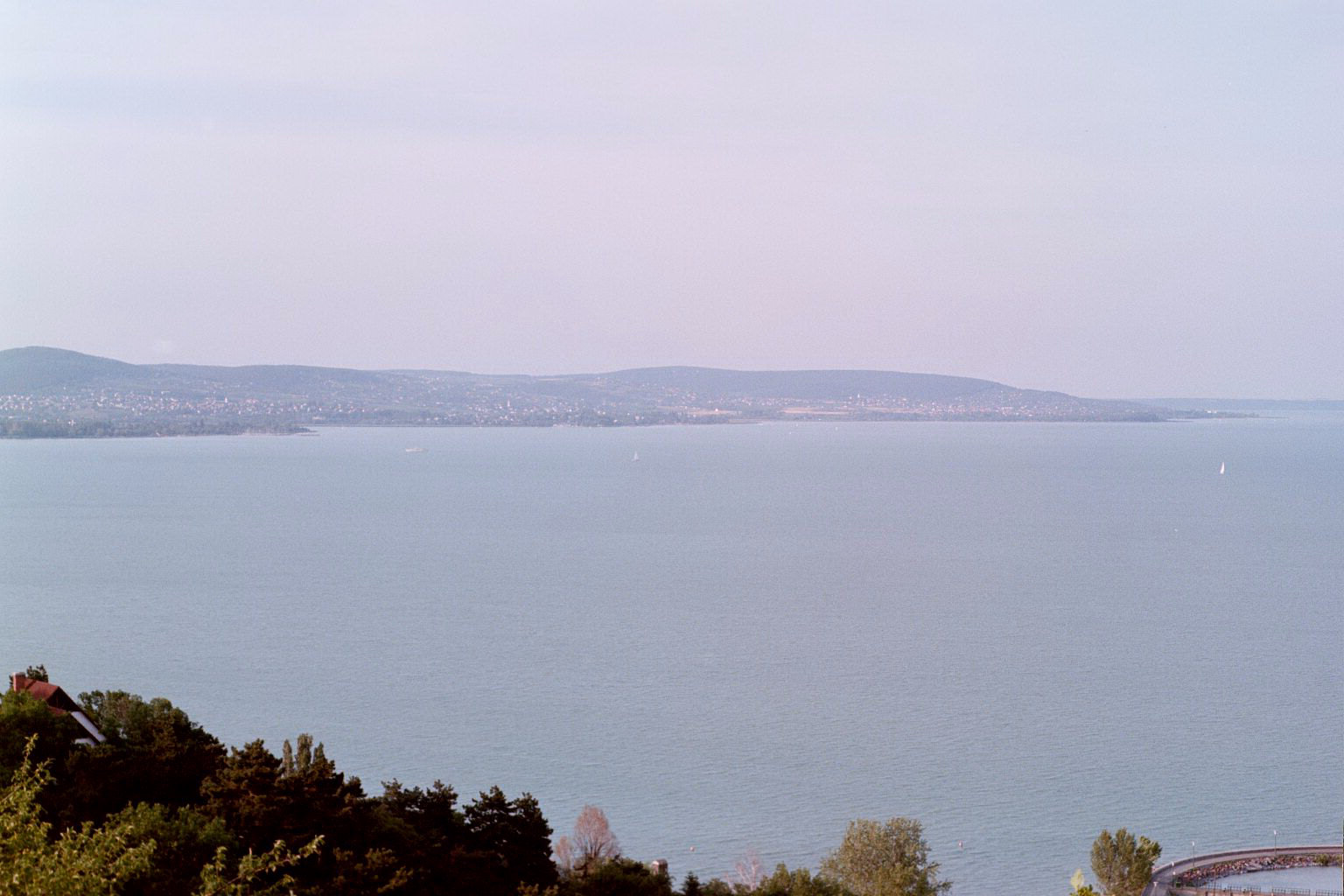
Shore Breeze [Haiku]

hot summer day
spent overlooking the lake:
sea breeze to land breeze

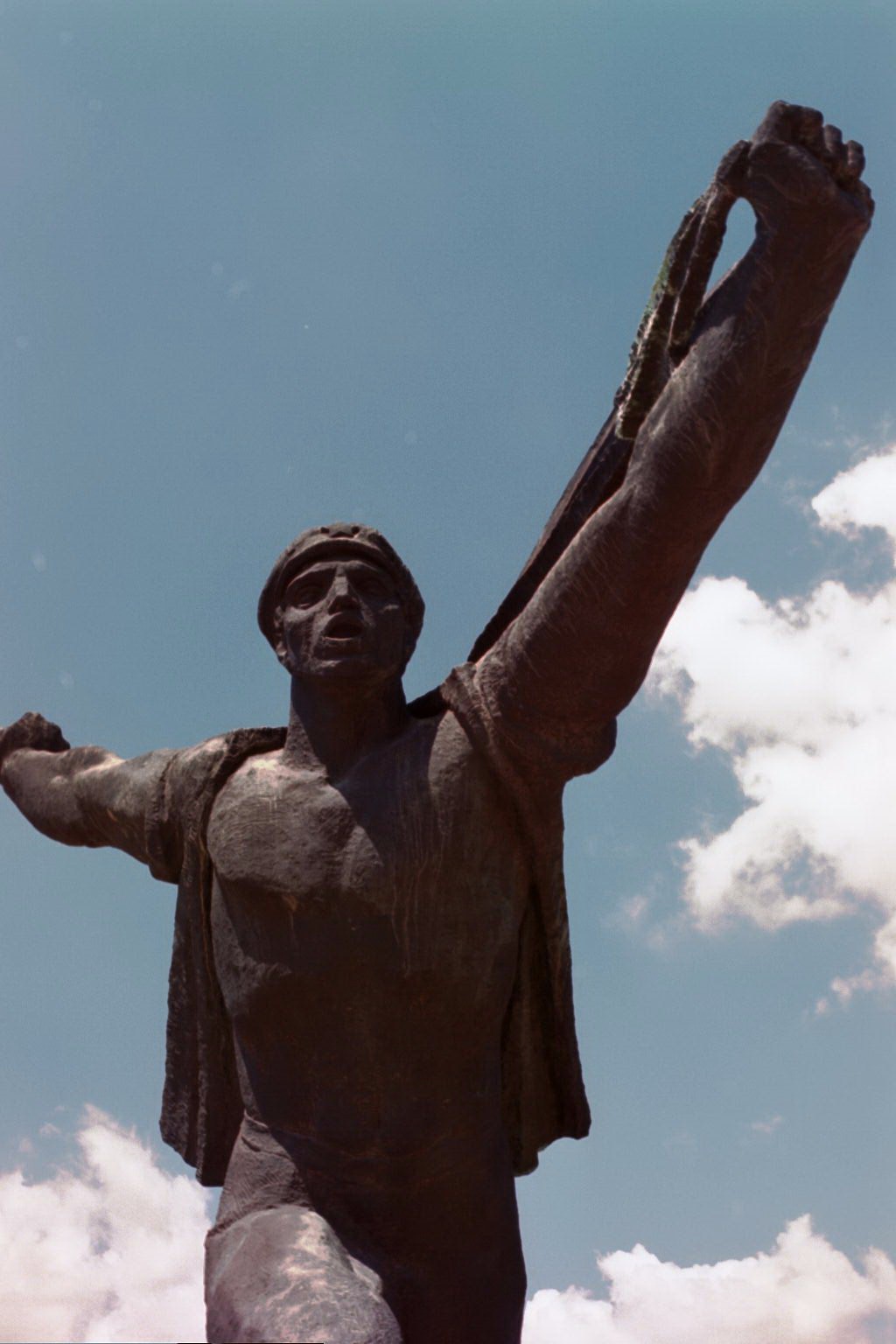
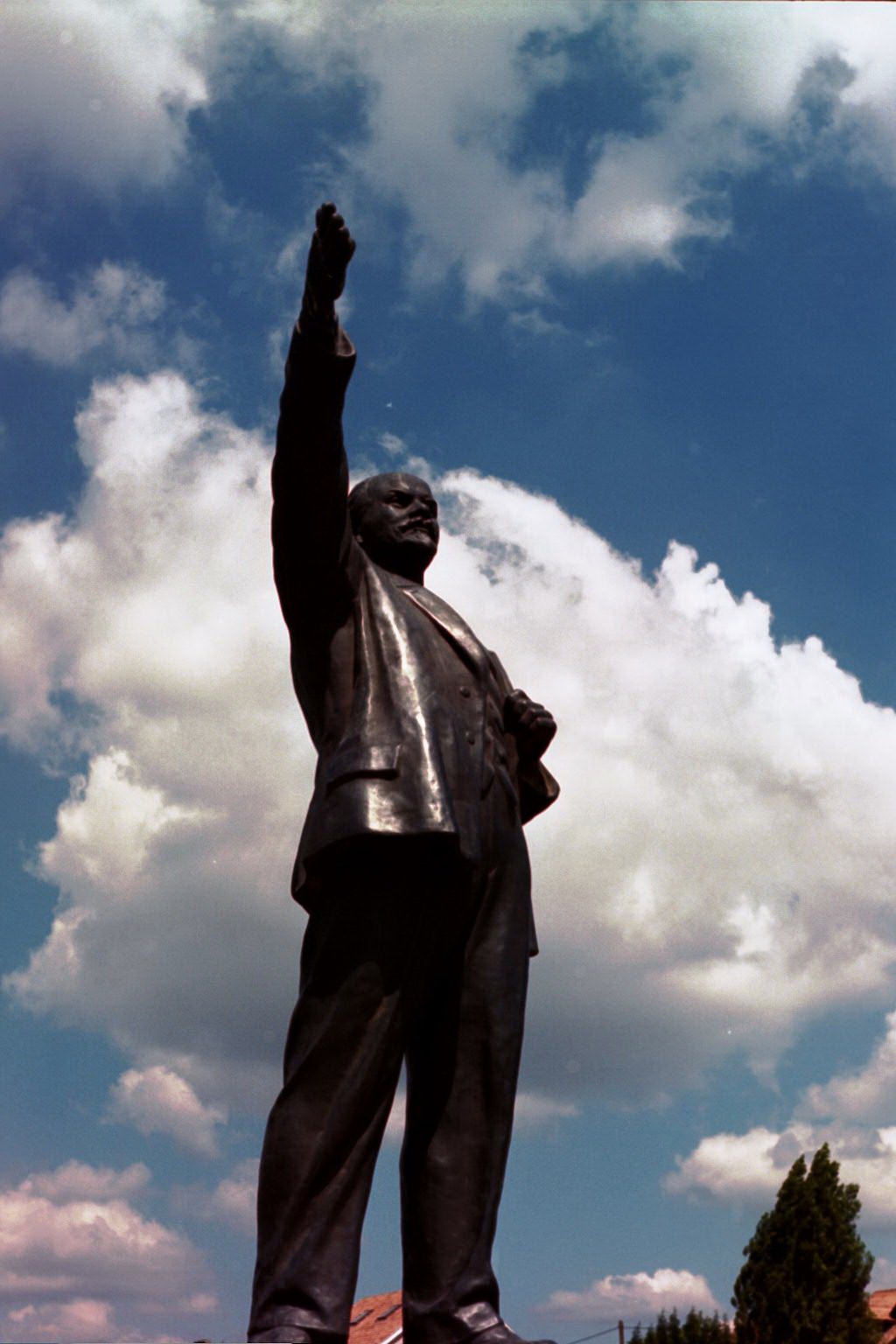
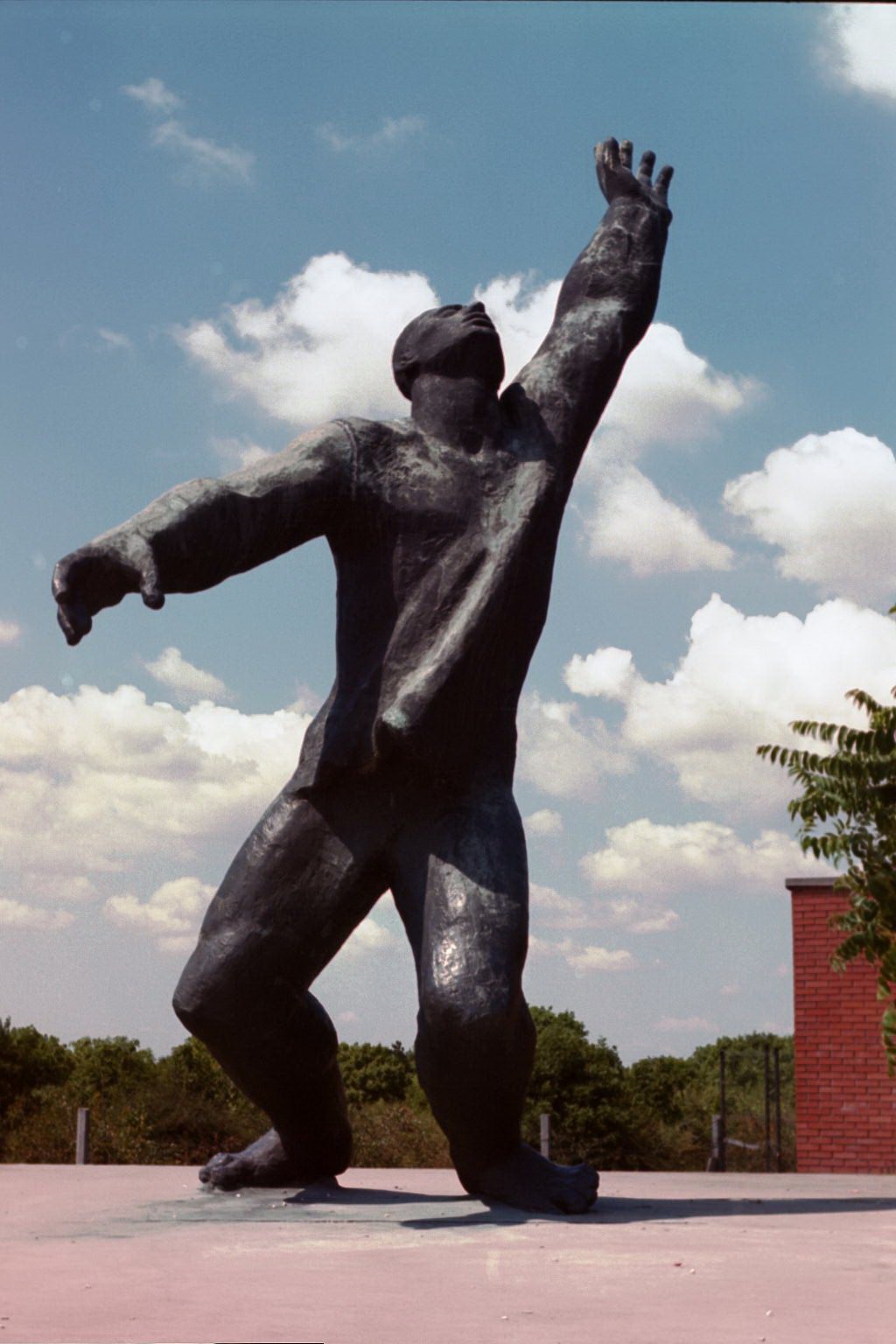
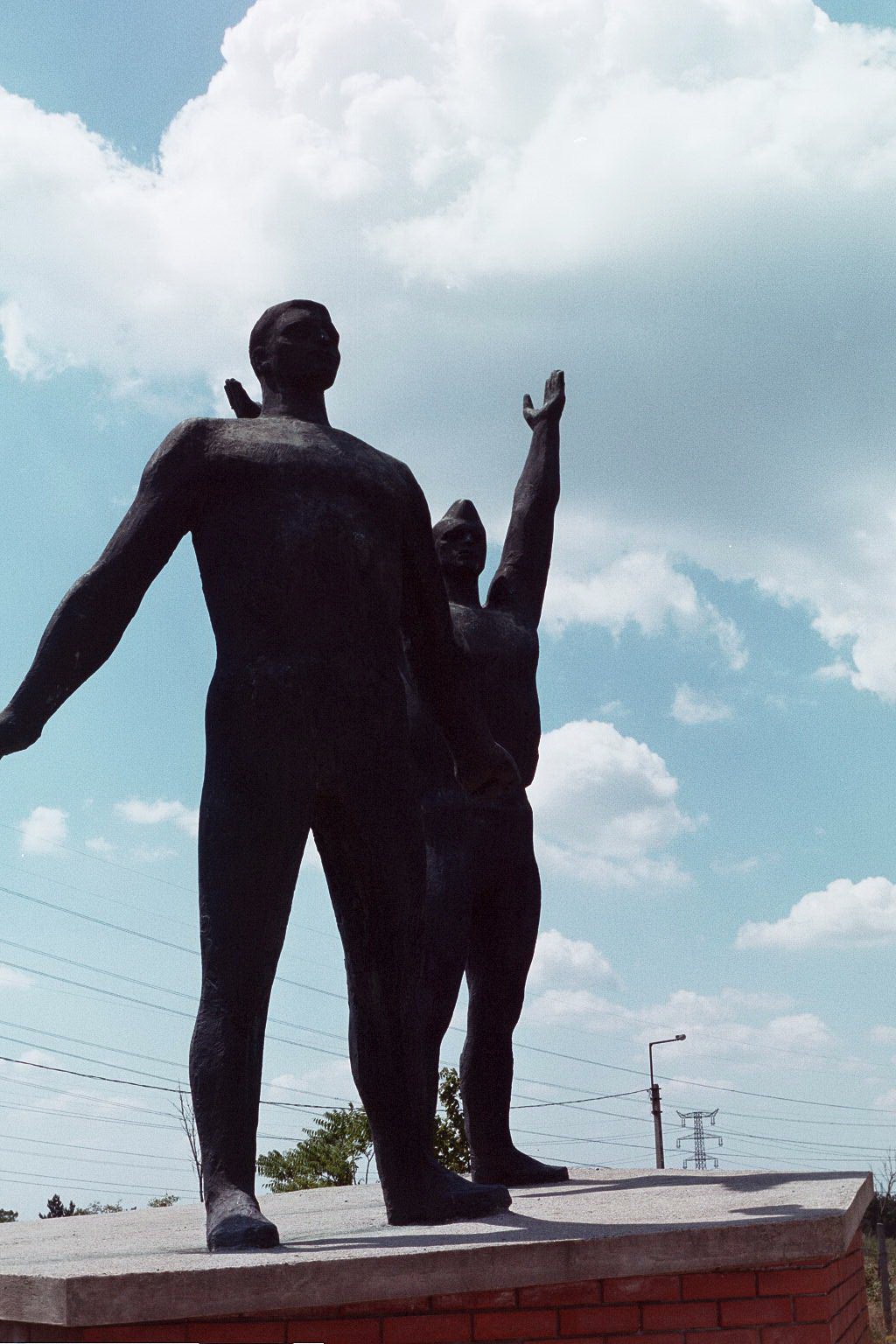
DAILY PHOTO: Where Old Commies Go to Die, Budapest

Taken in the summer of 2002 at the Szoborpark [Memento Park] outside Budapest

Apparently, reaching for things was big with the Commies. I couldn’t help but notice that a lot of the statues in Budapest’s Szoborpark [Memento Park] (the place where all the old rounded-up Commie artwork was taken to be scrutinized without being honored.) I assume they didn’t often catch what they were reaching for, or they wouldn’t have died out, having their art moved out to low-rent suburbs.

BOOK REVIEW: The Power of Podcasting by Siobhan McHugh

The Power of Podcasting: Telling stories through soundThe Power of Podcasting: Telling stories through sound by Siobhan McHugh
My rating: 5 of 5 stars

Amazon.in Page

This book is in part a how-to guide, and in part a history of podcasting’s rise, though a history that tries to look from within rather than from a distance as much as possible. The two major thrusts of the book are story and sound. Of the many varieties of podcasts that exist today, the focus of this book is on ones that are story-centric, be they non-fiction or fiction. [Of course, there’s an argument that all podcasts should employ story to some degree, even if they aren’t of a format that facilitates an overarching story.] McHugh, herself, uses stories and what I’d call meta-stories (i.e. the stories of how various podcast-delivered stories got told) extensively throughout the book.

With respect to sound, there’s a lot of background sound and music that makes the difference between a professional sounding podcast and one that’s not. This is a particularly difficult subject to grasp because – while one often experiences background sound and music drawing one deeper into the story (or – perhaps more accurately – one feels its absence as a vague sense of detachment,) one tends not to be aware of this background audio on a conscious level. Therefore, discussions that point out the thinking about background audio choices can be profoundly eye-opening for a neophyte, such as myself.

When I say that the book has a podcasting how-to aspect, I should emphasize it doesn’t get into the technical aspects (i.e. what kind of mic to buy and how to use it,) but rather it discusses such topics as scripting, interviewing, editing / reorganizing for effect, and starting out. The book also has chapters at the end about increasing diversity in what has been an extremely Caucasian-centric industry as well as offering insight into potential future directions of audio storytelling. Throughout. there are short interviews with individuals with expertise in the industry, and there’s an extensive appendix, listing podcasts and podcasting resources.

If you’re interested in starting a podcast or learning more about podcasting, I’d highly recommend this book.


View all my reviews

Contrast [Haiku]

a patch of leaves.
some: light green and veiny;
others: black blobs

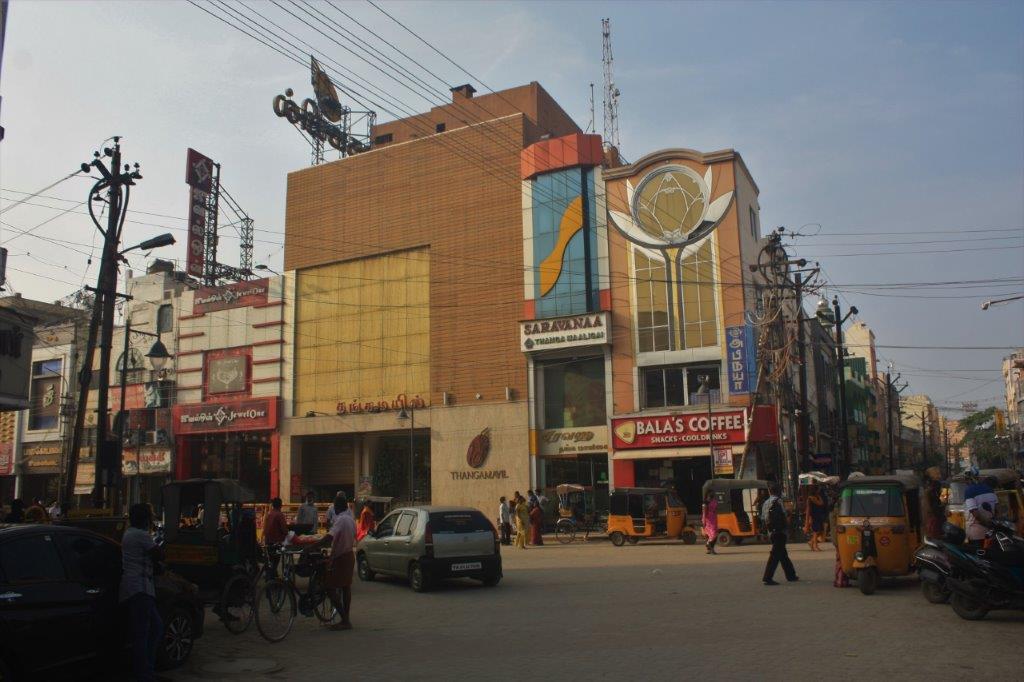
DAILY PHOTO: Streets of Madurai

Taken in December of 2020 in Madurai