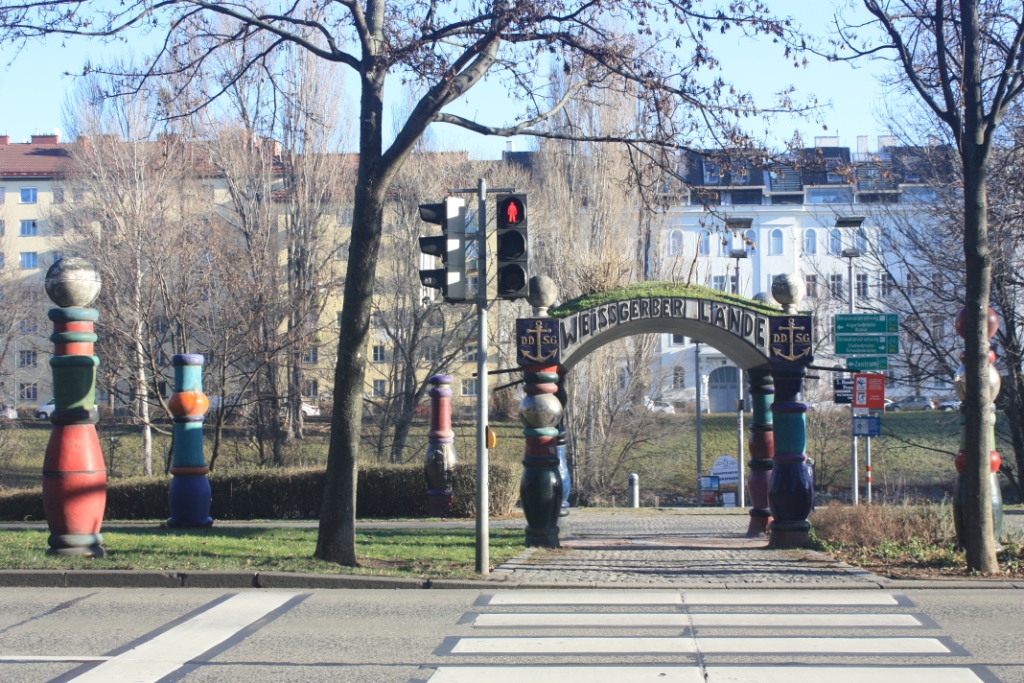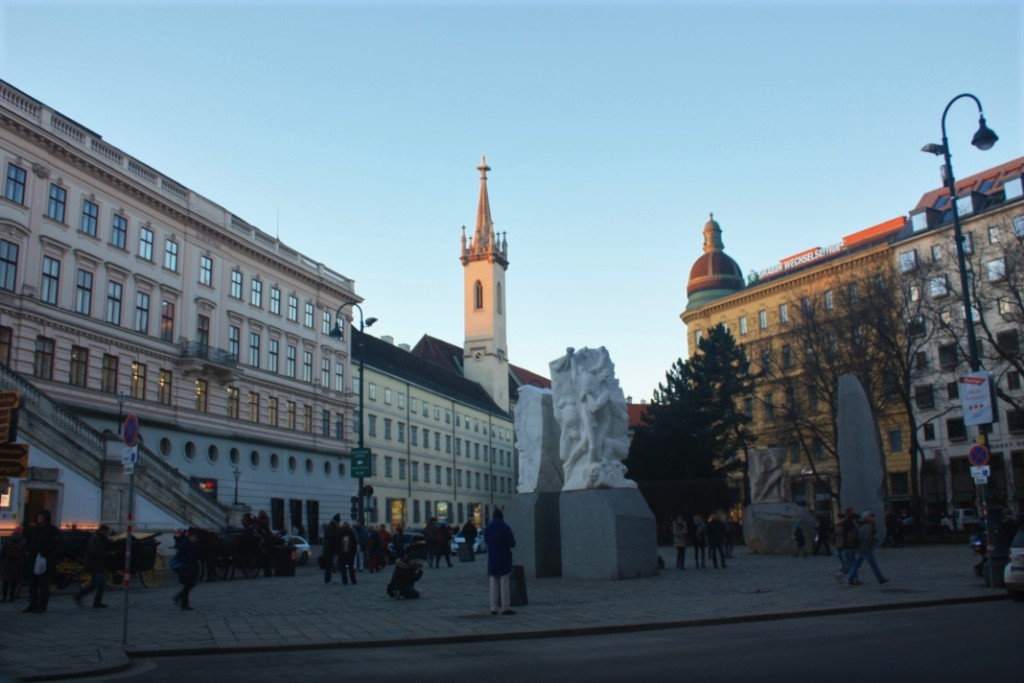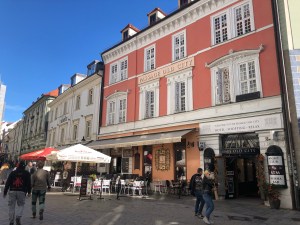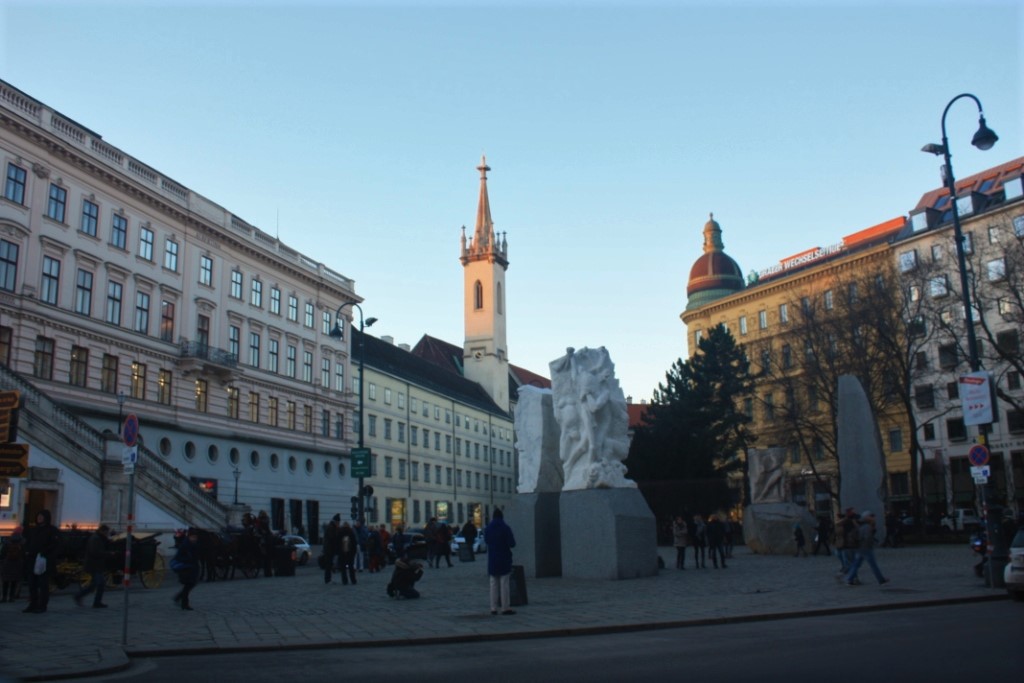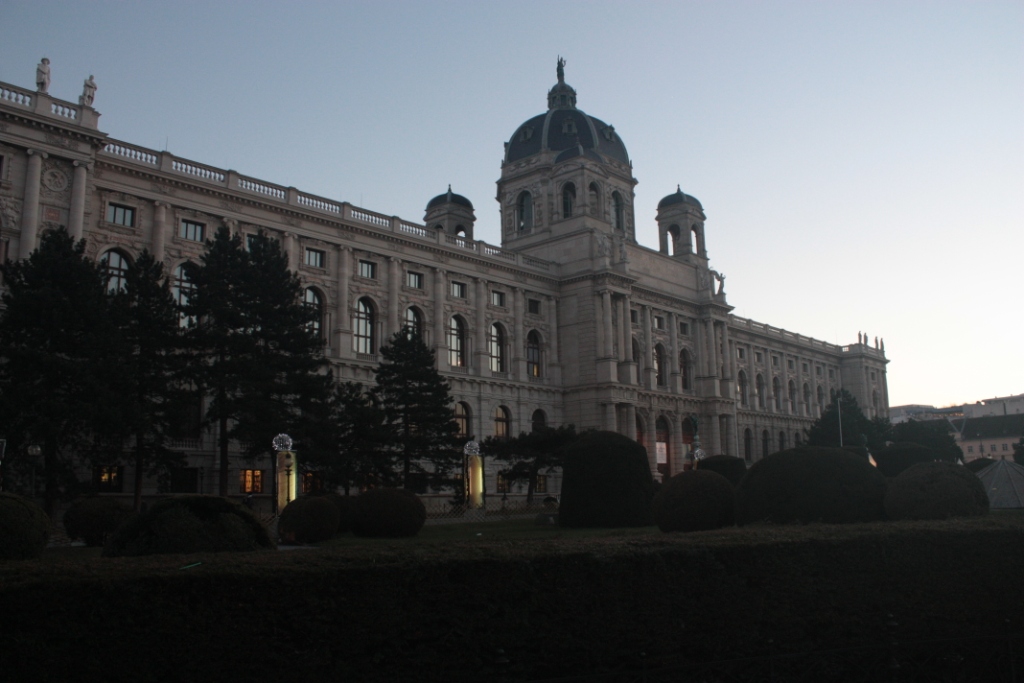
DAILY PHOTO: Sundown in Townsquare

Image

BOOKS: “The Habsburg Empire: A Very Short Introduction” by Martyn Rady

The Habsburg Empire: A Very Short IntroductionThe Habsburg Empire: A Very Short Introduction by Martyn Rady
My rating: 5 of 5 stars

Publisher Site – OUP

“Habsburg” is one of those names recognized as a big deal, but if one isn’t a history buff one might know nothing – or near nothing – about them. For many, the Habsburg Empire is synonymous with Austro-Hungary, but – in its heyday – the Empire controlled territory as far-flung as the Philippines and Mexico through marriages with the Iberian Peninsula royals. This guide hits the highlights of the Habsburgs from their 11th century beginnings to their demise in the wake of World War I.

Rady drops a lot of fun facts in this book in order to make it more than the dry retelling of war and marriage that often make up histories. Because this is a concise guide, these fun facts aren’t necessarily elegantly introduced, but sometimes appear to be tucked in willy-nilly, as with the sentence:

“Franz Ferdinand, besides being a maniacal huntsman who bagged an estimated 270,000 creatures (mostly partridges, but including two elephants), was convinced that the Habsburg Empire depended for survival on its comprehensive reorganization.”

What does the clause about being an avid hunter have to do with the discussion at hand? Absolutely nothing as far as I can tell, but it does capture one’s attention.

I feel I came away from this book with a better understanding of the Habsburgs, as well as with a few fascinating tidbits stuck in my brain — such as about the strangely long jaw bones of inbred royals. If you know nothing about the Habsburgs, but would like to, I’d highly recommend this book.

View all my reviews

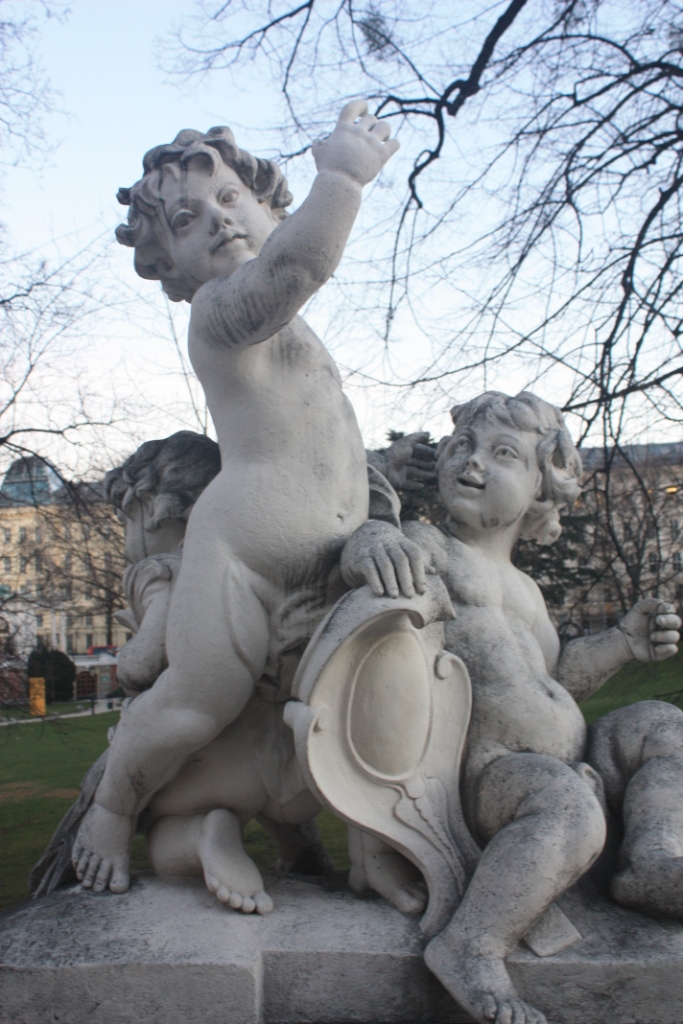
DAILY PHOTO: Viennese Sculptures

BOOKS: Wonderful Wonderful Times by Elfriede Jelinek

Wonderful, Wonderful TimesWonderful, Wonderful Times by Elfriede Jelinek
My rating: 5 of 5 stars

Amazon.in Page

If I said this book was A Clockwork Orange meets A Midsummer Night’s Dream it would be in some ways deceptive but in other ways, accurate. The book has none of the otherworldliness of those other stories and, instead, is set in a realistic 1950’s Vienna. Furthermore, those comparisons might confuse readers into not realizing this book is unambiguously a tragedy.

The book is set around four kids (Rainer, Anna, Hans, and Sophie) who like to beat up and rob adults, usually using a kind of catfishing scheme where they trick a middle-aged man into thinking he is about to have a getting lucky with Lolita moment before the other three gang up on the man in a moment of shock and awe. Here lies the “Clockwork Orange” comparison: youths enamored of violence as a means to combat the boredom and meaninglessness of their lives — possibly while passing on the abuse they receive in their own lives.

The “Midsummer Night’s Dream” part comes in with the book’s love geometry. Like that Shakespearean play, there are two boys and two girls and both boys are in love with the same girl (Sophie,) leaving the other girl (Anna) in a sad unrequited territory.

The book won’t be everyone’s cup of tea, and not only because it deals heavily in sex and violence. There are a couple factors that make the book feel strange. First of all, it is written in present tense. Secondly, it spends a lot of time in the minds of the characters and relatively little time with the action. Thirdly, the pacing of the conclusion and resolution of the book is abrupt and might feel forced — like the author was 245 pages in when the publisher told her that she had 250 pages, maximum, and that she’d better be wrapping it up. I didn’t find any of these factors to be problematic, but I can see how they would rub some readers the wrong way.

If the premise intrigues, you should definitely read this book – particularly if the previous paragraph’s warning didn’t turn you off.

View all my reviews

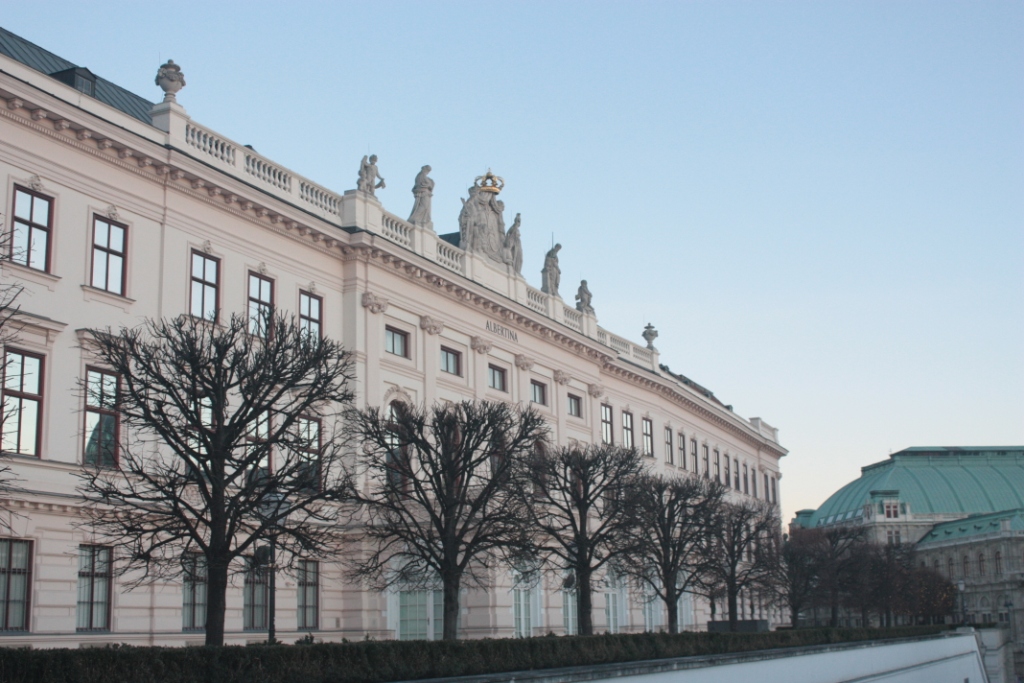
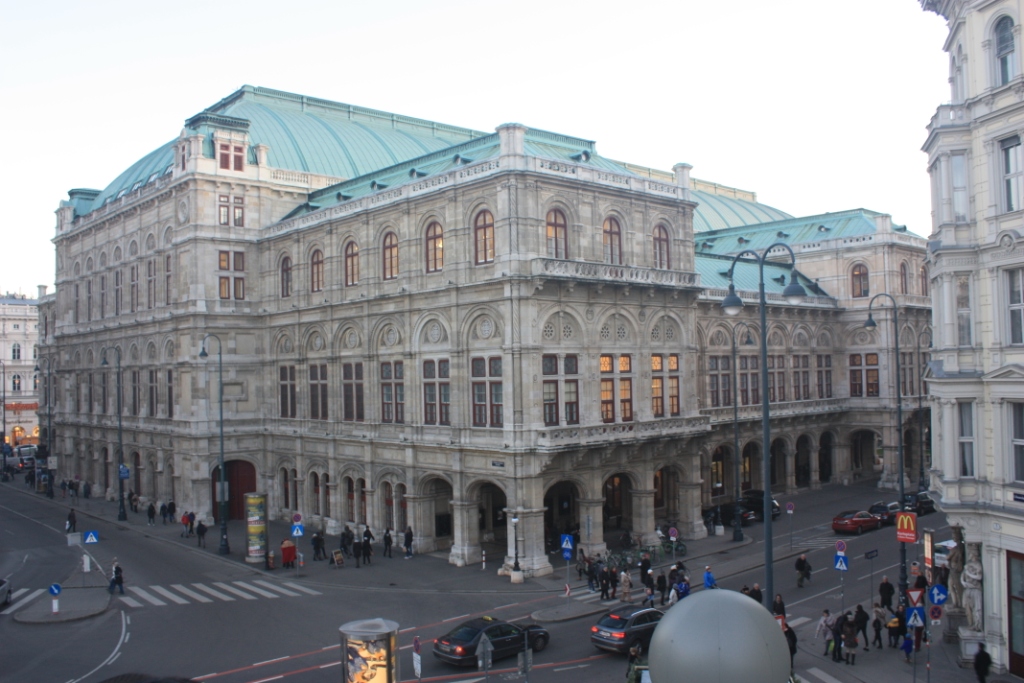
DAILY PHOTO: Dusk in Vienna

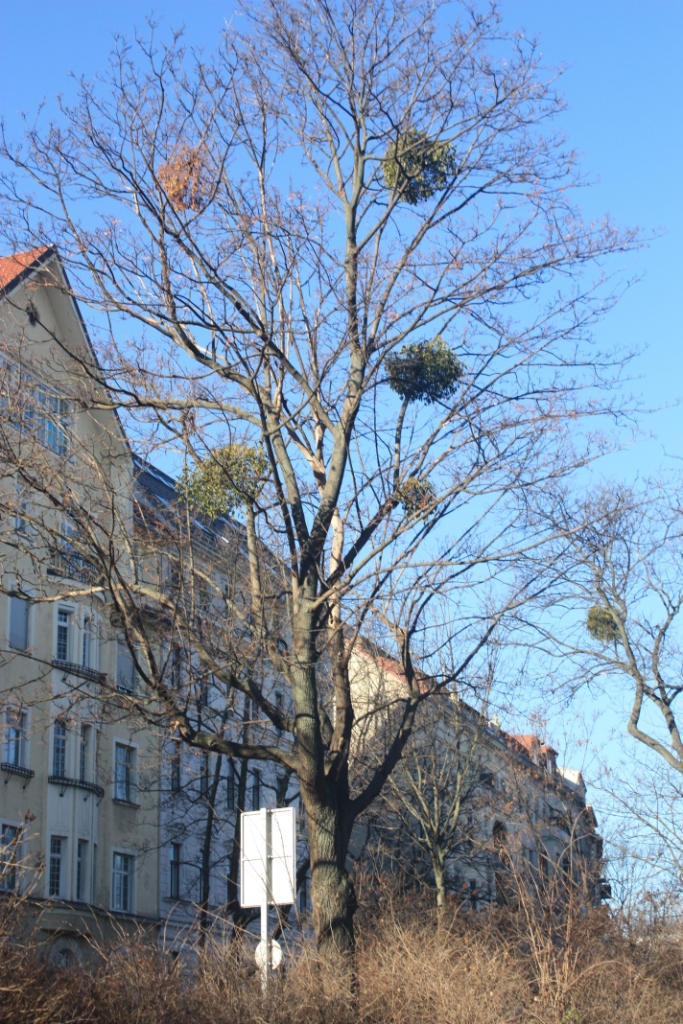
Mistletoe Limerick

A young man of Vienna was caught off guard
smooched by a stranger beside the churchyard.
There's mistletoe
that naturally grows
in the trees above that Viennese churchyard.

Vienna Limerick

There was a famed therapist from Vienna
who knew the source of all angst and each dilemma.
"Sexy thoughts of your mom
made you fear the A-bomb!"
"Uh, it started last week when I fell from an antenna."

Bratislava Limerick

A multiethnic gourmand of Bratislava 
liked to go downstairs for a hot java,
then over to Hungary
for torte topped with berry,
and on to Vienna for a slice of baklava.

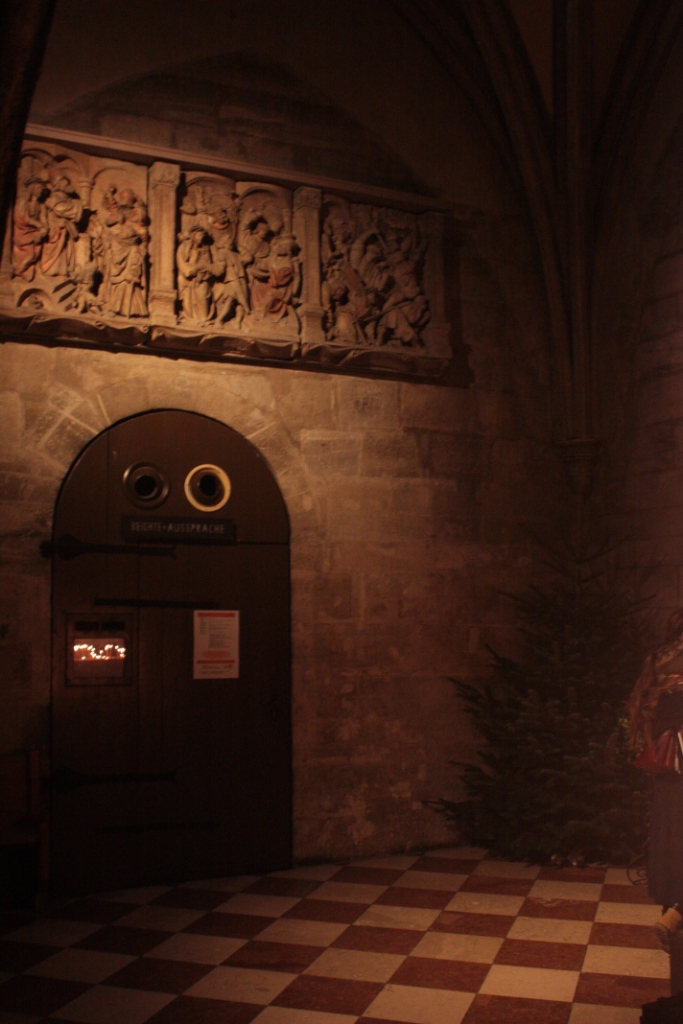
DAILY PHOTO: Confessional in St. Stephen’s

Inside St. Stephen’s Cathedral in Vienna in December of 2016

Viennese Limerick

There was a lovely lass from Vienna
who couldn’t attend balls without a duenna.
Men wooed like gangbusters,
but dad didn’t trust her.
So, her’s was the meanest duenna in Vienna.