BOOKS: “A Man Was Going Down the Road” by Otar Chiladze

A Man Was Going Down the RoadA Man Was Going Down the Road by Otar Chiladze
My rating: 5 of 5 stars

Publisher Site

This is the English translation of a novel considered to be one of the most important literary works of Georgia (i.e. the country, not the state) in the twentieth century. The multigenerational tale adapts from Greek Mythology, most notably the story of Jason and the Golden Fleece and Daedalus and Icarus (the former taking place early in the book and the latter towards the end.)

Given its pacing, multigenerational sprawl, and the rambling ordinary life interactions between big events, this book isn’t of the highest readability, but that has its benefits. Supposedly, the author was taking digs at the Soviets and their invasions and operations in Georgia, but – apparently – the Soviet censors never made the connection due to the abstruse nature of the story. Otherwise, we might not have this book to read, today.

Regardless of my comments about readability, the book does have a number of positive things going for it. I found the translation to have some beautiful stretches of language. There was an opening paragraph of one of the latter chapters that floored me. Also, it’s not all soap opera, the more intensely plot-driven bits are compelling, most notably the Golden Fleece story.

I’d highly recommend this book for readers who don’t mind the challenge of literary fiction pacing and everyday minutiae.

View all my reviews

“Spring Rain” by Natsume Sōseki

Spring rain:
a walk amid
wet willows.

“Night Mooring” by Zhang Ji [w/ Audio]

The moon sets; crows caw below frosty skies.
Boats, moored to maples -- lamps glow like cat eyes.
Cold Mountain Temple, outside Gusu's bounds:
The midnight bell cuts off soft water sounds.

“Circular Portrait” by Ikkyū [w/ Audio]

The monk’s entire body is present
in this great circle.
Xutang’s true face and eye
emerge from it.
The blind singer’s love song delights
flowers for ten thousand springs.

Translation by Kazuaki Tanahashi and David Schneider in Essential Zen (1994) HarperSanFrancisco.

“What Was Her Blondness Like” by Juhász Gyula [w/ Audio]

What was her blondness like? I can't recall,
But I do know the blondness of the fields,
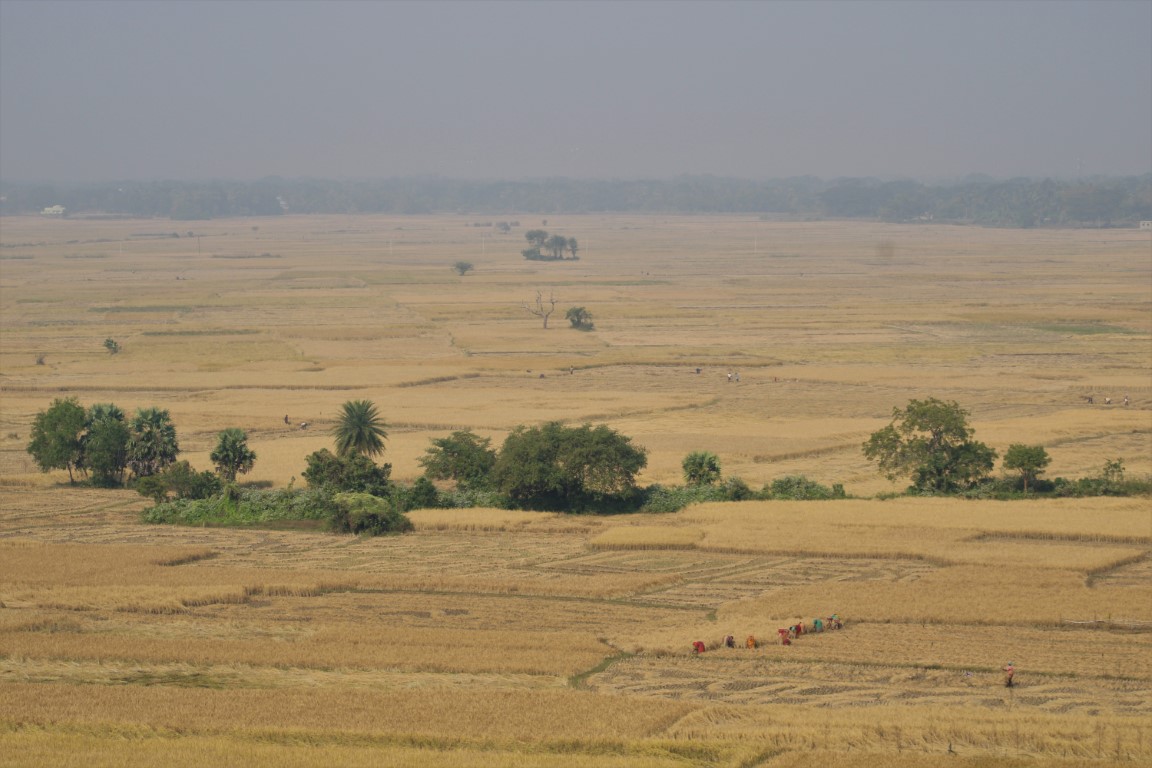
When the wheat fields' grain ripen in the Fall,
And in this blondness her presence I feel.

What were her blue eyes like, I can't recall,
But I do know the blueness of the sky,
September morn, or later in the Fall,
And then again I do feel her nearby.

What was her silky voice like? Can't remember,
But in springtime, when fields begin to sigh,
I feel that Anna's voice is calling, tender,
From a past Spring that's as far as the sky.

Translation by Frank Veszely in: Hungarian Poetry: One Thousand Years. 2023. Manitoba, CA: Friesen Press.

“The great road has no gate” by Tiāntóng Rújìng [w/ Audio]

The great road has no gate.
It leaps out from the heads of all of you.
The sky has no road.
It enters into my nostrils.
In this way we meet as Gautama's bandits,
or Linji's troublemakers. Ha!
Great houses tumble down and spring wind swirls.
Astonished, apricot blossoms fly and scatter -- red.

Translated by Mel Weitsman and Kazuaki Tanahashi; printed in: Essential Zen. 1994. HarperSanFrancisco, p. 136.

Note: While Rujing was Chinese he was teacher to the prominent Japanese Zen Teacher, Dōgen Zenji, the latter published this and other poems, hence the dual categorization of it as Chinese and Japanese Literature.

“Wine Spring” by Pan Lang [w/ Audio]

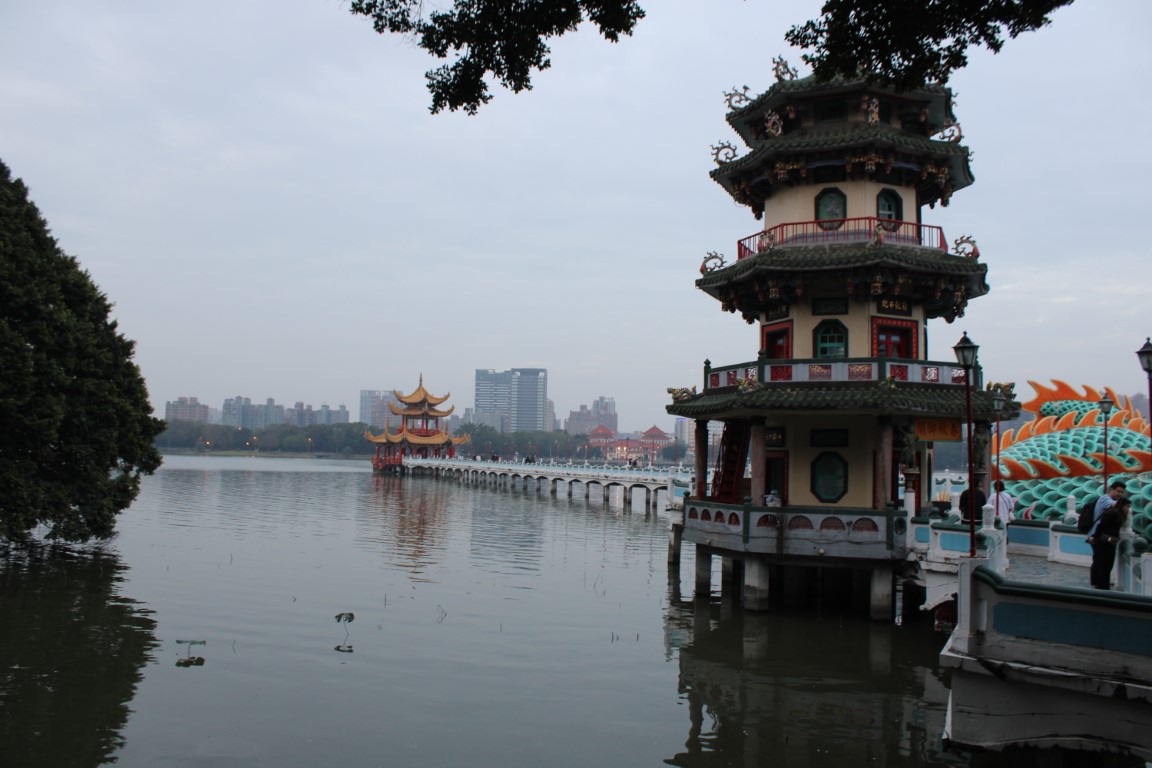
I remember viewing the West Lake
While leaning on a pagoda rail.
The boats all clustered in threes or twos.
The islets under deep Autumn blues.

Flute song arose from among the cattails.
And a line of white birds - overhead - sailed.
I planned to fix my old fishing pole,
but clouds on water had my mind & soul.

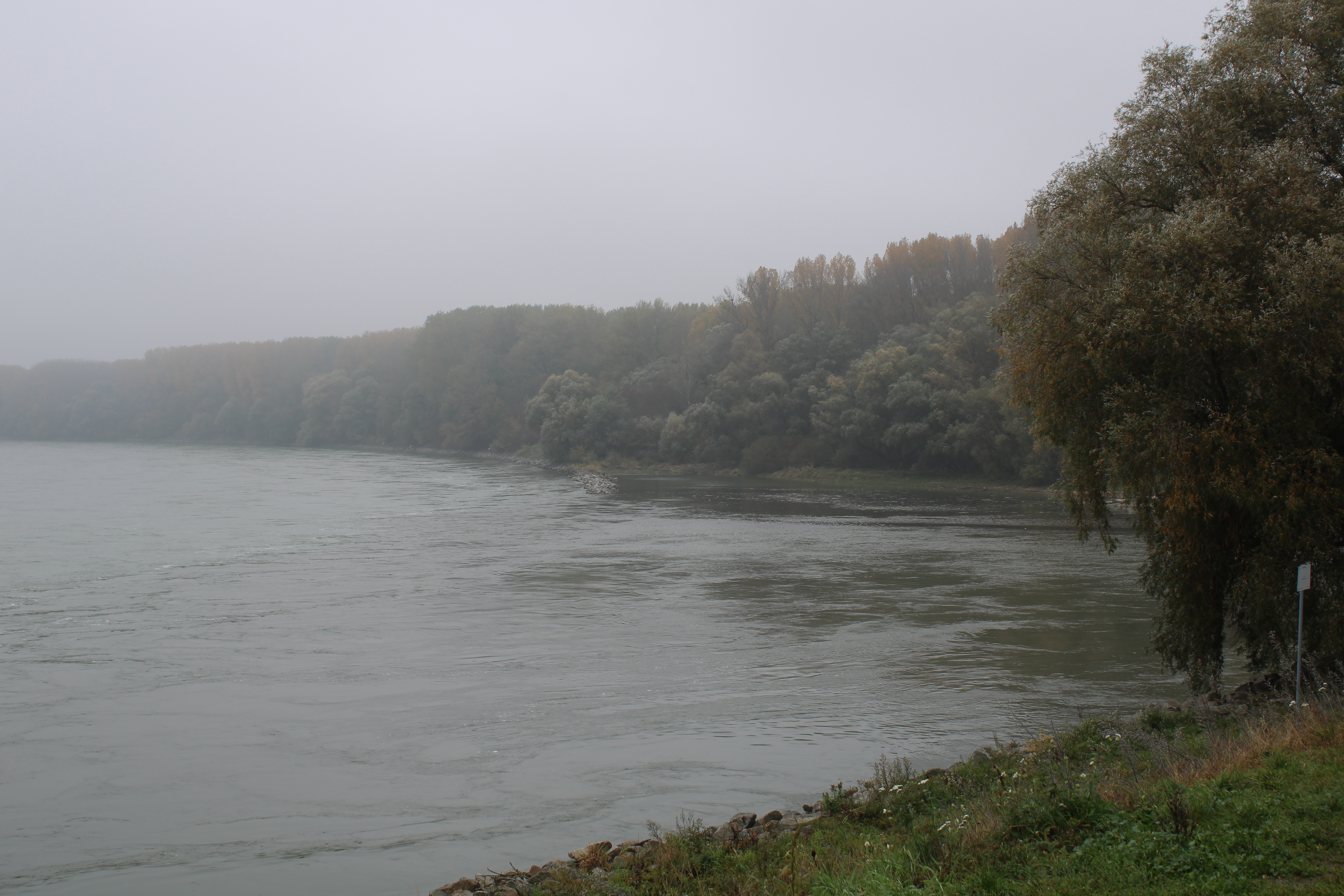
“Nightfall on the Tisza River” by Géza Gárdonyi [w/ Audio]

Up comes the Moon on the river,
Trees and grass quietly quiver.
Near Szeged a wooded island,
Od fishing barque, tied to the land.

By the moonlight, on this barque, old,
Sat a fisherman I am told,
Played a tune as well as he might,
Played it well, well into the night.

On the Tisza, velvet darkness,
Starry sky, the stars numberless,
Spread a shroud studded with diamonds
Radiating starry light fronds.

May have been this very spot, hark!
Right under this rickety barque,
In the very depths of the deep
An ancient king's sleeping his sleep.

His coffin is gold and silver,
Of iron is made its cover.
Up the river is glistening,
Down the ancient king, listening.

Translation by Frank Veszely in: Hungarian Poetry: One Thousand Years. 2023. Friesen Press: Altona, MB, Canada.

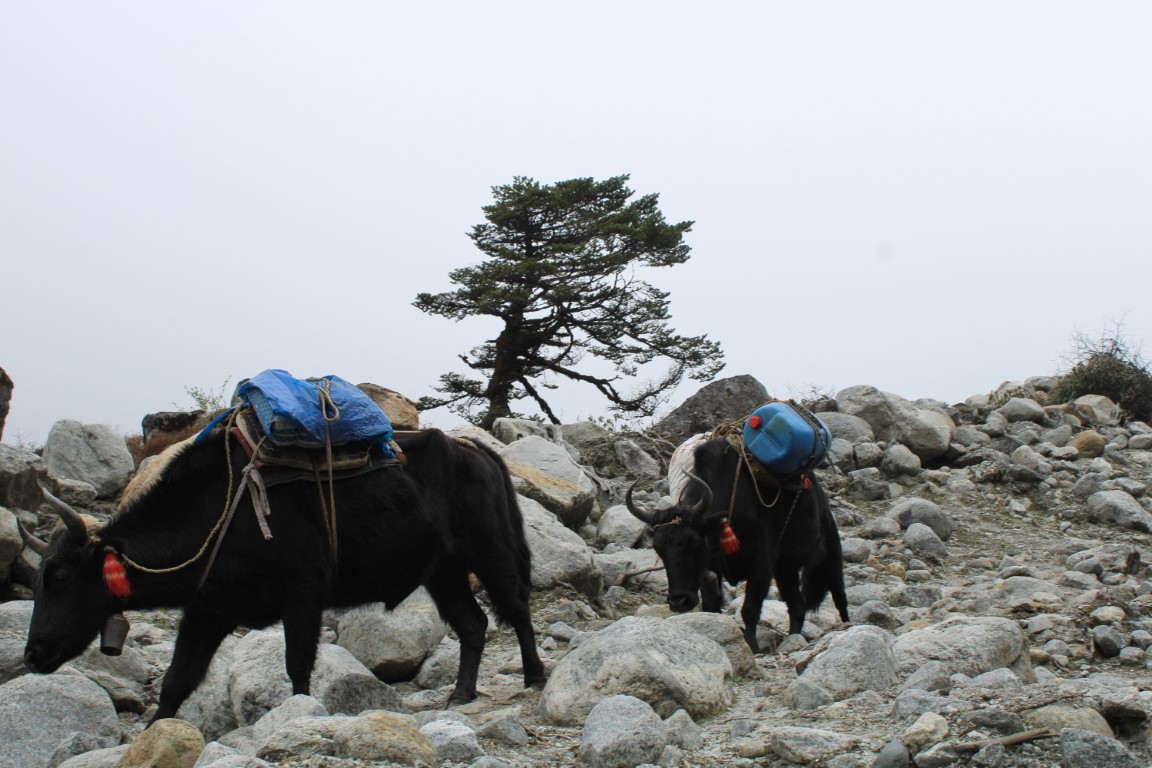
“Ox” by Ikkyū [w/ Audio]

Among other creatures this is what I was.
Abilities depend on the realm;
realm also depends on abilities.
At birth I forgot completely by which path
I came.
I don't know, these years, which school
of monk I am.

Translation by Kazuaki Tanahashi and David Schneider in Essential Zen. 1994. HarperSanFrancisco.

“I’ll be the tree…” by Sándor Petőfi [w/ Audio]

I'll be the tree, if you'll be its flower;
I'll be the flower, if you'll be the dew;
I'll be the dew, if you'll be the sunshine
That glistens as it unites we two.

If you, My Love, should become the Heavens,
I'd be reborn as a star on high.
Even if you turned into Hell, itself,
I'd be damned, and I'd gladly fry.

The Original Poem in Hungarian:

Fa leszek, ha fának vagy virága.
Ha harmat vagy: én virág leszek.
Harmat leszek, ha te napsugár vagy...
Csak, hogy lényink egyesüljenek.

Ha, leányka, te vagy a mennyország:
Akkor én csillagá változom.
Ha, leányka, te vagy a pokol: (hogy
Egyesüljünk) én elkárhozom.