Seven Seaside Poems

IMG_1806I.

Wind kicks at her hem.
The skirt flaps and snaps.
White cotton surrendering
to stiff seaside gusts.
A palm shoots to thigh
to bar the immodest scene
of goose-bumped flesh.

II.

A fishing boat chugs through the sound.
Puttering on sputtering engines
–then silence and drift.
A surefooted seamen stands and slings
a net that splays open like pizza dough.
It lands gently on shimmering seas,
and sinks into green-blue waters in slow motion.
Trying to snare an unsuspecting catch.

III.

Snorkelers ride the swells
like drifting corpses.
Legs unkicking
Arms unstroking
Mesmerized by a new world below
Awe expires from tubes,
rising and evaporating in sun-warmed air

IV.

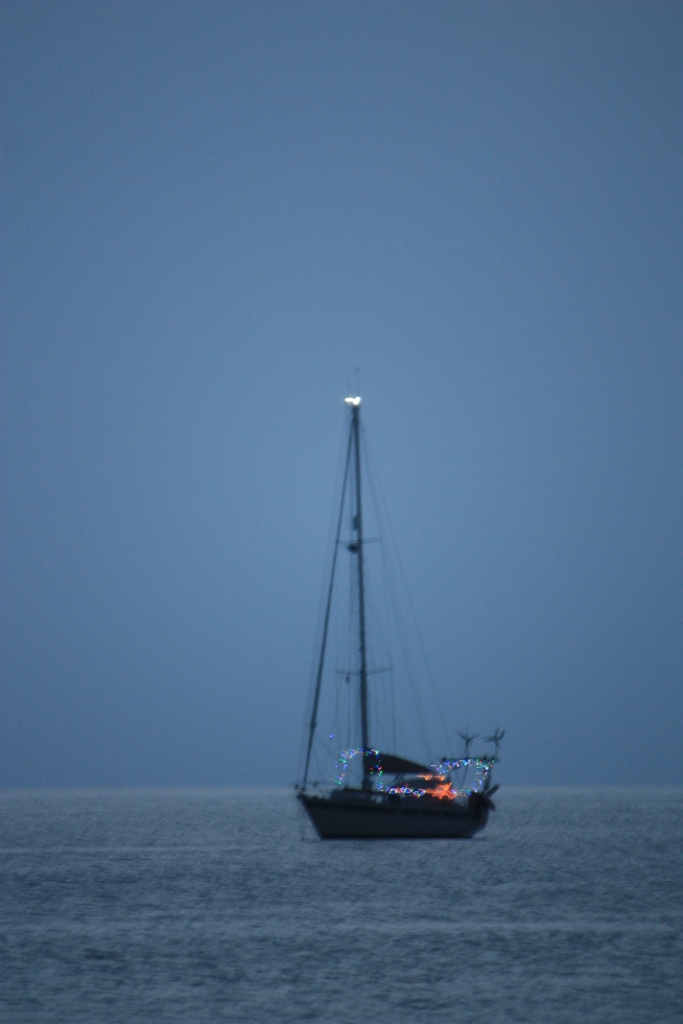
Sailboats rock like metronomes–
masts counting out a rhythm,
a planetary pulse

V.

Trudging ashore,
retreating seas pull sand underfoot
He leans into the trudge,
his body-weight barely defeating the sea’s suction.

VI.

Red and white lanterns drift aloft.
Slanting up into night skies over the bay.
Light flickers and dances
before flashing into cinder
that will fall silently into churning waves.

VII.

Water gurgles in rocky sumps at the sea’s edge.
The tiny caverns floods like a heart chamber,
scurrying metallic green crabs flee out onto the rocks.
No two tides are identical–nature surprises even veterans.

DAILY PHOTO: Half a Tree is Better than None

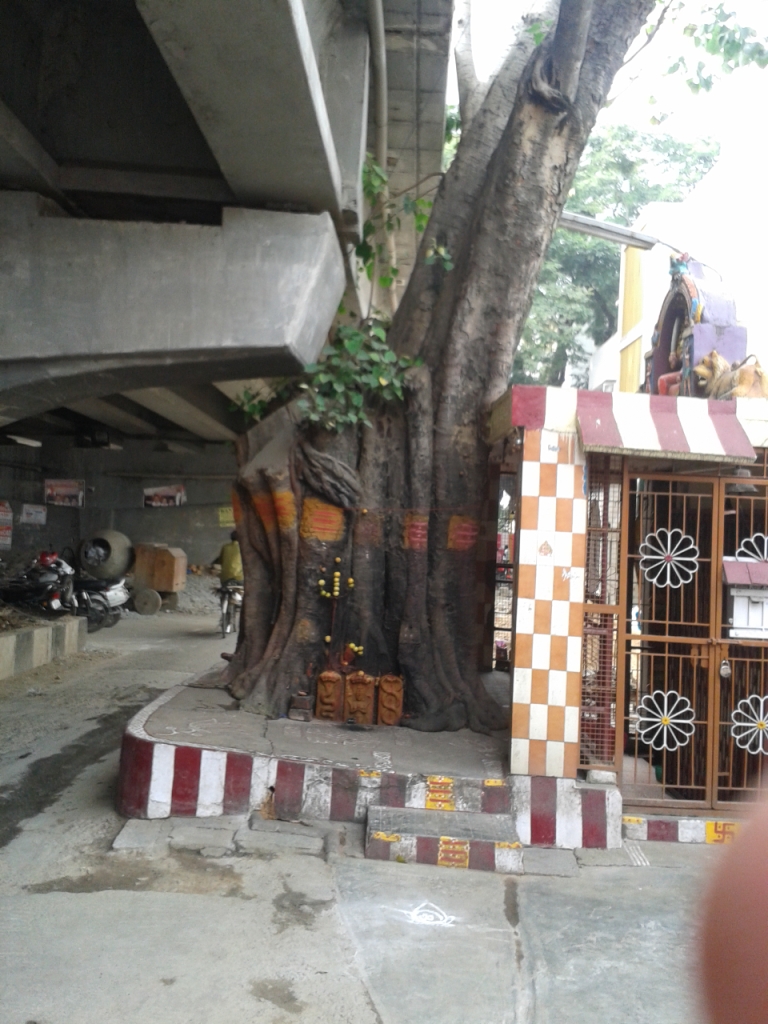
Taken December 7, 2013 in Cox Town.

Taken December 7, 2013 in Cox Town.

I took this photo yesterday in Cox Town as we were walking over to the United Charities Bazaar (a great and highly recommended event.) It’s a tree that juts out into the road next to a small Hindu temple. When they put in a flyover, they cut away quite a bit of the tree, but the part that remains seems to be thriving.

When one moves to a new country, one experiences a wide variety of cultural insights. All of a sudden, this invisible thing called culture becomes visible. There are, of course, many norms that grate on one’s nerves with respect to the culture one has been transplanted into. In the vast majority of cases, there isn’t anything inherently wrong with the new culture–they are just differences, just shocks to one’s system. There are a few cultural proclivities that one can fairly say are objectively inferior, and it’s a testament to India that they are trying to fix these problems (e.g. by outlawing the caste, by trying to prevent killing off of girl children, etc.)

However, if one is honest with oneself, one also gains insight into one’s native culture, and its particular inferiorities.  As I said, we take culture so for granted that we don’t necessarily even see the peculiarities of our own culture. One of the Indian  norms that I find most laudable is the preservation of living things to the extent possible. Put alternatively, one of the norms of my own culture that I’ve come to find most dismaying is the belief that anything that causes a person the least inconvenience must die immediately.

I imagine that some Westerners in India find it to be a pain to have to step out into the street when walking down the sidewalk because there are occasionally ten-foot diameter trees hogging the whole sidewalk. In the US, they’d just cut down the big tree and replace it with a dwarf tree of some sort that would never give them a problem–and if it did, just get out the saw.

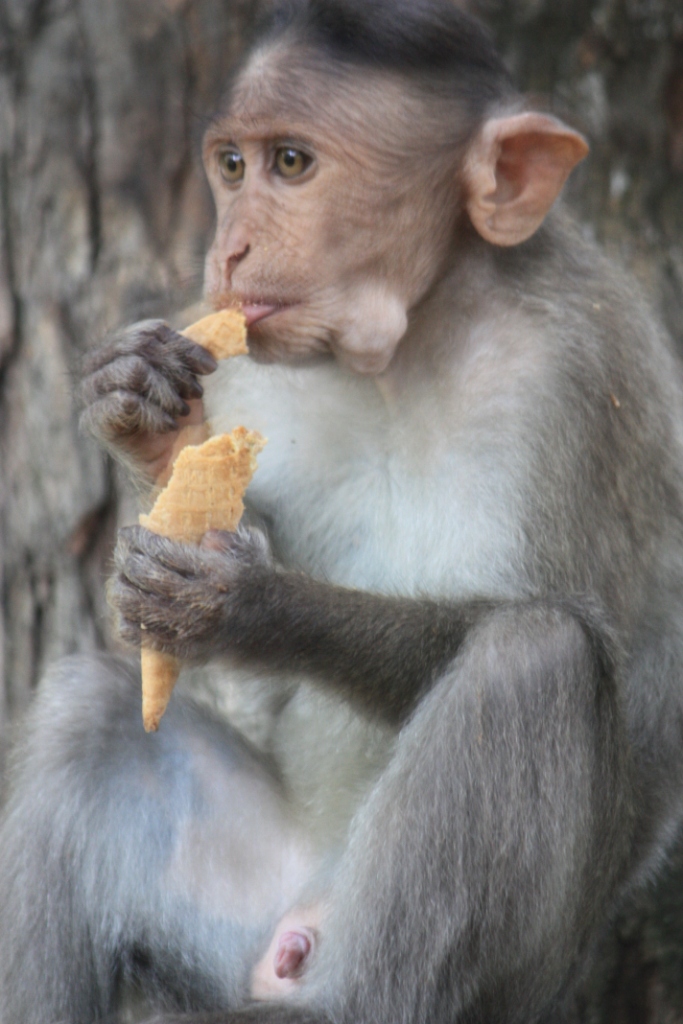
POEM: No Chunky Monkey

IMG_1346there’s nothing sadder than a monkey

who’s grown pudgy, blown up chunky,

and become a Mars Bar junkie

just cause we’re genetically entwined

makes it neither right nor kind

to give them a bootilicious behind

 when swinger’s branches threaten break

and under foot the earth it quakes

it’s then too late to lay off the cakes

when dealing with our friends furry

remember no ice cream or curry

no panicked food drop and scurry

 IMG_1439

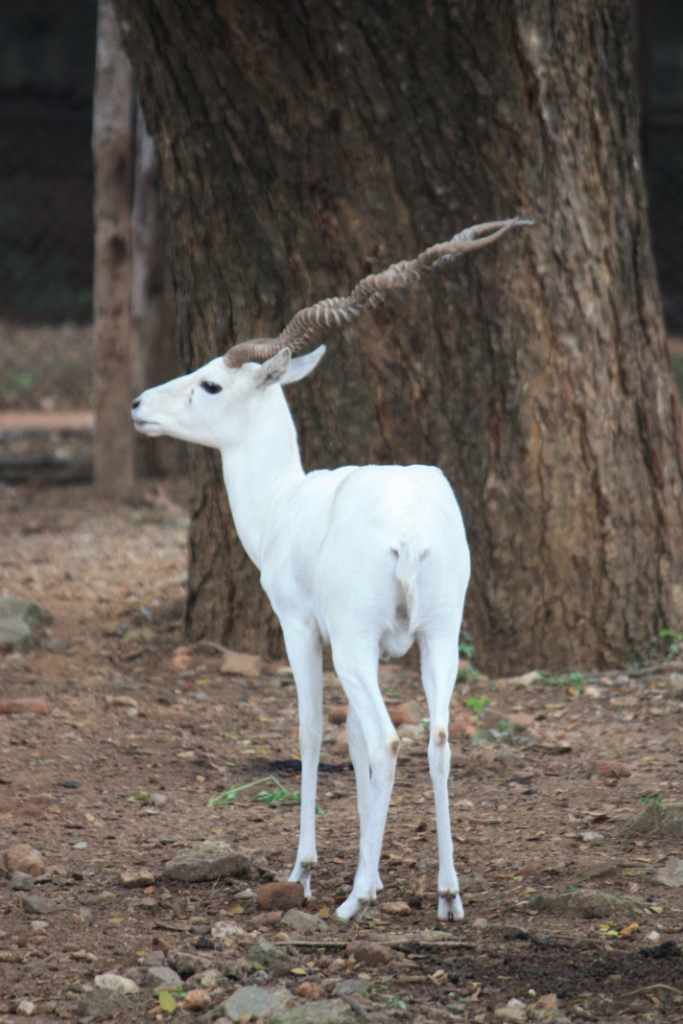
DAILY PHOTO: Albino Black Buck

Taken November 29, 2013 at the Mysore Zoo.

Taken November 29, 2013 at the Mysore Zoo.

There’s something about this picture that strikes me as not of this world. The albino creature contrasted against the earth-tone environment. One expects to see a deer in a verdant patch where it can meet its grazing needs, not on barren, stony soil.  Then there are those wicked screw-bit horns, seeming a little out of place on bambi–like fangs on a butterfly.

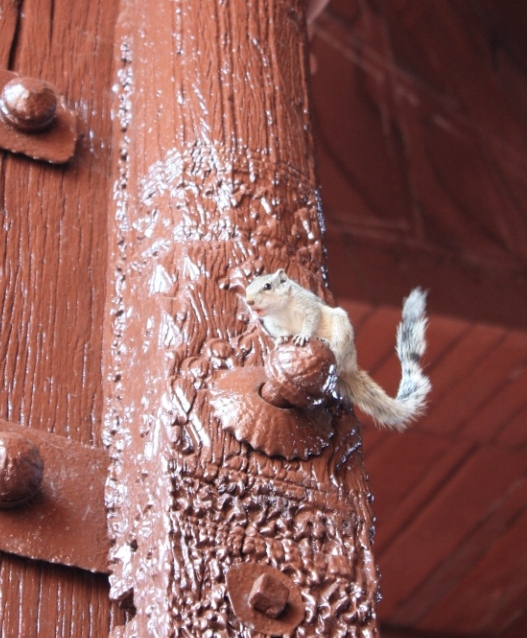
POEM: Scared Little Chipmunk

Taken at Fatehpur Sikri

Taken at Fatehpur Sikri

Poor little rodent, run up a door.

Chattering and chattering, frantic, he swore.

Babel Fish Rodentia translated his words:

“It’s not bad enough, the cats and the birds,

hectic humans and their frantic pace,

always running about like they’re in a race.

Stuck on this peg for nigh half a day.

‘A break in the traffic’, I fervently pray.

Pfff! Bipedal humans with their gigantic feet

designed to crush chipmunks right in the street.”

HAIKU: Notes From an Evening Walk

Bat black skies above
Jinking, rolling, and dipping
Dog-fighting for food


The Morning Glory
After dark is monotone
But remains shapely


A pack of street dogs
Bursts into barking, relief
Their mark? Lunchbox man,


Shadow silliness
Man flails his arms overhead
Walking behind me

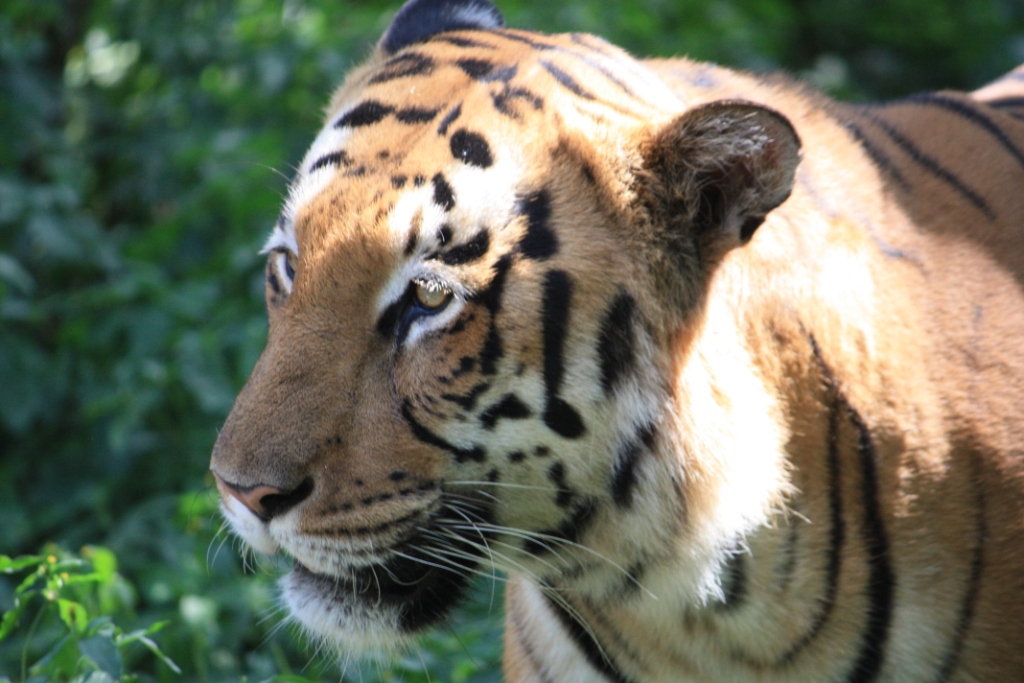
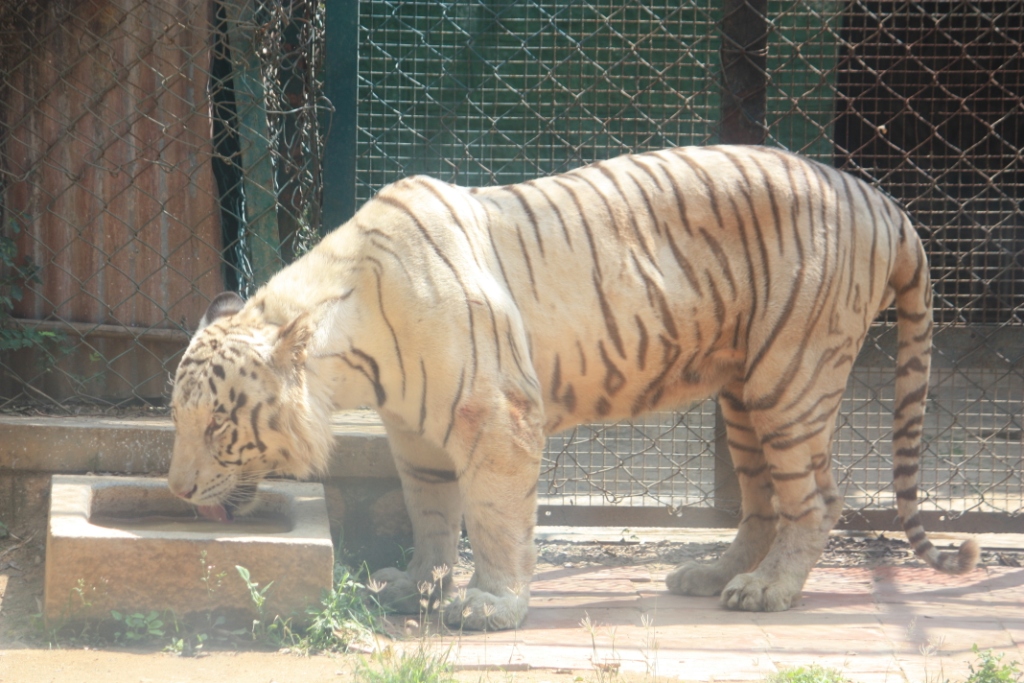
DAILY PHOTO: Gazing Tiger, Drinking Tiger

Taken November 10, 2013 at Bannerghatta.

Taken November 10, 2013 at Bannerghatta.

White Tiger drinking

White Tiger drinking

Bannerghatta has several tigers, two of which are white tigers, that can be seen on the “safari.” It’s not a safari in the usual sense, as the cats are in fenced off containment zones and segregated from their food. One rides in buses or jeeps in through a double-fenced gate, and then through the area.

At some point it occurs to you that they are in the larger area, with greater freedom of movement, and so in some sense one is on exhibit for the animals. The vehicle even has steel mesh over the windows to make the caging experience complete.  There are periodical camera portals to give one the illusion that it’s all for the humans’ entertainment. 

There are several enclosures to keep lions, tigers, and bears separated.

I saw tigers looking, drinking, walking, stalking, and sniffing–but not crouching. I didn’t see a dragon, and so I must assume that it was hidden.

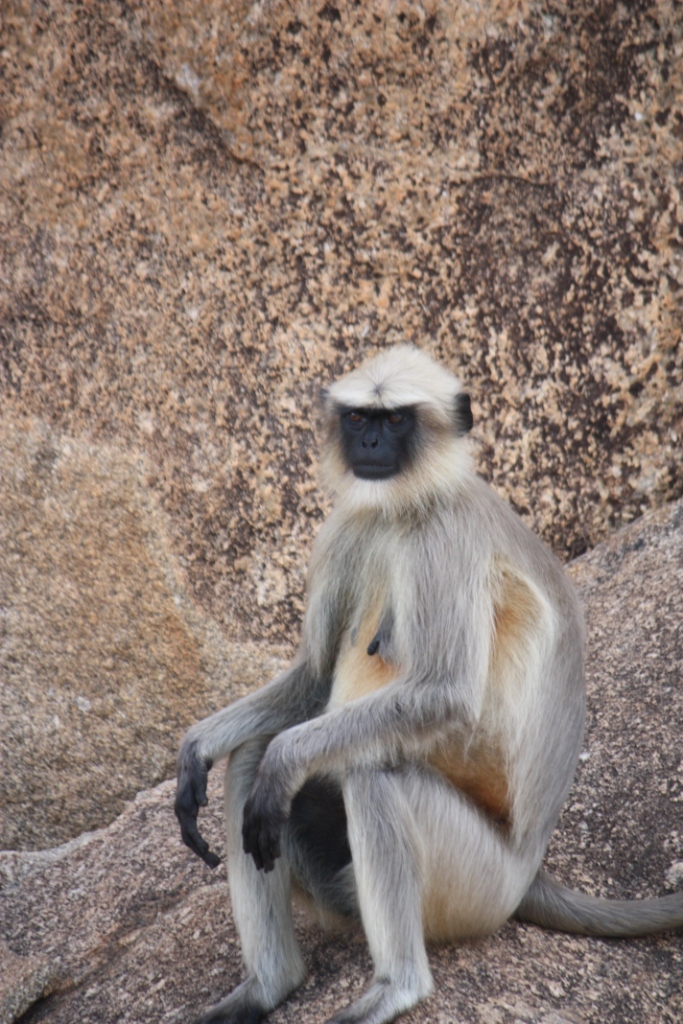
DAILY PHOTO: Gray Langur Watchmonkey

Taken Nov 3, 2013 at Hampi

Taken Nov 3, 2013 at Hampi

Gazing into the distance

he renders his assistance

to the mischievous monkeys–

making him a monkey flunky

A watchman of the langur pranks

yet not a part of their prankish ranks

He screeches warnings now and then

on sight of broom-wielding women

He neither seeks nor needs praise

just the occasional banana raise

He does it not for power or glory

just the occasional funny story

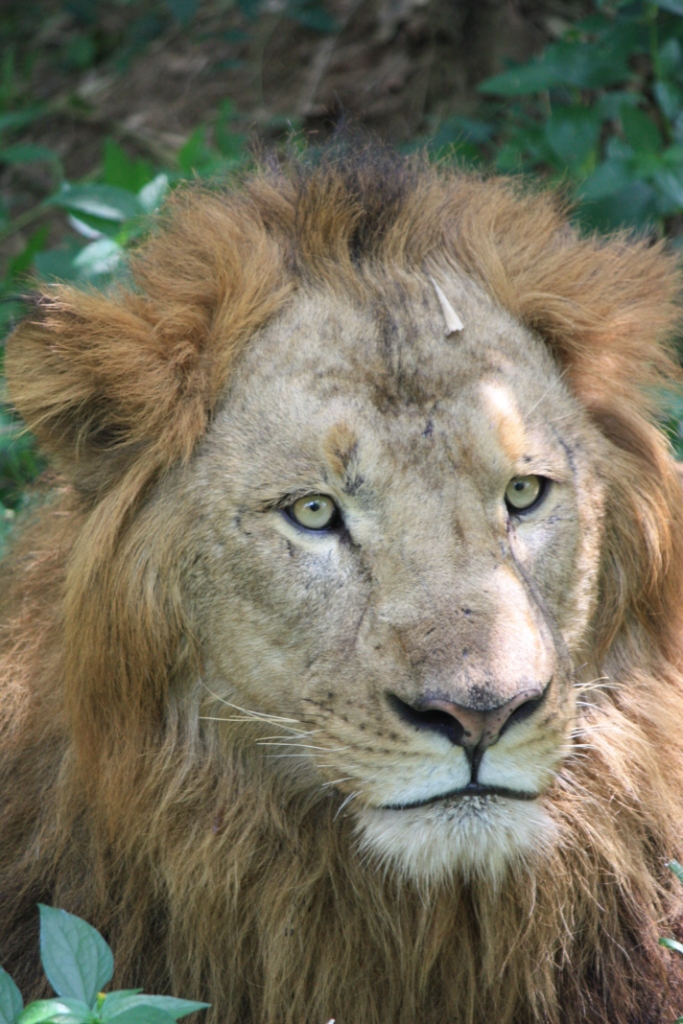
POEM: Lion Eyes (or Lionize or Lyin’ Eyes)

Taken Nov 10, 2013 at Bannerghatta National Park

Taken Nov 10, 2013 at Bannerghatta National Park

The lion is  a kingly beast

Whose eyes no lies can abide

If you don’t wish to be his feast

Please act with tact and don’t chide

He doesn’t take to teasing well

He’s still but to kill is in his blood

His placid face may look swell

But a strong heart pounds THUD-THUD…

THUD-THUD

&

another thing

He may look like a big plush toy

But he’s no fun for a girl or boy

Don’t get your kid a big feline

Unless your exit is a swift beeline

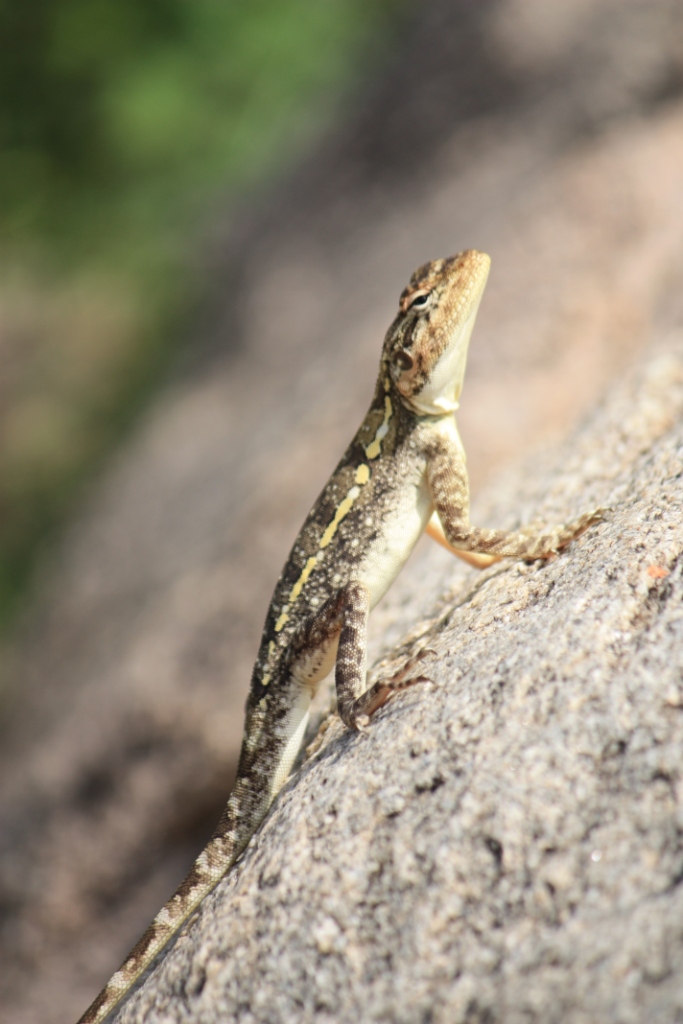
DAILY PHOTO: Climbing Lizard

Taken November 2, 2013 at Hampi.

Taken November 2, 2013 at Hampi.

These little lizards were one of the most common animal lifeforms at Hampi.  They blend into the rock quite well despite the broken white or yellow line of dots on their backs, which itself blends into the splotched pattern of the creature.

I believe they are called Psammaphilus Dorsalis, Peninsular Rock Agamas, or South Indian Rock Agamas. [However, I know nothing about lizards and am open to correction by a herpetologist.]