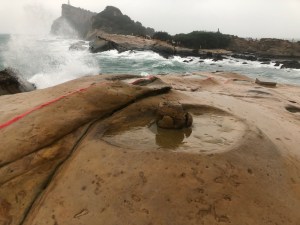
Rainy December day
 blows in - not long to stay.
   From season to season,
   without any reason,
 sometimes we feel the fray.
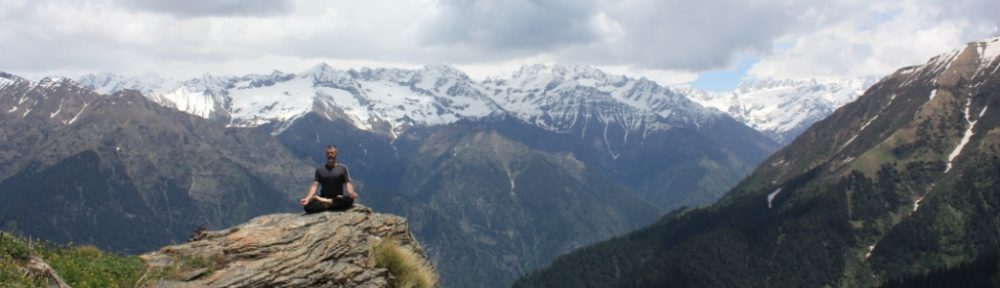
Rainy December day
blows in - not long to stay.
From season to season,
without any reason,
sometimes we feel the fray.
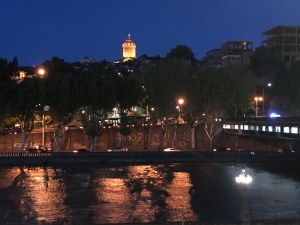
I stood on the bridge at midnight,
   As the clocks were striking the hour,
 And the moon rose o’er the city,
   Behind the dark church-tower.

I saw her bright reflection
   In the waters under me,
 Like a golden goblet filling
   And sinking into the sea.

And far in the hazy distance
   Of that lovely night in June,
 The blaze of the flaming furnace
   Gleamed redder than the moon.

Among the long, black rafters
   The wavering shadows lay,
 And the current that came from the ocean
   Seemed to lift and bear them away;

As, sweeping and eddying through them,
   Rose the belated tide,
 And, streaming into the moonlight,
   The seaweed floated wide.

And like those waters rushing
   Among the wooden piers,
 A flood of thoughts came o'er me
   That filled my eyes with tears.

How often, O, how often,
   In the days that had gone by,
 I had stood on that bridge at midnight
   And gazed on that wave and sky!

How often, O, how often,
   I had wished that the ebbing tide
 Would bear me away on its bosom
   O'er the ocean wild and wide!

For my heart was hot and restless,
   And my life was full of care,
 And the burden laid upon me
   Seemed greater than I could bear.

But now it has fallen from me,
   It is buried in the sea;
 And only the sorrow of others
   Throws its shadow over me.

Yet whenever I cross the river
   On its bridge with wooden piers,
 Like the odor of brine from the ocean
   Comes the thought of other years.

And I think how many thousands
   Of care-encumbered men,
 Each bearing his burden of sorrow,
   Have crossed the bridge since then.

I see the long procession
   Still passing to and fro,
 The young heart hot and restless,
   And the old subdued and slow!

And forever and forever,
   As long as the river flows,
 As long as the heart has passions,
   As long as life has woes;

The moon and its broken reflection
   And its shadows shall appear,
 As the symbol of love in heaven,
   And its wavering image here.
Take this kiss upon the brow!
 And, in parting from you now,
 Thus much let me avow --
 You are not wrong, who deem
 That my days have been a dream;
 Yet if hope has flown away
 In a night, or in a day,
 In a vision, or in none,
 Is it therefore the less gone?
 All that we see or seem
 Is but a dream within a dream.

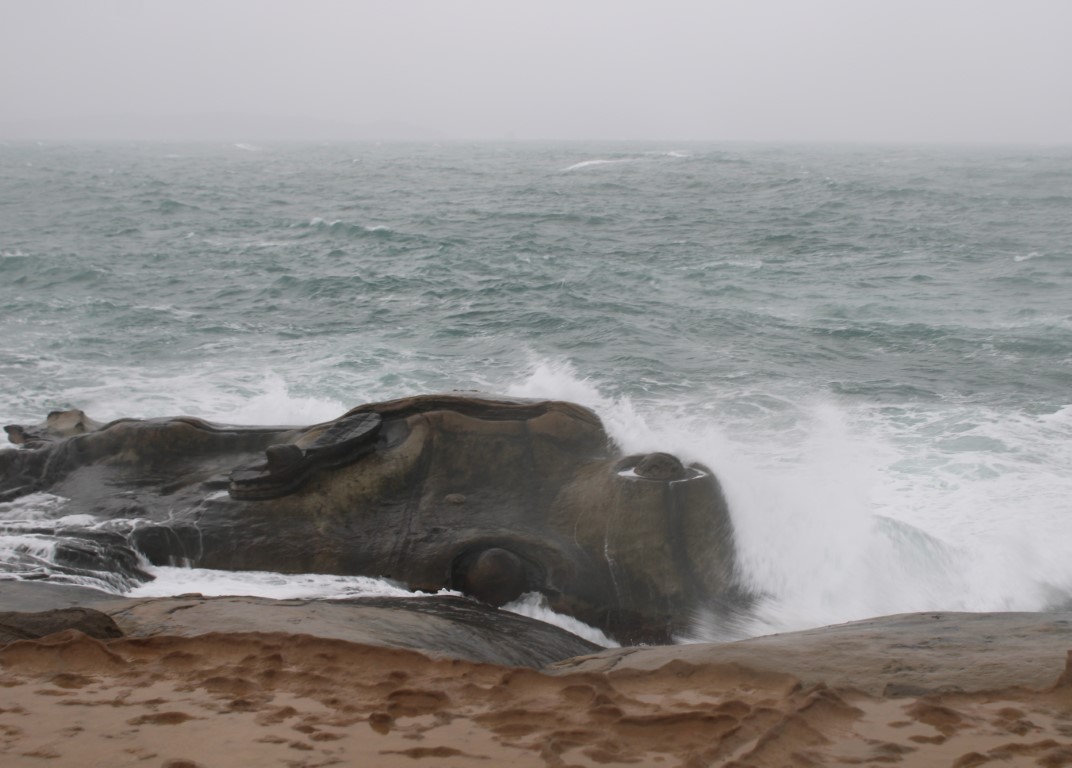
I stand amid the roar
 Of a surf-tormented shore,
 And I hold within my hand
 Grains of the golden sand --
 How few! yet how they creep
 Through my fingers to the deep,
 While I weep -- while I weep!
 O God! Can I not grasp
 Them with a tighter clasp?
 O God! can I not save
 One from the pitiless wave?
 Is all that we see or seem
 But a dream within a dream?
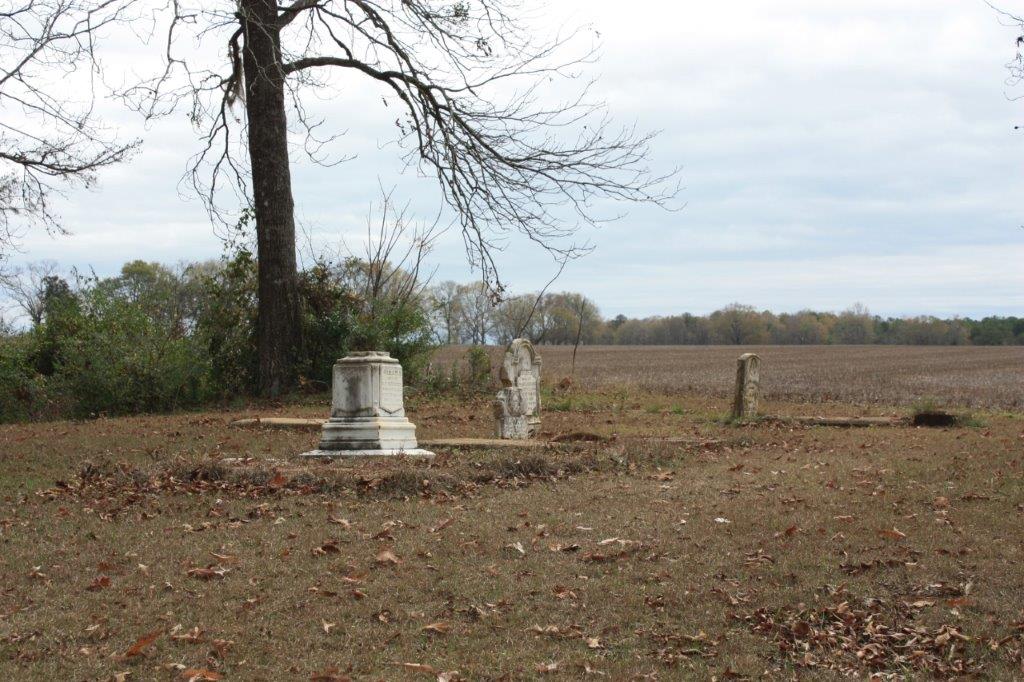
Strong winds ripple water;
  Forest trees are laid low...
  A bitter urge to die --
  One can't come; one can't go.
 Ten decades flow, stream-like;
  Riches are cold, gray ash.
 Life 's a death procession --
  Unless you're adept and brash,
  And can take up the sword
  To hasten the anguish...
 No rustling dry leaves, or
 Leaky roof as you languish.
NOTE: The late Tang Dynasty poet, Sikong Tu (a.k.a. Ssŭ-k‘ung T‘u,) wrote an ars poetica entitled Twenty-Four Styles of Poetry. It presents twenty-four poems that are each in a different tone, reflecting varied concepts from Taoist philosophy and aesthetics. Above is a crude translation of the nineteenth of the twenty-four poems. This poem’s Chinese title is 悲慨, and it has been translated as: “Despondent,” and “Sorrowful.”
 100 Poems to Break Your Heart by Edward Hirsch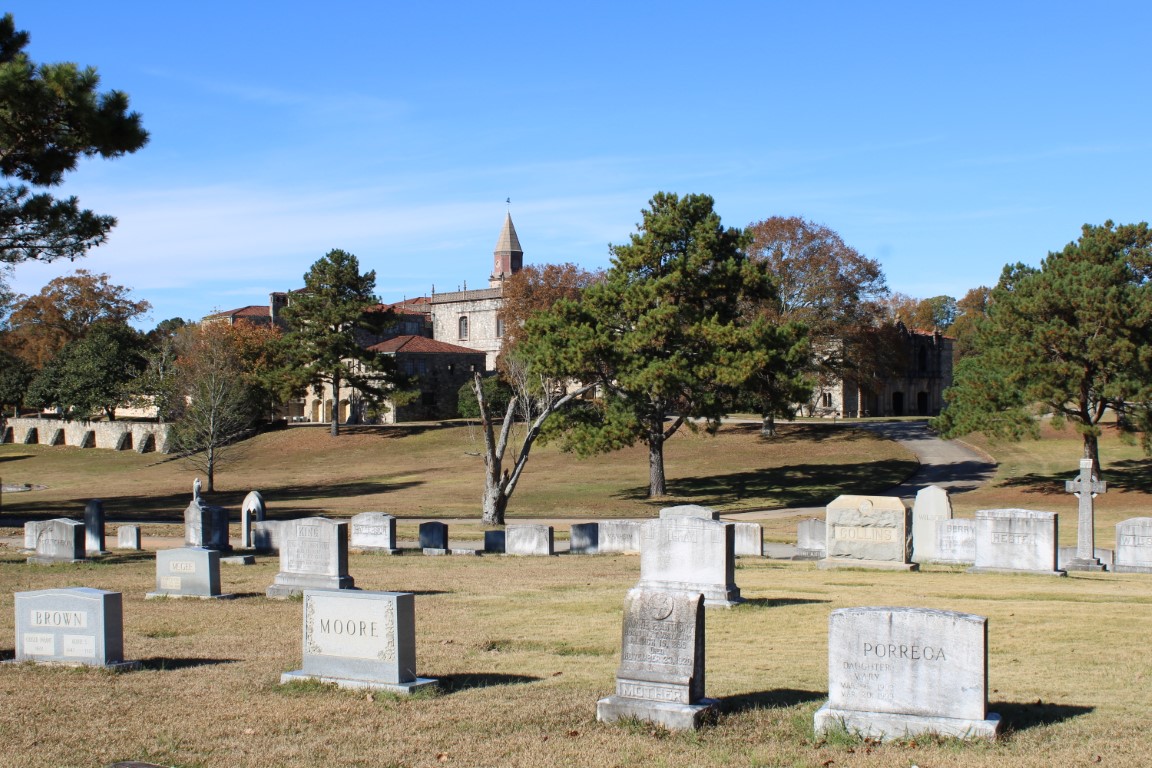
And in the end,
the dead are still
and the graveyard's quiet
is not so bad.

The monuments weather;
in due time,
letters become less crisp
&
dates become debatable.

A clean read means
there maybe someone
left to mourn.

And fresh flowers mean that someone
has tracked their melancholy
through the place,
and the air feels heavier,
and my mind feels heavier.

And I read names:
familiar & not,
popular & not.

I read names to distract me
from thoughts of my own dead --
to avoid tracking my own melancholy
through the place.

For, you see,
I've brought no flowers.
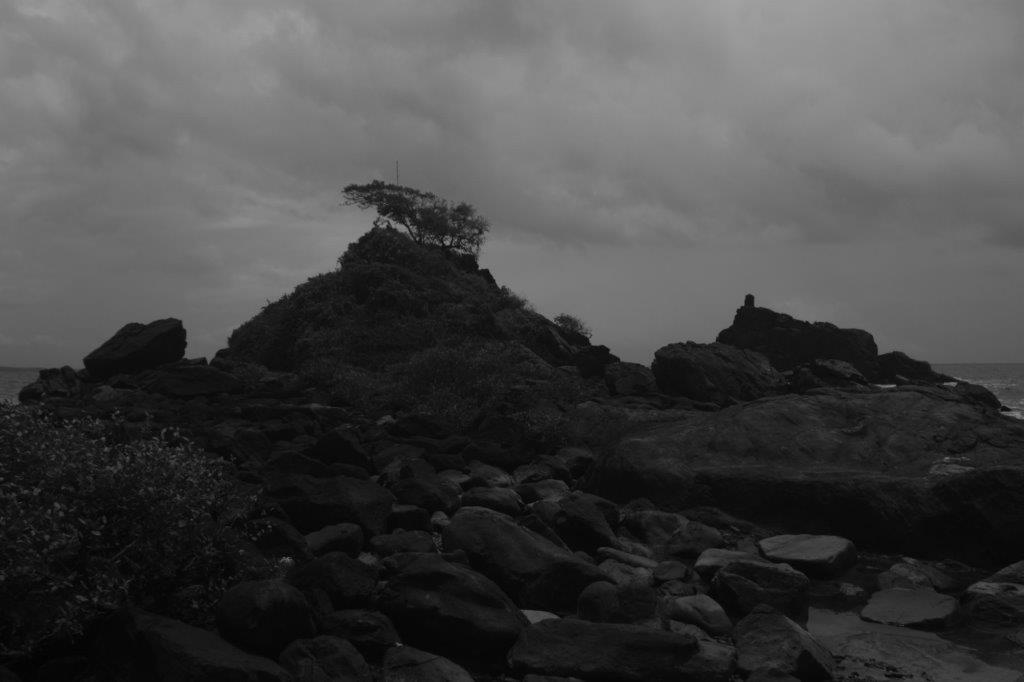
Sitting on cold, volcanic rock
upon a stormy shore,
Watching waves crash, hearing naught but
wind, and crying for more
in a scream that cannot be heard
over nature's harsh din
as I feel the snap of gusty
wind, through cloth so thin
that it can't hold back nature's force
to draw the heat from bone,
and, feeling under this black sky,
I am now all alone.
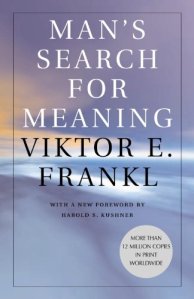
5.) Man’s Search for Meaning by Viktor Frankl: Deep life lessons learned inside a Nazi death camp.
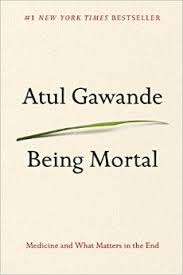
4.) Being Mortal by Atul Gawande: A medical doctor discusses how living longer doesn’t necessarily mean living better, and what that can mean for one’s final years.
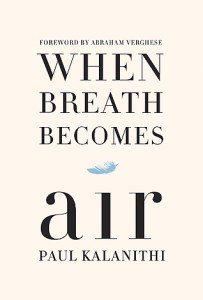
3.) When Breath Becomes Air by Paul Kalanithi: Contemplations on the meaning of life from a doctor who was dying from a terminal illness, and who succumbed before completion of the book.
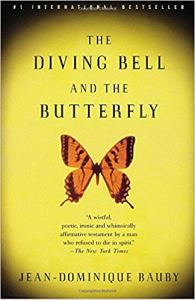
2.) The Diving-Bell and the Butterfly by Jean-Dominique Bauby: The story of a man who developed Locked-In Syndrome in the wake of a severe stroke and couldn’t move a muscle, save one eyelid.
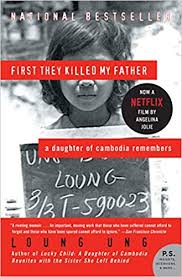
1.) First They Killed My Father by Loung Ung: The title captures the family level tragedy of Pol Pot’s rule, but the book conveys something of the national tragedy as well.


 Tiger Riding for Beginners