Something on your “to-do list” that never gets done.
Write a to-do list.

Something on your “to-do list” that never gets done.
Write a to-do list.
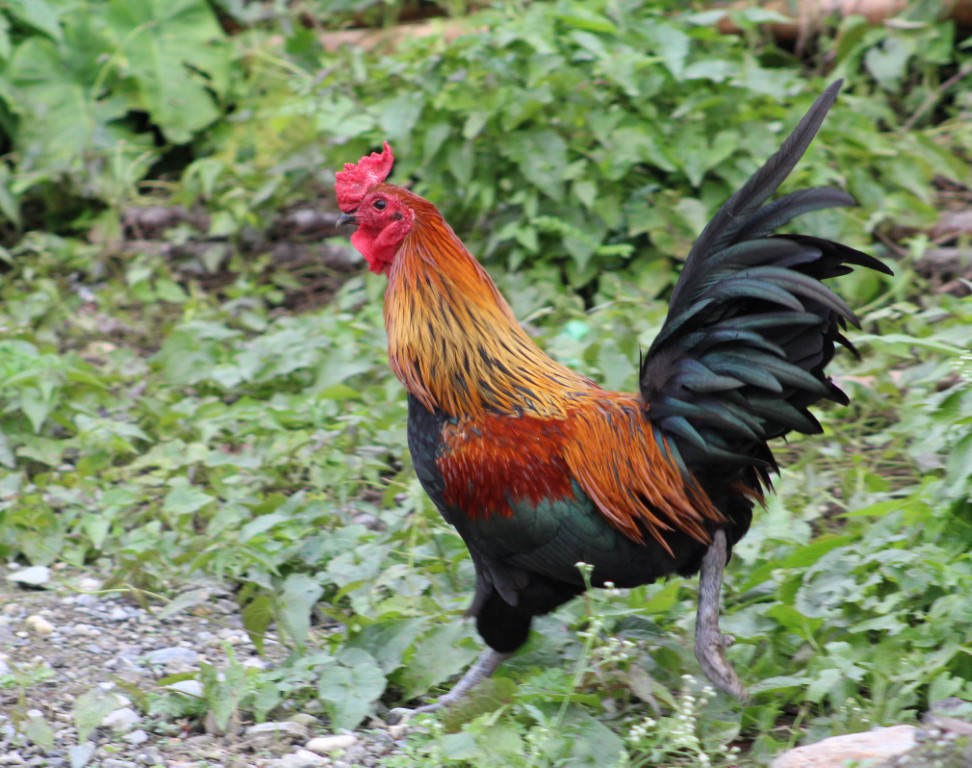
when I was a child,
 roosters aggressively charged;
 now: they flee, clucking.
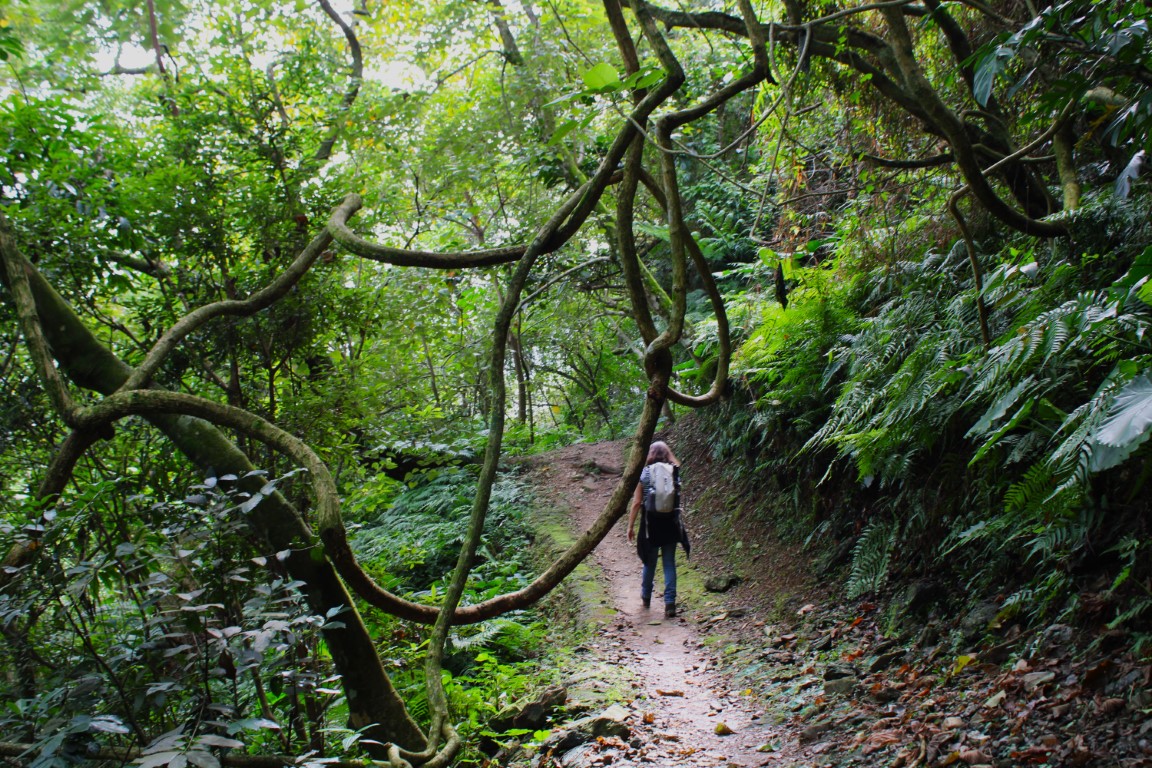
Don't be downcast, soon the night will come,
 When we can see the cool moon laughing in secret
 Over the faint countryside,
 And we rest, hand in hand.

Don't be downcast, the time will soon come
 When we can have rest. Our small crosses will stand
 On the bright edge of the road together,
 And rain fall, and snow fall,
 And the winds come and go.
James Wright Translation
I had a guitar, a black and white Fender Stratocaster knock-off. [Actually, technically, I don’t think it was a knock-off, but rather the lowest of low-end mass-produced Strats made by a subsidiary of Fender, Squier.] What happened to it? I realized I was tone deaf and lacked the finger dexterity to be the sequel to Eddie Van Halen. So, ostensibly, it ended up donated or sold in a garage sale. There’s a small chance it’s taking up space in a closet somewhere, but not in my closet.
Not to reveal a pattern, but I also had a yellow and blue BMX bike that I was quite fond of. What happened to it? I learned that I lacked the flight characteristics to be a great BMX racer (or possibly I rode it until it fell apart into its component pieces.) Youth was a long time ago.
What are your thoughts on the concept of living a very long life?
As long as I’m of sound mind and capable body, I’m fine with it, but not at any cost. I’d rather shuffle off this mortal coil than drag out the suffering of immobility and / or dementia.
I think Atul Gawande’s “Being Mortal” is good required reading. Among other things, he talks about the smoke and mirrors of our species’s increased lifespan. (i.e. increased lifespan, yes, but too often at the cost of diminished quality of life through those additional years.)
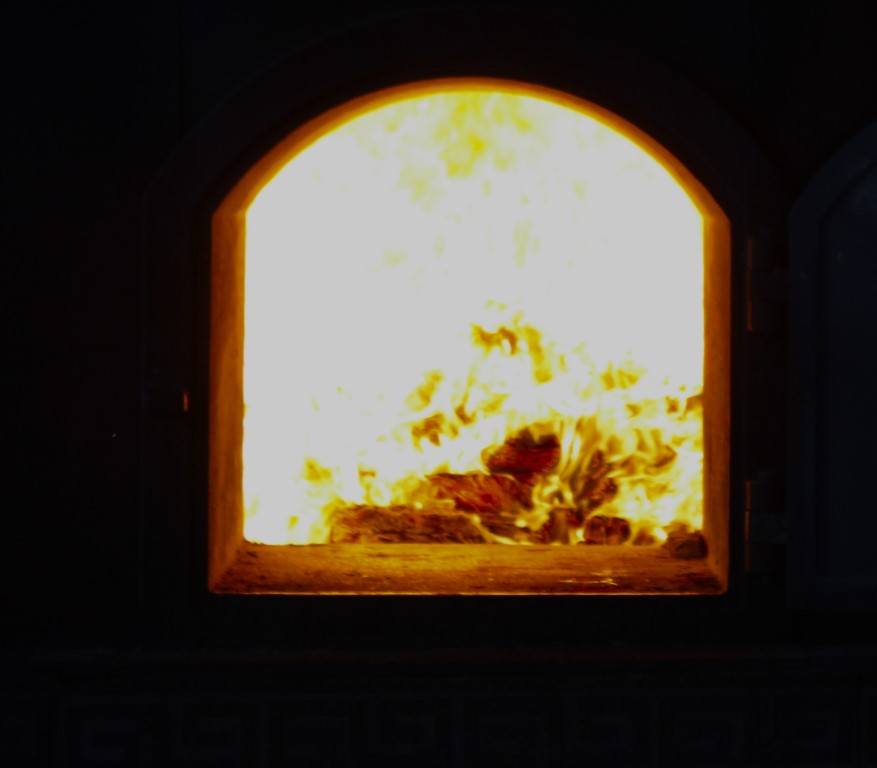
It was a dreary winter day;
 The world was cold, monotone gray.
 But then, I caught a hint of heat:
 Felt on my face, not on my feet.

A furnace burned in a dark place.
 I felt it flush my frigid face --
 Frigid once, but not any more
 I stood inside that foundry's door.

The orange glow danced on my face.
 It must have shown demon's disgrace.
 Like a poor creature lit on fire,
 Or the living dead on a pyre.

Cold as the day and my feet were,
 I heard a voice - just a whisper.
 "You must flee now, or you'll jump in,
 and they'll not find a fleck of shin."
Share what you know about the year you were born.
Wow. Not a lot. The war in Vietnam was in full swing, and Nixon was in the White House, but nothing else springs to mind. Over the years, I’ve looked it up, including the big books and films of the year, but it’s all utterly unrememberable. It hasn’t been long since I looked up what film won the Oscar, and I forgot it — something that no one but film school students and niche art historians are aware of today. (i.e. Nothing that shows up on your Netflix “Classic Films” feed.)
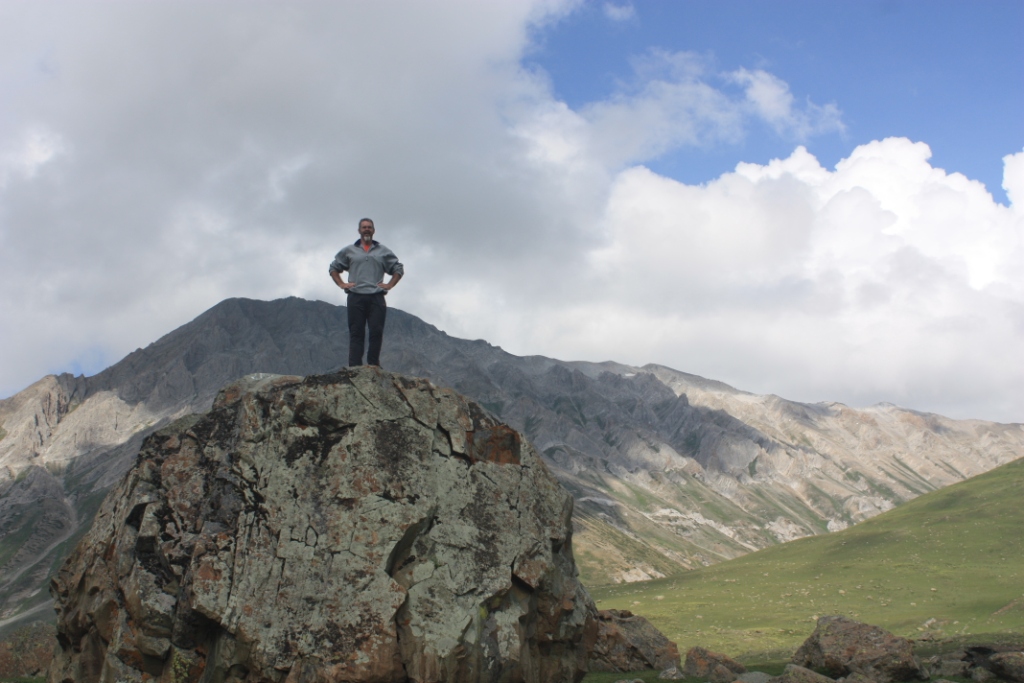
Happy the man, and happy he alone,
 He who can call today his own:
 He who, secure within, can say,
 Tomorrow do thy worst, for I have lived today.
 Be fair or foul, or rain or shine
 The joys I have possessed, in spite of fate, are mine.
 Not Heaven itself, upon the past has power,
 But what has been, has been, and I have had my hour.
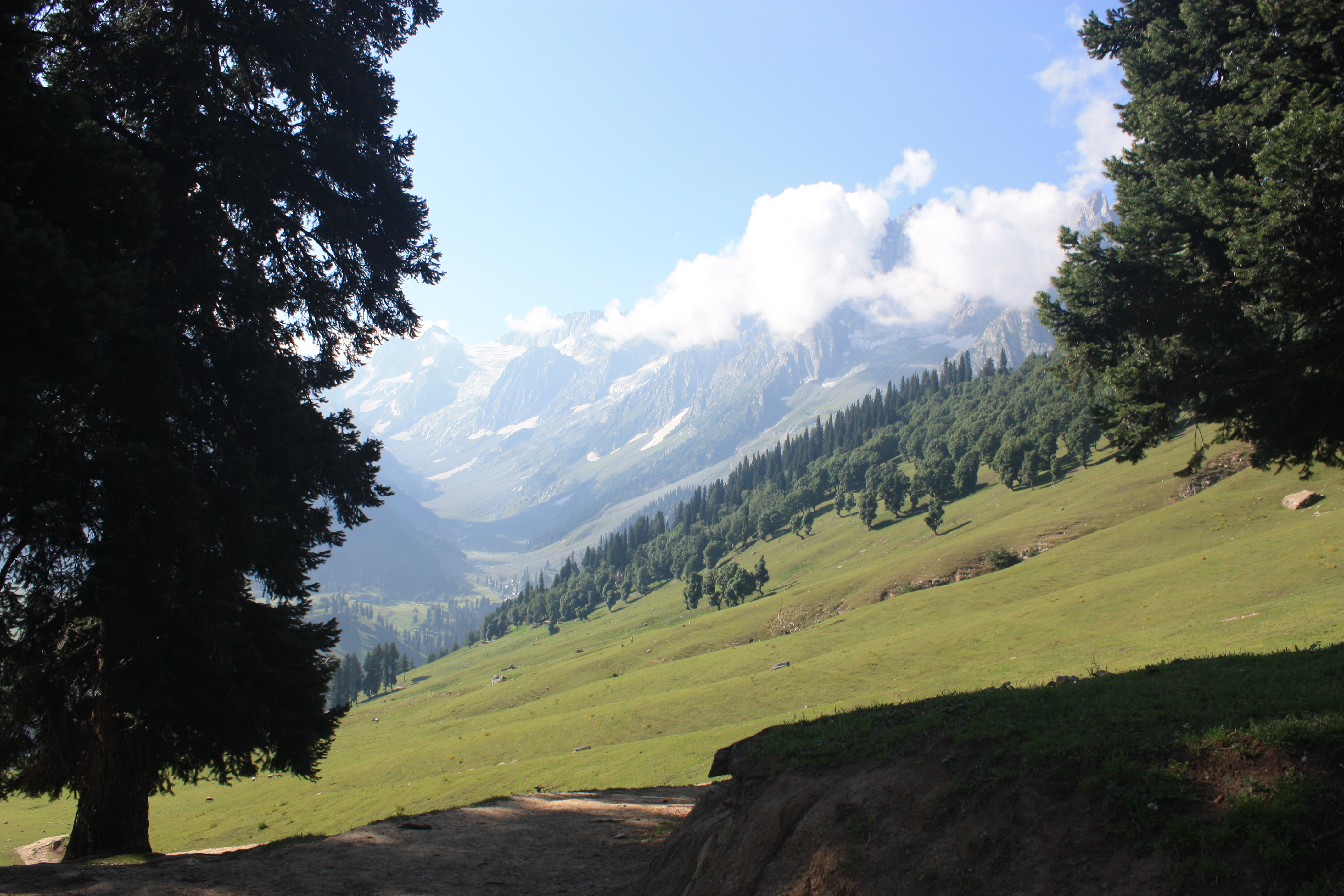
Out beyond ideas of wrongdoing and rightdoing,
   there is a field. I'll meet you there.
 When the soul lies down in that grass,
   the world is too full to talk about.
 Ideas, language, even the phrase each other
   doesn't make any sense.
NOTE: Translation from Persian by Coleman Barks & John Moyne in The Essential Rumi published by Harper Collins.
The Essential Rumi GoodReads Page
A crust of bread and a corner to sleep in,
 A minute to smile and an hour to weep in,
 A pint of joy and a peck of trouble,
 And never a laugh but the moans come double;
                    And that is life!

A crust and a corner that love makes precious,
 With a smile to warm and the tears to refresh us;
 And joy seems sweeter when cares come after,
 And a moan is the finest of foils for laughter;
                    And that is life!


 Tiger Riding for Beginners