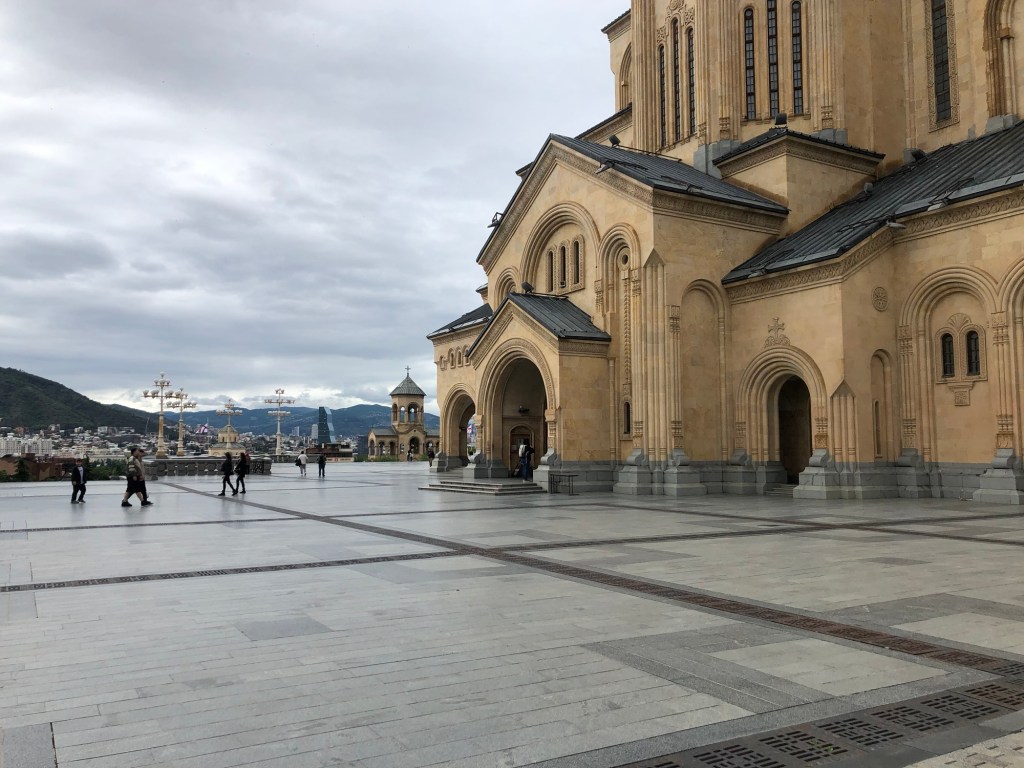
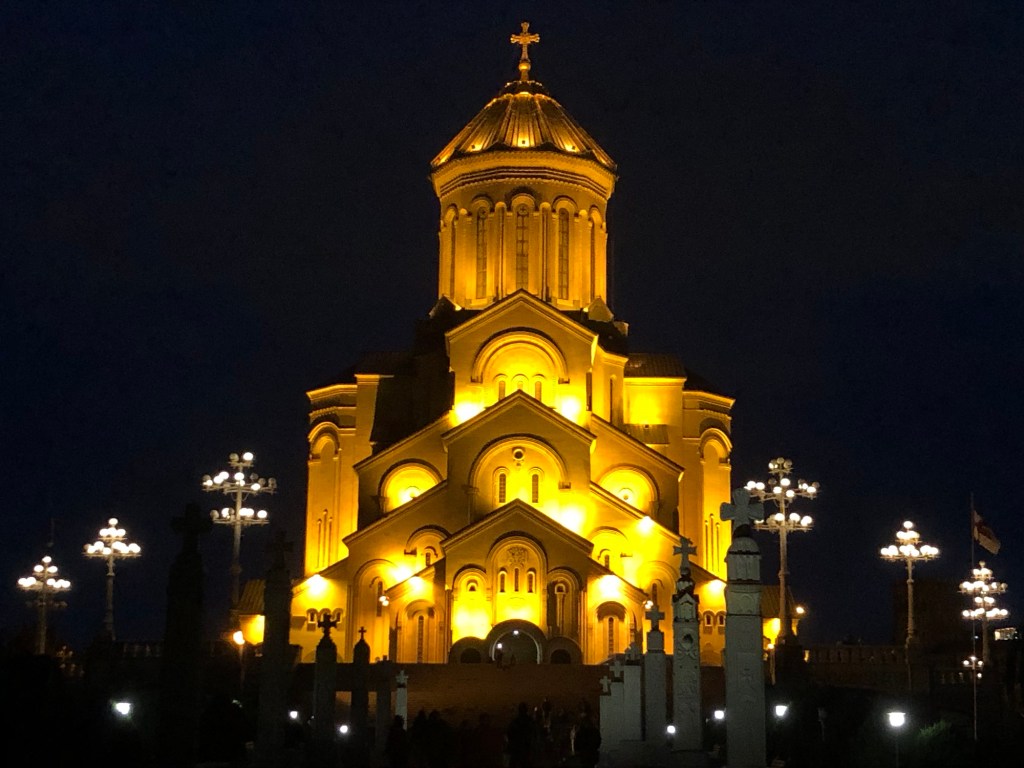
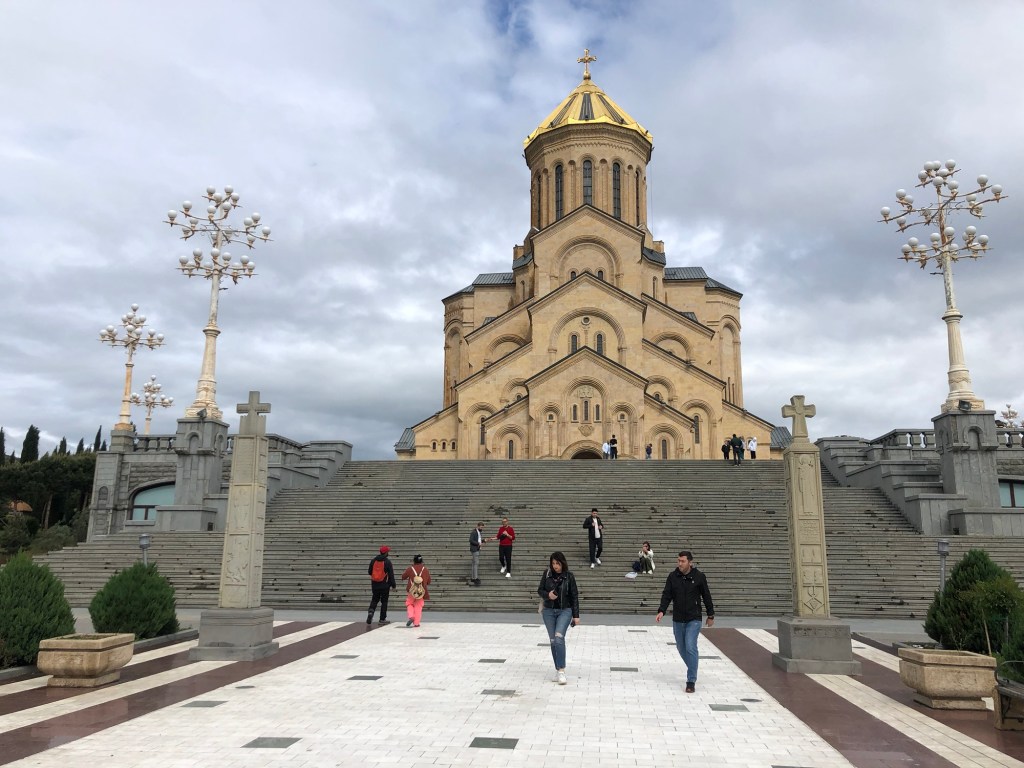
DAILY PHOTO: Three Views of Holy Trinity Cathedral, Tbilisi

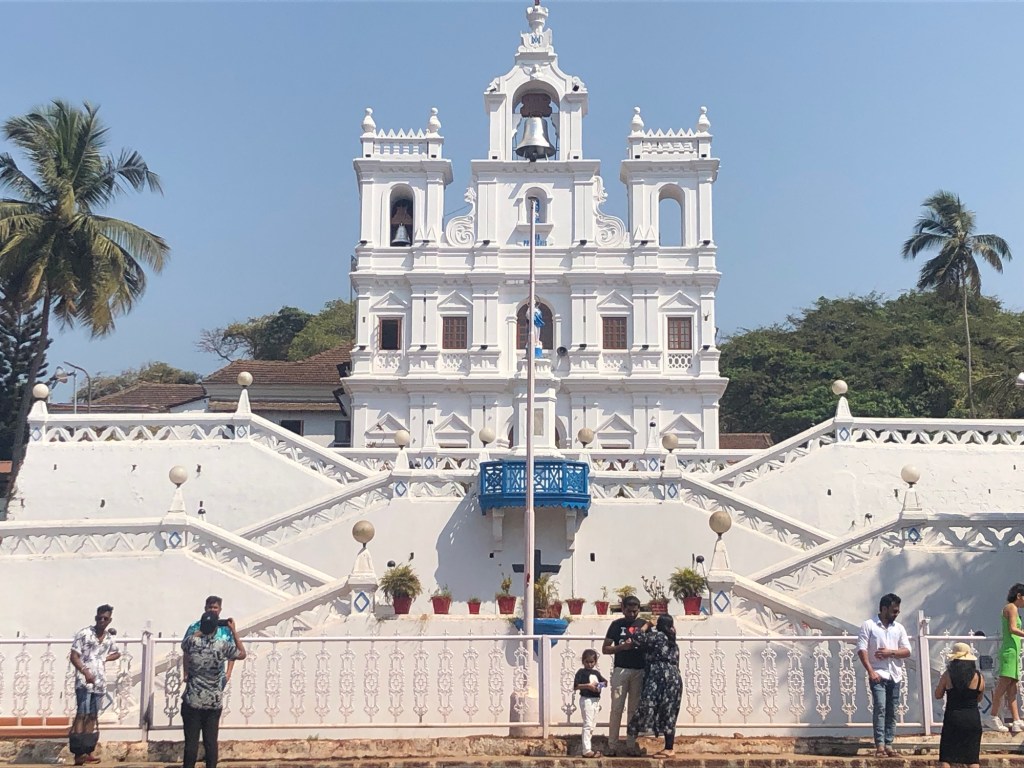
DAILY PHOTO: Immaculate Conception Church of Panjim

PROMPT: First Name

Daily writing prompt
Write about your first name: its meaning, significance, etymology, etc.

Having been raised in a Catholic household, I wouldn’t have this name if one or more saints hadn’t already. In my case, there are several Saint Bernards, and I don’t know that my parents had any particular one in mind. As far as I know, none were associated with Ireland, from whence my ancestry lies. [St. Bernard of Clairvaux seems to be the most famous St. Bernard – he’s “The St. Bernard,” if you will – excepting of course Chris the St. Bernard dog who starred in the 1992 movie “Beethoven” whose name was actually Chris and his breed was “St. Bernard” so, technically, Clairvaux is still king of the St. Bernards.] I also know that it’s not the first time this name appeared in my genealogical line, but don’t know much more than that.

I understand the etymology of the name is Germanic and that it means something like “Bear Hardy,” with which I’m pleased. (Could have been much worse — e.g. “Squirrel Brave” or “Bear Smelling.”)

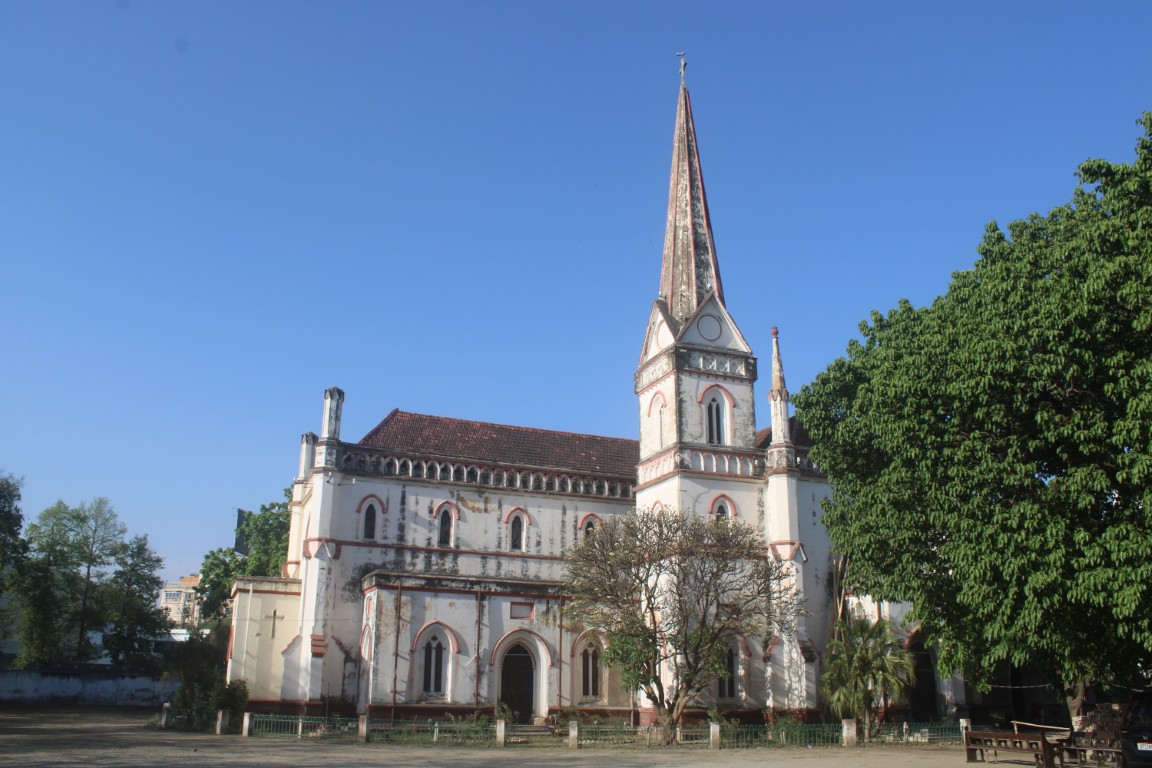
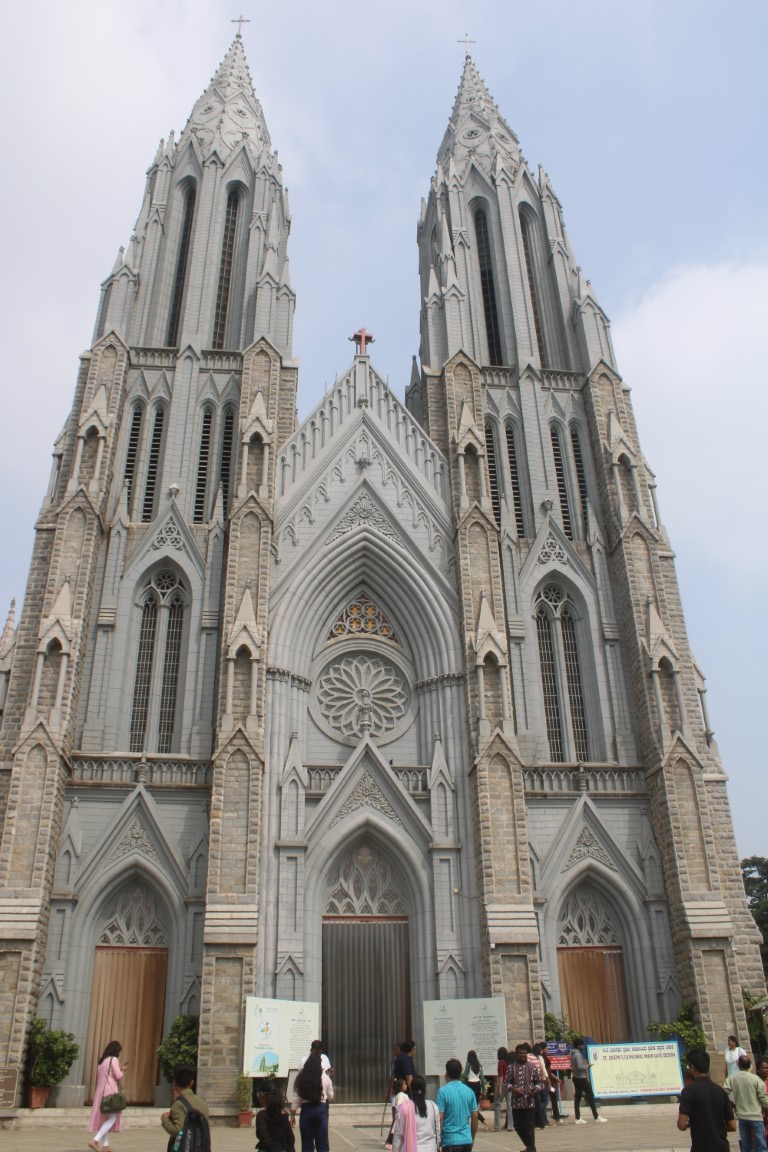
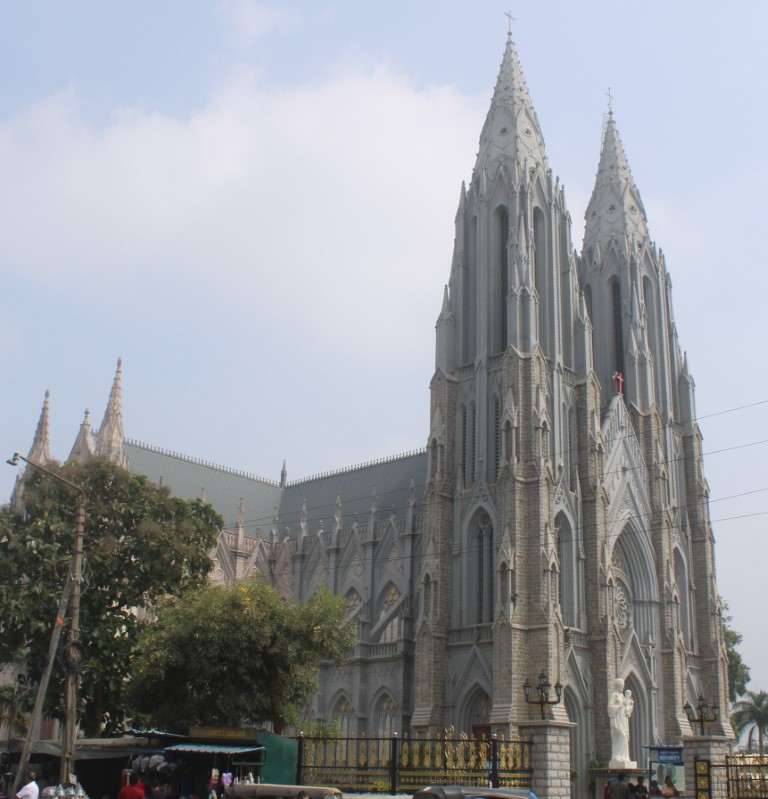
DAILY PHOTO: St. Philomena’s Cathedral, Mysuru

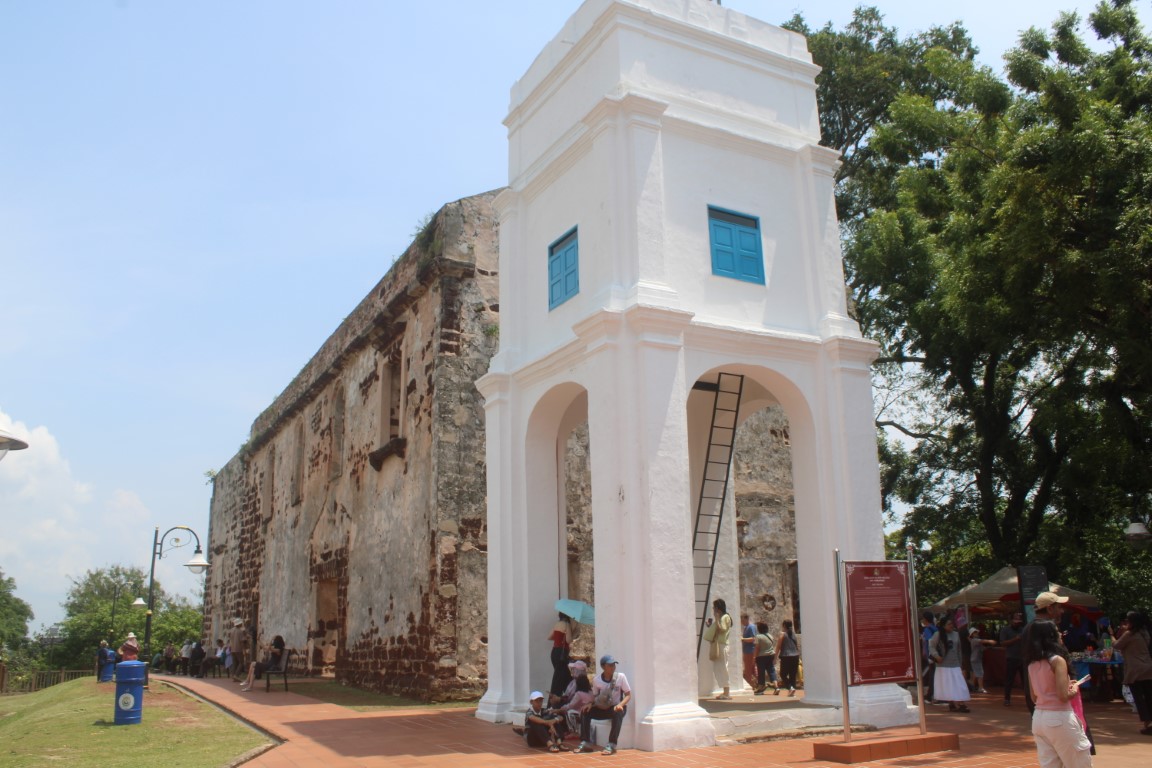
DAILY PHOTO: Church of St. Paul, Malacca

Said to be the oldest European building east of India, these hollowed out ruins represent one of the oldest Christian Churches in Southeast Asia.
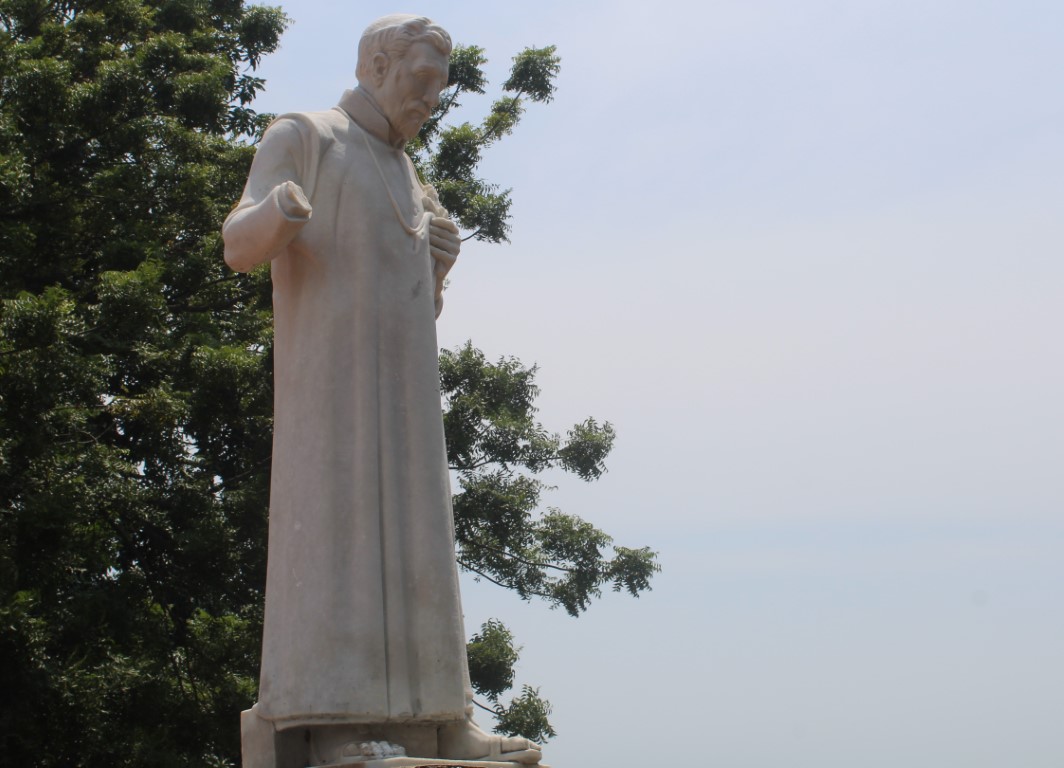
This statue of St. Francis Xavier stands in front of St. Paul’s Church. Francis Xavier did have his right hand amputated posthumously, and many like to tell the story that the statue’s hand was sheared off by lightning in an act of divine reckoning (though more likely the movers dropped the statue and the hand broke off. At any rate, that’s why they never got around to having it fixed.)

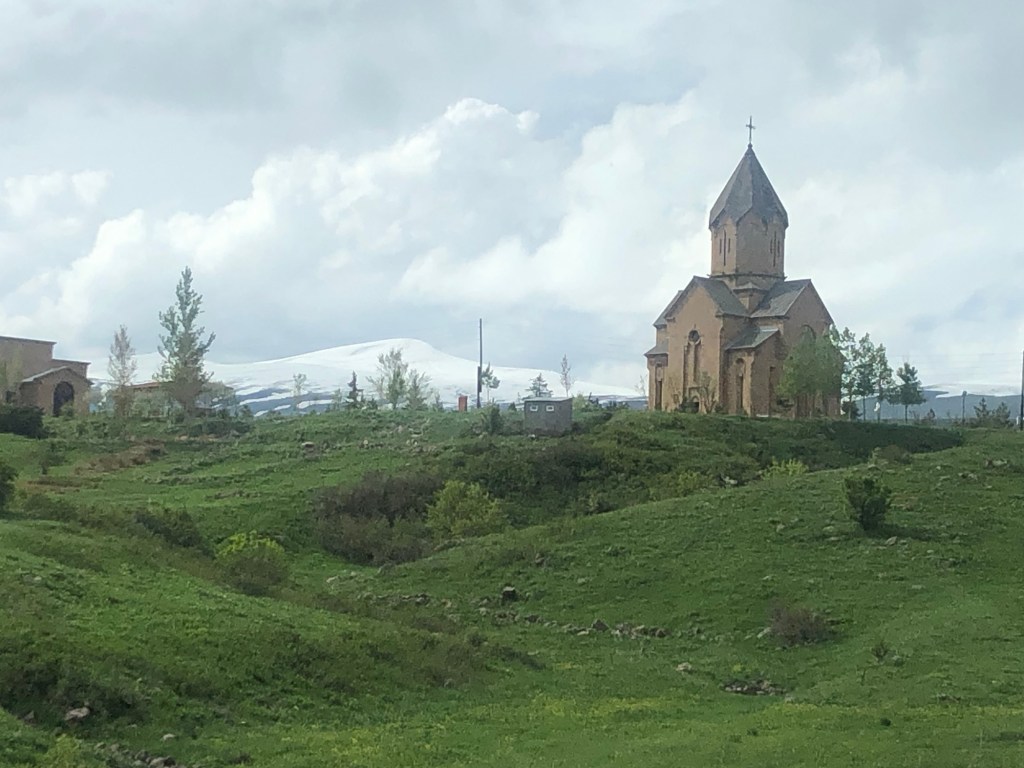
DAILY PHOTO: Views of Tatev Monastery

DAILY PHOTO: St. Andrew’s Church, Vasco da Gama

Image

BOOKS: “Christianity: A Very Short Introduction” by Linda Woodhead

Christianity: A Very Short IntroductionChristianity: A Very Short Introduction by Linda Woodhead
My rating: 5 of 5 stars

Publisher’s Page OUP

The central idea of this book is that (despite all the complexity of schisms, sects, and subsects) the various entities that call themselves Christian can be put into one of three categories: church, biblical, or mystical. These groups reflect where the adherents see the ultimate source of authority. Church Christians, exemplified by Roman Catholics, view the hierarchy of clergy as the ultimate authority. Biblical Christians, e.g. Baptists, see the Bible as the highest authority. Finally, mystics see the individual’s relationship with (or connection to or oneness with) God to be what matters.

Bookending elaboration upon those three forms of Christianity, there is an opening that discusses early development of the Christian religion and the dividing lines that characterized it (e.g. whether Jesus was man, god, or a bit of both,) and there is a closing chapter about modern Christianity that explores various modern movements, such as: liberal Christianity, Evangelicalism, Fundamentalism, and charismatic Christianity.

If you’re interested in understanding the various permutations of Christianity (past and present,) and how they developed and differentiated themselves, this is a fine introduction to the subject.

View all my reviews

BOOKS: “Teachings of the Christian Mystics” ed. by Andrew Harvey

Teachings of the Christian Mystics (Shambhala Pocket Library)Teachings of the Christian Mystics by Andrew Harvey
My rating: 5 of 5 stars

Acquired at Blossom Bookhouse

This book gathers a collection of short writings (mostly paragraph to a few page excerpts as well as a few poems) on mystic Christianity from the time of the Gospels through the twentieth century. While the bulk of the pieces are (if not from scriptures) the work of clergymen and / or theologians, there are some by individuals known elsewise (e.g. poets William Blake and Gerard Manley Hopkins.) The book is arranged somewhat, but not perfectly, chronologically — enough that all the Biblical excerpts are lumped together at the beginning to form about the first quarter of the selections. While there are a number of one-off contributors, there are several pieces from each of: Gregory of Nyssa, the Desert Fathers, Saint Symeon the New Theologian, Saint Bernard of Clairvaux, Saint Teresa of Avila, and Eckhart von Hochheim.

One nice feature of this book is that it does include selections from a wide range of sources (Roman Catholic, Orthodox Catholic, and Protestant) over a range of time periods, and from scriptures both canonical and “apocryphal.” So, there are many varied ideas of the mystical experience and the path thereto. The flipside of this fact is that there doesn’t seem to be a lot of cohesiveness to the collection. It isn’t always clear why Harvey (the editor) thought a given excerpt was representative of mystic teachings versus of mainstream Christianity. There is a substantial introduction, but otherwise the selections are left to speak for themselves.

Still, it was a quick read, dense with insights, and I found — particularly some of the scriptural selections — to be among the most profound statements of Christian philosophy that I’ve seen.

View all my reviews
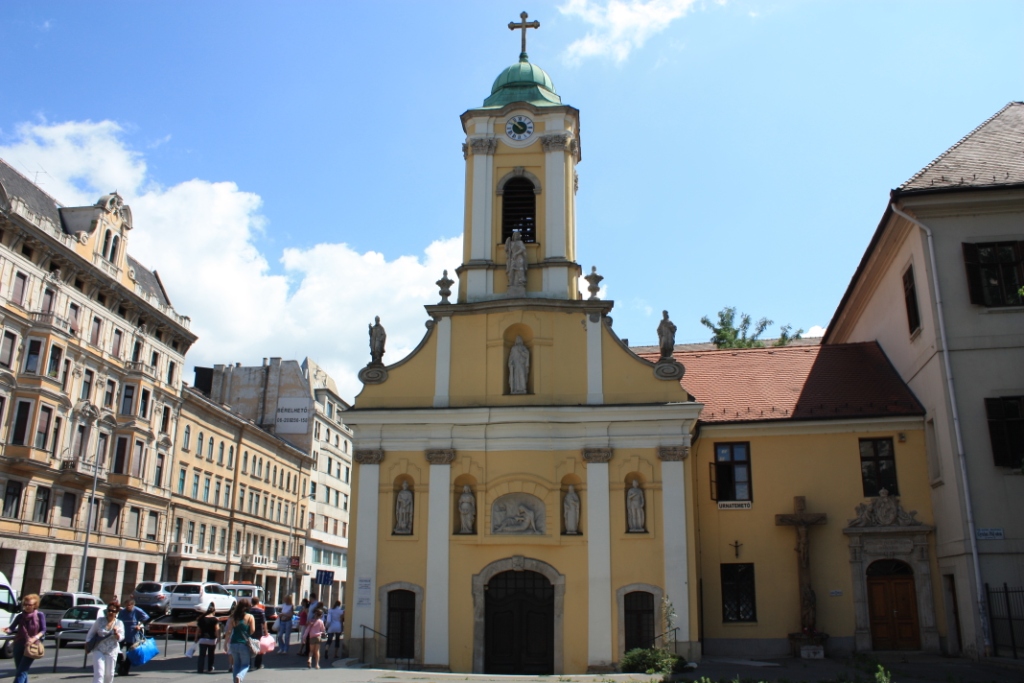
DAILY PHOTO: Rocky Virgin Mary Parish Church, Óbuda

A small parish Catholic church in Óbuda that dates to 1865.