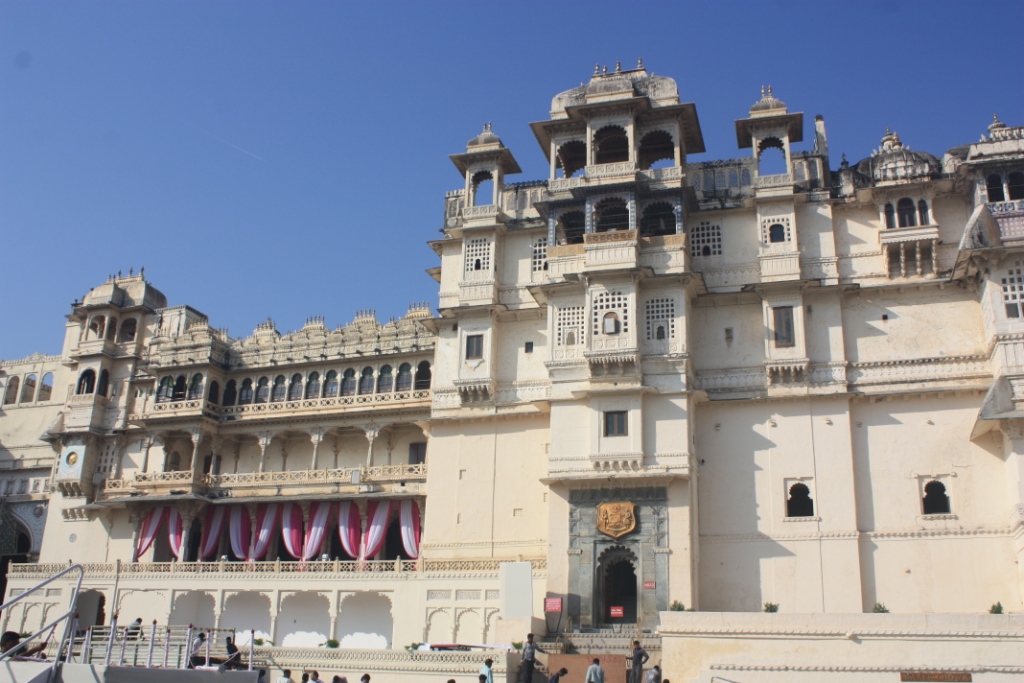
Even in a palace, life may be led well!
 So spake the imperial sage, purest of men,
 Marcus Aurelius. But the stifling den
 Of common life, where, crowded up pell-mell,

Our freedom for a little bread we sell,
 And drudge under some foolish master's
   ken
 Who rates us if we peer outside our pen --
 Match'd with a palace, is not this a hell?

Even in a palace! On his truth sincere,
 Who spoke these words, no shadow ever
   came;
 And when my ill-school'd spirit is aflame

Some nobler, ampler stage of life to win,
 I'll stop, and say: "There were no succour
   here!
 The aids to noble life are all within."
The modest Rose puts forth a thorn,
 The humble Sheep a threat’ning horn;
 While the Lilly white shall in Love delight,
 Nor a thorn, nor a threat, stain her beauty bright.
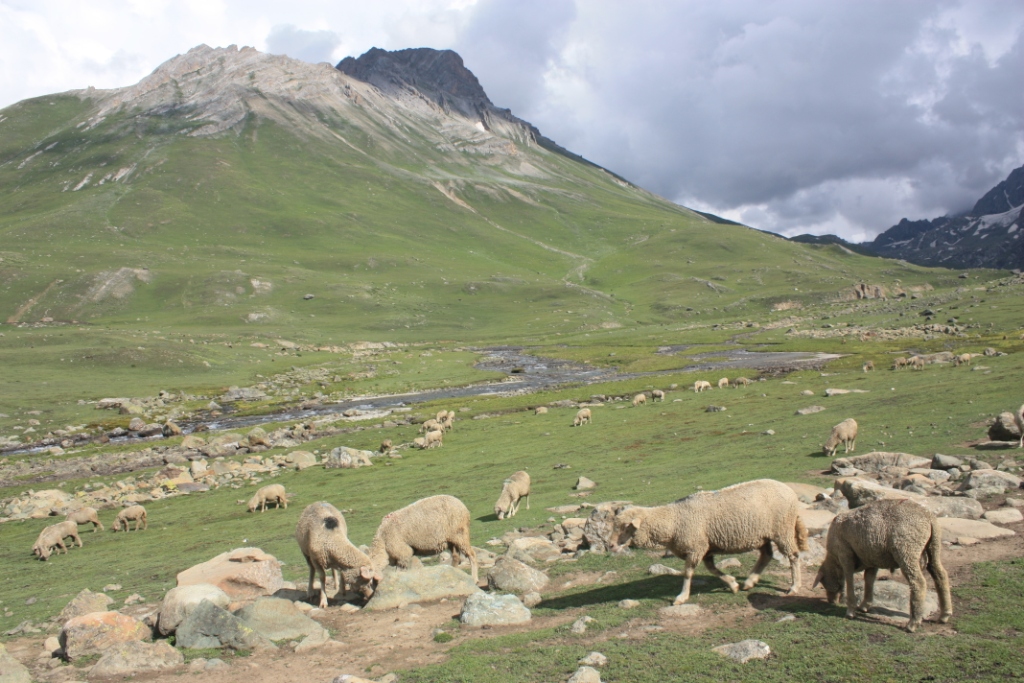
How sweet is the Shepherd's sweet lot!
 From the morn to the evening he strays;
 He shall follow his sheep all the day,
 And his tongue shall be filled with praise.

For he hears the lamb's innocent call,
 And he hears the ewe's tender reply;
 He is watchful while they are in peace,
 For they know when their Shepherd is nigh.
Youth of delight, come hither,
 And see the opening morn,
 Image of truth new born.
 Doubt is fled, & clouds of reason,
 Dark disputes & artful teazing.
 Folly is an endless maze,
 Tangled roots perplex her ways.
 How many have fallen there!
 They stumble all night over bones
   of the dead,
 And feel they know not what
   but care,
 And wish to lead others,
   when they should be led.
I walked abroad in a snowy day:
 I ask'd the soft snow with me to play:
 She play'd & she melted in all her prime,
 And the winter call'd it a dreadful crime.
My spirit is too weak -- mortality
   Weighs heavily on me like unwilling sleep,
   And each imagined pinnacle and steep
 Of godlike hardship tells me I must die
 Like a sick eagle looking at the sky.
   Yet 'tis a gentle luxury to weep
   That I have not the cloudy winds to keep
 Fresh for the opening of the morning's eye.
 Such dim-conceived glories of the brain
   Bring round the heart an undescribable feud;
 So do these wonders a most dizzy pain,
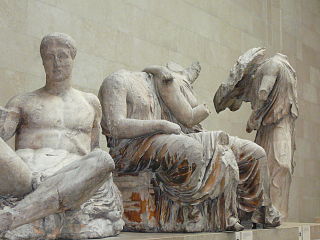
   That mingles Grecian grandeur with the rude
 Wasting of old time--with a billowy main --
   A sun--a shadow of a magnitude.
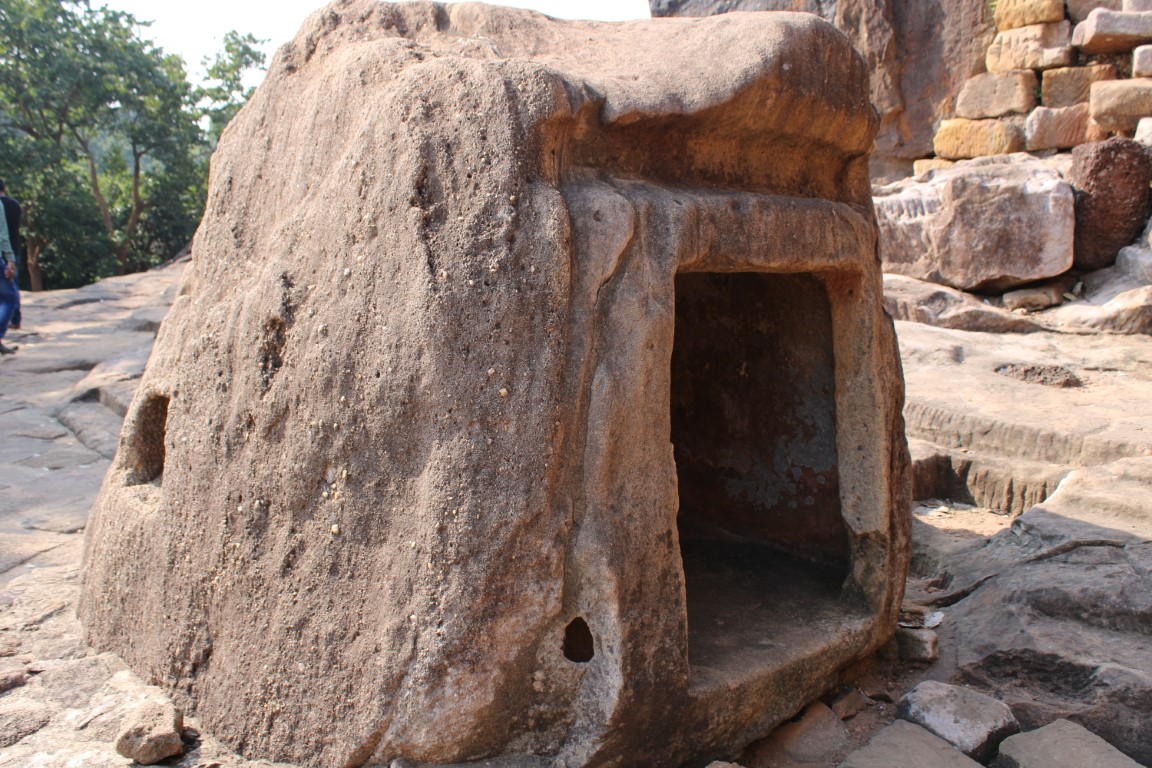
Nuns fret not at their convent's narrow room;
  And hermits are contented with their cells;
  And students with their pensive citadels;
  Maids at the wheel, the weaver at his loom,
 Sit blithe and happy; bees that soar for bloom,
  High as the highest Peak of Furness-fells,
  Will murmur by the hour in foxglove bells:
  In truth the prison, into which we doom
 Ourselves, no prison is: and hence for me,
  In sundry moods, 'twas pastime to be bound
  Within the Sonnet's scanty plot of ground;
  Pleased if some Souls (for such there needs must be)
 Who have felt the weight of too much liberty,
  Should find brief solace there, as I have found.
He thought he saw an Elephant,
   That practised on a fife:
 He looked again, and found it was
   A letter from his wife.
 "At length I realize," he said,
   "The bitterness of Life!"

He thought he saw a Buffalo
   Upon the chimney-piece:
 He looked again, and found it was
   His Sister's Husband's Niece,
 "Unless you leave this house," he said,
    "I'll send for the Police!"

He thought he saw a Rattlesnake
   That questioned him in Greek:
 He looked again, and found it was
   The Middle of Next Week.
 "The one thing I regret," he said,
   "Is that it cannot speak!"

He thought he saw a Banker's Clerk
   Descending from the 'bus:
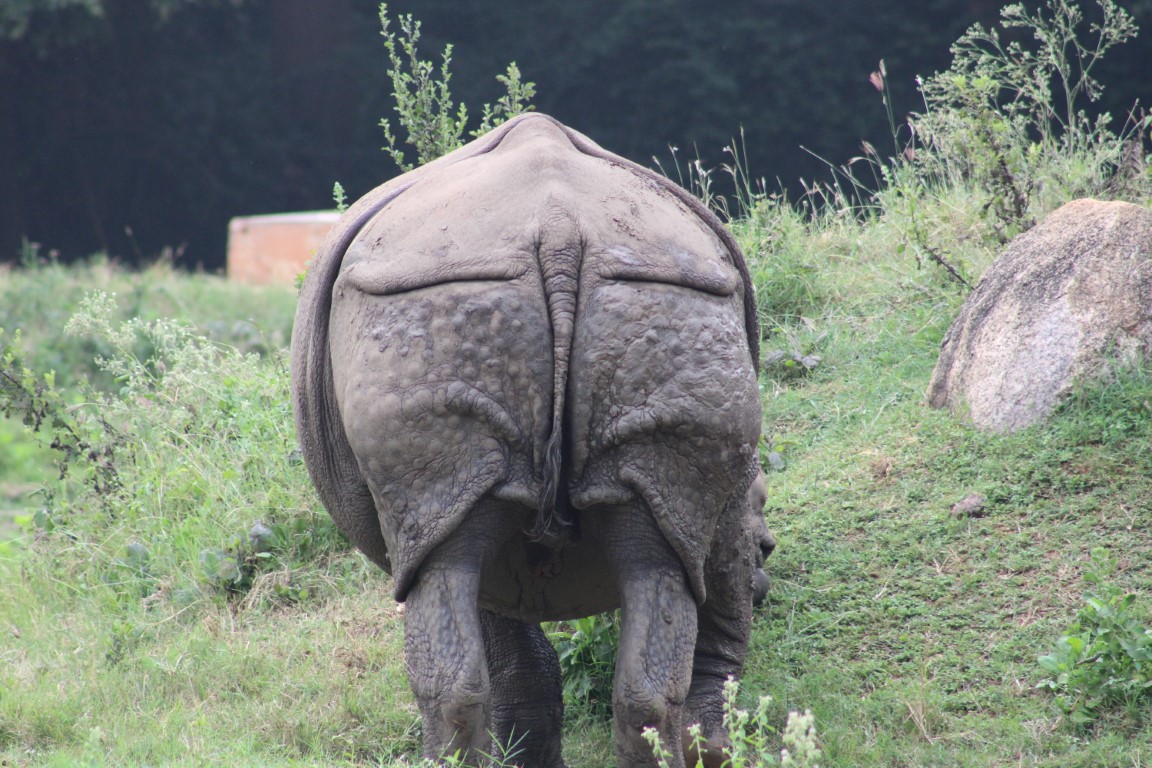
 He looked again, and found it was
   A Hippopotamus.
 "If this should stay to dine," he said,
   "There won't be much for us!"

He thought he saw a Kangaroo
   That worked a coffee-mill:
 He looked again, and found it was
   A Vegetable-Pill.
 "Were I to swallow this," he said,
   "I should be very ill!"

He thought he saw a Coach-and-Four
   That stood beside his bed:
 He looked again, and found it was
   A Bear without a Head.
 "Poor thing," he said, "poor silly thing!
   It's waiting to be fed!"

He thought he saw an Albatross
   That fluttered round the lamp:
 He looked again, and found it was
   A Penny-Postage-Stamp.
 "You'd best be getting home," he said,
   "The nights are very damp!"

He thought he saw a Garden-Door
   That opened with a key:
 He looked again, and found it was
   A Double Rule of Three:
 "And all its mystery," he said,
   "Is clear as day to me!"

He thought he saw an Argument
   That proved he was the Pope:
 He looked again, and found it was
   A Bar of Mottled Soap.
 "A fact so dread," he faintly said,
   "Extinguishes all hope!"