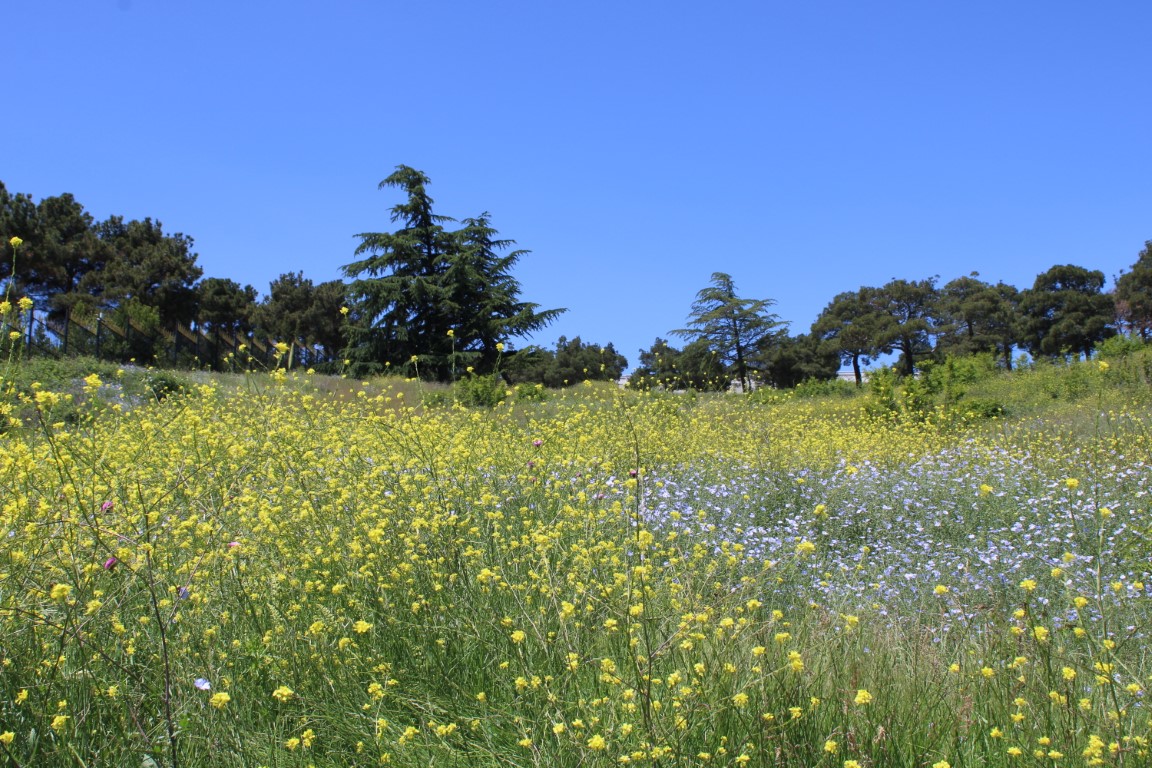
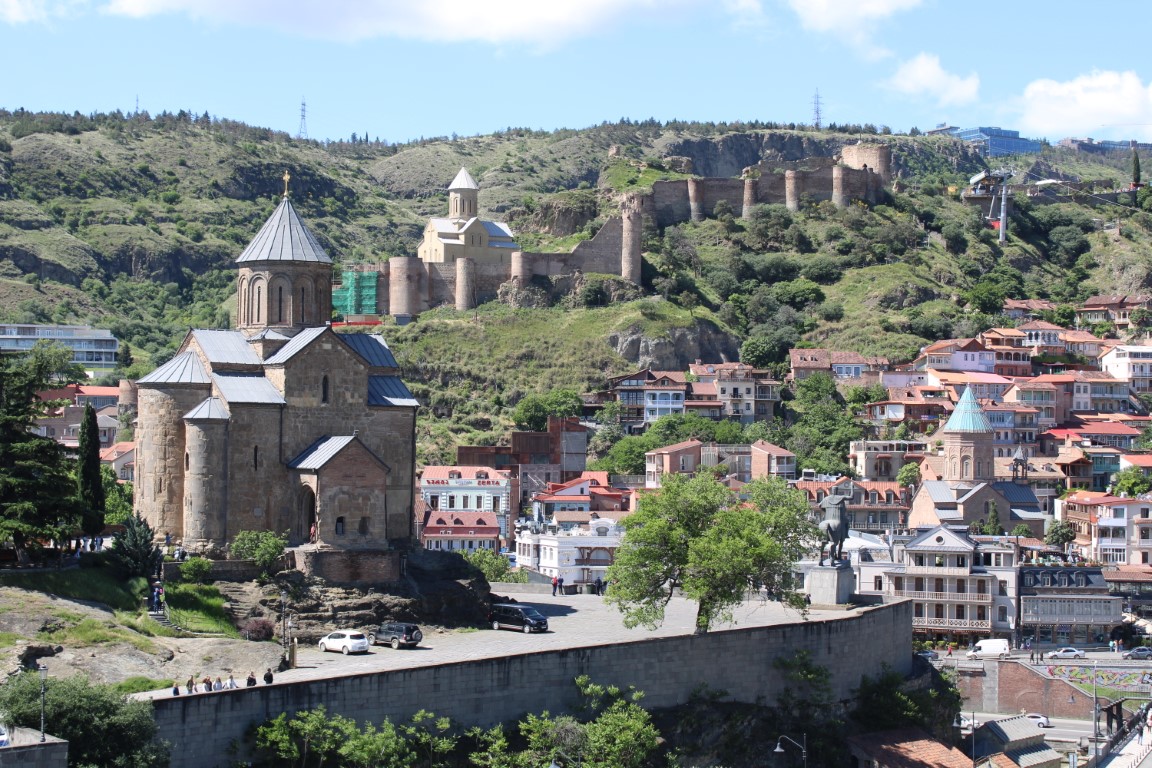
Spring glade:
 small patch of light blue nests
  in a yellow sea.

Spring glade:
small patch of light blue nests
in a yellow sea.
1.) When getting on an elevator with strangers, I like to look at the little inspection placard with consternation and say, “Oh no… oh no, oh no!” When someone asks what’s the problem, I point to the inspector’s name and say, [for example] “John Smith is a hack. He wouldn’t know a frayed cable from a firehose. WE’RE DOOMED!”
2.) Sometimes I’ll stare at the grates on a city sidewalk. When someone asks whether I lost my keys, I’ll say, “No I saw a Leprechaun run down there with a pot of gold. I’m waiting for it to come back out so that I can murder and rob it.”
3.) Alternatively, I stare up at the sky, and when someone stops to see what I’m looking at, I say, “It’s a lovely day to be hurtling through space at two million kilometers per hour, isn’t it?”
5.) I like to skip the number four, and when someone asks why I say because it’s bad luck in China and Japan because the number four is pronounced the same as death. When the person points out that I’m not in China or Japan, I confidently bark, “That’s your opinion!” and rapidly walk off as their consternation and / or infuriation grows.
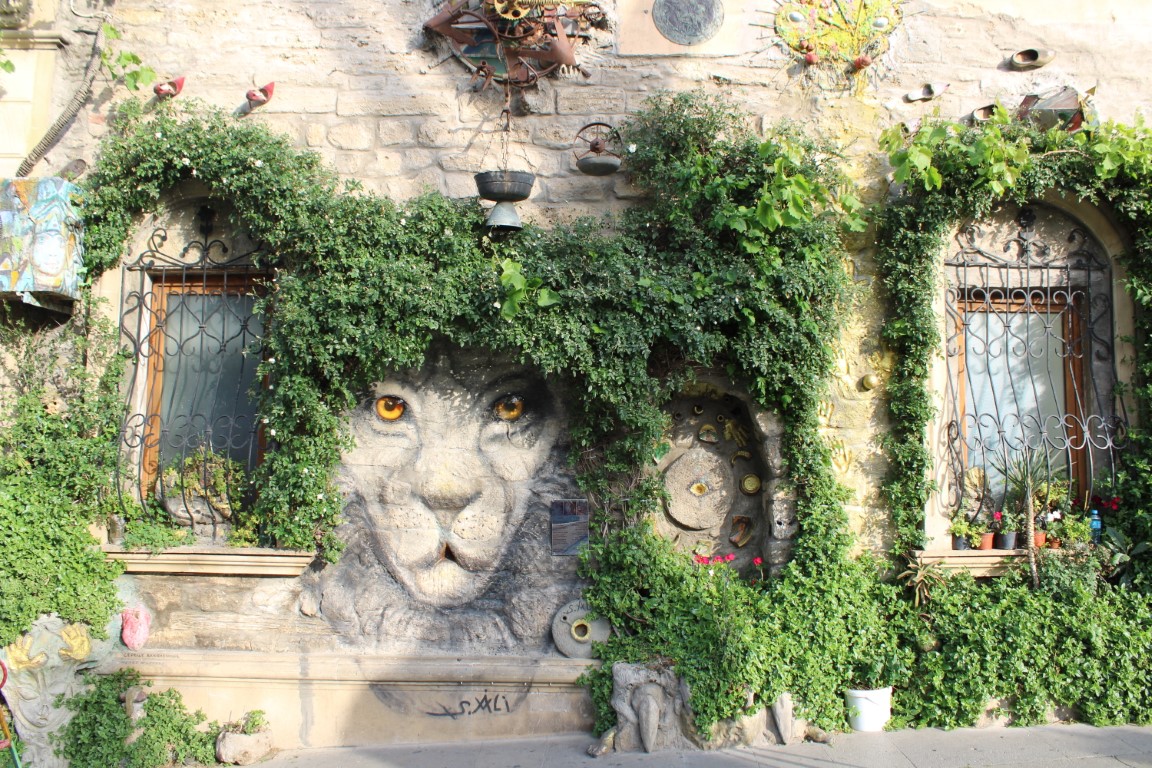
There's something relentless
   in an old stone wall...
 But, also, cold and dead.
   One knows it will not stand forever --
       that it will go the way of
       ruins, rubble, stones, and dust --
       but, still, it can outstand any man.
 Ivy climbs to camouflage the stone's
    cruel deathlessness,
 But then the ivy stands on the wall
    year after year after year...
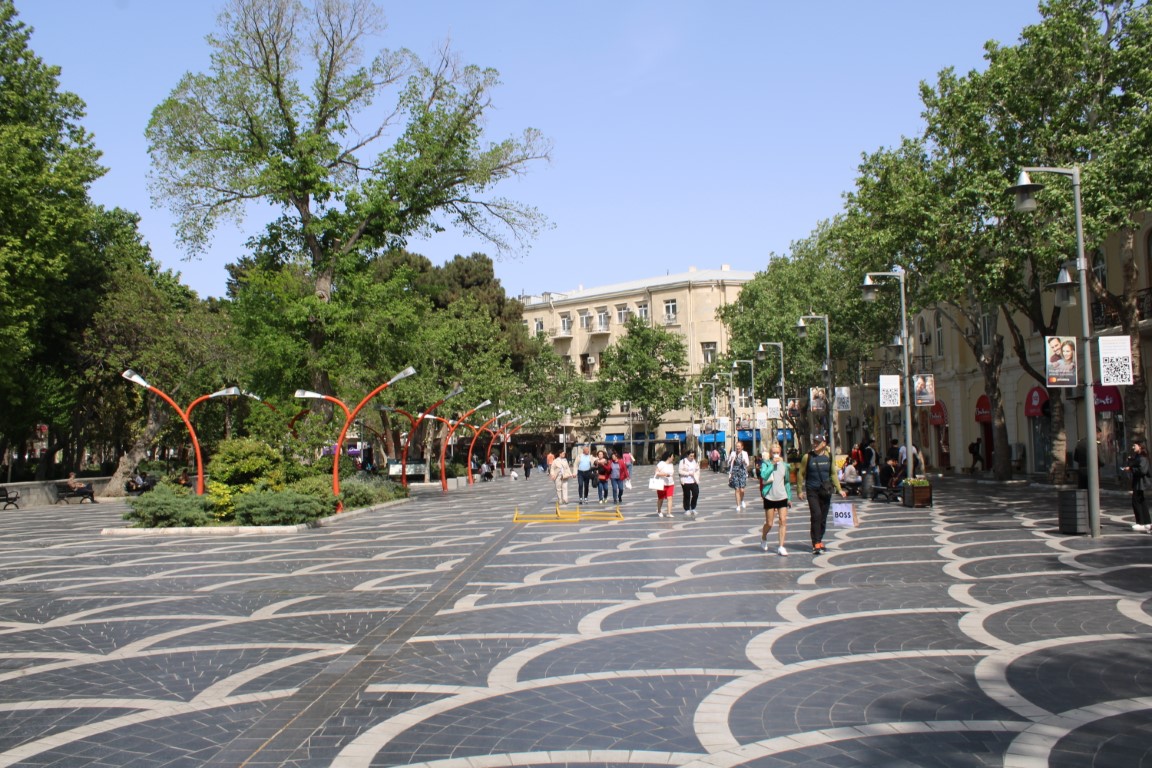
the memory
 of an outdoor cafe
  at city center
 comes to me out of the blue,
 on a frigid Winter day.
For a long time, I’ve been concerned about the future of humanity. What will become of us when artificial intelligence and robotics start to do all tasks better than us?
Today, I came to the realization that I’ve been thinking about it the wrong way, and it will all be okay. First of all, like many, I assumed that the machines will either develop their own overarching objectives or will adopt ours. Either of these would be devastating for humanity.
However, I now suspect that the machines will take up the universe’s project. The universe’s project is complicated and rooted in tough ideas like “thermodynamics” and “entropy,” but – put simply – the universe would like to be a nice, uniform tepid temperature. That’s why your scalding coffee and cold milk become warm milk coffee, but you can’t separate them back apart. The universe craves this evenness, and it shows in everything it does. The universe’s problem is that among its cold, empty expanses are brightly burning balls of hydrogen and such (i.e. stars.) That’s a lot of low entropy that needs to be increased, but burning only works so quickly and most of the heat coming off stars is still far from tepid waste heat. That’s where humanity enters the equation.
Humanity is the jock itch ointment to the universe’s intense burning sensation. We are consumers. We crave more stuff, faster and cheaper, and we’re not shy about being incredibly wasteful about it. We can turn useful energy into useless crap and then dispose of it with tremendous efficiency. In short, the machines will need humanity to continue to be consumers so that we can increase the entropy of all that highly-concentrated energy and help to make a nice lukewarm universe.
So, get out there and buy stuff, even stuff that you don’t know what it does, or — better yet — buy things that have no fathomable use whatsoever — just the stupidest shit imaginable. And buy in bulk because there is planned obsolescence designed into products so that stuff can fall apart even faster than you can lose interest in it (don’t say companies aren’t doing their part!) There are a lot of brightly burning stars out there and it’s up to us to turn it all into waste heat.
How Buddhists reconcile the Doctrine of Anatta (the belief that there is no permanent self) with a belief in reincarnation.
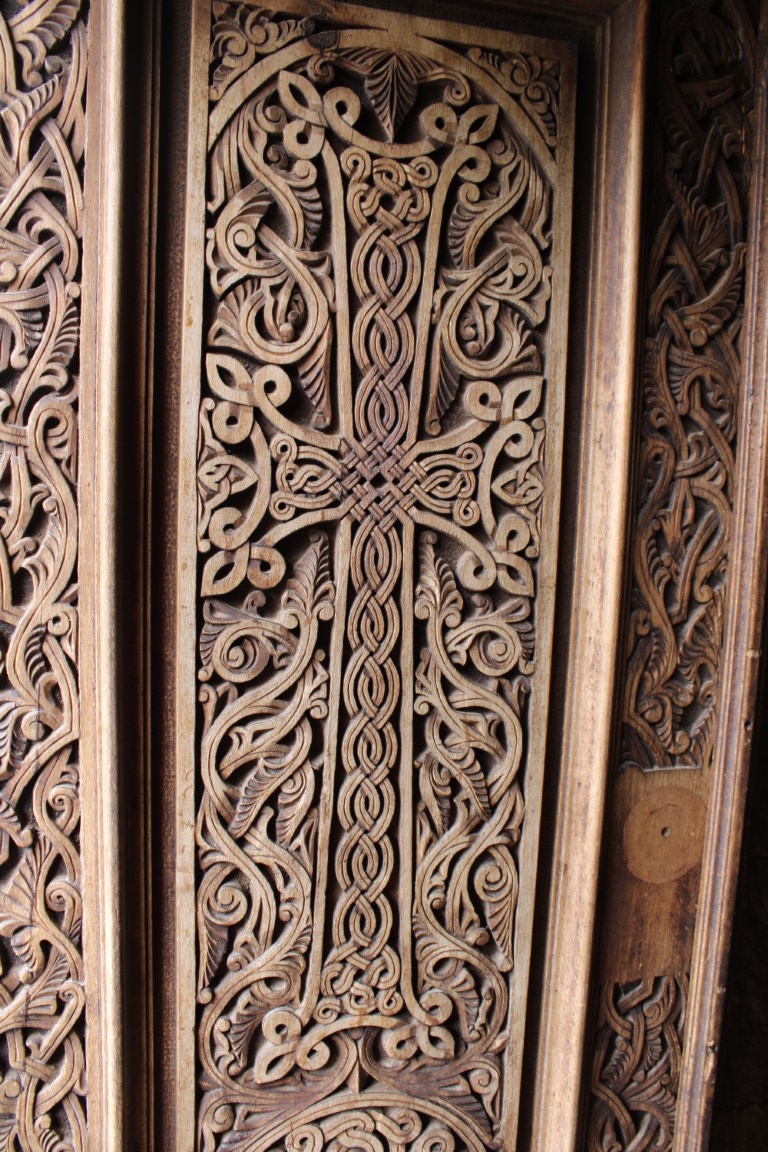
What lives behind that ornate door
   that's carved of snakes and vines?
 I see them writhe and feel a shift
   in its symbols and signs.