DAILY PHOTO: Sculpture of Lin Tianzhen at Yehliu Geopark

Photograph of Lin Tianzhen, a man who lost his life trying to rescue a drowning person. Taken at Yehliu Geopark.
Closeup photograph of Lin Tianzhen, a man who lost his life trying to rescue a drowning person. Taken at Yehliu Geopark.

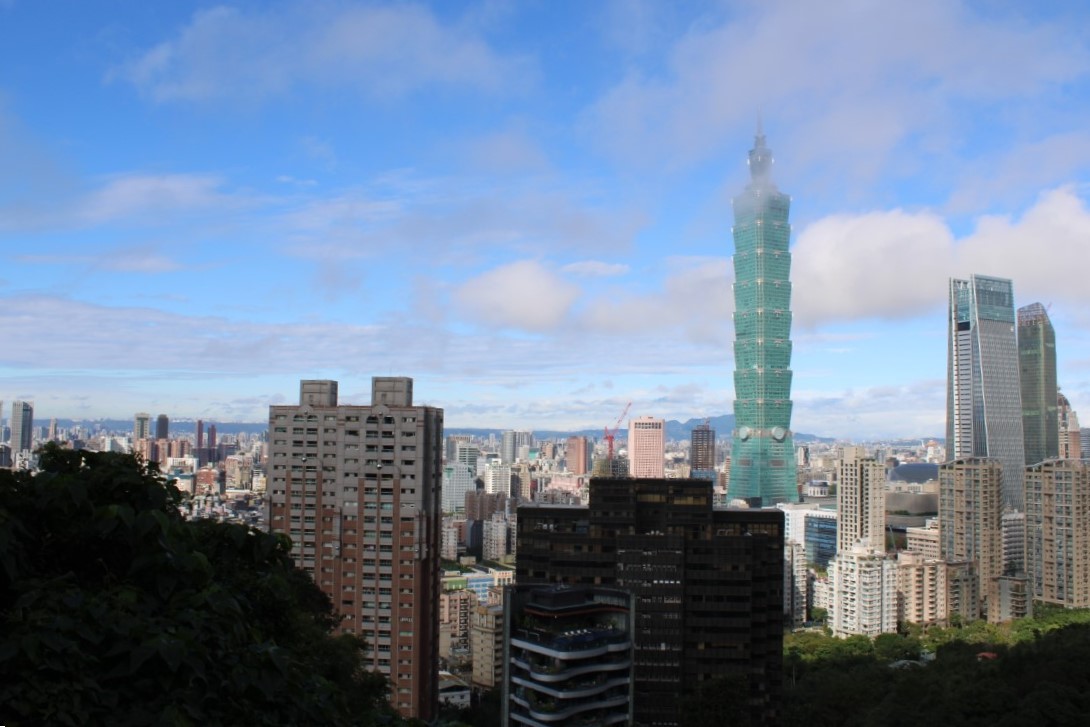
DAILY PHOTO: Taipei Skyline

Image

Photograph of Taipei, Taiwan taken from Elephant Mountain Trail.

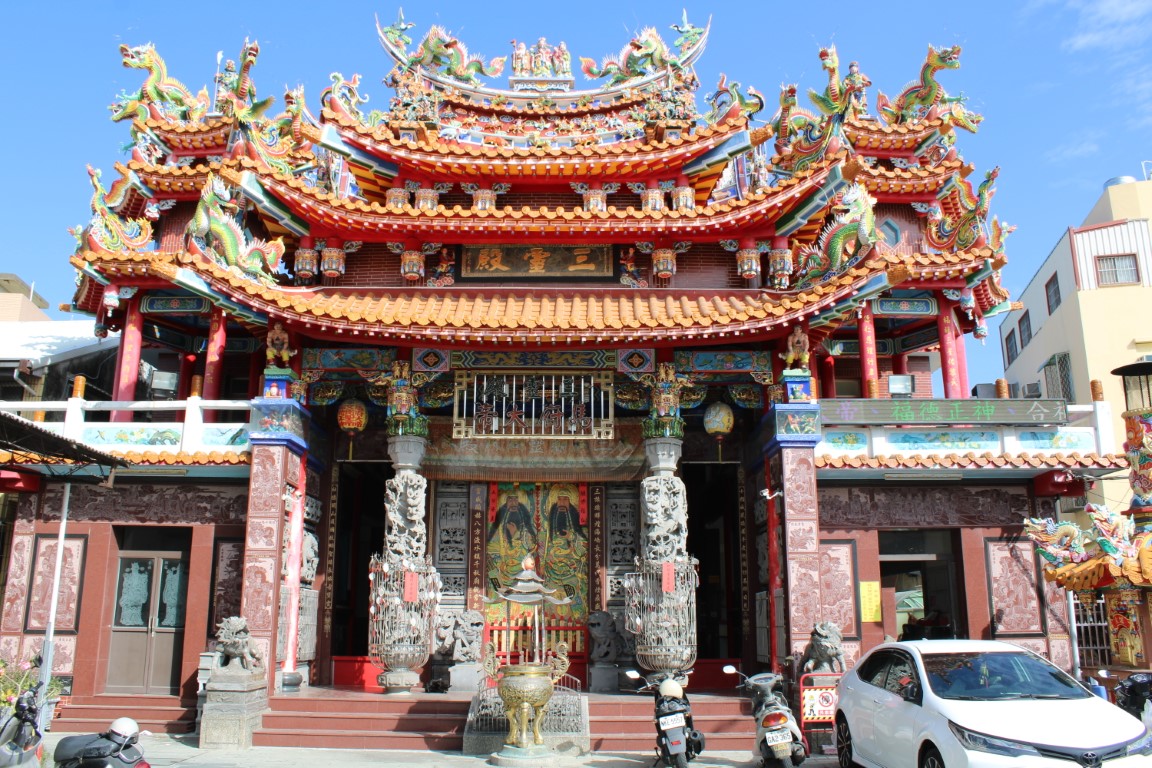
DAILY PHOTO: A Temple in Tainan

Image

Photograph of a temple in Tainan, Taiwan under blue skies. Anping Kaitai Tianhou Temple (安平開台天后宮)

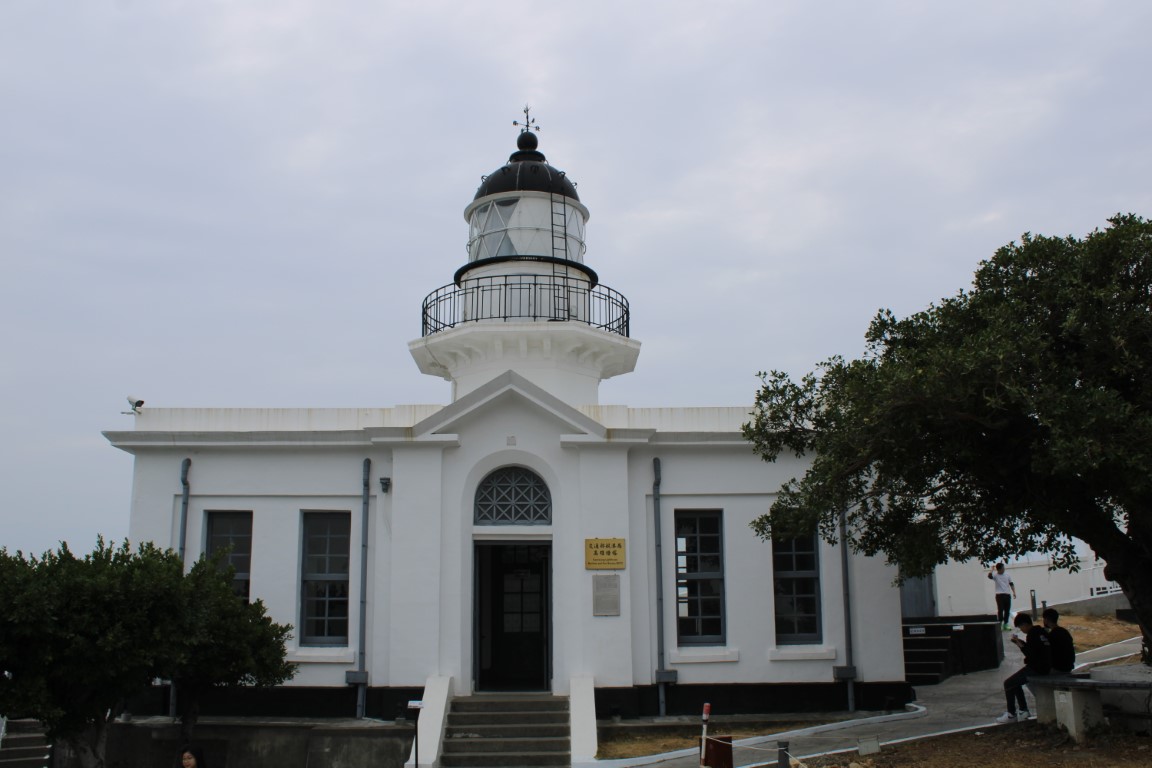
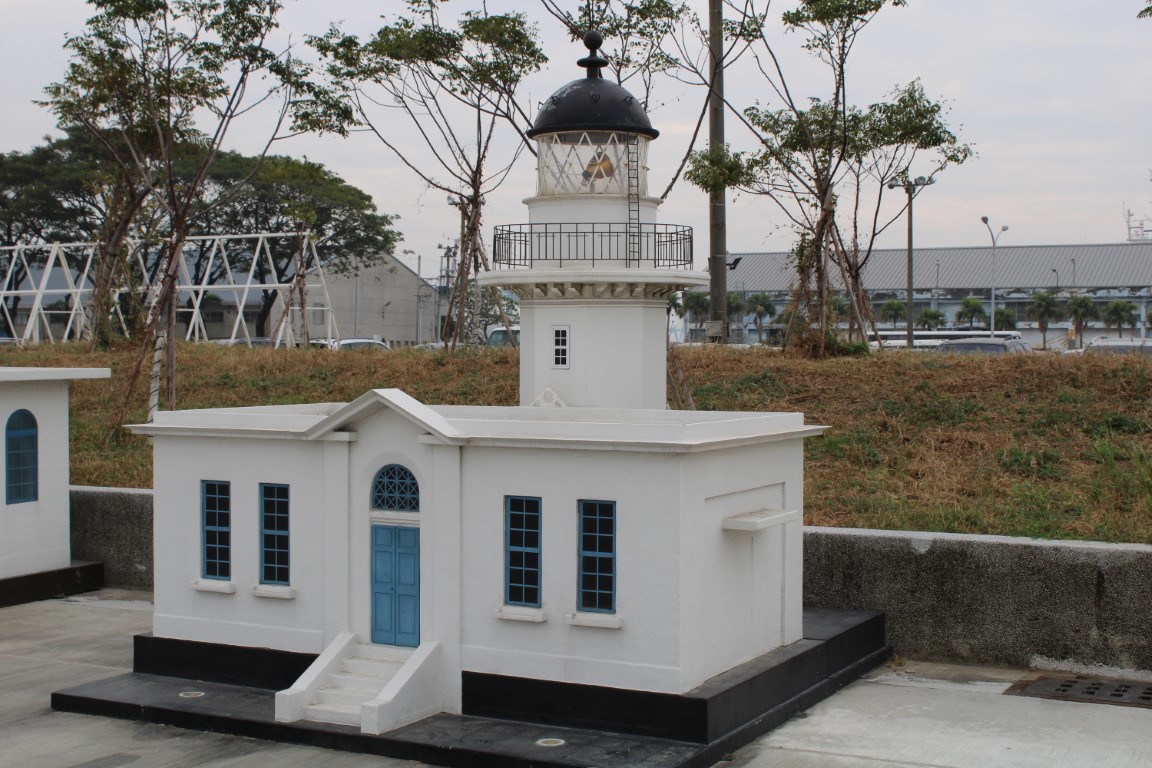
DAILY PHOTO: Lighthouses, Great & Small

This is the Kaohsiung Lighthouse at the rocky end point of the Qijin District peninsula.
This is the scale model of the Kaohsiung / Qujin Lighthouse that is at the Pier2 Art Center.

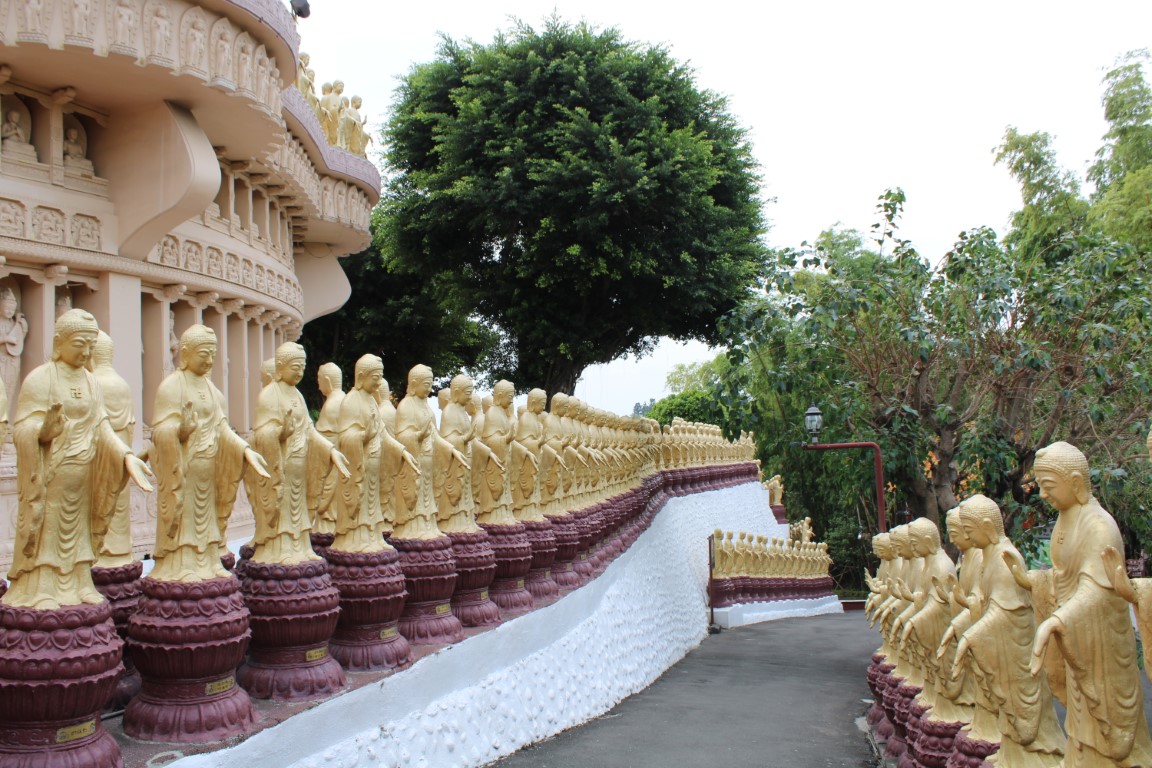
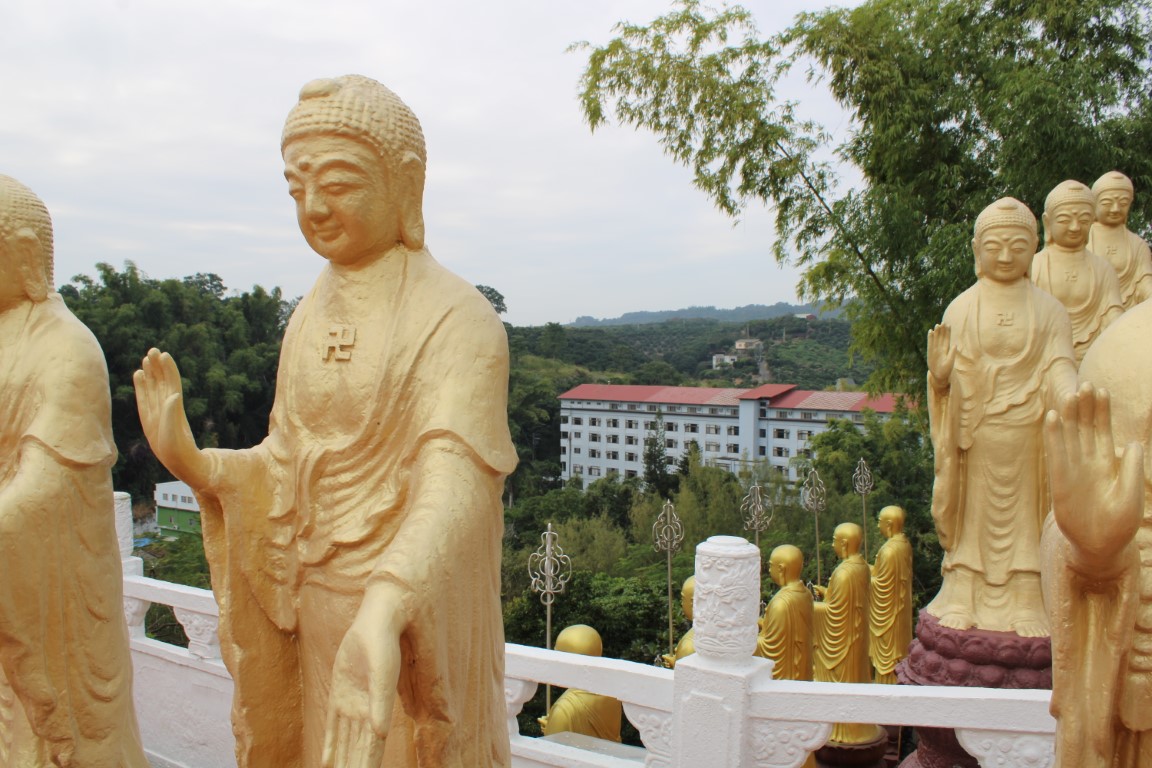
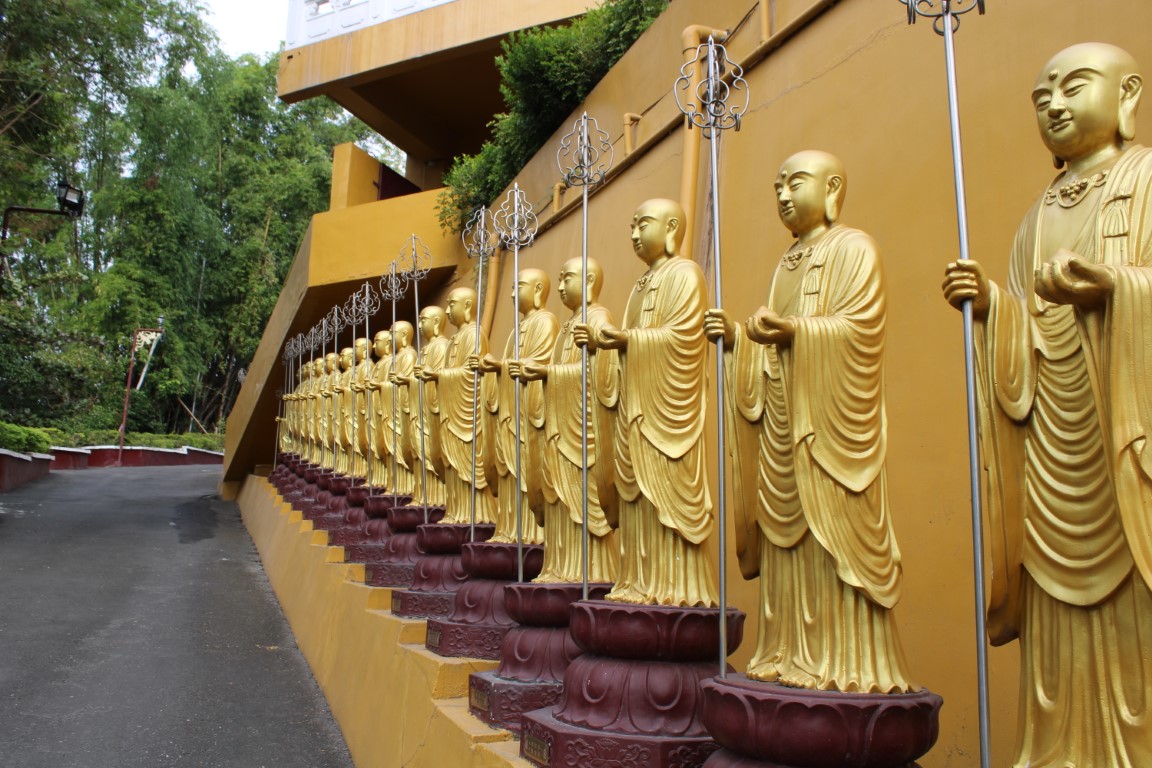
DAILY PHOTO: Infinite Buddhas

Photograph of rows of gold Buddhas taken at Fo Guang Shan, near Kaohsiung, Taiwan.
Photograph of gold Buddhas arranged by staircases at Fo Guang Shan, near Kaohsiung, Taiwan.

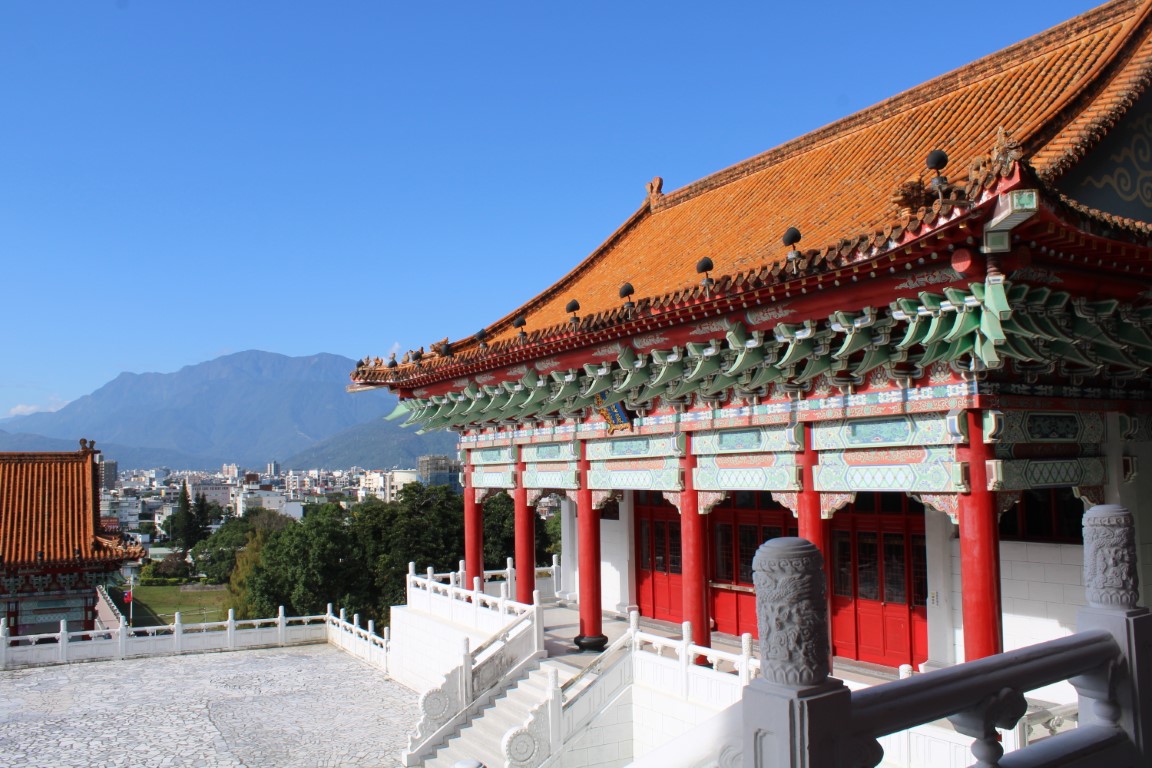
DAILY PHOTO: Hualien Martyrs’ Shrine [花蓮縣忠烈祠]

Image

A photograph of the Hualien Martyrs' Shrine (花蓮縣忠烈祠) in Hualien, Taiwan.

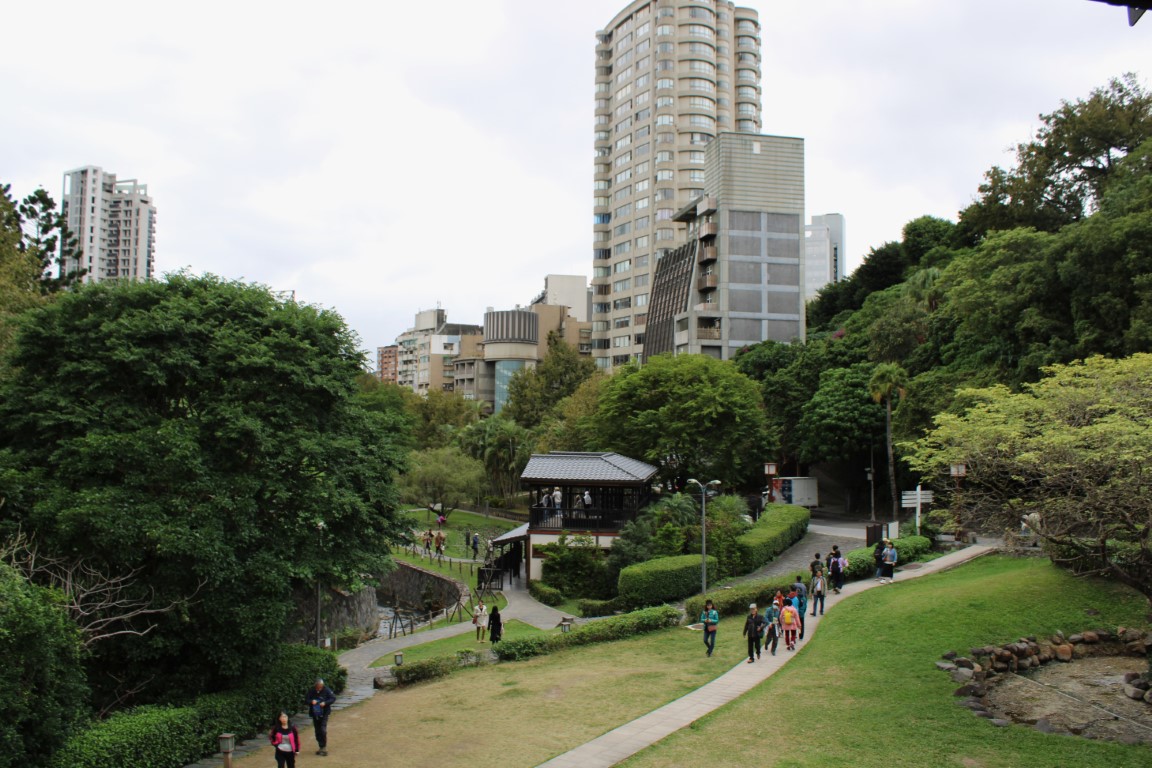
DAILY PHOTO: Beitou Park

Image

A photograph of Beitou, Taiwan with Beitou Park in the foreground.

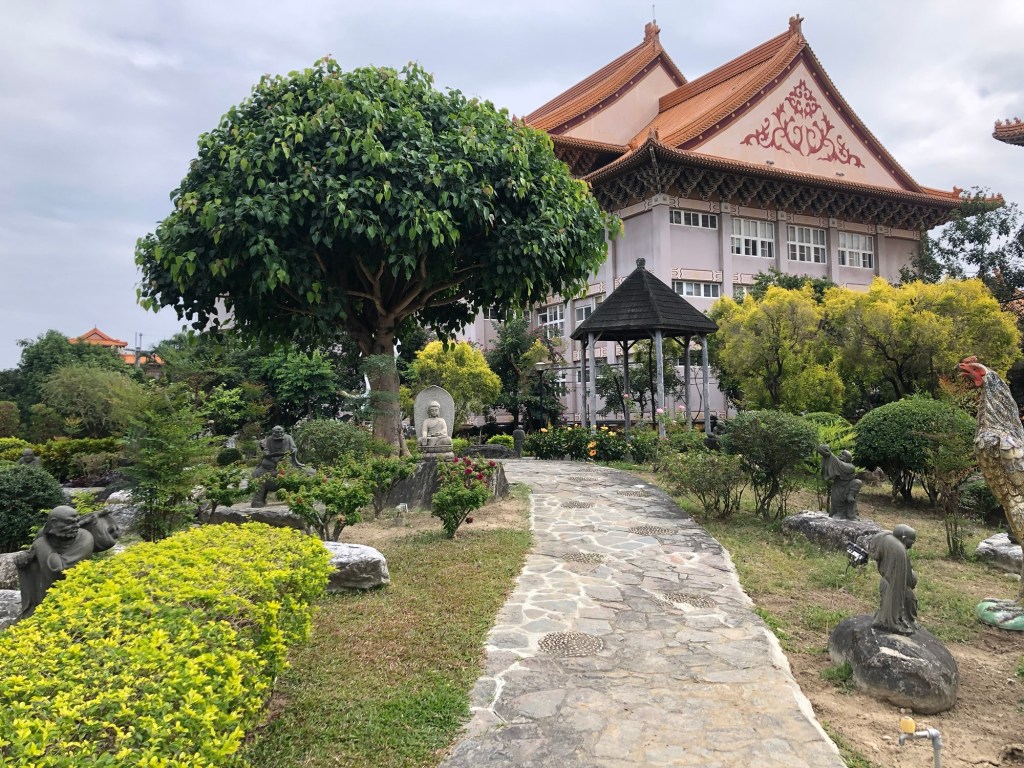
DAILY PHOTO: A View from Fo Guang Shan with Shrubbery

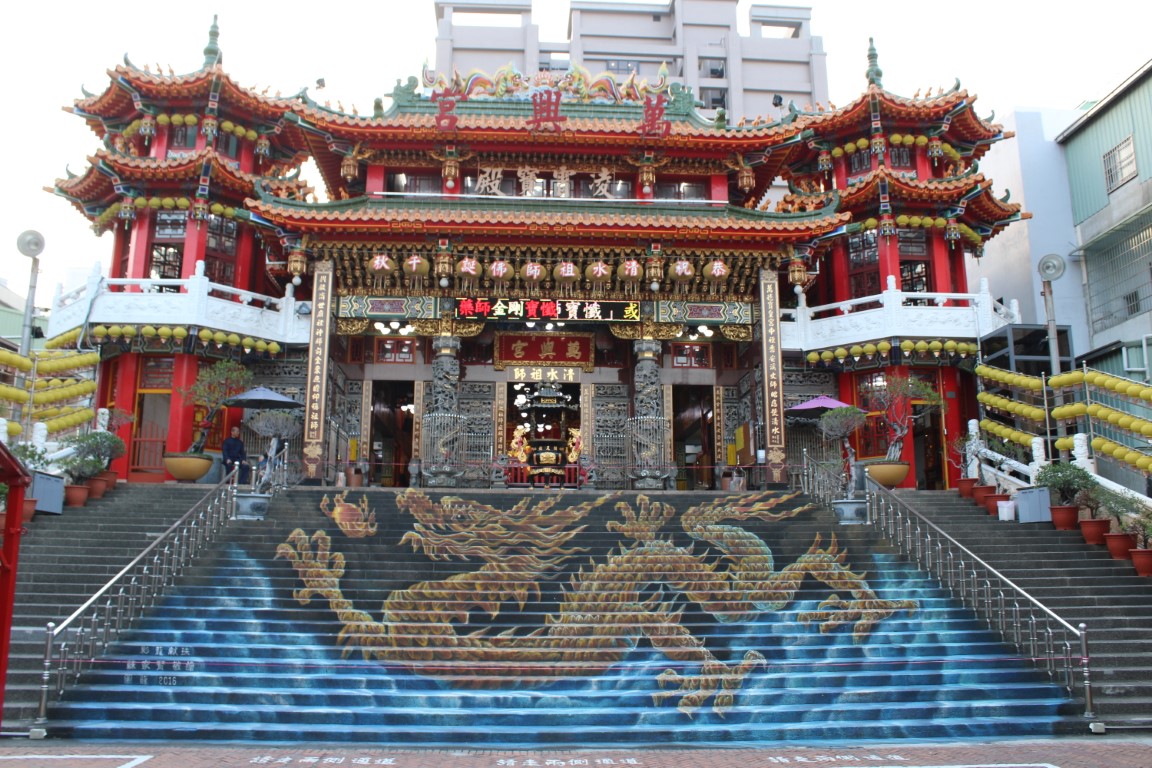
DAILY PHOTO: Chiân-kim Bān-heng Temple, Kaohsiung

Image

A photo of Chiân-kim Bān-heng, a Traditional Chinese Religion Temple in Kaohsiung, Taiwan.

BOOKS: 千字文 [Thousand Character Essay] by 周兴嗣 [Zhou Xingsi]

千字文千字文 by 周兴嗣
My rating: 4 of 5 stars

A version with English commentary can be found at the IFA Gallery

This short work, consisting of just one-thousand characters, is first and foremost a teaching tool for children. While it presents a thousand of the most important Chinese characters, it also delivers lessons on history, ethics, philosophy, and culture by way of short sayings.

It’s arranged into 250 4-character phrases (125 sentences) and reads as a lyric poem, though because it dates to the Sixth Century, the degree to which the rhyme scheme holds varies depending upon the which spoken language one speaks (e.g. Mandarin, Cantonese, or Hakka.)

There have been different versions of this work over the centuries.

This is a much beloved work of literature among Chinese, though its sayings do not necessarily hold up as well as works like Sunzi’s Art of War or Laozi’s Daodejing. Some do, but most are much less relevant than when written.

As someone learning Chinese, I’d highly recommend this work as a way to expose oneself to language while gaining insight into Chinese culture.

View all my reviews