“Slender” [Poetry Style #3] by Sikong Tu [w/ Audio]

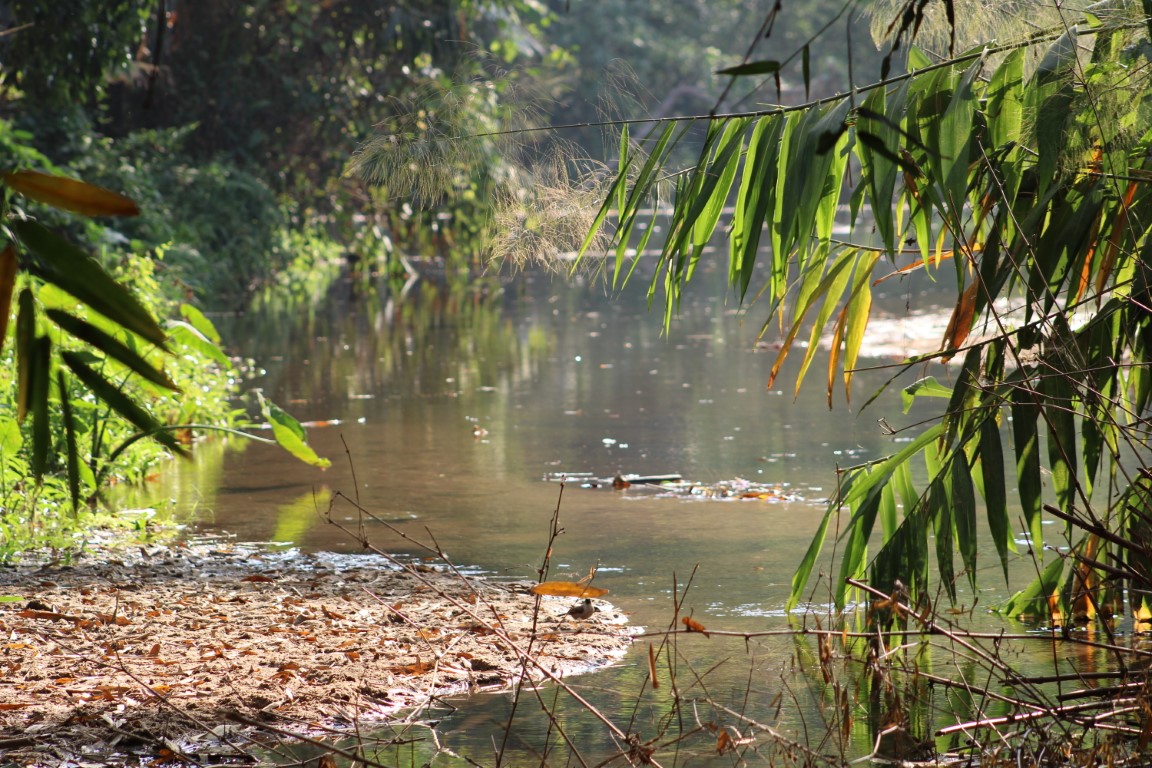
Picking, picking where water flows
From a distant fountainhead.
Moving up the narrow valley,
One may see a stunning beaut.
Peachtrees laden with ripe fruit
As breezes blow by the water
And willows wind along the stream,
While warblers consult with branch-mates.
The more one walks, the more Truth joins,
And more Truth may reveal the Way.
If this world is without end,
The old must be made new again.

NOTE: The late Tang Dynasty poet, Sikong Tu (a.k.a. Ssŭ-k‘ung T‘u,) wrote an ars poetica entitled Twenty-Four Styles of Poetry. It presents twenty-four poems that are each in a different tone, reflecting varied concepts from Taoist philosophy and aesthetics. Above is a crude translation of the third of the twenty-four poems. This poem’s Chinese title is 纤秾. Giles translated the title as “Slim — Stout” and it’s also been translated as “Delicate – Rich.”

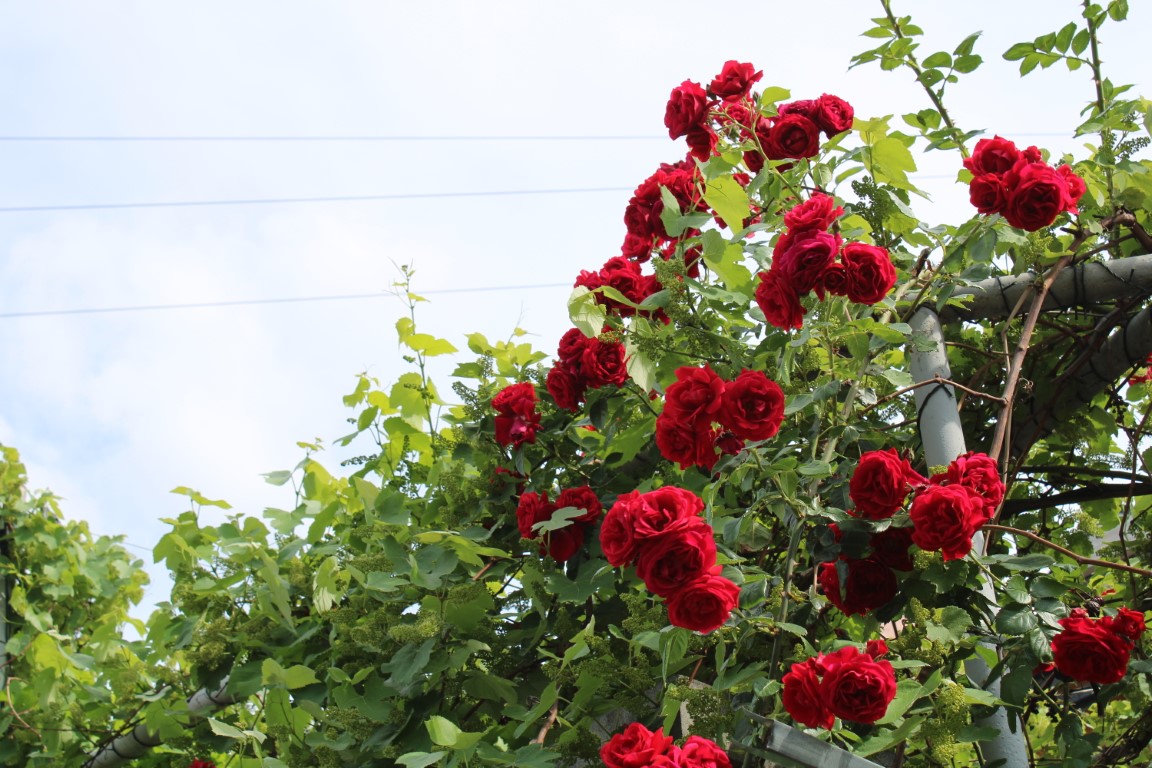
Roses & Weeds [Haiku]

roses in peak bloom,
but butterflies prefer
the weeds below.

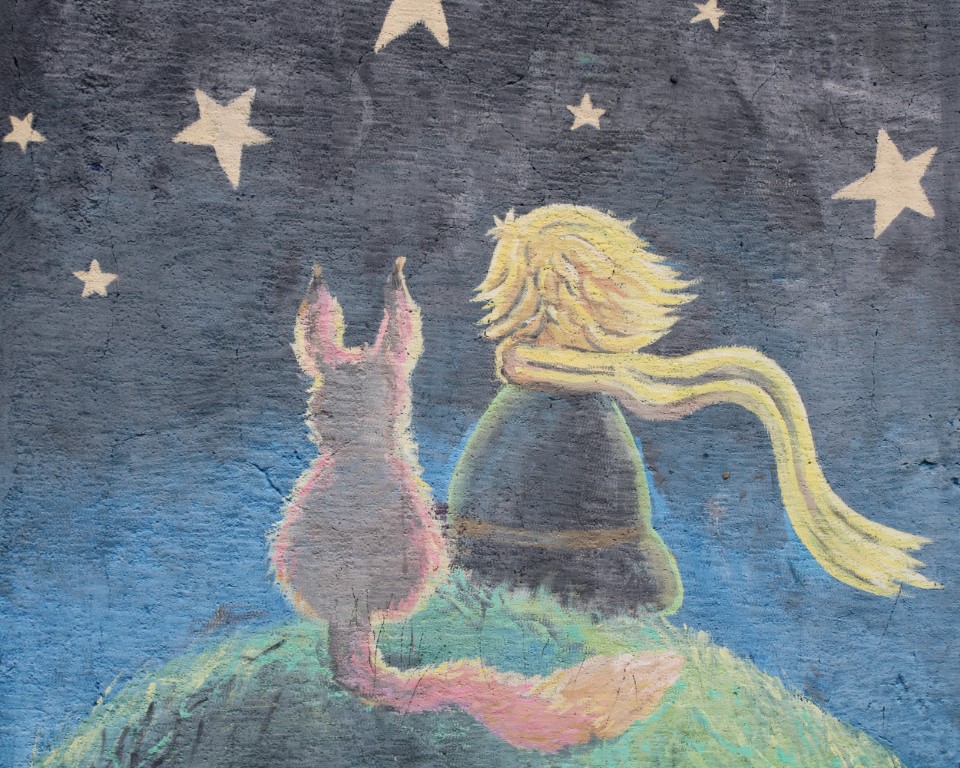
Tamed (Lyric Poem]

Mural in Mtatsminda Park, Tbilisi
Ah, so nice to be Tamed --
Never again the same.
What style of Wild do you
Think one could retain?

Being tamed would just be aces,
If one could keep some Wild, in traces.

Note to Self [Lyric Poem]

Allow me to make a
Socratic suggestion:
That you pursue the lowly
Art of the question.

Showing you love knowing
More than you love learning
Shows only that you're not
Discerning, and lack requisite
Yearning to find the Truth.

“Success is counted sweetest” (112) by Emily Dickinson [w/ Audio]

Sucess is counted sweetest
By those who ne'er succeed.
To comprehend a nectar
Requires sorest need.

Not one of all the purple Host
Who took the Flag today
Can tell the definition
So clear of victory

As he defeated -- dying --
On whose forbidden ear
The distant strains of triumph
Burst agonized and clear!

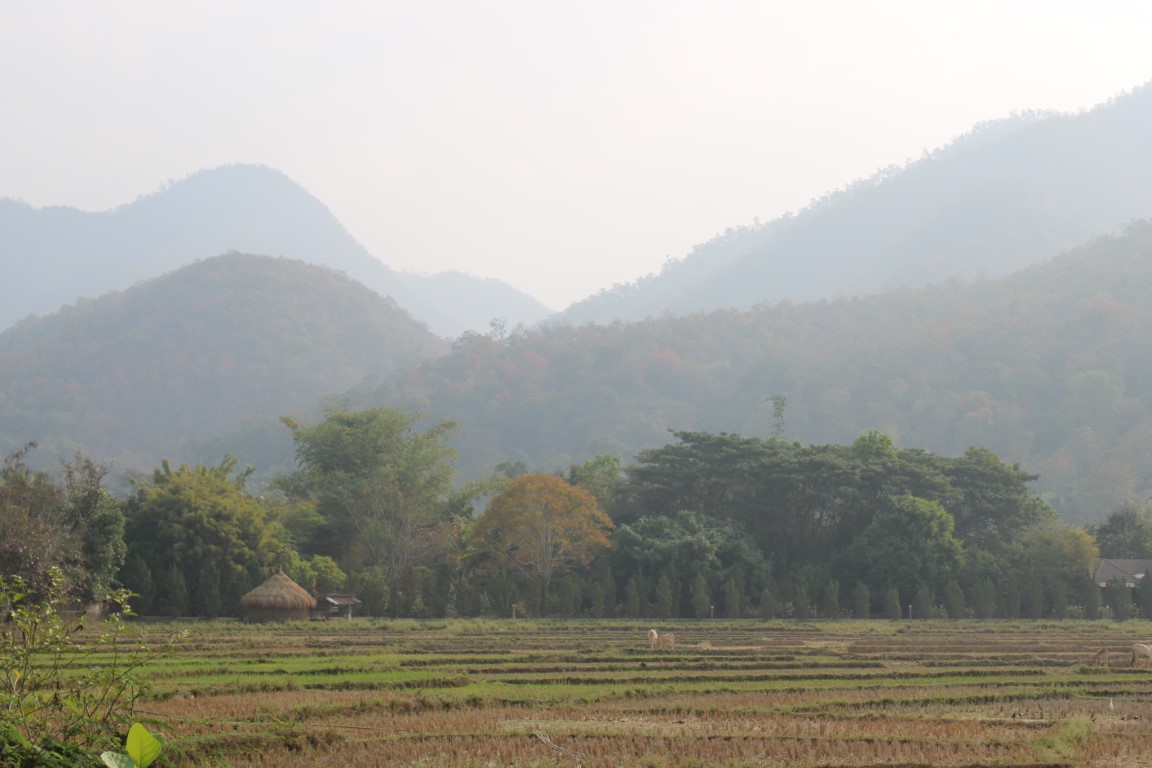
Painted Hills [Haiku]

after harvest,
farmers burn off stalks:
distant painted hills.

“If thou must love me” [Sonnet 14] by Elizabet Barrett Browning [w/ Audio]

If thou must love me, let it be for nought 
Except for love's sake only. Do not say,
"I love her for her smile -- her look -- her way
Of speaking gently, -- for a trick of thought
That falls in well with mine, and certes brought
A sense of pleasant ease on such a day" --
For these things in themselves, Beloved, may
Be changed, or change for thee -- and love, so wrought,
May be unwrought so. Neither love me for
Thine own dear pity's wiping my cheeks dry:
A creature might forget to weep, who bore
Thy comfort long, and lose thy love thereby!
But love me for love's sake, that evermore
Thou mayst love on, through love's eternity.

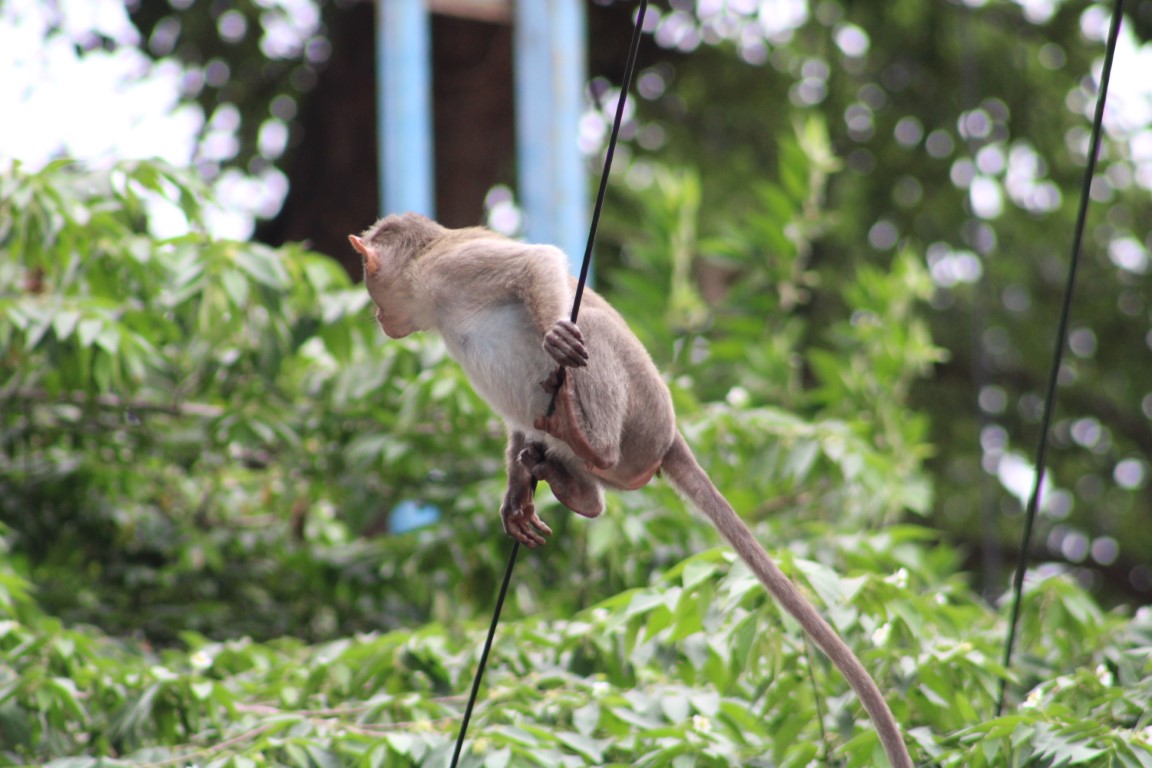
Urban Monkey [Haiku]

urban monkey stops
& turns on an urban vine --
nary a tremor.

Ducks [Haiku]

as the pond duck
slips & glides through water,
the shore duck is still.