


After transitioning from tighty-whities, through boxers, and on to the boxer-brief, I think I have finally found the path to downstairs bliss.
PROMPT: One Positive Change
Reply

After transitioning from tighty-whities, through boxers, and on to the boxer-brief, I think I have finally found the path to downstairs bliss.
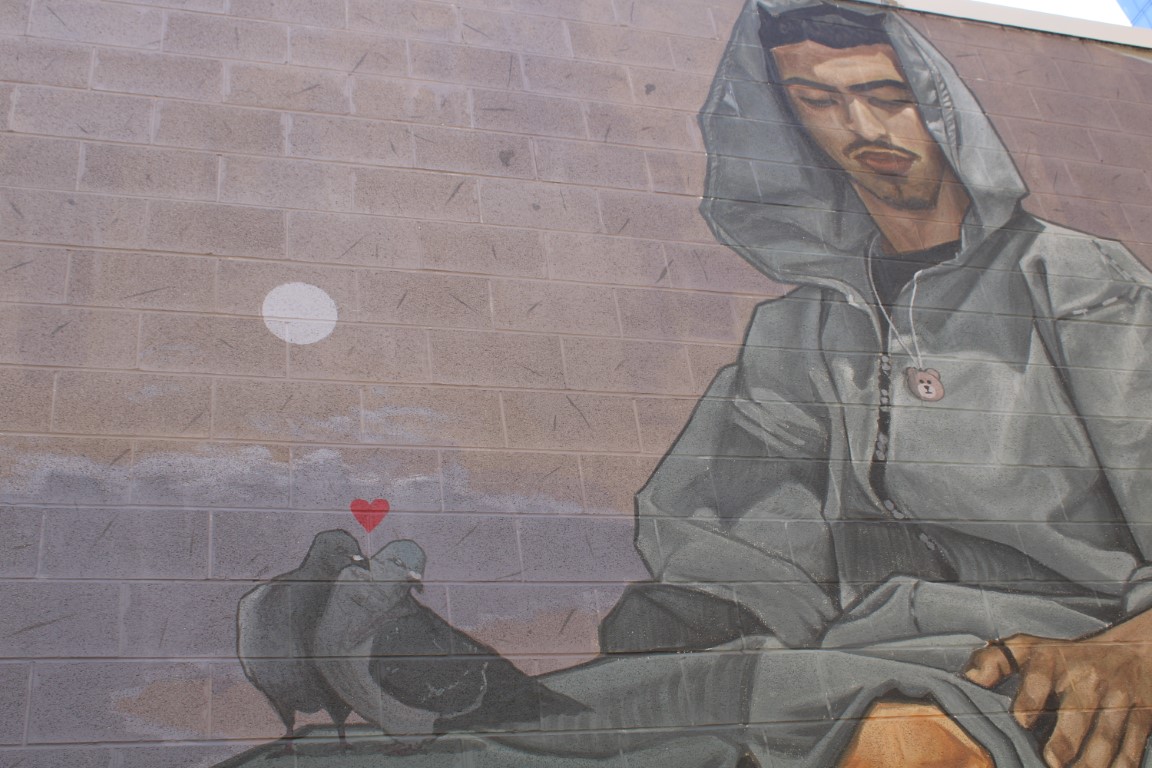
All the world's a stage,
 And all the men and women merely players:
 They have their exits and their entrances;
 And one man in his time plays many parts,
 His acts being seven ages. At first the infant,
 Mewling and puking in the nurse's arms;
 Then the whining school-boy, with his satchel
 And shining morning face, creeping like a snail
 Unwilling to school. And then the lover,
 Sighing like furnace, with a woeful ballad
 Made to his mistress' eyebrow. Then a soldier,
 Full of strange oaths, and bearded like the pard,
 Jealous in honour, sudden and quick in quarrel,
 Seeking the bubble reputation
 Even in the cannon's mouth. And then the justice,
 In fair round belly with good capon lin'd,
 With eyes severe and beard of formal cut,
 Full of wise saws and modern instances;
 And so he plays his part. The sixth age shifts
 Into the lean and slipper'd pantaloon,
 With spectacles on nose and pouch on side.
 His youthful hose, well sav'd, a world too wide
 For his shrunk shank; and his big manly voice,
 Turning again toward childish treble, pipes
 And whistles in his sound. Last scene of all,
 That ends this strange eventful history,
 Is second childishness and mere oblivion;
 Sans teeth, sans eyes, sans taste, sans everything.
NOTE: Sometimes called the “Seven Ages of Man,” this soliloquy is spoken by Jacques in Act II: Sc. 7 of As You Like It.
Which aspects do you think makes a person unique?
Genetic code and life story.
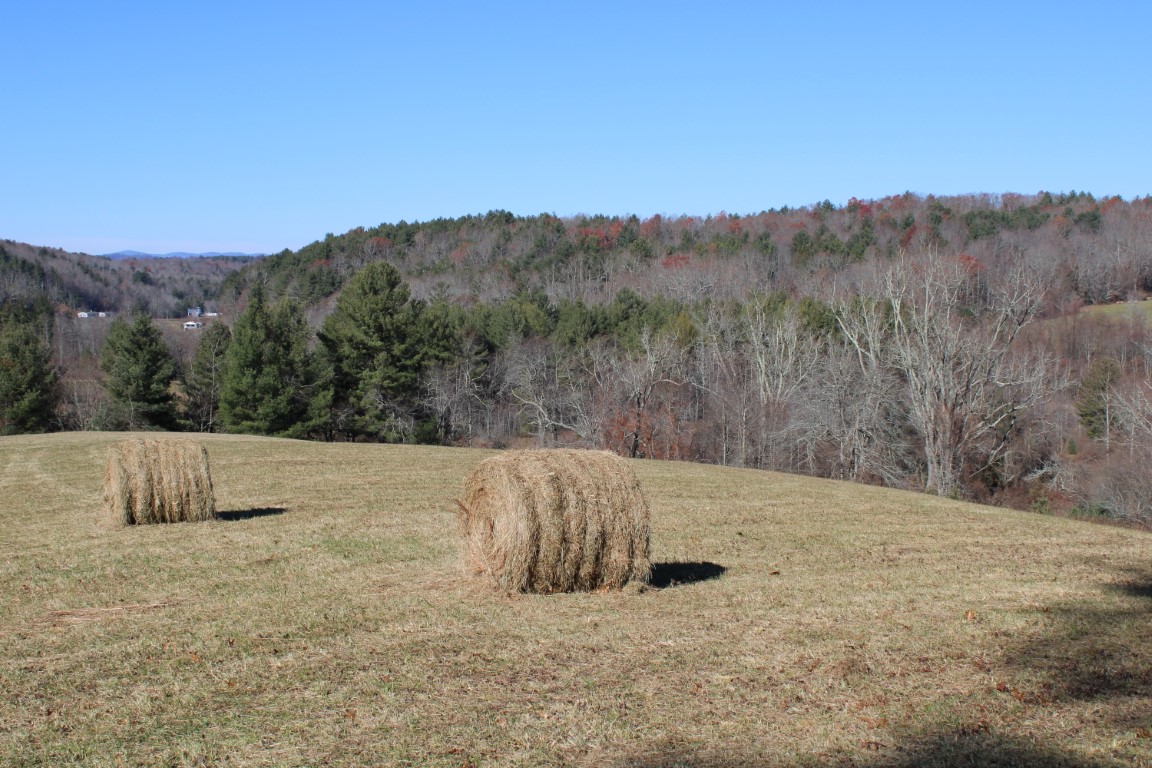
Happy the man, whose wish and care
   A few paternal acres bound,
 Content to breathe his native air,
                    In his own ground.

Whose herds with milk, whose fields with bread,
   Whose flocks supply him with attire,
 Whose trees in summer yield him shade,
                    In winter fire.

Blest, who can unconcernedly find
   Hours, days, and years slide soft away,
 In health of body, peace of mind,
                    Quiet by the day,

Sound sleep by night; study and ease,
   Together mixed; sweet recreation;
 And innocence, which most does please,
                    With meditation.

Thus let me live, unseen, unknown;
   Thus unlamented let me die;
 Steal from the world, and not a stone
                    Tell where I lie.

Because I could not stop for Death —
   He kindly stopped for me —
 The Carriage held but just Ourselves —
   And Immortality.

We slowly drove — He knew no haste
   And I had put away
 My labour and my leisure too,
   For His Civility —

We passed the School, where Children strove
   At Recess — in the Ring —
 We passed the Fields of Gazing Grain -
   We passed the Setting Sun -

Or rather - He passed us -
   The Dews drew quivering and chill -
 For only Gossamer, my Gown -
   My Tippet - only Tulle -

We paused before a House that seemed
   A Swelling of the Ground -
 The Roof was scarcely visible -
   The Cornice - in the Ground-

Since then - ‘tis Centuries - and yet
   Feels shorter than the Day
 I first surmised the Horses’ Heads
   Were toward Eternity -
Any that I can. If I can’t, it’s probably a tedious work-a-day task that I’m trying to get through so that I can get back to activities in which I can lose myself.

Remember me when I am gone away,
   Gone far away into the silent land;
   When you can no more hold me by the hand,
 Nor I half turn to go yet turning stay.
 Remember me when no more day by day
   You tell me of our future that you plann'd:
   Only remember me; you understand
 It will be late to counsel then or pray.
 Yet if you should forget me for a while
   And afterwards remember, do no grieve:
   For if the darkness and corruption leave
   A vestige of the thoughts that once I had,
 Better by far you should forget and smile
  Than that you should remember and be sad.

Death, be not proud, though some have called thee
 Mighty and dreadful, for thou art not so;
 For those whom thou think'st thou dost overthrow
 Die not, poor Death, nor yet canst thou kill me.
 From rest and sleep, which but thy pictures be,
 Much pleasure; then from thee much more must flow,
 And soonest our best men with thee do go,
 Rest of their bones, and soul's delivery.
 Thou art slave to fate, chance, kings, and desperate men,
 And dost with poison, war, and sickness dwell,
 And poppy or charms can make us sleep as well
 And better than thy stroke; why swell'st thou then?
   One short sleep past, we wake eternally
    And death shall be no more; Death, thou shalt die.
Write a letter to your 100-year-old self.
Dear Sir,

Of late, we find your kungfu lacks vigor and precision. We can no longer, in good conscience, keep you in the vanguard against invading Mongolian hordes.

Try to look on the bright side.

Sincerely,

Sumwun U. Yoostahno


