Primary Colors [Haiku]

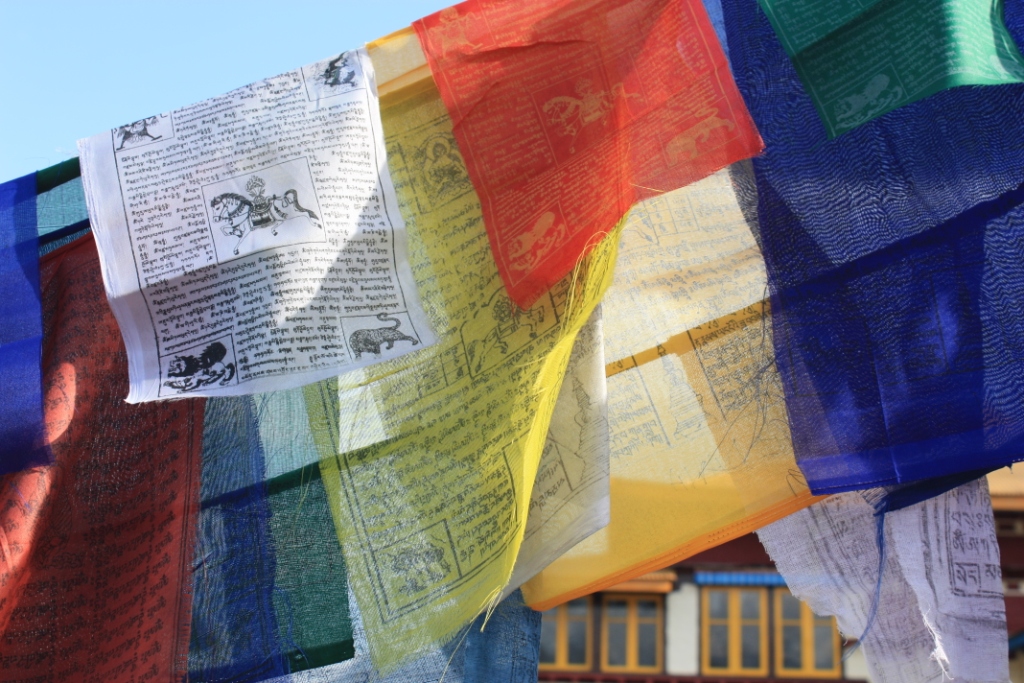
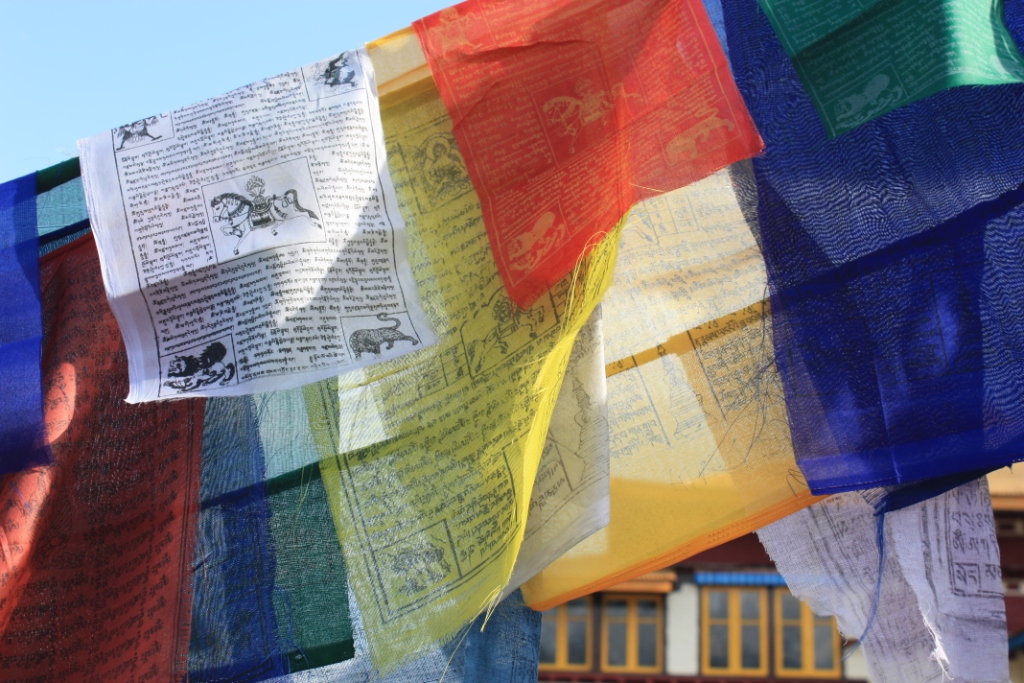
prayer flags hang,
in bright primary colors --
dense with unread text

BOOK REVIEW: Walking Meditation by Thich Nhat Hanh & Nguyen Anh-Huong
Walking Meditation (With DVD)Walking Meditation by Thich Nhat Hanh
My rating: 5 of 5 stars

Amazon.in Page

This brief guide to walking meditation lays out a basic practice linking breath and stride, and then explores such topics as: how to apply the practice to varied environments, coping with emotion through [and during] walking, the social dimension of walking meditation, and a few thoughts on applying the practice to jogging. The book is nominally attributed to the beloved Vietnamese Zen Buddhist monk who recently passed (i.e. January 2022,) Thich Nhat Hanh, but it seems the bulk of the book was written by the co-author (Nguyen Anh-Huong.) That said, it’s a clearer distribution of labor than usual for mega-guru books; not only does the author get a co-author credit but the words of Thich Nhat Hanh are presented as textboxes with bylines.

The book is less than a hundred pages of text, but the edition I have came with a CD and DVD (if anyone still has a player for these antiquated technologies. If you’re paying full price, I’d make sure you have some means to play the CD and DVD. I obtained a used copy at a low price, so it wasn’t a concern.) The book’s brevity has both pros and cons. On the pro side, it keeps things simple. The practice is a straightforward one of linking one’s breath to one’s stride, and there’s no tedious elaborations or variations with which to contend. On the con side, if one is looking for insight into improving alignment or biomechanics of walking, that’s not covered in this book. That is probably for the best, because it’s hard to avoid overthinking the practice if one is given extensive directions on stride and the like. This isn’t so much a criticism as an attempt to temper expectations for those who may feel they would benefit from some sort of anatomical or biomechanical insights on walking or physiological insights about the breath.

If you’re looking for a quick and straightforward guide to practicing walking meditation, give it a read.

View all my reviews

Prayer Flag Impermanence [Free Verse]

prayer flags languidly roll
in the courtyard
of the monastery

one monk
has seen the flags
every day since
they were erected

&

before that
saw their predecessors --
sun-bleached and tattered

that monk
 looks upon the flags
as if he's never seen them before
and will never see them again

each monk was taught to think this way,
but he's the only one who sees this way

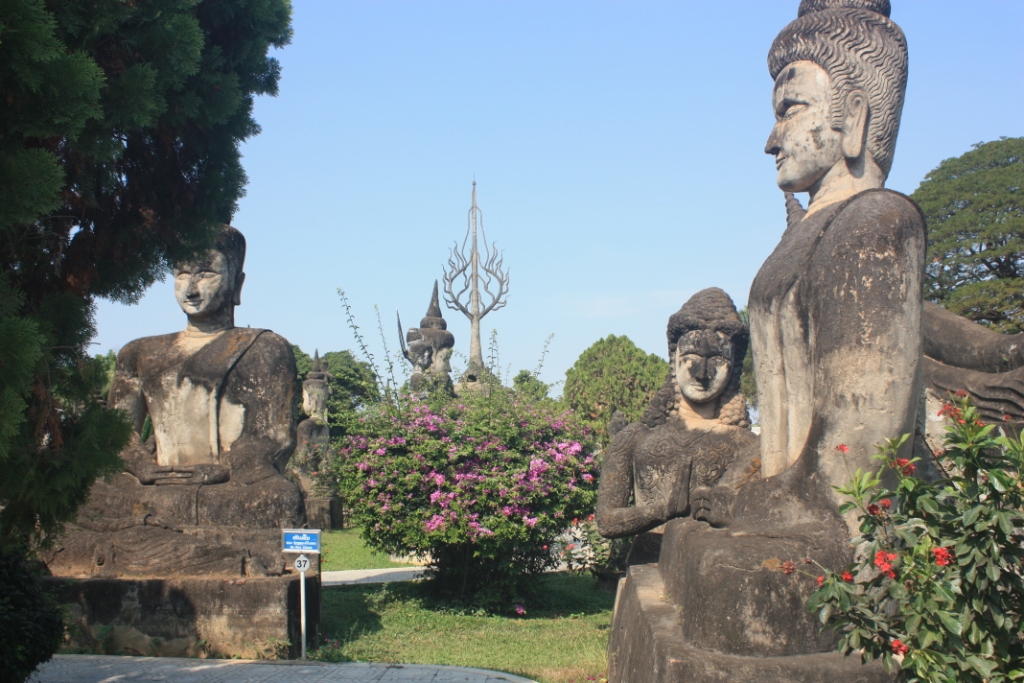
DAILY PHOTO: Seated Section of the Buddha Park

Taken in January of 2019 at Xieng Khuan [The Buddha Park] outside Vientiane

BOOK REVIEW: Breathe! You are Alive [i.e. Anapanasati Sutta] Trans. & Commentary by Thich Nhat Hanh

Breathe! You Are Alive: Sutra on the Full Awareness of BreathingBreathe! You Are Alive: Sutra on the Full Awareness of Breathing by Thich Nhat Hanh
My rating: 5 of 5 stars

Amazon.in Page

One evening at the end of a rainy season in Shravasti (present-day Uttar Pradesh near the Nepali border,) the Buddha taught a practice using awareness of breath to quiet the mind. This is a translation with commentary by the Vietnamese Zen monk, Thich Nhat Hanh [RIP, FYI – he passed away on January 22nd.] (To clarify: Annabel Laity translated the book from Vietnamese to English, Thich Nhat Hanh translated versions of the sutra from Pali and Chinese.) The teaching is called the Anapanasati Sutta (i.e. “Sutra on the Full Awareness of Breathing.”) It consists of sixteen variations on the theme of “Breathing in, I know I’m breathing in. Breathing out, I know I’m breathing out.”

The sutra itself is only a few pages long, leaving commentaries and appendices to stretch the book to its barely one-hundred-pages. This isn’t a criticism; the commentary is beneficial because the sutra is bare bones. Even being somewhat aware of basic Buddhist concepts (e.g. impermanence, emptiness, liberation, etc.) I still found that the commentary offered some valuable insight about how to understand these ideas as well as how they relate to the practice. The Appendices consist of a variation on the practice and a translation of Chinese version of the sutra. The latter is a bit redundant, but one can also see little differences in translation that may be informative for some.

Besides presenting the practice, the book explains how it relates to (and is built around the principles from) the “Sutra on the Four Establishments of Mindfulness.” This book outlines the Four Establishments clearly enough to see how the Anapanasati practice is shaped by them. However, it’s worth noting that Thich Nhat Hanh also produced a translation and commentary on the Four Establishments that is entitled “Transformation & Healing.”

As someone who has found breath practices to be among the most effective tools for improving the mind, I benefited from this book tremendously. Besides its discussion of the practice and variations, I learned a lot from the philosophical elaborations that were made. I’d highly recommend this book.

View all my reviews

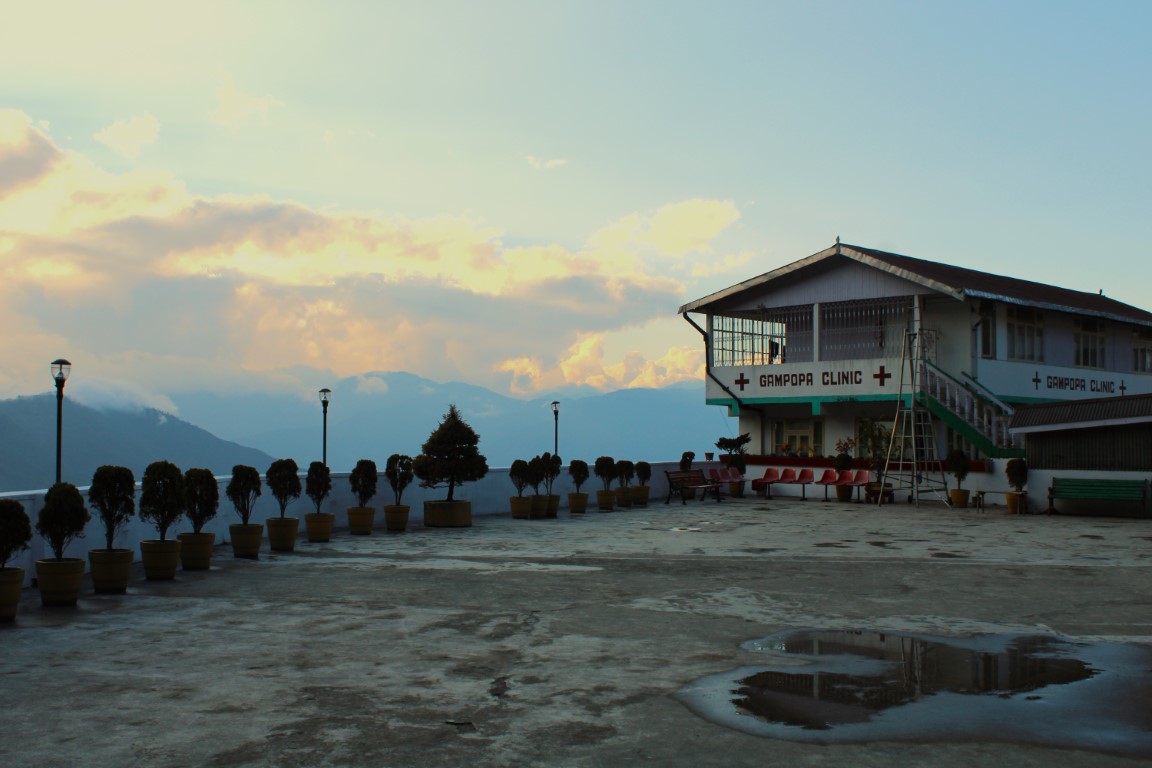
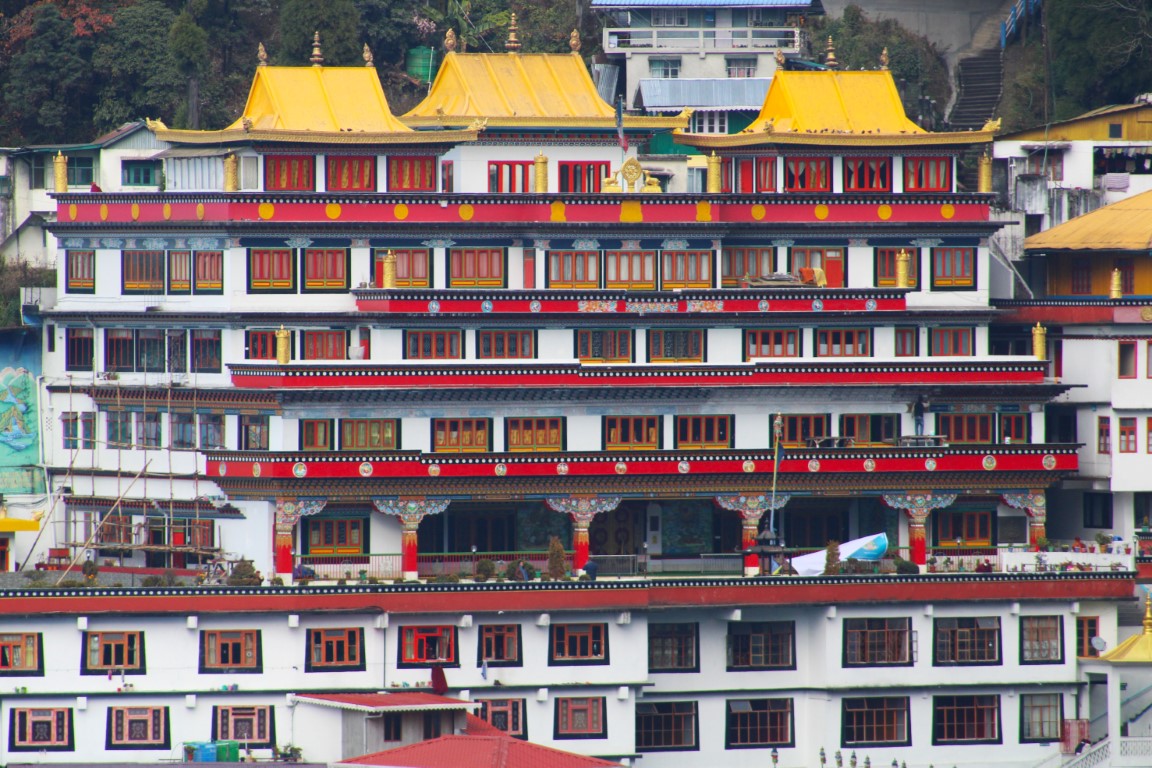
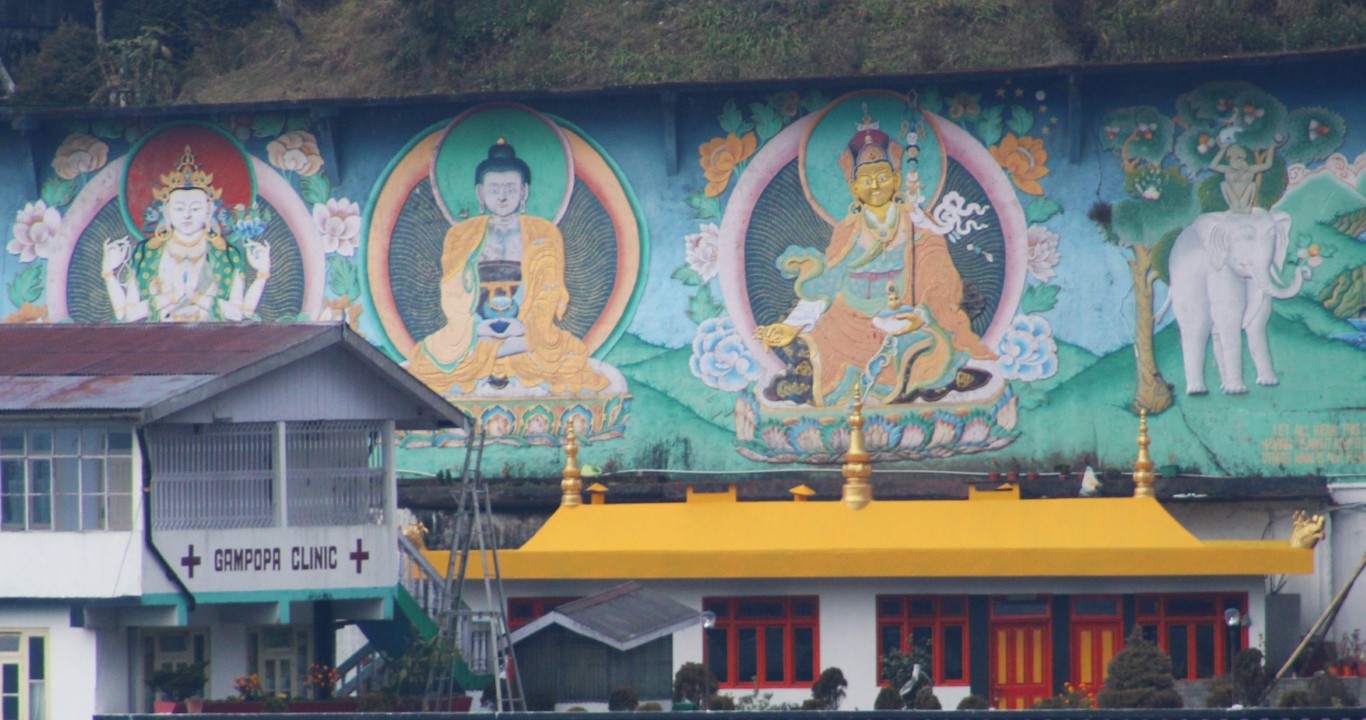
DAILY PHOTO: Dali Monastery

Taken in December of 2021 in Dali (between Ghoom & Darjeeling)

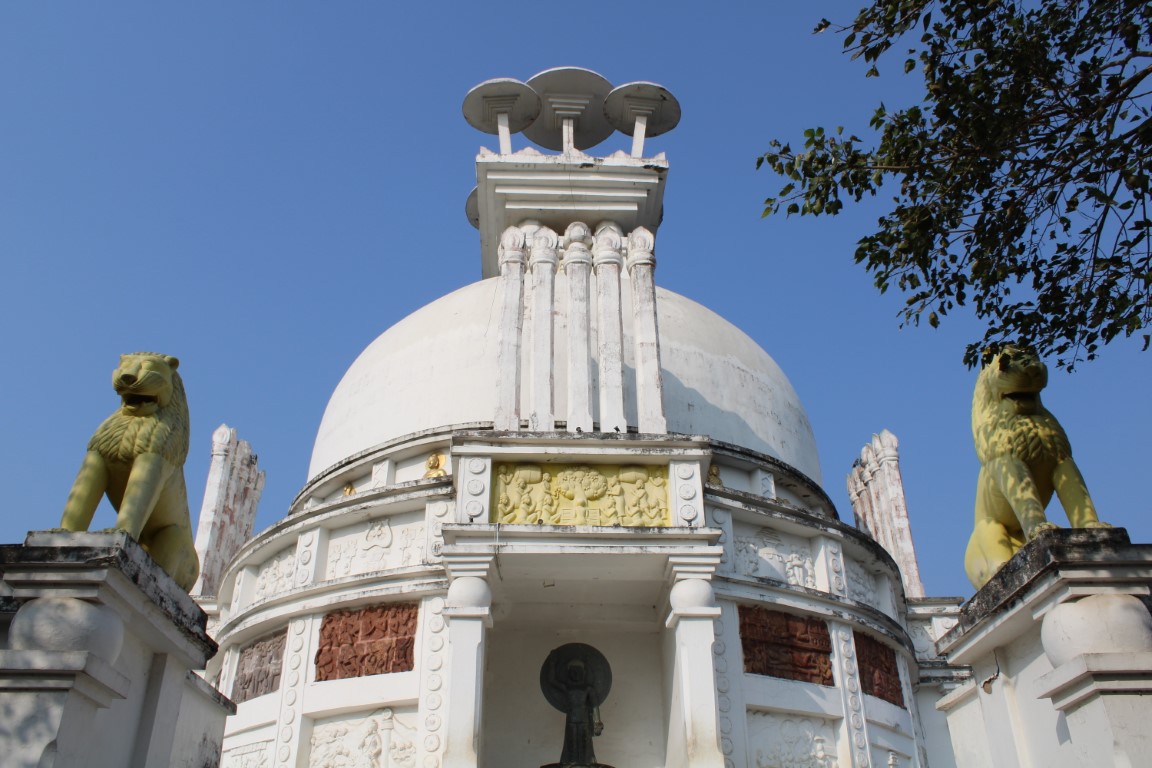
DAILY PHOTO: Dhauligiri Shanti Stupa [Peace Pagoda]

Taken in December of 2021 at Dhauli (near Bhubaneswar.)

Sculpture Charnel House [Haiku]

a charnel house
of sculpted anatomy 
amid the ruins

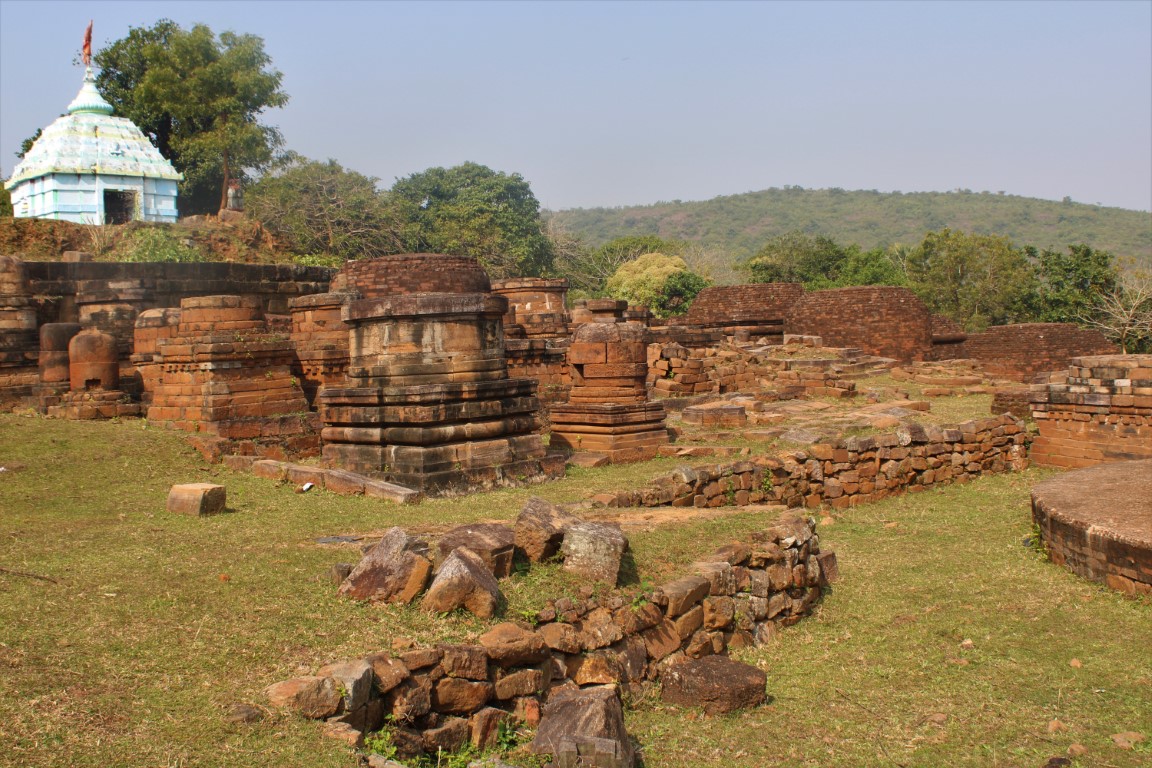
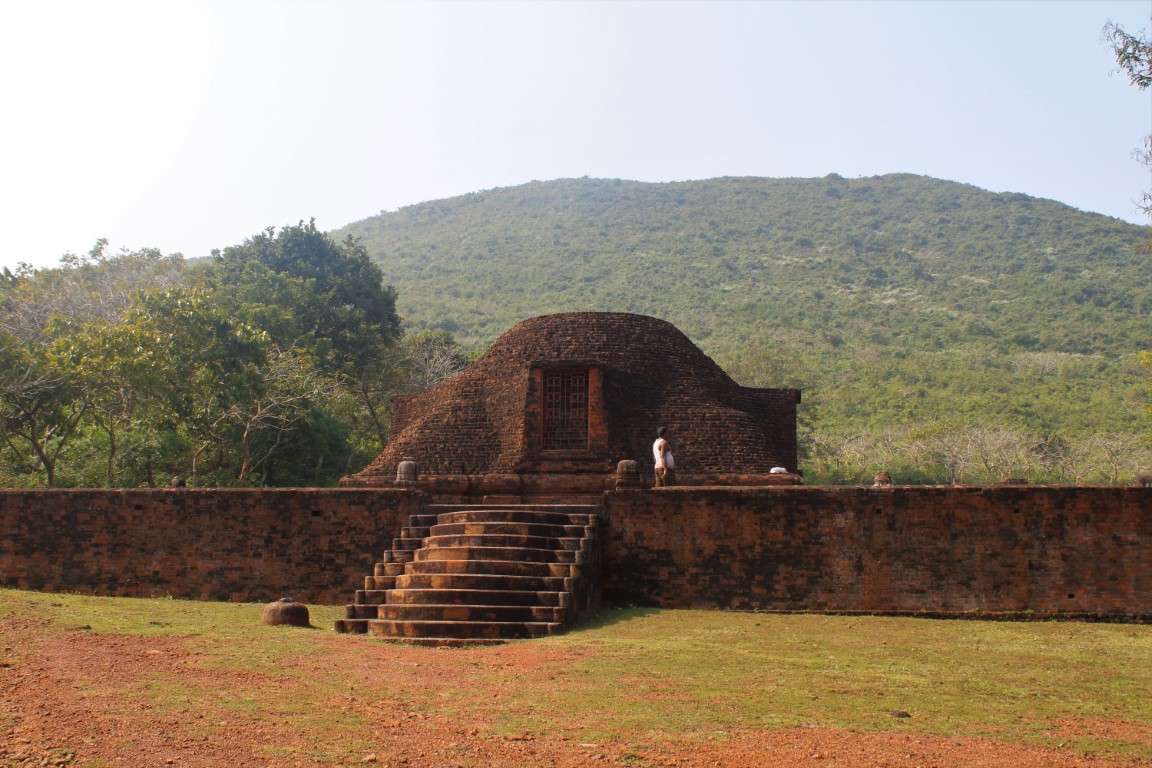
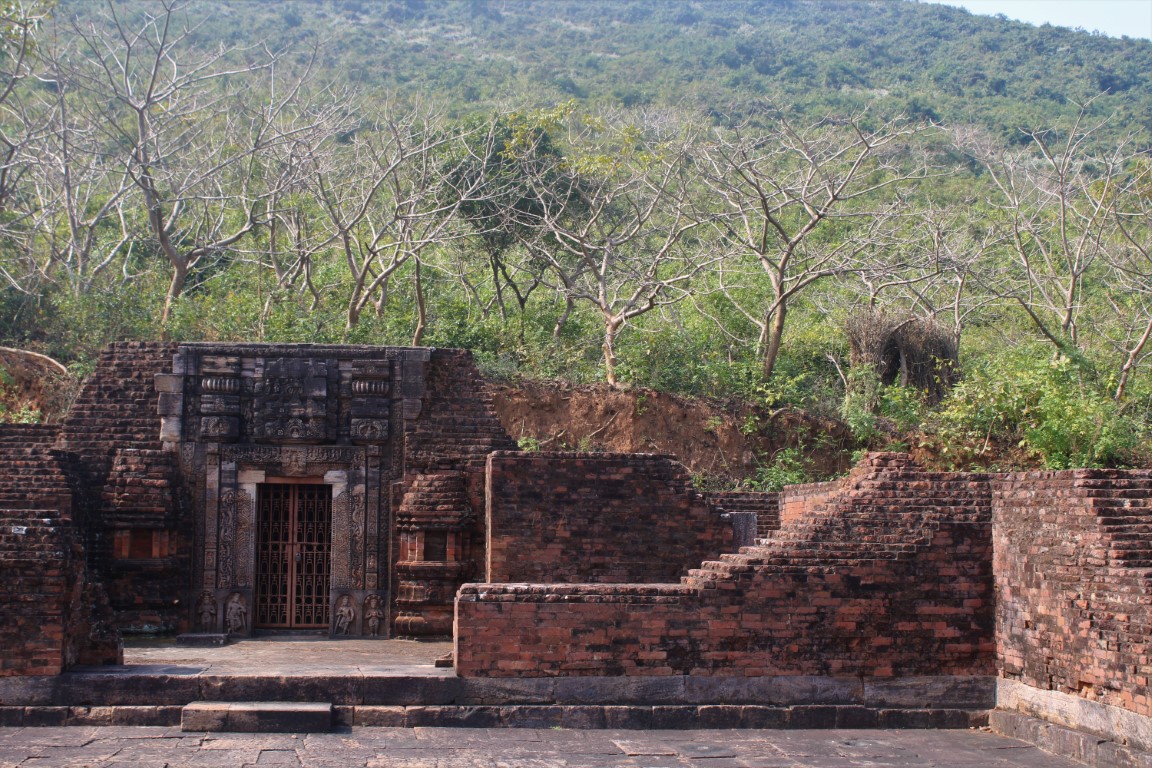
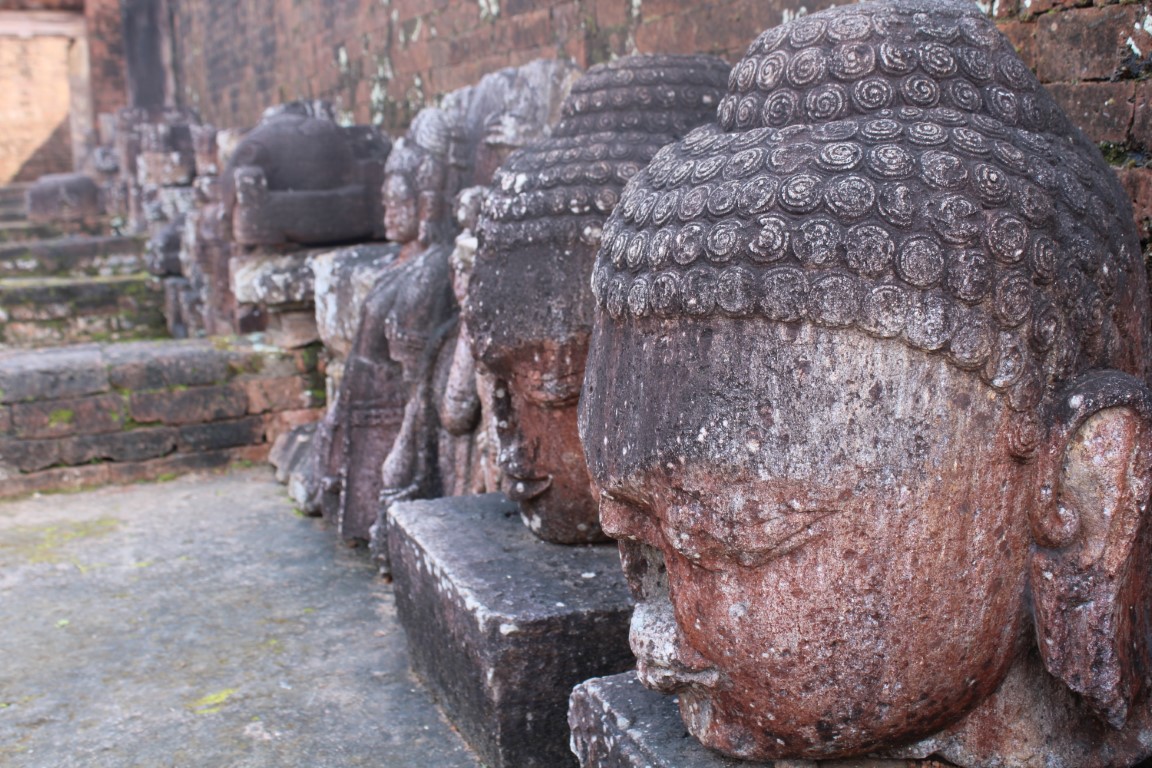
DAILY PHOTO: Scenes from Udaygiri [Diamond Triangle]

Taken in December of 2021 at Udaygiri in Odisha
The Great Stupa of Udaygiri
Mahavihara I