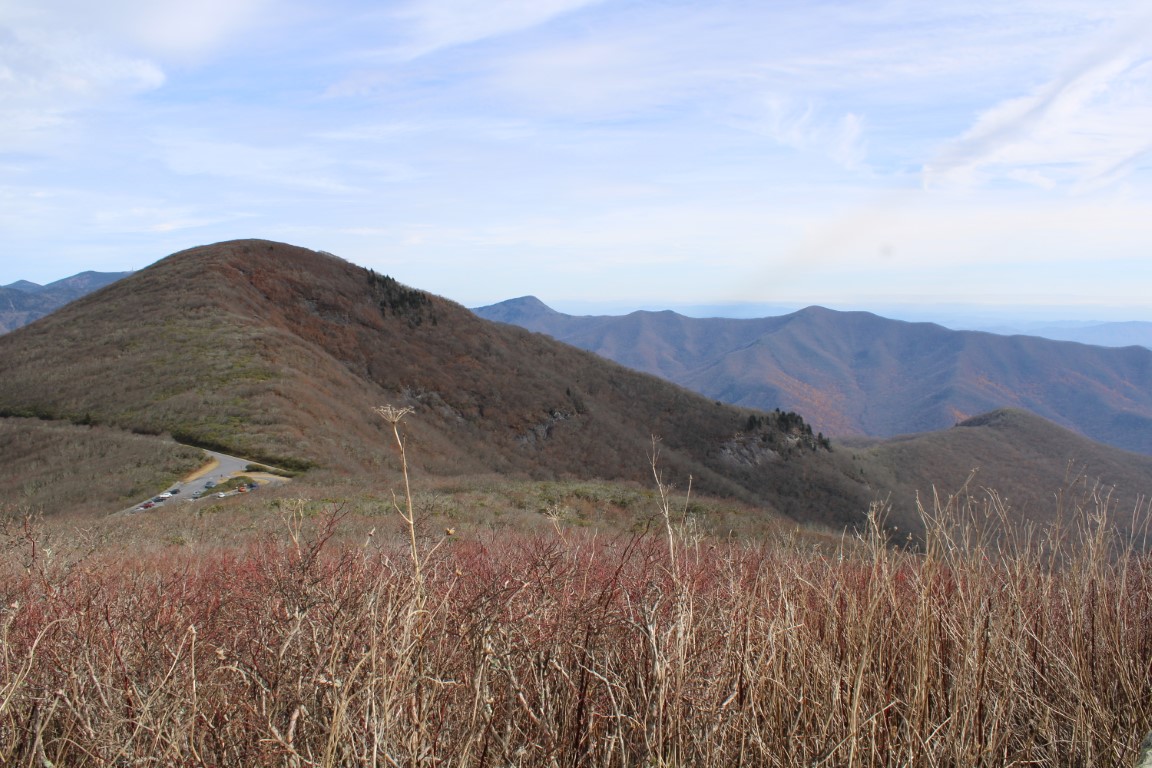
DAILY PHOTO: Rolling Hills w/ River

Taken in November of 2021; Blue Ridge Parkway, North Carolina

DAILY PHOTO: Agora Sculptures & Skyline, Chicago

Taken in the Summer of 2018 in Chicago

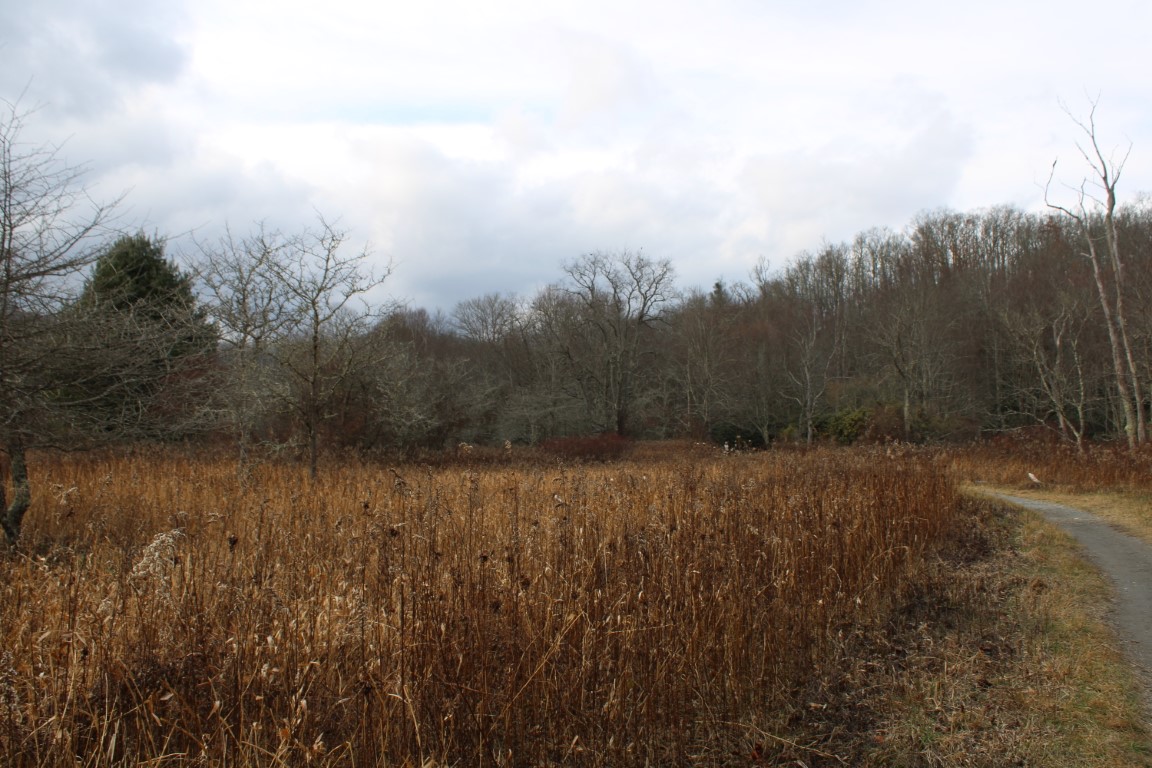
DAILY PHOTO: Autumn Glade

Take in Julian Price Memorial Park off the Blue Ridge Parkway in November of 2021

I Read the News Today, Oh Boy! [Free Verse]

I
A young man set his ex-fiancé on fire.
(Or, so the story goes.
[He claims she self-immolated.])

She succumbed to third-degree burns...
but not right away.
She lived long enough to know
the agony of third-degree burns. 

They'd met in college,
both studying to be engineers --
I mention that because
at the heart of the issue was caste.
It seems absurd enough
to murder a fiancé over
some imaginary mark of superiority,
but even more so when one considers
that they would have had the same qualification --
possibly similar jobs --
but for the boy's bigoted parents,
who insisted he call off the engagement,
and the boy, himself, 
who took things that extra murderous mile.

So, it wasn't even about who the couple were,
it was about what their grandfathers 
did for a living.

What a world.
 

II
The war is still burning. 
Among the latest questions are:

 Will Belarus be forced to join in the fighting?
&
If so, will having another set
of soldiers who are completely uninterested in the war -- 
other than as a trial to be survived, that is --
help or hurt Putin's position?

A related question is whether Putin
would rather watch the world burn 
than to lose face?

What a world.


III
The Pandemic said, "Psyche!"

This means America will roll the odometer
on COVID deaths.

We had things almost back to normal,
and then the virus caught its breath,
got it's footing,...
whatever viruses do.

What a world.

***

I think I'll check the news, again,
maybe sometime next year.

BOOK REVIEW: Native American Literature: A Very Short Introduction by Sean Teuton

Native American Literature: A Very Short IntroductionNative American Literature: A Very Short Introduction by Sean Teuton
My rating: 5 of 5 stars

Amazon.in Page

This VSI (Very Short Introduction) stimulates curiosity from its very title. One might be interested in, but not necessarily intrigued by, titles such as: “Native American Folklore,” or “Native American Mythology.” However, when one thinks of the world of Native American story and language-centric art, one is likely to first think of oral storytelling, and then, secondarily, about the immensely popular genre / commercial fiction of someone like Stephen Graham Jones. Even if one is aware of some of the Native American literary works that got widespread attention and praise, works such as Momaday’s “House Made of Dawn” or the poetry of Joy Harajo, one may wonder whether there’s the basis for such a broad overview style book.

That’s just the notion that this book seeks to challenge. That said, until the final two chapters, it doesn’t always feel like the topic is as advertised. That is to say, with the exception of chapter two — which discusses the oral storytelling of various Native American tribes, much of chapters one through five is historical and cultural background designed to provide context for the creation of a Native American literary canon, but without talking about the canon’s components much. Some of the questions addressed include: how Native tribes came to written language, in general, and then to the English language, specifically; how self-image of tribal peoples shifted over time (and how that impacted the nature of written works;) the nature of various strains of Native literature (e.g. literature of resistance v. literature of assimilation, and so on.)

I learned a lot from this brief guide. I’m not going to lie, it does have some sections that are dry and quite scholarly, but it also raises some interesting ideas while introducing the reader to books that will be wholly unfamiliar to some and largely unfamiliar to most.

If you’re interested in how Native American literature came to be, I’d recommend one check it out.


View all my reviews

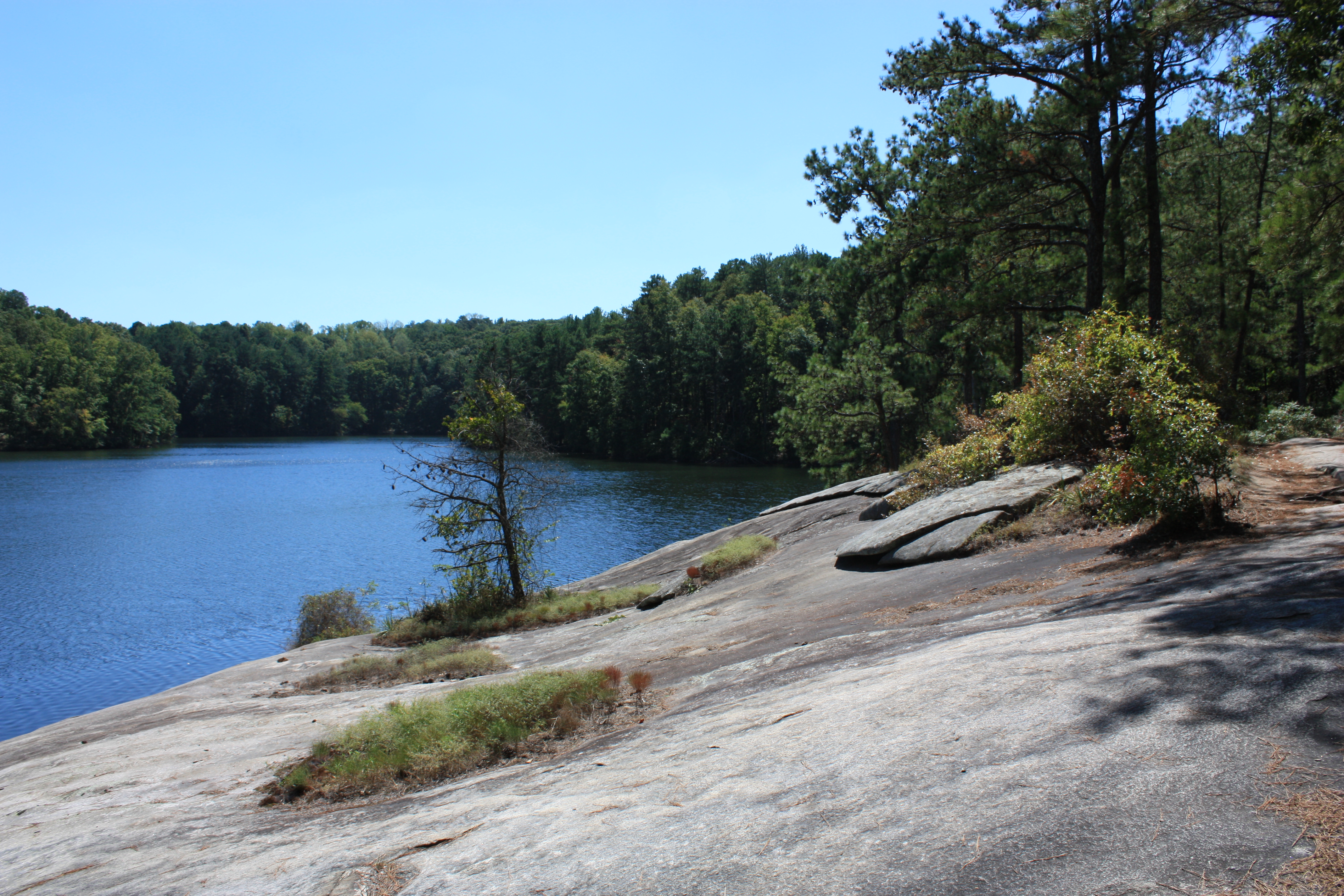
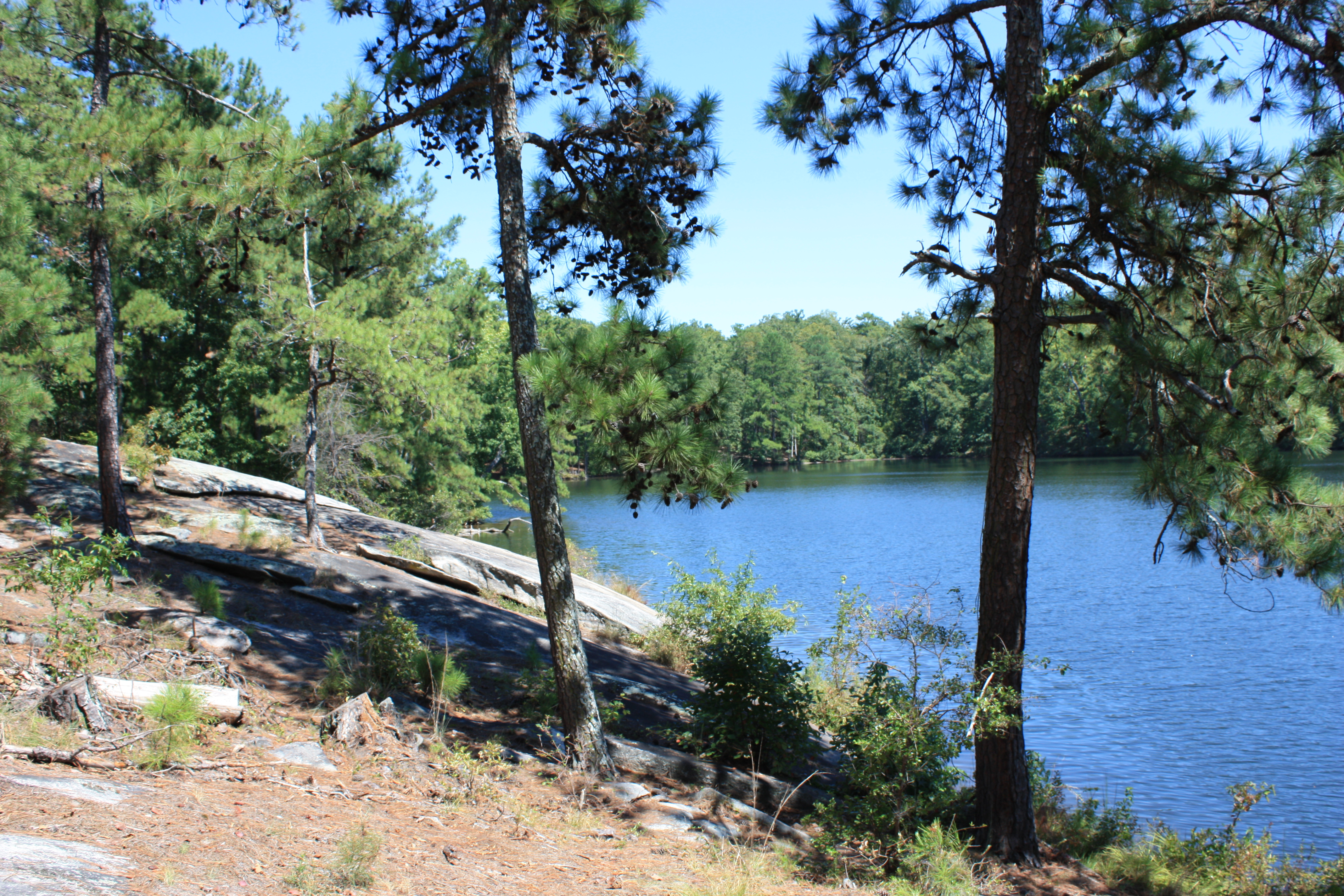
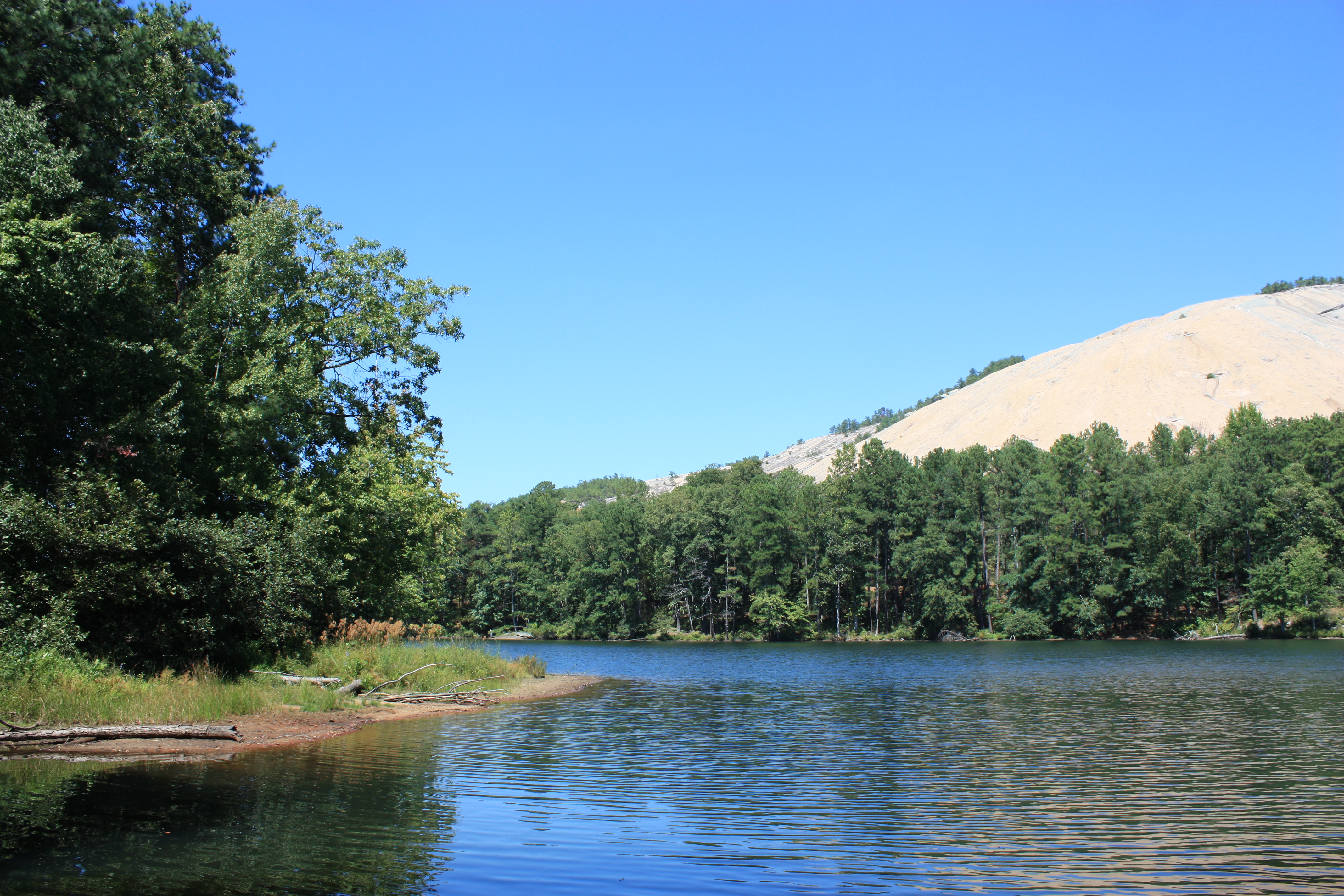
DAILY PHOTO: A Creek in the Forest

Taken in July of 2012 in Yellow River Park, Stone Mountain

DAILY PHOTO: Mausoleums, Atlanta

Taken in November of 2021 in Oakland Cemetery, Atlanta
Taken in Westview Cemetery of Atlanta, November 2019
Oakland Cemetery

DAILY PHOTO: Yellow Cosmos

Taken in 2009 at Reynolds Nature Preserve in Morrow, GA

The Thoreau Life [Common Meter]

What a way to live one's life, in
a cabin made of wood;
never to be governed by: "I
have to! I must! I should!"

To set one's sights on the day's needs
as one's only master,
and not be told, "you move too slow,
you must live life faster." 

To start the day by a cue from
rays of the rising sun.
To end the day when the day ends,
not only just've begun.

BOOK REVIEW: The Beats: A Very Short Introduction by David Sterritt

The Beats: A Very Short IntroductionThe Beats: A Very Short Introduction by David Sterritt
My rating: 5 of 5 stars

Amazon.in Page

This is the most fascinating book I’ve read in the VSI (Very Short Introductions) series, and I read a lot of these books as a means to mainline the gist of various academic subjects. I should point out that the subject matter is more colorful than the average scholarly topic. The Beats were a 1950’s American countercultural literary movement that some may confuse with the hippies of the 60’s, but which was different in many ways. As is emphasized in the book, the Beats were more about revolutions from within than they were about upending society. In that sense, they might have more in common with the Transcendentalists (i.e. Emerson, Thoreau, etc.) than the hippies. That said, some Beats did flow pretty smoothly from one movement to the next, and were both interested in revolution from within and without – most notably, Allen Ginsberg.

The first thing that one finds compelling is the biographical sketches of key Beat figures (i.e. chapters 3 and 4 on Beat novelists and poets, respectively.) A disturbing number of Beats lived tragically short lives, owing to drugs, alcohol (e.g. Kerouac,) and sometimes just being around a violent contrarian. Even the Beats who lived long lives had their share of outlandishness, such as William Burroughs killing his wife, Joan Vollmer, in an ill-fate William Tell imitation. (Those who know Burroughs from later in his career may wonder why he even had a wife, being gay and all. That’s just one of the ways that hidden, latent, and repressed homosexuality plays out as tragedy in the Beat story of the socially conservative 1950’s.)

The second thing I found absorbing was the discussion of how these writers and poets made art. Like the aforementioned Transcendentalists, the Beats drew heavily on Eastern philosophies and psychologies – most notably Buddhism, and Zen, in particular. Beat authors not only looked to the East for subject matter and aesthetics, but also to help them achieve the spontaneity and nowness associated with Zen. However, this wasn’t wholesale conversion to Buddhism, it remained a uniquely American strain, and also sought to draw inspiration from that most American of arts, Jazz.

If you’re interested in the Beats or their approach to writing, I’d highly recommend reading this book.


View all my reviews