Persistence of Youth [Senryu]

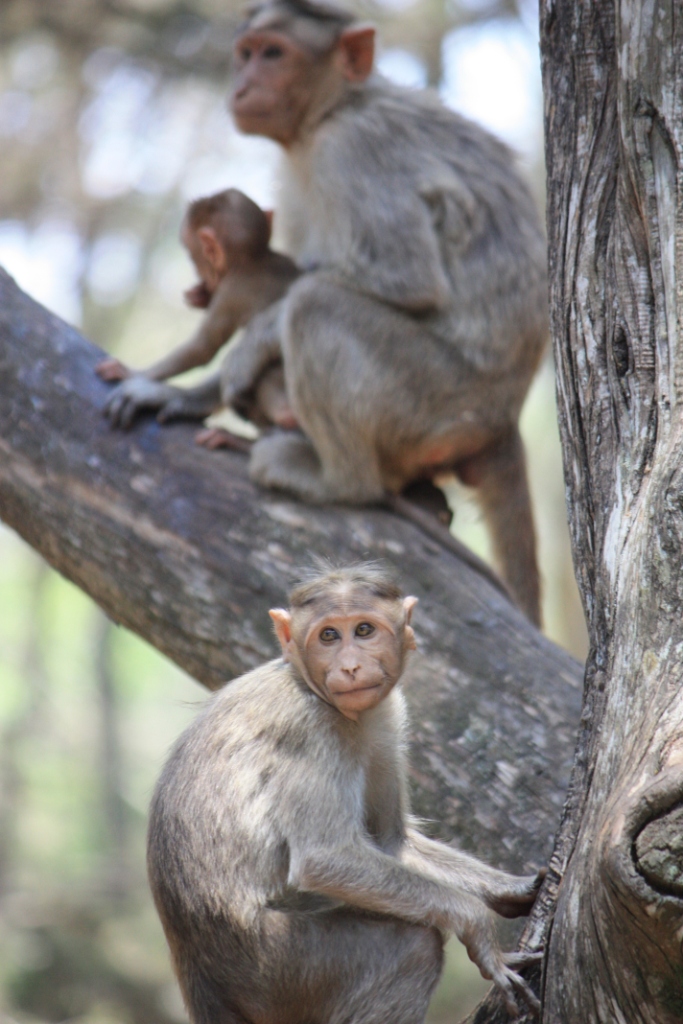
baby macaque: 
no match for mom's
afternoon nap

DAILY PHOTO: Monkey See…

Taken at Nandi Hills in 2014

Border [Prose Poem]

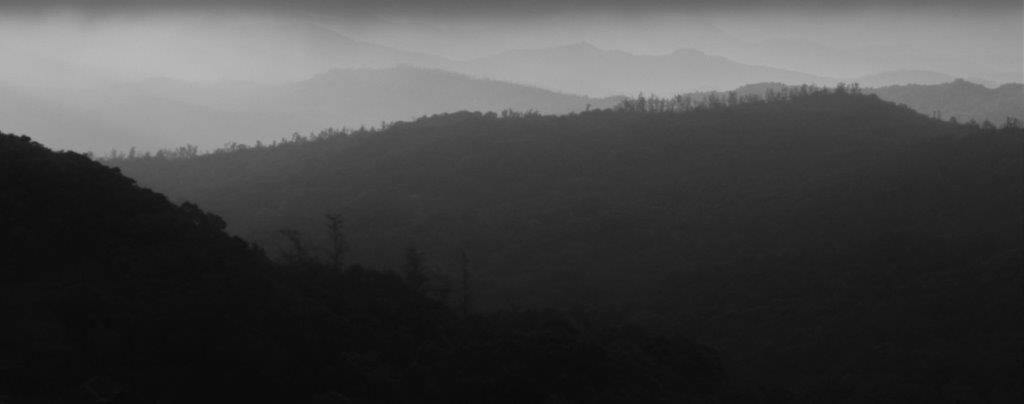
Three shambling silhouettes stagger through the fog toward the river / border. Will they see before being seen? That is the question. If not, they may hear shots as their bodies are already crumpling, pierced by bullets that out-speed the rifle crack.

Almaty Limerick

A visitor to scenic Almaty
was dismayed to find no apple trees.
He couldn't be blamed;
it's right in the name,
but he's stuck with a store picking spree.

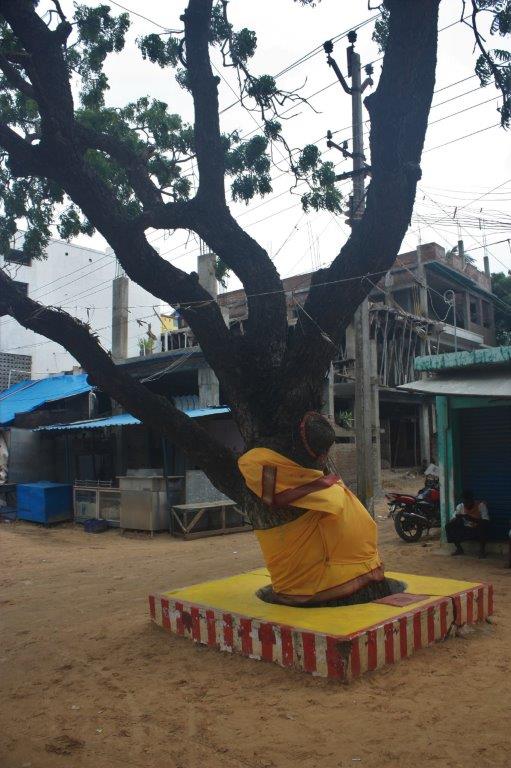
DAILY PHOTO: View from the Elephant Terrace

Taken in October of 2012 at Angkor Thom’s Elephant Terrace

Horse Latitudes [Sonnet]

I scoured vast seas in search of wisdom lost.
It happened when they made me walk the plank,
like scuttled wreckage, sunk sans thought of cost,
as I began to rise, my treasure sank.
I bobbed in seas that each way looked the same.
How could I find my way back to that spot
carried by currents dastardly untamed,
and found days later by a ragged yacht.
And so I drift upon the choppy seas,
and hope for winds to steer me on my course,
but mostly there's not even a slight breeze,
and I'm stuck in ghost screams of a dumped horse.

I hope one day to regain my attitude,
but not stuck down in these damned horse latitudes.

BOOK REVIEW: The Good Man Jesus and the Scoundrel Christ by Philip Pullman

The Good Man Jesus and the Scoundrel ChristThe Good Man Jesus and the Scoundrel Christ by Philip Pullman
My rating: 5 of 5 stars

Amazon.in Page

Pullman tells the story of Jesus’s life from manger birth to the birth of the religion that flowed from Jesus’s crucifixion, with two major deviations from the gospel accounts. First, in this book, Mary gave birth to twins: one healthy, disciplined, and charismatic [Jesus] and one stunted, bookish, and with grand designs [Christ.] Second, the book tells the story in a way which requires no miracles or magic.

The reason for complicating the story with twins is to be able to split apart two confounding entities. Jesus represents the traveling preacher that most people find appealing and admirable. He’s compassionate, non-judgmental, simple (in the sense of eschewing wealth and glory,) and is a great storyteller. Christ represents the path that Christianity would come follow — one of billionaire evangelists, manipulative missionaries, and the Spanish inquisition – as well as, less intentionally, the Crusades, witch hunts, and pedophilic priests. That said, “scoundrel” status is only realized at the story’s end when Christ plays the Biblical role of Judas. Even then, Christ is conflicted and thinks he’s acting in accord with the directions of an angel.

While most of the events described will be familiar (in some form) to those acquainted with the New Testament stories, there’s an ongoing sub-plot between Christ and “the stranger,” a mysterious character who has an interest in seeing Christianity blossom, if in its imperfect form.

This book is part of a series on mythology called the Canongate Myth Series that features numerous renowned authors.

I found this take on Jesus’s story to be compelling and thought-provoking. I’d highly recommend it, except for those who take their Bible stories very literally and get riled by such writings.

View all my reviews

DAILY PHOTO: Sacred Seat of Judgement [Throne Hall]

Taken in Phnom Penh in October of 2012

BOOK REVIEW: Kafka: A Very Short Introduction by Ritchie Robertson

Kafka: A Very Short IntroductionKafka: A Very Short Introduction by Ritchie Robertson
My rating: 5 of 5 stars

Amazon.in Page

Kafka’s life story presents us with one of the greatest literary counterfactuals: What if Kafka’s friend, Max Brod, had honored the writer’s deathbed wish to burn his novels and other unpublished works? After all, Kafka had an outsized influence on modern literature; “The Trial” and “The Metamorphosis” alone have had profound reverberations across the world of literature. It’s with this hook that we are pulled into Kafka’s short, tragic, but brilliant life.

This book presents sketches of both the life and the body of work of Kafka, but subsequent chapters apply three different lenses to Kafka’s canon. The first of these is the body. It’s easy to see this theme’s influence in “The Metamorphosis” (in which the protagonist wakes up to find he’s a huge bug,) but Robertson shows us how the body cuts through other works and was influenced by skinny Kafka’s turbulent relations with his imposing father as well as by his difficulties in intimate relationships.

The second lens is institutions. Again, one of Kafka’s more famous works springs to mind, “The Trial,” but we also see that this, too, is a recurring theme — not only with respect to government / bureaucratic institutions (e.g. “In the Penal Colony”) but otherwise, as well. The final lens is religion and secularity. Kafka was living in the wake of Nietzsche and other nihilist and existentialists, and the atheist worldview was coming to dominate among the erudite segment of society. But Kafka straddled a line; the spiritual had appeal for him, but his life felt governed by nihilistic patterns.

I learned a great deal from this book. I think it offers important insight into Kafka and his writings.

View all my reviews