Claw Harvesters [Common Meter]

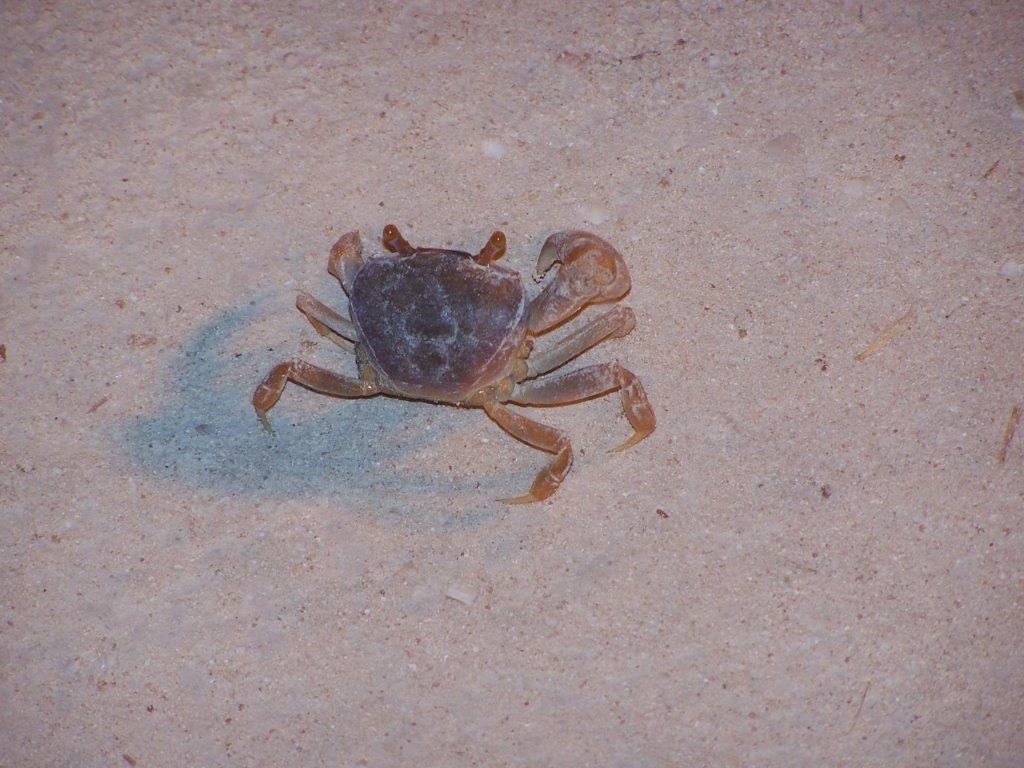
The crab, it had one tiny claw;
it couldn't be its first.
What kind of species harvests limbs?
Oh, they must be the worst.

Sympathetic Flow [Common Meter]

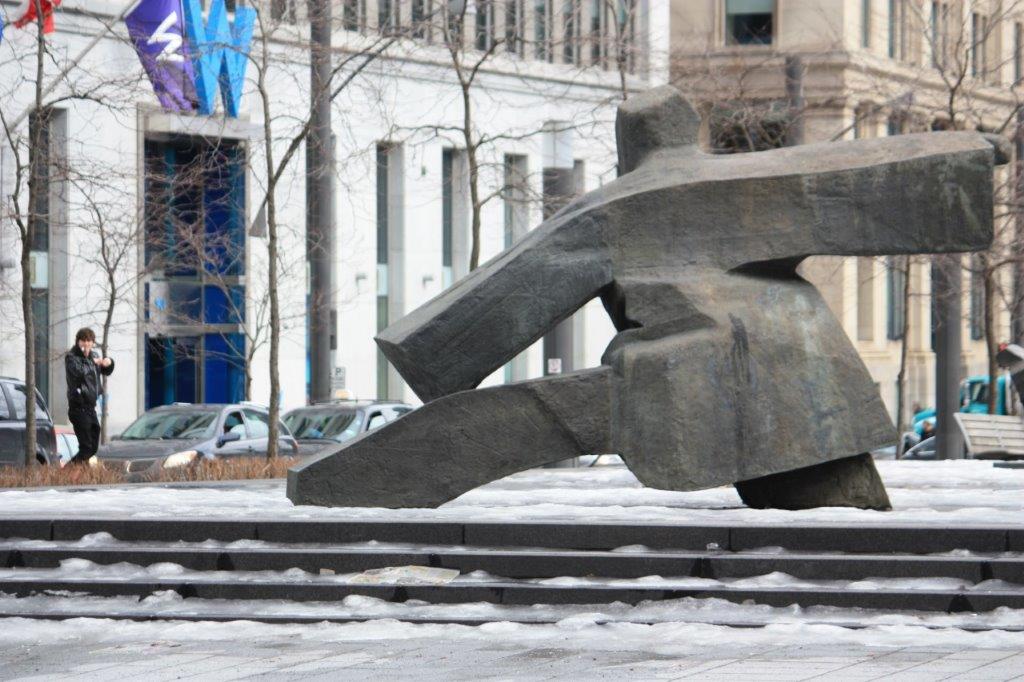
The stone man flows; the snake creeps down -
arm becoming viper.
It's slow, but silently it flows,
stealthy as a sniper.

And though he's stone, I feel him go
via sympathetic flow.
Mirror neurons fire in my brain,
taking me high to low...

or so it feels.

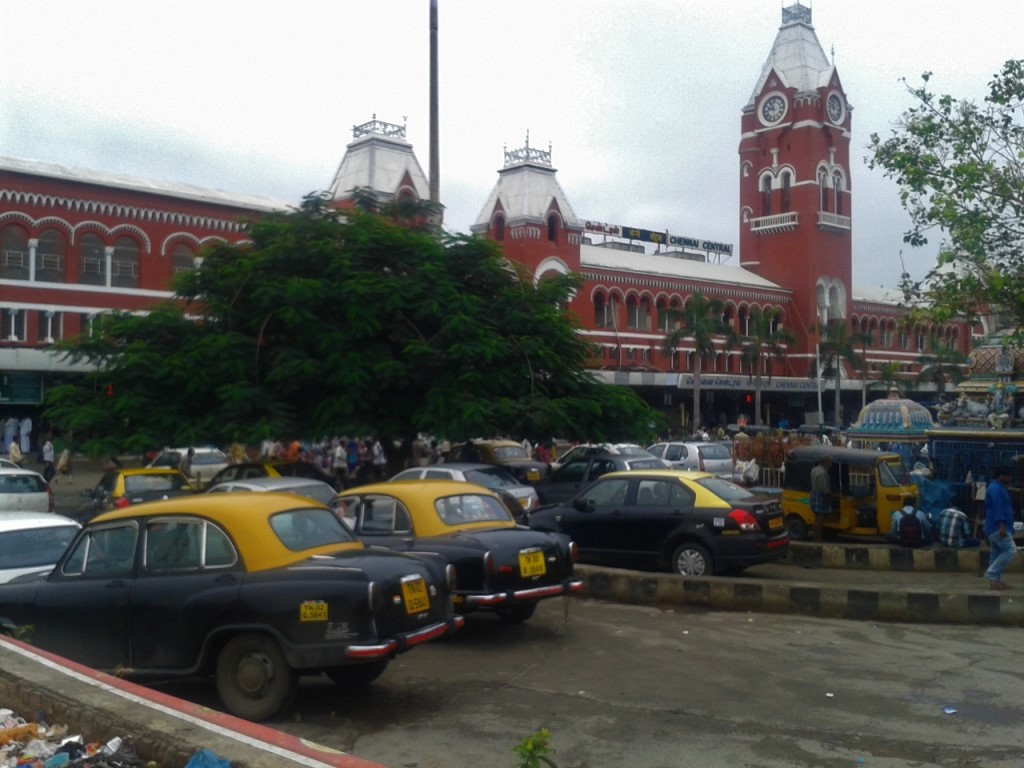
DAILY PHOTO: Chennai Central

Taken in 2016 in Chennai (Madras)

Chennai Limerick

"How big 's the beach?" asked a tourist in Chennai
"the beach is half-a-klick," came the reply.
"No, he's got it wrong;
it's six K. M. long,
but it is almost half a klick wide!"

BOOK REVIEW: Selected Poems by John Keats

Selected Poems (Macmillan Collector's Library Book 189)Selected Poems by John Keats
My rating: 5 of 5 stars

Amazon.in Page

This collection of sixty-one poems from the early 19th century British Romantic poet contains a diverse cross-section of poems. While 61 poems might not seem like a substantial selection by today’s standards, this volume includes several long form poems such a “Lamia,” “Hyperion,” and a long excerpt from “Endymion.” It includes all of Keats’ most popular and anthologized works, including: “Ode to a Grecian Urn,” “To Sleep,” “Bright Star…,” “To Autumn,” and “Ode to a Nightingale.” Among the works included are short, medium, and long poems; rhymed verse and blank verse; sonnets and ballads; love poems, nature poems, Greek Mythological fan fiction [in verse,] and homages to important influences — e.g. Shakespeare.

Keats died at 25, making it all the more impressive that he had a body of work from which such a fine selection could be pulled. His imagery is vivid, and his lyricism is musical. I’d highly recommend this collection as an excellent overview of Keats’ poetry.


View all my reviews

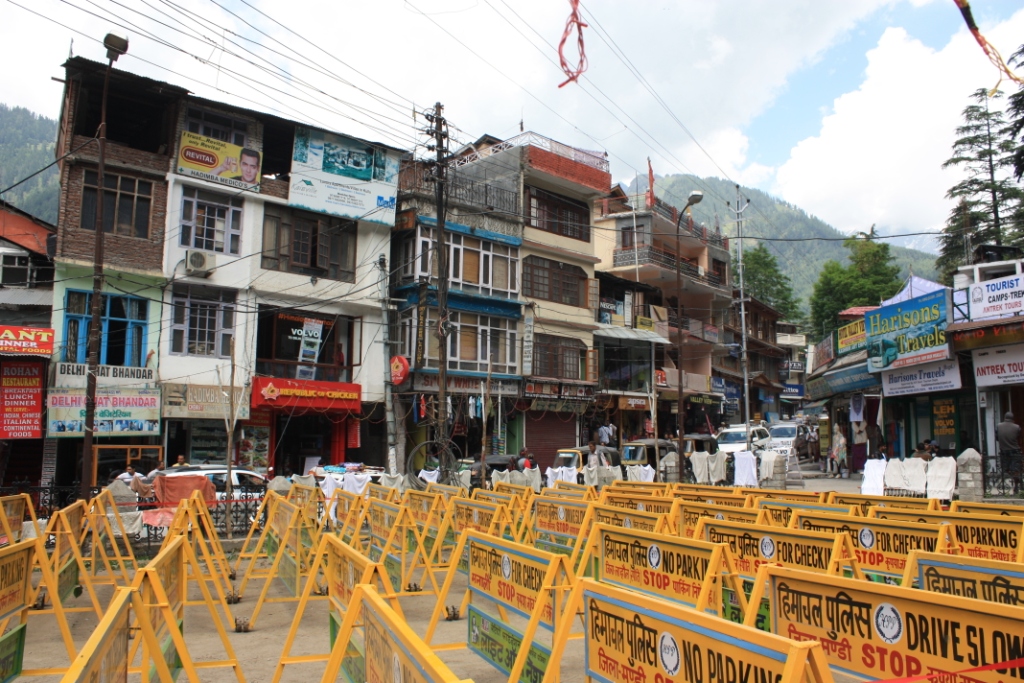
DAILY PHOTO: An Abundance of Barriers, Manali

Taken in Manali in June of 2015

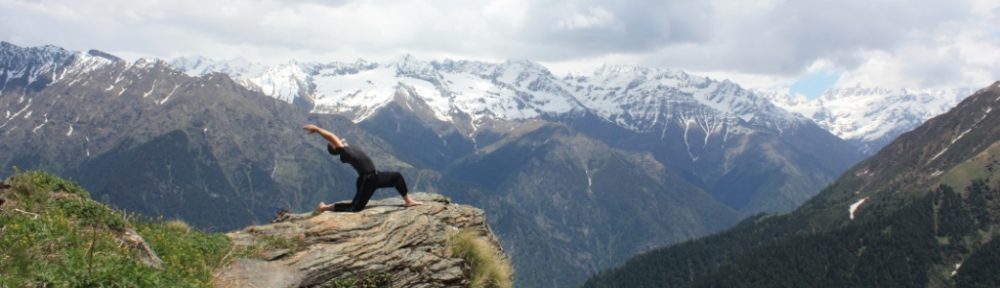
Walking [Common Meter]

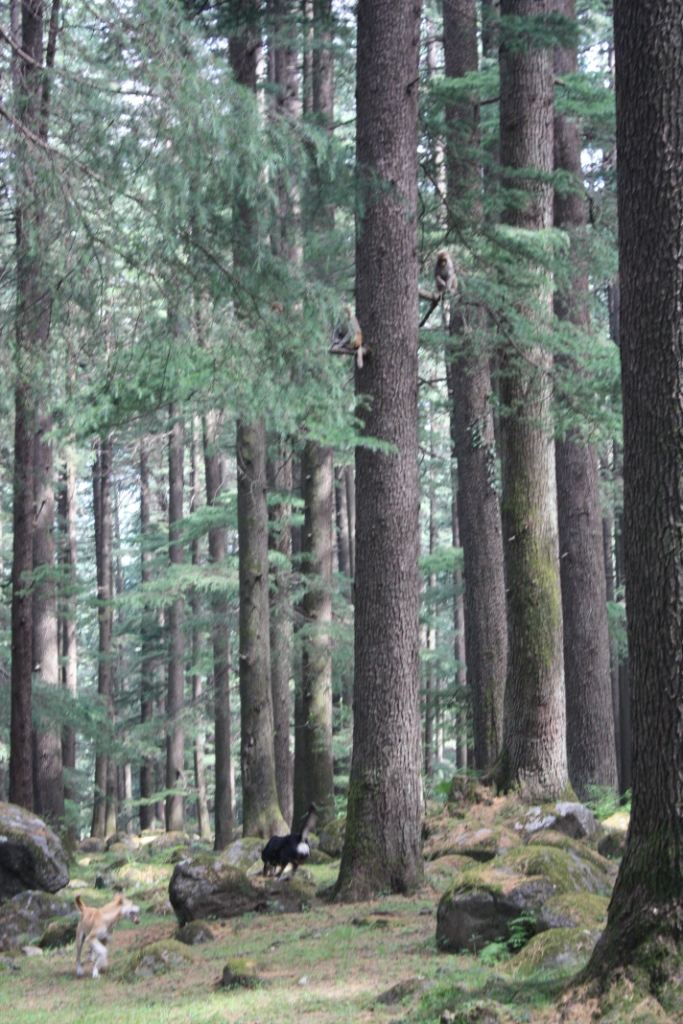
The columns of the forest lift
the vaulted canopy.
I walk down below on the trail
that parts understory.

Each step through the loam brings me home
to barefoot days of yore.
When I thought nothing of placing
skin to the forest floor --

while letting the woods become me
as I grew into it;
I would yield my identity.
To nature, I'd submit.

And in a walk, I did become
everything and nothing,
falling into a peace at once
humbling and stunning.

Bishkek Limerick

A baker from the city of Bishkek
made breads that were so fully bedecked -
the patterns so fancy -
I felt so unclassy,
devouring every last crumb and fleck.

DAILY PHOTO: Thommanom

Taken in Cambodia in October of 2012

BOOK REVIEW: Breathe by Rickson Gracie

Breathe: A Life in FlowBreathe: A Life in Flow by Rickson Gracie
My rating: 5 of 5 stars

Amazon.in Page

Out: August 10, 2021

This autobiography of the phenomenal Brazilian Ju Jutsu practitioner, Rickson Gracie, begins with ancestral origins that include a Gracie who fought in the US Civil War through Rickson’s boyhood in Rio and his professional fights in Japan, and onward to how he reinvented himself after family tragedy and the end of his fight career. Along the way, he conveys lessons learned not only through personal experience and from his father and uncle, the founders of Gracie Ju Jutsu, but also through his studies with Olando Cani — a yogi and developer of bioginastica. While the book is overwhelmingly about a life in Ju Jutsu, Cani’s influence plays a crucial role as the yogi taught Rickson about breath control, and, among a huge pack of skilled Gracie fighters, that ability was pivotal in Rickson’s rise to the top. (The book’s title, “Breathe,” hints at the role breathwork played in Rickson Gracie’s legendary capacities for enduring, flowing, and keeping his head in seemingly unfavorable situations.)

The memoir is candid, offering insights into not only Rickson’s path to success, but also his failings (which, not unexpectedly given his single-minded obsession with Ju Jutsu and fitness, more often involved life as an impetuous youth, as a father, and as a person – generally – than it did his life on the mat.) The book also explores some of the fissures in the Gracie clan and how they grew under the pressure of the family’s mammoth success. With autobiographies, it’s always a challenge to know how true a picture one is getting, but Gracie’s willingness to self-critique makes this book feel truthful.

This book is fascinating and highly engaging. If you’re interested in martial arts, it’s a no-brainer for one’s reading list, but any reader who enjoys a memoir of a life intensely lived will find the book highly readable.

View all my reviews