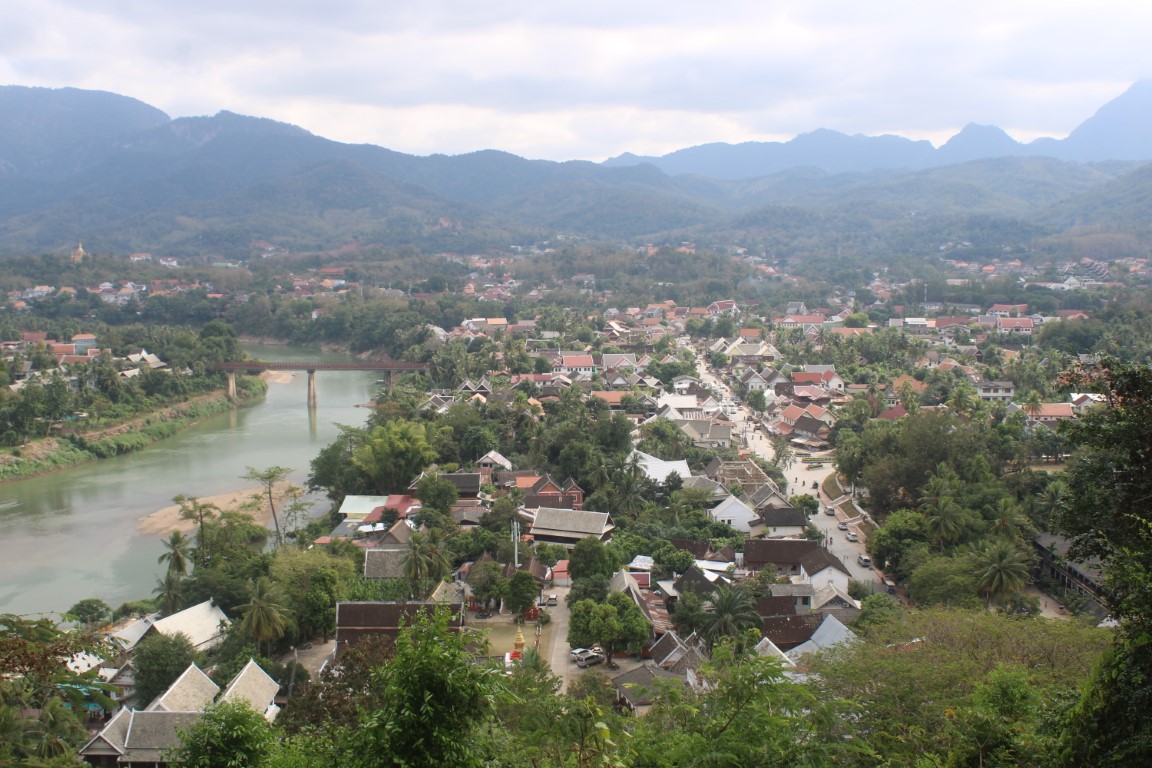
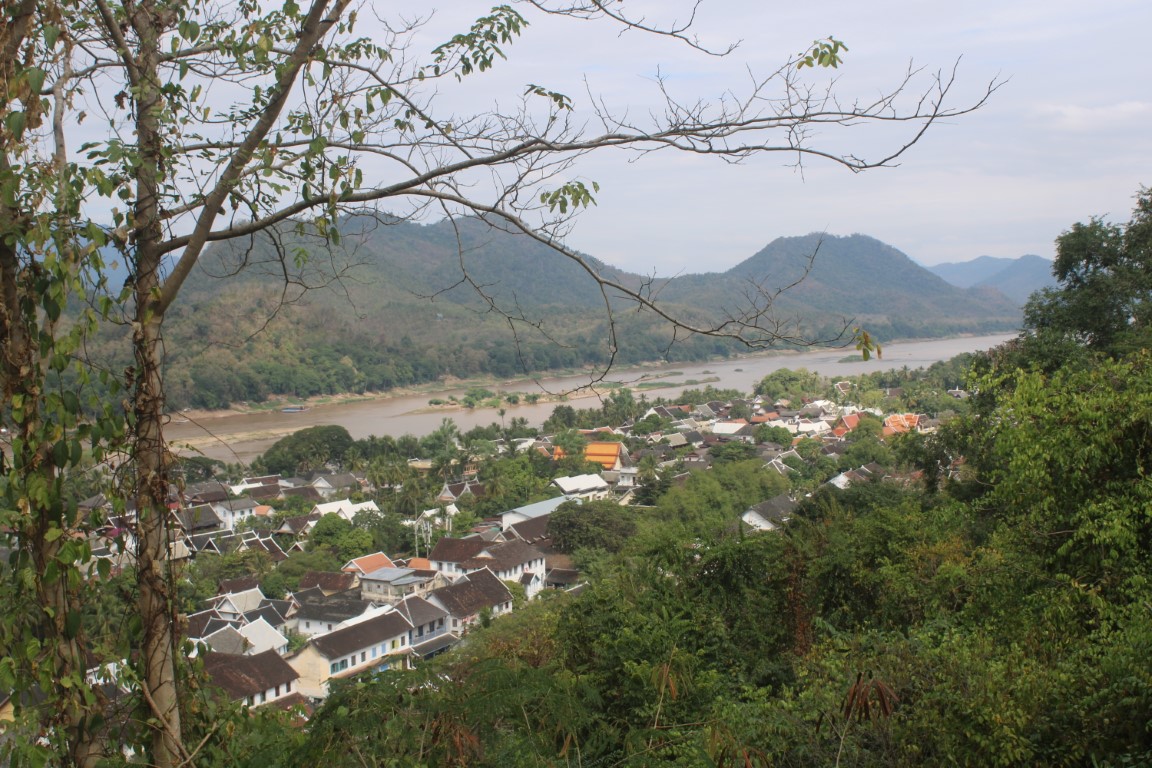
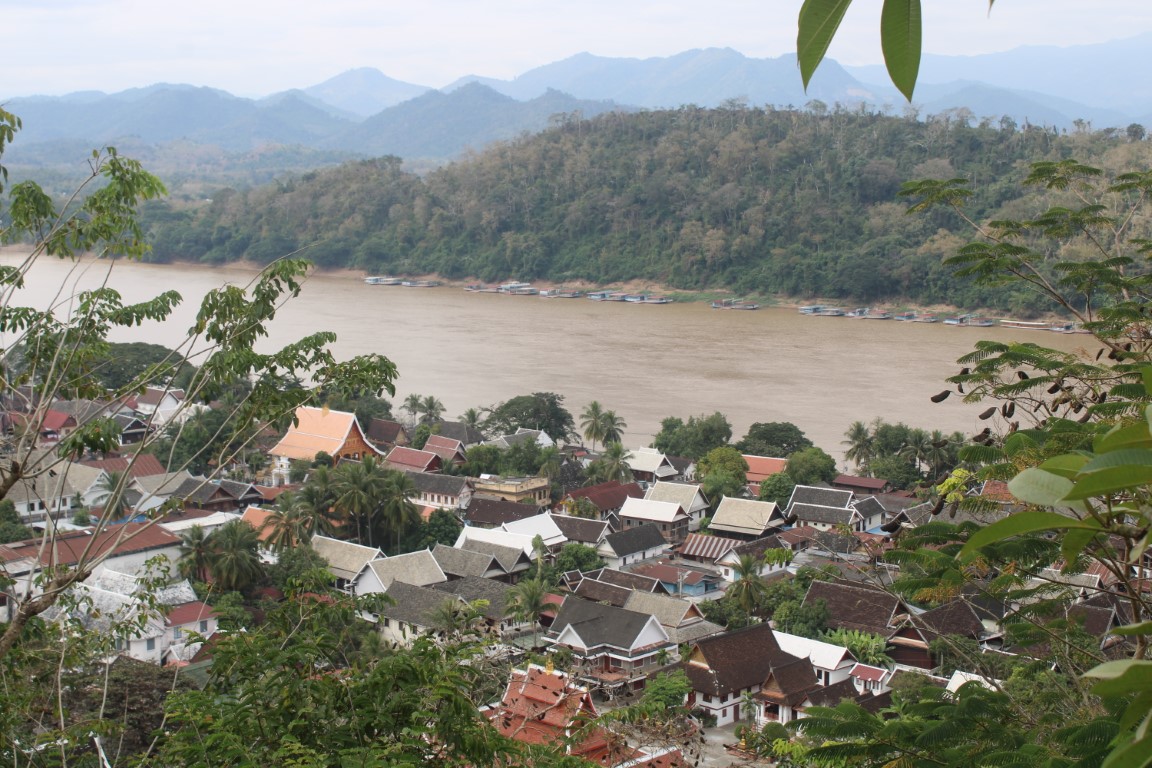
DAILY PHOTO: Luang Prabang from Phousi Hill Posted on January 1, 2025 by B Gourley Reply Share on Facebook, Twitter, Email, etc. Print (Opens in new window) Print Share on WhatsApp (Opens in new window) WhatsApp MoreShare on TumblrTweet Share on Reddit (Opens in new window) Reddit Email a link to a friend (Opens in new window) Email Like Loading...
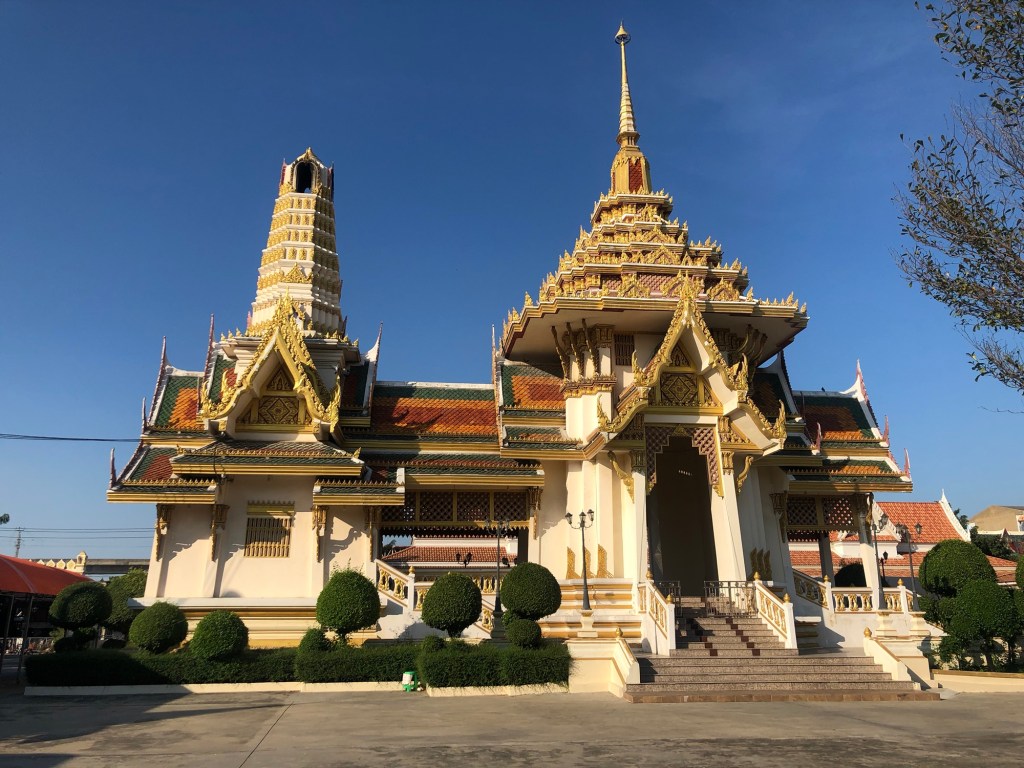
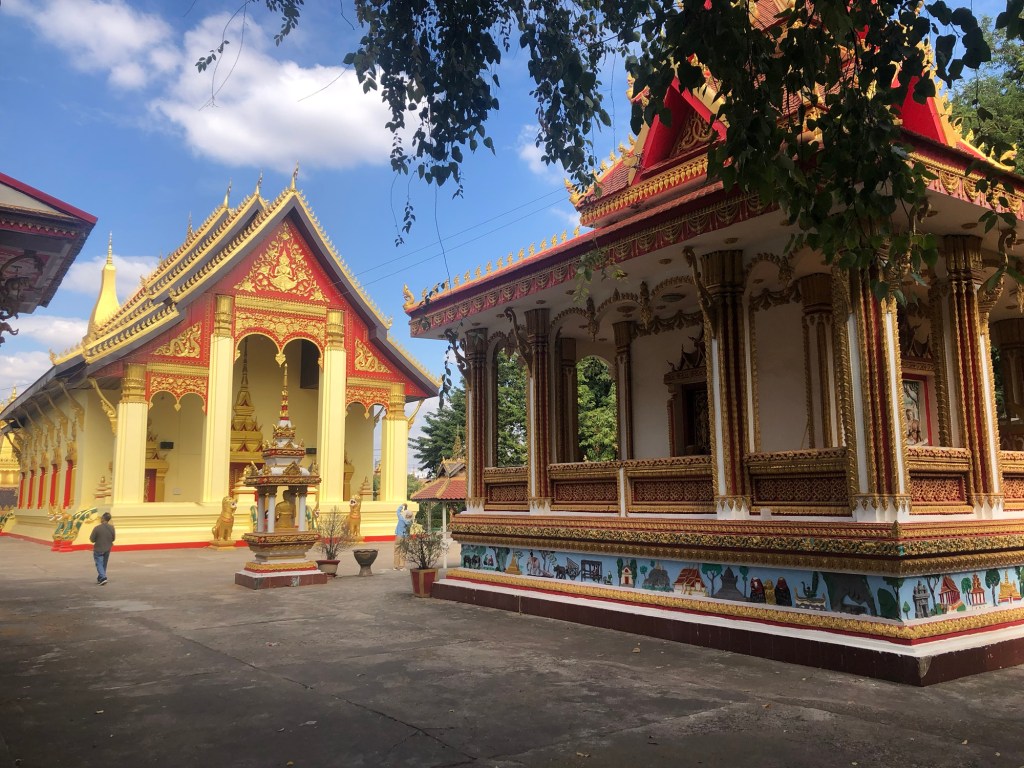
DAILY PHOTO: Wat Lat Krabang Posted on December 31, 2024 by B Gourley Reply Share on Facebook, Twitter, Email, etc. Print (Opens in new window) Print Share on WhatsApp (Opens in new window) WhatsApp MoreShare on TumblrTweet Share on Reddit (Opens in new window) Reddit Email a link to a friend (Opens in new window) Email Like Loading...
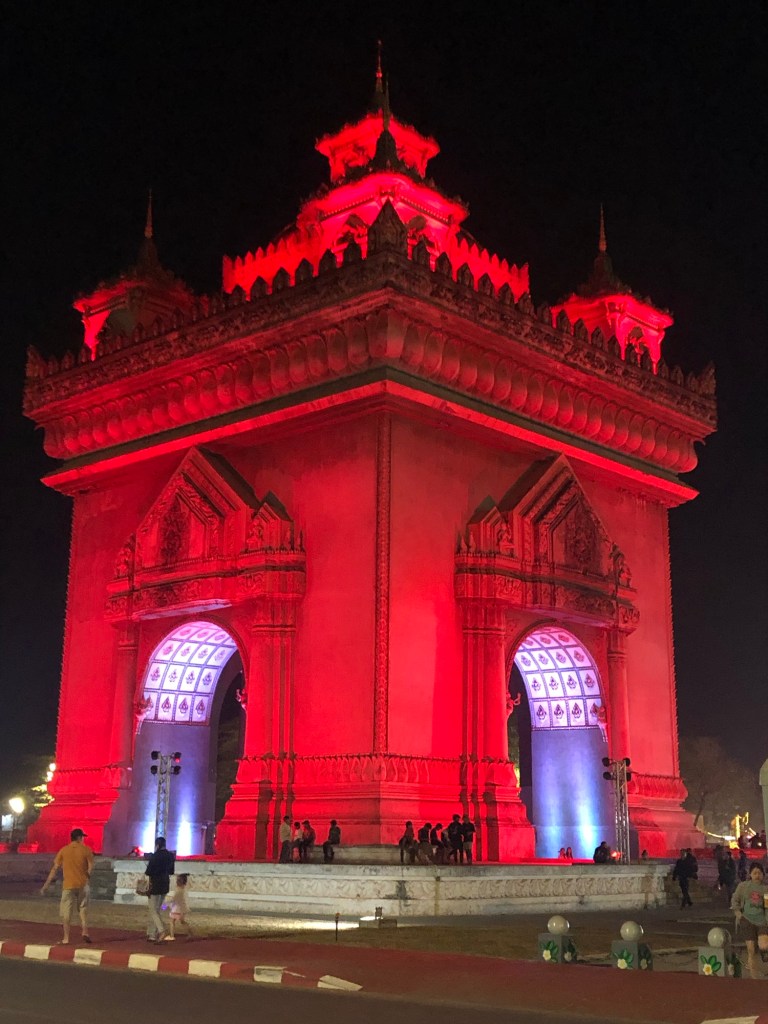
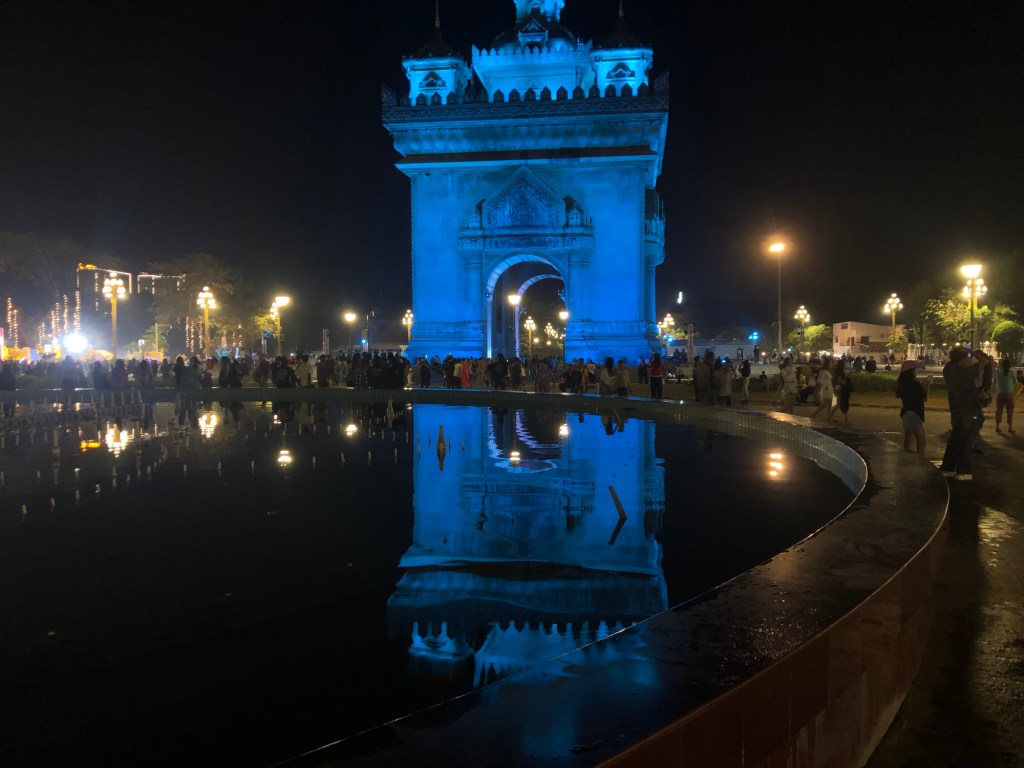
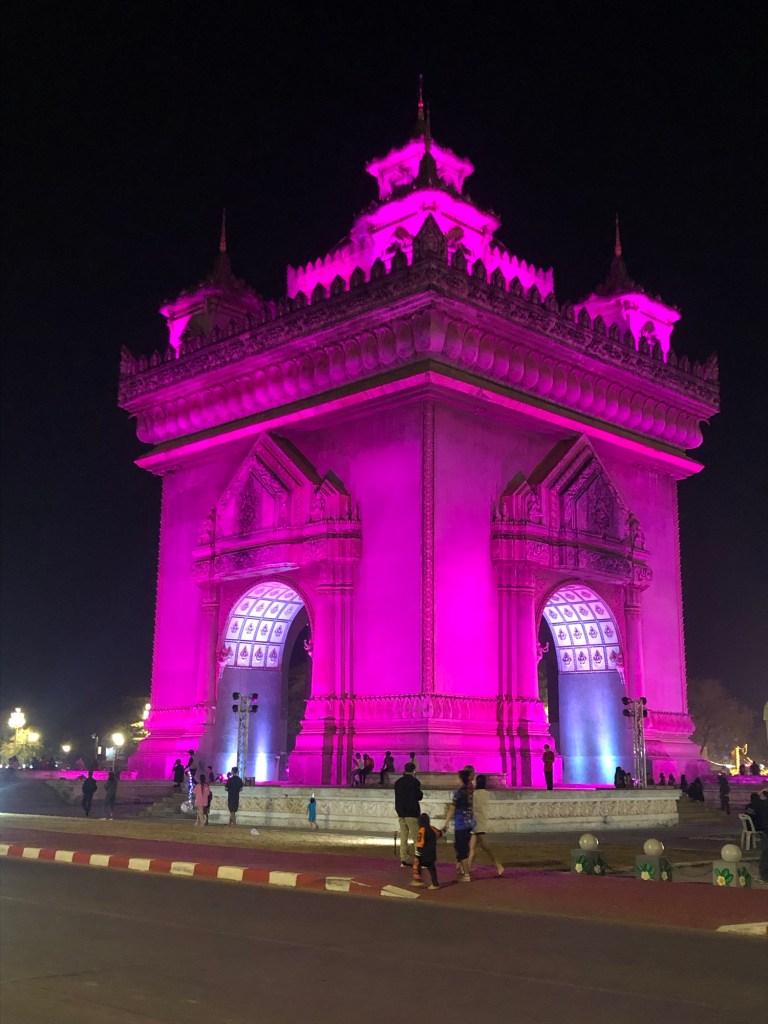
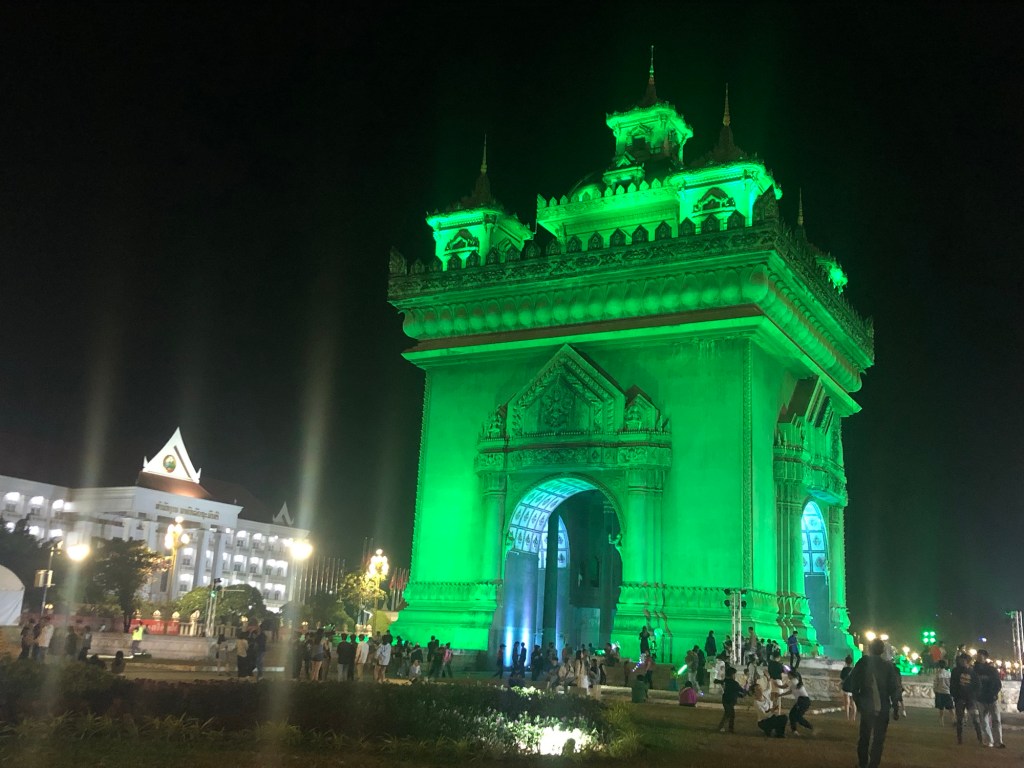
DAILY PHOTO: Patuxay of Many Colors Posted on December 30, 2024 by B Gourley Reply Share on Facebook, Twitter, Email, etc. Print (Opens in new window) Print Share on WhatsApp (Opens in new window) WhatsApp MoreShare on TumblrTweet Share on Reddit (Opens in new window) Reddit Email a link to a friend (Opens in new window) Email Like Loading...
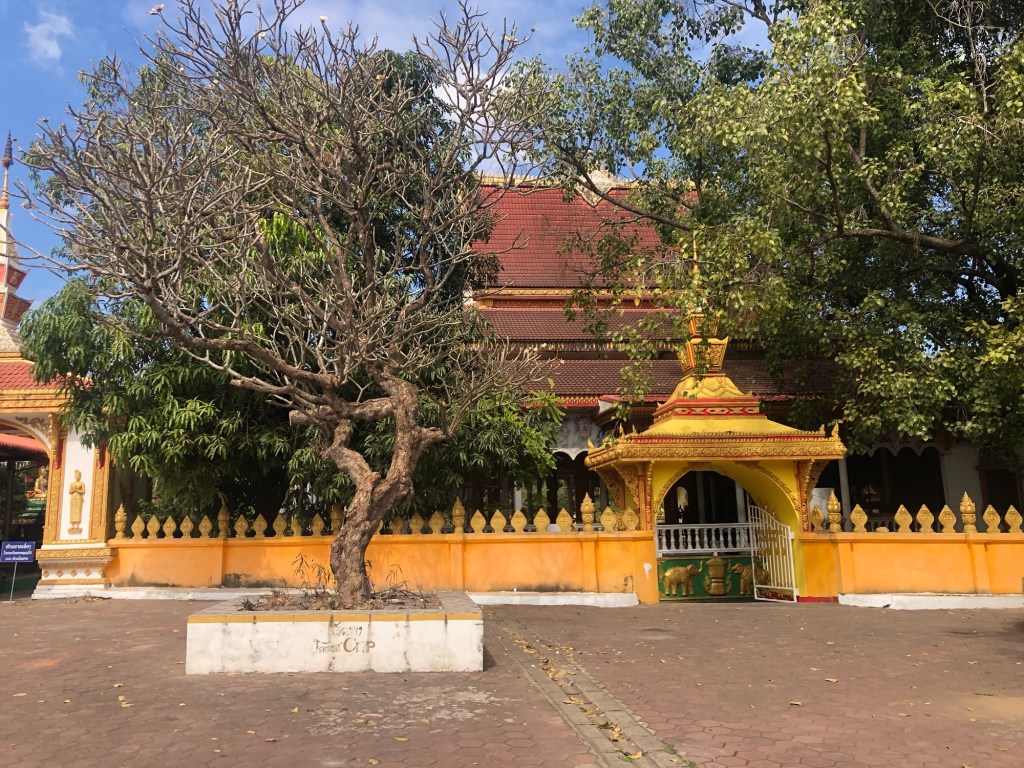
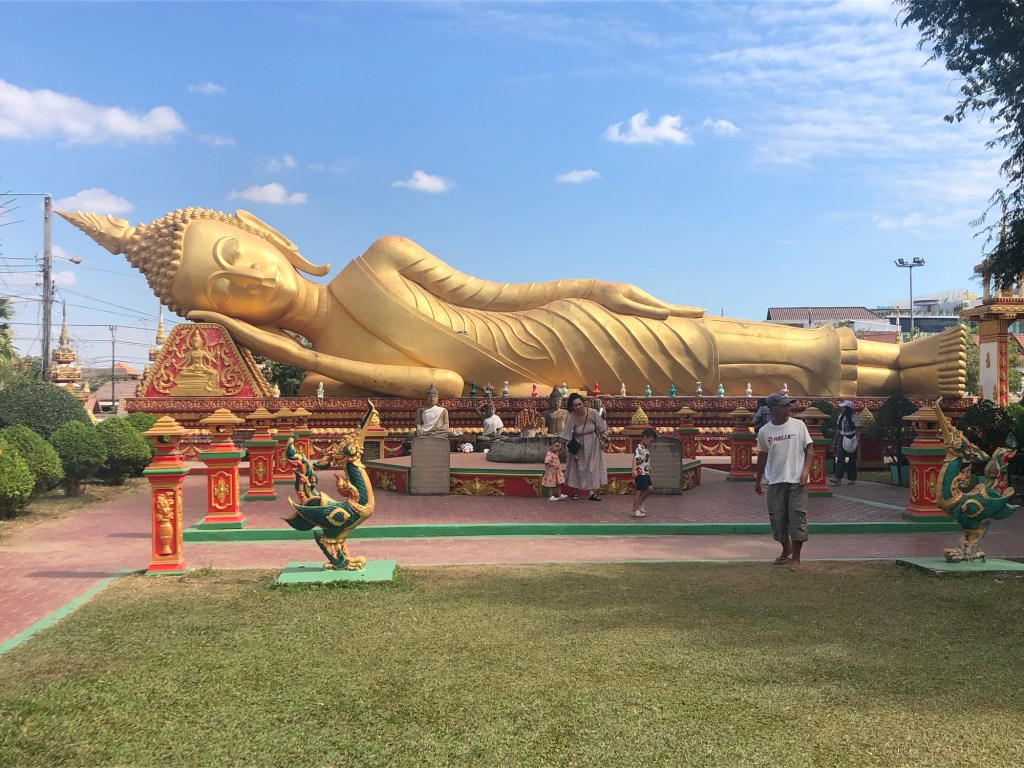
DAILY PHOTO: The Grounds of Wat That Luang Posted on December 29, 2024 by B Gourley Reply Share on Facebook, Twitter, Email, etc. Print (Opens in new window) Print Share on WhatsApp (Opens in new window) WhatsApp MoreShare on TumblrTweet Share on Reddit (Opens in new window) Reddit Email a link to a friend (Opens in new window) Email Like Loading...
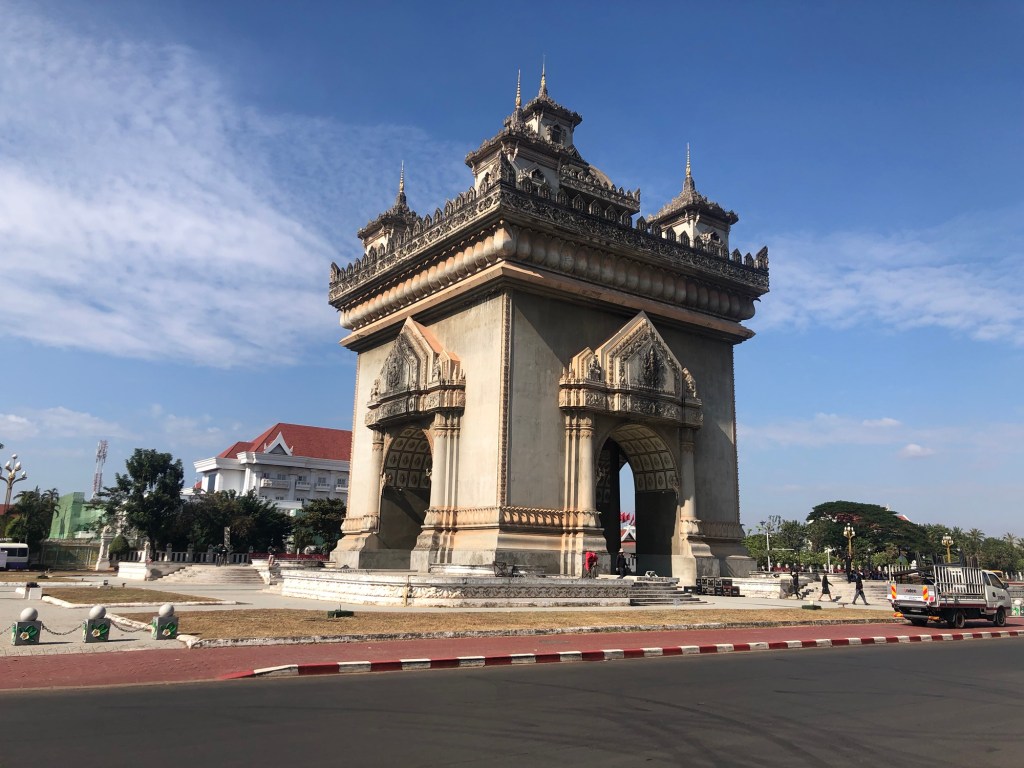
DAILY PHOTO: Patuxay Posted on December 28, 2024 by B Gourley Reply Share on Facebook, Twitter, Email, etc. Print (Opens in new window) Print Share on WhatsApp (Opens in new window) WhatsApp MoreShare on TumblrTweet Share on Reddit (Opens in new window) Reddit Email a link to a friend (Opens in new window) Email Like Loading...
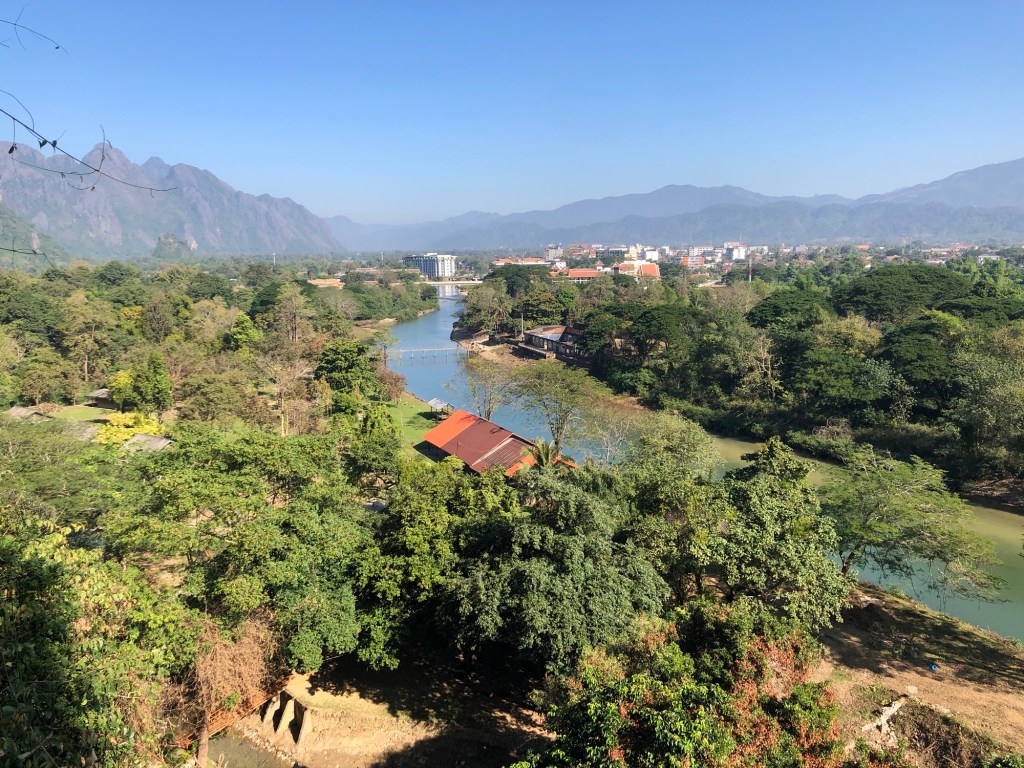
DAILY PHOTO: View from Tham Chang Overlook Posted on December 27, 2024 by B Gourley Reply Share on Facebook, Twitter, Email, etc. Print (Opens in new window) Print Share on WhatsApp (Opens in new window) WhatsApp MoreShare on TumblrTweet Share on Reddit (Opens in new window) Reddit Email a link to a friend (Opens in new window) Email Like Loading...
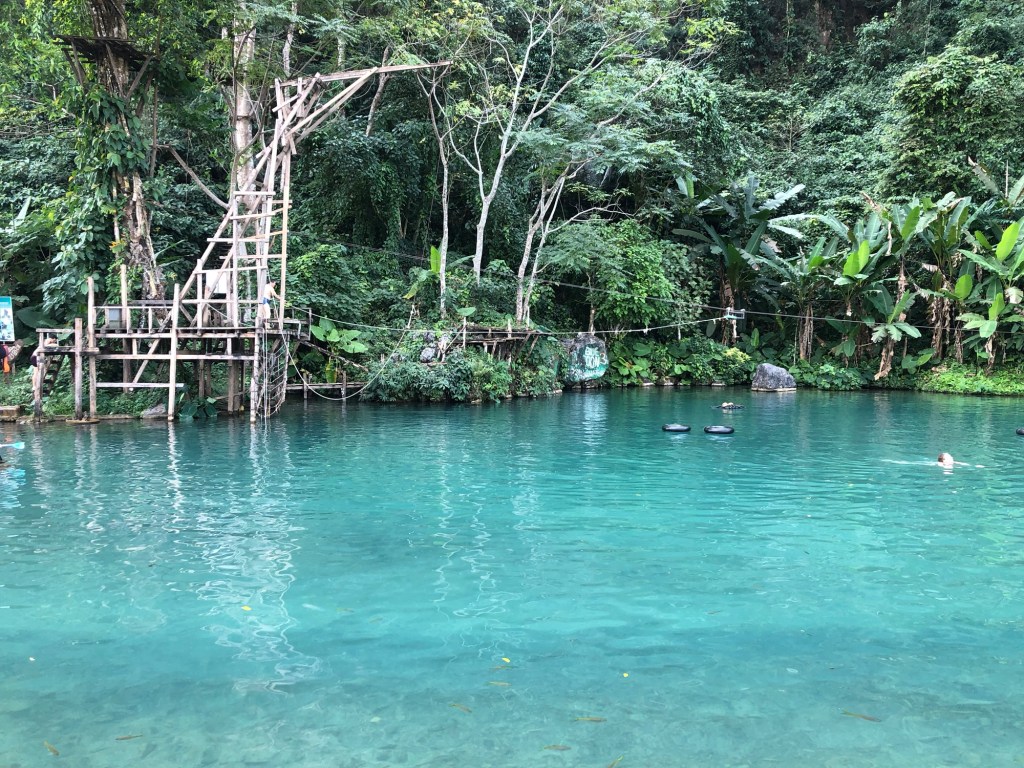
DAILY PHOTO: Blue Hole 3 of Vang Vieng Posted on December 26, 2024 by B Gourley Reply Share on Facebook, Twitter, Email, etc. Print (Opens in new window) Print Share on WhatsApp (Opens in new window) WhatsApp MoreShare on TumblrTweet Share on Reddit (Opens in new window) Reddit Email a link to a friend (Opens in new window) Email Like Loading...
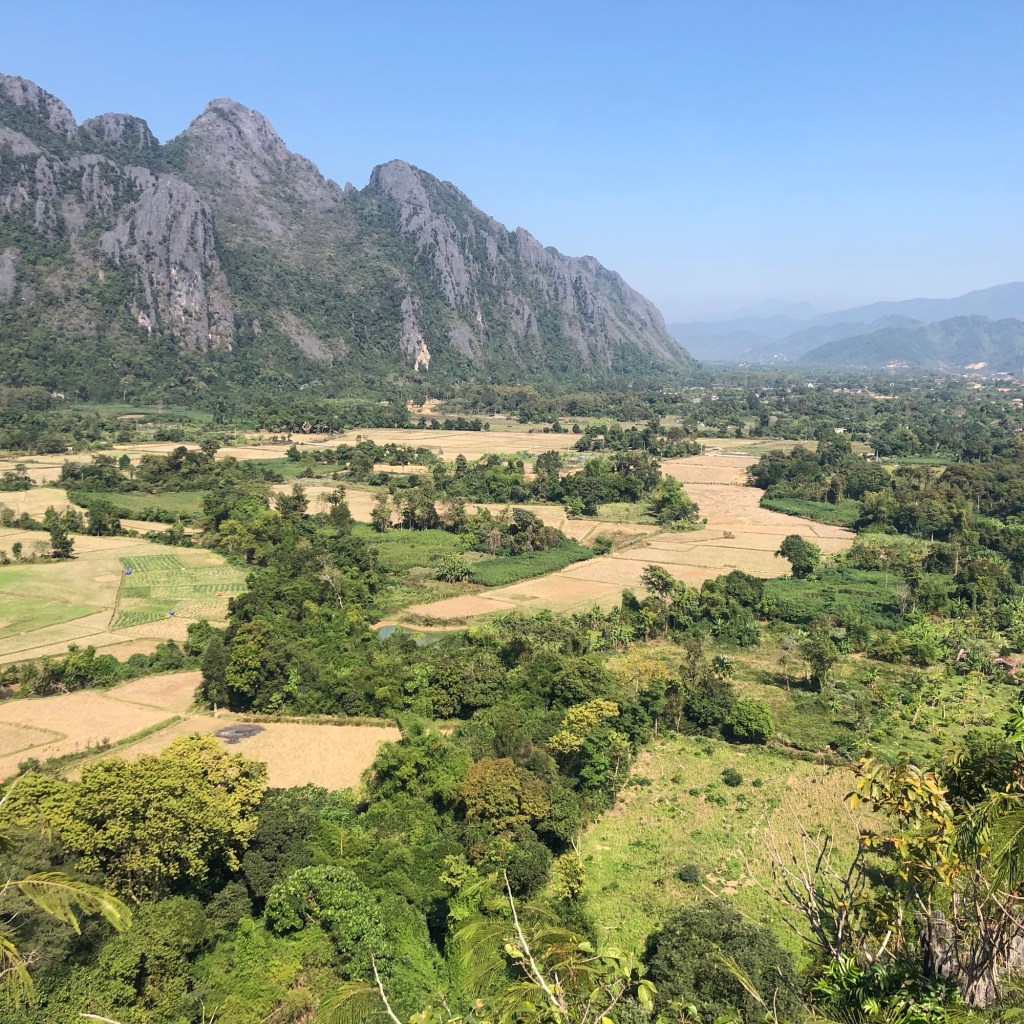
DAILY PHOTO: View from Phapoak Mountain Posted on December 25, 2024 by B Gourley Reply Share on Facebook, Twitter, Email, etc. Print (Opens in new window) Print Share on WhatsApp (Opens in new window) WhatsApp MoreShare on TumblrTweet Share on Reddit (Opens in new window) Reddit Email a link to a friend (Opens in new window) Email Like Loading...
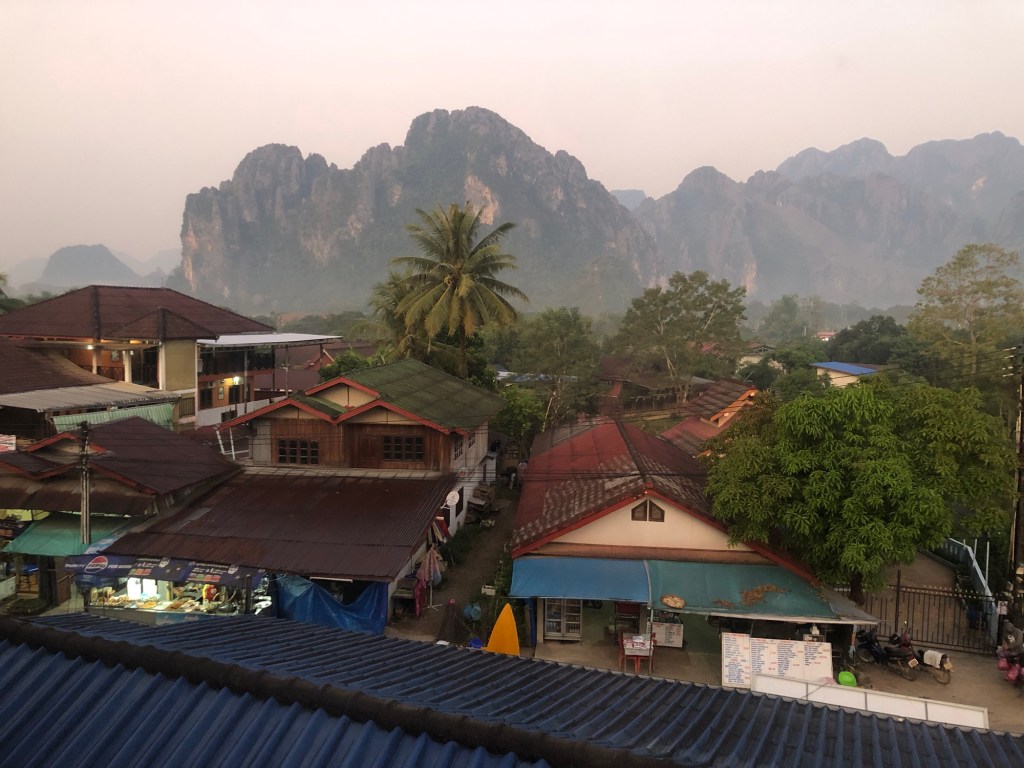
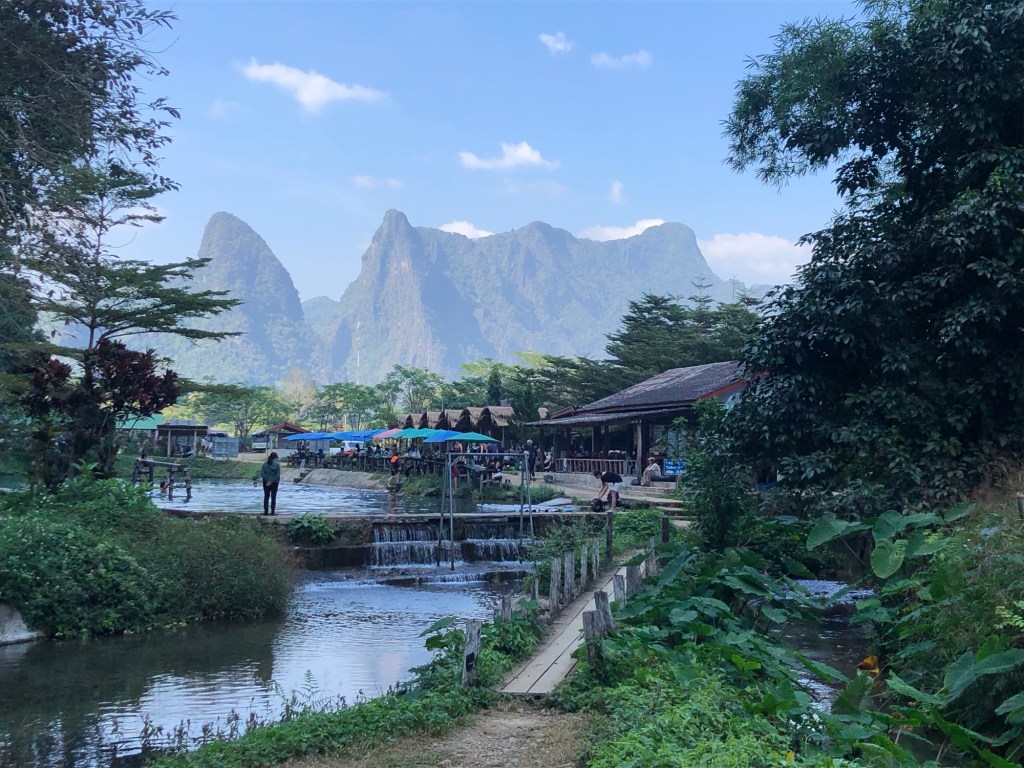
DAILY PHOTO: Vang Vieng Dawn Posted on December 24, 2024 by B Gourley Reply Share on Facebook, Twitter, Email, etc. Print (Opens in new window) Print Share on WhatsApp (Opens in new window) WhatsApp MoreShare on TumblrTweet Share on Reddit (Opens in new window) Reddit Email a link to a friend (Opens in new window) Email Like Loading...
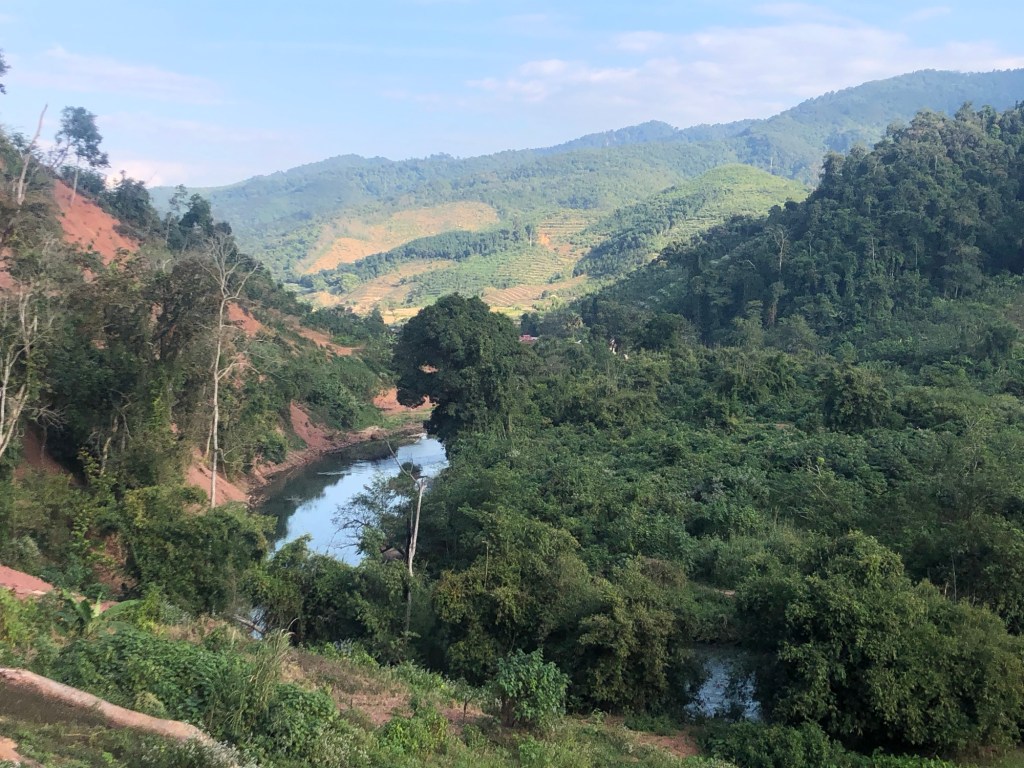
DAILY PHOTO: Hills in Northern Laos Posted on December 23, 2024 by B Gourley Reply Share on Facebook, Twitter, Email, etc. Print (Opens in new window) Print Share on WhatsApp (Opens in new window) WhatsApp MoreShare on TumblrTweet Share on Reddit (Opens in new window) Reddit Email a link to a friend (Opens in new window) Email Like Loading...