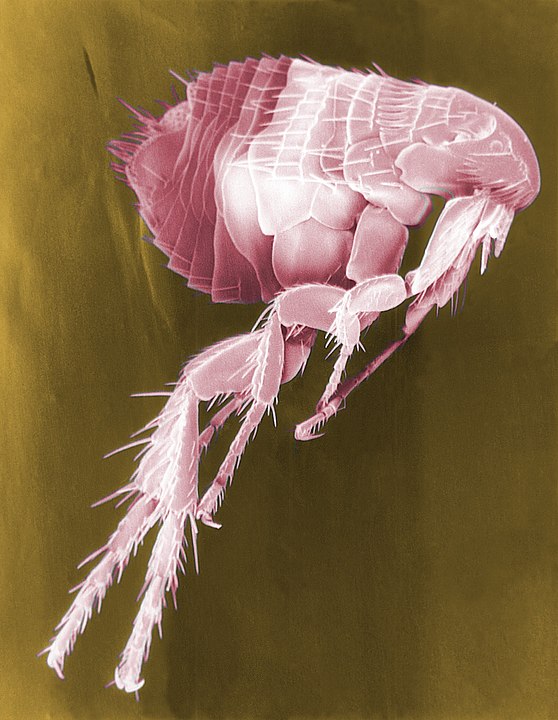
Mark but this flea, and mark in this,
 How little that which thou deniest me is;
 It sucked me first, and now sucks thee,
 And in this flea our two bloods mingled be;
 Thou know'st that this cannot be said
 A sin, nor shame, nor loss of maidenhead,
  Yet this enjoys before it woo,
  And pampered swells with one blood made of two,
  And this, alas, is more than we would do.

Oh stay, three lives in one flea spare,
 Where we almost, nay more than married are.
 This flea is you and I, and this
 Our marriage bed, and marriage temple is;
 Though parents grudge, and you, w'are met,
 And cloistered in these living walls of jet.
  Though use make you apt to kill me,
  Let not to that, self-murder added be,
  And sacrilege, three sins in killing three.

Cruel and sudden, hast thou since
 Purpled thy nail, in blood of innocence?
 Wherein could this flea guilty be,
 Except in that drop which it sucked from thee?
 Yet thou triumph'st and say that thou
 Find'st not thy self, nor me the weaker now;
  "Tis true; then learn how false, fears be:
  Just so much honor, when thou yield'st to me,
  Will waste, as this flea's death took life from thee.
I leant upon a coppice gate
 When Frost was spectre-grey,
 And Winter's dregs made desolate
 The weakening eye of day.
 The tangled bine-stems scored the sky
 Like strings of broken lyres,
 And all mankind that haunted nigh
 Had sought their household fires.

The land's sharp features seemed to be
 The Century's corpse outleant,
 His crypt the cloudy canopy,
 The wind his death-lament.
 The ancient pulse of germ and birth
 Was shrunken hard and dry,
 And every spirit upon earth
 Seemed fervourless as I.

At once a voice arose among
 The bleak twigs overhead
 In a full-hearted evensong
 Of joy illimited;
 An aged thrush, frail, gaunt, and small,
 In blast-beruffled plume,
 Had chosen thus to fling his soul
 Upon the growing gloom.

So little cause for carolings
 Of such ecstatic sound
 Was written in terrestrial things
 Afar or nigh around,
 That I could think there trembled through
 His happy good-night air
 Some blessed Hope, whereof he knew
 And I was unaware.
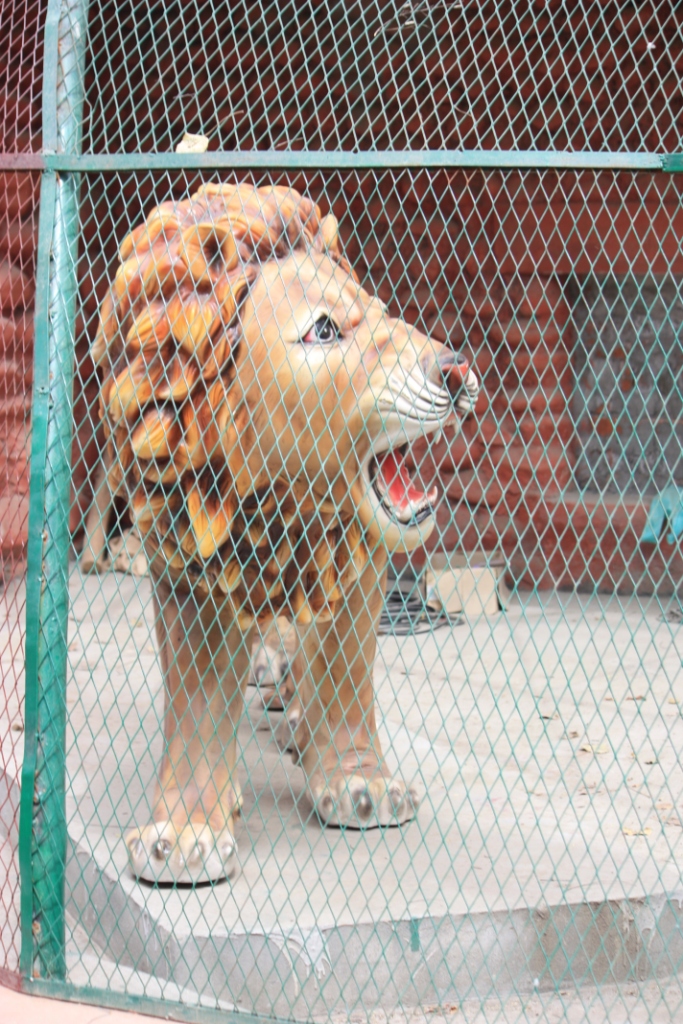
They in their cruel traps, and we in ours,
 Survey each other's rage, and pass the hours
 Commiserating each the other's woe,
 To mitigate his own pain's fiery glow.
 Man could but little proffer in exchange
 Save that his cages have a larger range.
 That lion with his lordly, untamed heart
 Has in some man his human counterpart,
 Some lofty soul in dreams and visions wrapped,
 But in the stifling flesh securely trapped.
 Guant eagle whose raw pinions stain the bars
 That prison you, so men cry for the stars!
 Some delve down like the mole far underground,
 (Their nature is to burrow, not to bound),
 Some, like the snake, with changeless slothful eye,
 Stir not, but sleep and smoulder where they lie.
 Who is most wretched, these caged ones, or we,
 Caught in a vastness beyond our sight to see?
Before me lies a mass of shapeless days,
 Unseparated atoms, and I must
 Sort them apart and live them. Sifted dust
 Covers the formless heap. Reprieves, delays,
 There are none, ever. As a monk who prays
 The sliding beads asunder, so I thrust
 Each tasteless particle aside, and just
 Begin again the task which never stays.
 And I have known a glory of great suns.
 When days flashed by, pulsing with joy and fire!
 Drunk bubbled wine in goblets of desire,
 And felt the whipped blood laughing as it runs!
 Split is that liquor, my too hasty hand
 Threw down the cup, and did not understand.
How do I love thee? Let me count the ways.
 I love thee to the depth and breadth and height
 My soul can reach, when feeling out of sight
 For the ends of being and ideal grace.
 I love thee to the level of every day's
 Most quiet need, by sun and candle-light.
 I love thee freely, as men strive for right;
 I love thee purely, as they turn from praise.
 I love thee with the passion put to use
 In my old griefs, and with my childhood's faith.
 I love thee with a love I seemed to lose
 With my lost saints. I love thee with the breath,
 Smiles, tears, of all my life, and, if God choose,
 I shall but love thee better after death.
Bright star, would I were stedfast as thou art --
 Not in lone splendour hung aloft the night
 And watching, with eternal lids apart,
 Like nature's patient, sleepless Eremite,
 The moving waters at their priestlike task
 Of pure ablution round earth's human shores,
 Or gazing on the new soft-fallen mask
 Of snow upon the mountains and the moors --
 No -- yet still stedfast, still unchangeable,
 Pillow'd upon my fair love's ripening breast,
 To feel for ever its soft fall and swell,
 Awake for ever in a sweet unrest,
 Still, still to hear her tender-taken breath,
 And so live ever -- or else swoon to death.
Amazon.in Page
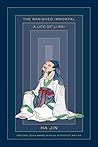
Li Bai is considered to be one of China’s best poets of all time, writing during the Tang Dynasty (618-907 AD,) a time swole with poetic greats. However, it’s not just a prolific collection of extant masterpieces that make Li Bai worthy of a biography intended for a general audience. Li Bai was also a compelling character. He was, at once, a drunk and a genius; a swordsman of some skill and a card-carrying Daoist. It’s not just that he could edit drafts into brilliant poems, but he was said to be gifted at spontaneously spouting clever verse. He was constantly struggling to gain a post in government, but failed time and again. Even when his poetic renown became so great that he was given a post in the Imperial court, he was disappointed to find that it was largely ceremonial and that he would have no great impact on anything. He had a stunning fall from grace when he aligned with the wrong side during a civil war and was lucky to have been exiled rather than executed.
Ha Jin, a prominent present-day Chinese author best known for the novel Waiting, does an excellent job of exploring Li Bai’s life. What I particularly enjoyed is that Ha Jin (a poet himself) discusses how events in Li’s life spurred some of his great poems (which are often included in whole or in part.) Ha Jin is also careful to make clear when biographical accounts diverge, and there are many unknown or disputed details of Li’s life. In fact, there is a bit of a mythology around Li Bai, as one might guess from the title – which refers to a nickname bestowed upon the poet based on the belief that he was a Daoist immortal.
I’d highly recommend this book for readers of biography, those interested in Chinese history, or those who are intrigued by rebellious poetic souls.
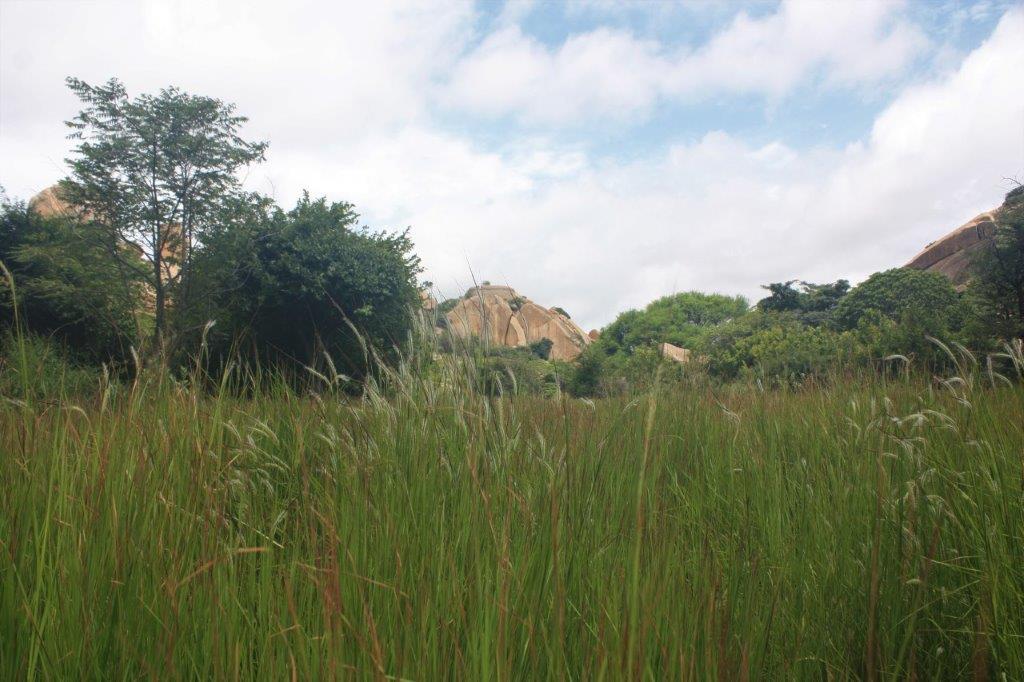
Lush grass covers the plains.
  One year it withers; the next, it thrives.
 Wildfires burn, but not to eradication.
   With Spring winds, it's rejuvenated.
 Its aroma floats in to subdue derelict paths.
  Vivid green overtakes the ghost town.
 I say farewell to departing friends
  as intense feeling swells within.