BOOK REVIEW: Monkey: New Writing from Japan: Vol. 2: Travel ed. Ted Goosen & Motoyuki Shibata

MONKEY New Writing from Japan: Volume 2: TRAVELMONKEY New Writing from Japan: Volume 2: TRAVEL by Ted Goossen
My rating: 5 of 5 stars

Amazon.in Page

Out: December 28, 2021

This anthology of travel-themed short writings by prominent Japanese authors includes: short stories, essays, poems, excerpts from longer works, and even an illustrated story [i.e. “The Overcoat” by Satoshi Kitamura.] The nature and degree of travel varies considerably with some pieces being travelogues or setting-centric fiction, but other pieces explore travel in a more symbolic sense (e.g. “Hell” by Kikuko Tsumura or “Decline of the Aliens” by Hideo Furukawa.] And one piece, “Cardboard Boxes and Their Uses” by Taki Monma deals more with the topic of being shut in, so it might be considered a study in travel through its absence.

The anthology includes works by literary stars such as Mieko Kawakami, Haruki Murakami, and Yasunari Kawabata, and showcases translation by some of the most well-know translators of Japanese literature. [The edition ends with a dozen brief statements by translators about what they have found particularly daunting to translate — not necessarily because the literal translation is difficult but because the elegance of the origin language can be lost to clunkiness in the translated language.]

Among my favorite pieces were “The Dugong” (a historical fiction story with a “Journey to the West” feel to it,) Haruki Murakami’s essay entitled “Jogging in Southern Europe” (which anyone who’s ever exercised amid people who don’t exercise will find amusing,) “Five Modern Poets on Travel” [particularly the tanka of Kanoko Okamoto and the haiku of both Hisago Sugita and Dakotsu Iida,] and “Every Reading, Every Sound, Every Sight” by Jun’ichi Konuma. That said, I don’t think there was a clunker in the bunch, each piece was well-composed and translated, and I’d highly recommend reading this book.


View all my reviews

BOOK REVIEW: Three Japanese Buddhist Monks by Saigyō, Chōmei, and Kenkō

Three Japanese Buddhist MonksThree Japanese Buddhist Monks by Saigyō
My rating: 5 of 5 stars

Amazon.in Page

This book collects three essays composed between the twelfth and fourteenth centuries. They are in chronological order, but also in order of increasing length, i.e. Saigyō’s piece is a short excerpt, while Kenkō’s essay makes up the bulk of the book.


An excerpt from Saigyō’s Senjūshō tells the story of the monk’s meeting with a wise reclusive meditator on Mt. Utsu. Saigyō tries to talk his way into living / meditating with the hermit, but the sage convinces him that that wouldn’t be good for either of them. The monk goes away, planning on visiting the hermit on his return, but he wistfully tells us that he took another route.


“The Ten-Foot Hut” is about the benefits of a simple, minimalist existence. It discusses Impermanence, and takes the view that having more just means one has more to lose. A quote that offers insight into the monk’s thoughts is, “If you live in a cramped city area, you cannot escape disaster when a fire springs up nearby. If you live in some remote place, commuting to and fro is filled with problems, and you are in constant danger from thieves.” The author’s solution? Build a tiny cabin in the woods and – in the unlikely event it burns or gets robbed while one is away – what has one really lost?


The Kenkō essay makes up about eighty percent of the book. Its rambling discussion of life’s impermanence delves into morality, aesthetics, and Buddhist psychology. There are many profound bits of wisdom in this piece. Though it’s also a bit of a mixed bag in that some of the advice feels relevant and insightful, while some of it hasn’t aged / traveled well.


I enjoyed this book and found it thought-provoking. Some may be disappointed by finding how little of Saigyō’s writing is included (he being the author of greatest renown,) but I found each author had something valuable to offer.


View all my reviews
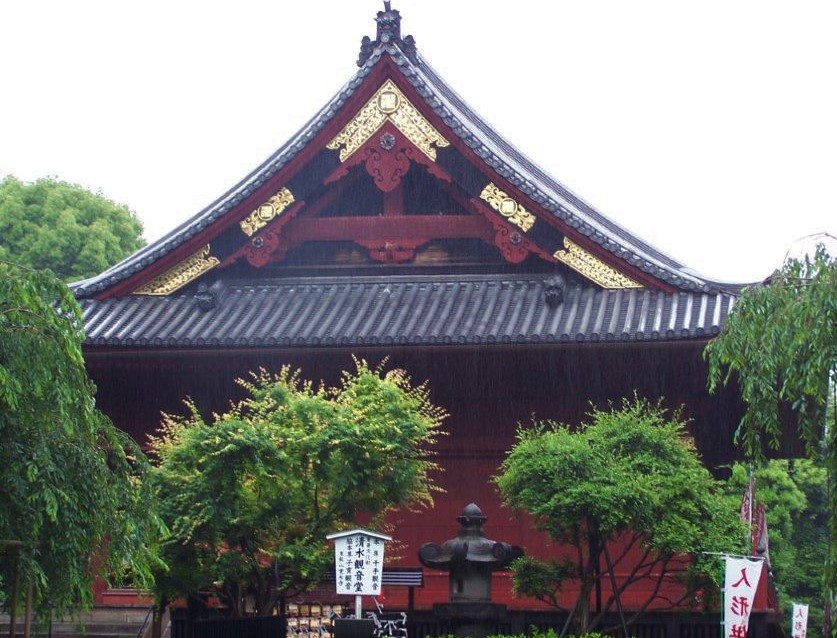
DAILY PHOTO: Rainy Day at Tōshō-gū Shrine in Ueno Park

Taken in Ueno Park, Tokyo in the summer of 2008

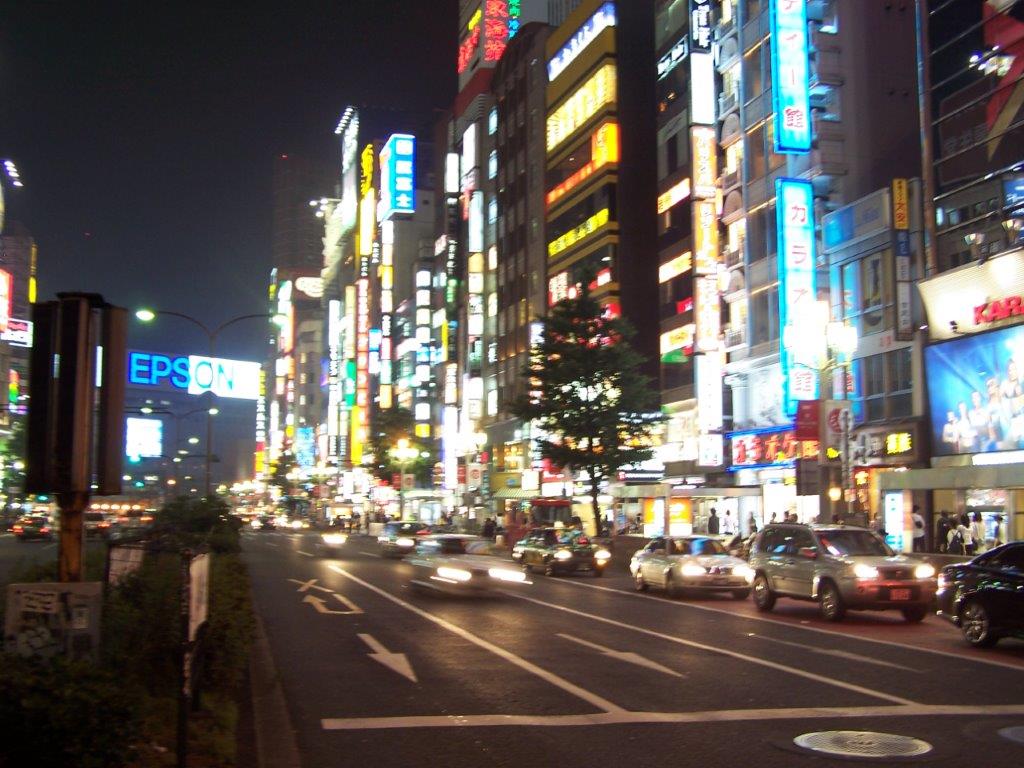
After Midnight [Haiku]

after midnight
the city transmogrifies;
birthed anew at five

BOOK REVIEW: Tokyo Junkie by Robert Whiting

Tokyo Junkie: 60 Years of Bright Lights and Back Alleys . . . and BaseballTokyo Junkie: 60 Years of Bright Lights and Back Alleys . . . and Baseball by Robert Whiting
My rating: 5 of 5 stars

Amazon.in Page

Tokyo is the river that runs through this book, which for large tracts reads like a memoir and at other turns reads like a broad overview of things Japanese. I’ve only been to Tokyo once, for about a two week stay, but it’s impossible to miss the almost alien level of distinctiveness of the city. It’s the largest city in the world, but in many ways feels like a small town. The subways shut down at midnight, creating an alter ego to the city, aptly depicted in Haruki Murakami novels.

Whiting’s Tokyo journey begins with his time posted there in the military, a time which happens to correspond with the city being readied for the 1964 Olympics, through the present day COVID Pandemic challenges (which happens to correspond with the 2020 Tokyo Summer games being delayed — and it remains to be seen whether these games will ever happen given the fact that the COVID virus is not taking our plans for vaccine-driven herd immunity sitting down.)

As Whiting’s book is part memoir, it gives particular scrutiny to the subjects of his earlier books, in as much as those topics touch upon life in Tokyo. One of these subjects, the more extensively discussed, is baseball and the very different way the game is played and reported upon in Japan. The other key subject is organized crime and the legendary Yakuza. Crime in Japan is a captivating topic because it is both invisible and infamously brutal. I enjoyed the view through these niche lenses because (particularly) the latter is not so conspicuous, but is riveting stuff. [When I was in Japan, I was taken to a bathhouse (not considered strange in Japan as it sounds to an American.) Before we went, I was told that if I had big tattoos, I couldn’t go; and, if I had a small tattoo, I’d need to use a washcloth to keep it covered the whole time. This is apparently because reputable establishments don’t want the taint of Yakuza on their premises. So, this is how much they keep things on the down-low.]

Whiting led various lives in Tokyo, he was an airman, a student, a salaryman, an unofficial advisor to a Yakuza gang, a journalist, and a nonfiction writer. These allowed him to see the changing city from a number of varied perspectives, offering much deeper insight than the run-of-the-mill expat.

In addition to the modern history of Tokyo, Japanese baseball, Yakuza, and Whiting’s various lives in the city, the book makes a lot of fascinating dives into a range of Tokyo topics, such as: sumo wrestling, the aftermath of the Fukushima disaster, the city’s distant history, salaryman drinking habits, the demographic crisis (i.e. its aging population has been approaching the point of too many retirees per working taxpayer,) etc. The book offers a no-holds-barred look at the good, the bad, and the ugly underside of the city. It at once praises the city’s politeness, cleanliness, and smooth-running order and rebukes its dark side – dirty politics, toxic workplaces, xenophobia, etc.

I enjoyed this book tremendously. It offered great insight into Tokyo, Japanese culture, as well as many niche areas that I probably would never taken the time to investigate, otherwise. If you are interested in learning about Tokyo, particularly modern Tokyo, this is an excellent read.

View all my reviews

DAILY PHOTO: Kannon in Stone, Noda City

Taken in the summer of 2008 near Noda City, Japan

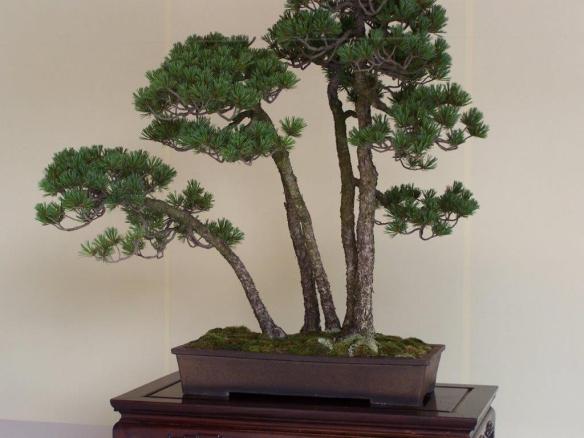
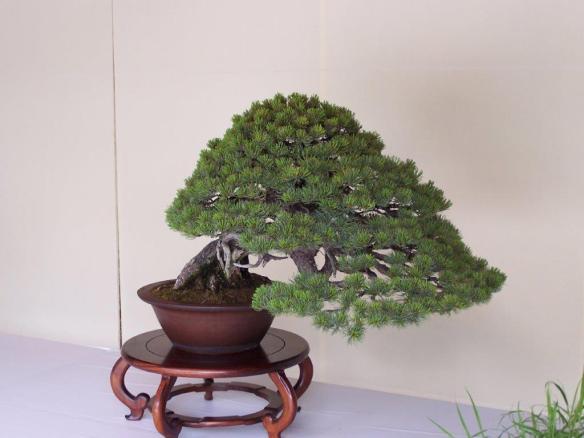
DAILY PHOTO: Bonsai!

Taken at the Meiji Shrine in Tokyo in the summer of 2008.

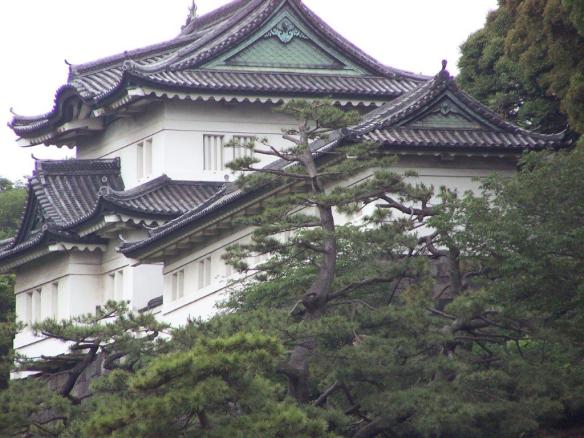
DAILY PHOTO: Edo Castle

Taken in the summer of 2008 in Tokyo

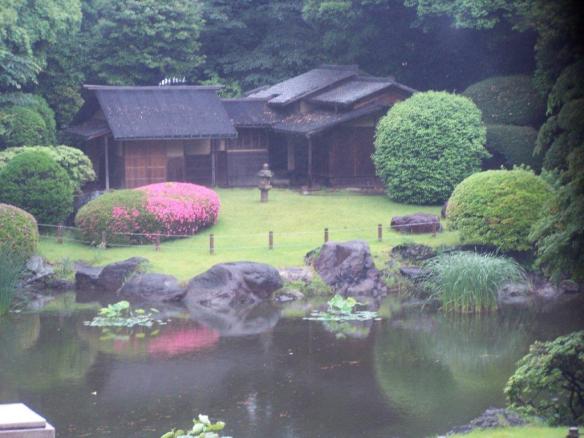
DAILY PHOTO: Tengoan, Tokyo National Museum

Taken in the summer of 2008 in Tokyo

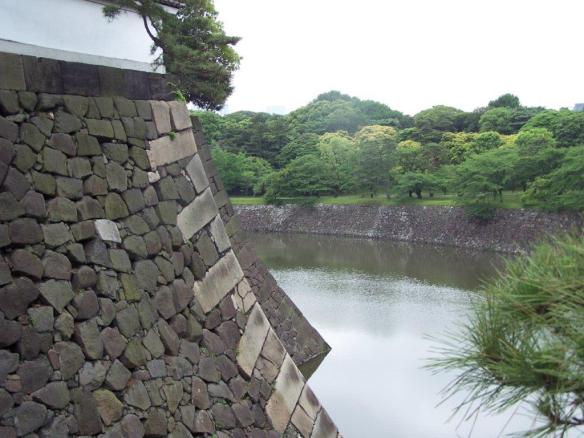
DAILY PHOTO: Moat in the Japanese Style

Taken in the summer of 2008 in Tokyo