
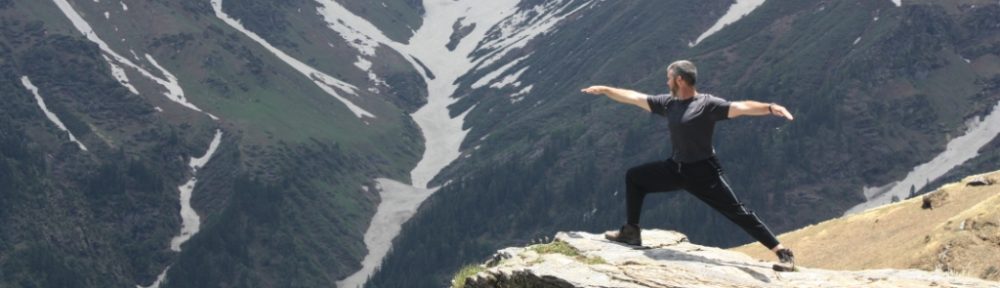
Here comes some sing-song psychopomp,
   Shepherding all those stone-cold souls.
 He sings stirring songs all day long,
   Dragging the Dead over dark shoals.
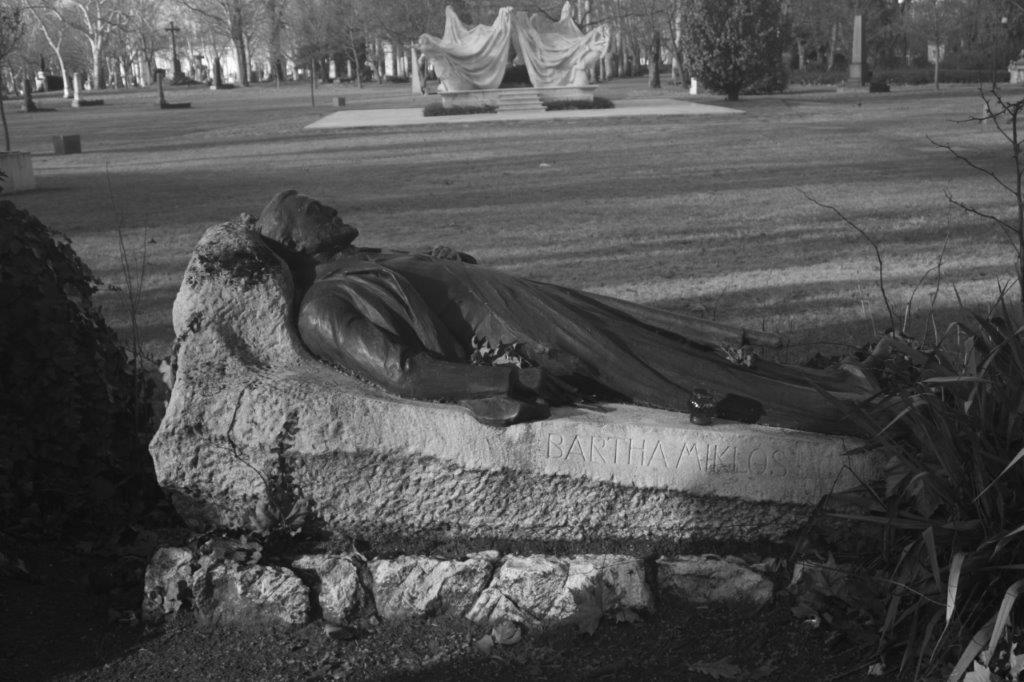
Here comes some sing-song psychopomp,
Shepherding all those stone-cold souls.
He sings stirring songs all day long,
Dragging the Dead over dark shoals.
Thou wast that all to me, love,
   For which my soul did pine --
  A green isle in the sea, love,
   A fountain and a shrine,
 All wreathed with fairy fruits and flowers,
   And all the flowers were mine.

Ah, dream to bright to last!
   Ah, starry Hope! that didst arise
  But to be overcast!
   A voice from the Future cries,
  "On! on!" -- but o'er the Past
 (Dim gulf!) my spirit hovering lies
   Mute, motionless, aghast!

For, alas! alas! with me
   The light of Life is o'er!
  No more -- no more -- no more --
   (Such language holds the solemn sea
  To the sands upon the shore)
 Shall bloom the thunder-blasted tree,
   Or the stricken eagle soar!

And all my days are trances,
   And all my nightly dreams
  Are where thy grey eye glances,
   And where thy footstep gleams --
 In what ethereal dances,
   By what eternal streams.

Under the wide and starry sky,
   Dig the grave and let me lie.
 Glad did I live and gladly die,
   And I laid me down with a will.

This be the verse you grave for me:
   Here he lies where he longed to be;
 Home is the sailor, home from sea,
   And the hunter home from the hill.
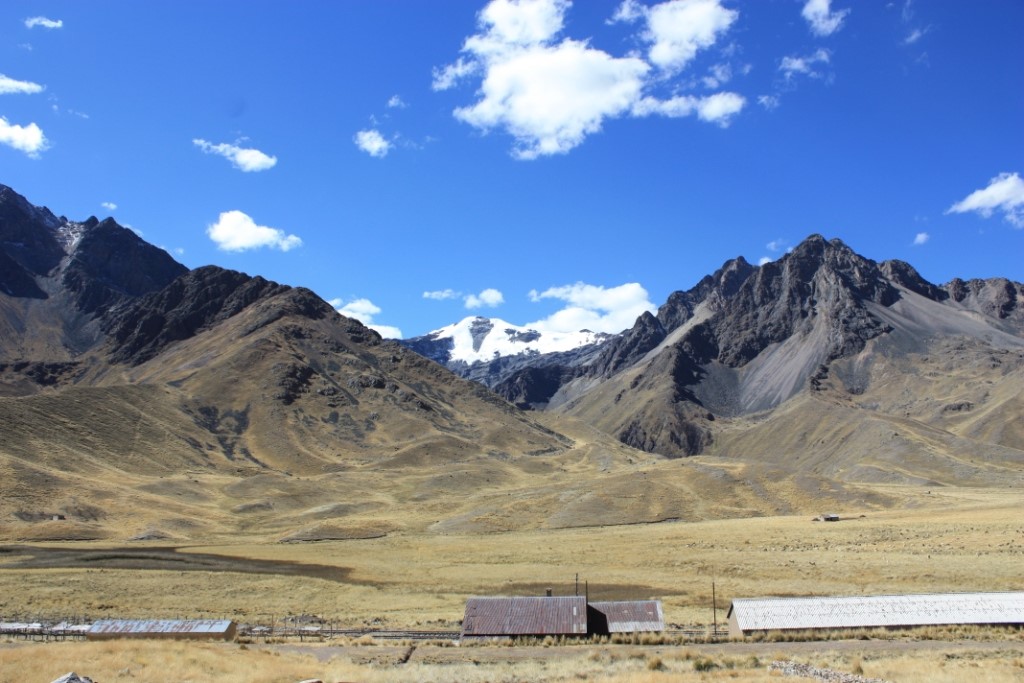
My soul runs cold, and I
   Fear it might be dying.
 It rises into the sky --
   Horrifyingly flying.

How'd it achieve liftoff,
   And race to such a pace?
 It started to just drift off...
   Now: the cold vacuum of space.

Dare I hope for a snap back
   When it reaches tether-end?
 Or intergalactic bushwhack,
   Stumbling lost with no descent.

Maybe, it'll sprawl on forever
   To the universe's edge.
 I might not be so clever,
   But I'll be a universe full-fledged.
I heard a Fly buzz - when I died -
   The Stillness in the Room
 Was like the Stillness in the Air -
   Between the Heaves of Storm -

The Eyes around - had wrung them dry -
   And Breaths were gathering firm
 For that last Onset - when the King
   Be witnessed - in the Room -

I willed my Keepsakes - Signed away
   What portion of me be
 Assignable - and then it was
   There interposed a Fly -

With Blue - uncertain - stumbling Buzz -
   Between the light - and me -
 And then the Windows failed - and then
   I could not see to see -

Row me into nowhere --
   The middle of the sea --
 To drift without a care
   As waves roll under me.

Row me into nowhere,
   That vacant stretch of sea,
 To watch blue skies, so fair,
   For an eternity.

Row me into nowhere;
   I'll bob upon the waves.
 Let me make it my lair:
   Free of rascals and knaves.

Row me into nowhere
   When all the good are gone;
 I'll breathe that salty air
   Until my soul moves on.
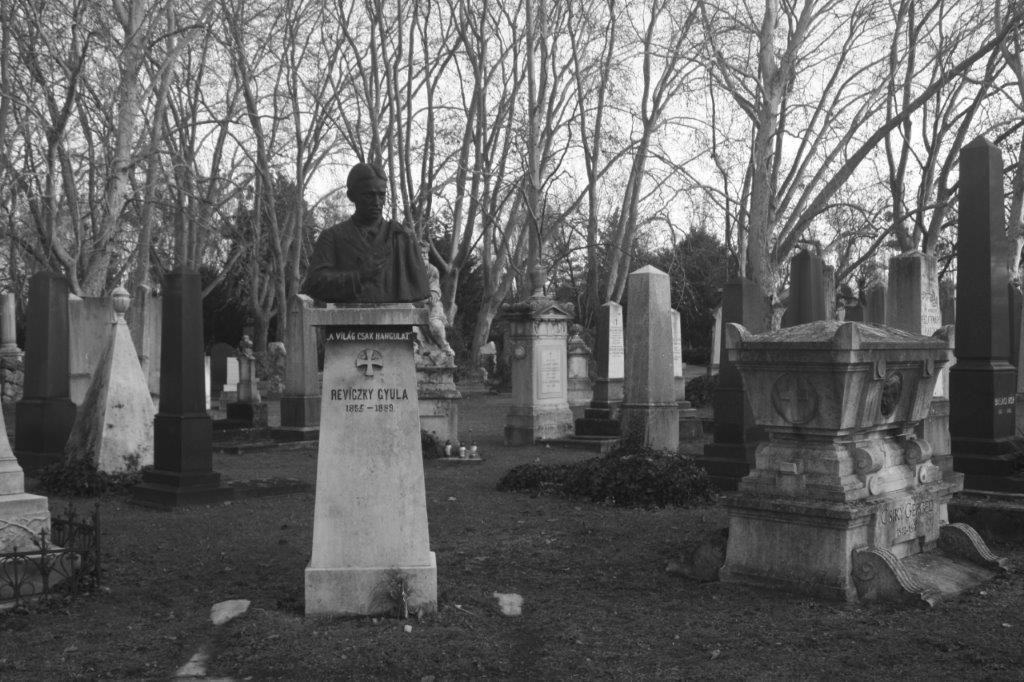
To be, or not to be, that is the question:
 Whether 'tis nobler in the mind to suffer
 The slings and arrows of outrageous fortune,
 Or to take arms against a sea of troubles
 And by opposing end them. To die -- to sleep,
 No more; and by a sleep to say we end
 The heart-ache and the thousand natural shocks
 That flesh is heir to: 'tis a consummation
 Devoutly to be wish'd. To die, to sleep;
 To sleep, perchance to dream -- ay, there's the rub:
 For in that sleep of death what dreams may come,
 When we have shuffled off this mortal coil,
 Must give us pause - there's the respect
 That makes calamity of so long life.
 For who would bear the whips and scorns of time,
 Th' oppressor's wrong, the proud man contumely,
 The pangs of dispriz'd love, the law's delay,
 The insolence of office, and the spurns
 That patient merit of th' unworthy takes,
 When he himself might his quietus make
 With a bare bodkin? Who would fardels bare,
 To grunt and sweat under a weary life,
 But that the dread of something after death,
 The undiscover'd country, from whose bourn
 No traveller returns, puzzles the will,
 And makes us rather bear those ills we have
 Than fly to others that we know not of?
 Thus conscience doth make cowards of us all,
 And thus the native hue of resolution
 Is sicklied o'er with the pale cast of thought,
 And enterprises of great pith and moment
 With this regard their currents turn awry
 And lose the name of action.
Happy the man, whose wish and care
   A few paternal acres bound,
 Content to breathe his native air,
                    In his own ground.

Whose herds with milk, whose fields with bread,
   Whose flocks supply him with attire,
 Whose trees in summer yield him shade,
                    In winter fire.

Blest, who can unconcernedly find
   Hours, days, and years slide soft away,
 In health of body, peace of mind,
                    Quiet by the day,

Sound sleep by night; study and ease,
   Together mixed; sweet recreation;
 And innocence, which most does please,
                    With meditation.

Thus let me live, unseen, unknown;
   Thus unlamented let me die;
 Steal from the world, and not a stone
                    Tell where I lie.

Because I could not stop for Death —
   He kindly stopped for me —
 The Carriage held but just Ourselves —
   And Immortality.

We slowly drove — He knew no haste
   And I had put away
 My labour and my leisure too,
   For His Civility —

We passed the School, where Children strove
   At Recess — in the Ring —
 We passed the Fields of Gazing Grain -
   We passed the Setting Sun -

Or rather - He passed us -
   The Dews drew quivering and chill -
 For only Gossamer, my Gown -
   My Tippet - only Tulle -

We paused before a House that seemed
   A Swelling of the Ground -
 The Roof was scarcely visible -
   The Cornice - in the Ground-

Since then - ‘tis Centuries - and yet
   Feels shorter than the Day
 I first surmised the Horses’ Heads
   Were toward Eternity -

Remember me when I am gone away,
   Gone far away into the silent land;
   When you can no more hold me by the hand,
 Nor I half turn to go yet turning stay.
 Remember me when no more day by day
   You tell me of our future that you plann'd:
   Only remember me; you understand
 It will be late to counsel then or pray.
 Yet if you should forget me for a while
   And afterwards remember, do no grieve:
   For if the darkness and corruption leave
   A vestige of the thoughts that once I had,
 Better by far you should forget and smile
  Than that you should remember and be sad.


 Tiger Riding for Beginners