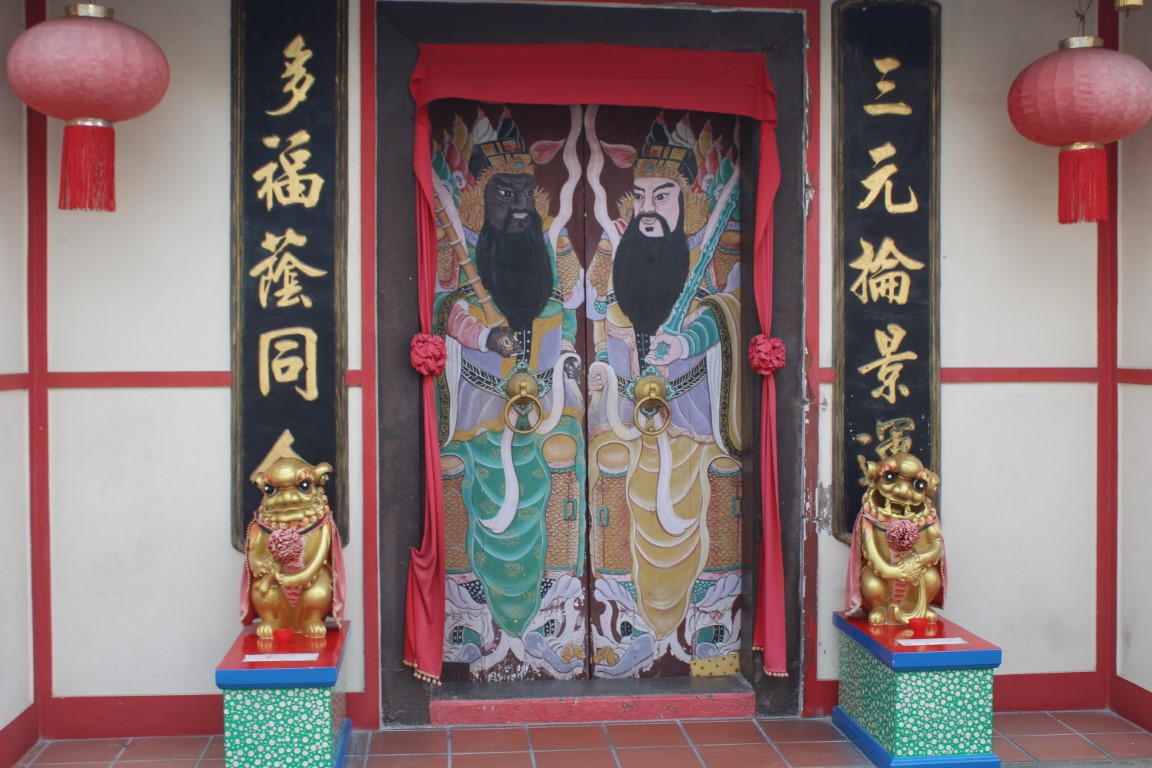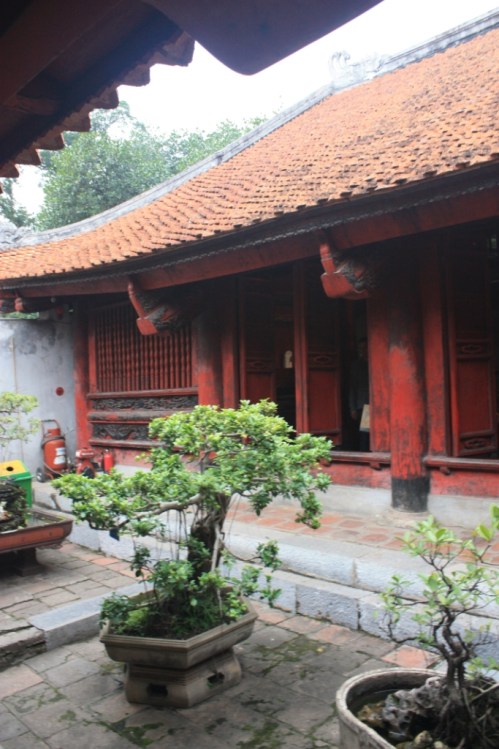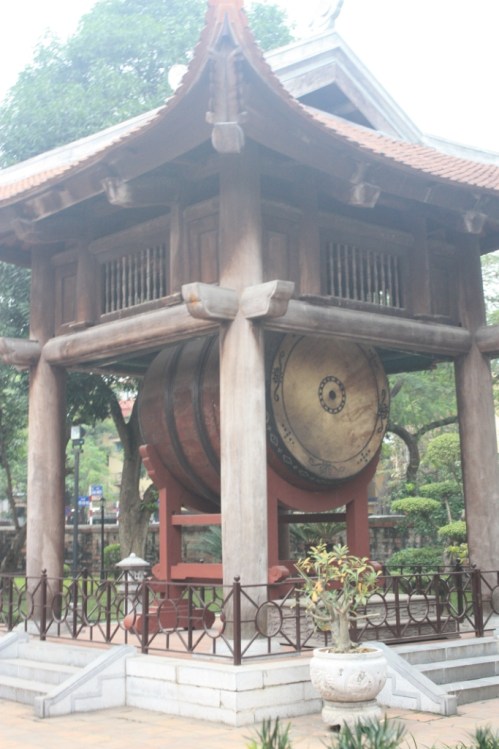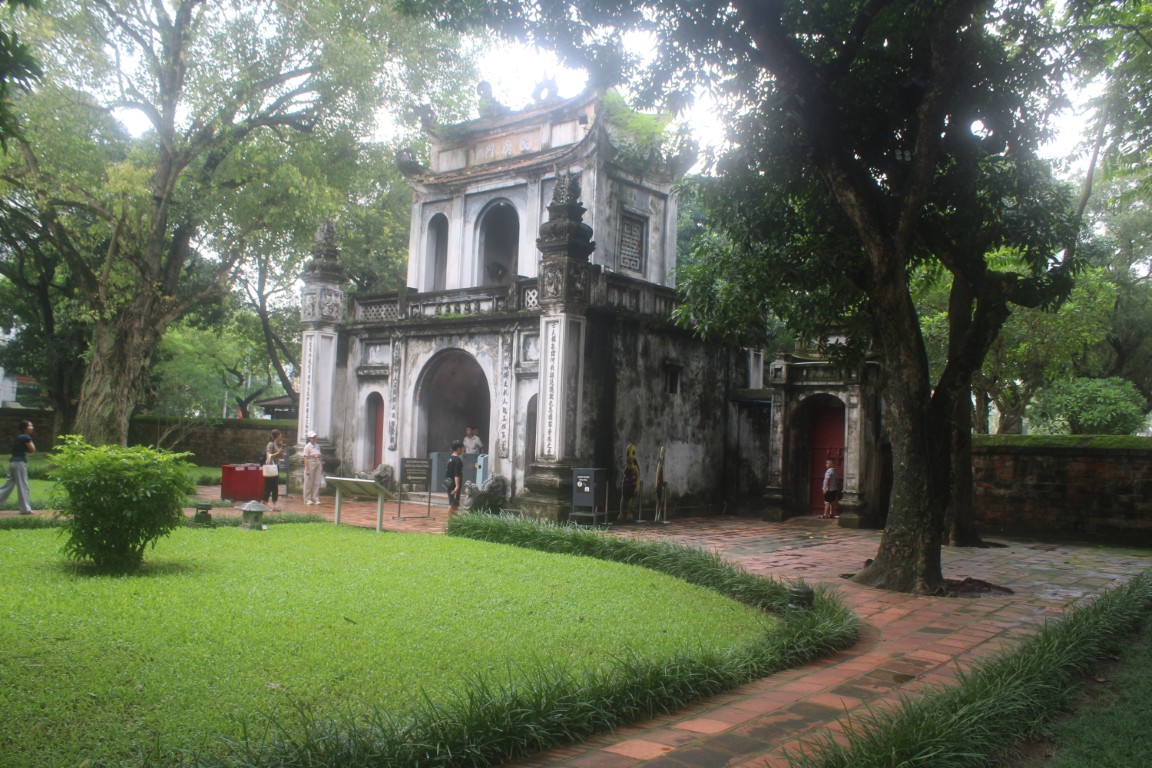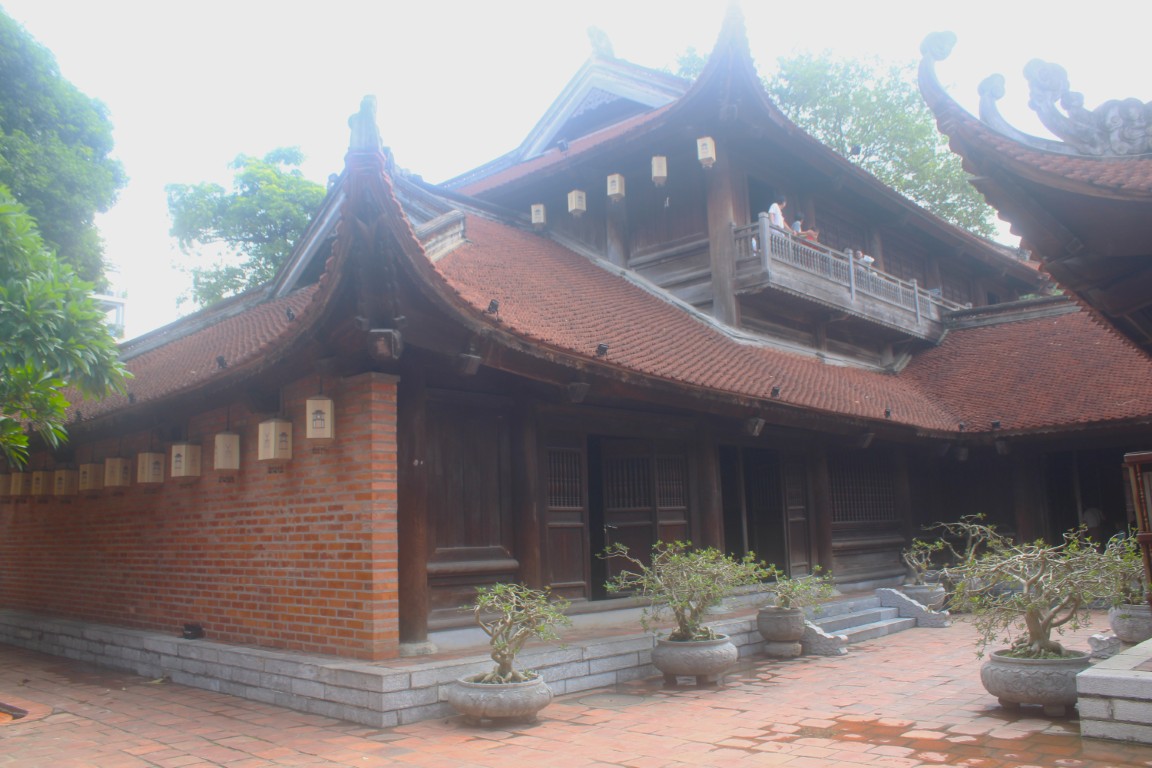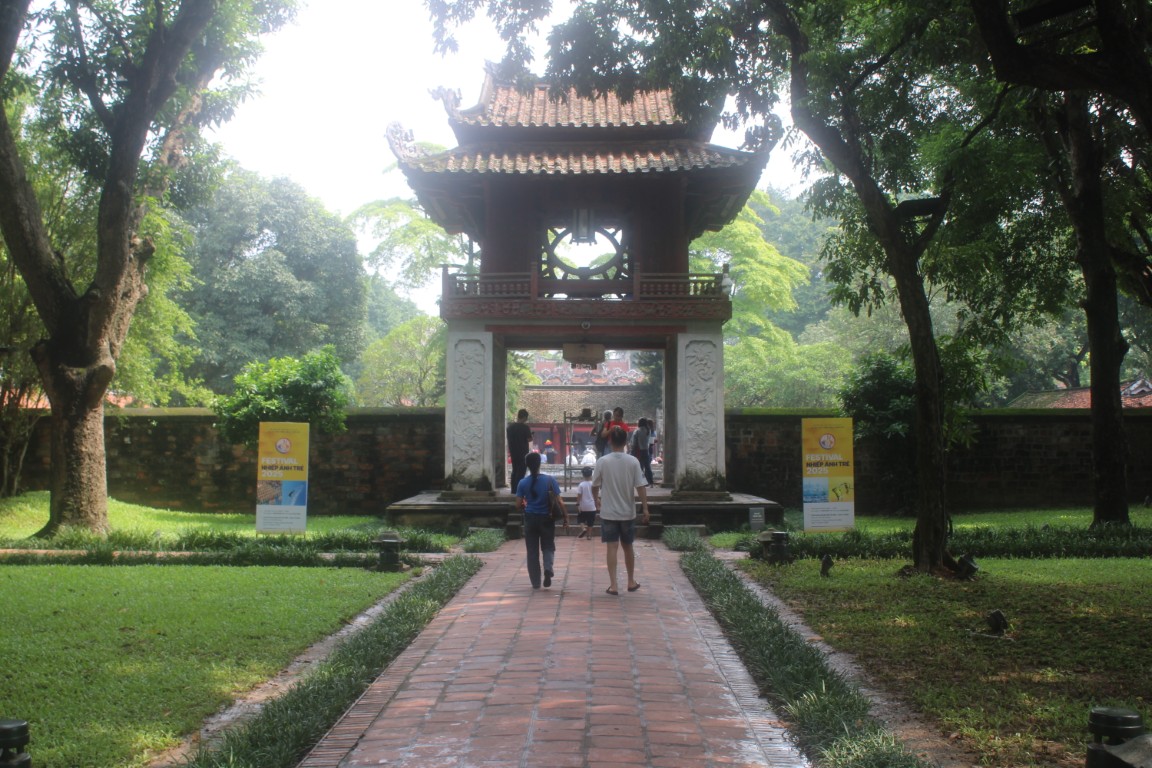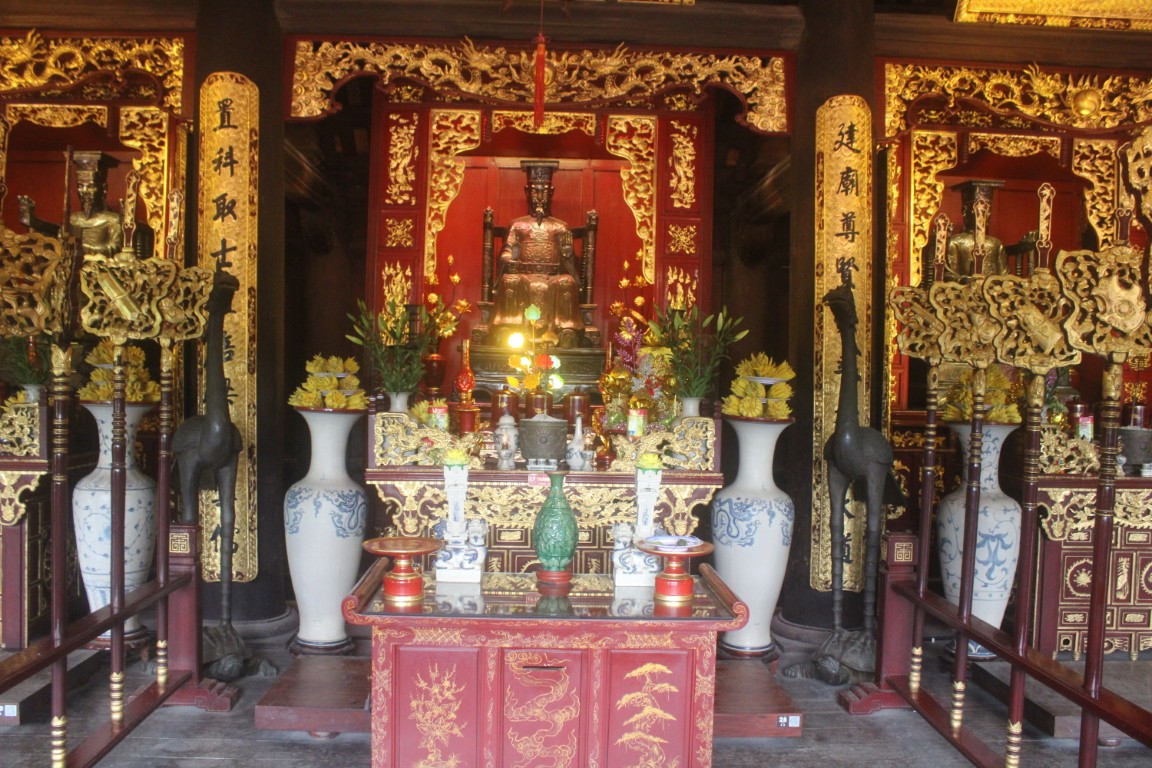

DAILY PHOTO: Scenes from the Temple of Literature [Văn Miếu]

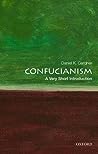
BOOKS: “Confucianism: A Very Short Introduction” by Daniel K. Gardner

Confucianism: A Very Short Introduction (Very Short Introductions)Confucianism: A Very Short Introduction by Daniel K. Gardner
My rating: 5 of 5 stars

Publisher Site – OUP

This is a brief guide to Confucianism from the early life of Confucius (孔子 -Kǒngzǐ) to the ups and downs the philosophy experienced in the twentieth century. It has chapters exploring the system’s thinking with respect to personal development as well as with respect to governance and also discusses how later thinkers (most notably Mencius and Xunzi) expanded on Confucius’s ideas — but also created schisms. The book examines the laudable elements of the philosophy such as its sanction of benevolence among leaders, but also its less laudable elements such as its unenlightened views on women and what they are capable of [and, of course, the many ideas in between that could be seen in varied lights.)

As with other books in this series, it has a few graphics as well as a bibliography and further reading section.

I found this book to be readable, well-organized, and of a level appropriate for its intended purpose. I’d highly recommend it for individuals looking for a concise introduction to Confucianism.

View all my reviews

BOOKS: 三字经 by 王应麟 [“Three Character Classic” by Wang Yinglin]

三字经三字经 by 章炳麟
My rating: 5 of 5 stars

Available online — Project Gutenberg

This is a Confucian primer written in lines of three characters. It’s a children’s book in the sense that it’s aimed at children, but not necessarily with respect to being presented in a manner most conducive to childhood learning. (While it’s concise, the material isn’t presented in an interesting or memorable form. i.e. It’s intended for brute force rote memorization.)

The book consists of five sections, ranging between twenty-four and one hundred and six lines (72 to 318 characters per chapter.) The first introduces Confucian virtues. The second offers a broad overview of classics of Chinese philosophy. The third section lists the dynasties of China. The penultimate section describes ideal behavior from a Confucian perspective. The last, and briefest, section is largely a pep talk on studying hard.

As someone learning Mandarin Chinese, it’s interesting to see how sentences are formed in this sparse format, and this text offers insight into Chinese history and philosophy, in addition to providing a good early reader.

If you are interested in learning elementary Confucianism or you’re learning Chinese and looking for short and simple texts for reading, I’d recommend one look into the Three Character Classic.

View all my reviews

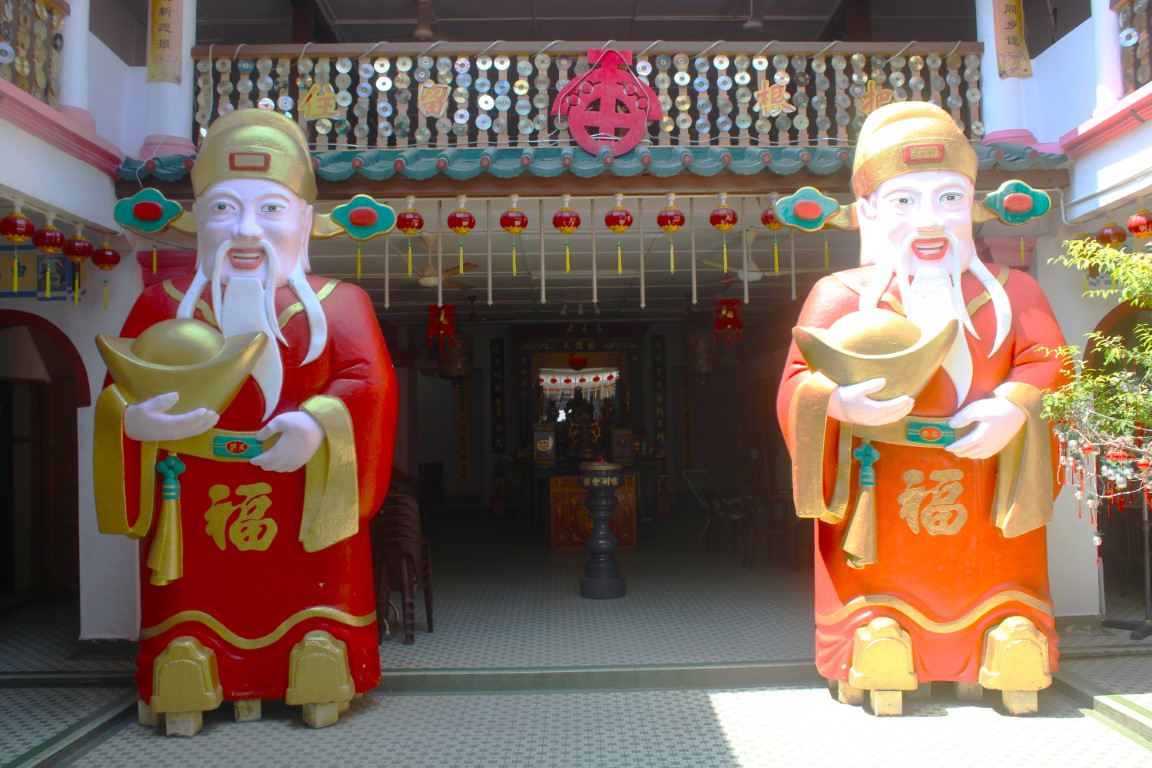
DAILY PHOTO: Scenes from Melaka’s Chinese Temples

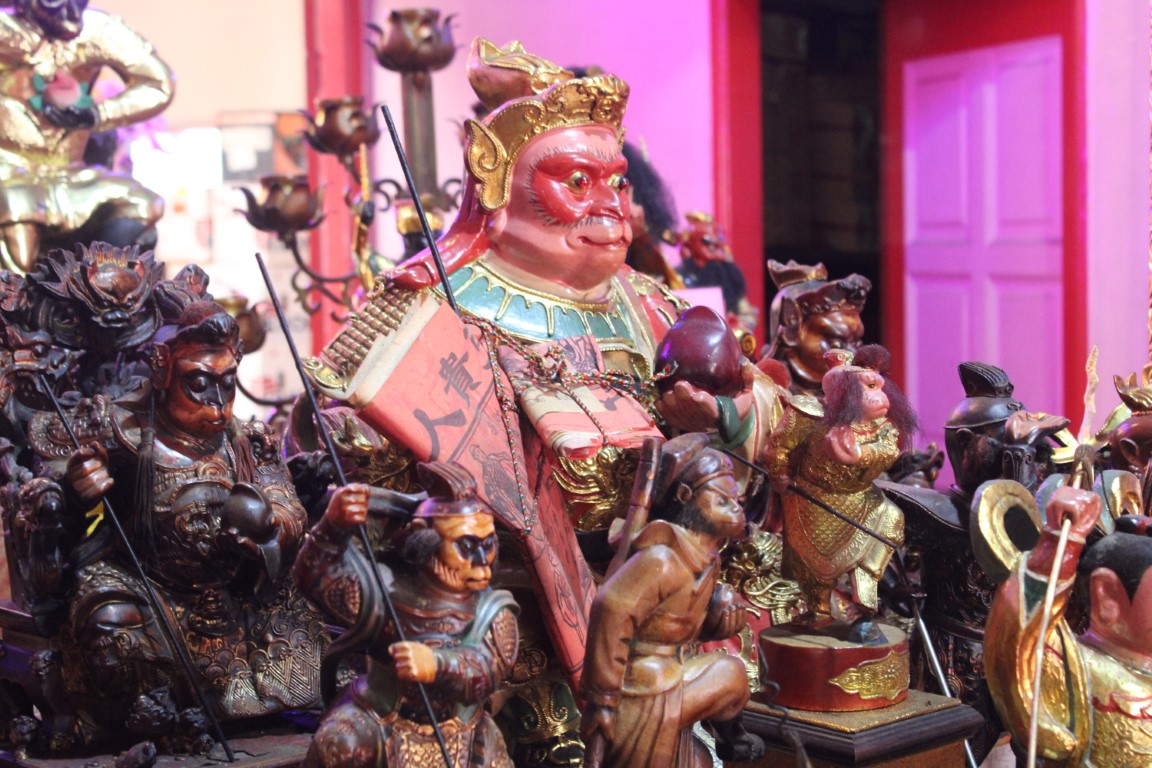
“Monkey God Temple” [Properly, 齊天府]
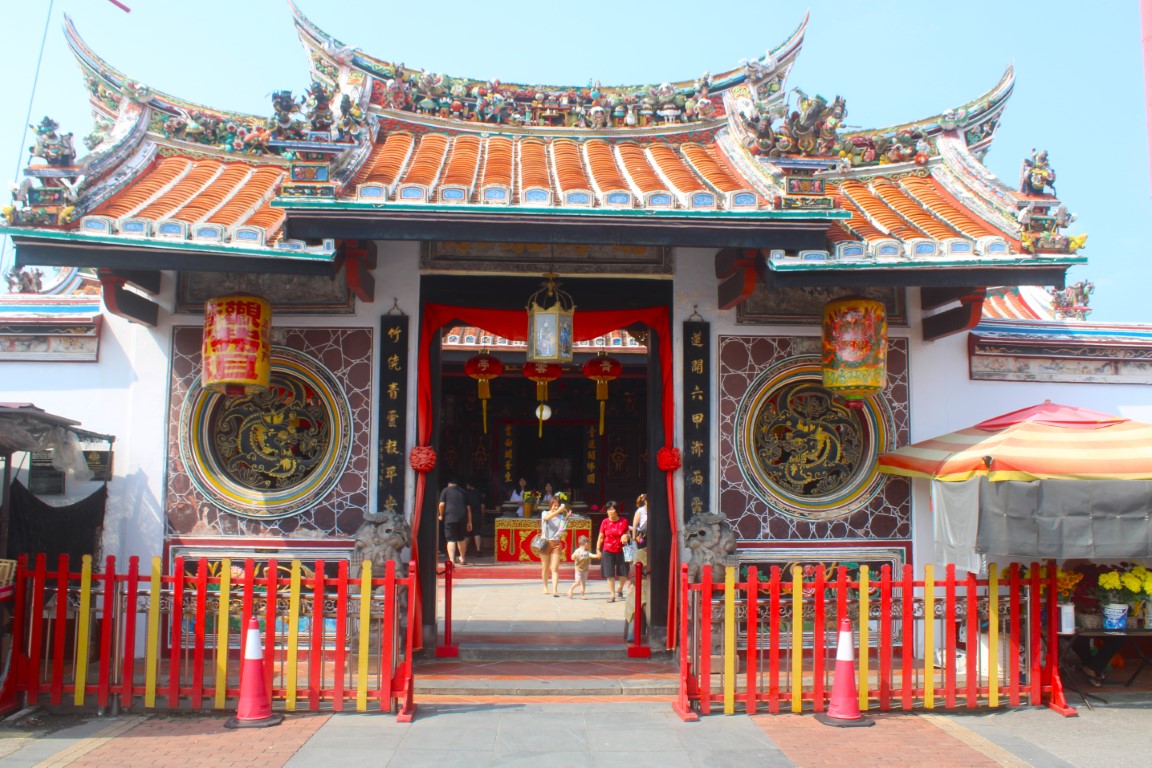
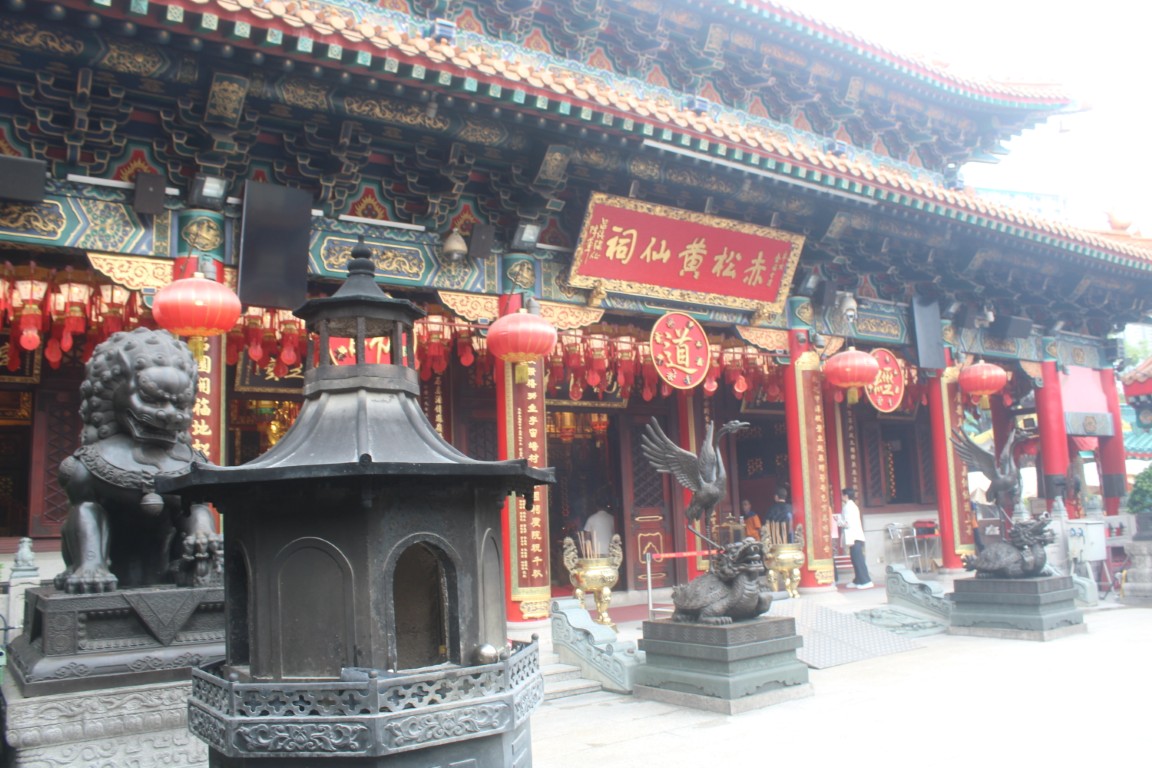
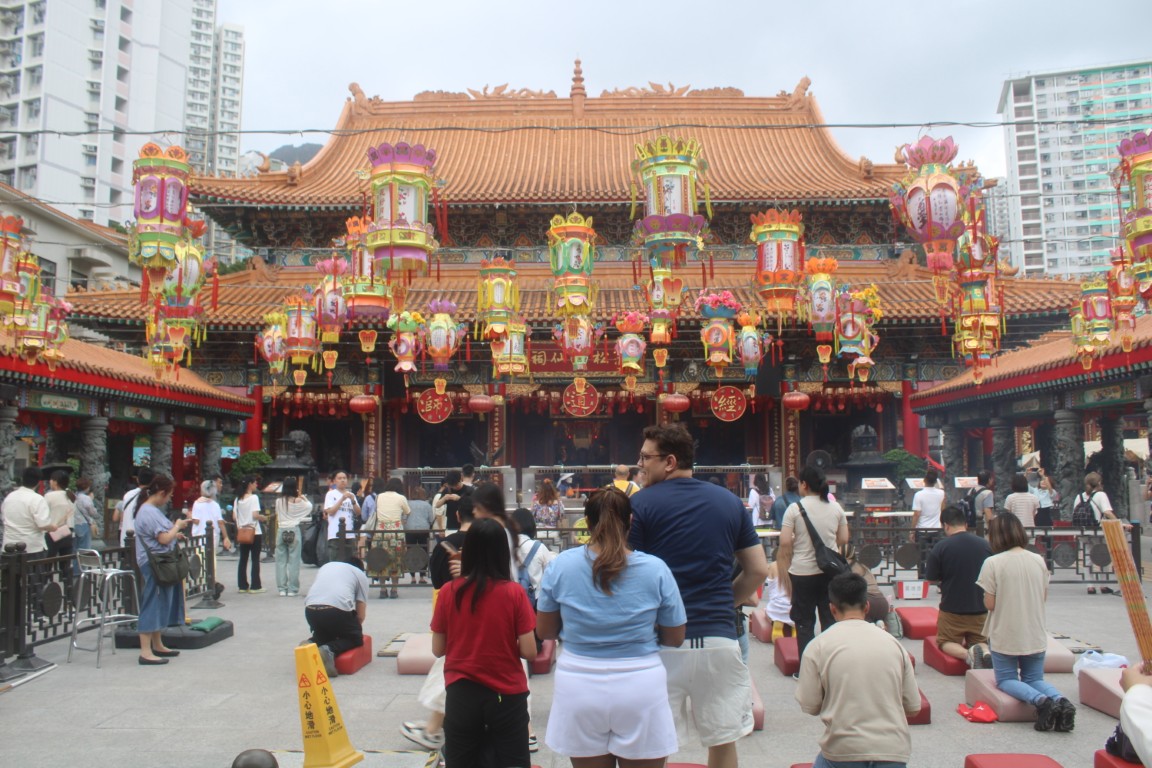
Cheng Hoon Teng (Temple of the Green Cloud) is the oldest Chinese temple in Malacca. It is a syncretistic temple (combining Taoist, Buddhist, Confucian, and Chinese Folk Religion elements.)

DAILY PHOTO: Religious Buildings in Beijing

St. Joseph’s Church on Wanfujing Street (a.k.a. Wanfujing Church / Dongtang); Roman Catholic
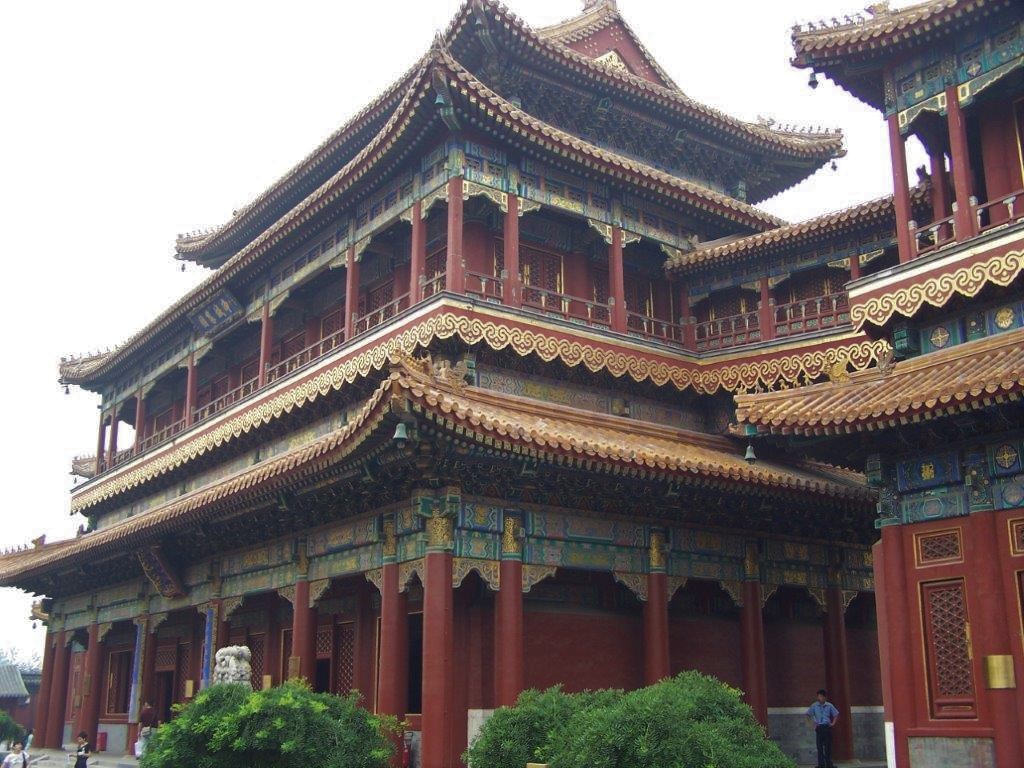
Lama Temple (a.k.a. Yonghe Temple); Tibetan Buddhist (i.e. Vajrayana Buddhist)
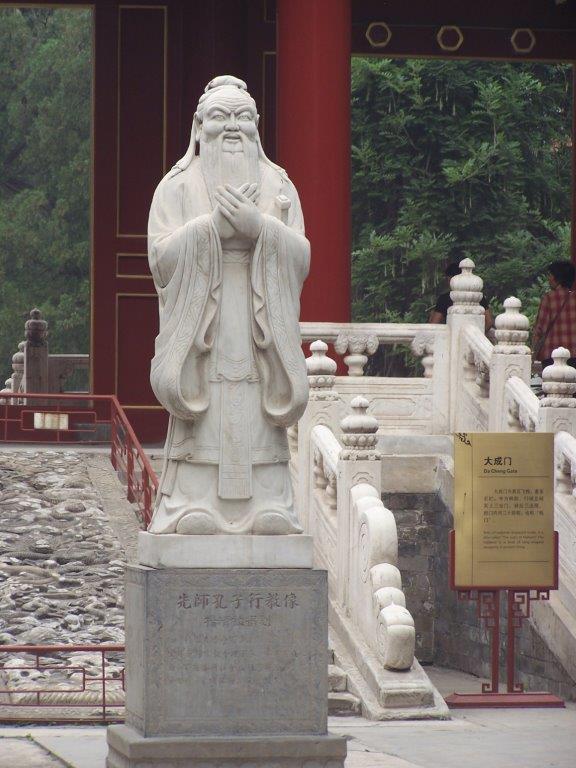
Beijing Temple of Confucius; Confucian
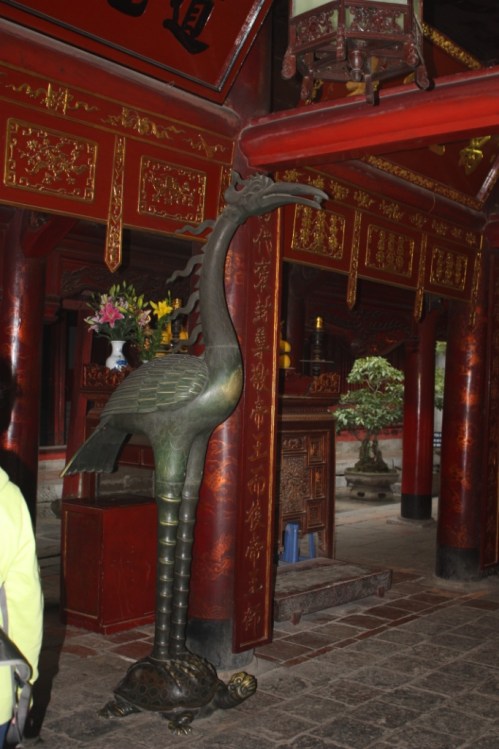
DAILY PHOTO: In the Temple of Literature

Taken in Hanoi on December 30, 2015
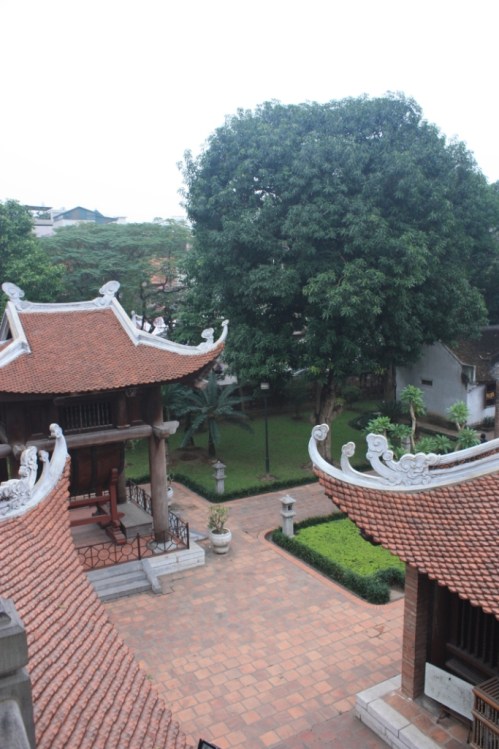
Taken in Hanoi on December 30, 2015

IMG_1830 IMG_1845 IMG_1847


Temple of Literature? (Văn Miếu – Quốc Tử Giám?) It sounds like a grandiose name for a library, but it’s really what the Vietnamese call a Confucian temple. This one is in Hanoi.

Confucius was a Chinese philosopher famous for his ideas such as the hierarchical nature of relationships and how governance is practiced morally. His philosophy provided a popular counterpoint to the more free-wheeling Taoist belief system. Both Confucianism and Taoism came to be practiced by some as religion (though other advocates of each would say that it’s philosophy and not theology.)