Scorn not the Sonnet; Critic, you have frowned,
  Mindless of its just honours; with this key
  Shakespeare unlocked his heart; the melody
  Of this small lute gave ease to Petrarch's wound;
 A thousand times this pipe did Tasso sound;
  With it Camöens soothed an exile's grief;
  The Sonnet glittered a gay myrtle leaf
  Amid the cypress with which Dante crowned
 His visionary brow: a glow-worm lamp,
  It cheered mild Spenser, called from Faery-land
  To struggle through dark ways, and, when a damp
  Fell round the path of Milton, in his hand
 The thing became a trumpet; whence he blew
 Soul-animating strains -- alas, too few!
Adrift on West Lake in a wine-laden, colorful skiff:
   As flutes play fast and lutes, deftly
   And a jade cup circuits swiftly,
 The boat's calm rocking lulls the drunk into sleep.

Thin clouds seem to float right under the rudderless boat.
   The water's blue matches the sky's,
   As lake to sky and back move eyes,
 "Do the clouds above match those that in the water float?"
The fountains mingle with the river
   And the rivers with the ocean,
 The winds of heaven mix forever
   With a sweet emotion;
 Nothing in the world is single;
   All things by a law divine
 In one spirit meet and mingle.
      Why not I with thine? --

See the mountains kiss high heaven
   And the waves clasp one another;
 No sister-flower would be forgiven
   If it disdained its brother;
 And the sunlight clasps the earth
   And the moonbeams kiss the sea:
 What is all this sweet work worth
   If thou kiss not me?
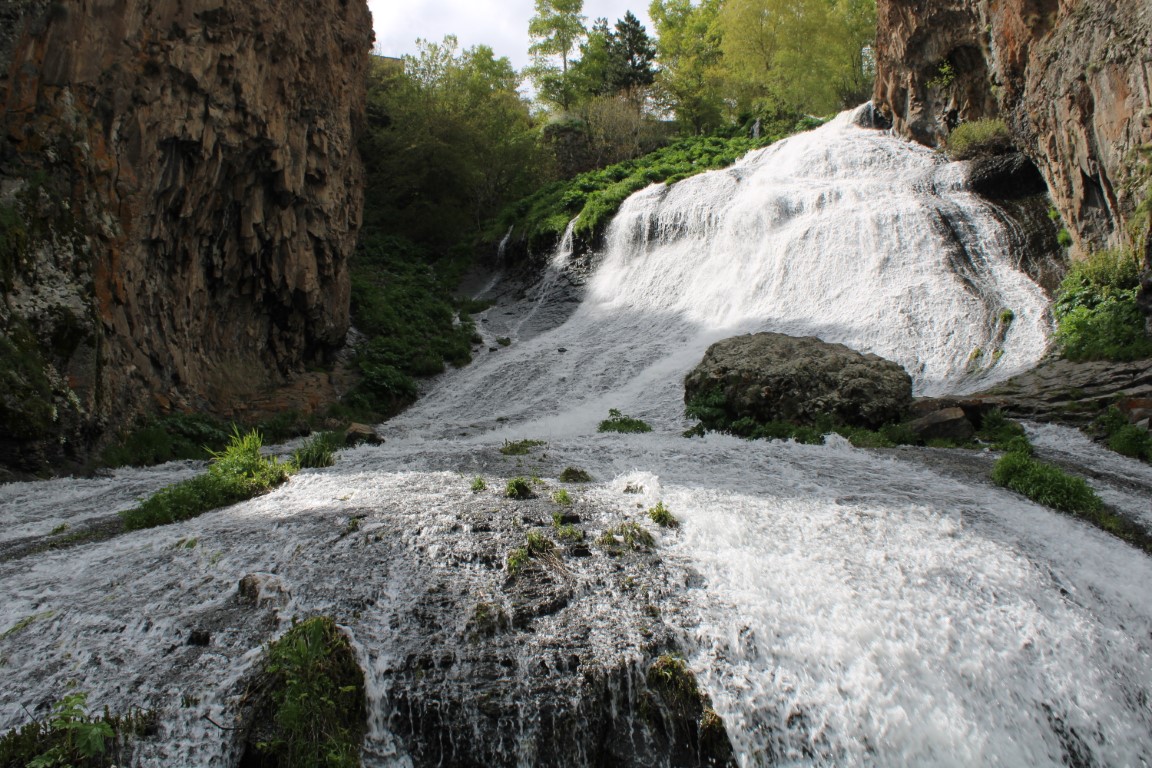
Like water spilling over rocks?
   Like a bead's roll across the floor?
 Cliches, they fail to tell the story,
   As no doll shows life's splendor.
 But the Earth' unsupported spin through space,
   As the heaven's pivot and sprawl for more...
 If you could find how it all began,
   You'd see it'll be as it was before.
 The high and bright realm of the gods
   Returns to nothing and nevermore.
 And if you lived ten-thousand years,
   You might find yourself in days of yore.
NOTE: The late Tang Dynasty poet, Sikong Tu (a.k.a. Ssŭ-k‘ung T‘u,) wrote an ars poetica entitled Twenty-Four Styles of Poetry. It presents twenty-four poems that are each in a different tone, reflecting varied concepts from Taoist philosophy and aesthetics. Above is a translation of the twenty-fourth of the twenty-four poems. This poem has been alternately titled “The Flowing Style,” “Fluid,” “Motion,” etc. by varied translators from its Chinese title of 流动.
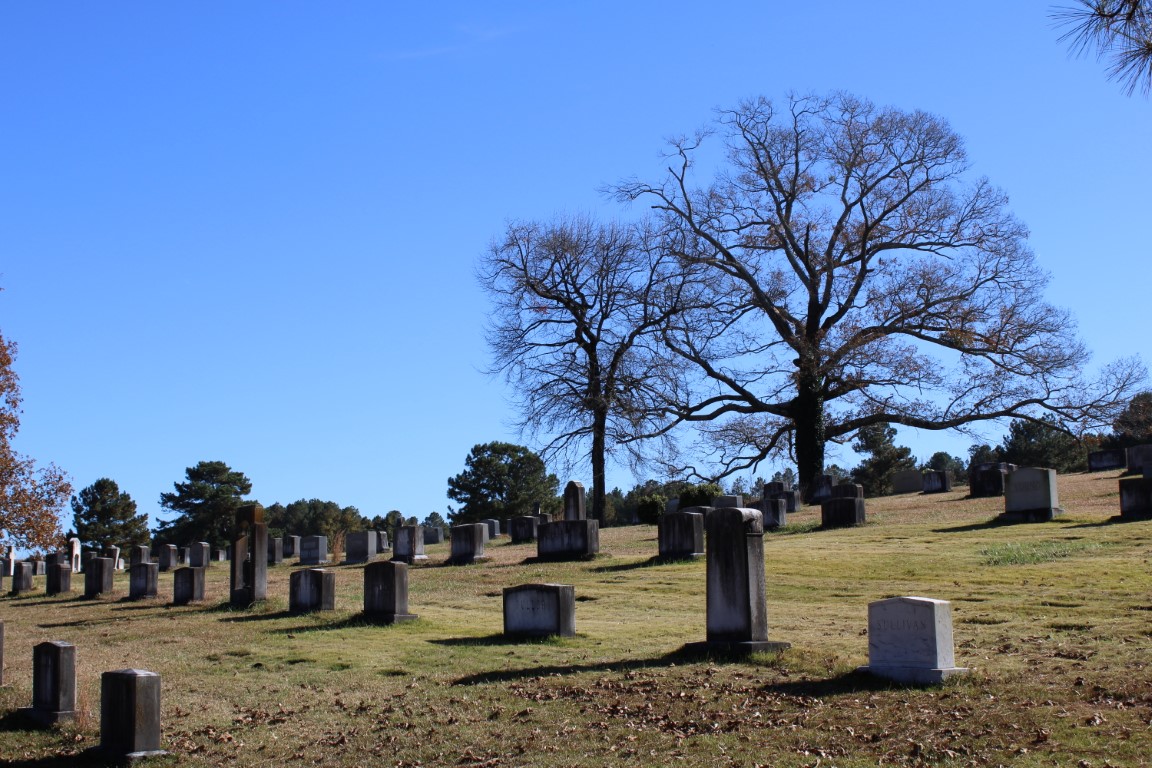
Where is the grave of Sir Arthur O'Kellyn?
 Where may the grave of that good man be? --
 By the side of a spring, on the breast of Helvellyn,
 Under the twigs of a young birch tree!
 The oak that in summer was sweet to hear,
 And rustled its leaves in the fall of the year,
 And whistled and roared in the winter alone,
 Is gone, -- and the birch in its stead has grown. --
   The Knight's bones are dust,
   And his good sword rust; --
   His soul is with the saints, I trust.
I made my song a coat
 Covered with embroideries
 Out of old mythologies
 From heel to throat;
 But the fools caught it,
 Wore it in the world's eyes
 As though they'd wrought it.
  Song, let them take it
  For there's more enterprise
  In walking naked.
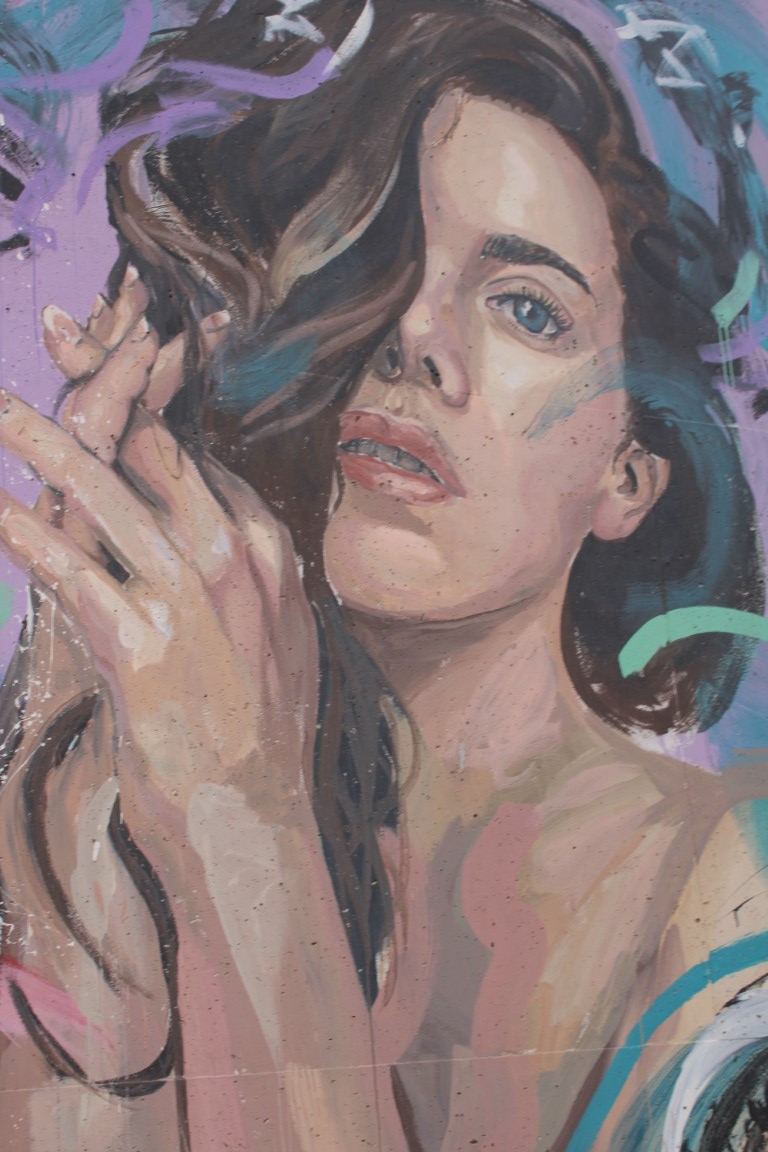
Mine eye hath play'd the painter and hath stell'd
  Thy beauty's form in table of my heart;
  My body is the frame wherein 'tis held,
  And perspective it is best the painter's art.
 For through the painter must you see his skill
  To find where your true image pictur'd lies,
  Which in my bosom's shop is hanging still,
  That hath his windows glazed with thine eyes.
 Now see what good turns eyes for eyes have done:
  Mine eyes have drawn thy shape, and thine for me
  Are windows to my breast, wherethrough the sun
  Delights to peep, to gaze therein on thee.
    Yet eyes this cunning want to grace their art;
    They draw but what they see, know not the heart.













 Tiger Riding for Beginners