“Fame is a fickle food” (1702) by Emily Dickinson [w/ Audio]

Fame is a fickle food
Upon a shifting plate
Whose table once a
Guest but not
The second time is set
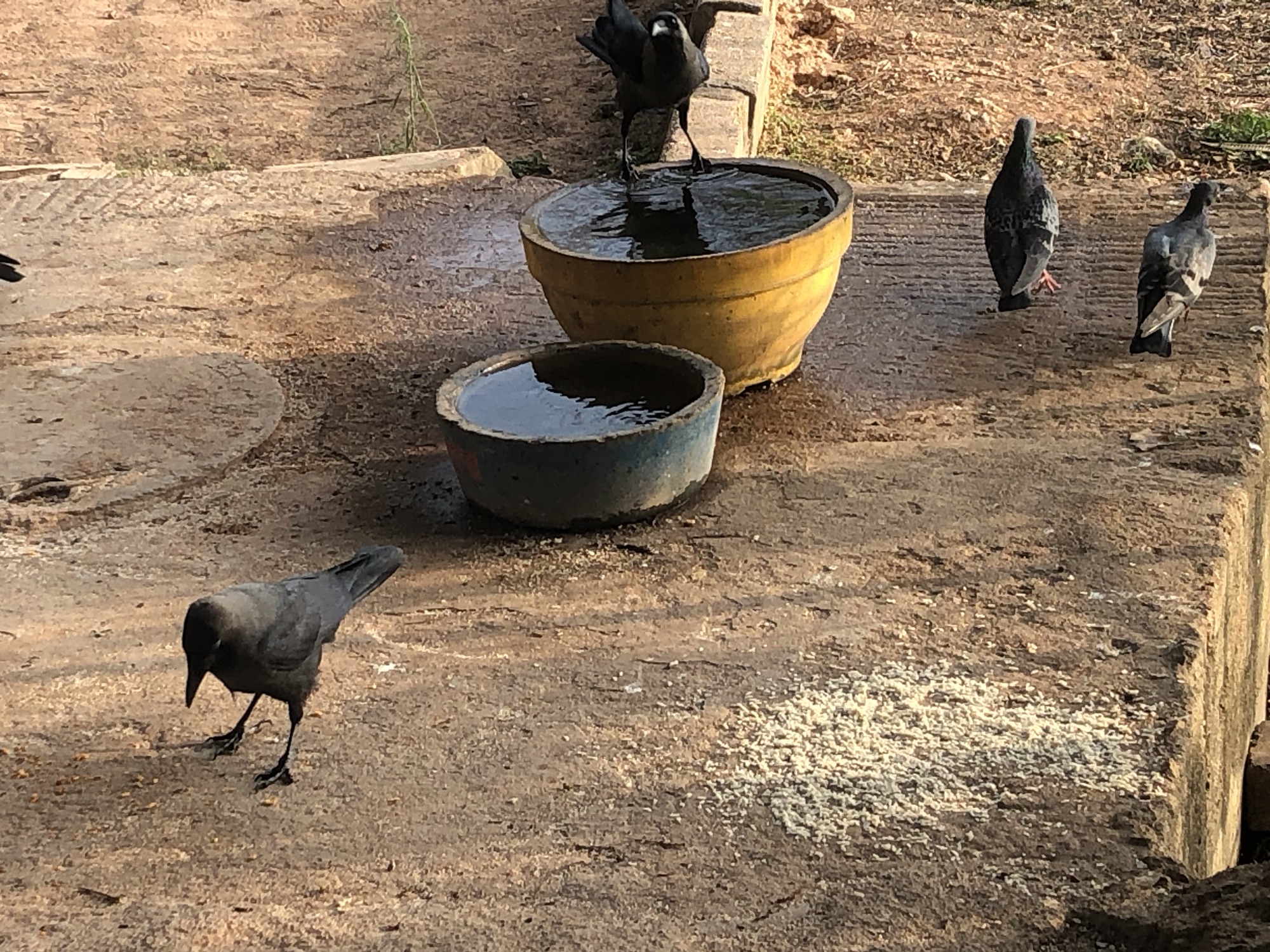
Whose crumbs the crows inspect
And with ironic caw
Flap past it to the
Farmer's corn
Men eat of it and die

“Illusion” by Amy Lowell [w/ Audio]

   Walking beside the tree-peonies,
I saw a beetle
Whose wings were of black lacquer spotted with milk.
I would have caught it,
But it ran from me swiftly
And hid under the stone lotus
Which supports the Statue of Buddha.

“The Portent” by Herman Melville [w/ Audio]

Hanging from the beam,
Slowly swaying (such the law),
Gaunt the shadow on your green,
Shenandoah!
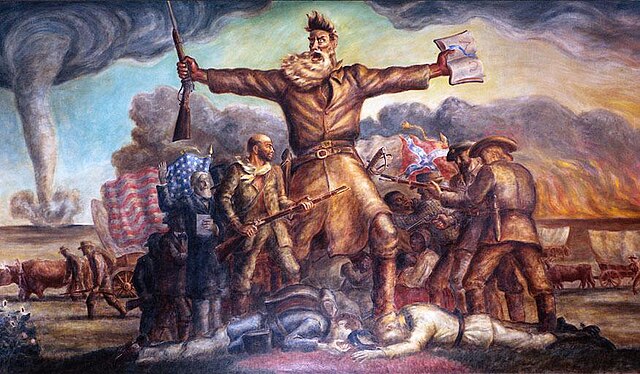
The cut is on the crown
(Lo, John Brown),
And the stabs shall heal no more.

Hidden in the cap
Is the anguish none can draw;
So your future veils its face,
Shenandoah!
But the streaming beard is shown
(Weird John Brown),
The meteor of the war.

“Come slowly — Eden!” (205) by Emily Dickinson [w/ Audio]

Come slowly -- Eden!
Lips unused to Thee --
Bashful -- sip thy Jessamines --
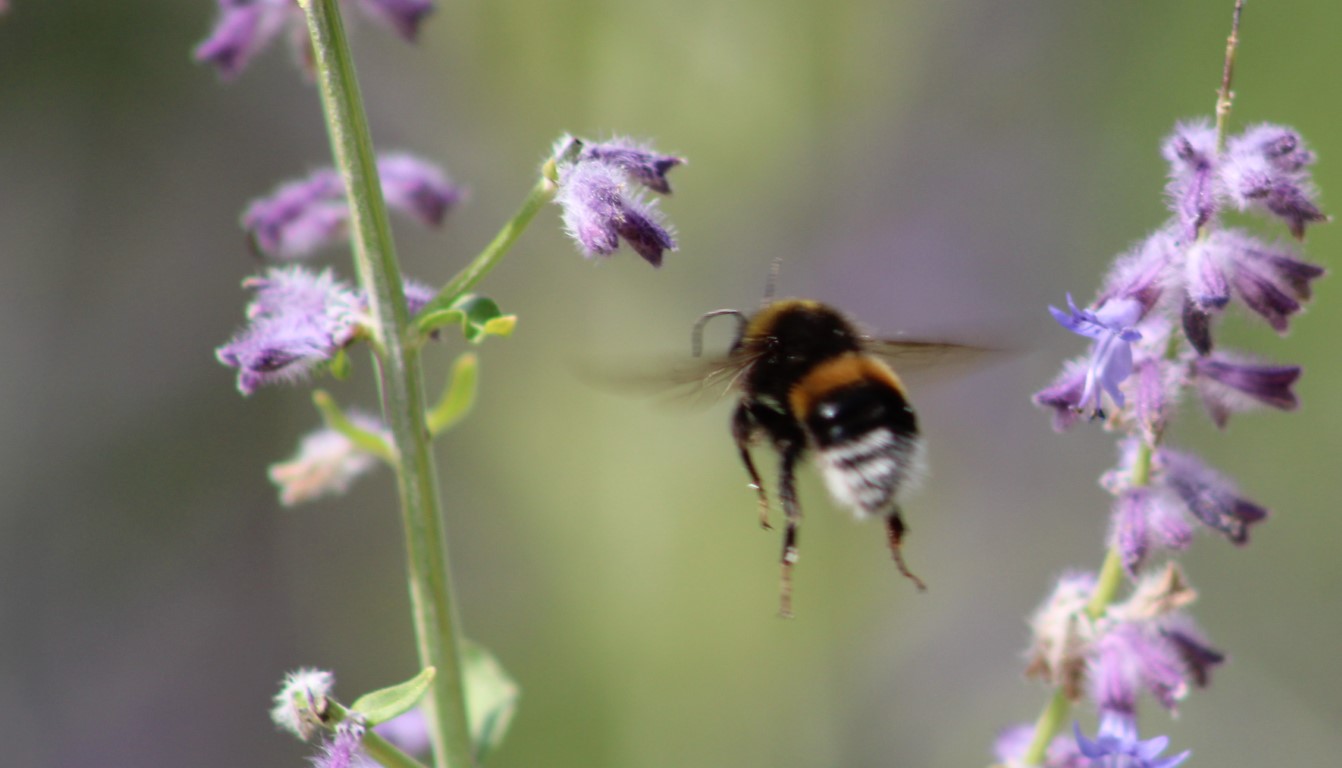
As the fainting Bee --

Reaching late his flower,
Round her chamber hums --
Counts his nectars --
Enters -- and is lost in Balms.

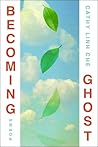
BOOK REVIEW: “Becoming Ghost” by Cathy Linh Che

Becoming Ghost: PoetryBecoming Ghost: Poetry by Cathy Linh Che
My rating: 5 of 5 stars

Publisher Site – Simon & Schuster

This collection is built around the surreal emotionality of the author’s parents having both lived through the war in Vietnam and also having served as extras in the film, Apocalypse Now. [For those unfamiliar, Apocalypse Now was a Francis Ford Copp0la film based loosely (and partially) on Joseph Conrad’s novel,Heart of Darkness. The film follows a military officer sent upriver to assassinate a rogue Special Operations colonel during the Vietnam War, and shows the war from various perspectives as the would-be assassin travels through the country to complete his mission.]

At times, the poems read like a poem-shaped biography, but that’s not all there is to the book. There are points that imagery and language are used to shoot beyond a mere telling of events, in order to create emotional resonance with the core strangeness of living through a traumatic event only to portray a background individual (someone like one’s own past self) in a fictional retelling of events based on those through which one lived.

The poetic forms vary somewhat, though all within the modern, free verse style. Most notably, the author uses the golden shovel approach of Terrence Hayes extensively.

This collection grabbed me both with its clever language and its thought-provoking central premise. I’d highly recommend it for readers of poetry.

View all my reviews

“This World is not Conclusion” (373) by Emily Dickinson [w/ Audio]

This World is not Conclusion.
A Species stands beyond --
Invisible, as Music --
But positive, as Sound --
It beckons, and it baffles --
Philosophy, dont know --
And through a Riddle, at the last --
Sagacity, must go --
To guess it, puzzles scholars --
To gain it, Men have borne
Contempt of Generations
And Crucifixion, shown --
Faith slips - and laughs, and rallies --
Blushes, if any see --
Plucks at a twig of Evidence --
And asks a Vane, the way --
Much Gesture, from the Pulpit --
Strong Hallelujahs roll --
Narcotics cannot still the Tooth
That nibbles at the soul --

“Glass was the Street – in Tinsel Peril” (1518) by Emily Dickinson [w/ Audio]

Glass was the Street - in Tinsel Peril
Tree and Traveller stood.
Filled was the Air with merry venture
Hearty with Boys the Road.

Shot the lithe Sleds like Shod vibrations
Emphacized and gone
It is the Past's supreme italic
Makes the Present mean --

“Daniel Boone” by Stephen Vincent Benét [w/ Audio]

When Daniel Boone goes by, at night,
The phantom deer arise
And all is lost, wild America
Is burning in their eyes.

“Aftermath” by Henry Wadsworth Longfellow [w/ Audio]

When the summer fields are mown,
When the birds are fledged and flown,
And the dry leaves strew the path;
With the falling of the snow,
With the cawing of the crow,
Once again the fields we mow
And gather in the aftermath.

Not the sweet, new grass with flowers
Is this harvesting of ours;
Not the upland clover bloom;
But the rowen mixed with weeds,
Tangled tufts from marsh and meads,
Where the poppy drops its seeds
In the silence and the gloom.

“The Bustle in a House” (1108) by Emily Dickinson [w/ Audio]

The Bustle in a House
The Morning after Death
Is solemnest of industries
Enacted opon Earth --

The Sweeping up the Heart
And putting Love away
We shall not want to use again
Until Eternity --