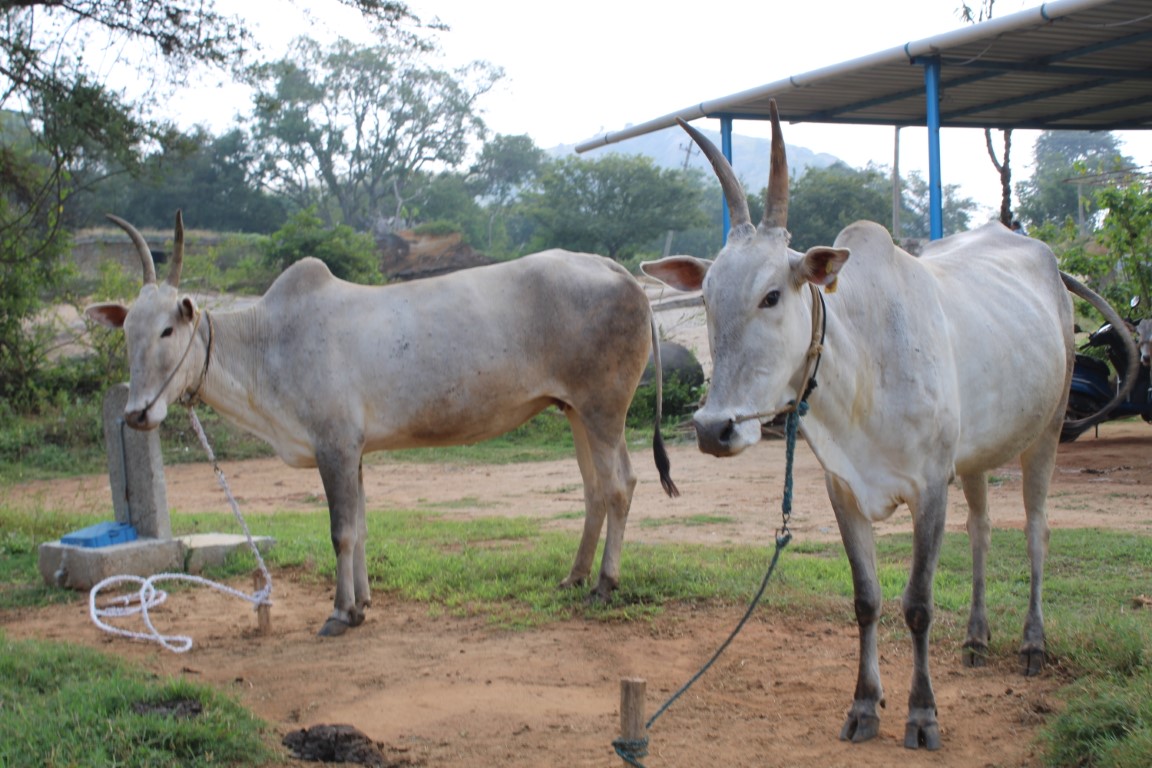
I never saw a Purple Cow,
   I never hope to see one,
 But I can tell you, anyhow,
   I'd rather see than be one.

I never saw a Purple Cow,
I never hope to see one,
But I can tell you, anyhow,
I'd rather see than be one.
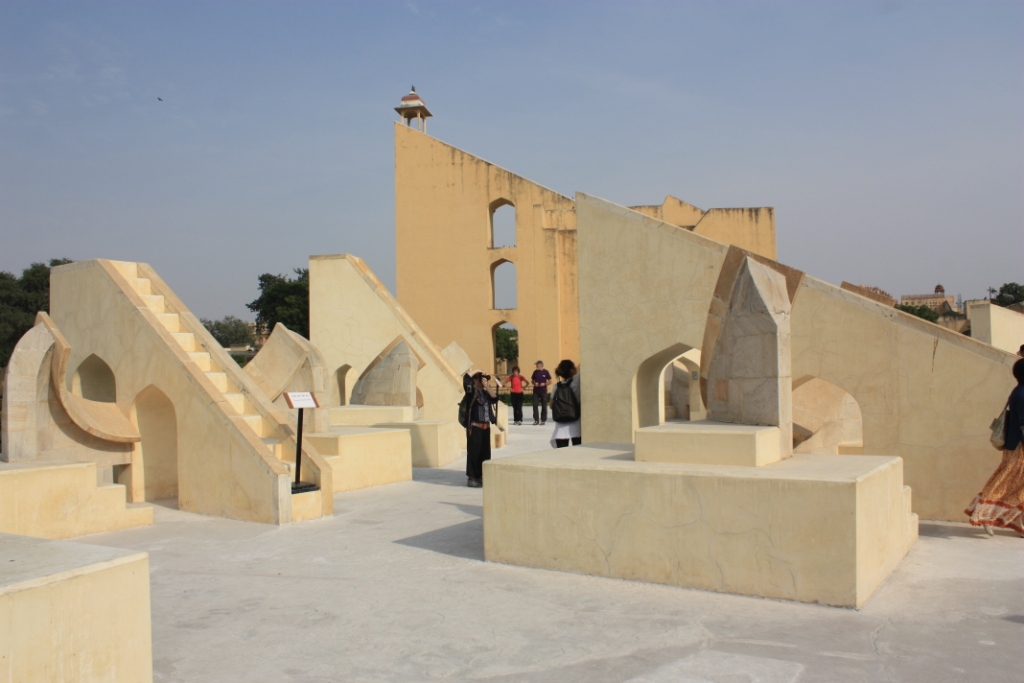
When I heard the learn'd astronomer,
 When the proofs, the figures, were ranged in columns before me,
 When I was shown the charts and diagrams, to add, divide, and measure them,
 When I sitting heard the astronomer where he lectured with much applause in the lecture-room,
 How soon unaccountable I became tired and sick,
 Till rising and gliding out I wander'd off by myself,
 In the mystical moist night-air, and from time to time,
 Look'd up in perfect silence at the stars.

Twelve o'clock.
 Along the reaches of the street
 Held in a lunar synthesis,
 Whispering lunar incantations
 Dissolve the floors of memory
 And all its clear relations,
 Its divisions and precisions,
 Every street lamp that I pass
 Beats like a fatalistic drum,
 And through the spaces of the dark
 Midnight shakes the memory
 As a madman shakes a dead geranium.

Half-past one,
 The street lamp sputtered,
 The street lamp muttered,
 The street lamp said, 'Regard that woman
 Who hesitates towards you in the light of the door
 Which opens on her like a grin.
 You see the border of her dress
 Is torn and stained with sand,
 And you see the corner of her eye
 Twists like a crooked pin.'

The memory throws up high and dry
 A crowd of twisted things;
 A twisted branch upon the beach
 Eaten smooth, and polished
 As if the world gave up
 The secret of its skeleton,
 Stiff and white.
 A broken spring in a factory yard,
 Rust that clings to the form that the strength has left
 Hard and curled and ready to snap.

Half-past two,
 The street lamp said,
 'Remark the cat which flattens itself in the gutter,
 Slips out its tongue
 And devours a morsel of rancid butter.'
 So the hand of a child, automatic,
 Slipped out and pocketed a toy that was running along the quay.
 I could see nothing behind that child's eye.
 I have seen eyes in the street
 Trying to peer through lighted shutters,
 And a crab one afternoon in a pool,
 An old crab with barnacles on his back,
 Gripped the end of a stick which I held him.

Half-past three,
 The lamp sputtered,
 The lamp muttered in the dark.
 The lamp hummed:
 'Regard the moon,
 La lune ne garde aucune rancune,
 She winks a feeble eye,
 She smiles into corners.
 She smoothes the hair of the grass.
 The moon has lost her memory.
 A washed-out smallpox cracks her face,
 Her hand twists a paper rose,
 That smells of dust and old Cologne,
 She is alone
 With all the old nocturnal smells
 That cross and cross across her brain.'
 The reminiscence comes
 Of sunless dry geraniums
 And dust in crevices,
 Smells of chestnuts in the streets,
 And female smells in shuttered rooms,
 And cigarettes in corridors
 And cocktail smells in bars.

The lamp said,
 'Four o'clock,
 Here is the number on the door.
 Memory!
 You have the key,
 The little lamp spreads a ring on the stair;
 Mount.
 The bed is open; the tooth-brush hangs on the wall,
 Put your shoes at the door, sleep, prepare for life.'

The last twist of the knife.
A crust of bread and a corner to sleep in,
 A minute to smile and an hour to weep in,
 A pint of joy and a peck of trouble,
 And never a laugh but the moans come double;
                    And that is life!

A crust and a corner that love makes precious,
 With a smile to warm and the tears to refresh us;
 And joy seems sweeter when cares come after,
 And a moan is the finest of foils for laughter;
                    And that is life!
Laugh, and the world laughs with you;
   Weep, and you weep alone;
 For the sad old earth must borrow its mirth,
   But has trouble enough of its own.
 Sing, and the hills will answer;
   Sigh, it is lost on the air;
 The echoes bound to a joyful sound
   But shrink from voicing care.

Rejoice, and men will seek you;
   Grieve, and they turn and go;
 They want full measure of all your pleasure,
   But they do not need your woe.
 Be glad, and your friends are many;
   Be sad, and you lose them all, --
 There are none to decline your nectared wine,
   But alone you must drink life's gall.

Feast, and your halls are crowded;
   Fast, and the world goes by.
 Succeed and give, and it helps you live,
   But no man can help you die.
 There is room in the halls of pleasure
   For a large and lordly train,
 But one by one we must all file on
   Through the narrow aisles of pain.
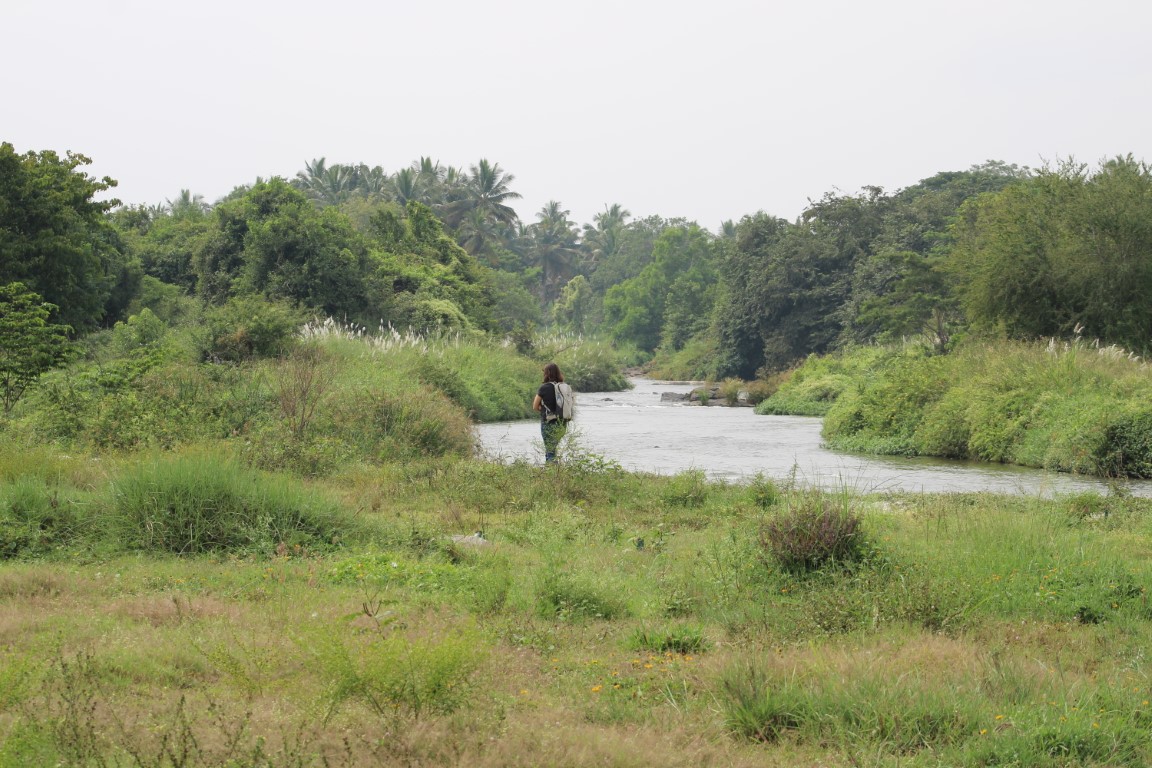
I was born upon thy bank, river,
   My blood flows in thy stream,
 And thou meanderest forever
   At the bottom of my dream.
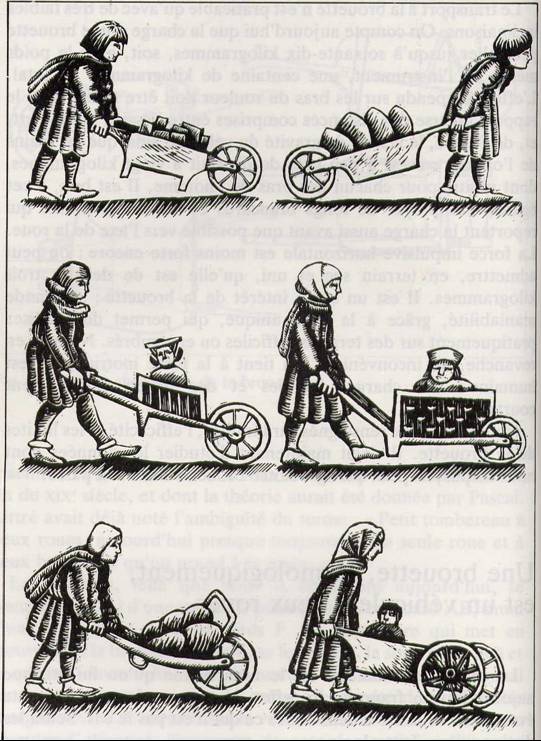
so much depends
 upon

a red wheel
 barrow

glazed with rain
 water

beside the white
 chickens
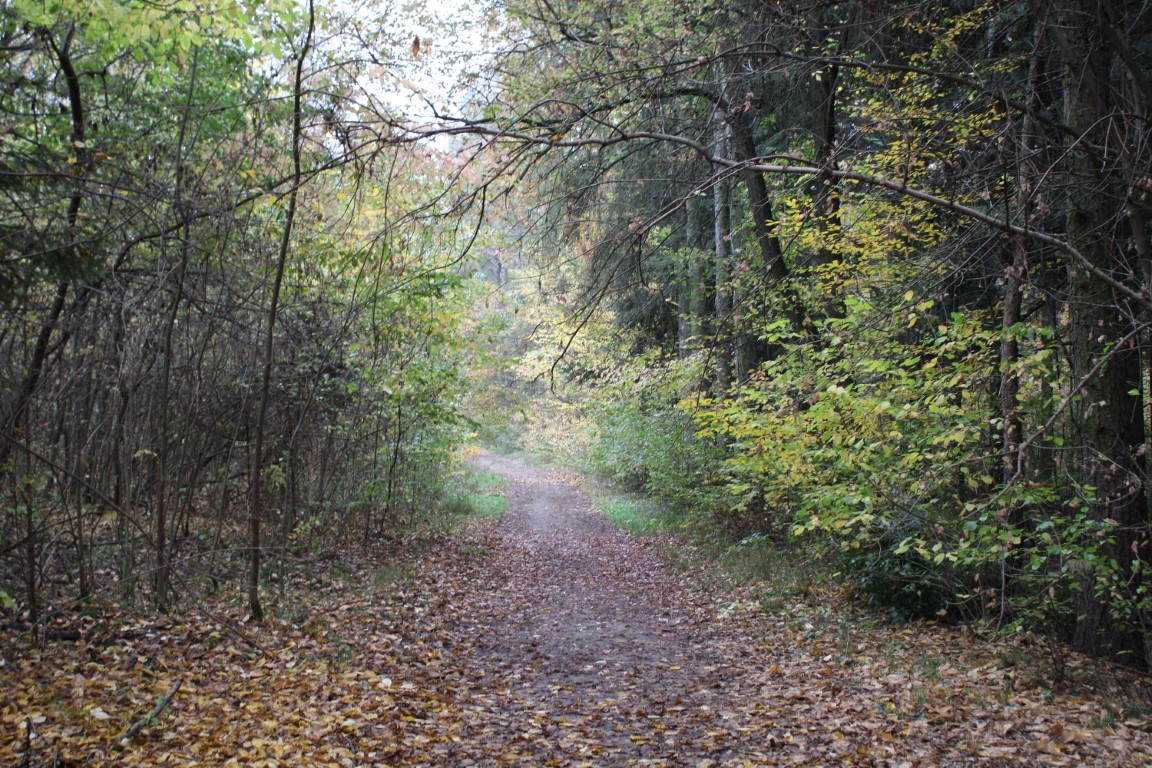
Two roads diverged in a yellow wood,
  And sorry I could not travel both
 And be one traveler, long I stood
  And looked down one as far as I could
 To where it bent in the undergrowth;

Then took the other, just as fair,
  And having perhaps the better claim,
 Because it was grassy and wanted wear;
  Though as for that the passing there
 Had worn them really about the same,

And both that morning equally lay
  In leaves no step had trodden black.
 Oh, I kept the first for another day!
  Yet knowing how way leads on to way,
 I doubted if I should ever come back.

I shall be telling this with a sigh
  Somewhere ages and ages hence:
 Two roads diverged in a wood, and I --
  I took the one less traveled by,
 And that has made all the difference.

Not like the brazen giant of Greek fame,
 With conquering limbs astride from land to land;
 Here at our sea-washed, sunset gates shall stand
 A mighty woman with a torch, whose flame
 Is the imprisoned lightning, and her name
 Mother of Exiles. From her beacon-hand
 Glows world-wide welcome; her mild eyes command
 The air-bridged harbor that twin cities frame.
 "Keep, ancient lands, your storied pomp!" cries she
 With silent lips. "Give me your tired, your poor,
 Your huddled masses yearning to breathe free,
 The wretched refuse of your teeming shore.
 Send these, the homeless, tempest-tost to me,
 I lift my lamp beside the golden door!"

I hear America singing, the varied carols I hear,
 Those of mechanics, each one singing his as it should be blithe and strong,
 The carpenter singing his as he measures his plank or beam,
 The mason singing his as he makes ready for work, or leaves off work,
 The boatman singing what belongs to him in his boat, the deckhand singing on the steamboat deck,
 The shoemaker singing as he sits on his bench, the hatter singing as he stands,
 The wood-cutter's song, the ploughboy's on his way in the morning, or at noon intermission or at
   sundown,
 The delicious singing of the mother, or of the young wife at work, or of the girl sewing or washing,
 Each singing what belongs to him or her and none else,
 The day what belongs to the day -- at night the party of young fellows, robust, friendly,
 Singing with open mouths their strong melodious songs.


 Tiger Riding for Beginners