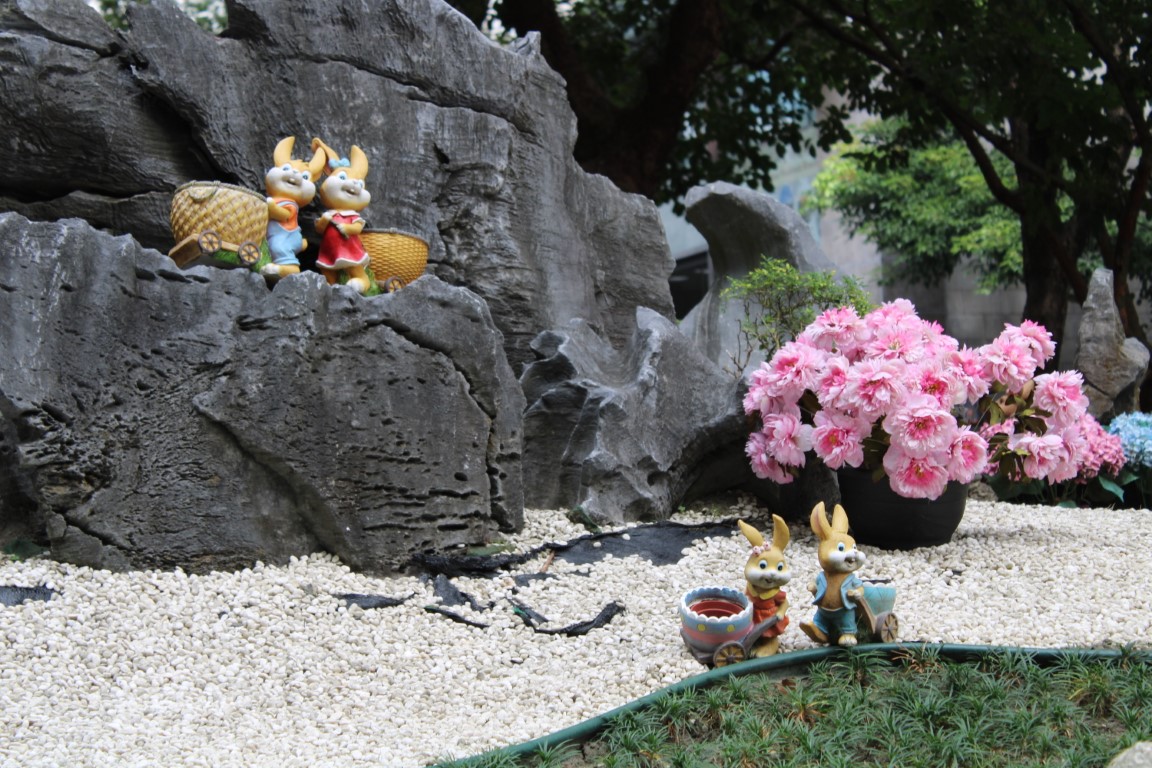
Nothing is what it seems,
     or as it feels it should be.

The world is full of
     smoke & mirrors --
          neither here nor there...

And yet everywhere...
      & everywhen.

Nothing is what it seems,
or as it feels it should be.
The world is full of
smoke & mirrors --
neither here nor there...
And yet everywhere...
& everywhen.
![Photograph of a statue of a young vagabond taken at Fo Guang Shan [佛光山,] near Kaohsiung, Taiwan.](https://berniegourley.com/wp-content/uploads/2026/03/img_0378.jpg)
Each Soul contains its Vagabond
   - Who yearns to travel light & free -
 But they load too much baggage on,
   Then tether him to a big tree.
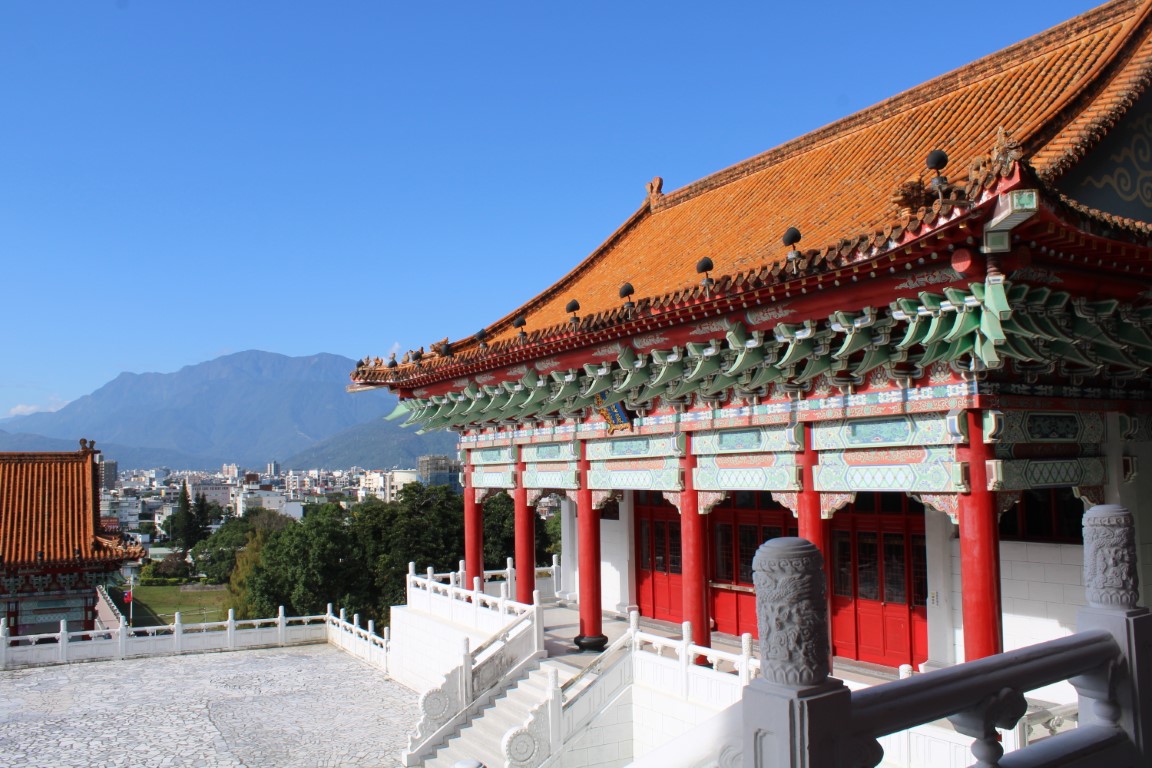
![Photograph taken in Hualien, Taiwan at the Hualien Temple and Dongjing Temple (花蓮寺東淨寺) [Buddhist.]](https://berniegourley.com/wp-content/uploads/2026/03/img_1218.jpg)
They call me Nameless,
   Well-known as fameless.
 My plans are aimless.
 My faults are blameless.
 My chess is gameless.
 My disgrace, shameless?

But my glasses are framed.
   My passions are inflamed.
 My wild horses are tamed,
   And my arrows are aimed.
 All due credit is claimed,
   And nothing else remains.
“And that’s how you do that!”
(I’m told that in medias res is the ideal narrative approach for memoirs.)
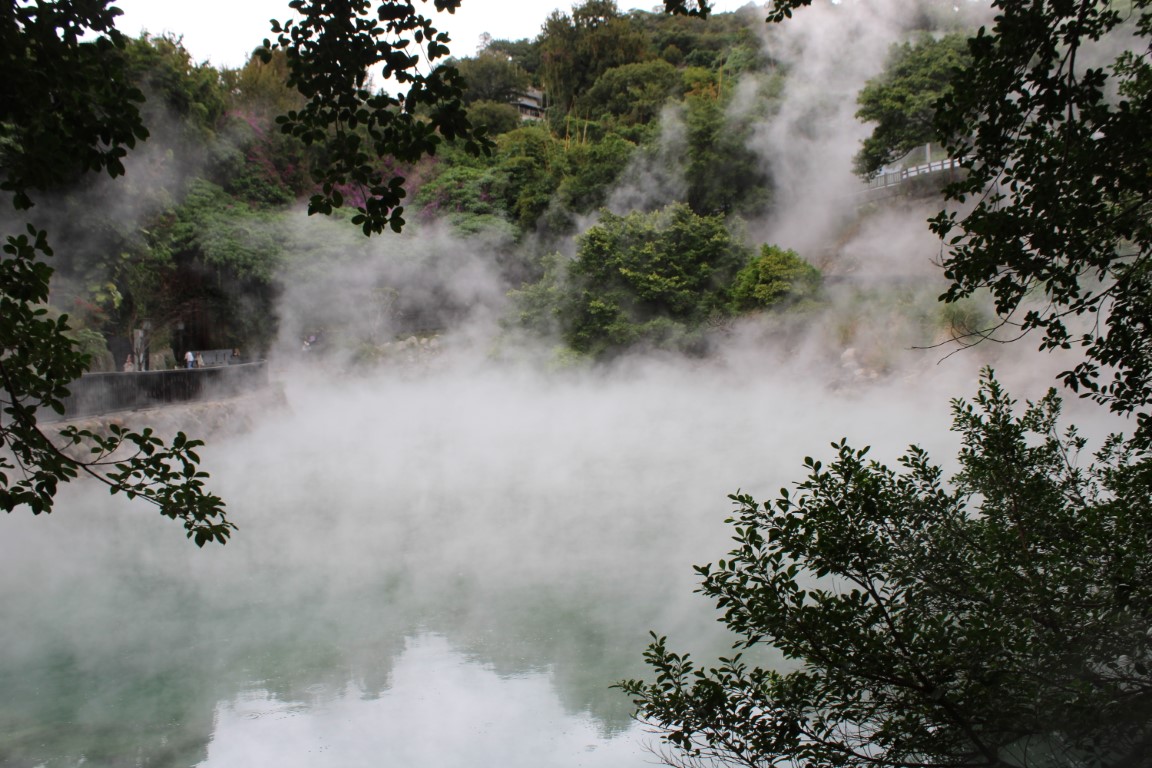
an eerie fog
 weaves through the trees:
  Winter hot springs.
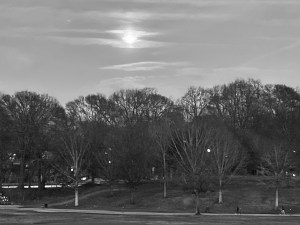
a full moon glows:
 its color, pale yellow —
  posing as the sun.
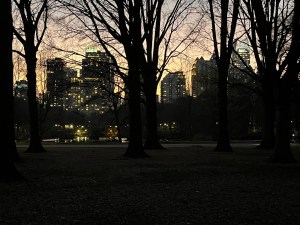
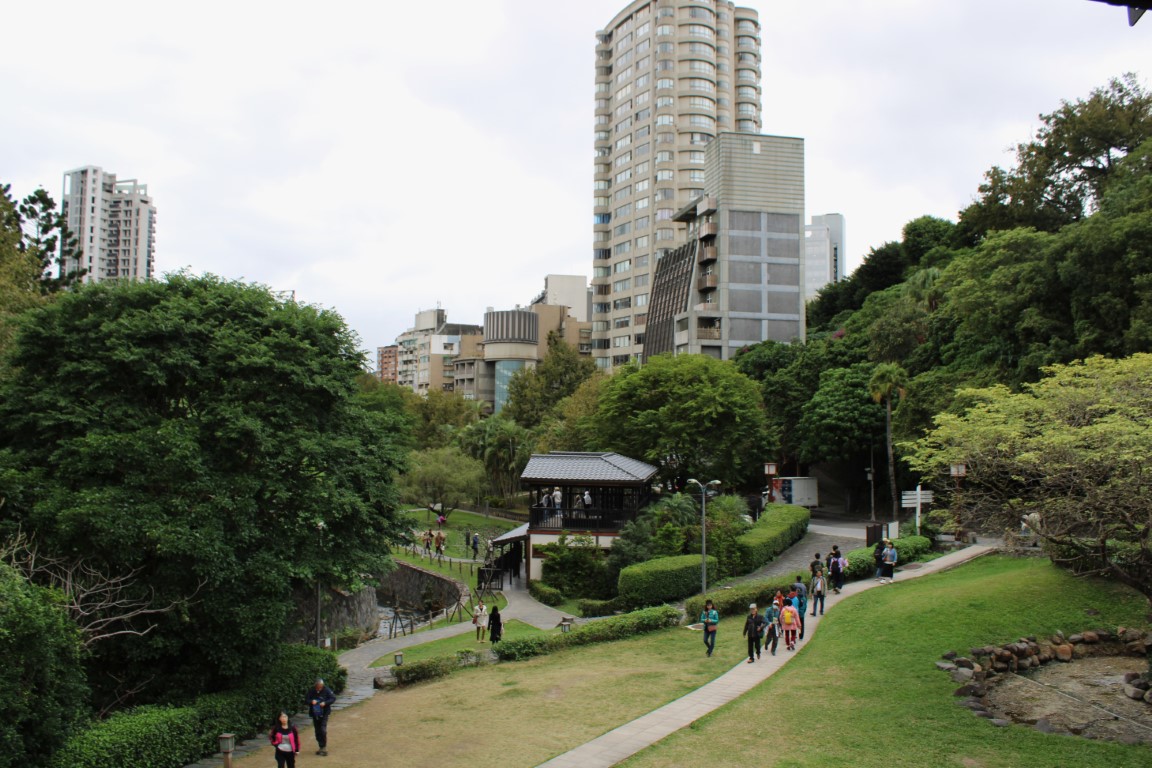
where the trees end,
 a colony grows in a
  cancerous fashion.
Digestible non-toxic protein, digestible non-toxic fats, and digestible non-toxic carbohydrates.
Also, water and air, but they are non-commoditized (to a large extent, anyhow.)
Also, certain vitamins and minerals, but they would be subsumed in a good mix of the aforementioned three.


