BOOK REVIEW: Atlas of Improbable Places by Travis Elborough

Atlas of Improbable Places: A Journey to the World's Most Unusual CornersAtlas of Improbable Places: A Journey to the World’s Most Unusual Corners by Travis Elborough
My rating: 4 of 5 stars

Amazon.in Page

This book has entries on about fifty odd and off the beaten path locations. These locales are grouped into six parts that explore: “utopias,” abandoned places, bizarre architecture, islands, otherworldly destinations, and subterranean attractions.

There’s a standard set of graphics for each entry that include: a map that shows where in the world the place is, a photograph at that place, and a closeup map of the site’s immediate environs. The text describes a little about the history of each place and any quirky facts of relevance (such as how a location came to be abandoned.) The text also helps to clarify definitional issues such as what kind of utopian vision was being sought-after for the various [arguably] failed utopias of the first section.

I enjoyed this book. I’ve only visited two of the sites in the atlas (Ross Island and Auroville,) and I’m always excited to learn about more strange and unconventional destinations. I felt the atlas did succeed by presenting so many places I’d not only not visited, but about which I’d not even heard. (There are locations like Puerto Princessa [under-island river in the Philippines], Aokigahara [Japan’s suicide forest,] and “the Palm” [Dubai’s artificial islands] that are well-known to geography buffs, and many of the lesser-known sites are quirky tourist traps (Ten Commandments Mountain in North Carolina,) but –still — there are some fascinating but little-known locations in the book.) There is a disproportionate coverage of North American and European locations, presumably because that’s where the market for English language books disproportionately lies, and little coverage of African or South American locations.

If you’re into strange and remote travel locations, you may want to have a peek at this book.


View all my reviews

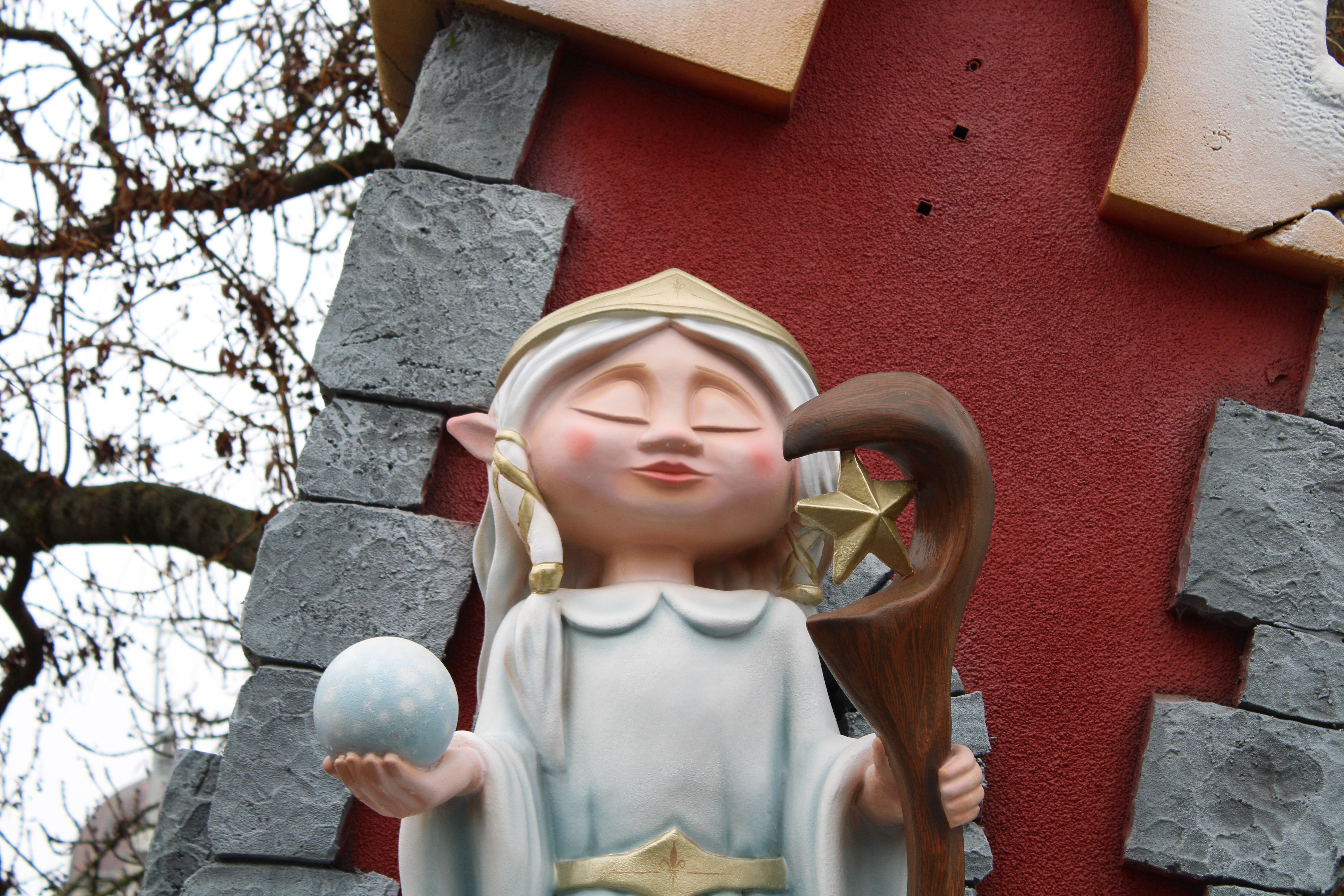
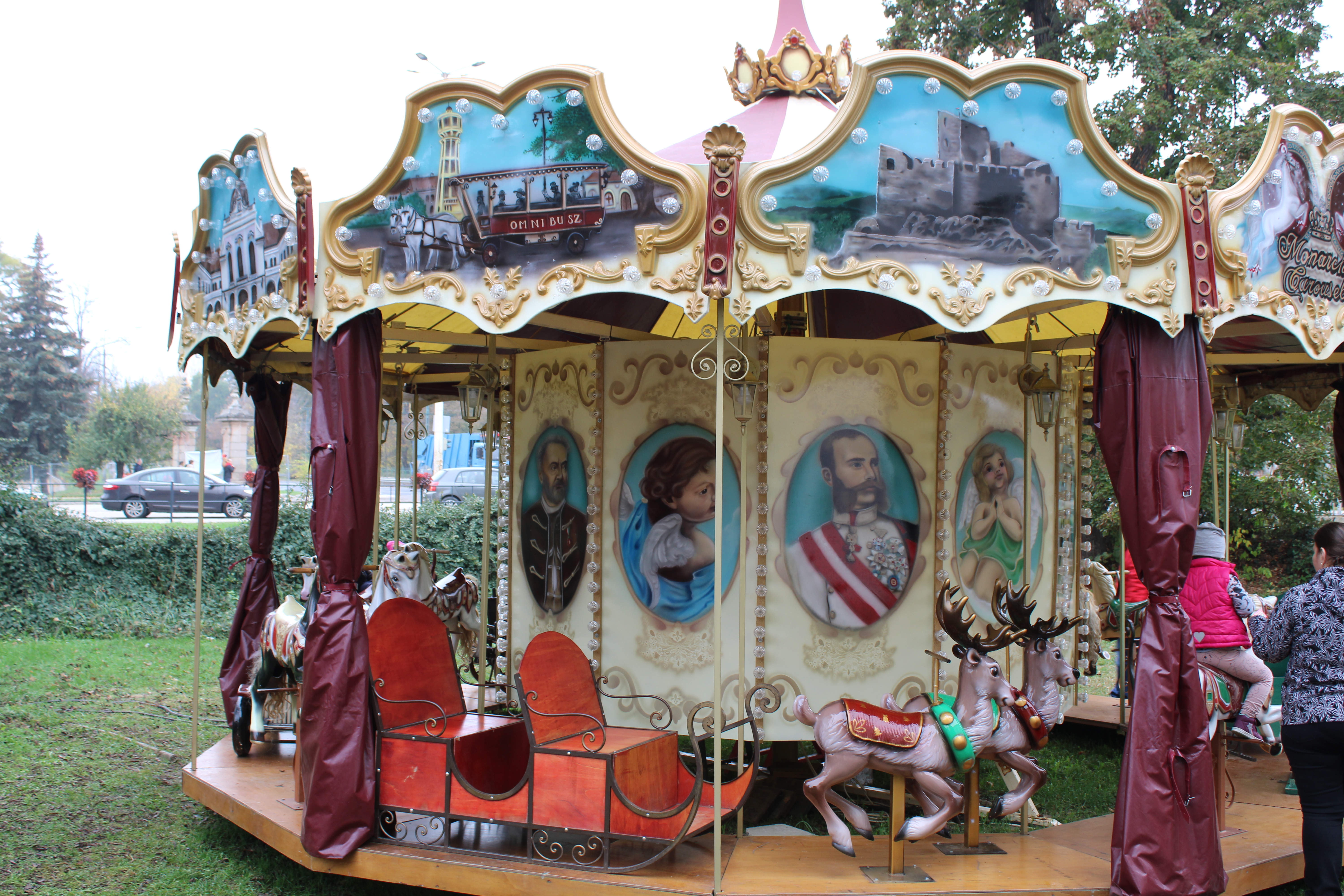
DAILY PHOTO: Scenes from Gödöllő Christmas Market

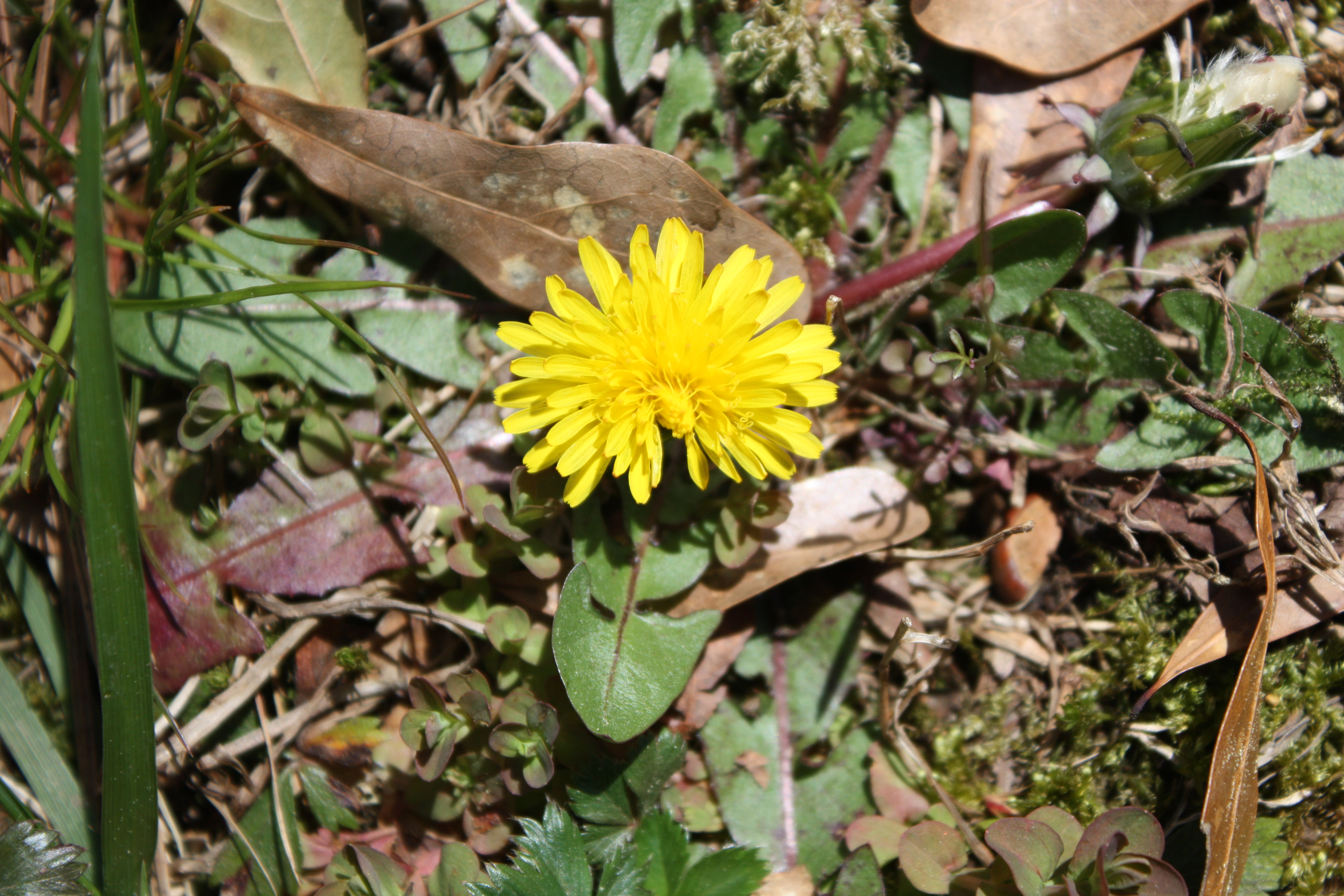
Tattered Dandelion [Haiku]

one dandelion
stands alone at field's edge;
where are its friends?

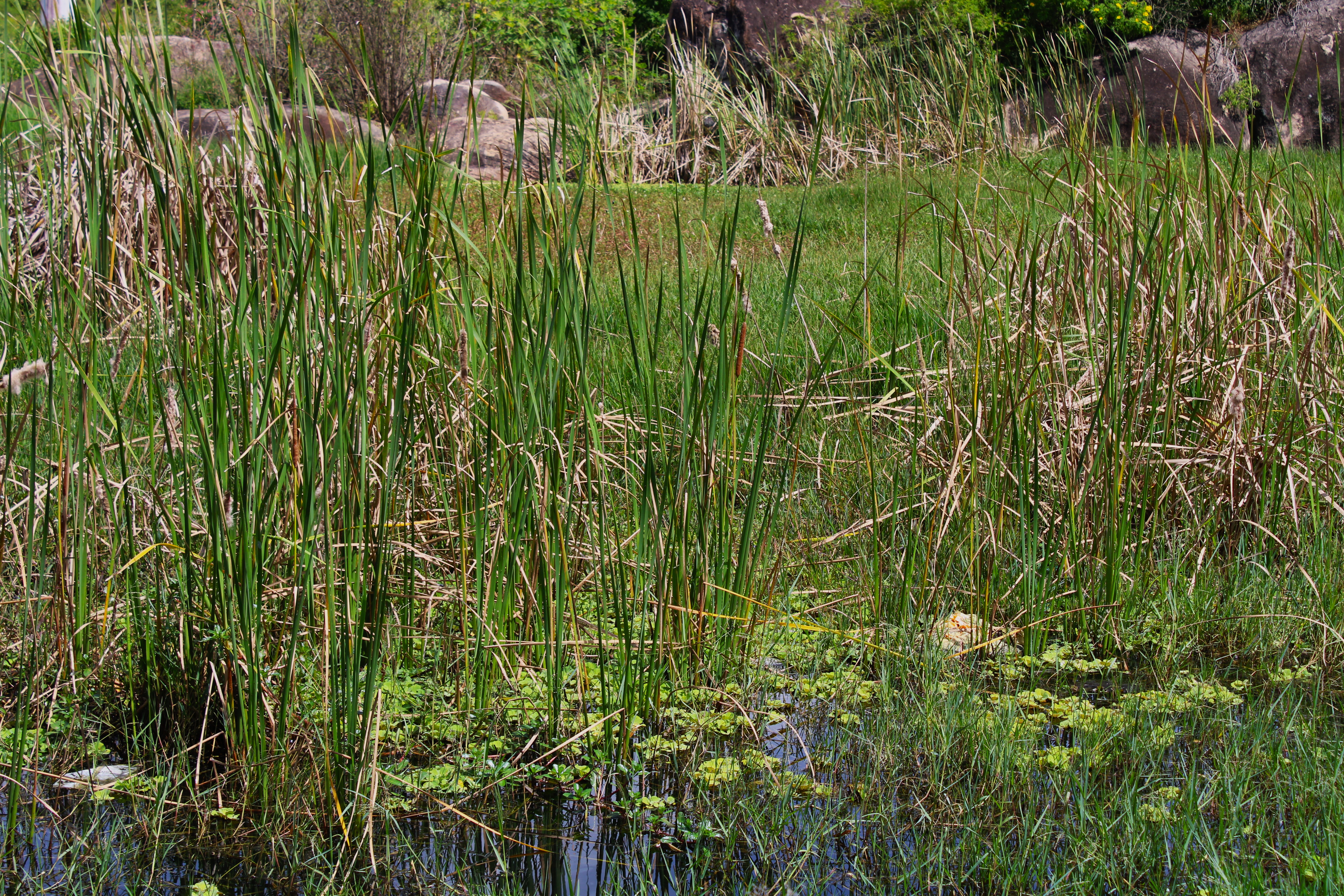
Cattail [Haiku]

the cattail sways
with a unique rhythm,
but - now - is still

Diamond Water [Haiku]

the day is cold,
but the sun is out, and 
the water sparkles

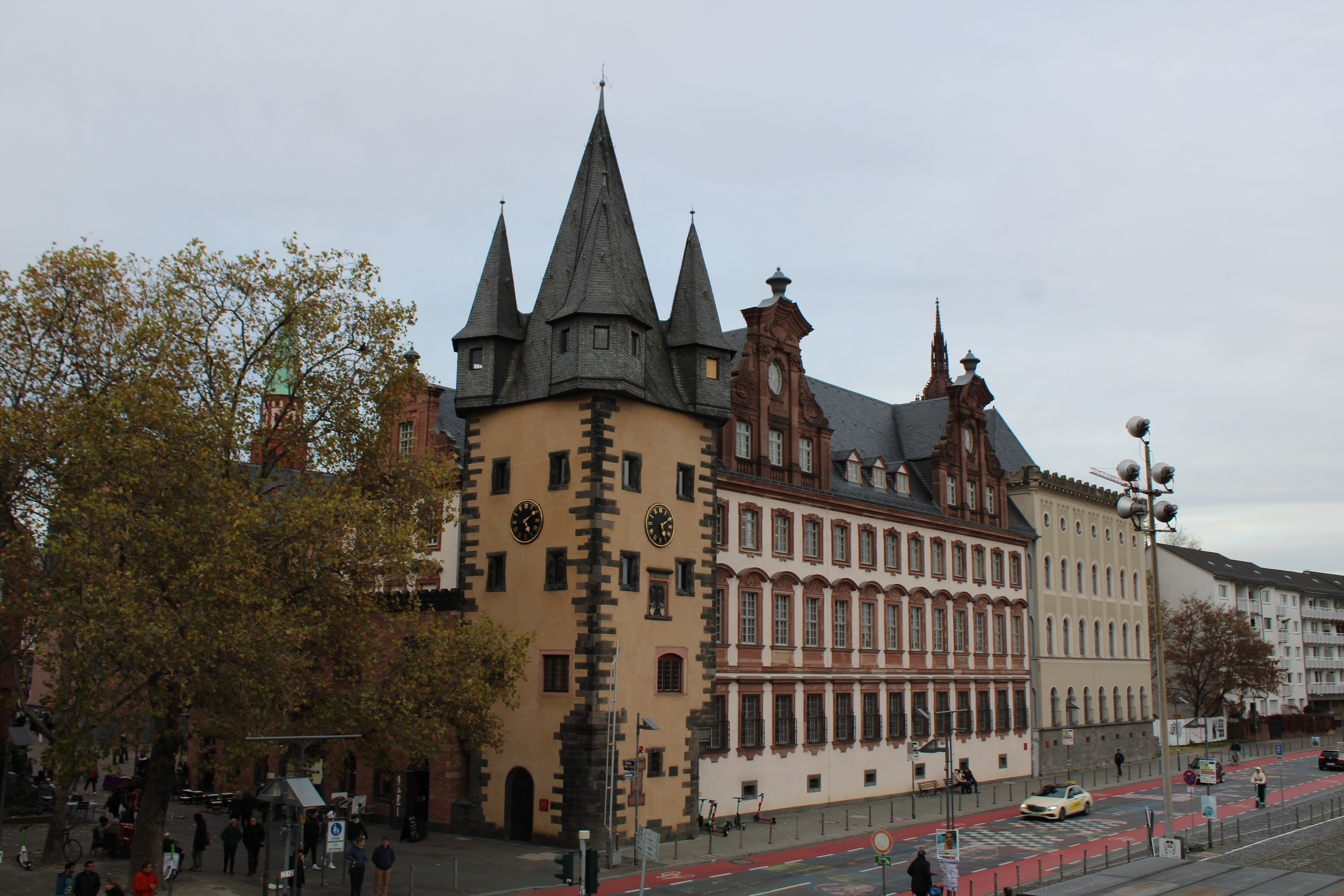
DAILY PHOTO: Saalhof mit Rententurm, Frankfurt

Taken in November of 2022 in Frankfurt. Some of this building was once part of a palace complex and was later a customs office but is now the Frankfurt History Museum. Part of it is the oldest surviving structure in Frankfurt Old Town. (Much of the Old Town was decimated by bombing during the Second World War.)

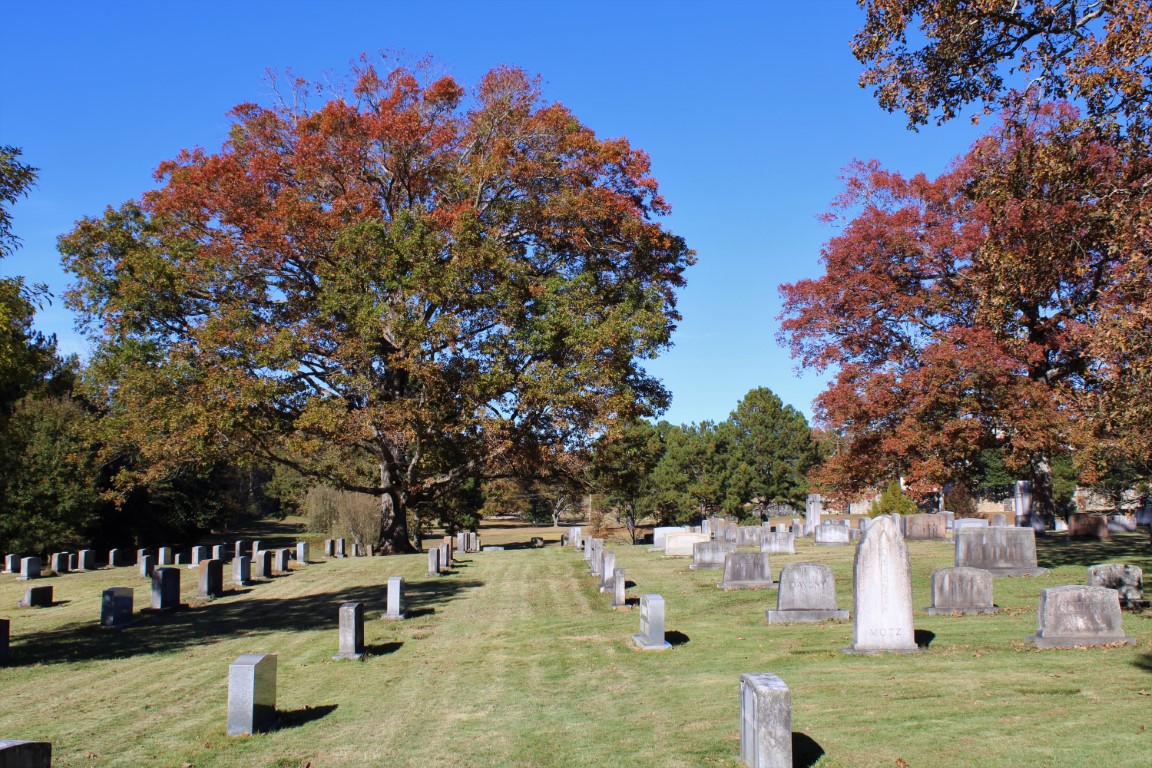
Graveyard Autumn [Haiku]

graves in autumn.
under red-leafed trees --
soon to be bare

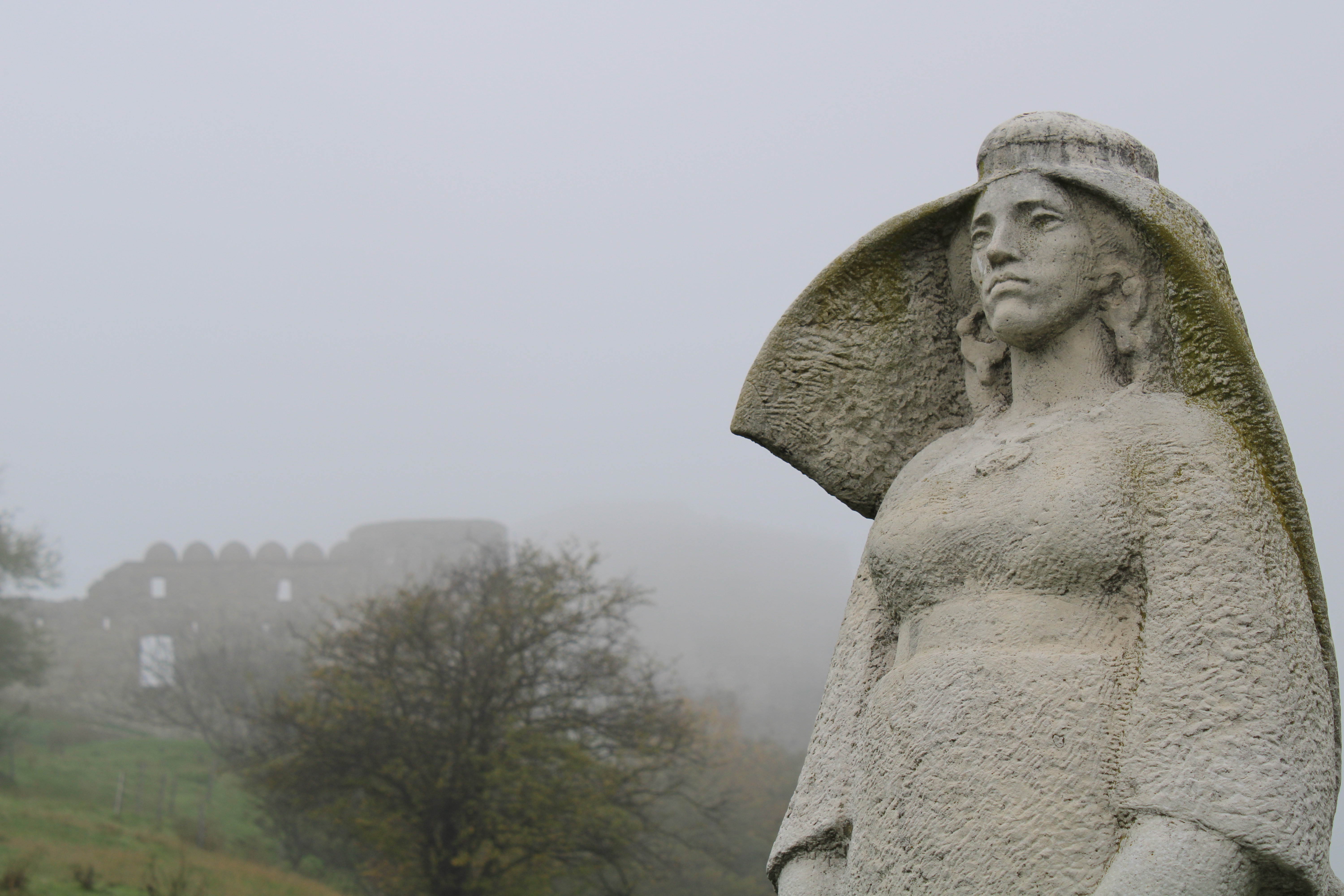
Ghost Backdrop [Haiku]

the stone statue
in the fore feels more real than
the stone wall in fog

BOOK REVIEW: The Last Chairlift by John Irving

The Last ChairliftThe Last Chairlift by John Irving
My rating: 4 of 5 stars

Amazon.in Page

The latest (and quite possibly last) novel of John Irving is a fine work of literary fiction. It’s not “A Prayer for Owen Meany” good, but it’s alright. Whereas “Owen Meany” was masterfully plotted with continuous points of tension and well-timed reveals, Irving’s new book meanders through the latter half of the twentieth century, presenting fascinating characters and the occasional powerful and poignant event.

In varied outlets, I’ve seen this referred to as a book about skiing and a book about ghosts. It’s neither of those things, though they both figure in the book. I would say it’s mostly about sexual identity and sexual politics in America. The story follows the life of Adam Brewster and his unconventional extended family of a lesbian mother who marries Adam’s father figure (Elliot Barlow, a man at the time who subsequently transitions to female) and has a simultaneous long-term committed relationship with another woman. Other major characters include his lesbian cousin and her committed partner, the partner, Em, being Adam’s lifelong crush.) At some point in reading, it occurred to me that this group was thick as thieves and there was really no ingroup dissent or conflict among them, and I wondered why that worked [instead of being painfully boring,] and I think it’s because they’re faced with so much outgroup [or edge of group, e.g. Adam’s aunts and – later – wife / ex-wife] pressure that it forces them to be closer in all ways.

Earlier I said that the book meanders through the second half of the twentieth century, but it actually continues through almost to the present-day. The biggest criticism I would offer is that the last twenty-ish years are rushed through and the author frequently seems to forget that there are characters that should have interesting life events. Instead, the book engages in long strings of “as-you-know-Bob” exposition on American politics, and when it’s not ranting about politics, the end reads a bit like a family Christmas letter. After what is the novel’s undisputed most moving moment, an event masterfully imagined and articulated, it’s kind of a slog to the end. [Which is, unfortunately, the last twenty percent of the book or so (at least it feels that way.)] Putting it another way, Elliot Barlow (aka. “the snowshoer” / “the pretty English teacher” / “the little wrestling coach”) is arguably the most likeable and compelling character in the book, and very little of interest occurs after she is out of the picture.

I enjoyed reading this book, but – as I say – it can be a slog compared to many of Irving’s earlier works. It’s worth noting that this book features multiple writer characters and an editor character, and still would have benefited from a heavy-handed editor. It does have a couple chapters that read as screenplays, and they are intriguing and make for a nice pace change. If you’re an Irving fan, you need to read this book. If you’re not yet familiar with his work, start elsewhere.


View all my reviews