
twisted petals
 of frangipani blossoms
  stay one when dropping.

twisted petals of frangipani blossoms stay one when dropping.

To find oneself within a crate -
 packed inside and labeled "Freight"
  seems like the worst that things can get,
   but then I peered out through the slit,
 and what a thing it was to see
  a croc's keen eye stare back at me.

It had so many freakin' teeth,
 both on the top and underneath!

I concluded the box 'tweren't so bad.
 To stay a while, I would be glad!

clouds hang...
 fixed in pond reflections,
  or has my mind slowed?
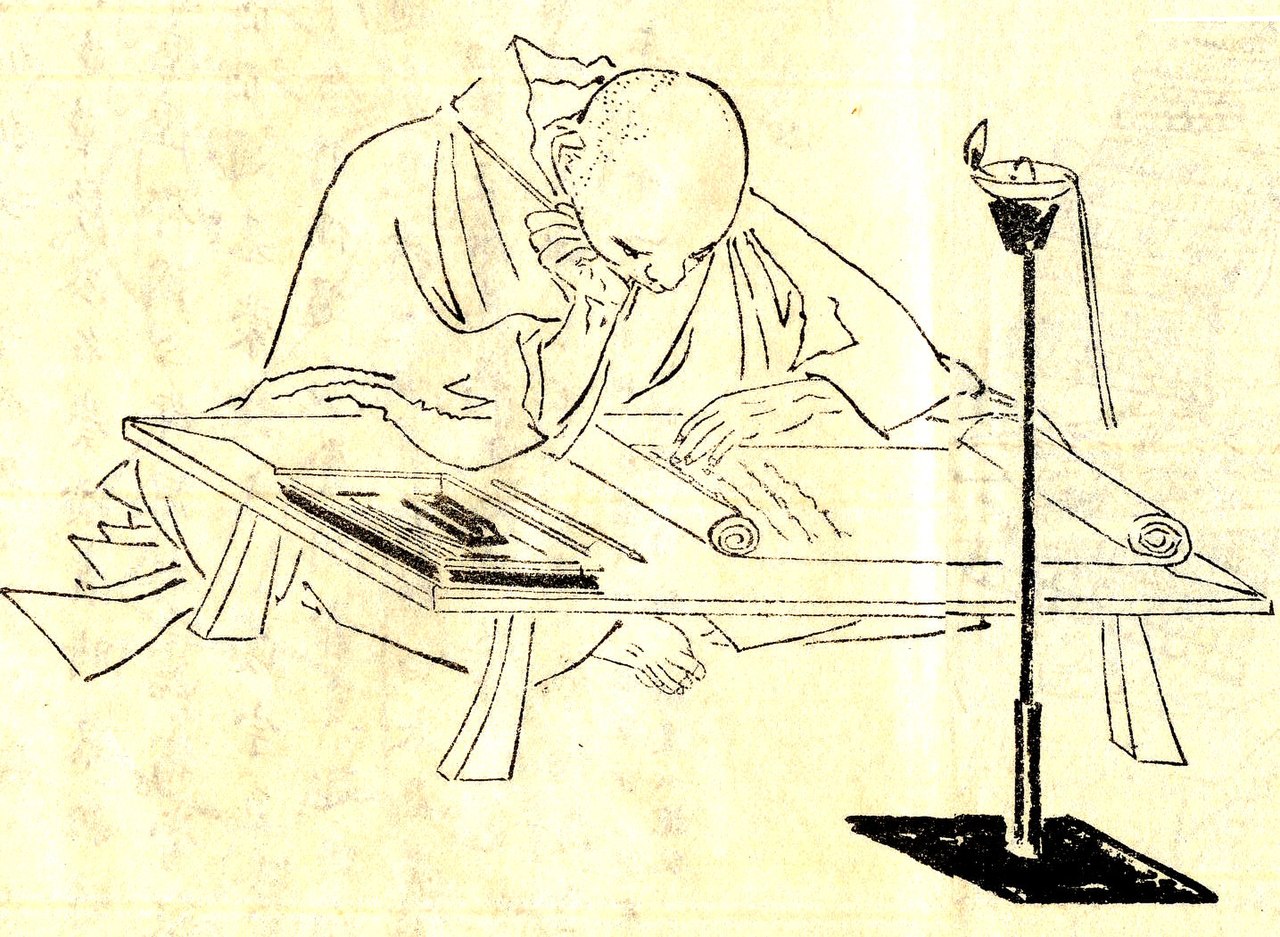
There is much to admire, though, in a dedicated recluse.
Kenkō Yoshida, Essays in Idleness (No. 1)
Going on a journey, whatever the destination, makes you feel suddenly awake and alive to everything.
Kenkō Yoshida, Essays in IdleNess (No. 15)
You can find solace for all things by looking at the moon.
Kenkō Yoshida, Essays in Idleness (no. 21)
Something left not quite finished is very appealing, a gesture toward the future.
Kenkō Yoshida, Essays in Idleness (No. 82)
It’s in easy places that mistakes will always occur.
Kenkō Yoshida, Essays in Idleness (No. 109)
CITATION: Kenkō Yoshida & Kamo no Chōmei. 2013. Kenkō and Chōmei: Essays in Idleness and Hōjōki. London: Penguin. 206pp.
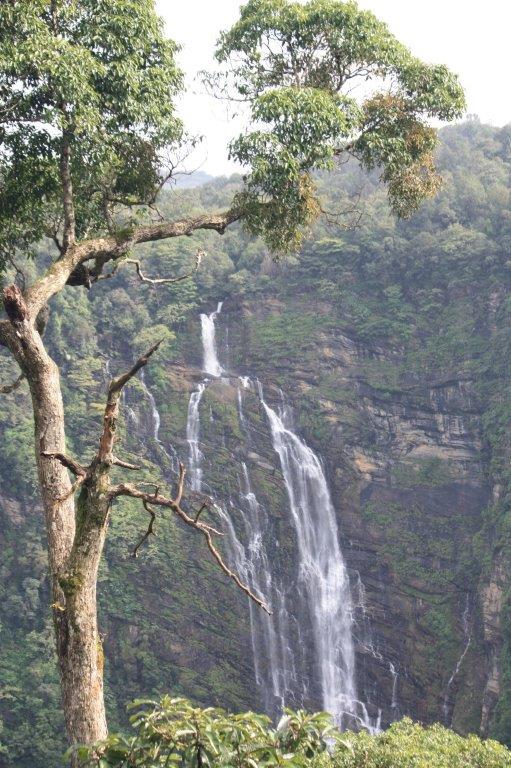
the falls dwindle.
 rain clouds in the distance.
  all eyes await the swell.
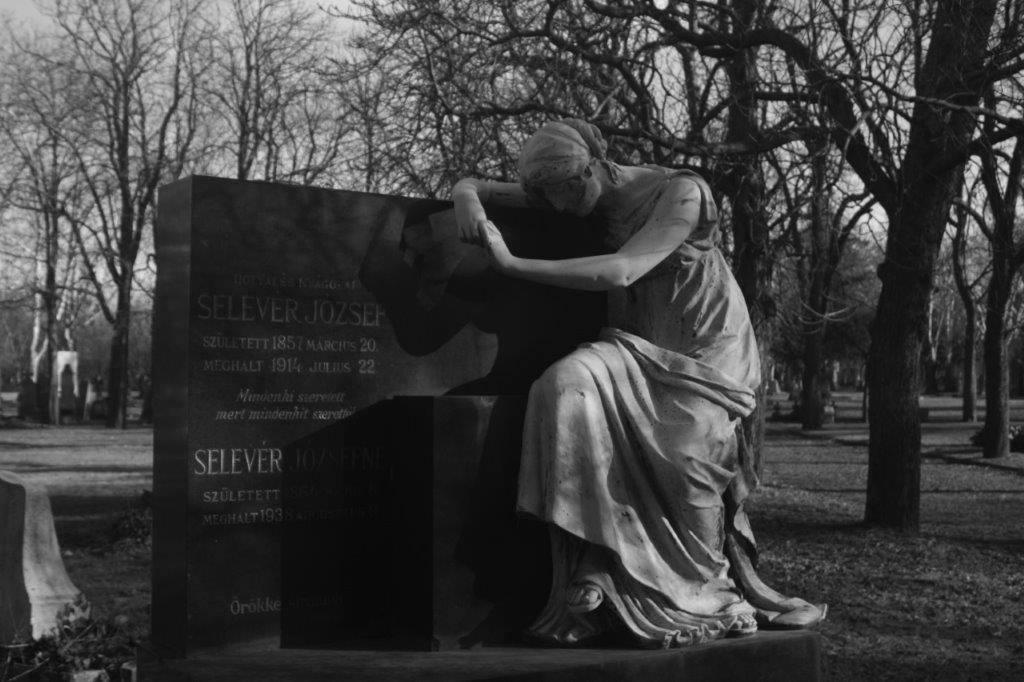
Of all the masters & all the slaves,
   I find that mind fire burns in waves.
 And sometimes the emotions derail
   too quickly to lengthen the exhale.

 Trees falling in the forest, unheard,
   can still crush a nest of baby birds.
 Turns out it's not the sound that matters,
    but what the destruction leaves in tatters.
The phrase “Queen of Slaves” comes from a Percy Bysshe Shelley poem (Canto 4, No. 24)










 Tiger Riding for Beginners