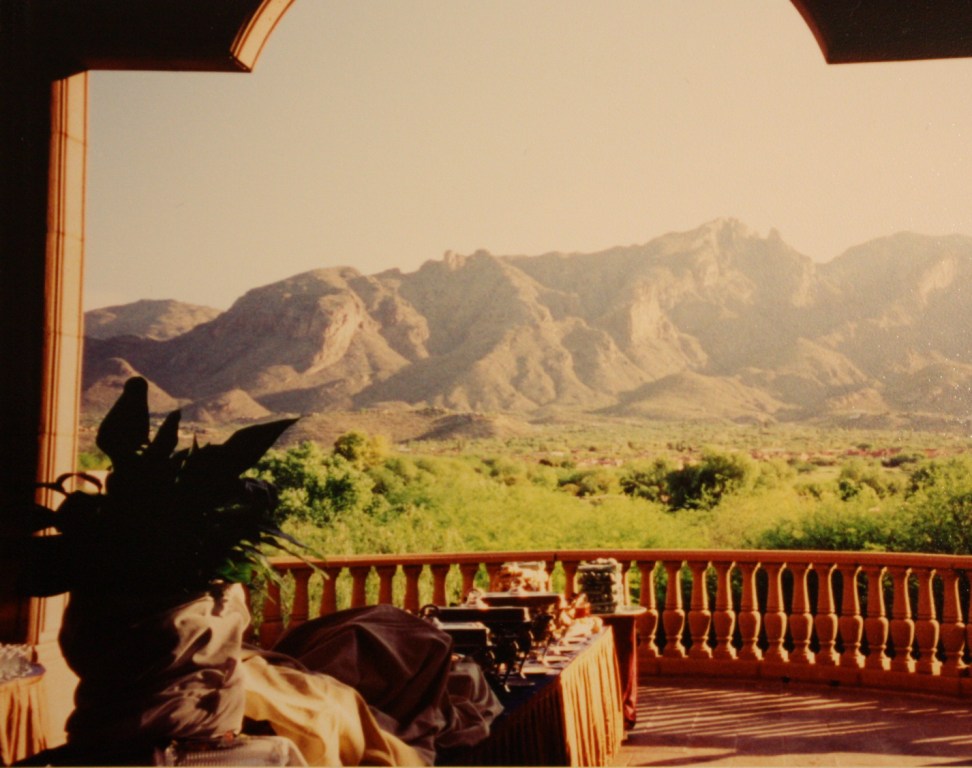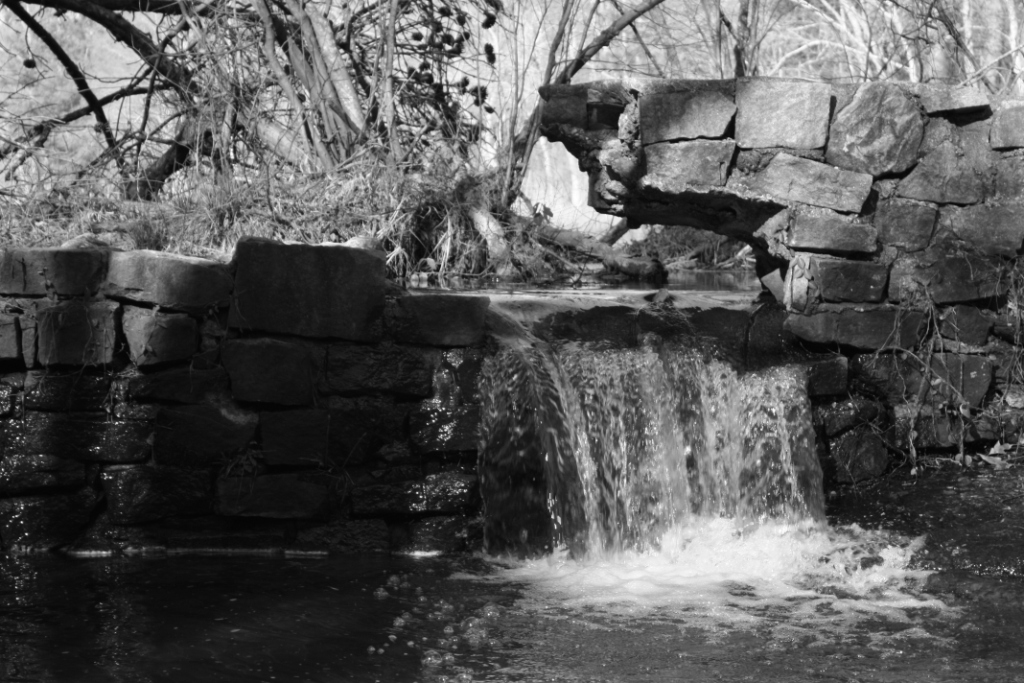
Taken March 16, 2013 near Arabia Mountain Lake

Taken March 16, 2013 near Arabia Mountain Lake
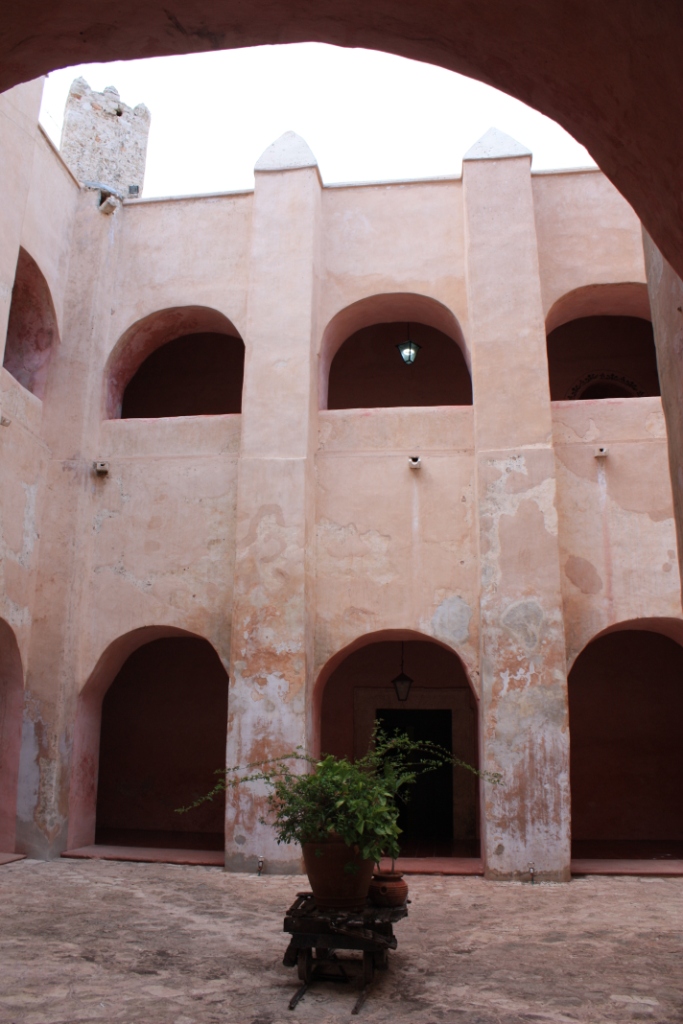
Courtyard of the Monastery of Saint Bernardino of Siena
Are these sleepy little villages and hamlets really tucked into bed by eleven?
When my train rolls by and there is nothing on display to my bleary eye
except vacant roads, dark shadows, and the dim glow of night-lights.
Cars are still; people are absent; time is frozen but for the wind-blown hedges.
But do these villages go to sleep, or do they just turn off the lights
and do those things which should not be subjected to the light?

Taken March 16, 2013 at Arabia Mountain, GA

I’m Batman!
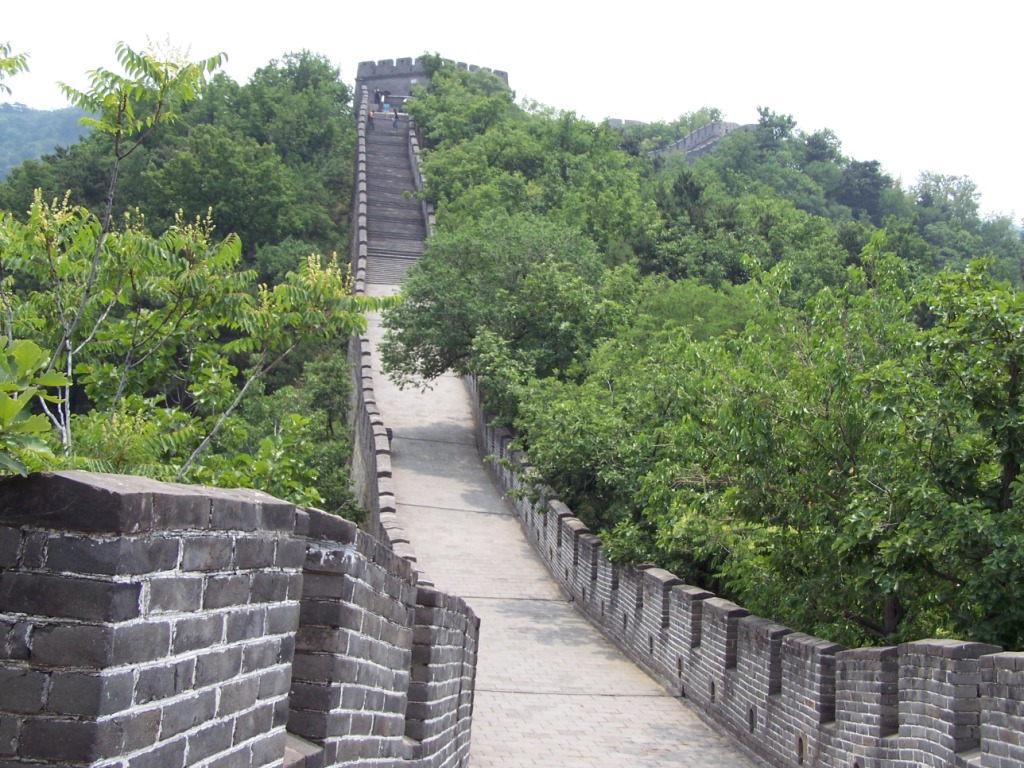
A nicely restored section of the Wall
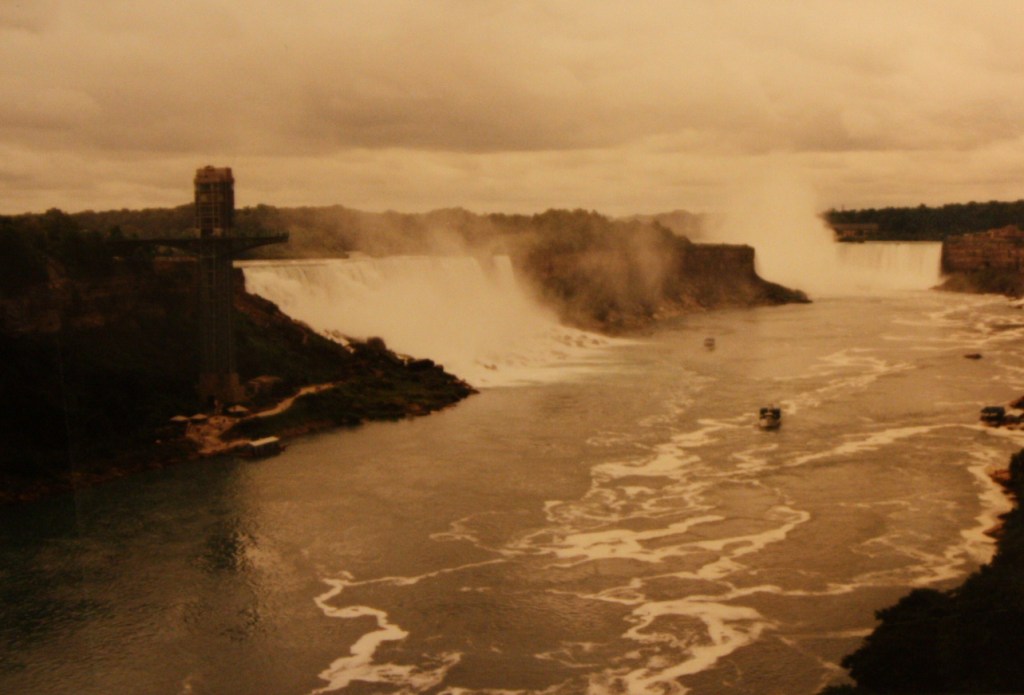
Niagara Falls, taken in the early – mid 90’s

Supreme Court of Cambodia, Phnom Penh
I’ll soon finish reading a novel by Paul Theroux called A Dead Hand. I won’t get into the details of the book in this post because I’ll do a review later, but there’s a writing device in it that really intrigued me. Theroux inserts himself into the novel in a cameo role as a competitor to the protagonist. That is to say, the main character is a traveling writer who writes mostly magazine articles, while Theroux a prolific writer famous for travelogues such as The Great Railway Bazaar and Ghost Train to the Eastern Star, as well as for many novels which are written with a travel writer’s sensibility for location. (A Dead Hand takes place in and around Calcutta, India.)
I enjoyed the author cameo. It would only work well for a writer like Theroux, one who is both well-known and, because of his nonfiction work, who readers have a feel for as a person. Still, I couldn’t think of another novel I’ve read in which this has been done. I’ve only read Theroux’s nonfiction so far, so maybe this is a running gag with him.
Inserting himself offers some opportunity for adding humor. For example, there’s a part in which the main character’s friend, who is also a go-between who introduces the two writers, says, “He [Theroux] said he wanted to take the train from Battambang to Phnom Penh.”
To which the main character replies, “He would. The bus is quicker!”
This technique also gives one the impression that we are getting some inside insight into the writer. When the main character mistrusts the author, how are we to process that?
Granted it’s a little like an actor looking into the camera and talking straight to the audience.
I’m interested to hear if this is a more widespread technique than I’m aware of? Who else does this?