
Of Glory not a Beam is left
   But her Eternal House --
 The Asterisk is for the Dead,
   The Living, for the Stars --

Of Glory not a Beam is left
But her Eternal House --
The Asterisk is for the Dead,
The Living, for the Stars --

Father, father, where are you going
   O do not walk so fast.
 Speak father, speak to your little boy
   Or else I shall be lost,

The night was dark no father was there
   The child was wet with dew,
 The mire was deep, & the child did weep
   And away the vapour flew.

The morns are meeker than they were --
    The nuts are getting brown --
 The berry's cheek is plumper --
    The rose is out of town.

The maple wears a gayer scarf --
   The field a scarlet gown --
 Lest I sh'd be old-fashioned
    I'll put a trinket on.
I am the mother of sorrows,
   I am the ender of grief;
 I am the bud and the blossom,
   I am the late-falling leaf.

I am thy priest and thy poet,
   I am thy serf and thy king;
 I cure the tears of the heartsick,
   When I come near they shall sing.

White are my hands as the snowdrop;
   Swart are my fingers as clay;
 Dark is my frown as the midnight,
   Fair is my brow as the day.

Battle and war are my minions,
    Doing my will as divine;
 I am the calmer of passions,
    Peace is a nursling of mine.

Speak to me gently or curse me,
   Seek me or fly from my sight;
 I am thy fool in the morning,
    Thou art my slave in the night.

Down to the grave will I take thee,
   Out from the noise of the strife;
 Then shalt thou see me and know me --
   Death, then, no longer, but life.

Then shalt thou sing at my coming,
   Kiss me with passionate breath,
 Clasp me and smile to have thought me
   Aught save the foeman of Death.

Come to me, brother, when weary,
   Come when thy lonely heart swells;
 I'll guide thy footsteps and lead thee
   Down where the Dream Woman dwells.

Every time I have started for the Yellow Flower River,
 I have gone down the Blue-Green Stream,
 Following the hills, making ten thousand turnings.
 We go along rapidly, but advance scarcely one hundred li.
 We are in the midst of a noise of water,
 Of the confused and mingled sounds of water broken by stones,
 And in the deep darkness of pine-trees.
 Rocked, rocked,
 Moving on and on,
 We float past water-chestnuts
 Into a still clearness reflecting reeds and rushes.
 My heart is clean and white as silk;
   it has already achieved Peace;
 It is smooth as the placid river.
 I long to stay here, curled up on the rocks,
 Dropping my fish-line forever.
NOTE: This version was translated by Florence Ayscough and adapted by Amy Lowell in the book: Fir-Flower Tablets (1921) New York: Houghton Mifflin, p. 123
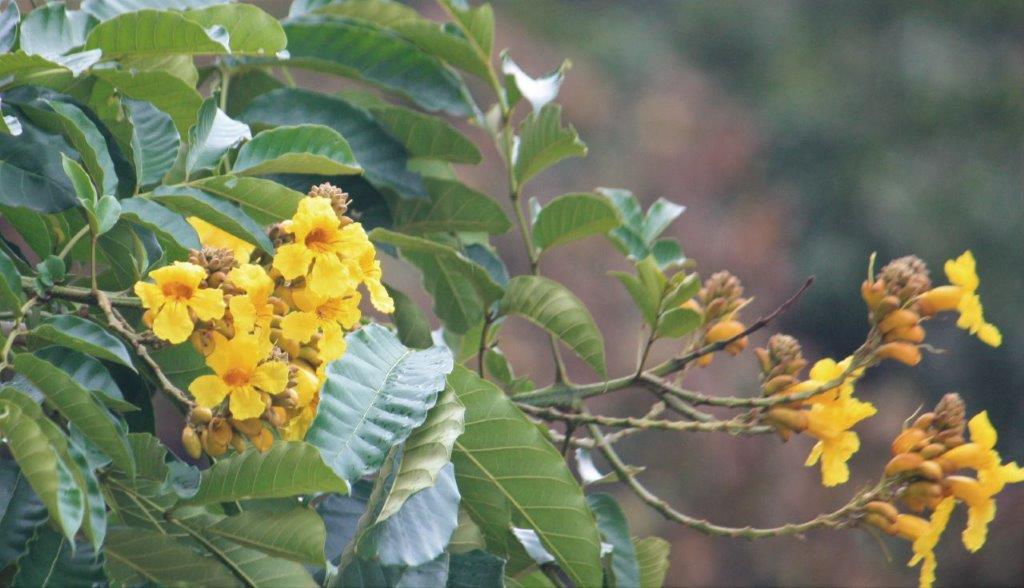
Above the blossoms sing the orioles:
 Kuan kuan, their clear notes.
 The girl with a face like jade
 Strums to them on her lute.
 Never does she tire of playing --
 Youth is the time for tender thoughts.
 When the flowers scatter and the birds fly off
 Her tears will fall in the spring wind.
Translated of Burton Watson in: Cold Mountain: 100 poems by the T’ang poet Han-Shan, New York: Columbia University Press, p. 22
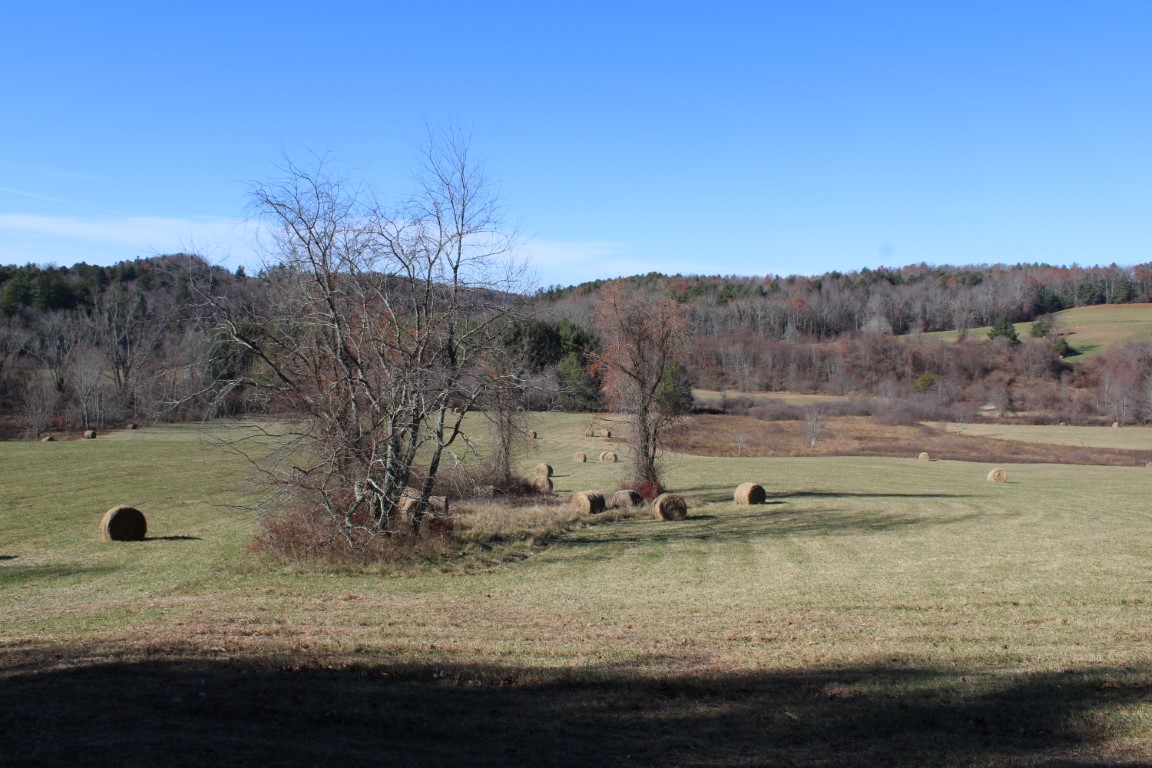
I'm going out to clean the pasture spring;
  I'll only stop to rake the leaves away
 (And wait to watch the water clear, I may):
  I sha'n't be gone long.  -- You come too.

I'm going out to fetch the little calf
  That's standing by the mother. It's so young,
  It totters when she licks it with her tongue.
  I sha'n't be gone long. -- You come too.
I stood on the bridge at midnight,
   As the clocks were striking the hour,
 And the moon rose o’er the city,
   Behind the dark church-tower.

I saw her bright reflection
   In the waters under me,
 Like a golden goblet filling
   And sinking into the sea.

And far in the hazy distance
   Of that lovely night in June,
 The blaze of the flaming furnace
   Gleamed redder than the moon.

Among the long, black rafters
   The wavering shadows lay,
 And the current that came from the ocean
   Seemed to lift and bear them away;

As, sweeping and eddying through them,
   Rose the belated tide,
 And, streaming into the moonlight,
   The seaweed floated wide.

And like those waters rushing
   Among the wooden piers,
 A flood of thoughts came o'er me
   That filled my eyes with tears.

How often, O, how often,
   In the days that had gone by,
 I had stood on that bridge at midnight
   And gazed on that wave and sky!

How often, O, how often,
   I had wished that the ebbing tide
 Would bear me away on its bosom
   O'er the ocean wild and wide!

For my heart was hot and restless,
   And my life was full of care,
 And the burden laid upon me
   Seemed greater than I could bear.

But now it has fallen from me,
   It is buried in the sea;
 And only the sorrow of others
   Throws its shadow over me.

Yet whenever I cross the river
   On its bridge with wooden piers,
 Like the odor of brine from the ocean
   Comes the thought of other years.

And I think how many thousands
   Of care-encumbered men,
 Each bearing his burden of sorrow,
   Have crossed the bridge since then.

I see the long procession
   Still passing to and fro,
 The young heart hot and restless,
   And the old subdued and slow!

And forever and forever,
   As long as the river flows,
 As long as the heart has passions,
   As long as life has woes;

The moon and its broken reflection
   And its shadows shall appear,
 As the symbol of love in heaven,
   And its wavering image here.
They shut me up in Prose --
   As when a little Girl
 They put me in the Closet --
   Because they liked me "still" --

Still! Could themself have peeped --
   And seen my Brain -- go round --
 They might as wise have lodged a Bird
    For Treason -- in the Pound --

Himself has but to will
   And easy as a Star
 Look down opon Captivity --
   And laugh -- No more have I --
At the beginning there was a huge drop of milk.
 Then Doondari came and he created the stone.
   Then the stone created iron;
   And iron created fire;
   And fire created water;
   And water created air.
 Then Doondari descended the second time.
   And he took the five elements
   And he shaped them into man.
 But man was proud.
 Then Doondari created blindness,
      and blindness defeated man.
   But when blindness became too proud,
 Doondari created sleep,
      and sleep defeated blindness;
   But when sleep became too proud,
 Doondari created worry,
      and worry defeated sleep;
   But when worry became too proud,
 Doondari created death,
      and death defeated worry.
   But then death became too proud,
 Doondari descended for the third time,
   And he came as Gueno, the eternal one.
     And Gueno defeated death.
NOTE: The Fulani (also known as Fula and Fulbe) are a West African herding tribe that live in Mali, Niger, Nigeria, Guinea, and Senegal.


 Tiger Riding for Beginners