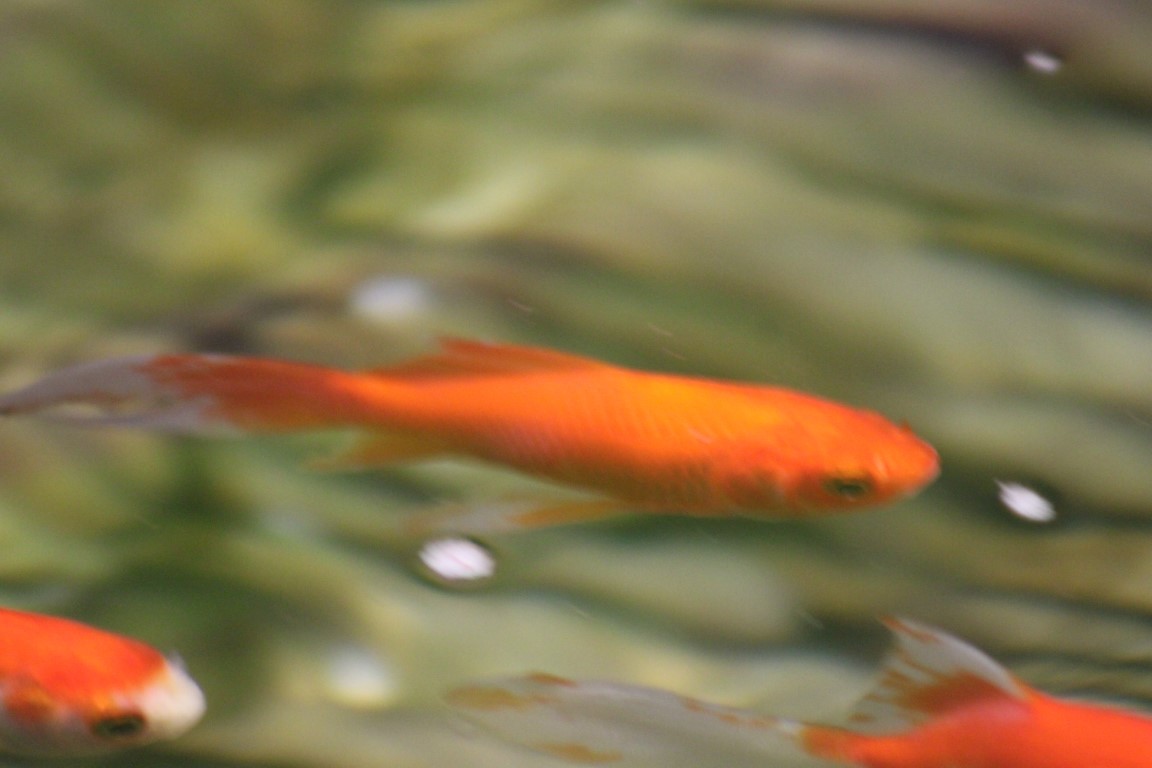
in the airport,
 i stop mid-stride, a fish
  has my attention.
in the airport, i stop mid-stride, a fish has my attention.
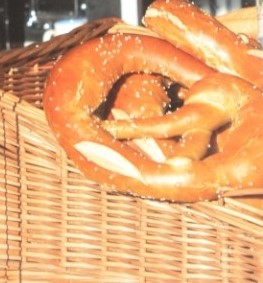
There was a royal baker in Germany
 whose bread the king despised fervently.
The king issued a decree:
 Death, or bread passing light times three!
The baker twisted dough so three holes showed,
                  and bestowed it earnestly.
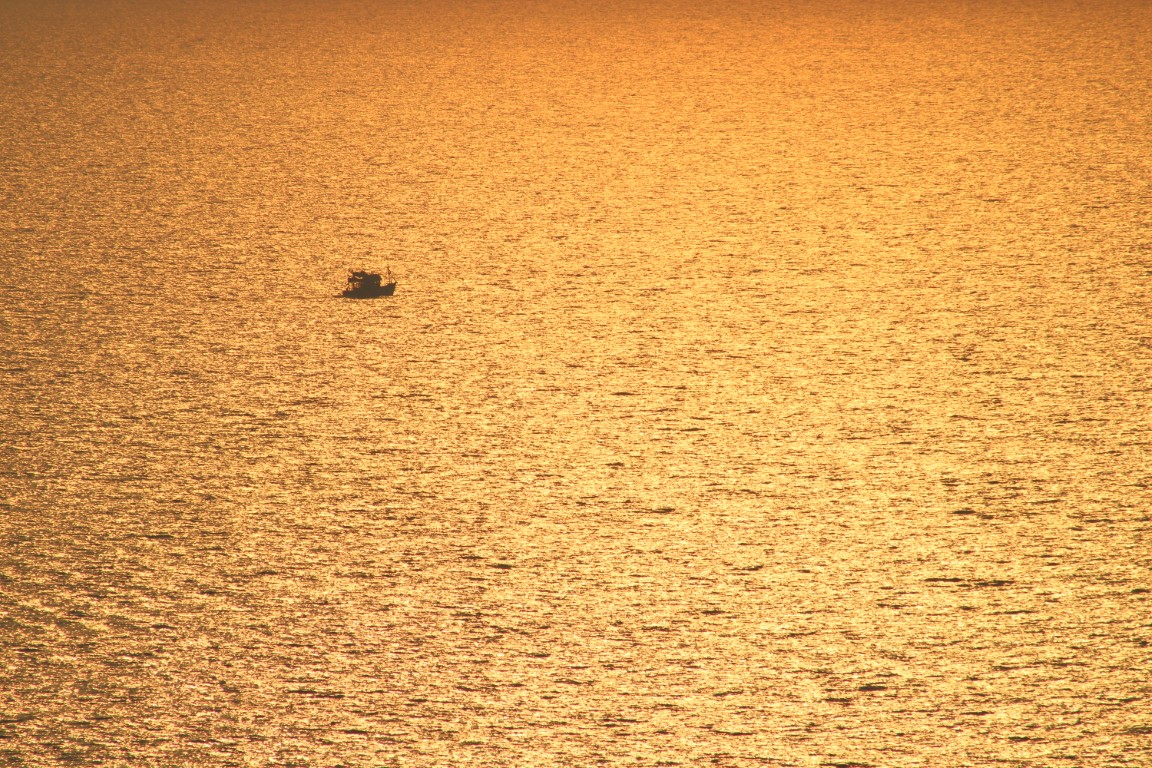
You see that one ship out on the horizon,
 and feel that unique tang of loneliness.
  There's far, far too much blank sea to thrive in,
   and all the makings for keen ghostliness.

That boat will soon be passing beyond sight,
 and maybe it will falter, maybe sink.
  The sea has created a million plights,
   and hazards there will honor no strict brinks.

In Shakespeare, ships are lost, often as not.
 See: "Tempest," "Merchant," "Pericles,” and so on.
  Perhaps, you'll say that today isn't so fraught
   with maritime menace and sea demons.

Why more vexed than those who keep ships running?
 'Cause sailors will never, ever, see it coming.
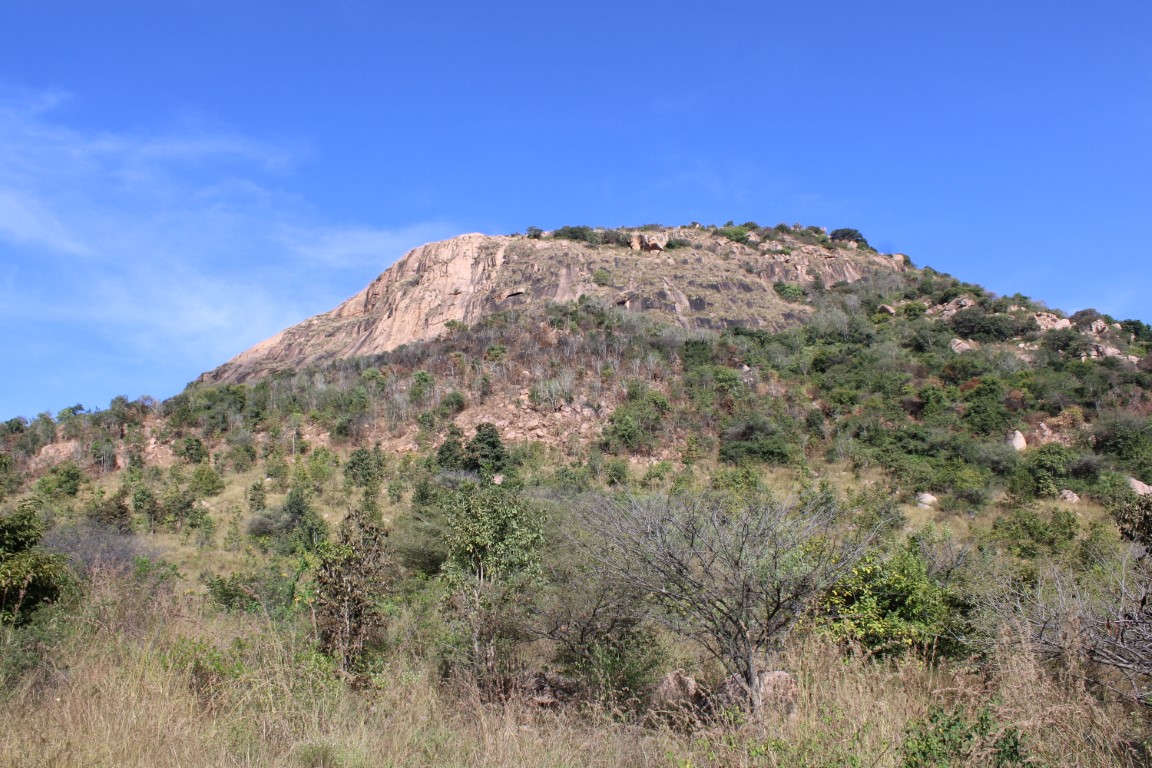
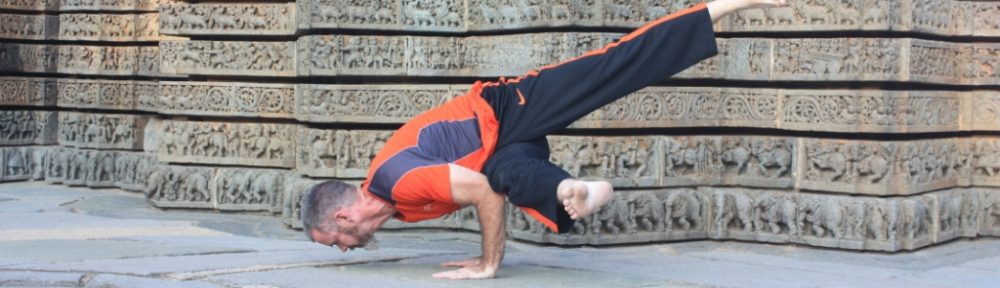
i look skyward,
 and others stop to look.
  those who wonder
 why I'm looking up,
   might wonder why they weren't.
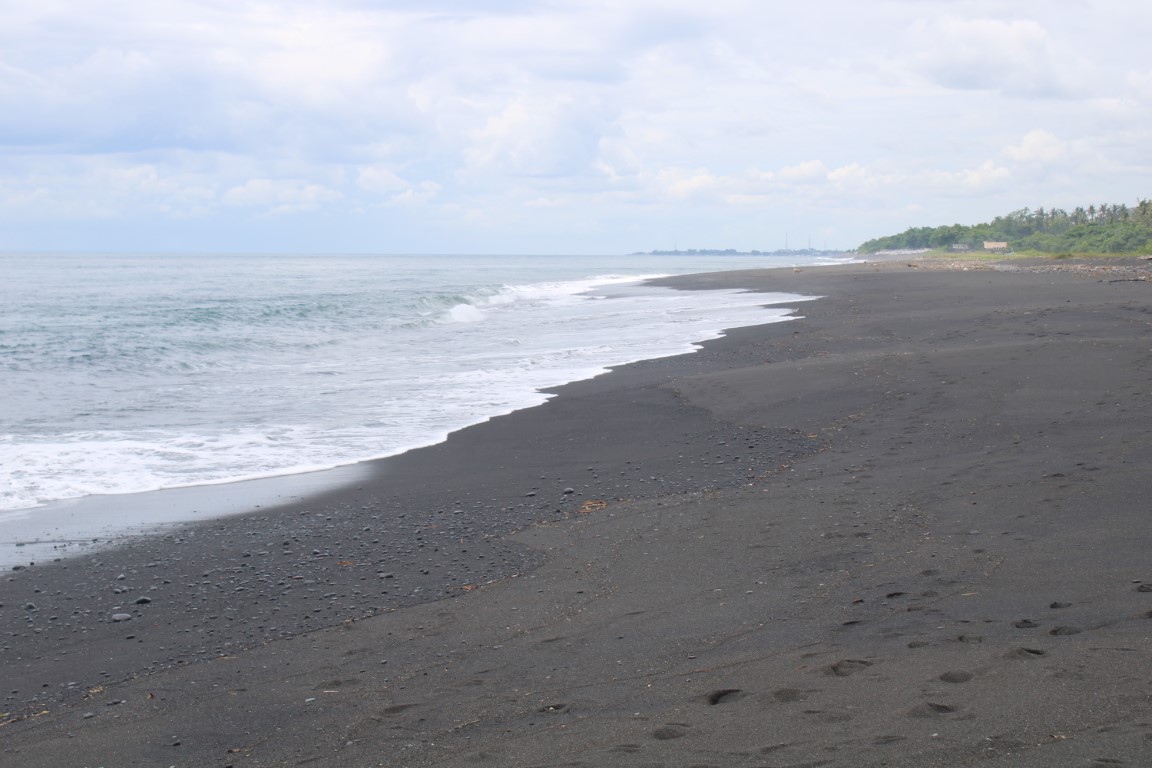
the black sand beach
 is no less pristine, but
  the mind feels it is.
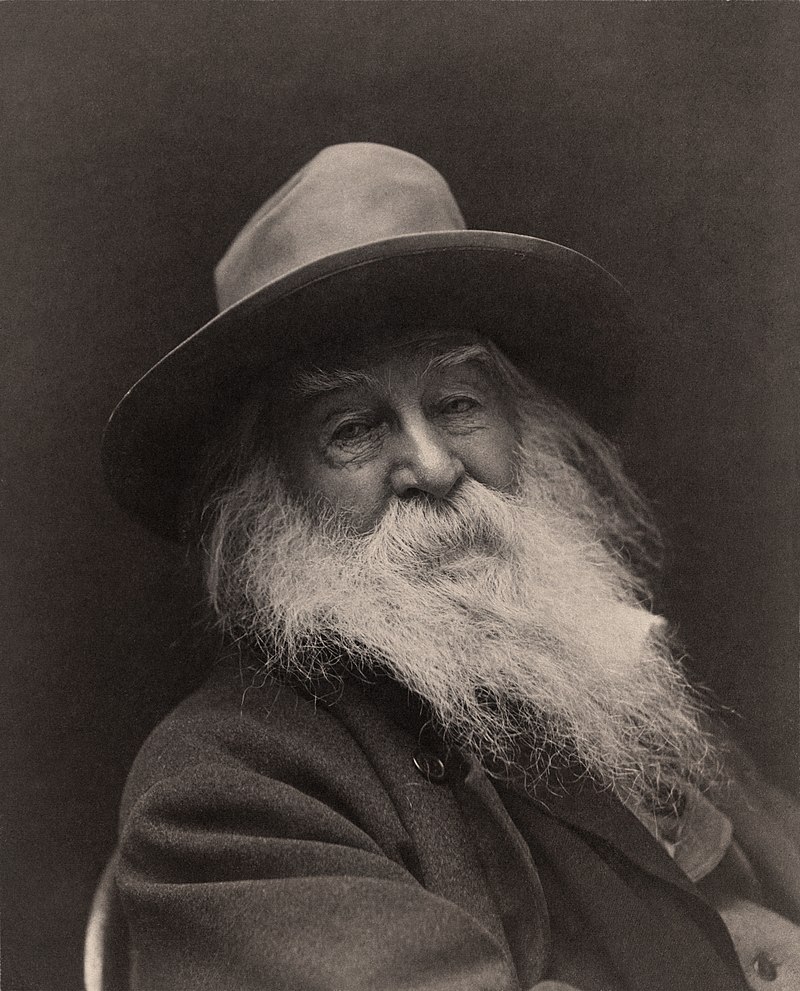
Why, who makes much of a miracle? As to me I know of nothing else but miracles.
Walt Whitman, “miracles”
The American contempt for statues and ceremonies, the boundless impatience for restraint…
Walt whitman, “Song of the Broad-axe”
I exist as I am, that is enough. If no other in the world would be aware I sit content. And if each and all be aware I sit content.
walt whitman, “Song of myself”
I am not the poet of goodness only, I do not decline to be the poet of wickedness also.
walt whitman, “song of myself”
If any thing is sacred the human body is sacred.
Walt whitman, “i sing the body electric”
NOTES: Numerous editions exist between the 1855 and 1892 (deathbed) edition. It’s available for free on Project Gutenberg at: https://www.gutenberg.org/ebooks/1322

frangipani bloom
 on a barren branch;
  turn away, it falls.
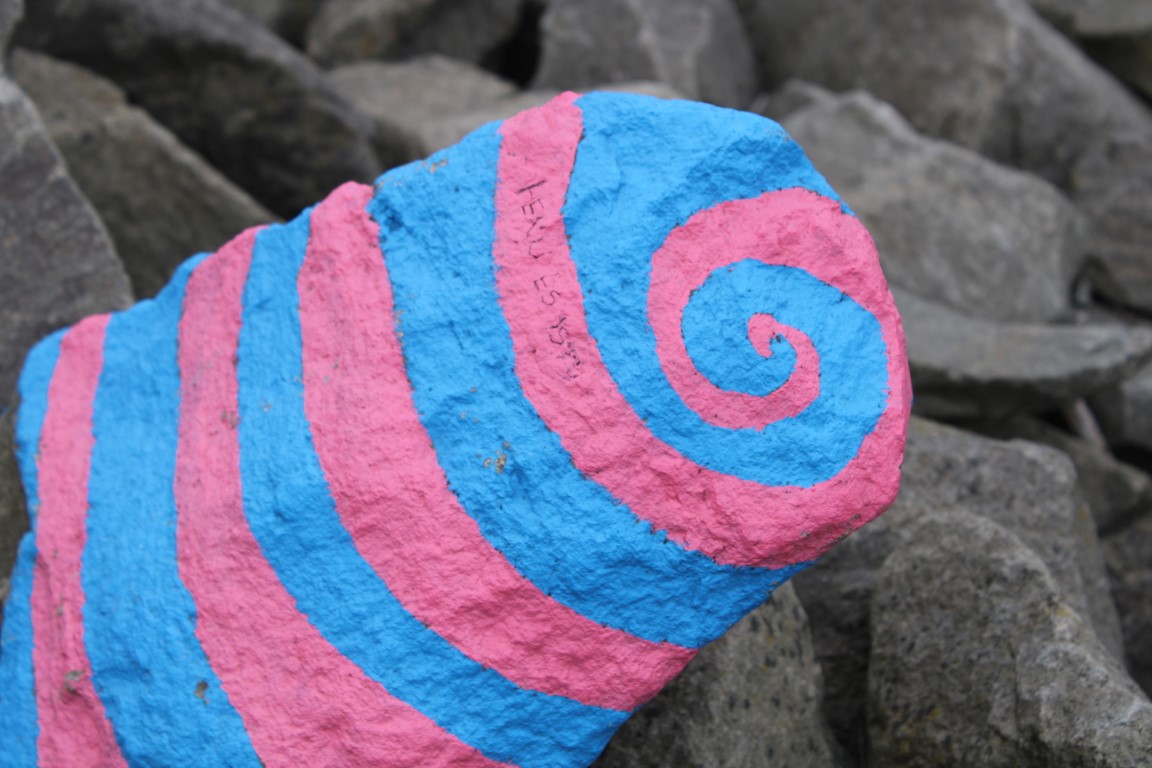
The Nobodaddy rolls
  like a sunglassed Santa Claus.

He watches things crash
  with bemused satisfaction --
   like a buzzed NASCAR fan.

And people cry out to him,
  and he gives a spiritless wave
   of vague acknowledgement --
    like a celebrity tired of celebrity.

But the victims all die,
   and Nobodaddy calls it a day,
    a day of seeing life & death play out -
     not in any grand design -
      but puttering about as the living
       bow to life,
        and the dead play out a demise.
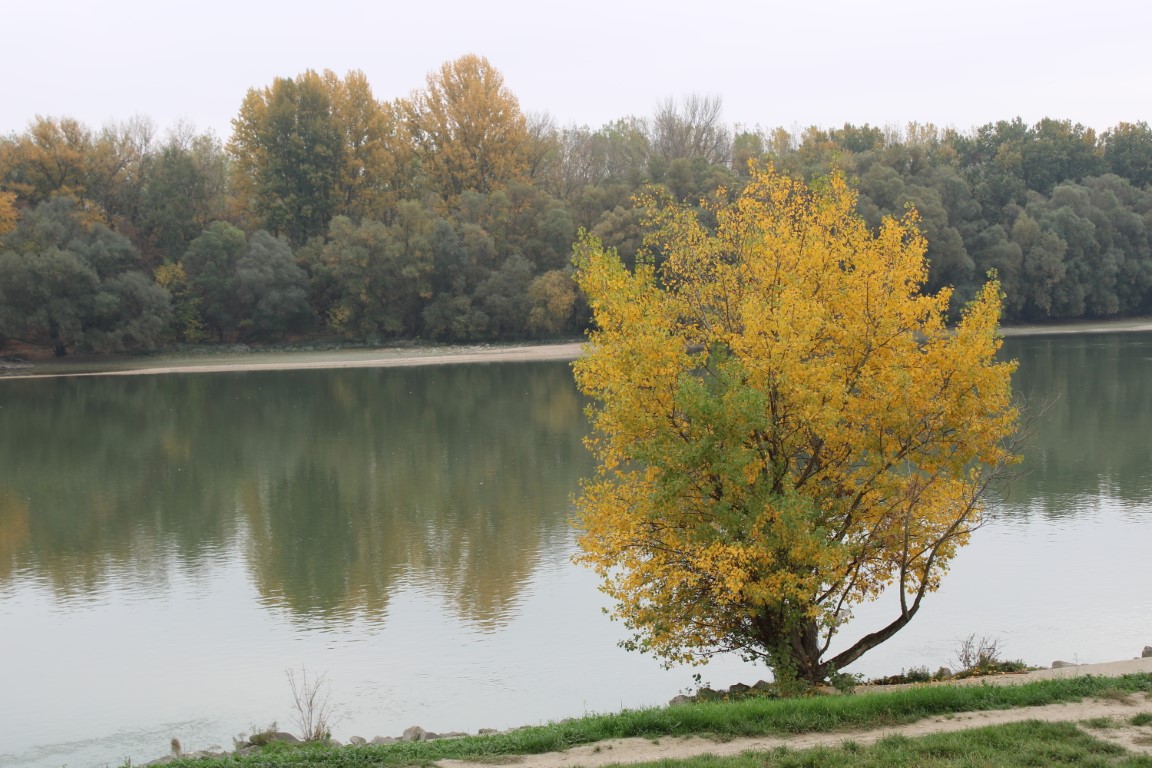
When I was a child,
      for a time,
 the bridge was out.

They were replacing the rusty
      iron trestle bridge
 with a thick-slab concrete
  monstrosity.

I could go down to the river,
      and I could see the
       scarred and marred
         construction site,
  & the big yellow machines
       that sat dormant on the weekends.

But one couldn't cross the river --
      not unless one was willing to get wet,
       and was a better swimmer than I
        (and it was autumn & the water cold.)

It was a strong current that swept
       along between two steep banks.

It was not a great distance,
       nor were they violent waters.

But that brown water moved with
       such smooth swiftness.

I dream about the time the bridge was out,
       now & again,
        and wonder what it was
         about those weeks
          that still has meaning to my mind.

as leaves fall, &
 weather cools, i'm warmed by
  autumn wildflowers.


