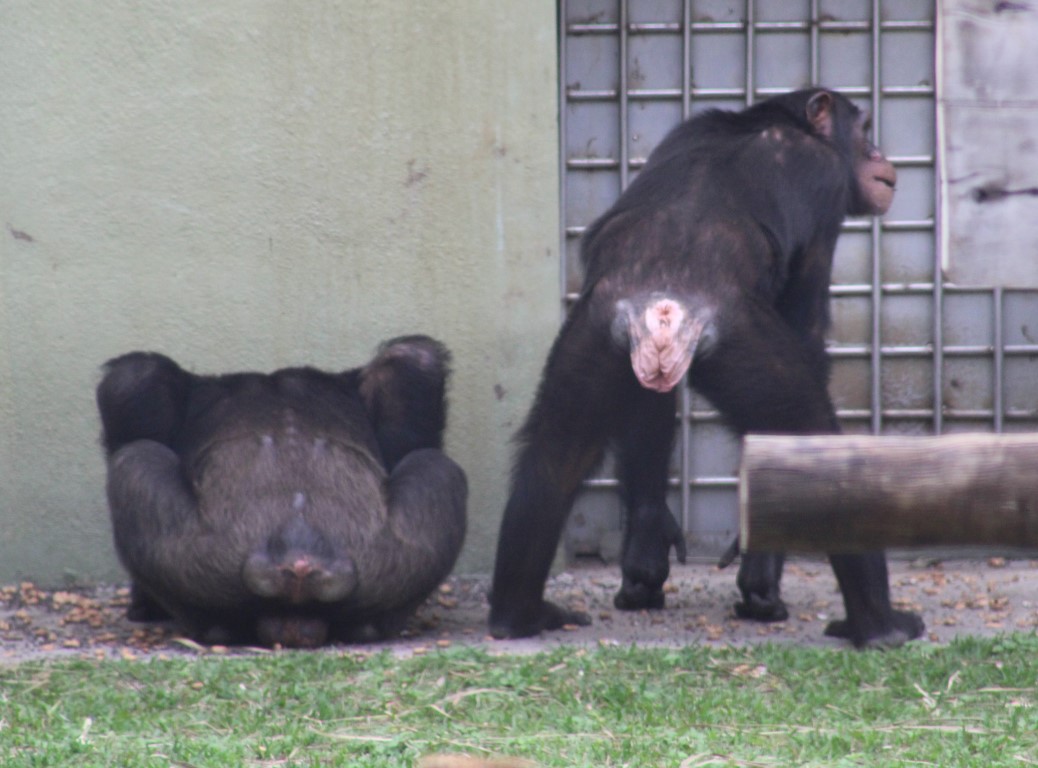
Chimpanzee [Lyric Poem]

Our closest relative, the Chimpanzee
Lacks our affinity to be fancy.
To them we are but pant-wearing buffoons
Who've lost all freedom to shoot the moon.

Asian Weaver Ant [Lyric Poem]

There once was a wee Asian Weaver Ant
Who lived on a big banana tree plant.
When they cut down his tree, a problem arose,
Moving to a rubber tree would be too on-the-nose.

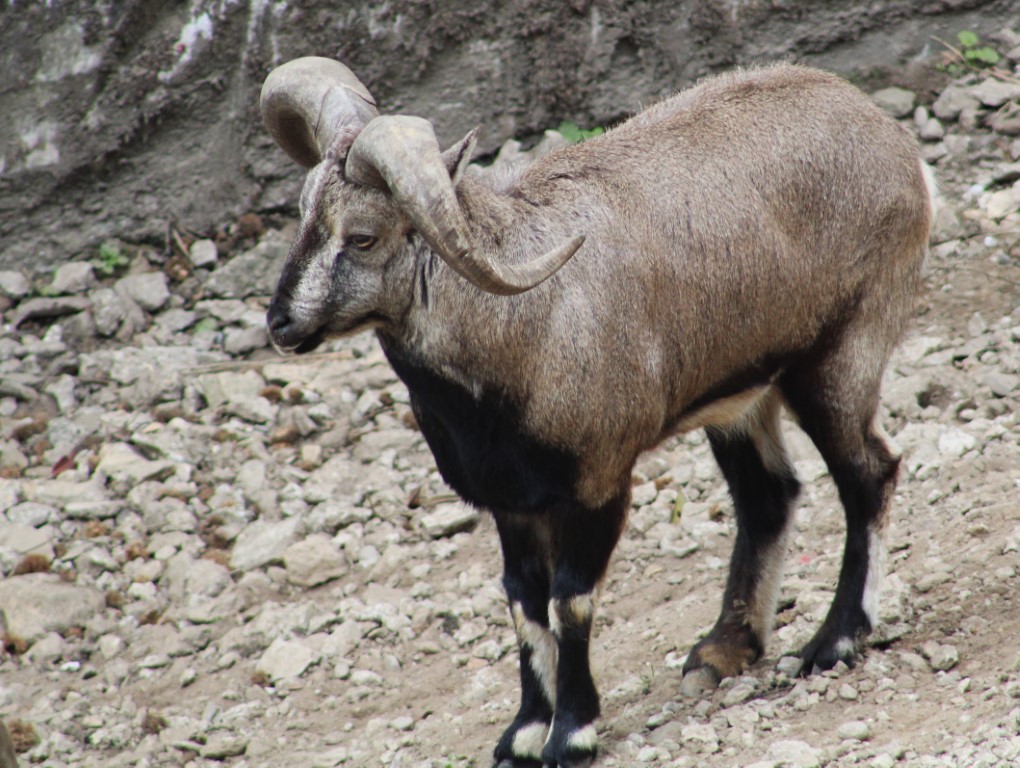
Blue Sheep [Lyric Poem]

The Blue Sheep must be ever so sad:
For of all the colors in which its clad --
None is blue; there're shades of brown, black, and white,
But blue must be symbolic, if judged by sight.

“Some keep the Sabbath going to Church –” (236) by Emily Dickinson [w/ Audio]

Some keep the Sabbath going to Church --
I keep it, staying at Home --
With a Bobolink for a Chorister --
And an Orchard, for a Dome --

Some keep the Sabbath in Surplice --
I, just wear my Wings --
And instead of tolling the Bell, for Church,
Our little Sexton -- sings.

God preaches, a noted Clergyman --
And the sermon is never long,
So instead of getting to Heaven, at last --
I'm going, all along.

BOOKS: “The Complete Poems of Paul Laurence Dunbar” by Paul Laurence Dunbar

The Complete Poems of Paul Laurence Dunbar (AmazonClassics Edition)The Complete Poems of Paul Laurence Dunbar by Paul Laurence Dunbar
My rating: 5 of 5 stars

Available online at Project Gutenberg

As the title suggests, this is all the published poetry of Paul Laurence Dunbar. With a career pre-dating the Harlem Renaissance, during which lyric poetry ruled the roost, Dunbar may not be as well-known today as several of the African American poets who came later, but it’s not for being any less masterful.

The collection includes a wide variety of lyric forms from simple quatrains to intermediate length poems of several pages. The content and tones also vary, and there is often a sense of whimsy in the poems that goes beyond just being lyrical in form. Dunbar wrote both in dialect and in standard English. He was a big fan of James Whitcomb Riley’s dialectal work, as a poem in Riley’s honor attests. The dialect poems are easy enough to follow and are a pleasure to read. Dunbar was by no means limited to dialectal writing; he also wrote in Standard English cleverly, and the juxtaposition of his very “proper” poems and the dialectal ones shows a great range.

I’d highly recommend this collection for poetry readers, particularly those who enjoy lyric and dialectal poems.

View all my reviews

Swamp Deer [Lyric Poem]

Everyday at an appointed hour
the Swamp Deer takes an anti-shower.
It hooks its antlers into the muck,
and with a twist and shake mud is chucked
upward, where it rains down on the beast.
It's stinky and slimy, but it's cool, at least.

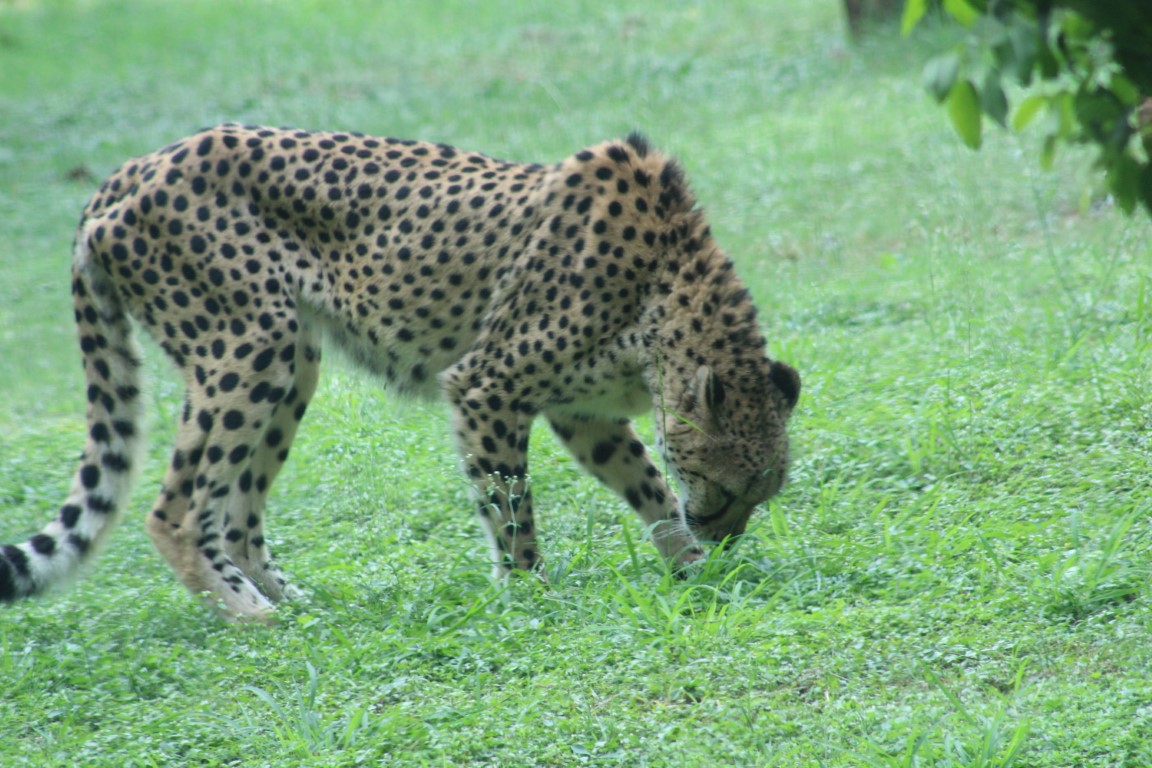
Cheetah [Lyric Poem]

A Cheetah can beat a Porsche to a hundred.
(Imagine the tumble if a clumsy one blundered.)
In fact, Cheetah's are so very, very fast
that your future is way, way back in its past.

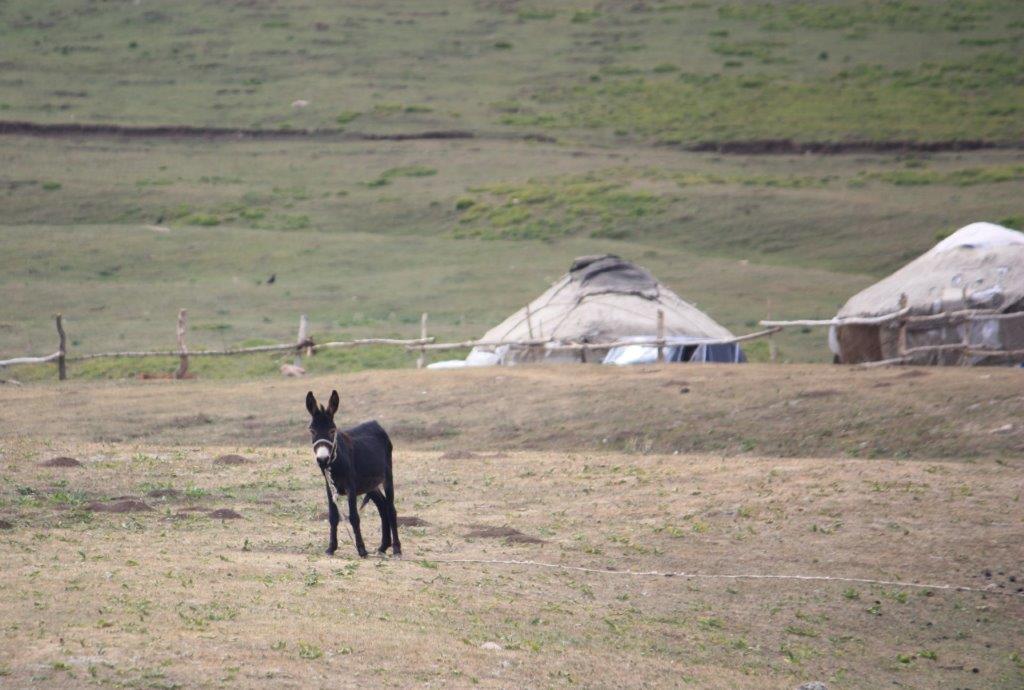
Donkey [Lyric Poem]

The Donkey 's known to be a stubborn beast,
But when one won't move - maybe wheels weren't greased.
I've seen angry humans push, pull, and tug,
But never give a peptalk or a hug.

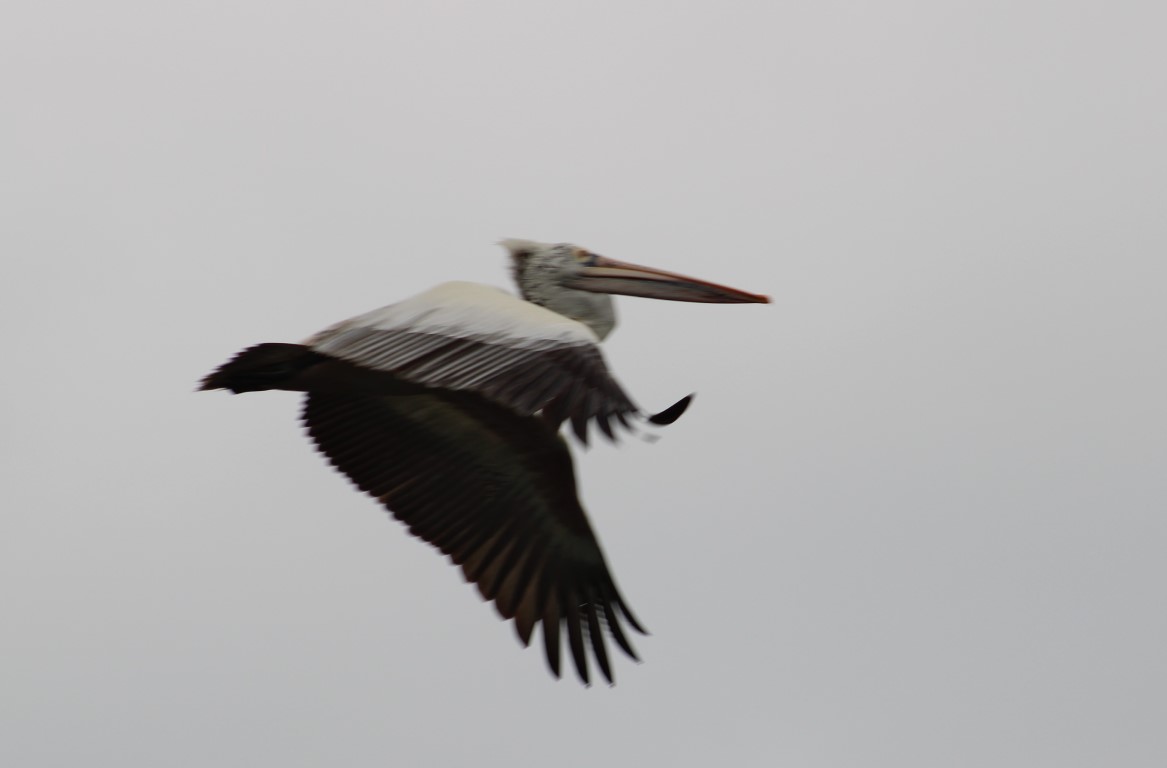
Pelican [Lyric Poem]

The Pelican, when it has formed a group,
Is said to be a squadron, pouch, or scoop.
I find that naming scheme quite puzzling;
Isn't its "pouch" where it keeps soup for guzzling?

“To fight aloud is very brave –” (138) by Emily Dickinson [w/ Audio]

To fight aloud, is very brave --
But gallanter, I know
Who charge within the bosom
The Calvary of Wo --

Who win, and nations do not see --
Who fall -- and none observe --
Whose dying eyes, no Country
Regards with patriot love --

We trust, in plumed procession
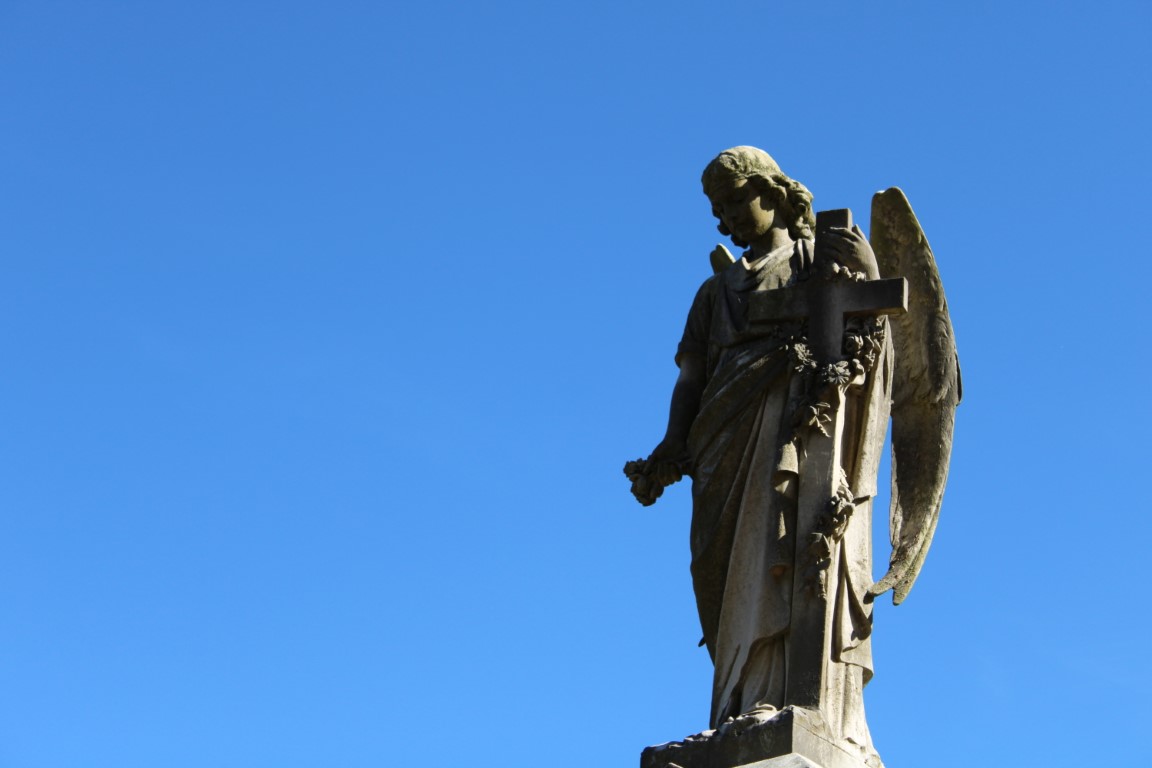
For such, the Angels go --
Rank after Rank, with even feet --
And Uniforms of snow.