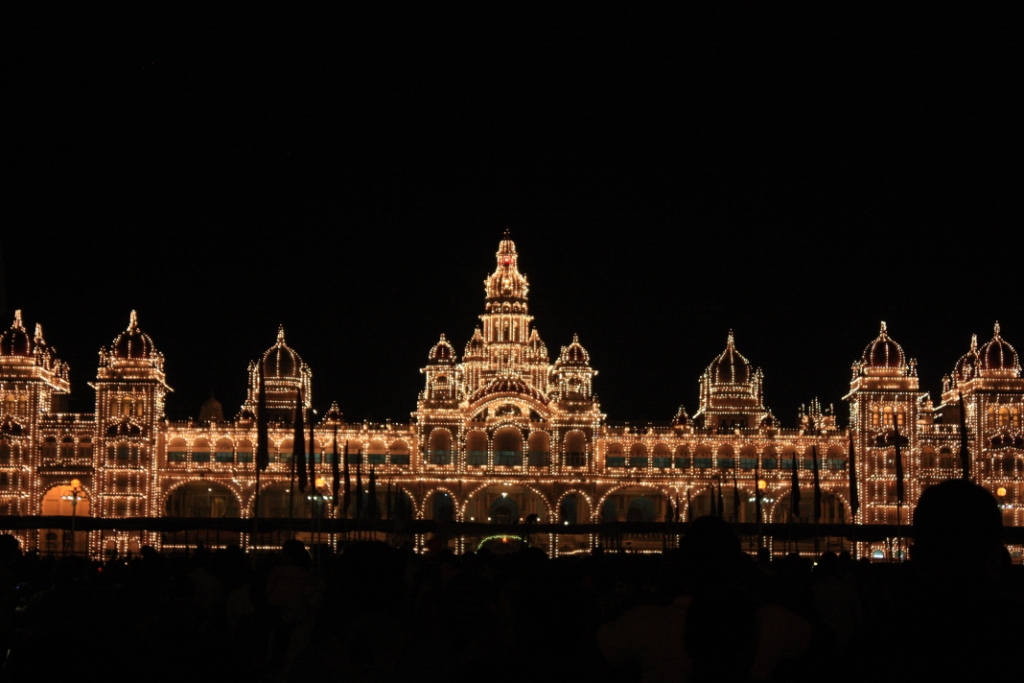
 A small group of friends, my wife, and I were in Mysore for the last day and a half of Dasara (Vijayadashami) festivities. We purchased the Gold Card tickets in order to have assigned seating to both the Jumboo Savaari Processional and the Torchlight Parade on the last day, as well as for free access to some of Mysore’s tourist attractions. As this proved to be a learning experience, I’ll provide some of our lessons learned so that they might help future visitors.
There is a page providing information about the Gold Cards on the official Mysore Dasara website, as well as relevant information amid the FAQ‘s (Frequently Asked Questions.) However, this left some questions unanswered. While the best way to get such questions answered is probably through the official Enquiries page or a call to the Deputy Commissioner’s office, some of these questions might not occur to one until one is in the thick of things, and the answer that one receives might not be helpful. So this post will be an unofficial, ancillary FAQ.
In 2014, there were two means by which to directly purchase tickets. One could go to the Deputy Commissioner’s Office in Mysore and purchase the tickets for the 7500Rs face value (roughly $122USD) or one could purchase them online through Ticket Genie for face value plus about 650Rs in charges (about $11USD.) (Plus, there may have been more costs associated with payment by credit card and with getting the ticket in hand.)
Question 1: I, like you, am a cheap skate who doesn’t live in Mysore and doesn’t want to pay rupees 650+ in fees, is there a cheaper way to acquire the Gold Cards?
We used Skyway Travel as an expediter and spent well under half of the online fees (i.e. 300Rs.) to get the tickets. Granted we would have incurred a little additional cost if we’d had to have Skyway deliver the tickets, but, as the office was located on a nearby street, there was no further costs. Even if we’d had to have them delivered, it would have remained much cheaper than the online route–especially as it sounds like one would still have such an additional charge with the online approach as well. Furthermore, Skyway gave us a nifty Mysore map and guidebook, both of which came in handy. Lest you think I’m a shill for Skyway, I will say that there may be other companies that would serve as expediters, and some may be cheaper. However, as they will undoubtedly want money up front, I wouldn’t go with a super cheap entity whose reputation is unknown.
Besides the Jumboo Savaari and Torchlight Parades, there’s a list of tourist attractions that the Gold Card holder may have entrance to. This list is on both the website and the pamphlet that you should receive with your Gold Card.
Question 2: Is the list of attractions that comes with the card all-inclusive?
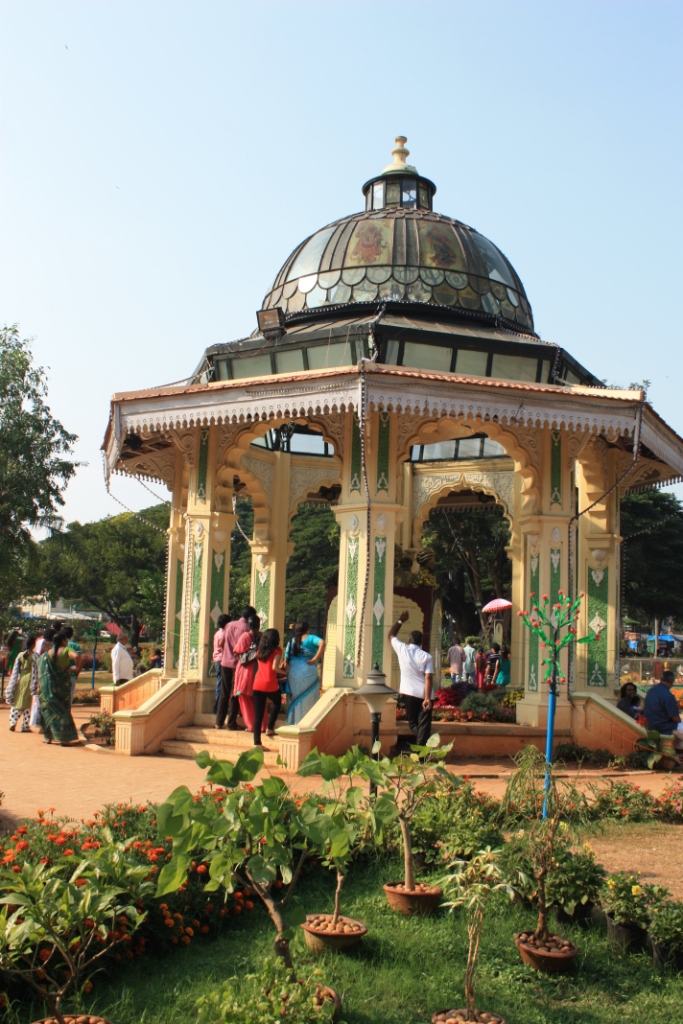
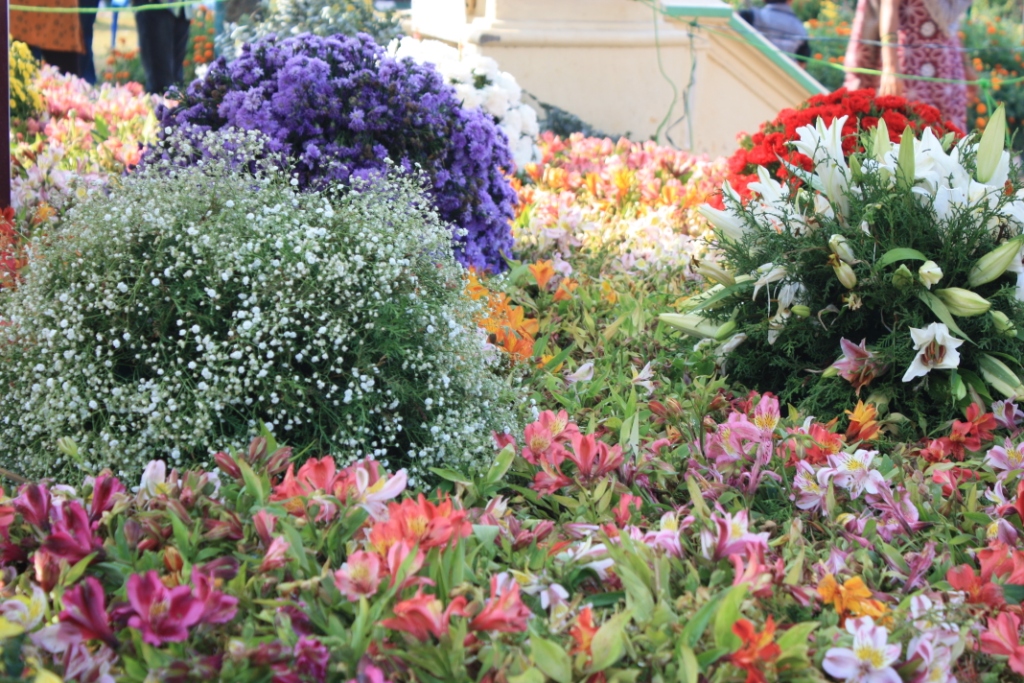
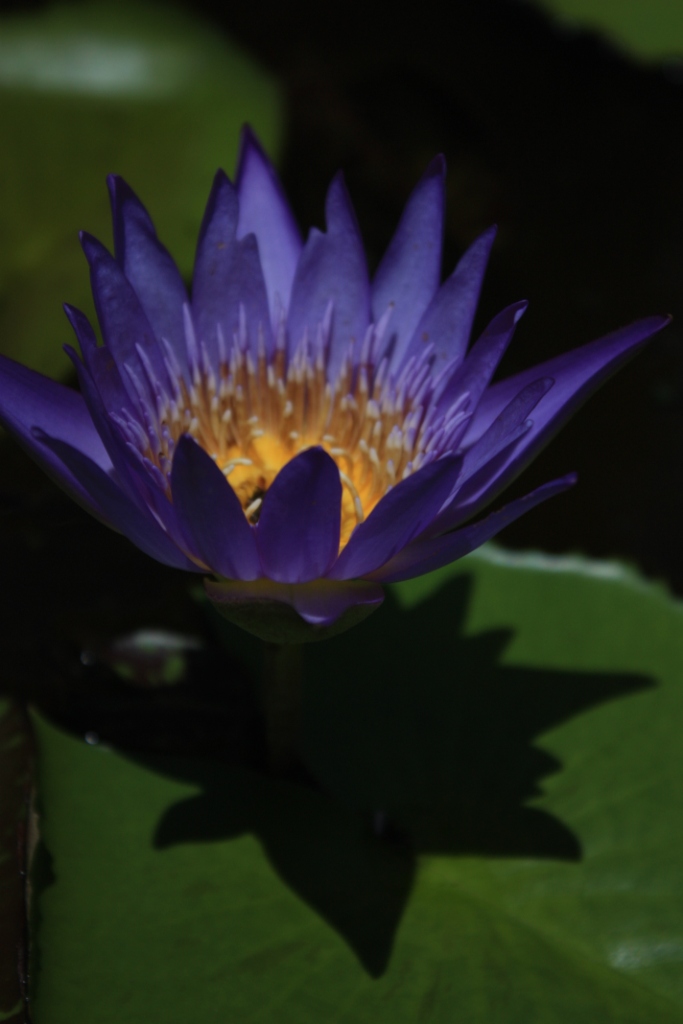
No. We found that our cards got us into a flower show that wasn’t specifically listed on our pamphlet. The actual wording introducing the list is “Free entry into tourist places.” So, in short, it’s worth giving it a try whether the location/event in question is listed or not. There are a lot of events going on just for the days of Dasara that one can learn about on the Mysore Dasara website. Also, please note that one listed attraction may not be available to you and that is the actual Mysore Palace. If you’re just going for the last couple days, the Palace will likely be closed for preparations. Fortunately, we had already seen the Palace and most other major Mysore tourist attractions on previous visits.
Question 3: Many tourist attractions require a separate fee be paid for those who have cameras (at least for cameras that appear to be “professional” to the cashier who usually isn’t a photographer and uses the crude formula: clunky and/or lens sticks out = professional.) Are camera fees included?
Short answer: Yes, or so it would seem. At our first stop, the aforementioned flower show, we were asked to pay the camera fee. We paid it, having no knowledge about whether it was or wasn’t covered. Our second stop was the Zoo, and there we didn’t have to get a ticket for the camera. (We’d been ushered in through a side entrance and really didn’t want to go back to the ticket window. It was more inconvenience than cheapness that had kept us from paying the fee.) At the Zoo, the ticket taker asked for my camera’s ticket, but when we showed our Gold Card, she spoke to her boss and was told to let us through. So the correct answer is that you may be asked to pay the camera fee, but you can probably talk your way out it by waving your Gold Card around.
The brochure and / or the back of the Gold Card itself told us start times for the parade and what number of gate to enter, but this still left questions.
Question 4: What time should I get to the gate for the Jumboo Savaari and Torchlight Parade?
Our brochure said the Jumboo Savaari started at 11am, and the travel agent suggested we should get there plenty early because we might not get in if we waited until 11am. Both pieces of information proved to be incorrect. I can’t really answer Question 4. Are you the type of person for whom having the best possible seats is of the utmost importance? If so you want to get there on the early side. Are you the type of person who sees red if you’re kept sitting around for hours while you twiddle your thumbs? If so, plan on showing up late.
What I can tell you is the actual timeline of happenings. It was 10:30 when they began checking tickets and letting Gold Card holders in through the gate. It was about 1pm when the parade went wheels up. Know thyself and show up accordingly.
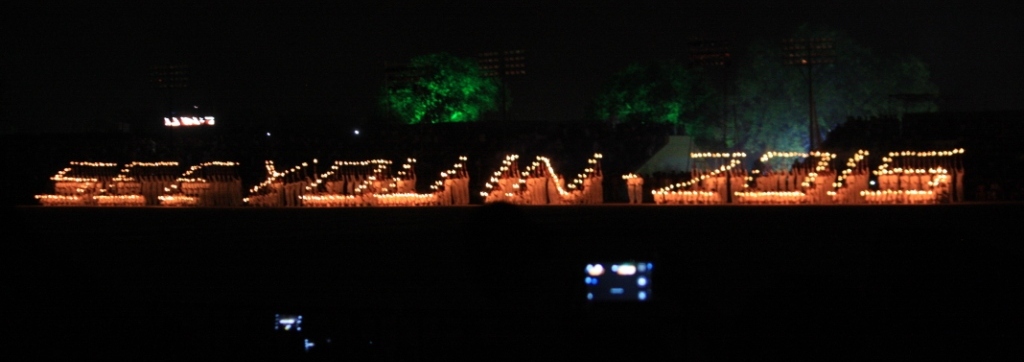
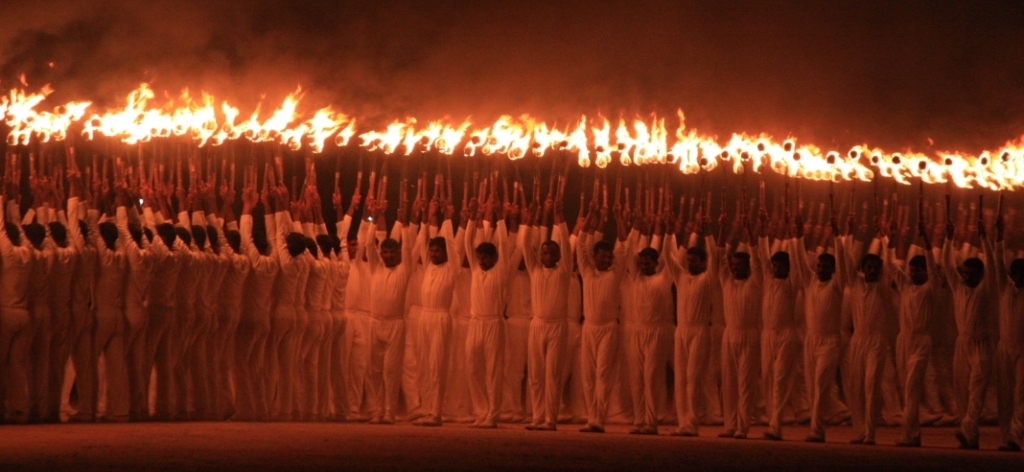
For the Torchlight Parade we showed up right around the published start time, and–while our seating options were limited to low seats with a camera stand in front of us (the latter didn’t matter because we didn’t look to the front but toward the center of the arena, which was laterally.) This event was begun with a military parade, and–while I won’t say it started with complete military precision–events began soon after the published start time.
Question 5: What time do the events end?
Both the Jumboo Savaari and the Torchlight Parade ran a little over 2 hours from the time they actually started (which, in the case of the Jumboo Savaari was well after the published start time.)
Question 6: They gave us a gate number to go to, but we have no idea which gate that is?
For the Jumboo Savaari, we were told to got to Gate 4. This turned out to be the gate on the South side, which is where one would normally enter if one were purchasing tickets to the palace. This is probably the norm as the procession exits the north gate and you will be toward the very beginning of the parade.
I guess this leads to the ultimate question.
Question 7: Were the Gold Cards worth it?
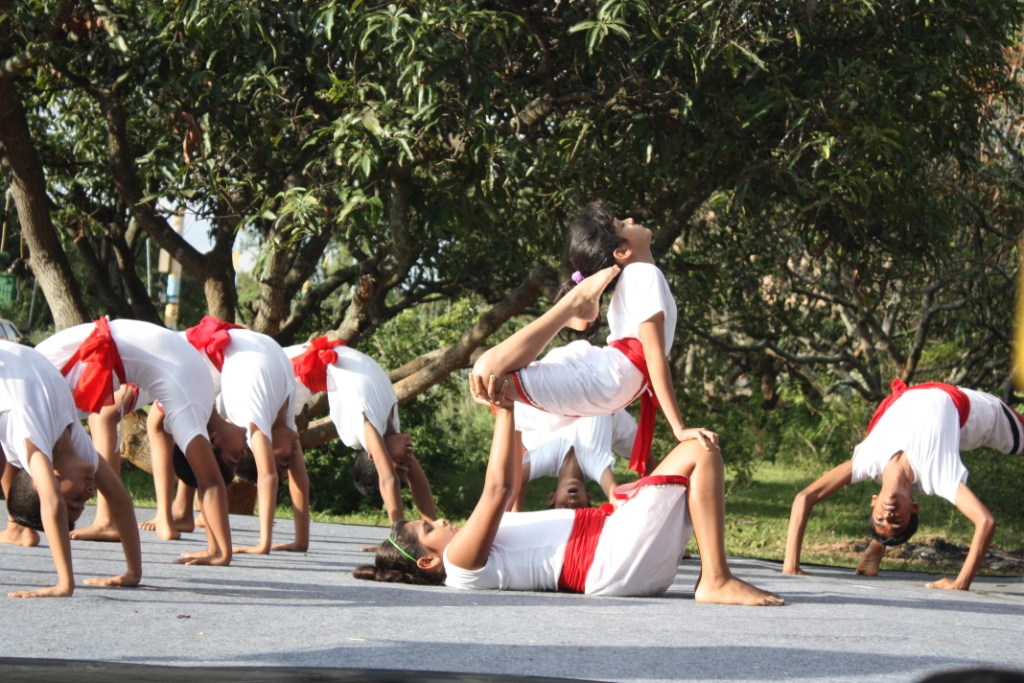
If you haven’t seen the Mysore tourist attractions, you can get a lot of value out of the Gold Card if you have enough time. We’d seen most of the ongoing attractions and were only there for a short time–such that we couldn’t take advantage of many of the events that occurred earlier in the week on subjects like art, film, yoga, and food.
We did visit the flower show and the Zoo, but, otherwise, it was all about the Jumboo Savaari and the Torchlight Parade. I was happier with our seats for the former than the latter. (This is not entirely because we got there early for the former and not for the latter.) The Gold Card seats for the Jumboo Savaari are right at the beginning of the parade route. There were multiple rows per tier, and so if you didn’t get in a front row, your view may have stunk–particularly if you were vertically challenged. If you stand up you will anger those behind you and possibly to the police monitoring the stands.
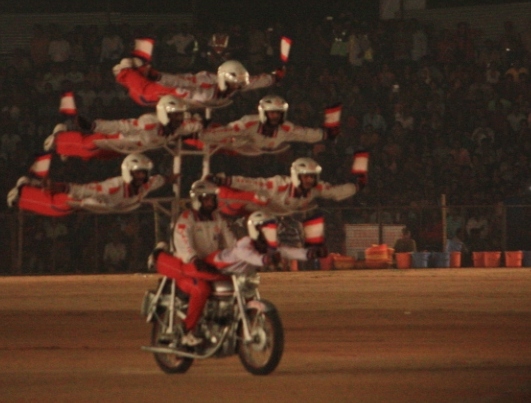
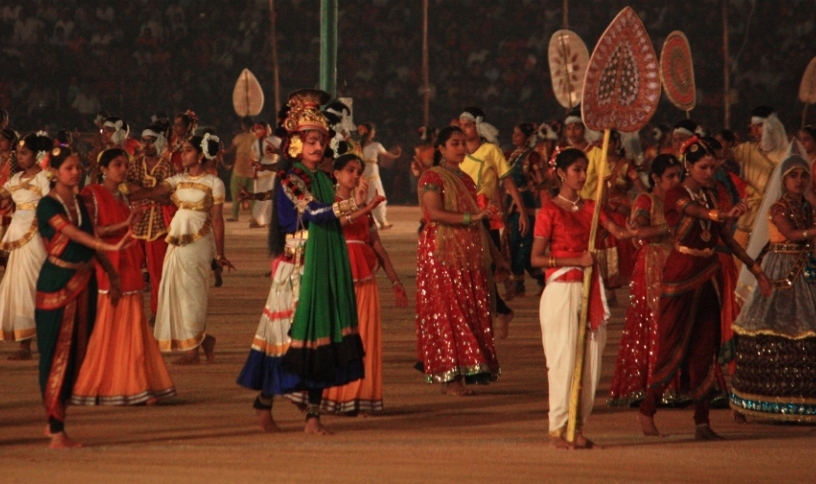
For the Torchlight Parade some portions, like the motorcycle stunt team, could be clearly viewed from the Gold Card holder’s portion of the stands, but the dance numbers were centered in the middle of the stadium and Gold Card holders couldn’t see that well. They did have big screens, but they weren’t that big or that close, and if I wanted to watch it on TV I’d buy the video that they seem to have been producing. (That was part of the problem is that the dance acts were densely clustered in front of the cameras, and from the ends it was hard to see.)
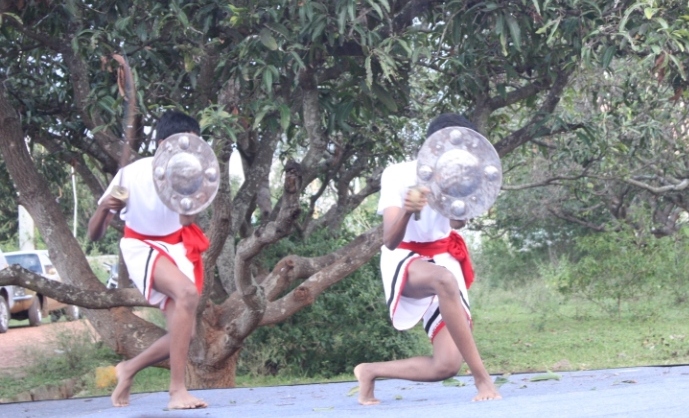
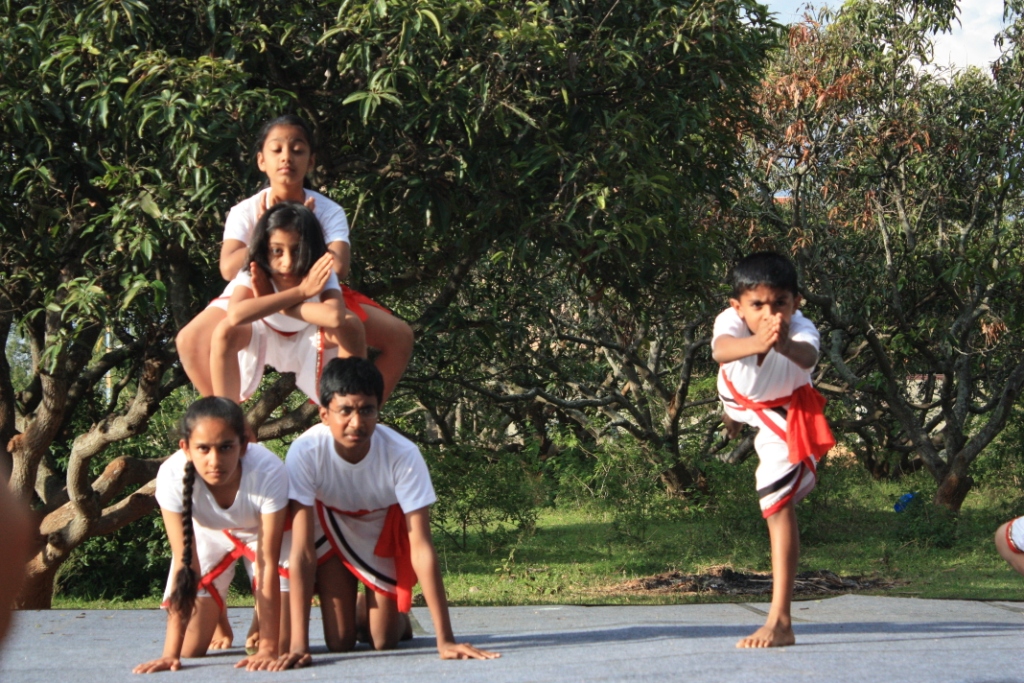
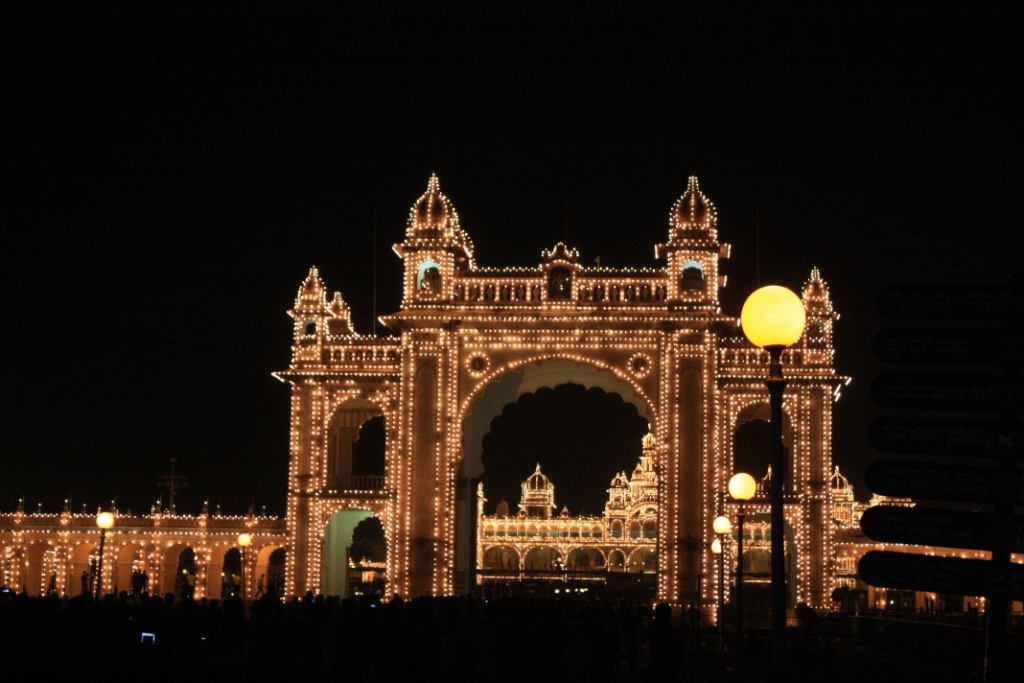
So it comes down to whether one is happy with what one does see. And what will you see?
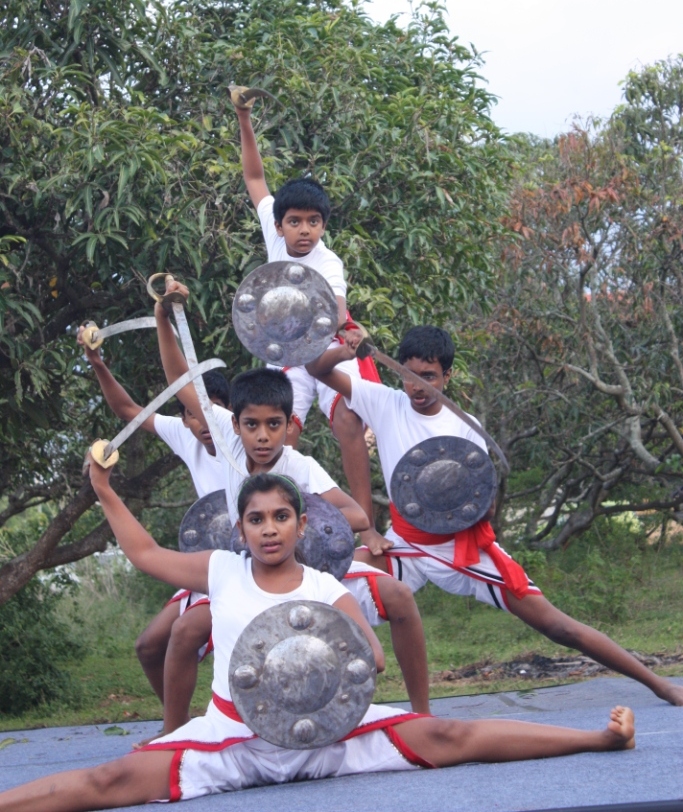
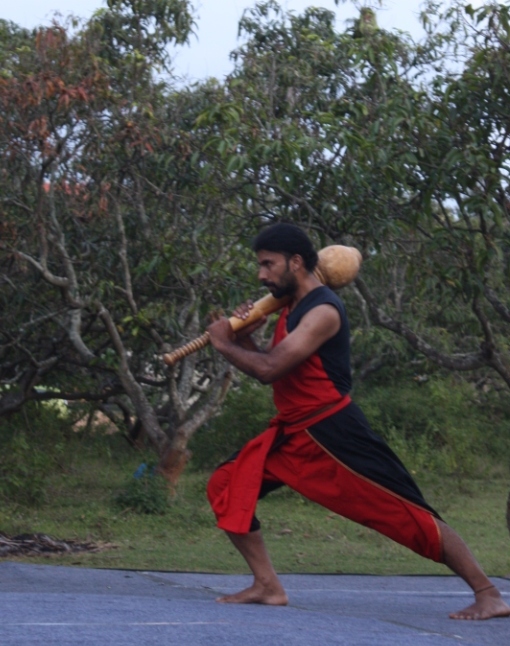
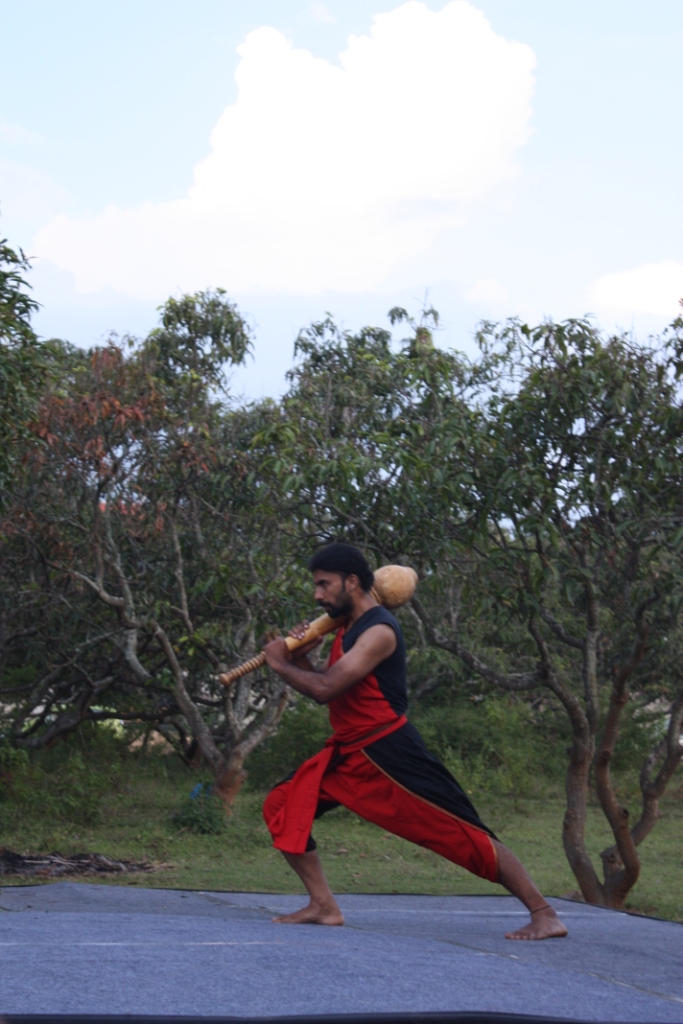
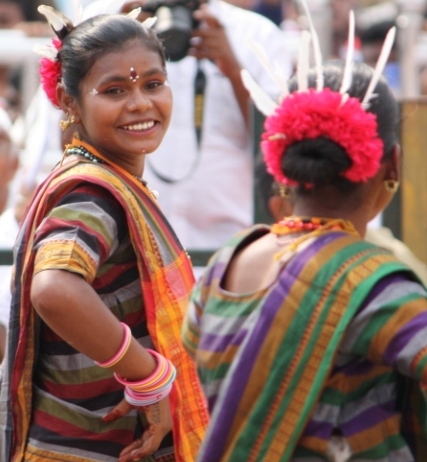
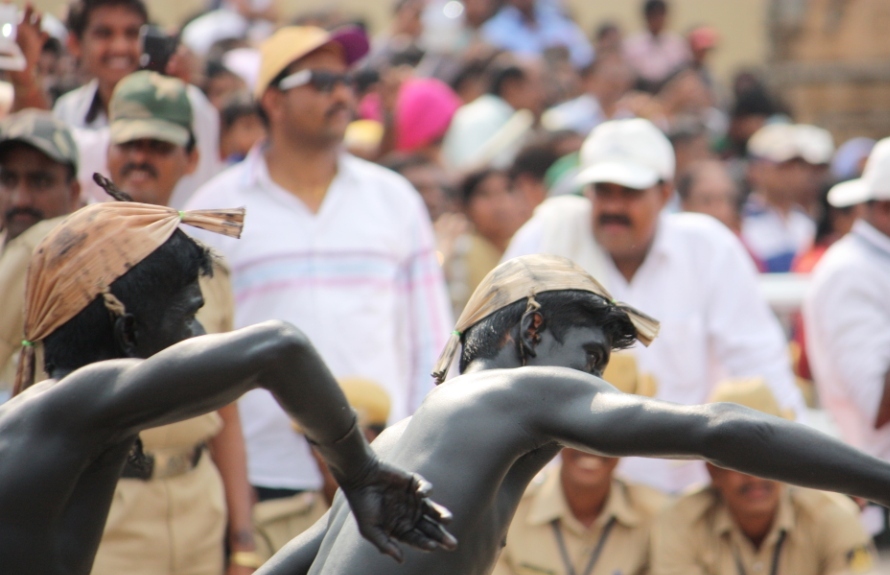
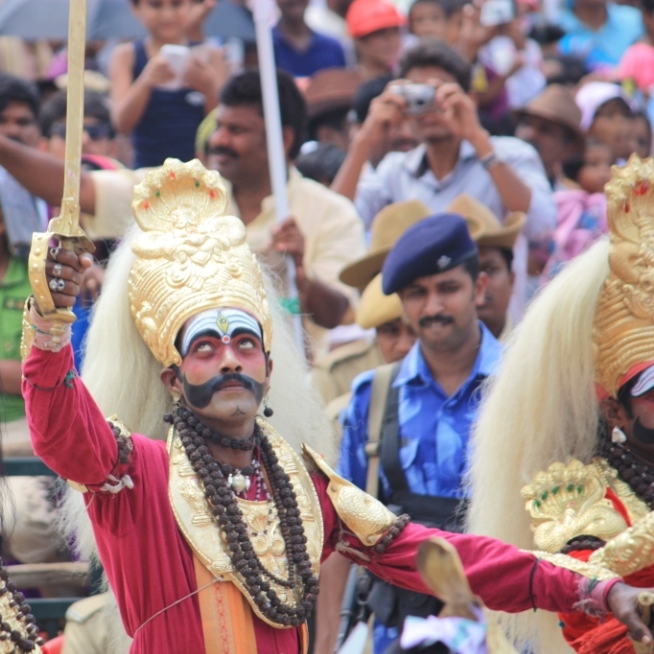
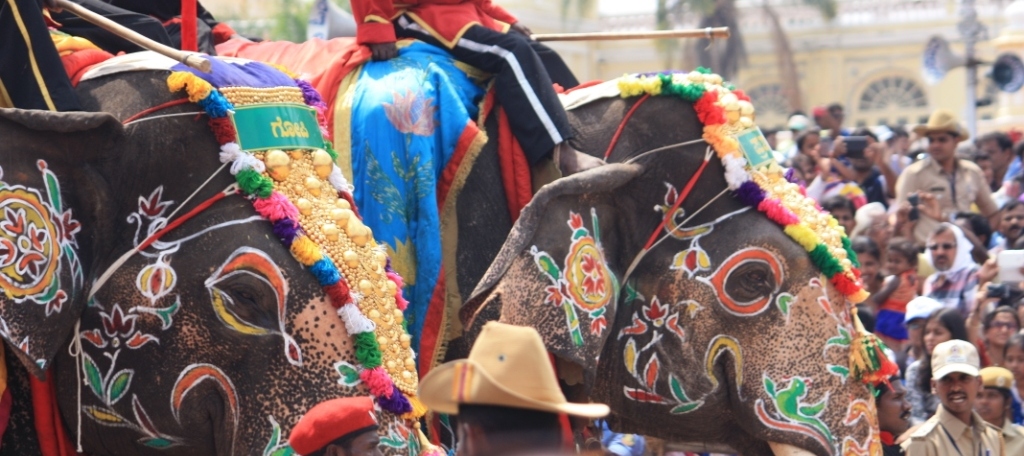
This and this and this and this and this.

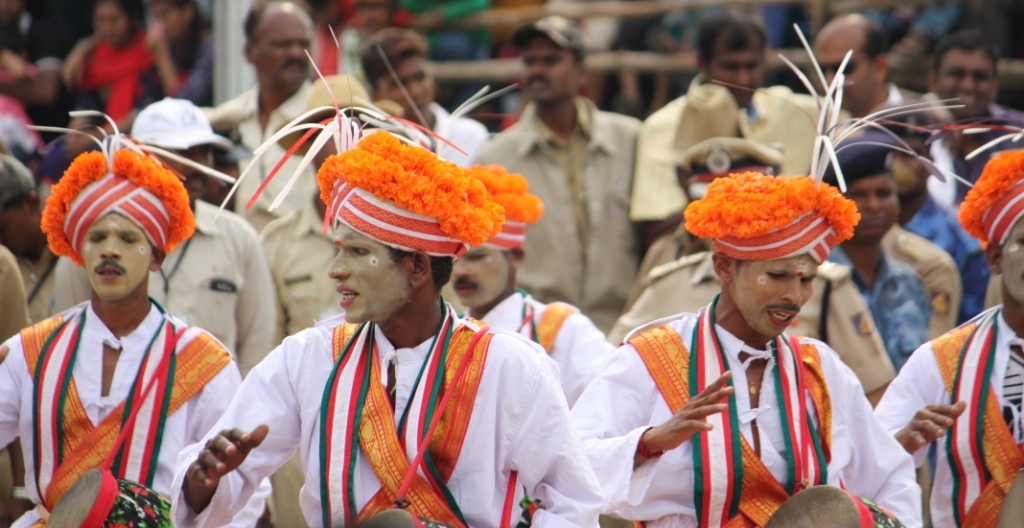
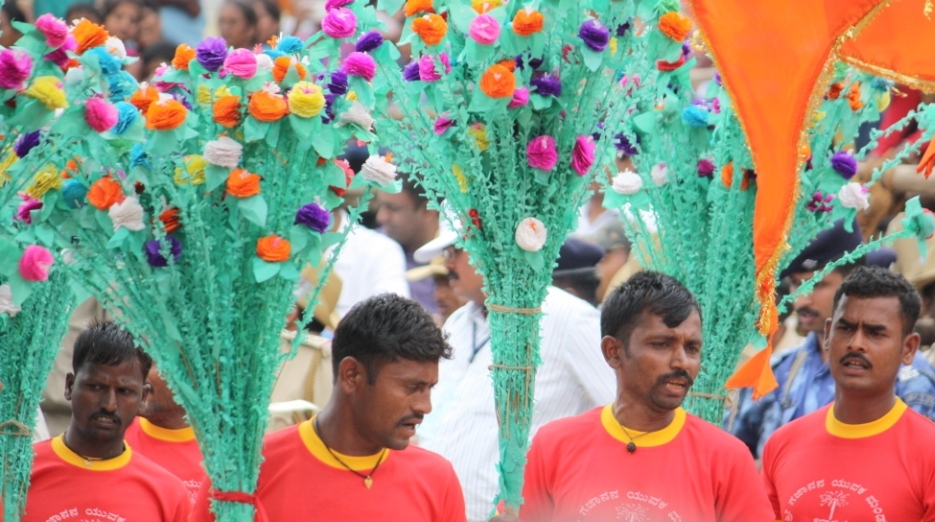
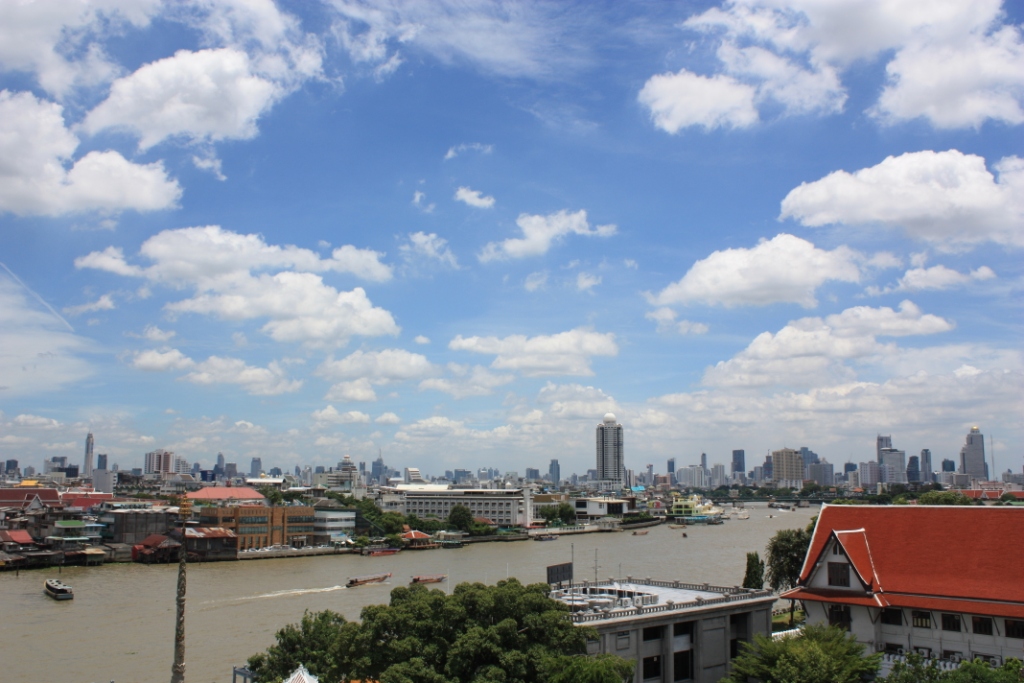
And this and this and this and this.

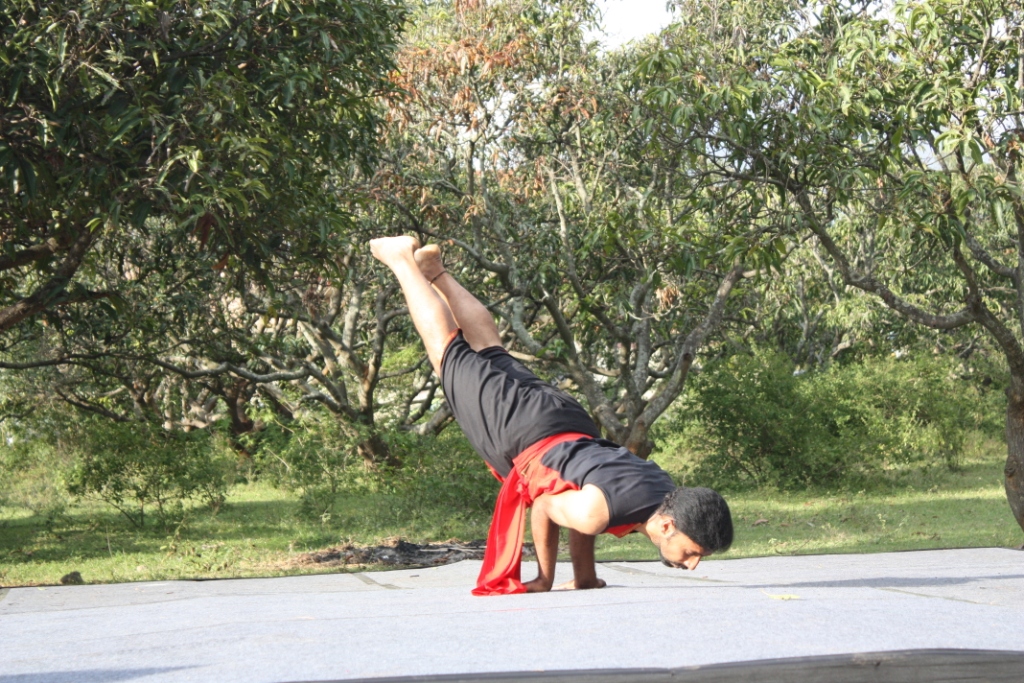
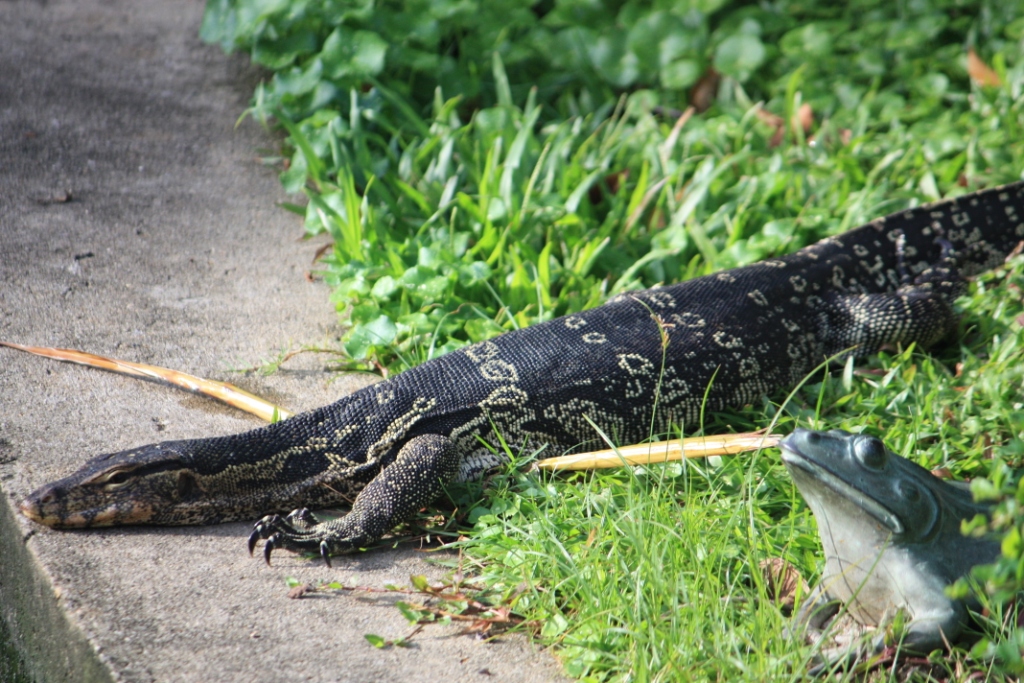
And this.
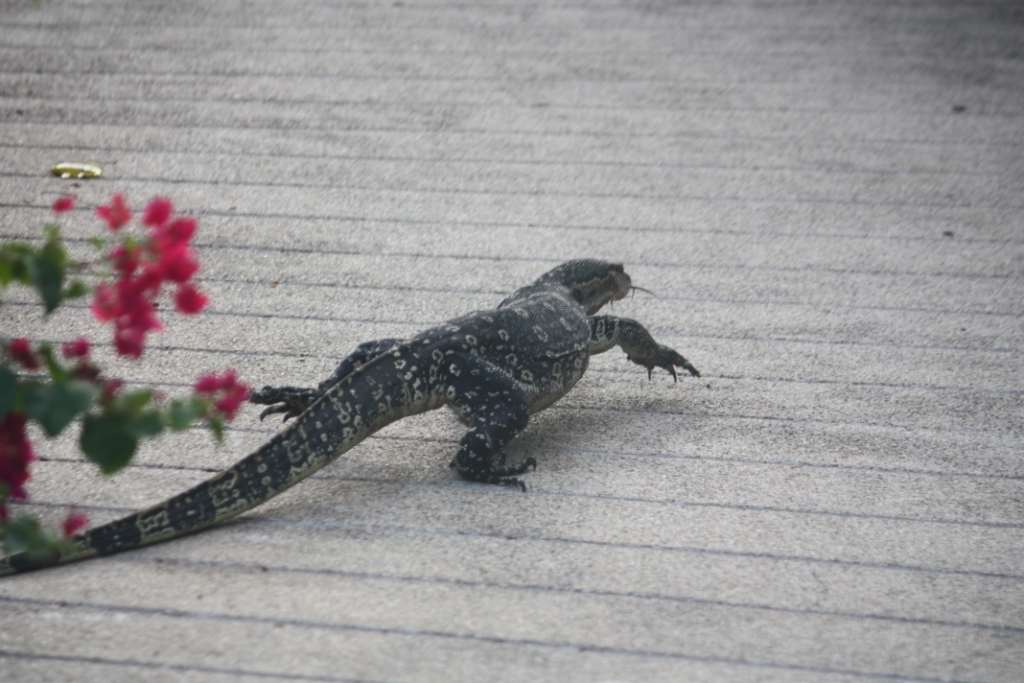
 And this.