That’s 1,000 Posts, and I’m Out of Here

This is my 1,000th post on this site, and I’ve finished it just in time to get on a plane and leave the country, rounding out my blogging year with a nice round number. It’s been fun, and I’ll be back in early January to crank it back up.

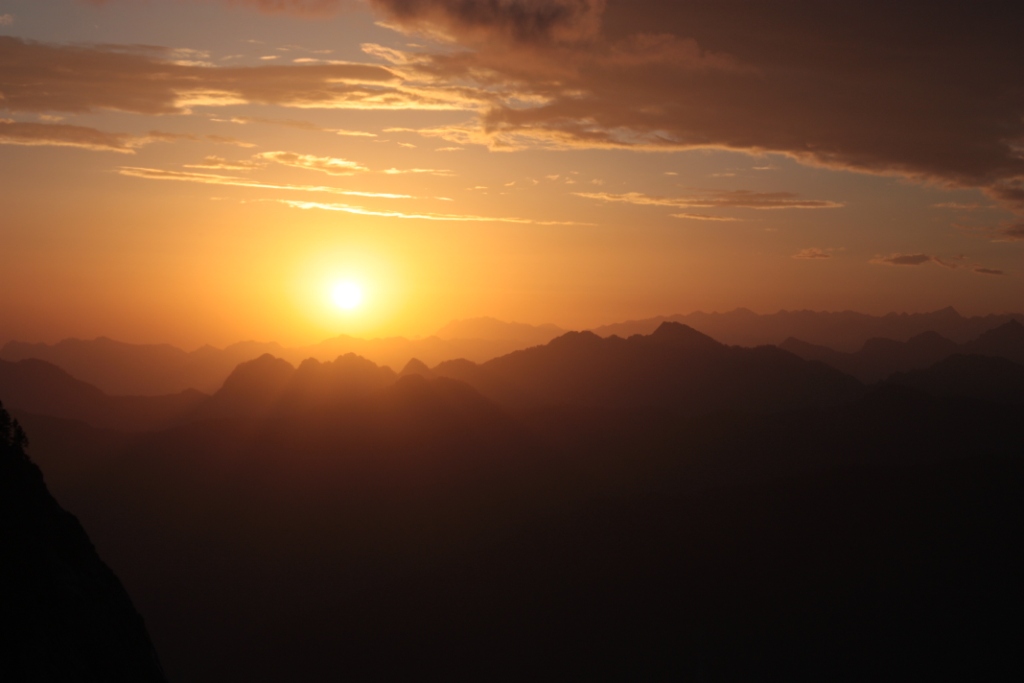
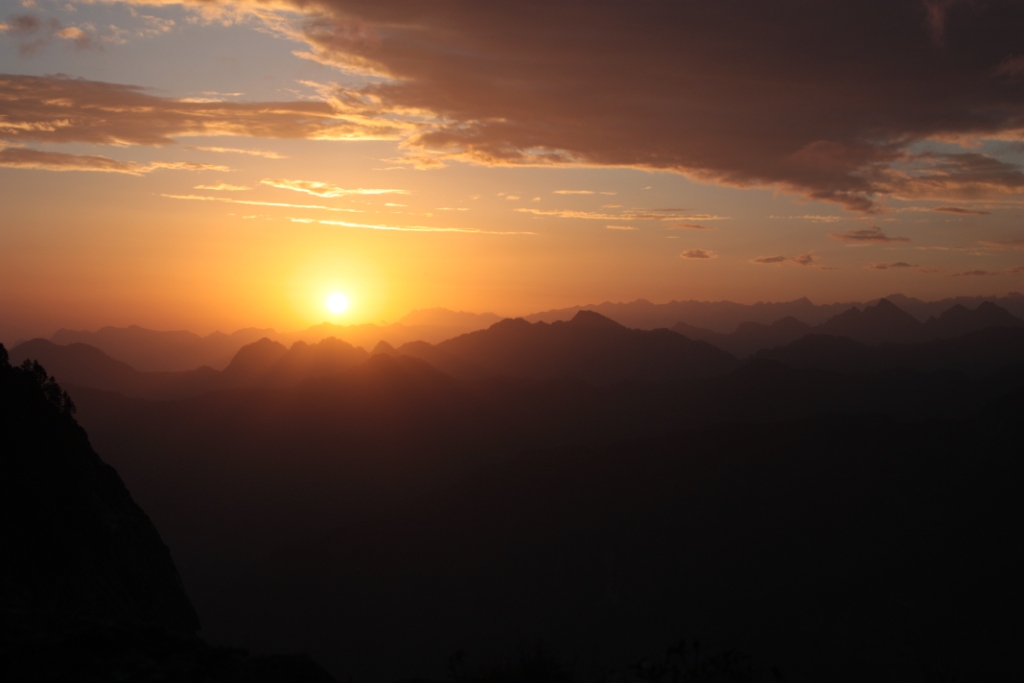
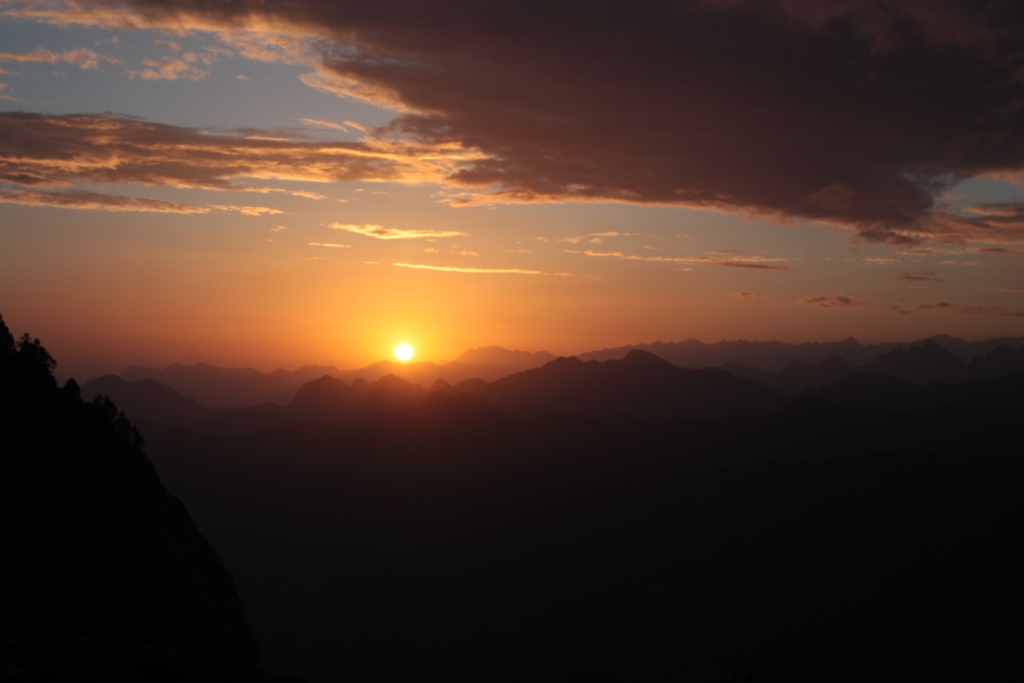
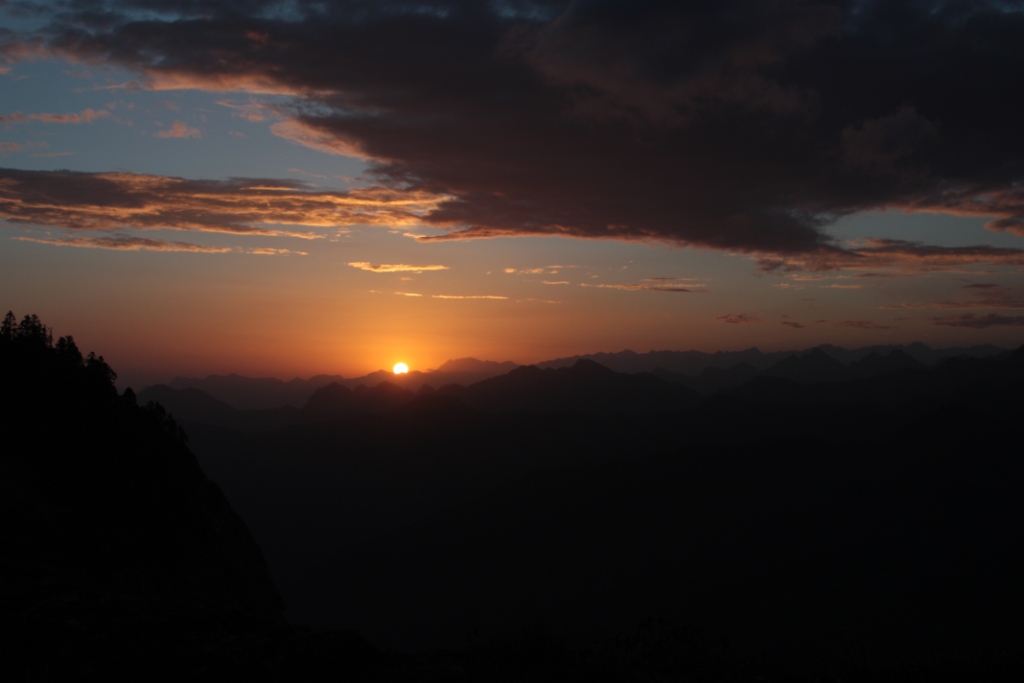
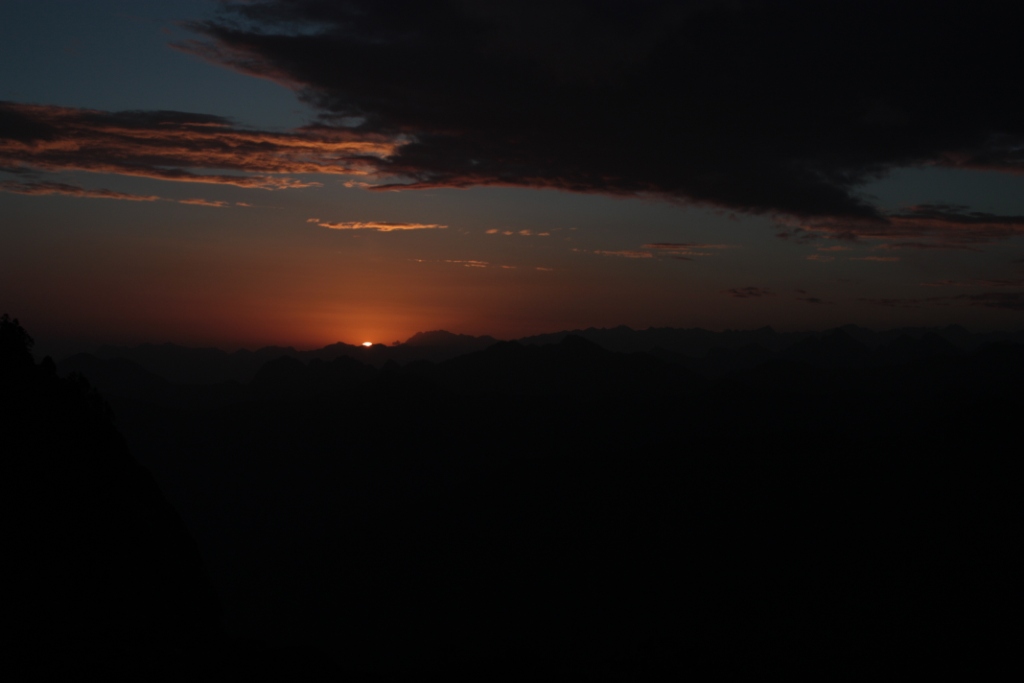
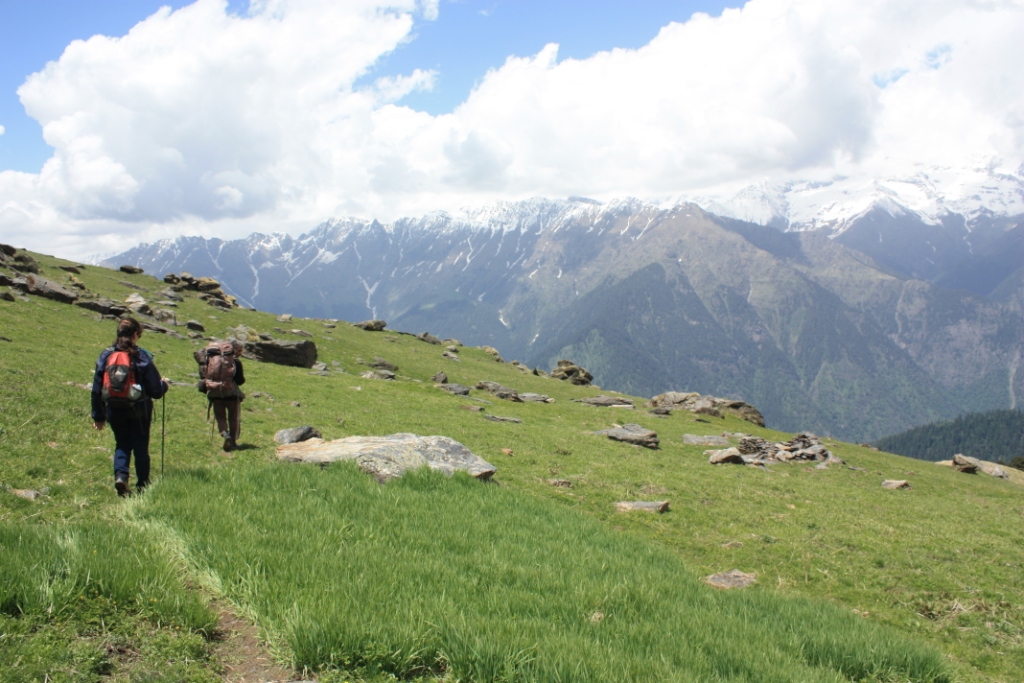
Here’s a photo of where I’ll be.

Skating_rink

Does That Mean What I Think It Does? No, No It Does Not

Would you like a kick in the crotch with your cupcake?

Would you like a kick in the crotch with your cupcake? (The name reads a bit hostile for an American.)

Cultural idiosyncrasies of language matter. In India on a daily basis I find myself asking, “They don’t mean what I think they mean, do they?” Here’s a few examples.

You mean you're selling clothes, just clothes?

You mean you’re selling clothes, just clothes? (The “Happy Ending” sale just seems a little risqué to me. If the smiley face was winking it would really be suggestive.)

No, Sir, I will not loofah you just because you bought the rice bath!

No, Sir, I will not loofah you just because you ordered the rice bath! (FYI: rice bath is a Karnataka rice dish with lentils.)

Cut my hair? I thought this was a saloon?

Cut my hair? I thought this was a saloon?

"Playing in the Park" is prohibited. Dear Park, What the hell are you good for? Signed Concerned Resident.

“Playing in the Park” is prohibited. Dear Park, What the hell are you good for? Signed Concerned Resident


DAILY PHOTO: Bangalorean Winter Flowers

Taken in Cubbon Park on December 13, 2014

Taken in Cubbon Park on December 13, 2014

The other day I posted a winter photo from Budapest to psyche myself up to experience winter for the first time in a while. Now I’m going the other route. As I pack to travel to a place with winter, I’m posting some of the flowers currently blooming in Cubbon Park.

20141215_163014

20141215_163006

Taken in Cubbon Park on December 13, 2014.

Taken in Cubbon Park on December 13, 2014.


Learning to Leap: Why?

IMG_1631Leaping maneuvers are ever-present in martial arts movies and in some martial arts (e.g. Indian Kalaripayattu and some forms of Kung fu). However, these acrobatic techniques are rarely seen–and are even less often successful–in combative encounters (neither in sport nor in the real world–excepting those sports that highly reward such maneuvers and create rules that make them feasible for entertainment value.)


Why leaping, spinning wildness is popular in movies is easy. We thrill to see extremely demanding action that draws ooohs and ahhhhs. It’s the same reason one wants to watch a parkour runner vault over a car (presuming it’s not one’s car), even when it would be infinitely more practical to walk around it. It’s why we want to see gymnasts tumbling and flipping through the air even though walking across the floor is both easier on the joints and less hazardous.


However, the question of why martial arts that aren’t purely for entertainment practice leaping maneuvers. Even a few of the quintessentially pragmatic Japanese martial arts, which follow the motto “eliminate the extraneous” have some leaping techniques. One of the schools I’ve studied, Kotō-ryū Koppōjutsu has a scroll devoted to leaping techniques, despite the fact that it’s otherwise a grounded system–both literally and figuratively. Muay Thai, which also values tried and true winning basics over snazziness, also has leaping knee strikes in its repertoire, though one doesn’t see them a lot in fights. It’s true that the arts that emphasize practicality but have leaping and spinning techniques tend to have a different approach to them. The Kotō-ryū Hichōjutsu (that school’s leaping techniques) emphasize eliminating big wind-ups, and going straight into the leap from a natural posture. This gives one less air, but is much less obvious. It’s particularly useful if you don’t really want air, but you just want to leap as much as you must.  But why leap at all?

Creating this kind of spring loading of the legs may not fly.

Creating this kind of spring loading of the legs may not fly.

This kind of windup would be anathema to schools.

This kind of windup would be anathema to some schools


There are a number answers to this question. First, while it’s hard to make aerial techniques work, when they work, they can be devastatingly effective. There are few ways to put more power into a strike than to literally put all of one’s body-weight in motion under the force of gravity. There’s understandably something unsatisfying about this explanation. I think it mostly has to do with the dearth of second chances in combative encounters. Few second chances make one want to have the highest likelihood of success on the first go.


Second, while tried-and-true, go-to techniques work because they are hard to defeat and /or they minimize one’s risk of a fight-ending counter, some techniques work because they catch the opponent off-guard. Such techniques work because the opponent can’t believe one is actually trying something so wild on them. However, failing to anticipate the unusual, the opponent hasn’t trained a response into themselves. This answer gets us somewhere in cases where either the situation is dire or one knows something about the opponent.


Third–and I would argue most importantly–these techniques produce explosively powerful legs that are beneficial to a martial artist even when he stays on the ground. In other words, maybe they are more important in the role of capacity building than they are as actual techniques to be emulated.

The split kick allows one to kick two opponents at once--as long as they aren't moving and are  perfectly spaced. However, it does require a multidimensional fitness that's beneficial for martial artists. (Which is why I can't do it well.)

The split kick allows one to kick two opponents at once–as long as they aren’t moving and are perfectly spaced. However, it does require a multidimensional fitness that’s beneficial for martial artists. (Which is why I can’t do it well.)


Finally, there’s one more reason that is important but was last because I didn’t even learn this lesson until I was reviewing the photos for this post, and that’s that these techniques require a whole new level of bodily awareness and control. I would generally be considered to have pretty good bodily awareness. I’ve been doing martial arts a long time, have practiced various kinds of yoga and chi gong, and have done my share of other physical training. Still, when I looked at my photos I found that I often had body parts jutting every which way. While one may argue that one doesn’t need that brand of bodily awareness if one is not using that kind of motion, I think that it probably helps with one’s awareness at high-speed in general and that many arts don’t adequately prepare one for keeping one’s body under control when there are those extra forces (e.g. centripetal & centrifugal, and gravity) acting upon it.

In my mind this looked completely different. I didn't have my arms out to the side like I was on a cross and my heel standing leg heel was still up near my buttock.

In my mind this looked completely different. I didn’t have my arms out to the side like I was on a cross and my heel standing leg heel was still up near my buttock.


One aspect of bodily awareness that is particularly important for these maneuvers is control of the eyes. In the arts I’ve studied, there has always been emphasis on the placement of the eyes. However, given all the little details one had to keep in mind, it was a reality easy aspect to half-ass. However, when one is leaping, and particularly if there is a spinning component, wandering eyes translates to crash and burn.

Entering the spin.

Entering the spin.

Mid spin / mid kick

Mid spin / mid kick. I have no idea why my right index finger is pointed down.


I’m not built for leaping. It’s not so much the leaping, but–in the immortal words of Tom Petty–“Coming down is the hardest thing.” I figured that getting to the level of Kalaripayattu training that involves a lot of leaping would be the end of that art for me. As I mentioned, there are some leaping techniques in the martial art I studied, but I was never particularly good at them. When I was young and had the proper body for it, I didn’t have the right mindset, and when I got older I was lacking the physical capacity for them. However, I’ve learned quite a bit about my body through the practice of these techniques, and I’m interested to see what level I can take it to.

IMG_1654


DAILY PHOTO: Fatehpur Sikri Garden

Taken in the Fall of 2013 at Fatehpur Sikri

Taken in the Fall of 2013 at Fatehpur Sikri

DAILY PHOTO: Winter Markets in Budapest

Taken in Budapest in the Winter of 2008.

Taken in Budapest in the Winter of 2008.

100_3457

Later in the week I will be traveling to Hungary. I’m posting this to psych myself up to experience winter. For the past year-and-a-half I’ve been living where there are only two seasons–rainy and dry. Before that I was living in Atlanta, where winter is generally a half-hearted affair. So this will be my first real winter in a few years.

DAILY PHOTO: The Path Forks and Narrows

Taken in Hampi in November of 2013.

Taken in Hampi in November of 2013.

DAILY PHOTO: Buddhas in Saffron

Taken in August of 2014 in Ayutthaya, Thailand.

Taken in August of 2014 in Ayutthaya, Thailand.

These Buddhas line the perimeter of an important structure at the Wat Yai Chai Mongkol in Ayutthaya.

DAILY PHOTO: Street Food Art

Taken in Bangkok in September of 2014.

Taken in Bangkok in September of 2014.

This street vendor made crepes in the shape of various cartoon characters. The little drawings hanging from the front of the cart were the pictures you could select from. Or you could get a hot dog rolled in a crepe (pig in a blanket variation.)

DAILY PHOTO: Ajanta Wall Murals

Taken on November 19, 2014 in Ajanta Caves

Taken on November 19, 2014 in Ajanta Caves

IMG_0421 IMG_0424IMG_0341 IMG_0324In the caves of Ajanta, many wall paintings have been preserved. As harsh light can damage these artworks, some of which have survived for centuries, flashes and outside lighting are prohibited. Therefore, it’s a challenge get decent photos, but here are a few attempts.