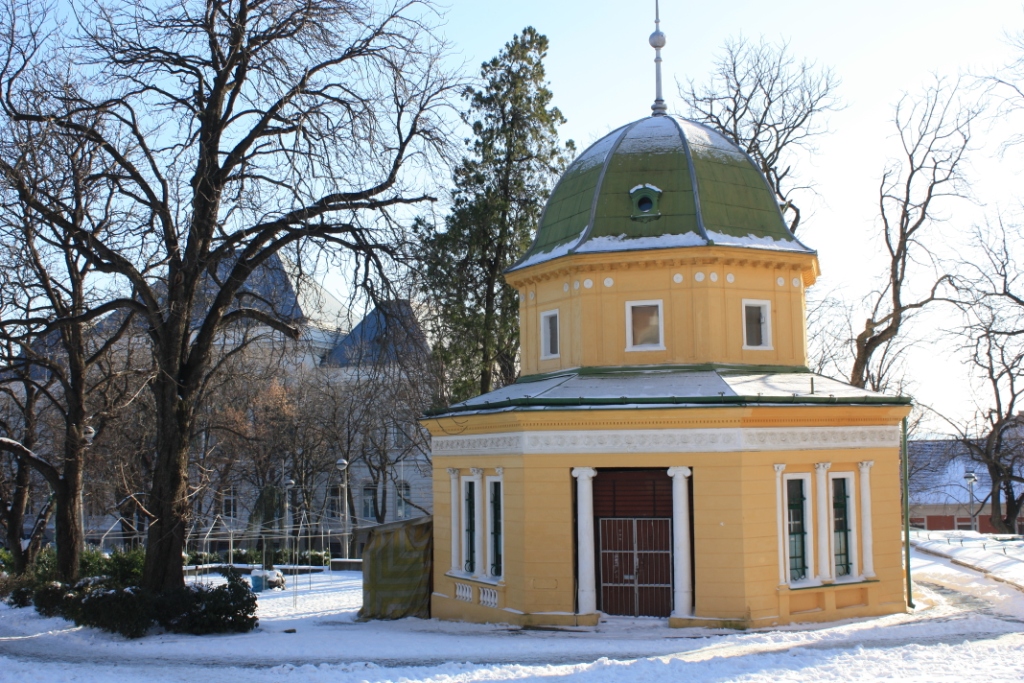
I walked abroad in a snowy day:
 I ask'd the soft snow with me to play:
 She play'd & she melted in all her prime,
 And the winter call'd it a dreadful crime.
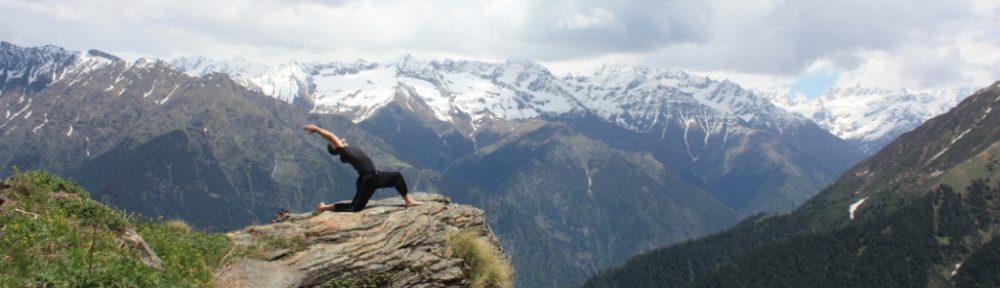
I walked abroad in a snowy day:
I ask'd the soft snow with me to play:
She play'd & she melted in all her prime,
And the winter call'd it a dreadful crime.
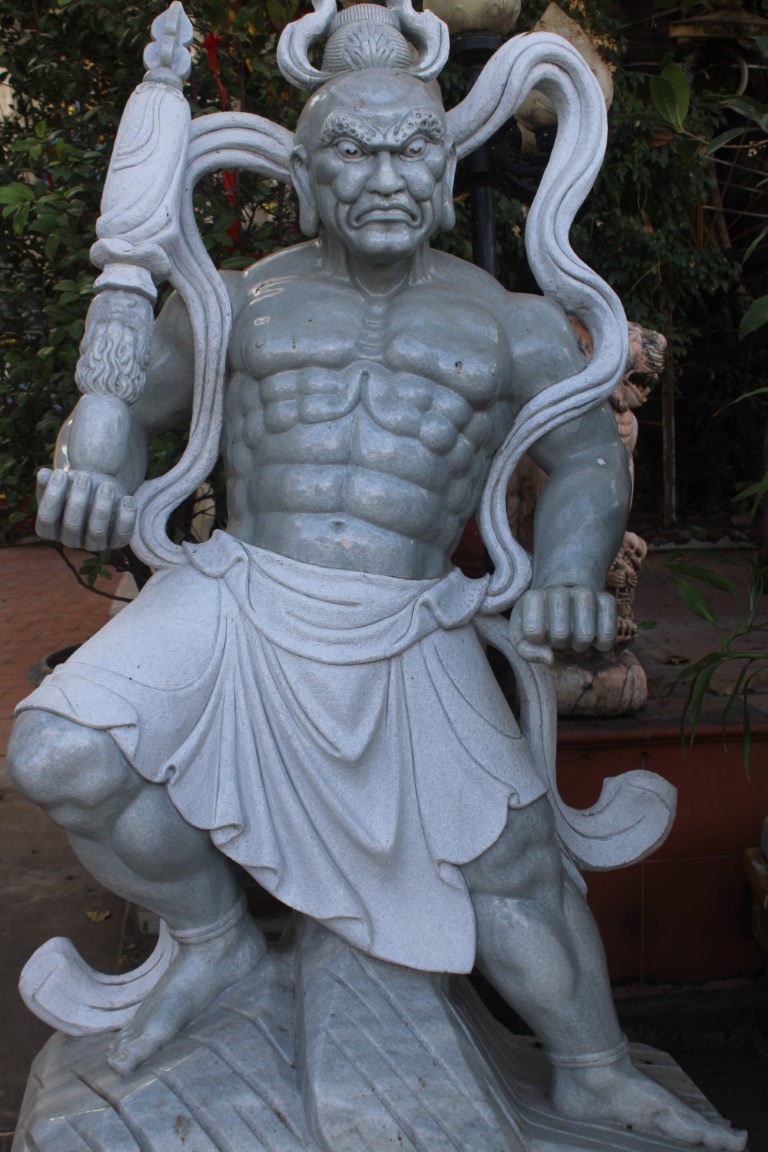
Cruelty has a Human Heart,
 And Jealousy a Human Face;
 Terror the Human Form Divine,
 And Secrecy the Human Dress.

The Human Dress is forged Iron,
 The Human Form a fiery Forge,
 The Human Face a Furnace seal'd,
 The Human Heart its hungry Gorge.
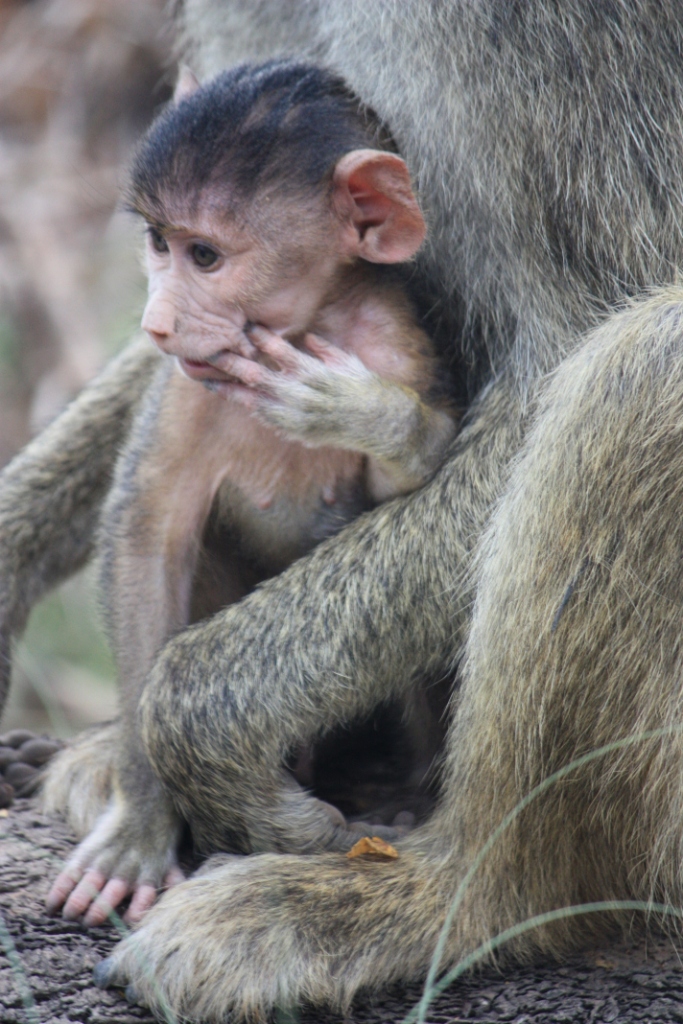
My mother groan'd! my father wept.
 Into the dangerous world I leapt:
 Helpless, naked, piping loud:
 Like a fiend hid in a cloud.

Struggling in my father's hands,
 Striving against my swadling bands.
 Bound and weary I thought best
 To sulk upon my mother's breast.
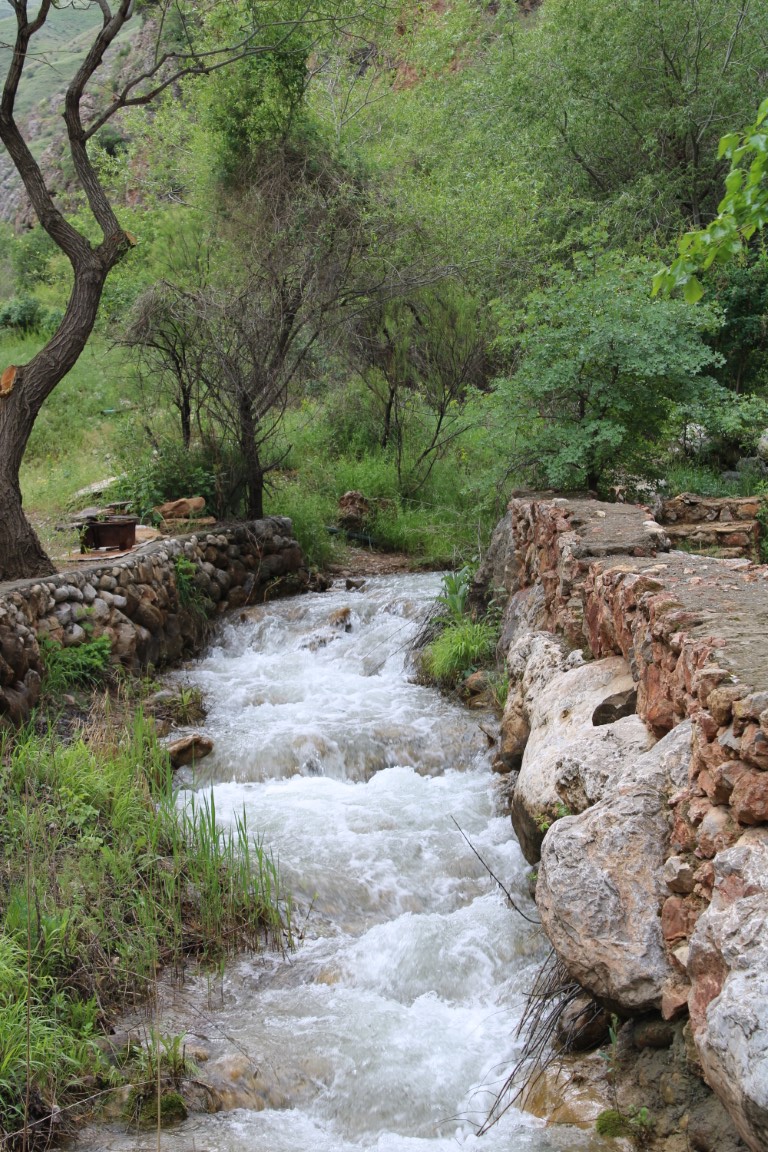
All the stream that's roaring by
   Came out of a needle's eye;
 Things unborn, things that are gone,
    From needle's eye still goad it on.
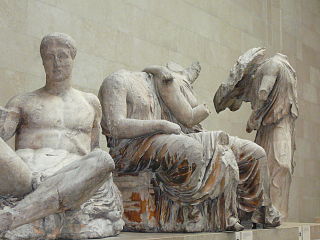
My spirit is too weak -- mortality
   Weighs heavily on me like unwilling sleep,
   And each imagined pinnacle and steep
 Of godlike hardship tells me I must die
 Like a sick eagle looking at the sky.
   Yet 'tis a gentle luxury to weep
   That I have not the cloudy winds to keep
 Fresh for the opening of the morning's eye.
 Such dim-conceived glories of the brain
   Bring round the heart an undescribable feud;
 So do these wonders a most dizzy pain,
   That mingles Grecian grandeur with the rude
 Wasting of old time--with a billowy main --
   A sun--a shadow of a magnitude.
"Time to put off the world and go somewhere
 And find my health again in the sea air,"
 Beggar to beggar cried, being frenzy-struck,
 "And make my soul before my pate is bare;

"And get a comfortable wife and house
 To rid me of the devil in my shoes,"
 Beggar to beggar cried, being frenzy-struck,
 "And the worse devil that is between my thighs.

"And though I'd marry with a comely lass,
 She need not be too comely -- let it pass,"
 Beggar to beggar cried, being frenzy-struck,
 "But there's a devil in a looking glass.

"Nor should she be too rich, because the rich
 Are driven by wealth as beggars by the itch,"
 Beggar to beggar cried, being frenzy-struck,
 "And cannot have a humorous happy speech.

"And there I'll grow respected at my ease,
 And hear amid the garden's nightly peace,"
 Beggar to beggar cried, being frenzy-struck,
 "The wind-blown clamor of the barnacle-geese."
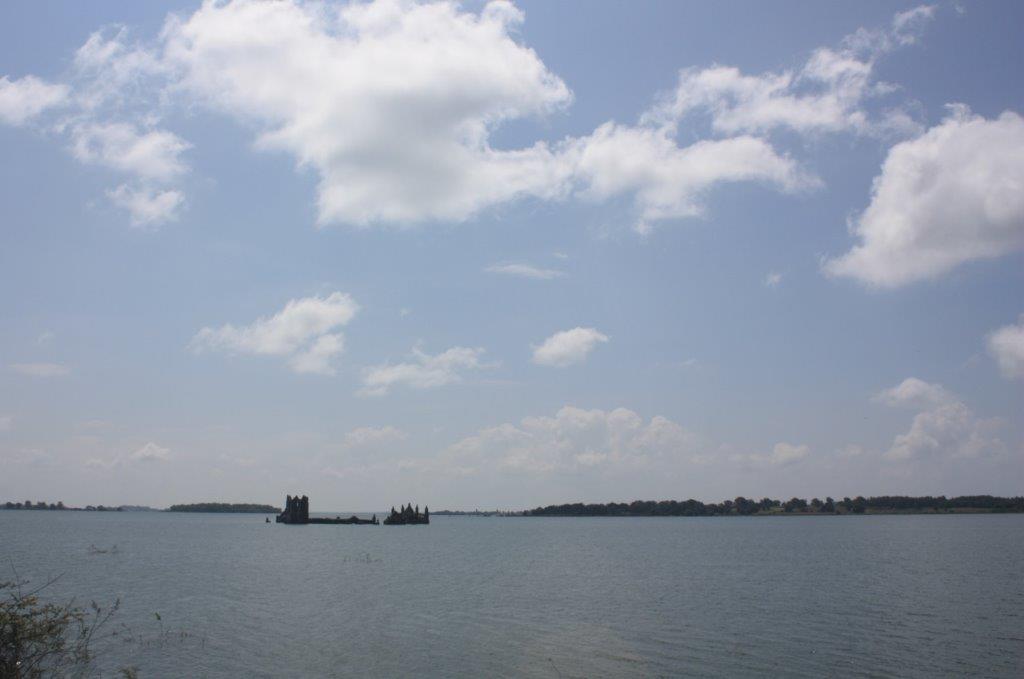
Gold-brown upon the sated flood
 The rock-vine clusters lift and sway:
 Vast wings above the lambent waters
   brood
 Of sullen day.

A waste of waters ruthlessly
 Sways and uplifts its weedy mane,
 Where brooding day stares down
   upon the sea
 In dull disdain.

Uplift and sway, O golden vine,
 Thy clustered fruits to love's full
   flood,
 Lambent and vast and ruthless as is
   thine
 Incertitude.
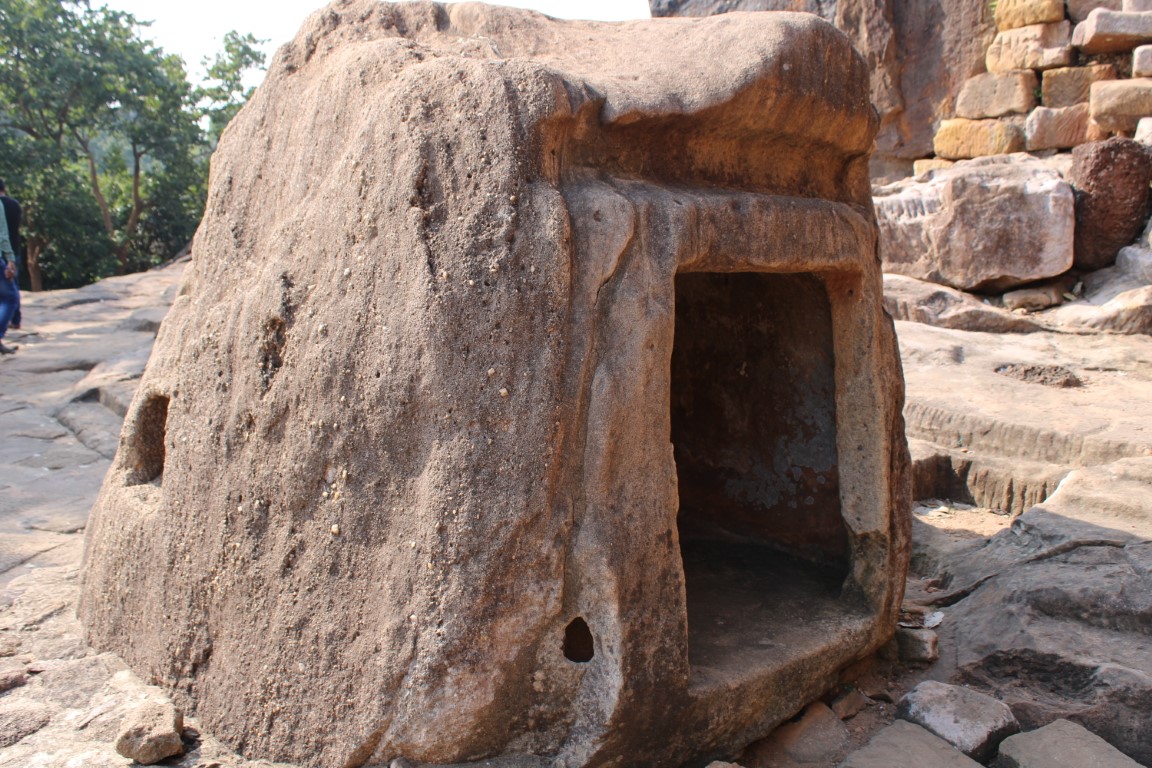
Nuns fret not at their convent's narrow room;
  And hermits are contented with their cells;
  And students with their pensive citadels;
  Maids at the wheel, the weaver at his loom,
 Sit blithe and happy; bees that soar for bloom,
  High as the highest Peak of Furness-fells,
  Will murmur by the hour in foxglove bells:
  In truth the prison, into which we doom
 Ourselves, no prison is: and hence for me,
  In sundry moods, 'twas pastime to be bound
  Within the Sonnet's scanty plot of ground;
  Pleased if some Souls (for such there needs must be)
 Who have felt the weight of too much liberty,
  Should find brief solace there, as I have found.
He thought he saw an Elephant,
   That practised on a fife:
 He looked again, and found it was
   A letter from his wife.
 "At length I realize," he said,
   "The bitterness of Life!"

He thought he saw a Buffalo
   Upon the chimney-piece:
 He looked again, and found it was
   His Sister's Husband's Niece,
 "Unless you leave this house," he said,
    "I'll send for the Police!"

He thought he saw a Rattlesnake
   That questioned him in Greek:
 He looked again, and found it was
   The Middle of Next Week.
 "The one thing I regret," he said,
   "Is that it cannot speak!"

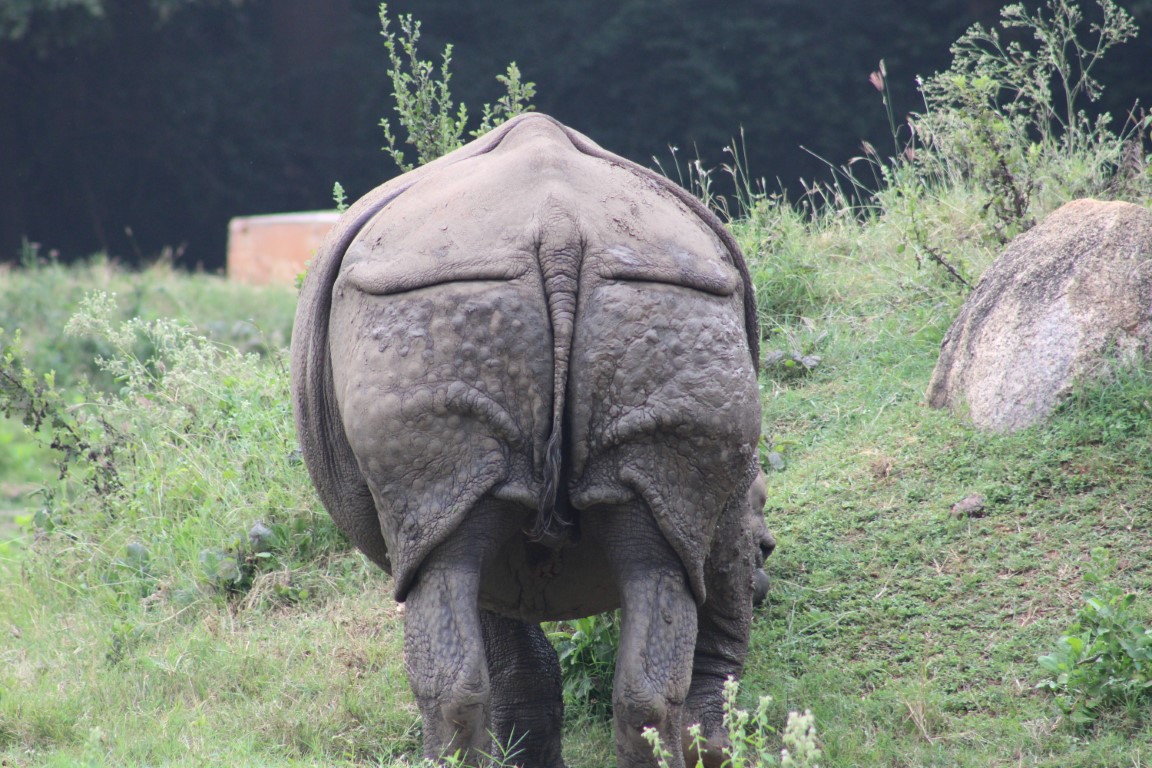
He thought he saw a Banker's Clerk
   Descending from the 'bus:
 He looked again, and found it was
   A Hippopotamus.
 "If this should stay to dine," he said,
   "There won't be much for us!"

He thought he saw a Kangaroo
   That worked a coffee-mill:
 He looked again, and found it was
   A Vegetable-Pill.
 "Were I to swallow this," he said,
   "I should be very ill!"

He thought he saw a Coach-and-Four
   That stood beside his bed:
 He looked again, and found it was
   A Bear without a Head.
 "Poor thing," he said, "poor silly thing!
   It's waiting to be fed!"

He thought he saw an Albatross
   That fluttered round the lamp:
 He looked again, and found it was
   A Penny-Postage-Stamp.
 "You'd best be getting home," he said,
   "The nights are very damp!"

He thought he saw a Garden-Door
   That opened with a key:
 He looked again, and found it was
   A Double Rule of Three:
 "And all its mystery," he said,
   "Is clear as day to me!"

He thought he saw an Argument
   That proved he was the Pope:
 He looked again, and found it was
   A Bar of Mottled Soap.
 "A fact so dread," he faintly said,
   "Extinguishes all hope!"
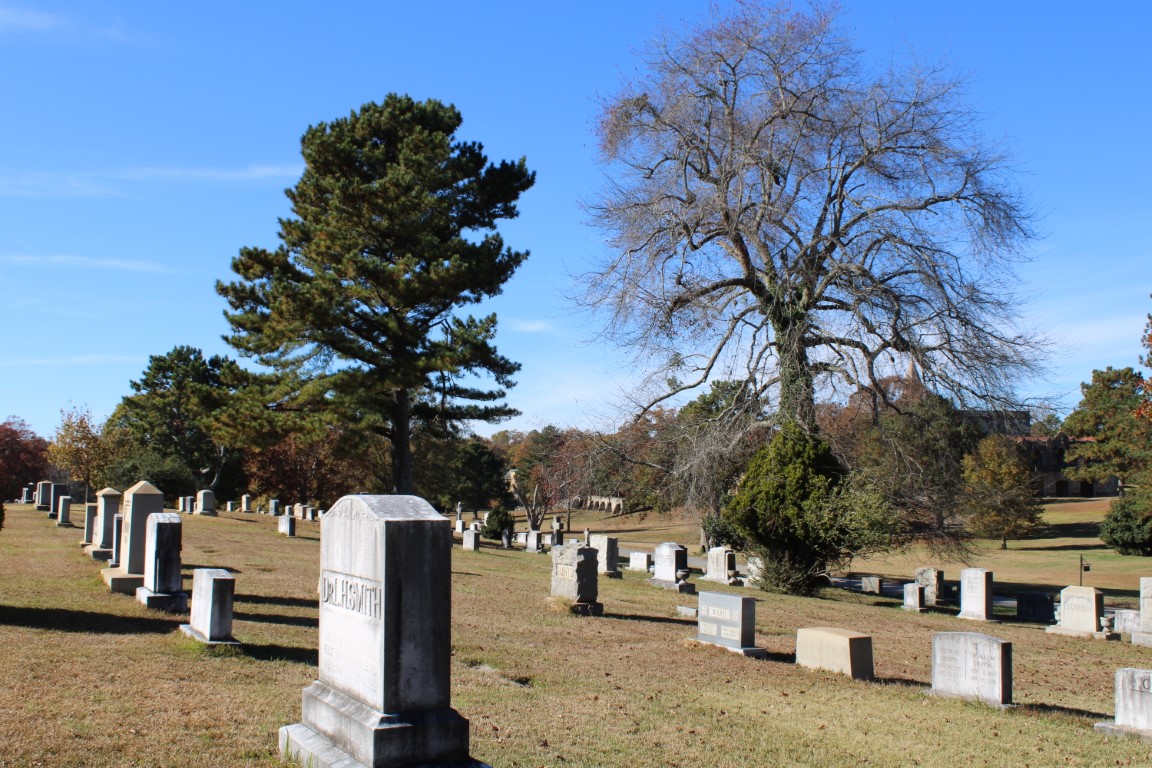
Four Seasons fill the measure of the year;
   There are four seasons in the mind of man:
 He has his lusty Spring, when fancy clear
   Takes in all beauty with an easy span:
 He has his Summer, when luxuriously
   Spring's honied cud of youthful thought
     he loves
 To ruminate, and by such dreaming high
   Is nearest unto heaven: quiet coves
 His soul has in its Autumn, when his wings
   He furleth close; contented so to look
 On mists in idleness -- to let fair things
   Pass by unheeded as a threshold brook.
 He has his Winter too of pale misfeature,
 Or else he would forego his mortal nature.


