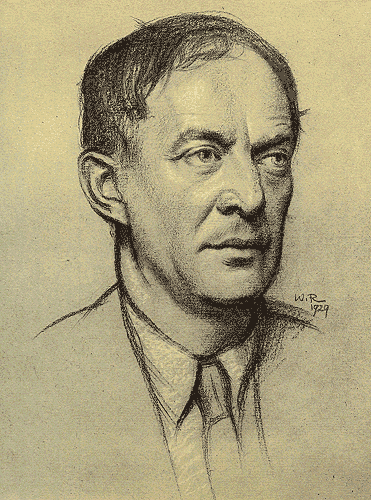
Clear eyes, beneath clear brows, gaze out at me,
 Clear, true and lovely things therein I see;
 Yet mystery, past ev'n naming, takes their place
 As mine stay pondering on that much-loved face.

Clear eyes, beneath clear brows, gaze out at me,
Clear, true and lovely things therein I see;
Yet mystery, past ev'n naming, takes their place
As mine stay pondering on that much-loved face.
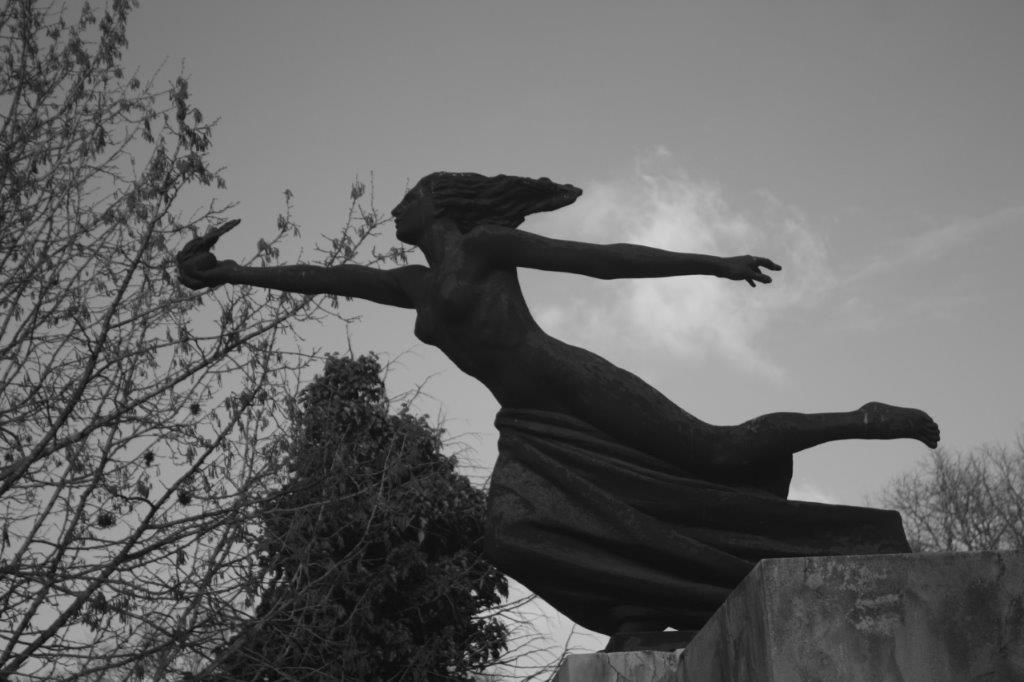
Gliding o'er all, through all,
 Through Nature, Time, and Space,
 As a ship on the waters advancing,
 The voyage of the soul -- not life alone,
 Death, many deaths I'll sing.
I taste a liquor never brewed --
  From Tankards scooped in Pearl --
 Not all the Frankfort Berries
   Yield such an Alcohol!

Inebriate of air -- I am --
  And Debauchee of Dew --
 Reeling -- thro' endless summer days --
   From inns of molten blue --

When "Landlords" turn the drunken Bee
  Out of the Foxglove's door --
 When Butterflies -- renounce their "drams" --
   I shall but drink the more!

Till Seraphs swing their snowy Hats --
  And Saints -- to windows run --
 To see the little Tippler
   Leaning against the -- Sun!
When midnight mists are creeping,
   And all the land is sleeping,
 Around me tread the mighty dead,
   And slowly pass away.

Lo, warriors, saints, and sages,
   From out the vanished ages,
 With solemn pace and reverend face
   Appear and pass away.

The blaze of noonday splendour,
   The twilight soft and tender,
 May charm the eye: yet they shall die,
   Shall die and pass away.

But here, in Dreamland's centre,
   No spoiler's hand may enter,
 These visions fair, this radiance rare,
   Shall never pass away.

I see the shadows falling,
   The forms of old recalling;
 Around me tread the mighty dead,
   And slowly pass away.
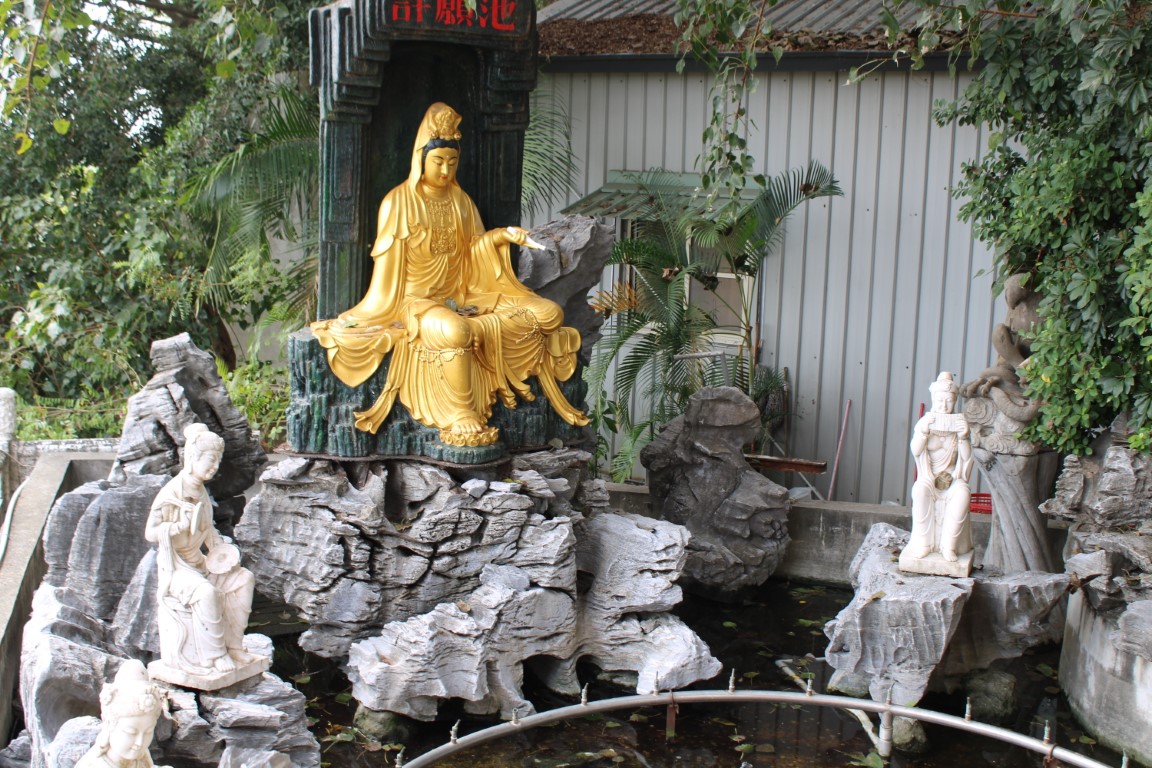
It's as if ones gone mining --
   From lead, silver refining.
 That's how one cleanses a heart:
   With pure love, not pining.

Like a pond from Spring rainfall:
   Mirror to heavens and all,
 Without defect of image --
   True as the moon's bright, white ball.

Stargazing across night skies;
   Singing songs of hermits, wise;
 The water flowing today
   Will know that bright moonrise.
NOTE: The late Tang Dynasty poet, Sikong Tu (a.k.a. Ssŭ-k‘ung T‘u,) wrote an ars poetica entitled Twenty-Four Styles of Poetry. It presents twenty-four poems that are each in a different tone, reflecting varied concepts from Taoist philosophy and aesthetics. Above is a crude translation of the seventh of the twenty-four poems. This poem’s Chinese title is 洗炼, and it has been variously entitled: “Clean,” “Refining,” and “Wash — Smelt.”
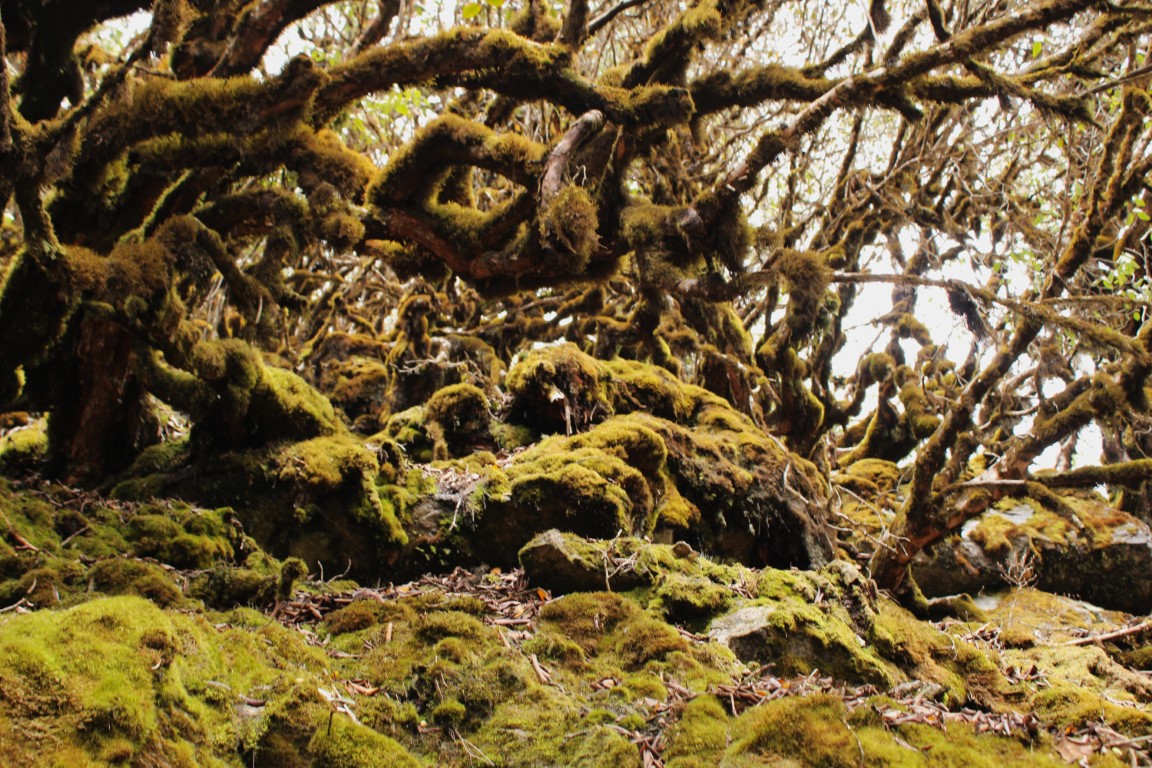
All overgrown by cunning moss,
   All interspersed with weed,
 The little cage of "Currer Bell"
   In quiet "Haworth" laid.

This Bird -- observing others
   When frosts too sharp became
 Retire to other latitudes --
   Quietly did the same --

But differed in returning --
   Since Yorkshire hills are green --
 Yet not in all the nests I meet --
   Can Nightengale be seen --
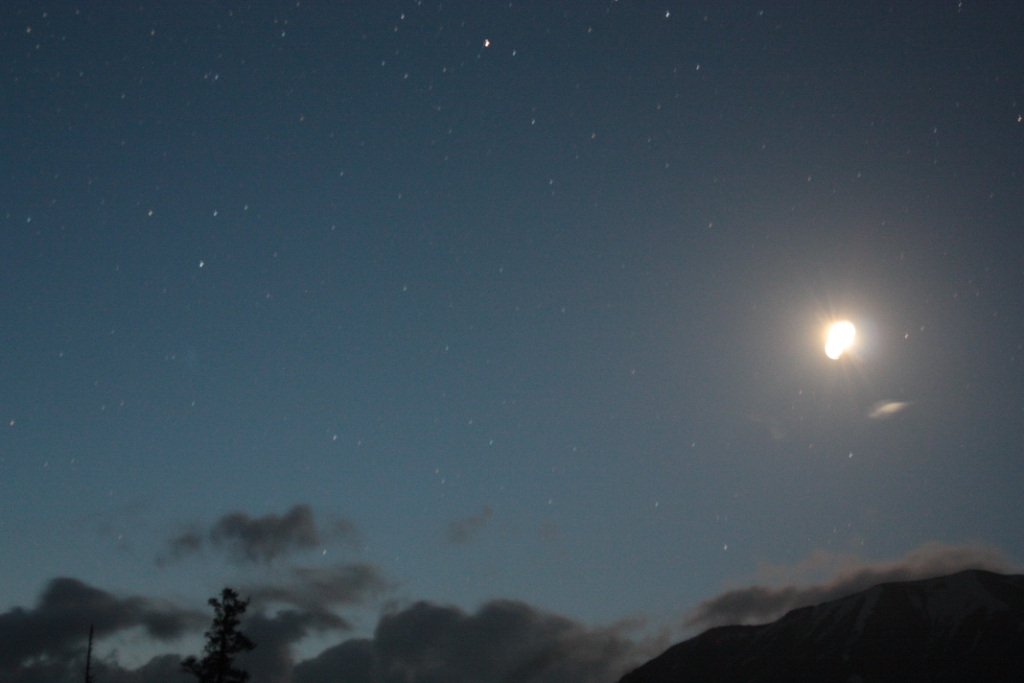
A wise man,
 Watching the stars pass across the sky,
  Remarked:
 In the upper air the fireflies move more slowly.
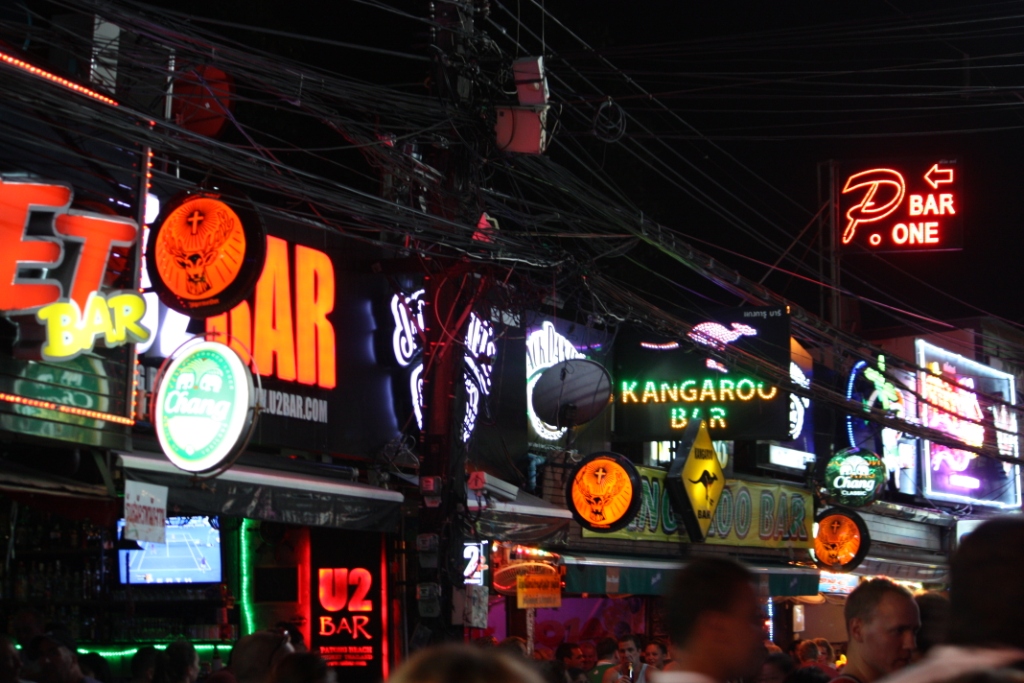
A glimpse through an interstice caught,
 Of a crowd of workmen and drivers in a bar-
   room around the stove late of a winter night,
   and I unremark'd seated in a corner,
 Of a youth who loves me and whom I love,
   silently approaching and seating himself near,
   that he may hold me by the hand,
 A long while amid the noises of coming and
   going, of drinking and oath and smutty jest,
 There we two, content, happy in being together,
   speaking little, perhaps not a word.

the stillness --
 soaking into stones
  cicada's cry
Translation from: Higginson, William J. 1985. The Haiku Handbook: How to Write, Share, and Teach Haiku. Tokyo: Kodansha Int. p. 11
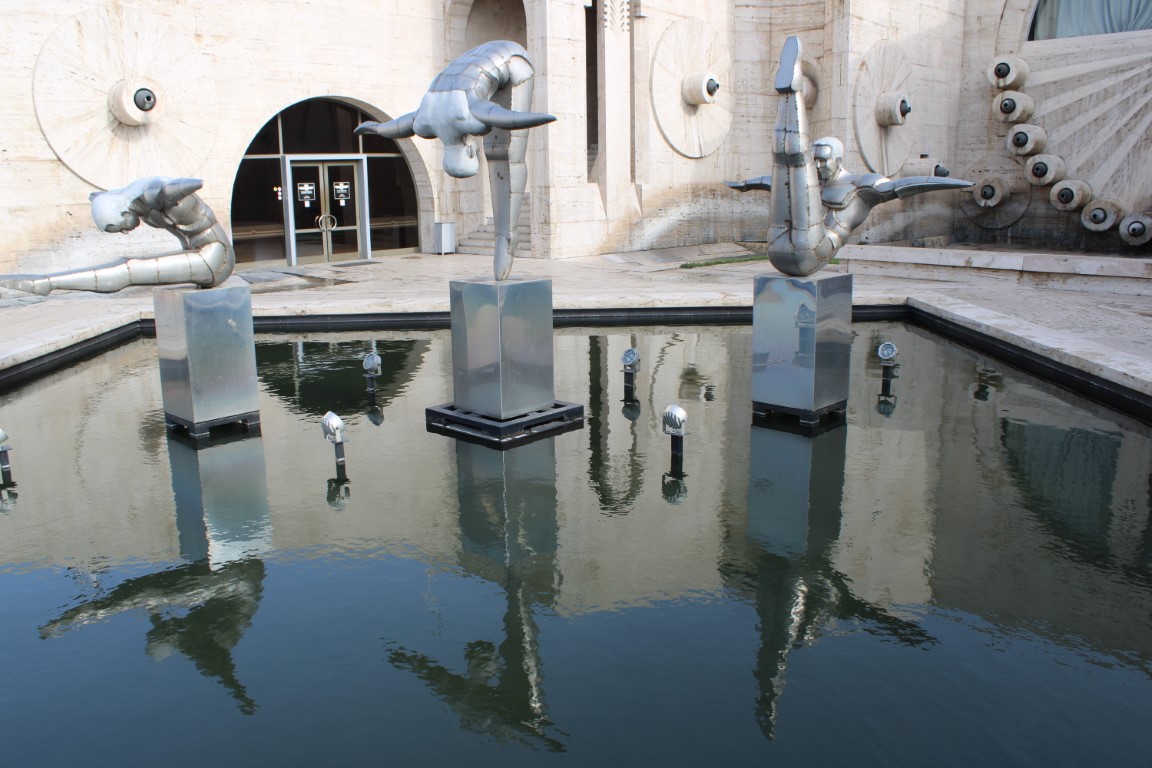
One's-Self I sing, a simple separate person,
 Yet utter the word Democratic, the word En-masse.

Of physiology from top to toe I sing,
 Not physiognomy alone nor brain alone is
      worthy for the Muse, I say the Form complete
      is worthier far,
 The Female equally with the Male I sing.

Of Life immense in passion, pulse, and power,
 Cheerful, for freest action form'd under the laws
      divine,
 The Modern Man I sing.


 Tiger Riding for Beginners