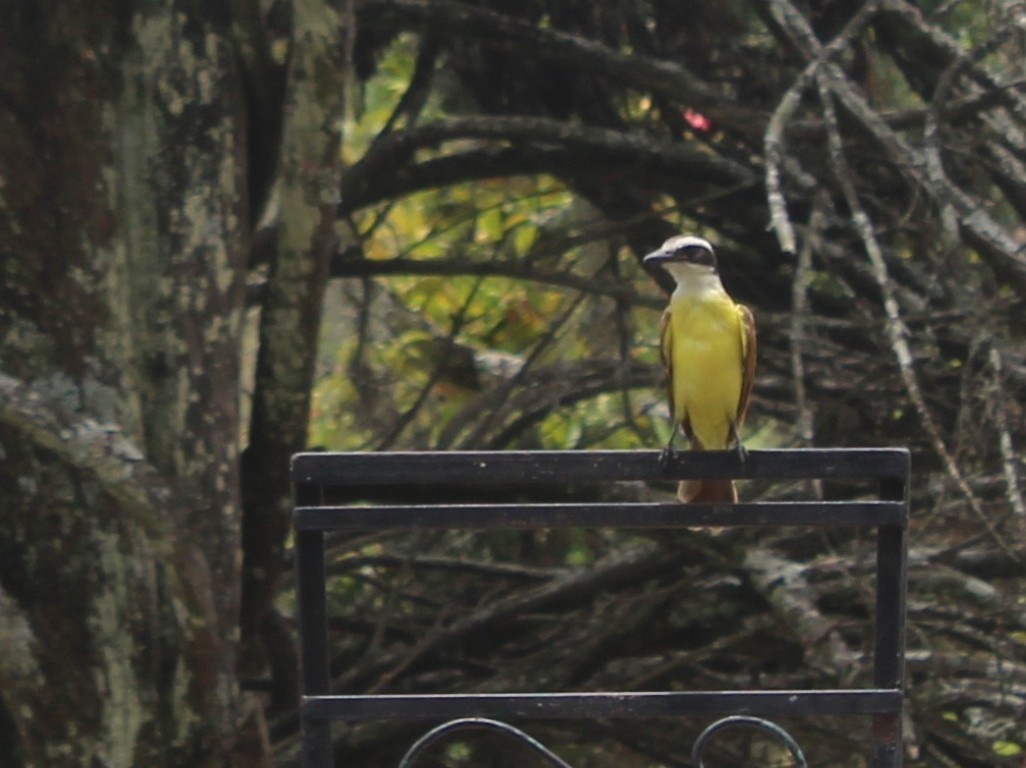
yellow bird perches:
 the chairback at table's head.
  it's eyed like a boss.

yellow bird perches:
the chairback at table's head.
it's eyed like a boss.
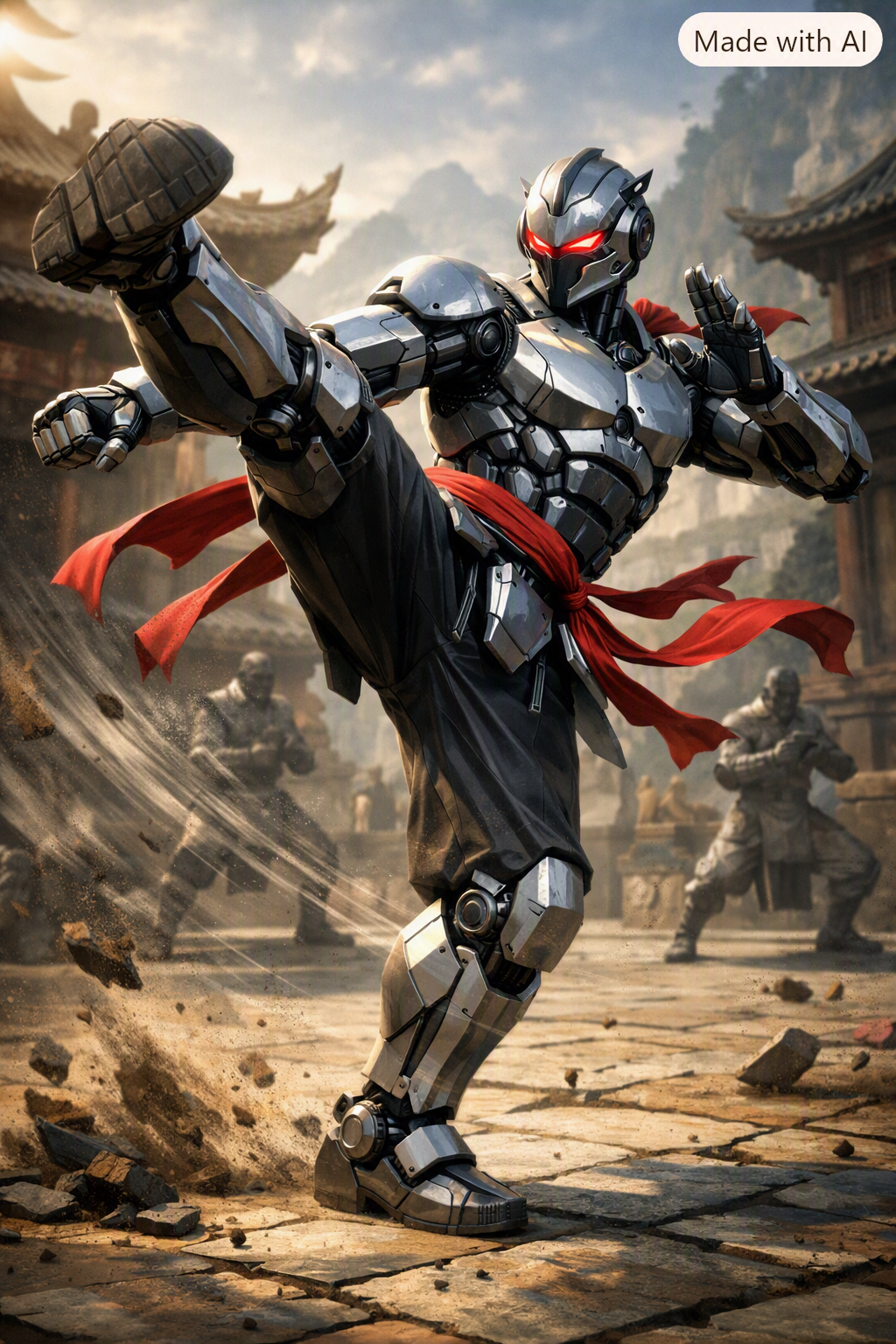
Clumsy Kung Fu robots
   will become slaughter-bots
      in our time.

What they lack in Zen spontaneity
   and warrior ethos they will make
      up for in speed, power, and
          dense metal alloy.

Replaced limbs will make them more
   -- not less -- capable fighters.

Will a battling robot ever wonder
    How did we get here?
                   or
    What is the point?

Or will it only wonder why it is
    using its feet as impact weapons
         when it has ray-guns?

(It is a little like building a typing pool
    of robots... only way, way cooler.)
How do you write what people actually want to read?
View all responses
Step 1: Accept the fact that the overwhelming majority of people don’t want to (or like to) read. The only items I put up in paragraphs (these days) are book reviews. People will read reviews to know what a book says without having to actually read it. The book review is considered the lesser of two evils by those who don’t love reading.
Step 2: Read anything that’s more than a few punchy lines for the “reader.” (i.e. use audio files or YouTube-style video segments.)
Alternatively: Don’t give a rat’s ass and write for yourself.
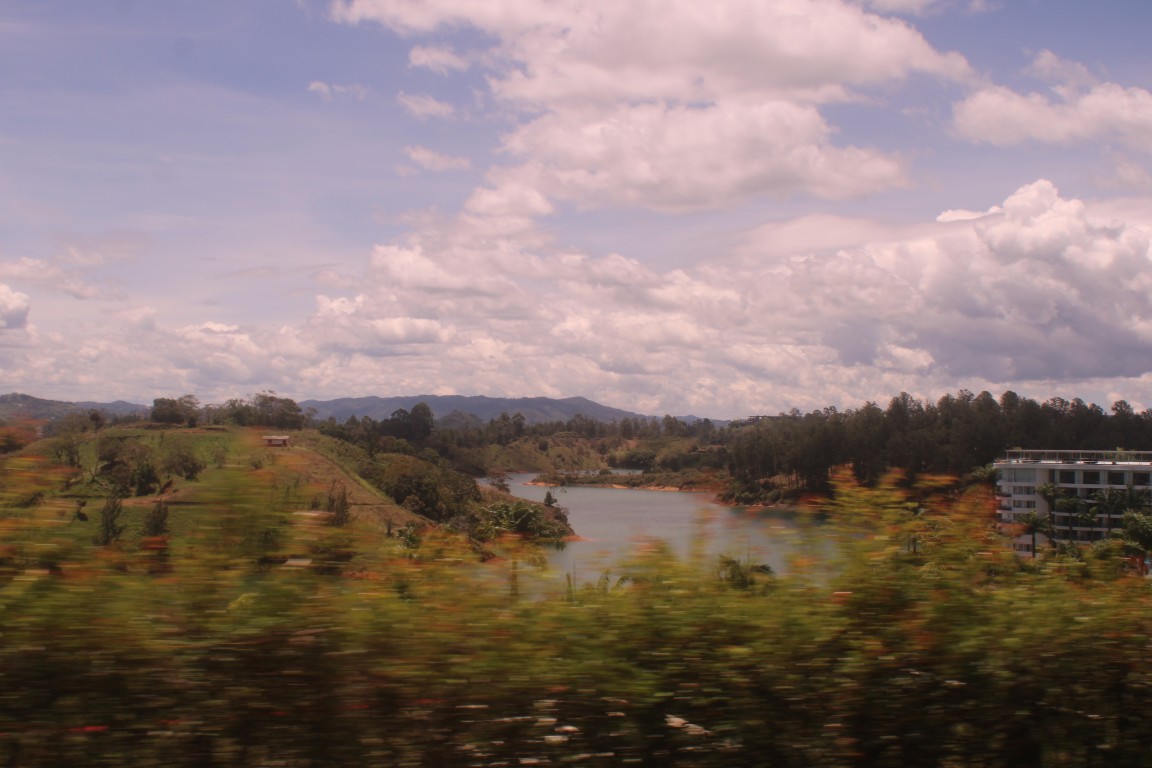
speeding across
 the river bridge by car,
  i miss the scent --
 sweet riverine perfume --
  that I'd smell from the bank.
a tree grows, askew;
 canopy stretched one way -
  wind can’t shake it.
 Health, Healing, And Beyond: Yoga and the Living Tradition of Krishnamacharya by R.H. Cravens
Clap — awkwardly — at something that no one else clapped at? I don’t know. The “most spontaneous” phrase reads a lot like “most dead,” “most unique,” or even “most perfect” to me.
If the question aims for something at the intersection of major life events and spontaneity, it’s more likely to yield romantic revisionism than truth. Being truly spontaneous at scale is a hard way to live if you’re not a hermit or a crazy sage.
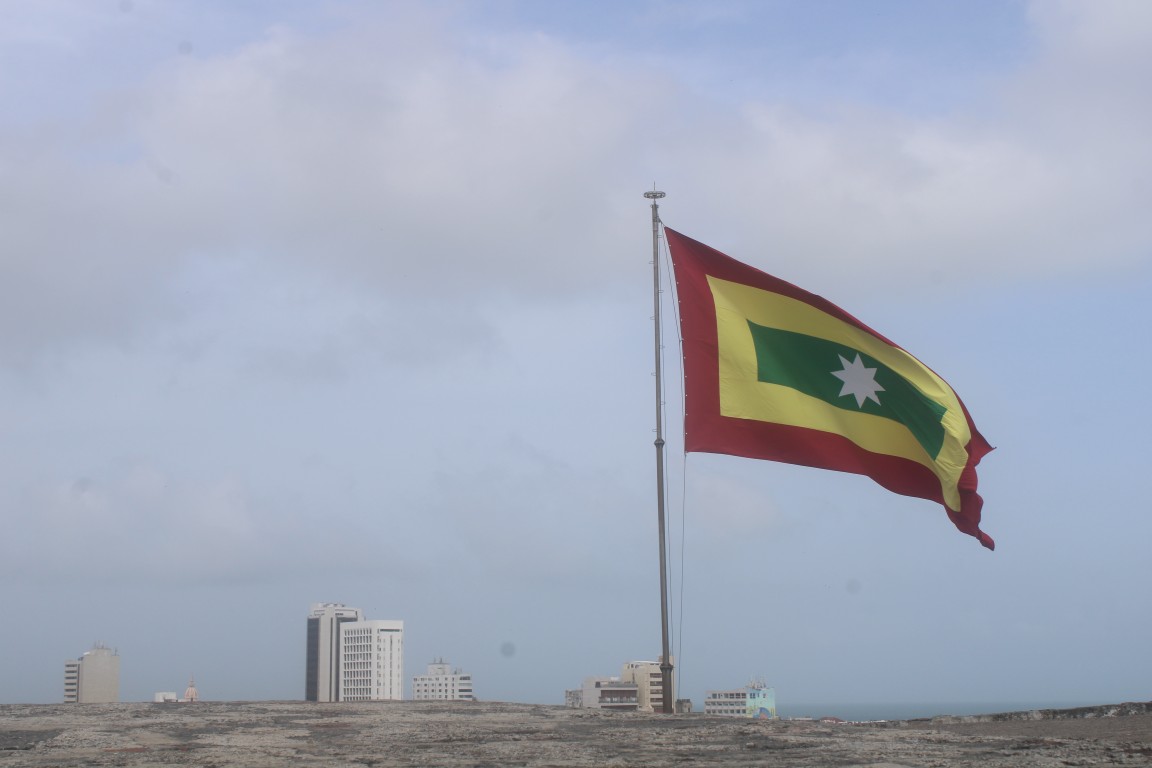
flag rolls and snaps
 as wind whips over
  a once stately fort.