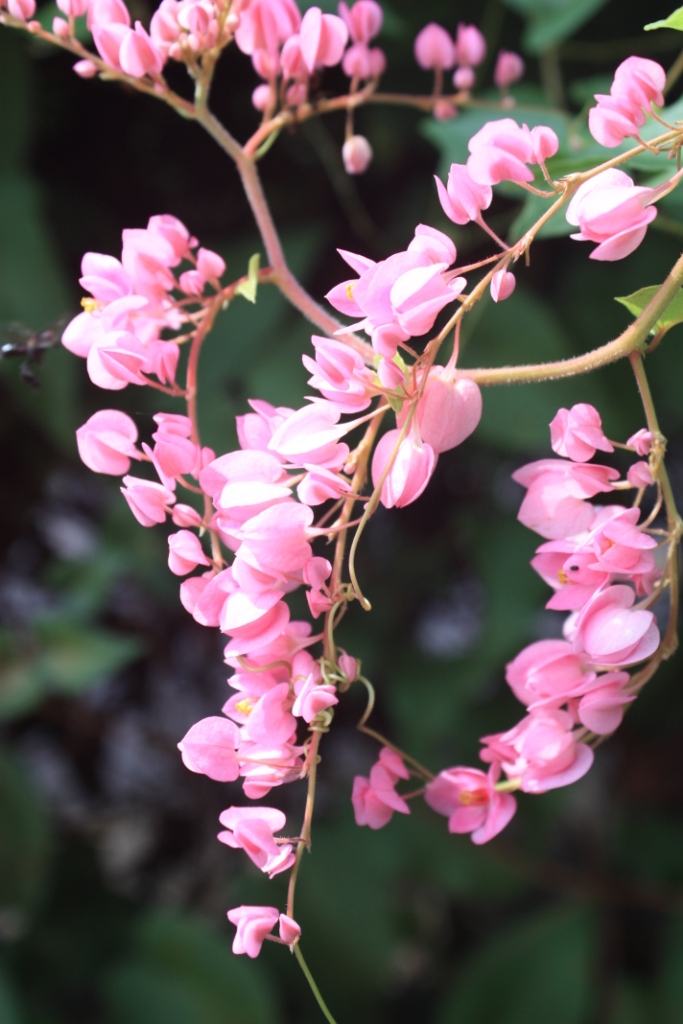
“Broadminded” [Poetry Style #23 (旷达)] by Sikong Tu [w/ Audio]

One may live a century --
Short span though it may be:
Joys are bitterly brief
And sorrows are many.
You may take a wine jug
On your wisteria rounds:
See flowers grow to the eves
As sparse rains wet the grounds.
And when the wine is gone,
One strolls with cane and croons.
We become wizened with age;
South Mount, fair through countless moons.

NOTE: The late Tang Dynasty poet, Sikong Tu (a.k.a. Ssŭ-k‘ung T‘u,) wrote an ars poetica entitled Twenty-Four Styles of Poetry (二十四诗品.) It presents twenty-four poems that are each in a different tone, reflecting varied concepts from Taoist philosophy and aesthetics. Above is a crude translation of the twenty-third of the twenty-four poems. This poem’s Chinese title is 旷达, which has been translated as: “Illumed” [Giles,] “Big-hearted and Expansive [Barnstone and Ping,] “Expansive,” and “Open-minded.”

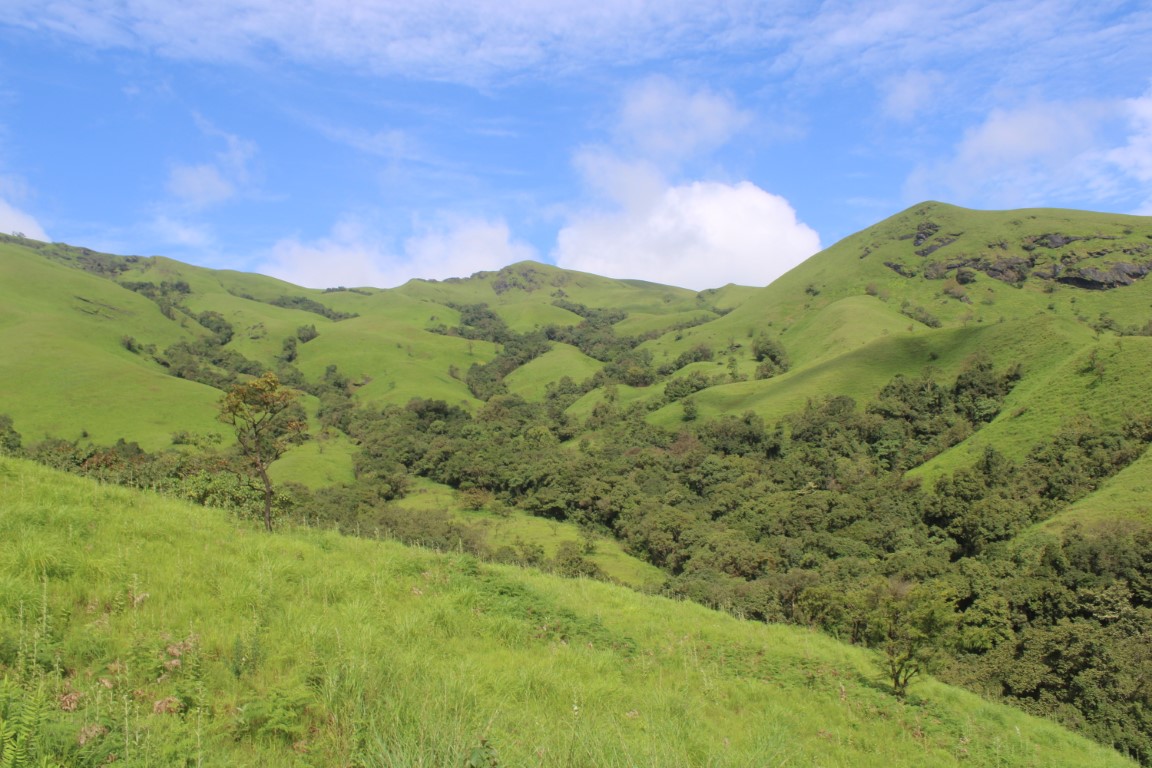
“Transcendent” [Poetry Style #21 (超诣)] by Sikong Tu [w/ Audio]

With no god, but with spirit;
With no mass of tiny things;
Up on high, with the white clouds --
Borne aloft on breezy wings.
From afar all seems in place.
When you arrive it's not there.
Just like acting with the Way
Leaves customs beyond repair.
Chaotic mountain woodlands,
Sweet green moss in the sunshine.
Keep reciting your mantra,
Till it's lost among the pines.

NOTE: The late Tang Dynasty poet, Sikong Tu (a.k.a. Ssŭ-k‘ung T‘u,) wrote an ars poetica entitled Twenty-Four Styles of Poetry (二十四诗品.) It presents twenty-four poems that are each in a different tone, reflecting varied concepts from Taoist philosophy and aesthetics. Above is a crude translation of the twenty-first of the twenty-four poems. This poem’s Chinese title is 超诣 and it’s been translated as “The Transcendental” and “Super”

“Sad” [Poetry Style #19 (悲慨)] by Sikong Tu [w/ Audio]

Strong winds ripple water;
Forest trees are laid low...
A bitter urge to die --
One can't come; one can't go.
Ten decades flow, stream-like;
Riches are cold, gray ash.
Life 's a death procession --
Unless you're adept and brash,
And can take up the sword
To hasten the anguish...
No rustling dry leaves, or
Leaky roof as you languish.

NOTE: The late Tang Dynasty poet, Sikong Tu (a.k.a. Ssŭ-k‘ung T‘u,) wrote an ars poetica entitled Twenty-Four Styles of Poetry. It presents twenty-four poems that are each in a different tone, reflecting varied concepts from Taoist philosophy and aesthetics. Above is a crude translation of the nineteenth of the twenty-four poems. This poem’s Chinese title is 悲慨, and it has been translated as: “Despondent,” and “Sorrowful.”

“Tortuous” [Poetry Style #17 (委曲)] by Sikong Tu [w/ Audio]

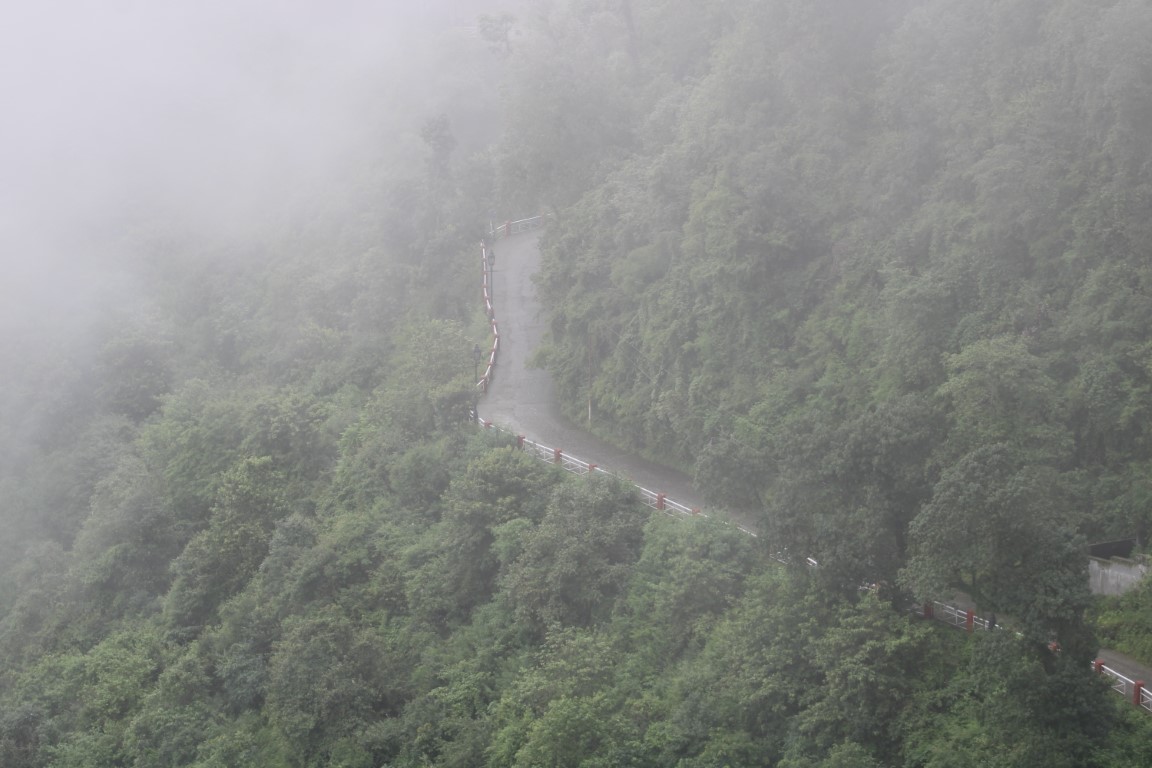
Climbing Taihang Mountain,
On the green winding way.
The jade-lined trail in fog,
Floral scents from the gray.
Stuck in unflowing time,
'Til a song sung bright and gay...
I'm steered back to my past
With the grace of ghosts at play.
Skirting roiling waters,
A Roc soars after prey.
The Tao is unbounded --
Round or square as it may.

NOTE: The late Tang Dynasty poet, Sikong Tu (a.k.a. Ssŭ-k‘ung T‘u,) wrote an ars poetica entitled Twenty-Four Styles of Poetry. It presents twenty-four poems that are each in a different tone, reflecting varied concepts from Taoist philosophy and aesthetics. Above is a crude translation of the seventeenth of the twenty-four poems. This poem’s Chinese title is 委曲, and has been translated as: “Grievance” and “In Tortuous Ways.”

“Sparse” [Poetry Style #15 (疏野)] by Sikong Tu [w/ Audio]

Ah, make nature your home;
Be true and be unchained.
Enrichment by control
Can never be sustained.
Build your hut in the pines:
Toss your hat and read verse.
Know the dawn from the dusk,
But not time -- cradle to hearse.
If your life suits you well
Why must you strive and strain?
If you're unbound as sky,
This style you have attained.

NOTE: The late Tang Dynasty poet, Sikong Tu (a.k.a. Ssŭ-k‘ung T‘u,) wrote an ars poetica entitled Twenty-Four Styles of Poetry. It presents twenty-four poems that are each in a different tone, reflecting varied concepts from Taoist philosophy and aesthetics. Above is a crude translation of the fifteenth of the twenty-four poems. This poem’s Chinese title is 疏野 and it has been translated as “Seclusion” [Giles,] “The Carefree and Wild Style” [Barnstone / Ping,] as well as, “Unrestricted,” “Seclusion,” and “Sparse Wilderness.”

“Jade Gate Pass” by Wang Wei [w/ Audio]

Dawn rain has washed the city of its dust;
The refreshed hotel willows tremble in a gust.
My friendly advice, you dry up another glass,
You have no acquaintance beyond The Jade Gate Pass.

“Spritual” [Poetry Style #13 (精神)] by Sikong Tu [w/ Audio]

All wish to return,
Hoping others will come:
A clear water ride
Where strange flowers bud,
And lime-green parrots fly
The willows, to and from --
The mountain folk arrive
Deep bowls fill with wine...
To take a life beyond
And not end in ash,
But still be of nature;
Who's up to that task?

NOTE: The late Tang Dynasty poet, Sikong Tu (a.k.a. Ssŭ-k‘ung T‘u,) wrote an ars poetica entitled Twenty-Four Styles of Poetry. It presents twenty-four poems that are each in a different tone, reflecting varied concepts from Taoist philosophy and aesthetics. Above is a crude translation of the thirteenth of the twenty-four poems. This poem’s Chinese title is 精神, and it has been translated as: “Essential,” “Animal Spirits,” and “Spirit.”

“Bold” [Poetry Style #11] by Sikong Tu [w/ Audio]

View flowers like a bandit;
Let nature flow through you,
Breathing in the Great Way
As you let your crazy brew.
Wander like the free winds --
Sea and mountain in gray-blue.
Feel true power overflow,
As all nature lives through you.
Before: sun, moon, and stars;
Behind: the one from two.
By dawn, sea turtles have gone,
Soak your feet where they withdrew.

NOTE: The late Tang Dynasty poet, Sikong Tu (a.k.a. Ssŭ-k‘ung T‘u,) wrote an ars poetica entitled Twenty-Four Styles of Poetry. It presents twenty-four poems that are each in a different tone, reflecting varied concepts from Taoist philosophy and aesthetics. Above is a crude translation of the eleventh of the twenty-four poems. This poem’s Chinese title is 豪放, which has been translated to “Free,” “Set Free,” and “Broad-minded” in various English language translations.

“Riverside Daffodils” by Chen Yuyi [w/ Audio]

I still remember drinking on the Bridge of Noon
With bright wits of the day.
The silent moon
On endless river rolled away.
In lacy shadows cast by apricot flowers
We played our flutes till morning hours.

O'er twenty years have passed like dreams;
It is a wonder that I'm still alive.
Carefree, I mount the tower bathed in moonbeams.
So many things passed long
Ago survive
Only in fishermen's midnight song.

Translation: This Song Dynasty poem was translated by Xu Yuanchong in: Xu Yuanchong [translator]. 2021. Deep, Deep the Courtyard. [庭院深深.] Cite Publishing: Kuala Lumpur, p. 212-213

“Beauty” [Poetry Style # 9] by Sikong Tu [w/ Audio]

When one makes god of wealth,
Light glows from yellow "gold,"
But the lavish withers --
Even as its deeps take hold.

Fog at the river's edge.
Red apricots, woods enfold.
Moon shine on bower's flowers.
Painted bridge in green shadow.
An old bowl full of wine,
As a friend's lute song unfolds.
Make your bliss of such things,
And they will be your true gold.

NOTE: The late Tang Dynasty poet, Sikong Tu (a.k.a. Ssŭ-k‘ung T‘u,) wrote an ars poetica entitled Twenty-Four Styles of Poetry. It presents twenty-four poems that are each in a different tone, reflecting varied concepts from Taoist philosophy and aesthetics. Above is a crude translation of the ninth of the twenty-four poems. This poem’s Chinese title is 绮丽, and its translated titles include: “Beautiful,” “Intricate,” and “Embroideries.”